
8 Travel Closures That Can Catch Visitors to France Off Guard

When planning a trip to France, it’s easy to assume that attractions, restaurants, and transportation will just be open. In reality, there are a number of closures and situations that are completely normal in France but can be surprising to visitors if you’re not aware of them ahead of time.
These are some common closures that catch visitors off guard, along with helpful tips so you can plan ahead and avoid surprises once you’re already there.
1. Museums Are Usually Closed One Weekday

Almost without exception, museums in France are closed one day of the week, generally Monday or Tuesday. In Paris, the Louvre is closed on Tuesday, while Versailles and the Musée d’Orsay are closed on Monday.
Landmarks are a bit different. Major sights like the Arc de Triomphe and the Eiffel Tower are open every day. Outside Paris, many big-ticket attractions follow the same pattern. For example, most Loire Valley châteaux, the Abbey of Mont Saint-Michel, and the Roman amphitheater in Nîmes are open daily.
Some shops, boulangeries, and restaurants also take a weekly day off, most often Monday.
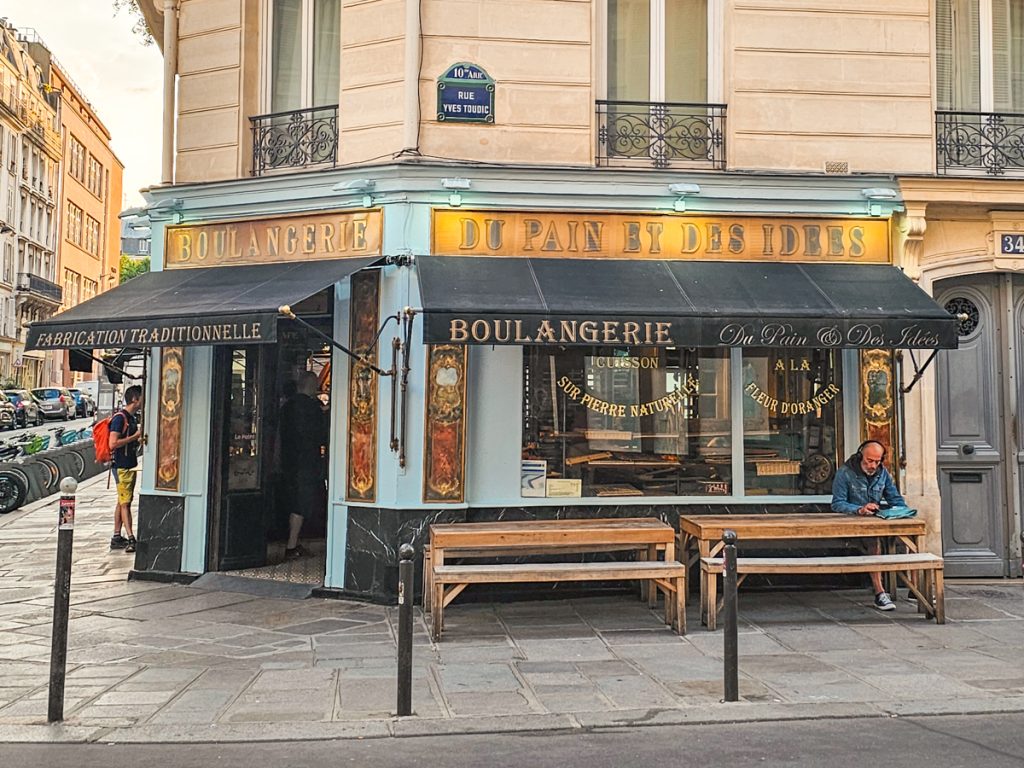
This matters quite a bit when you’re planning an itinerary. It’s logical to plan an itinerary based on what’s close together geographically, e.g. Monday we’ll visit the Latin Quarter in Paris, Tuesday we’ll do the 1st arrondissement in Paris, etc.
However, that might mean you miss out on one of your top sites, especially if it’s a spot you need to book in advance. So, when planning out your trip, be extra mindful of Mondays and Tuesdays, and always double-check opening days before locking anything in.
2. Last Entry
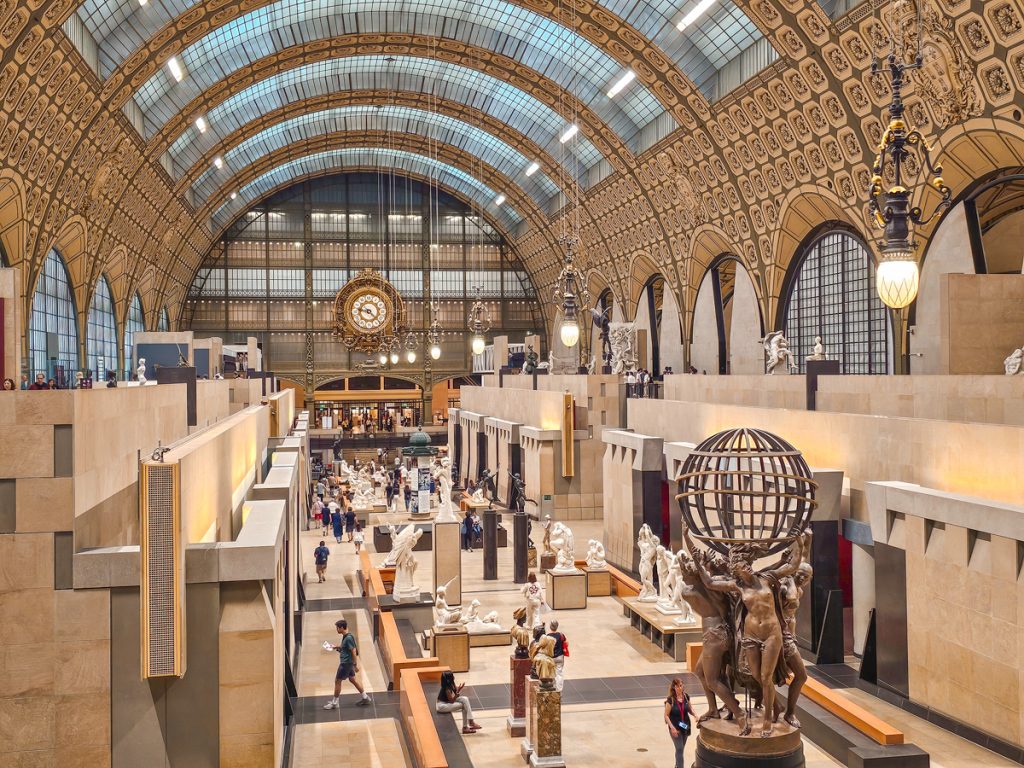
Museums stop letting people enter about 30–45 minutes before closing, and staff start clearing galleries around 15–30 minutes before the official closing time. Larger museums usually start clearing rooms earlier than smaller museums, and the rooms farthest from the entrance are typically the first to close.
If there’s a specific room, artwork, or exhibit you really want to see, don’t plan to visit it at the last possible moment, since that section may already be closed off.
3. May 1
Almost every landmark and attraction in France is closed on July 14, Christmas Day, and May 1. July 14 (France’s National Holiday) and December 25 aren’t that surprising to visitors. May 1 is the one that tends to catch people off guard.
May 1 is Labor Day in France, and it’s the one day of the year when employees are legally required to have the day off, outside of essential services. In practical terms, that means almost everything is closed. Museums, attractions, and shops are shut down, and many restaurants are also closed.
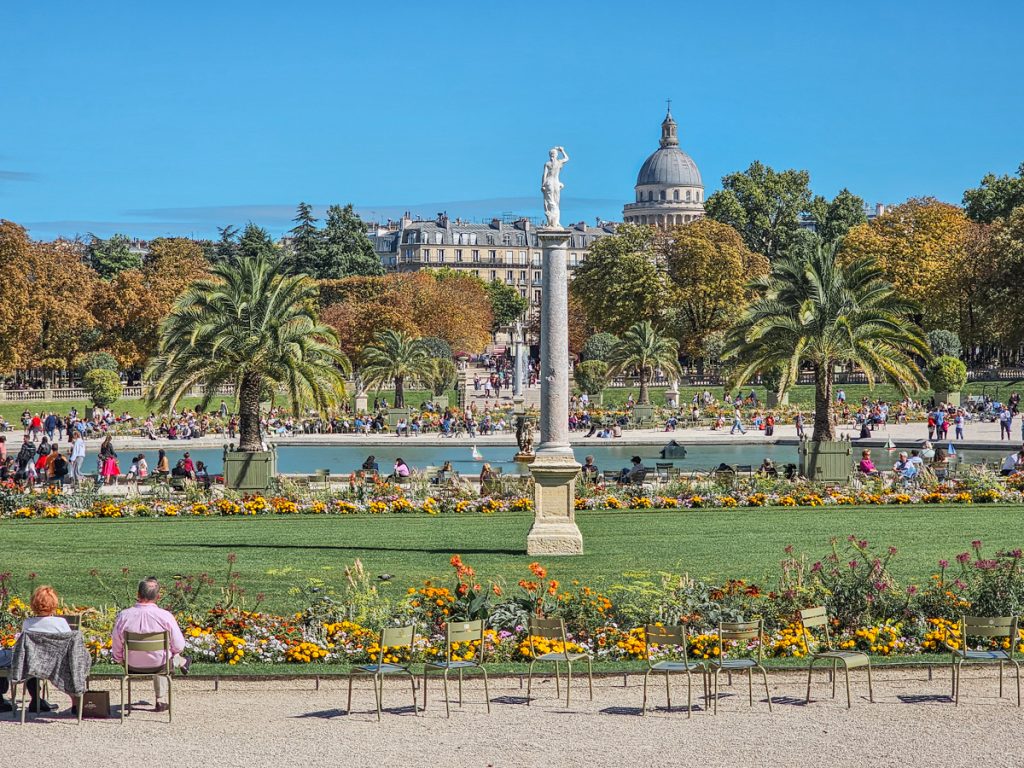
Because of this, it’s important to plan ahead for food and to think carefully about how you want to spend the day. This is a good day for walking and wandering, visiting parks or public gardens, going for a hike, heading to the beach, or putting together a picnic.
There are exceptions, but they’re not something you should count on. For example, one year we were in Provence and visited the Pont du Gard on May 1.
You’ll also notice people selling or giving small sprigs of lily of the valley (called muguet in French), which are traditionally exchanged with friends and family on May 1.
4. Some Attractions and Tours Close For the Winter
Beyond single-day holidays like May 1, some attractions in France shut down for entire seasons.
A classic example is Monet’s Garden in Giverny, which is closed from November to March. Many countryside castles do the same. Places like Château Gaillard in Normandy, Château d’Ussé in the Loire, and Vaux-le-Vicomte just outside of Paris close for the winter season.

This also applies to tours and experiences. For example, the amazing food tour I did in Nice, the hot air balloon ride we experienced in the Loire Valley, and bike tours I wanted to book in Toulouse don’t run during the winter.

In Paris, visits to the Tour Saint Jacques are closed from mid-November to mid-May.
If you’re traveling in the off-season, it’s worth double-checking not just opening days, but opening months, especially for outdoor attractions, gardens, castles, and guided experiences.
5. Many Restaurants Close Between Lunch and Dinner
In France, many restaurants close in the afternoon, usually sometime between 2 or 3 pm, and open again for dinner service around 7 pm.
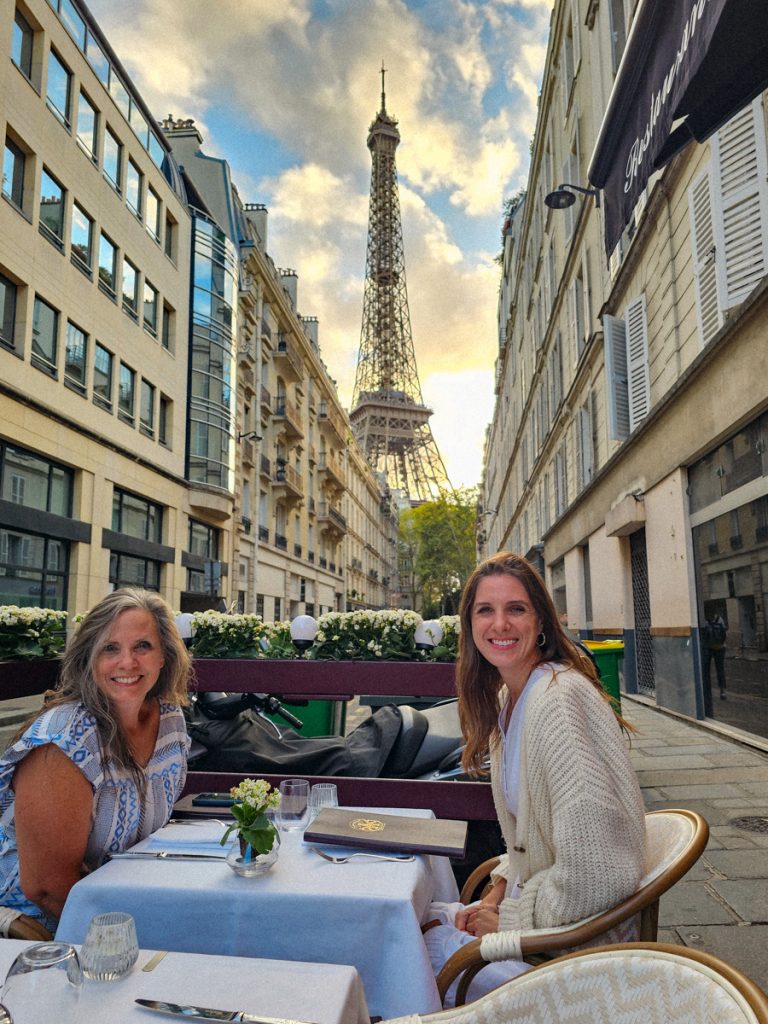
More casual establishments, like cafés, generally stay open without interruption, and many brasseries do as well. But if you’re looking at a “regular” restaurant, you won’t have much luck in the late afternoon and early evening.
This is even more noticeable in smaller towns and villages, where shops, the local boulangerie, and museums may close completely for a two hour lunch break.
6. Les Congés
Les congés is French for time off or vacation, and France takes les congés in summertime very seriously. Many people take extended holidays in the summer, often several weeks at a time, heading to the mountains, the beach, or the countryside.

Because of this, some shops and restaurants close completely for part of the summer. These closures are most common in August and can last anywhere from a couple of weeks to an entire month.
Sometimes this information is posted online. Other times, you only find out when you show up and see a small sign taped to the door.
Most places do stay open, especially in larger cities. Paris certainly doesn’t shut down. Still, it’s normal to run into closures, particularly at smaller, independently run spots, so it’s something to keep in mind if you’re traveling in late summer.
7. Strikes Can Also Disrupt Openings
France strikes more than any other country in the world, and they are a big part of French society and culture. These strikes (les grèves in French) can sometimes impact tourists as well.

Most commonly, strikes affect public transportation, including Metros, buses, and trains. But in 2025, strikes at the Louvre shut the museum for several days in June and December.
Air travel isn’t immune either. In July 2025, air traffic controllers walked out, leading to widespread flight delays and cancellations across France and beyond for two days.
That being said, for the vast majority of travelers, strikes won’t impact your trip, and they’re certainly not a reason to avoid traveling to France altogether. It’s just good to be aware of the possibility, so you’re not caught off guard if something does happen during your visit.
And if it does affect your plans, the best approach is to stay flexible, try not to stress, and look for alternatives.
8. Renovations
One of the things people love most about France is how historic everything feels, with churches, buildings, and monuments that are hundreds of years old. The tradeoff is that those older structures need constant upkeep, which means there’s almost always something closed for renovations.
For example, as I write this in early 2026, in Paris, the Catacombs are closed until spring, the Centre Pompidou is closed until ~2030, the observation deck of the Tour Montparnasse is set to close in the coming weeks, and Place Saint-Michel is completely boarded up.
Additionally, the Petit Palais is wrapping up renovations to its garden courtyard, the Musée de la Vie Romantique is re-opening soon after a year and a half of work, and Notre-Dame Cathedral still has scaffolding and cranes up for exterior restoration.
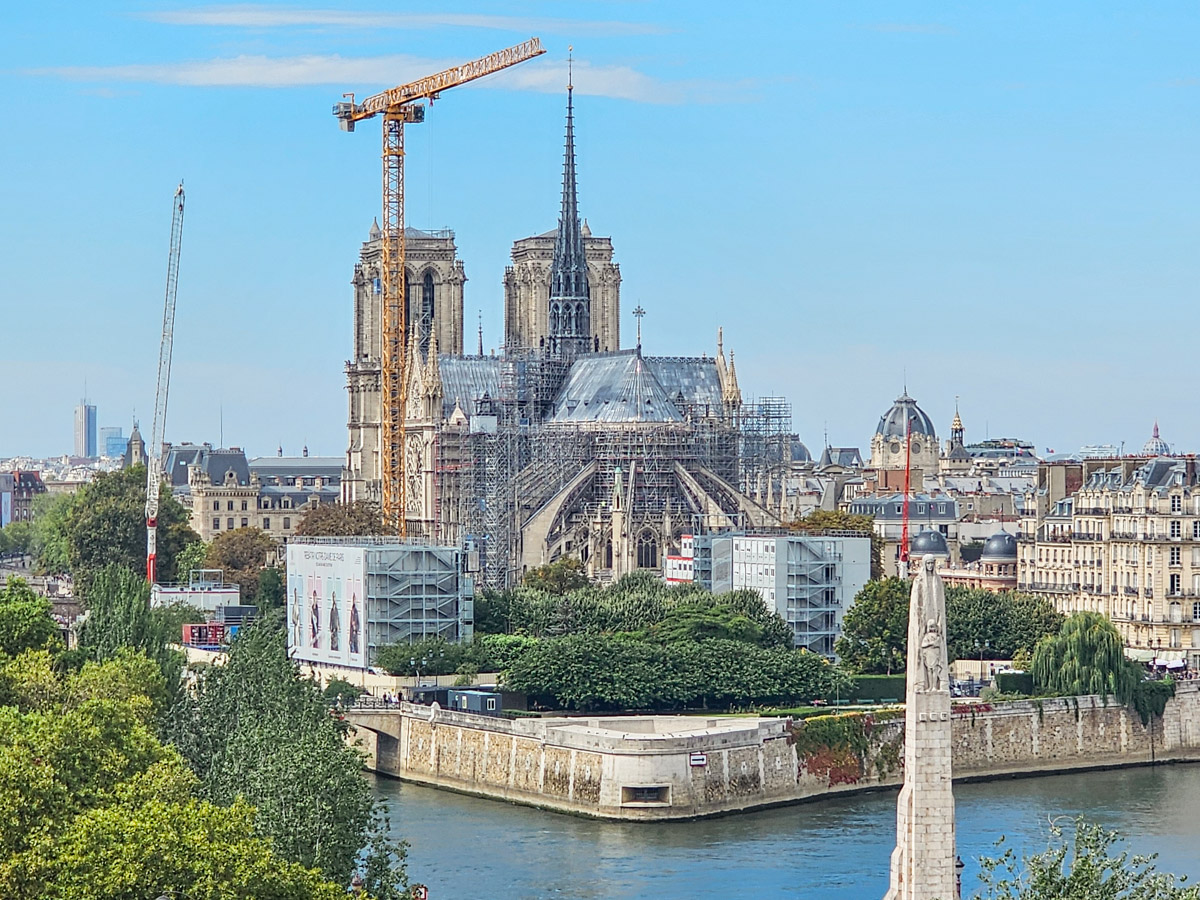
None of this is unusual. Renovation work is ongoing all over France, and it’s another reason it’s worth double-checking official sites shortly before your trip.
Final Thoughts
None of this is meant to complicate your trip, just to help you plan a little more intentionally. A few quick checks while you’re building your itinerary can save you a lot of frustration later.
Need Personalized Help Planning Your Trip to France?
If you’re feeling overwhelmed with options or short on time, my France planning calls can help.
These one-on-one video sessions are great for getting feedback, asking questions, and sorting through options, whether you’re building an itinerary from scratch or fine-tuning plans you already have.
