

12 Historic Sites in France That Bring the Past to Life

France is a country where history still feels very much alive. Centuries of culture, power, war, art, and change have left their mark across the cities, villages, and countryside. Many of these sites are remarkably well-preserved, making the history feel very tangible rather than distant.
What makes them worth visiting isn’t just their age. They’re all tied to pivotal moments or time periods that changed the course of French and European history. Spending time at them gives you a real sense of what life looked like in those eras and how much events still echo today.
Without further ado, these are some of my favorite historical sites around France.
1. Carcassonne
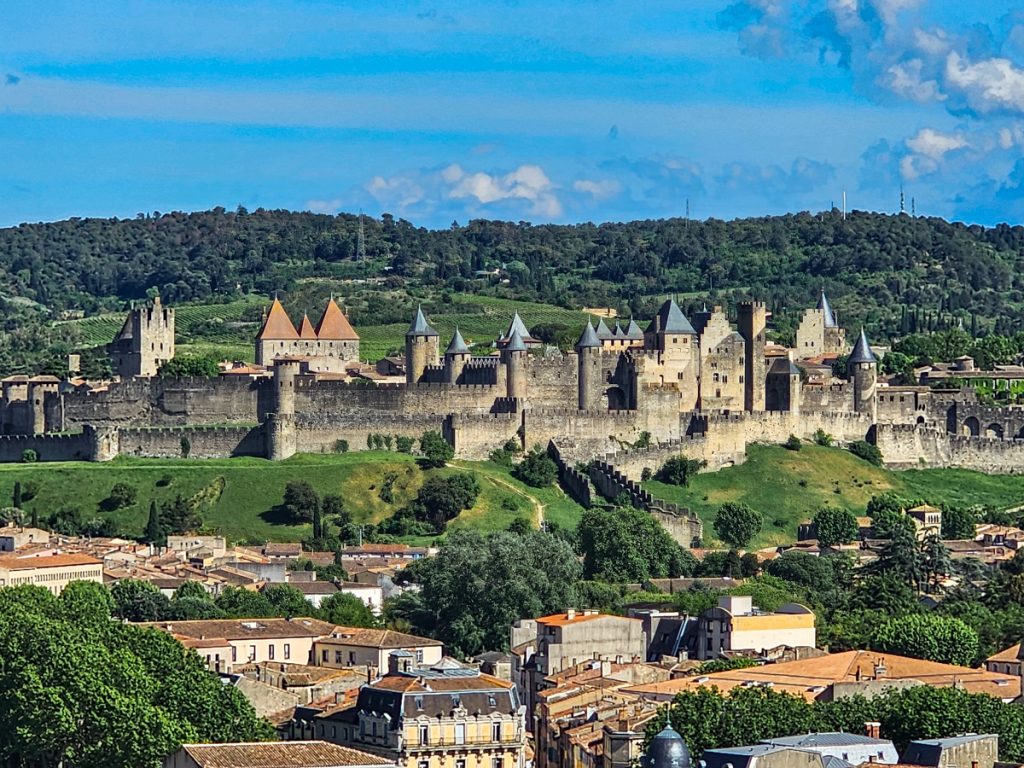
Carcassonne is the largest walled city in Western Europe and one of the most interesting places to visit in the Occitanie region. It has an incredibly well-preserved double fortification wall around the entire city, winding cobbled streets, and a nearly fairytale-like atmosphere.
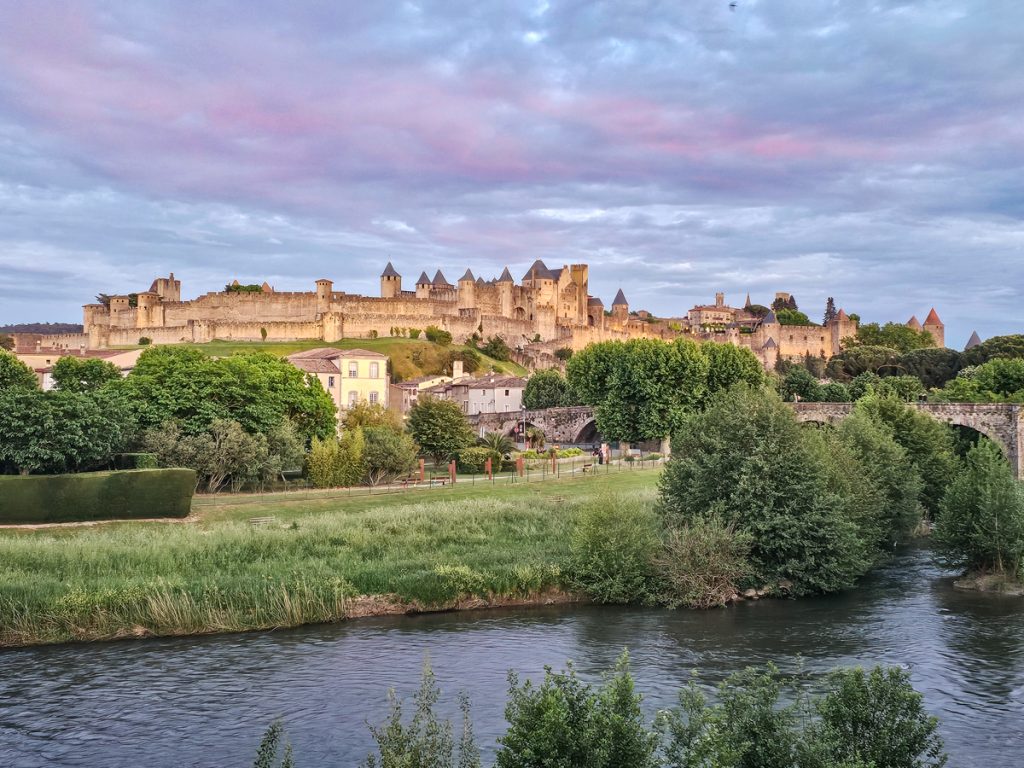
Carcassonne was inhabited and built up by the Romans, Visigoths, and Iberians, but was really built up and fortified during the Middle Ages. Carcassonne’s dramatic past is marked by its role in the 13th-century Crusades against the Cathars, a Christian sect with beliefs that diverged from the Catholic Church.
In 1209, the city faced a 300,000-man Crusader army intent on subduing this “heretic” community. Despite a series of sieges, the city’s defensive double walls, 60 watchtowers, and fortified gates held strong, earning it a reputation as one of the most “invincible” cities of its time.
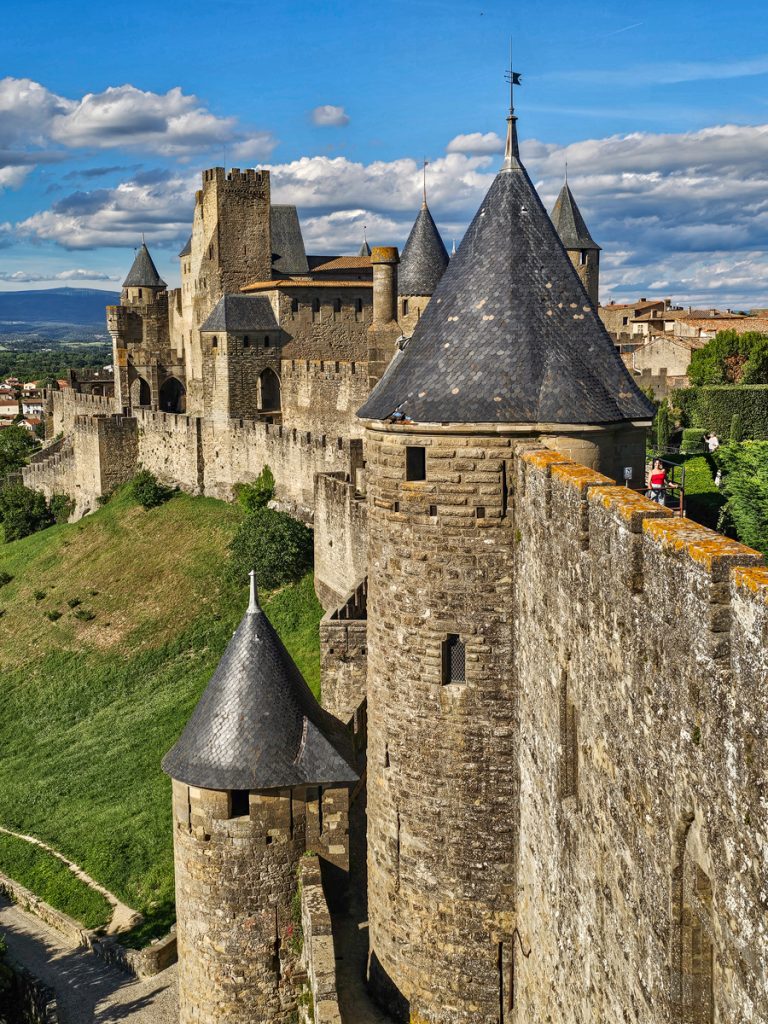
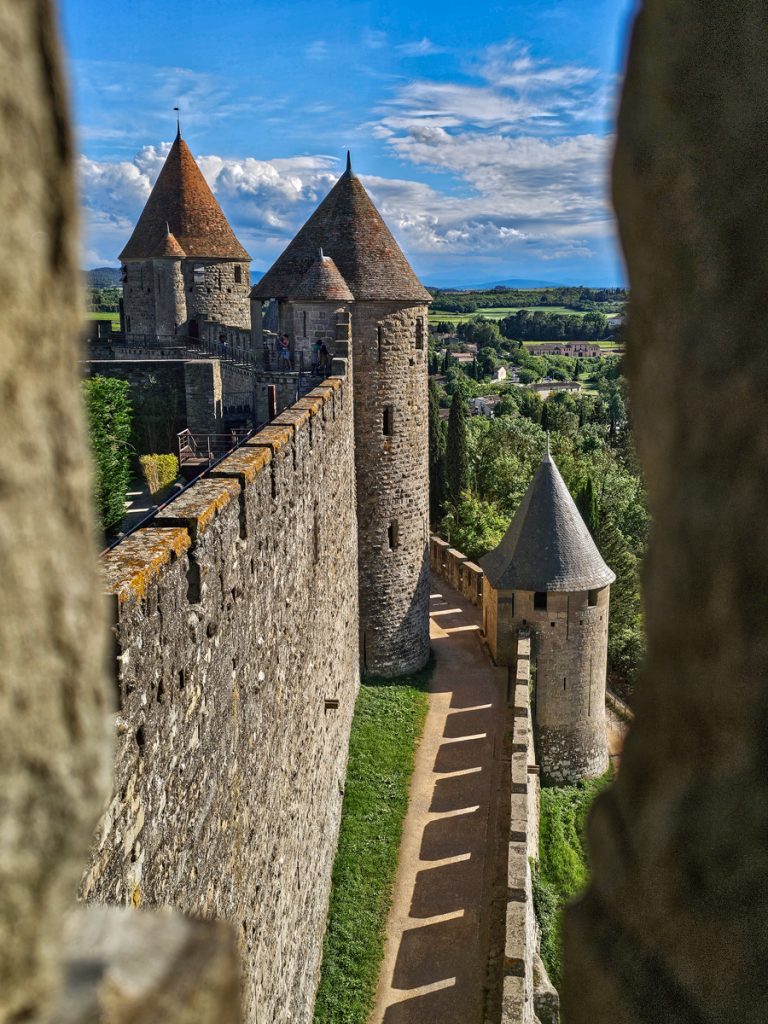
(However, the city did run out of supplies, leading its leader, Lord Raymond Roger Trencavel, to trade his life in exchange for the safe exit of Carcassonne’s citizens, solidifying his legacy as a hero.)
Today, exploring Carcassonne is a bit like stepping into another era. Walking the perimeter of the city on the towering ramparts, exploring the Château Comtal and the Gothic Saint Nazaire Basilica, and wandering the preserved streets will make you feel practically transported back to medieval life.
2. Roman History Sites
The Provence and Occitanie regions are home to an incredible cluster of Roman history sites in France. The Romans controlled southern France for several hundred years and dedicated enormous time and resources to the development of the region, leading some of the cities to be known as “mini-Rome.”
Incredibly, there are many Roman ruins and well-preserved sites still standing today, and they are fascinating historical places to visit.
For example, in Nimes, you can see the majestic Arena of Nimes, one of the largest in the Roman Empire, and in remarkably good condition. There’s also the Maison Carrée, the best-preserved Roman temple in the Roman Empire today, as well as remnants of Roman fortifications.
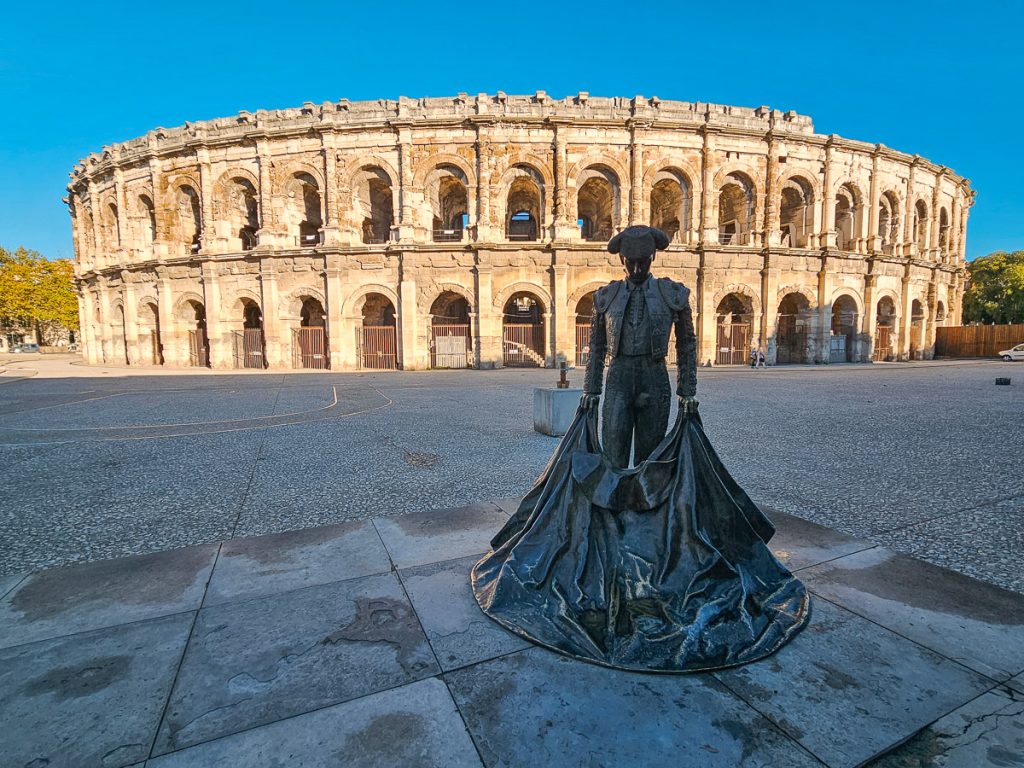

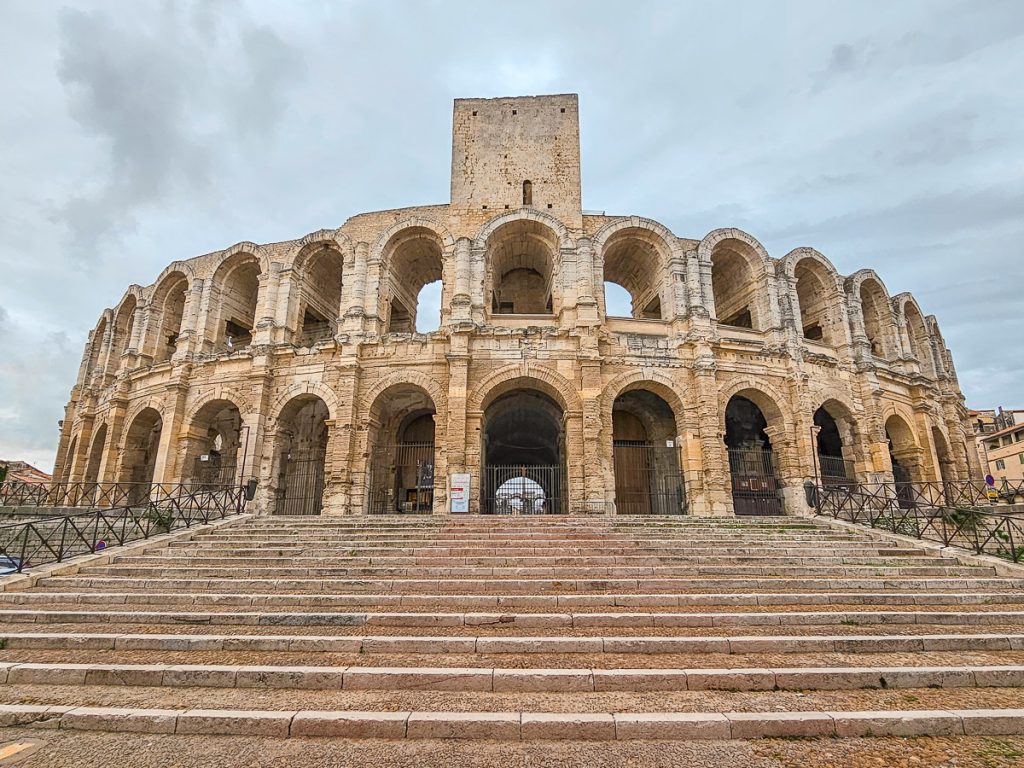
Arles is home to a large collection of Roman sites, including the Arena of Arles, the 20th largest arena in the Roman Empire. You can also visit the Amphitheater of Arles, in significant ruins but with hints at its previous glory, as well as the Roman cemetery, baths, and underground crypts.

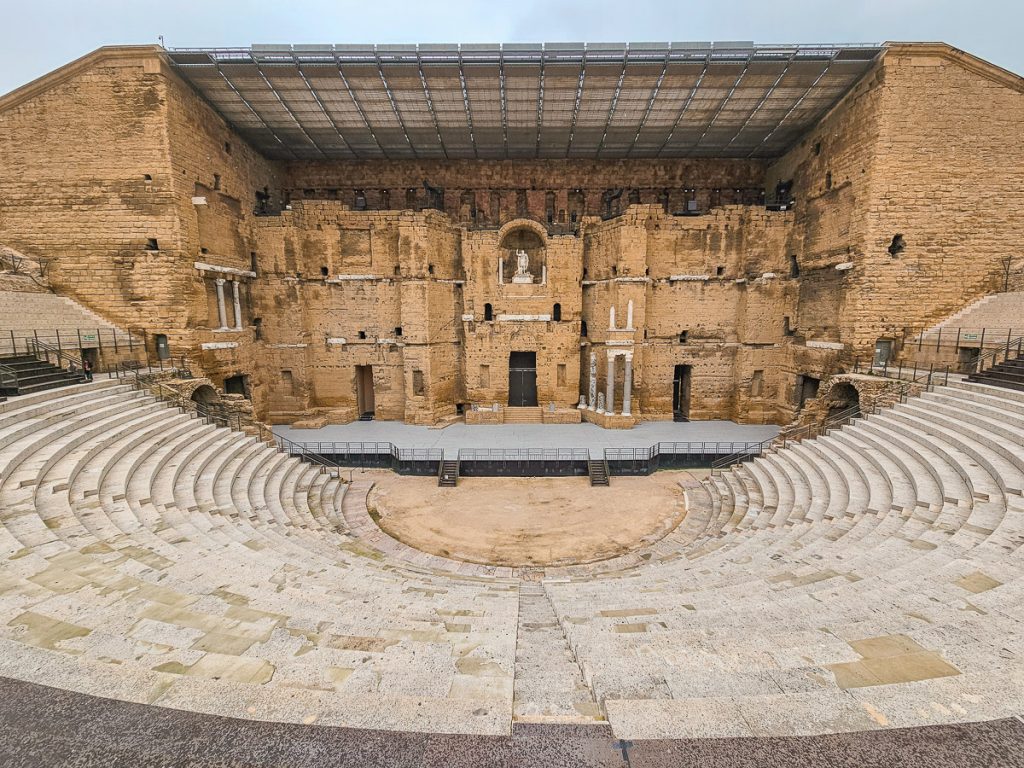
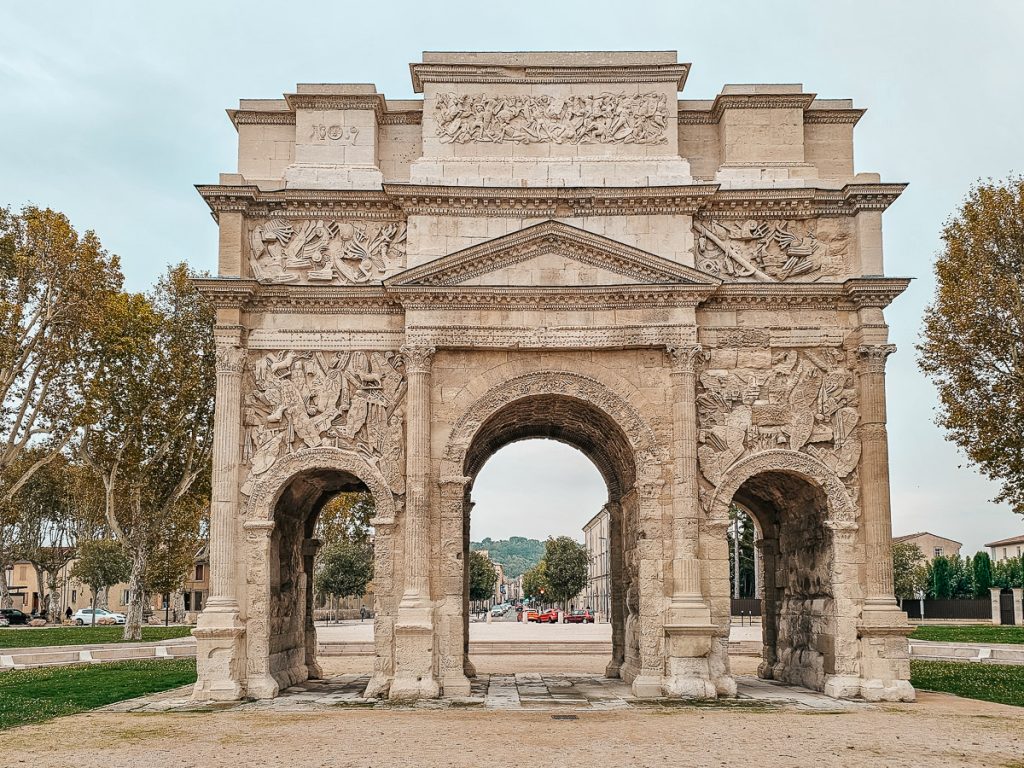
Orange is small, but it has the best-preserved Roman amphitheater and stage wall in Western Europe, as well as a beautiful triumphal arch that marked the entrance to the city.
Finally, Pont du Gard is one of the best-preserved Roman aqueducts in the world, with three-tiered arches reaching 160 feet high and stretching nearly 900 feet across the river.

All of these Roman sites are incredibly fascinating, looking back over 2000 years to one of the most powerful empires in the world.
3. D-Day Beaches
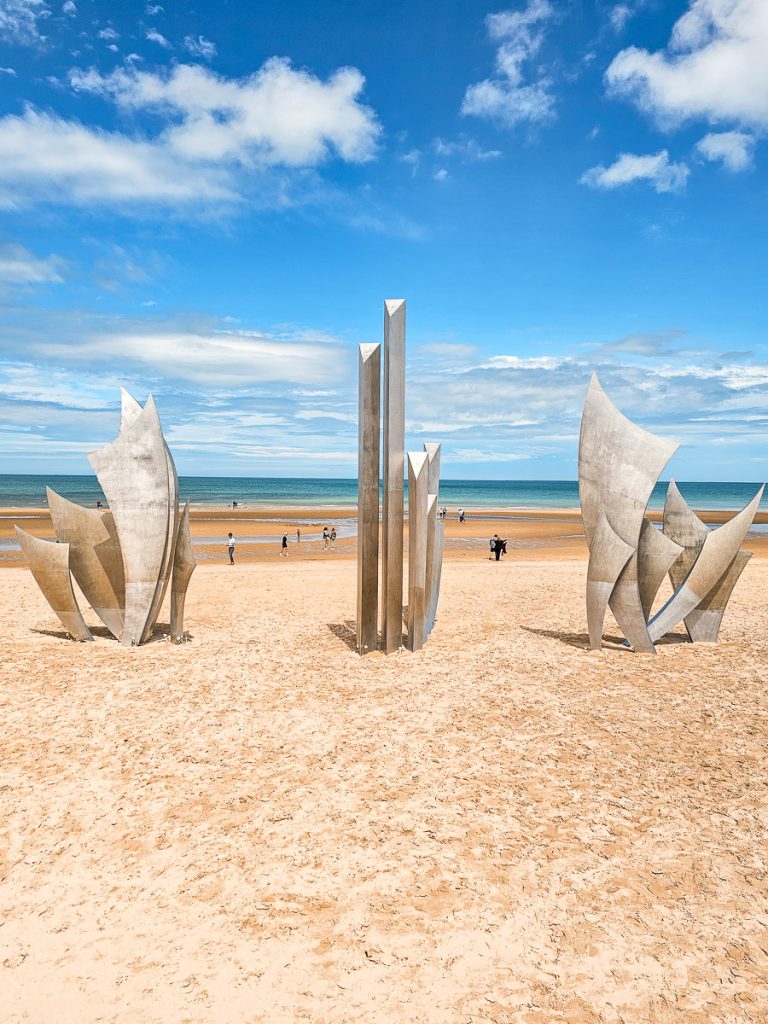
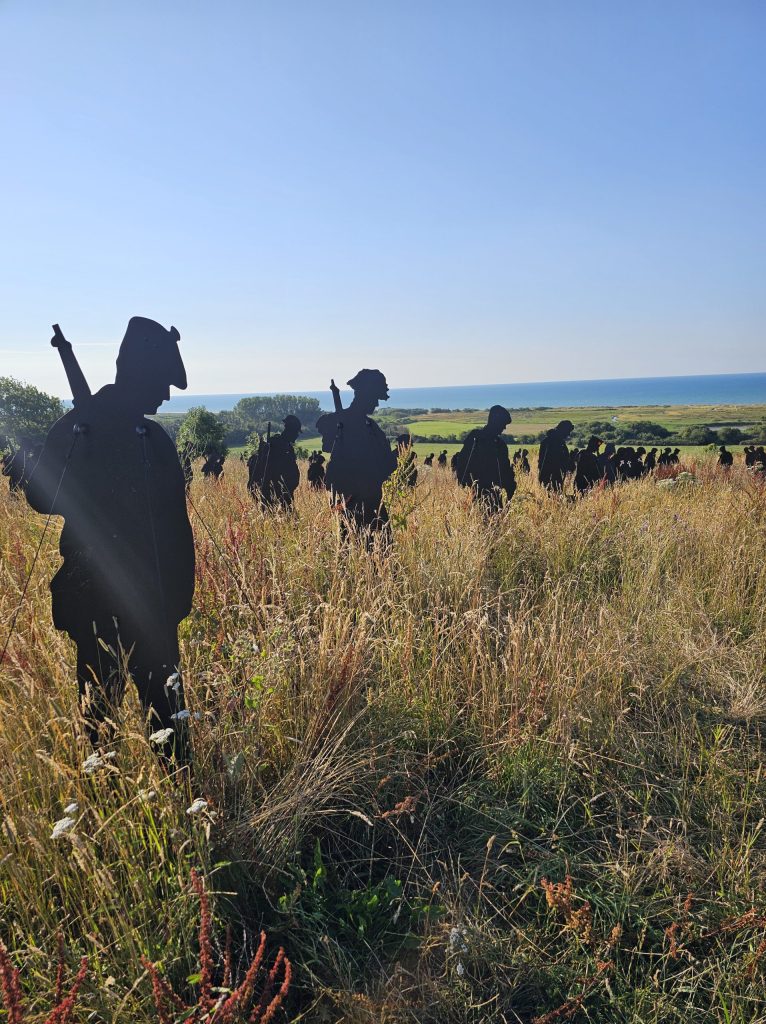
The D-Day Beaches in Normandy are a sobering and haunting remembrance of the bravery and sacrifice of the Allied Forces in World War II.
These beaches, where Allied Forces landed in 1944, marked the beginning of the campaign to take back France and Europe from the Nazis and ultimately led to the end of the war.

There are 5 beaches that comprise the D-Day beaches: Gold, Juno, Omaha, Utah, and Sword. These code names for sections of the French coastline have stuck to the beaches even today.
Each beach has numerous attractions and memorials for visitors, including museums, cemeteries, memorials, and statues. You can see leftovers from the war still on or near the beaches, such as gun emplacements, bunkers, human-made harbors, barbed wire, tanks, and other army equipment.

Spending a day or two wandering through the museums and learning about how intense, detailed, and wide-scale the invasion was is inspiring and a way to honor the memory of still fairly recent world events.
4. Avignon

Avignon is one of France’s most historically significant cities, famously serving as the seat of the papacy from 1309 to 1377—a period known as the Avignon Papacy. This era began when Pope Clement V moved the papal court from Rome to Avignon, seeking refuge from the political instability in Italy.
For nearly 70 years, Avignon served as the center of the Catholic Church, with seven popes reigning here, establishing their own court and power base in southern France, which profoundly influenced European politics and religious life.
At the heart of Avignon, the Palais des Papes (Palace of the Popes) stands as a monumental reminder of this unique era. Built to convey both spiritual authority and secular power, the palace is one of the largest and most fortified Gothic structures in Europe.


Its massive walls, towering turrets, and spacious halls reflect the wealth and influence of the medieval papacy, which rivaled that of European monarchs.
During the Avignon Papacy, the popes wielded considerable authority over European rulers, consolidating their power in a residence far removed from Rome, which ultimately led to complex political struggles within the church.
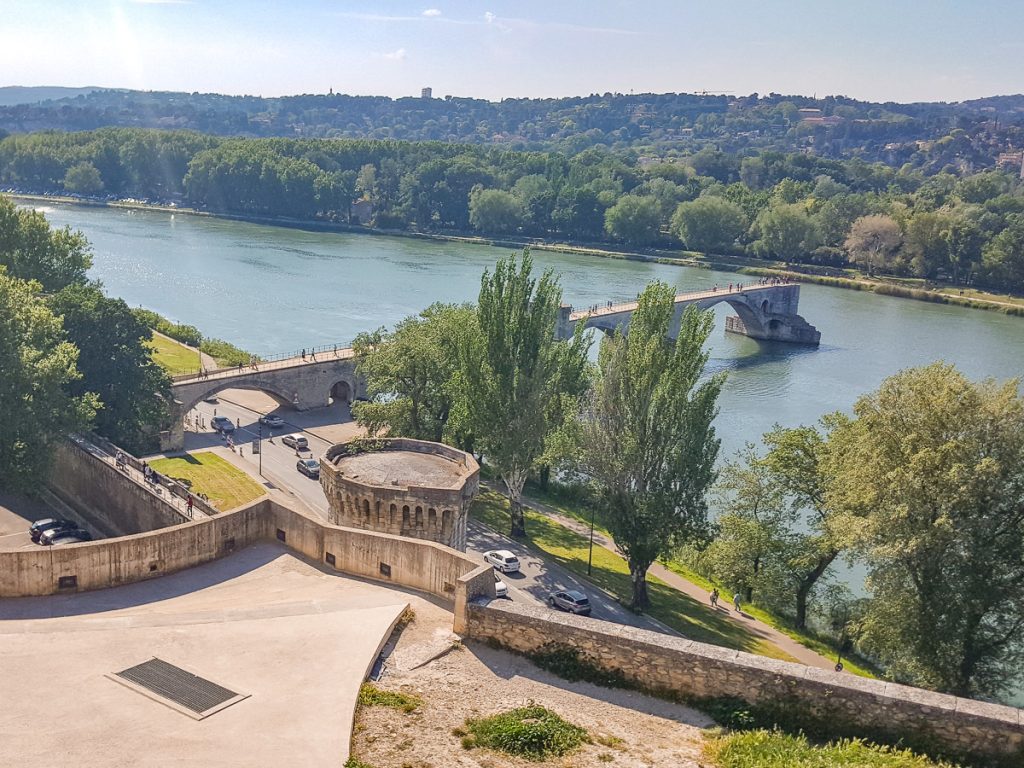
Nearby, the Pont d’Avignon (or Benezet Bridge) is steeped in legend and history. Originally stretching across the Rhône River, the bridge once had 22 arches, though floods in the 17th century reduced it to a few remaining spans that stop abruptly mid-river.
5. La Roque Saint-Christophe
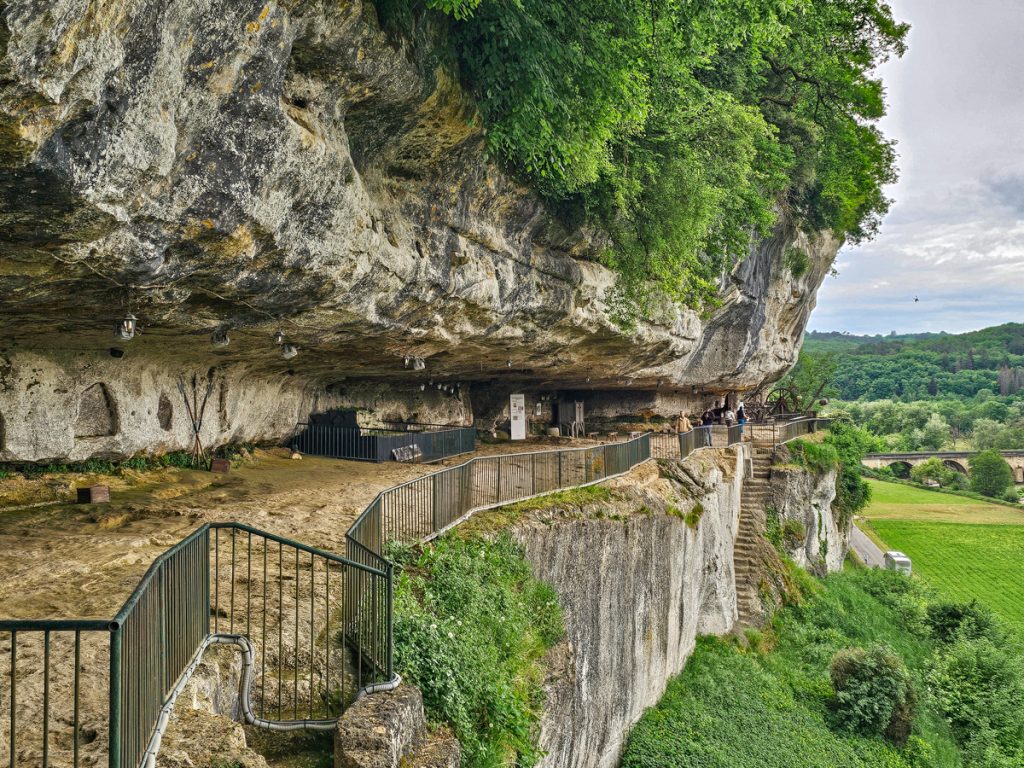
Cut into a limestone cliff above the Vézère River in the Dordogne, La Roque Saint-Christophe is a kilometer-long natural terrace with a deep rock overhang above it. People have sheltered and lived here for nearly 55,000 years, making it one of the longest continuously inhabited sites in France.
During the Middle Ages it became a fortress and cliff city, constructed in response to Viking raids that swept through the Périgord from the 9th century onward. In 976, the Bishop of Périgueux ordered a network of defensive forts to control access to the valley’s rivers, and La Roque Saint-Christophe was one of them.
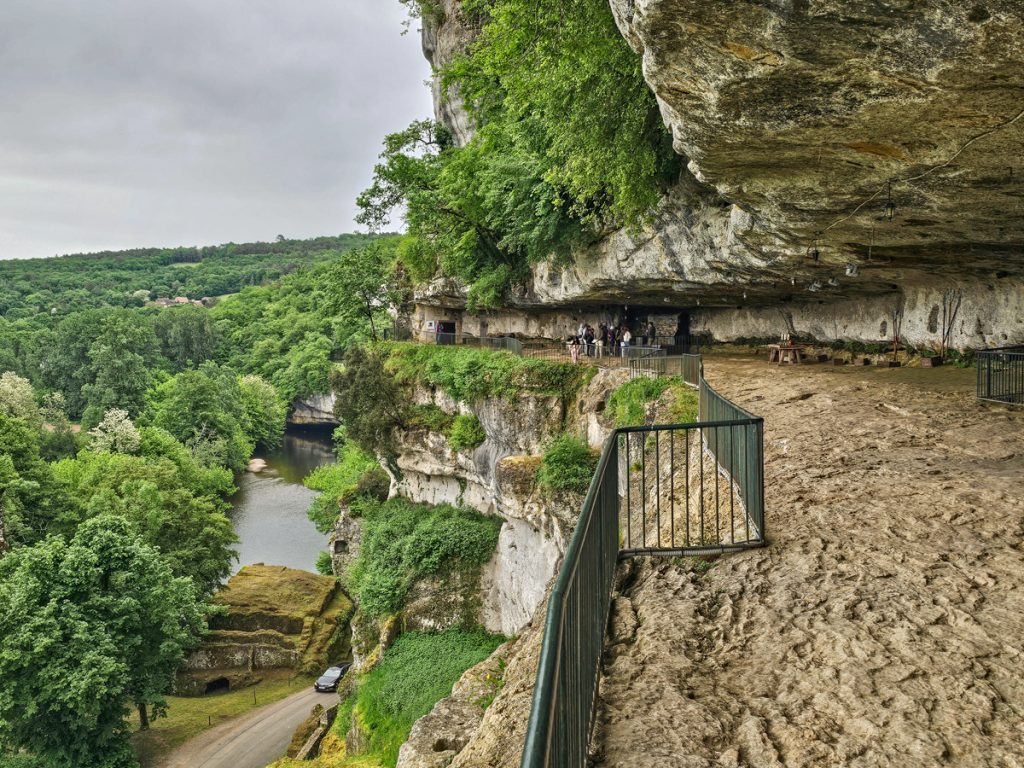
At its peak, somewhere around 1,000 people lived here across five terraced levels carved into the cliff. That city survived for centuries before being completely dismantled during the Wars of Religion in 1588.
During your visit, you’ll walk the full length of the terrace, passing through what remains, such as cave stables, a medieval kitchen, a small church with tombs cut directly into the stone floor, and even a collection of reconstructed medieval machinery.
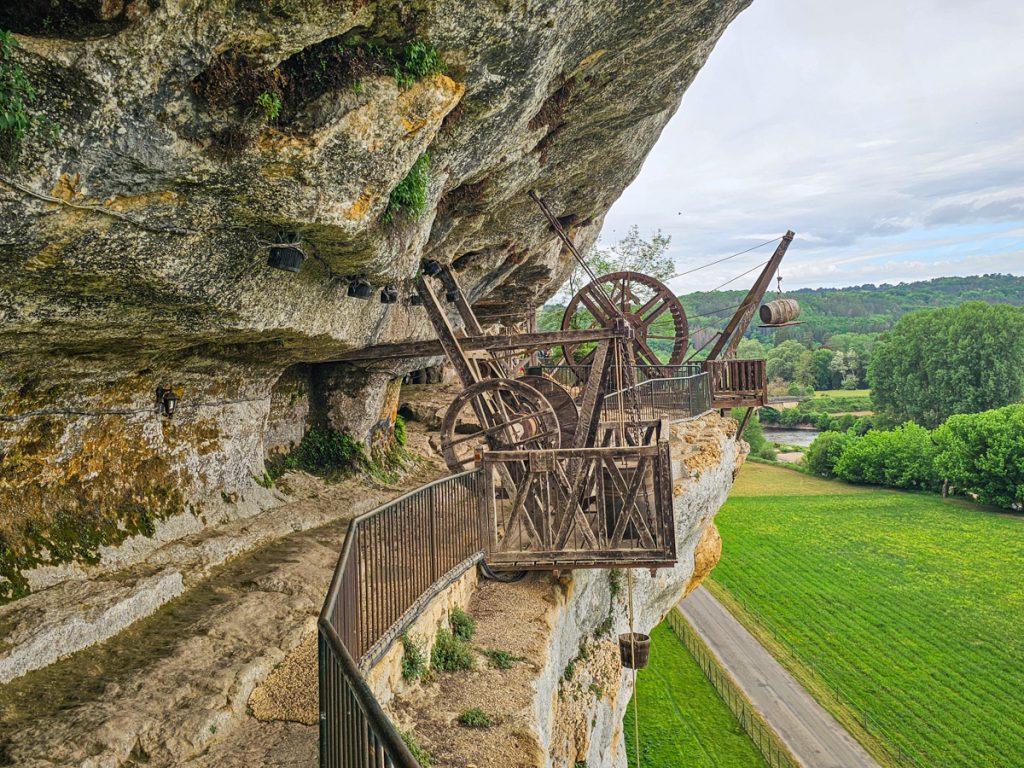
The whole experience is pretty surreal. You’re walking a narrow ledge high above the river, looking out over the valley, with thousands of years of human habitation in the stone around you.
The Dordogne more broadly is world-famous for its prehistoric sites, from cliff dwellings to decorated caves, earning it the nickname the ‘cradle of prehistory.’
6. Bayeux Tapestry

The Bayeux Tapestry, located in the Bayeux Museum in Normandy, is one of the most unique historical artifacts in France. This 70-meter-long (229 feet) embroidered cloth vividly tells the story of the Norman Conquest of England in 1066, focusing on William the Conqueror’s victory at the Battle of Hastings.
Created in the late 11th century, it depicts over 50 scenes, including King Harold’s oath to William, the building of the Norman fleet, and the dramatic events of the battle. The intricate embroidery includes details of clothing, weapons, and ships, giving visitors a glimpse into Medieval culture and warfare.
The tapestry, designed a UNESCO “Memory of the World,” impressively welcomes over 400,000 visitors every year, and a lot of care has been taken to create a good visitor experience.
The tapestry is displayed in a darkened gallery to preserve its vibrant colors, with an audio guide that walks you through the story scene by scene. It’s a fascinating experience and an absolute must-see for anyone interested in history or medieval art.
7. Rouen
Walking through Rouen, the capital of Normandy, feels like leaping from one pivotal historical event to another. Probably the most famous historical event in Rouen is the trial and execution of Joan of Arc during the 100 Years War.
Rouen is practically steeped in her legacy – the most notable being the Jeanne d’Arc Historial in the Archbishop’s Palace, which tells the story of her life and trial, and the monument at the Old Market Square, where she was burned at the stake.

This square is also home to La Couronne, the oldest restaurant in France, which Julia Child visited and famously inspired her passion for French cooking. The city’s medieval streets are lined with over 2,000 half-timbered houses, one of the biggest “collections” of half-timbered homes in France.


The Cathédrale Notre-Dame de Rouen, which Monet painted many times, is a flamboyant Gothic masterpiece that dominates the skyline and holds the heart of Richard the Lionheart. Nearby, the Aître Saint Maclou cemetery offers a haunting look back into the city’s experience with the bubonic plague.
For so many reasons, Rouen is an incredibly fascinating place to visit, with many noteworthy historical events.

8. Mont Saint-Michel
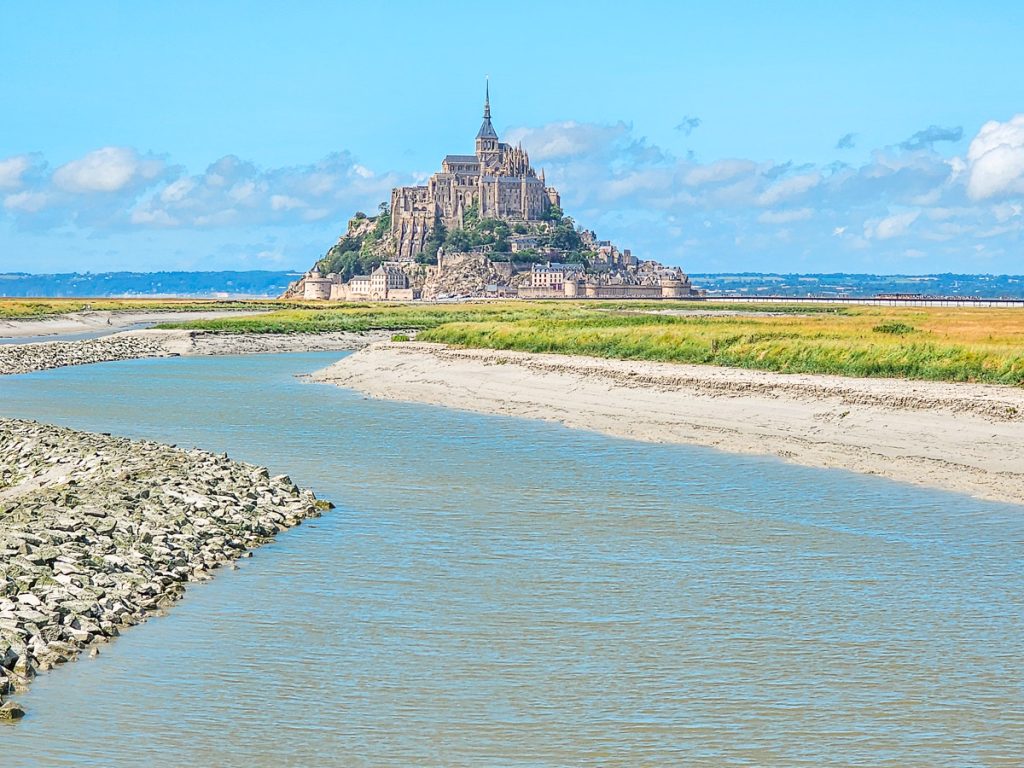
Mont Saint-Michel is one of France’s most iconic spots, made famous for its fairytale, dramatic setting. Situated on a small rocky island in Normandy, this UNESCO World Heritage site rises above the surrounding tidal flats, offering views that feel almost otherworldly.
The tides, the largest in Europe, dramatically change the landscape each day, alternately connecting Mont Saint-Michel to the mainland and turning it into a true island.

The focus of Mont Saint-Michel is its remarkable abbey, which dates back to the 8th century. Legend says that Saint-Michael appeared to Bishop Aubert of Avranches, instructing him to build the abbey.

Perched on the top of the tiny island, the abbey is a masterpiece of medieval engineering, with Gothic spires and fortified walls fitting seamlessly with the rocky landscape. Visitors can explore 13 grand rooms, including crypts, chapels, and cloisters, each reflecting the abbey’s long and storied history.
During the Middle Ages, Mont Saint-Michel was one of Christendom’s great pilgrimage destinations, attracting thousands of pilgrims, including royalty and religious figures. Its fortifications also made it an important stronghold during conflicts like the Hundred Years’ War.
9. Versailles
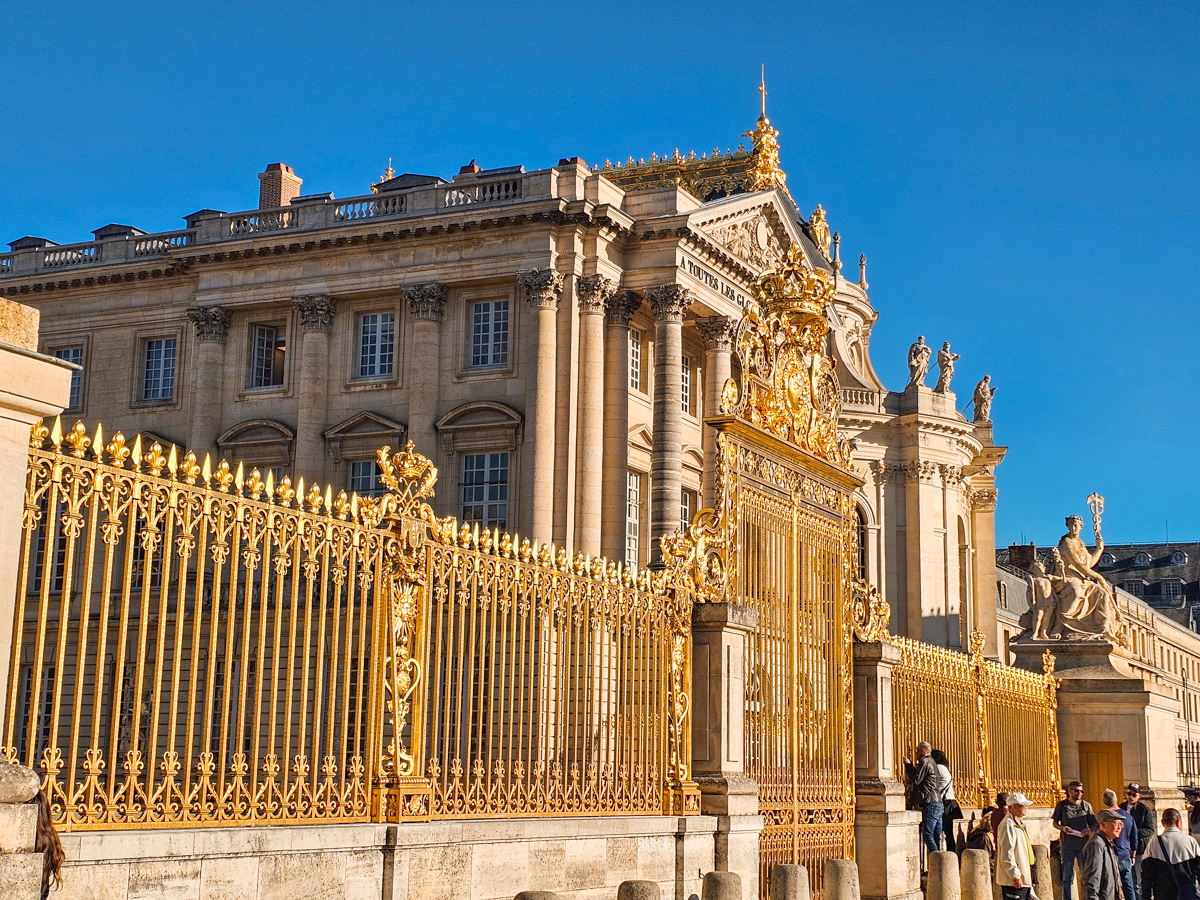
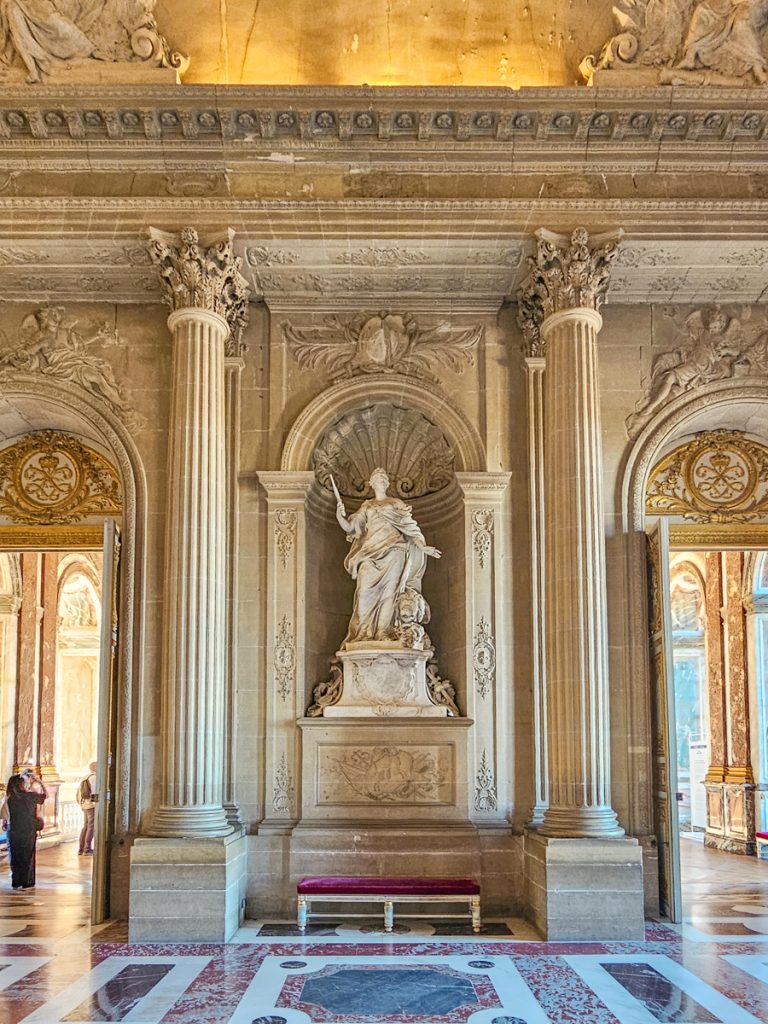
The Palace of Versailles, located just outside Paris, is one of France’s most significant historical landmarks. Originally a modest hunting lodge, it was transformed by Louis XIV, known as the “Sun King”, into a sprawling palace that symbolized absolute monarchy.
By moving his court and government to Versailles in 1682, Louis XIV centralized power and reduced the influence of the nobility, forcing them to live at the palace under his watchful eye.
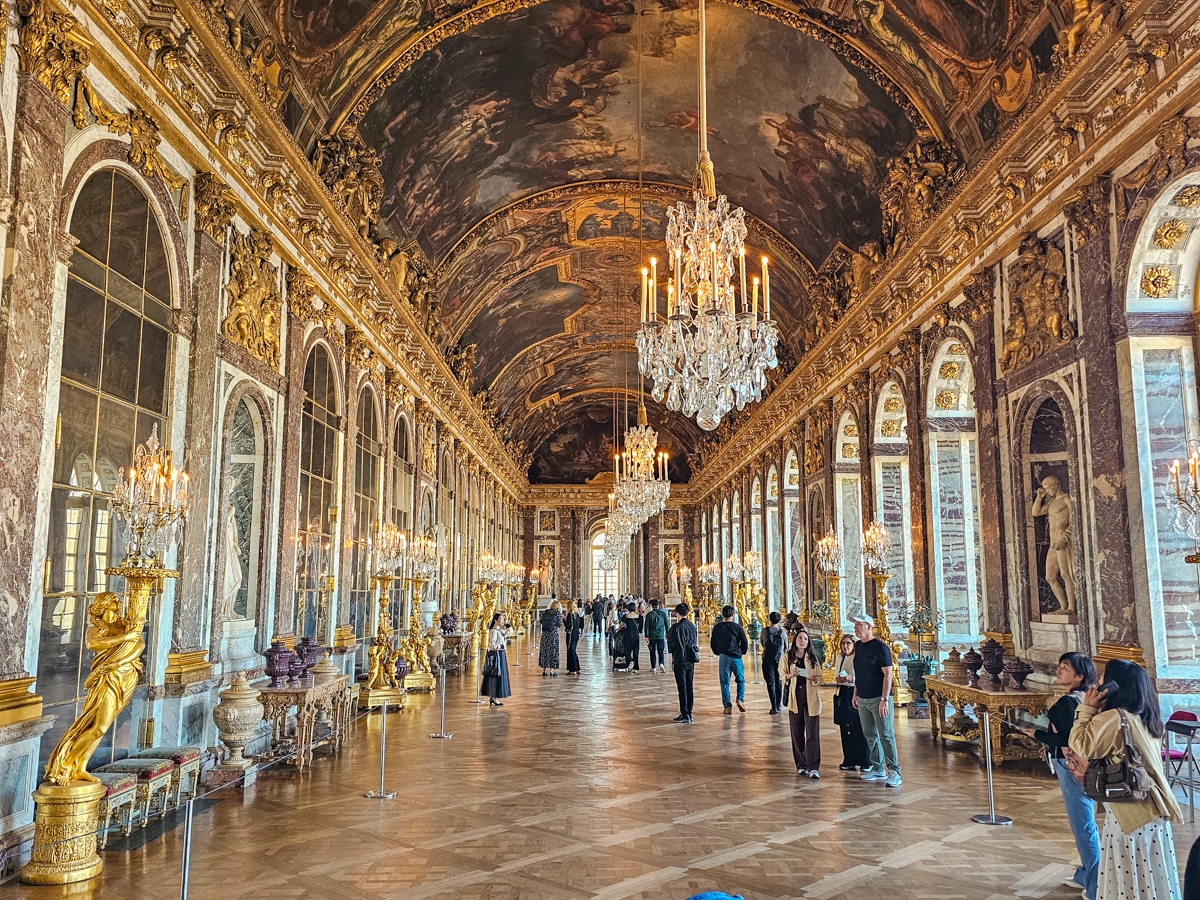
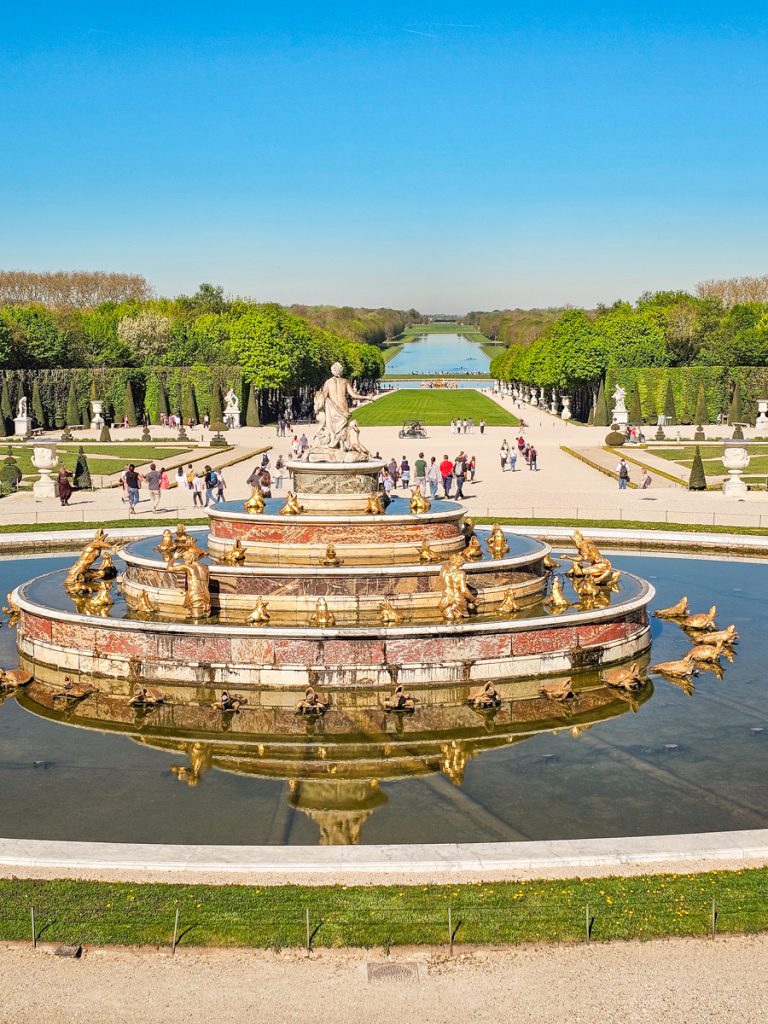
The palace’s enormous scale and opulence set a new standard for European royalty, with grand halls like the Hall of Mirrors, sprawling gardens, and ornate fountains inspiring countless other palaces across Europe.
Versailles also very much embodied royal excess, which came to a head under Louis XVI and Marie Antoinette. Lavish spending and extravagant lifestyles stood in stark contrast to the poverty faced by much of France, fueling intense resentment among the people.
When the French Revolution erupted in 1789, protesters even marched on Versailles, forcing the royal family to return to Paris and ultimately be arrested.
Today, Versailles is a reminder of France’s royal history, with its scale, beauty, and interesting history, making it a must visit when in Paris.
10. French Revolution Sites in Paris
The French Revolution’s fingerprints are all over France, not just in Paris. As I’ve traveled around the country, it’s striking how often you come across its effects: churches missing their statues, convents in ruins, artwork gone. The Revolution was systematic in dismantling the symbols of the old order, and those absences are still visible today.
Paris is where the most dramatic events played out, and several sites bring that history close.
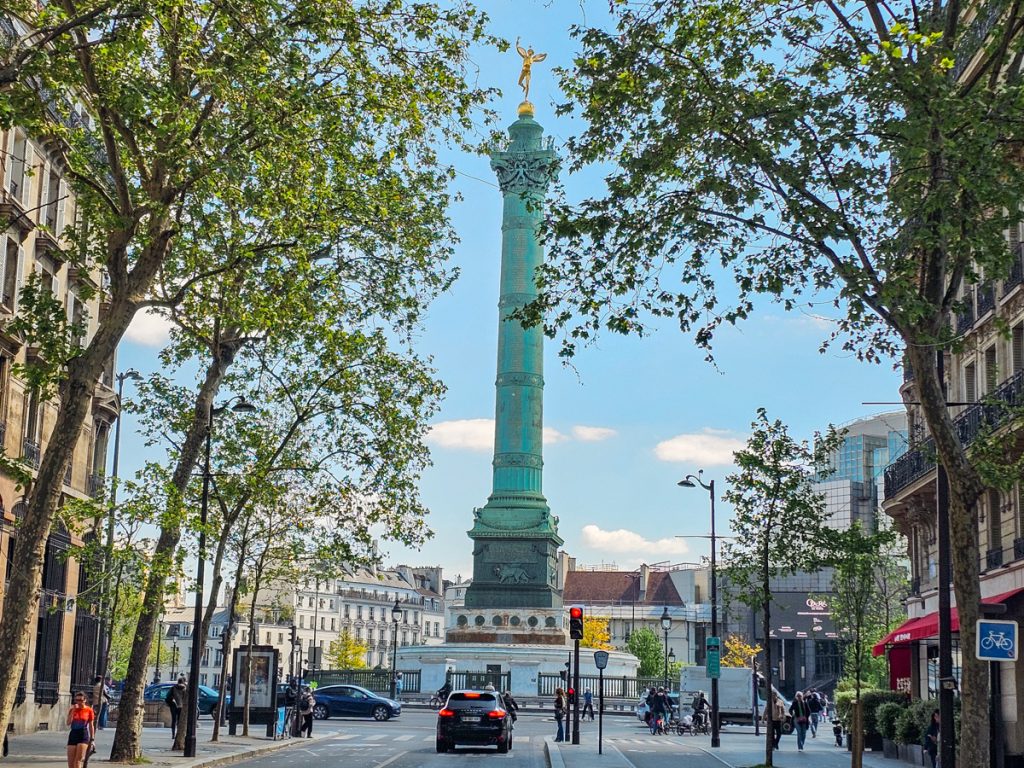
Place de la Bastille: The Bastille prison stood here as a symbol of monarchic tyranny to ordinary Parisians, and its storming in 1789 became the moment that ignited the Revolution. The prison itself was completely demolished afterward, and the square today is marked by a commemorative column. The Carnavalet Museum nearby has a detailed scale model of what the fortress looked like.

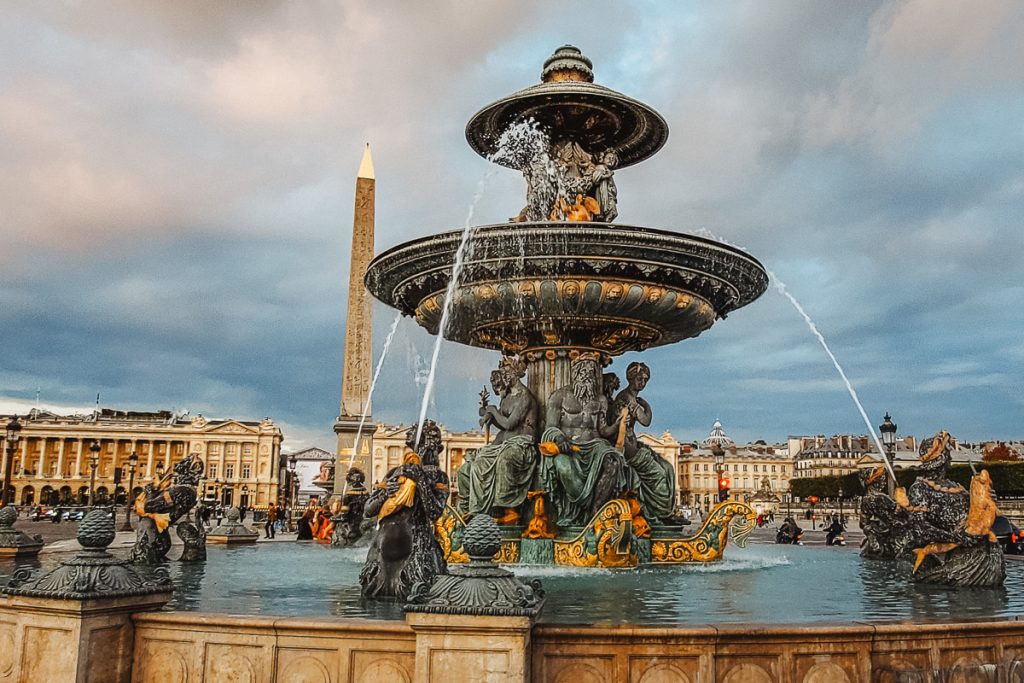
Place de la Concorde: This is where the main guillotine stood during the Revolution’s most violent phase, and where both Louis XVI and Marie Antoinette were executed. It’s a strange experience standing in what is now one of Paris’s busiest and most beautiful squares, knowing what happened there.
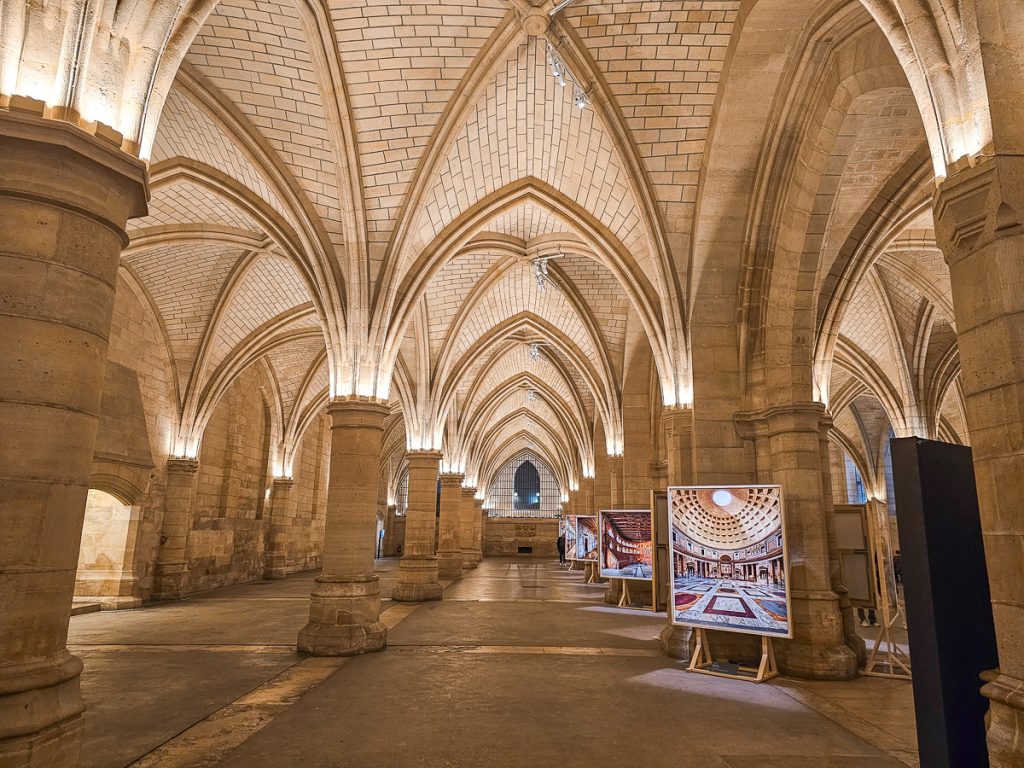
The Conciergerie: Originally a royal palace in the Middle Ages, the Conciergerie was converted into a prison during the Revolution. Marie Antoinette was held here for 76 days before her execution, and you can visit the preserved cell where she was kept.
11. Basilica of Saint-Denis
Just north of Paris, the Basilica of Saint-Denis is the burial site of French royalty and the birthplace of Gothic architecture. The basilica is named for Saint Denis, the first bishop of Paris, who was beheaded by the Romans on the hill now known as Montmartre, which literally means “Mount of the Martyr.”
Legend says he picked up his severed head and walked north until he collapsed at the spot where the basilica stands today. French kings eventually made it their chosen burial ground, starting with Dagobert in 639, and in total 41 kings, 26 queens, and dozens of princesses, princes, and public servants are buried here.
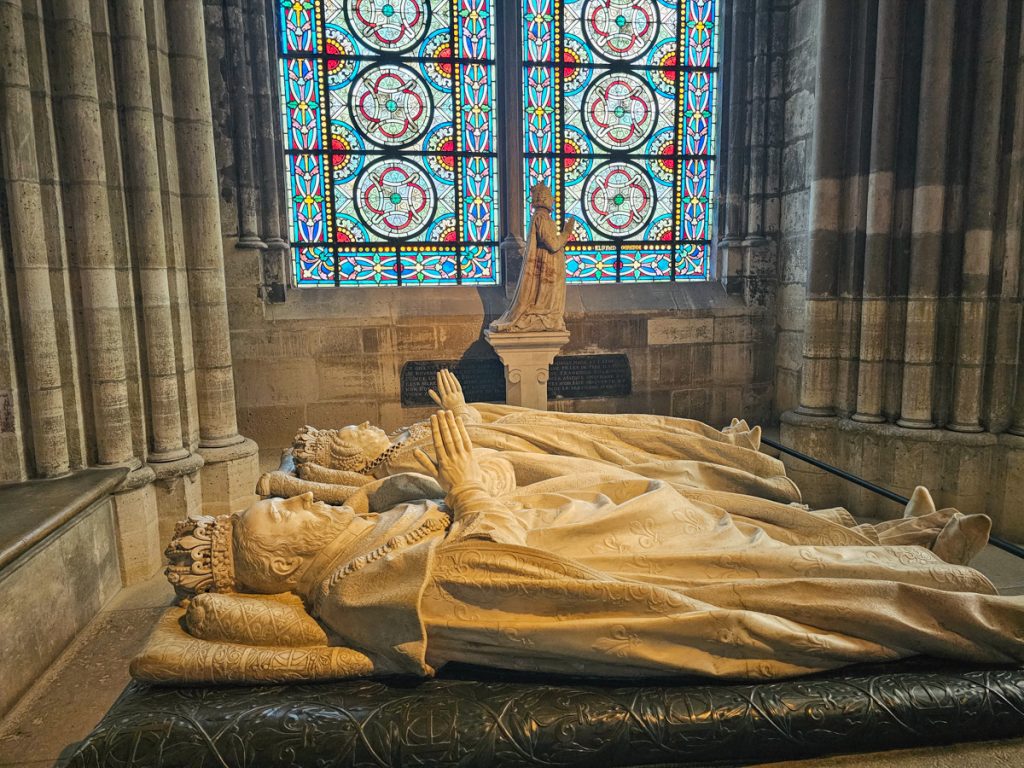
In the 12th century, Abbot Suger oversaw a rebuilding of the church that introduced ribbed vaults, pointed arches, and expansive stained glass windows together for the first time, becoming the template for Gothic architecture across France,
The paid section behind the choir is the real draw: roughly 70 stone effigies of kings and queens lying atop their tombs, beautiful stained glass windows and vaulted arches behind them. There are also three monumental Renaissance tombs, including those of François I and Henri II.
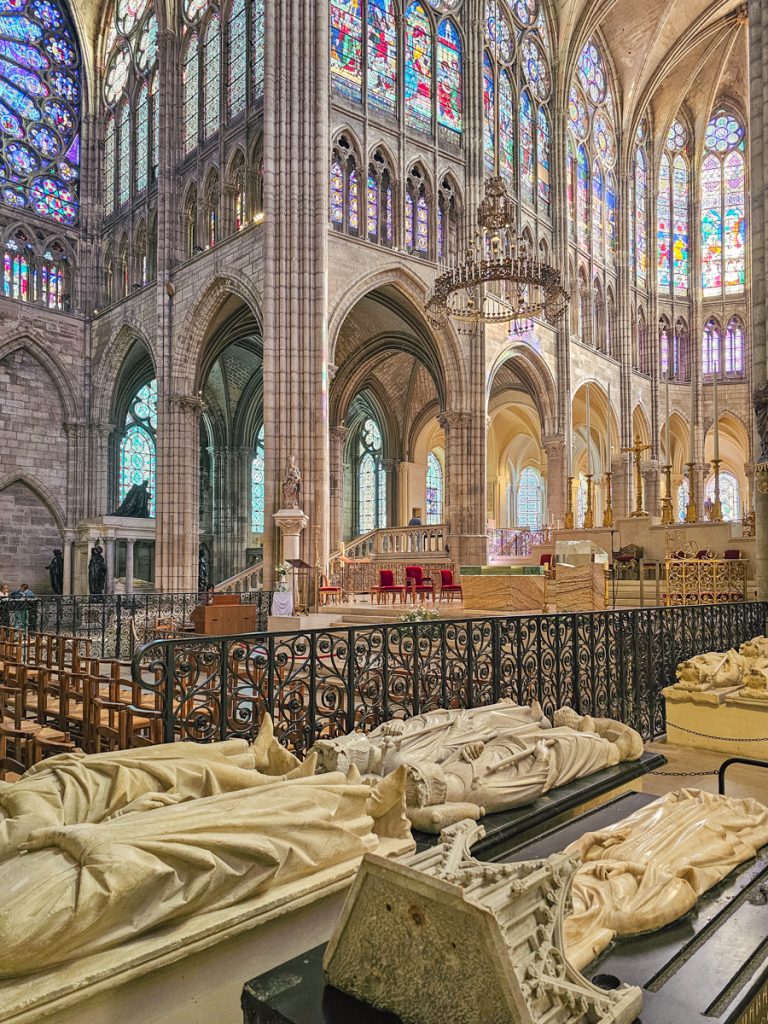
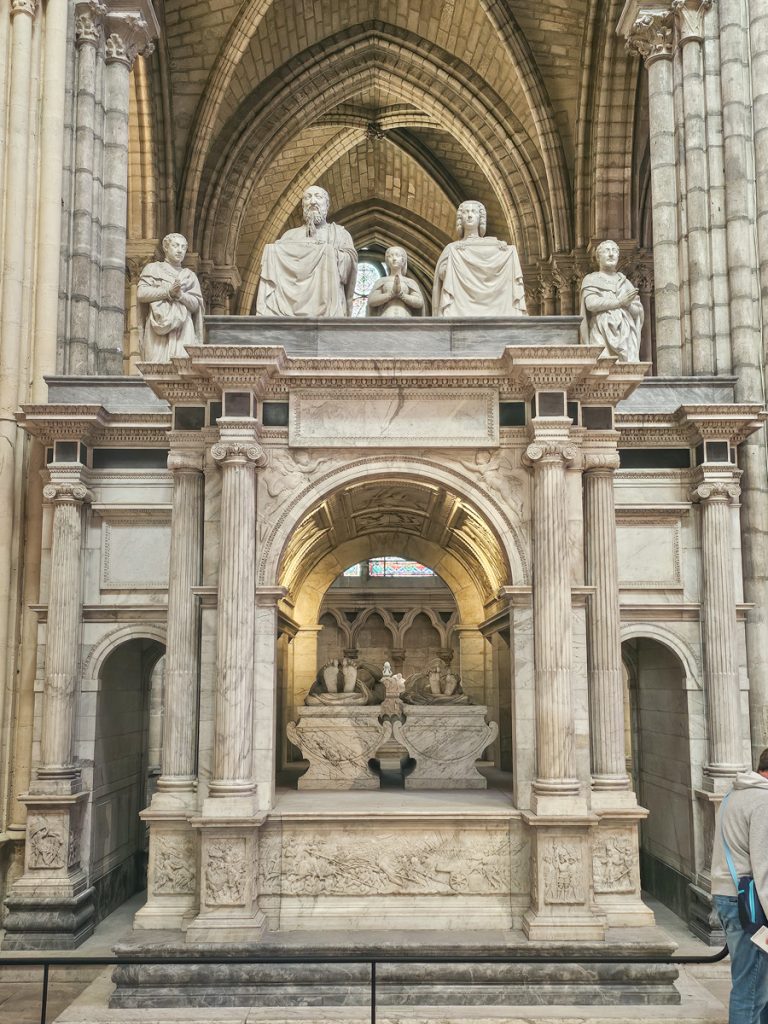
The Revolution hit Saint-Denis hard. In 1793, revolutionaries opened the royal tombs and dumped the bodies in mass graves outside. After the monarchy was restored, the remains came back but were too mixed to identify, so they were placed in a communal ossuary in the crypt. Louis XVI and Marie Antoinette are here too, in simple black tombs transferred from a Paris cemetery in 1815.
12. Château d’If
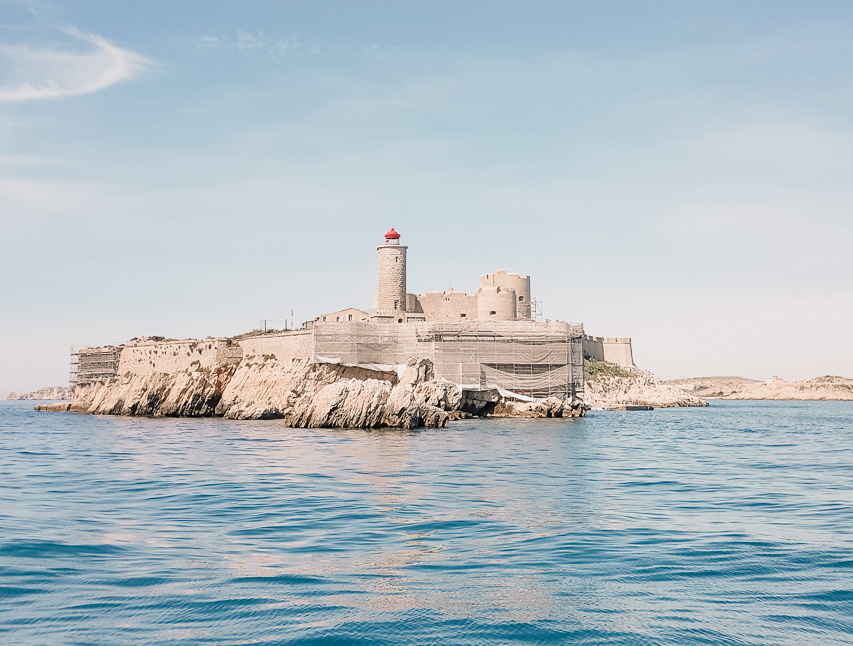
Set on a small island just off Marseille’s coast, the Château d’If is a fortress-turned-prison made famous by The Count of Monte Cristo. While Edmond Dantès and his dramatic escape are fictional, the fortress has a fascinating history that makes it a top spot to visit in Marseille.
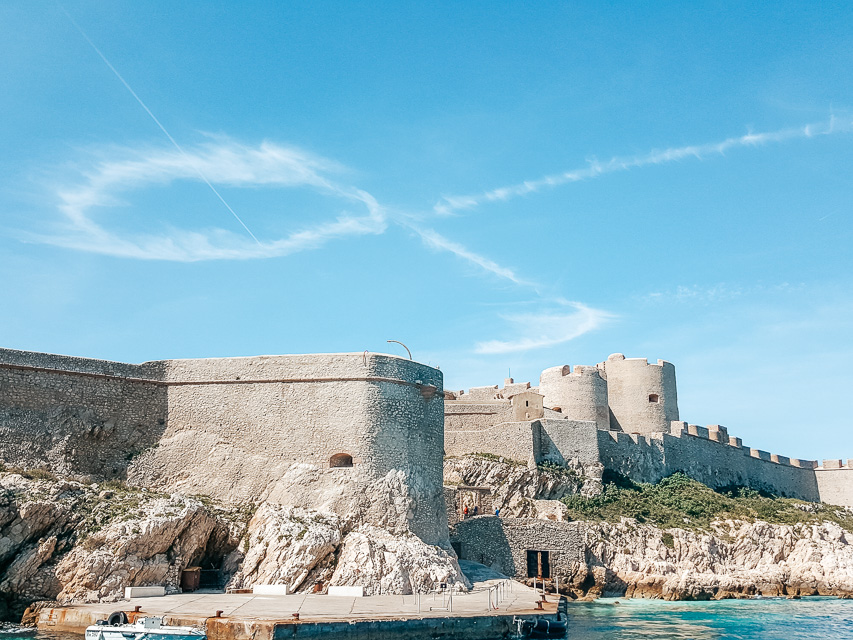
Built in 1529 under King François I, the Château d’If was originally a military fort meant to protect Marseille’s coastline. Its location made it an ideal defense point, but by the 17th century, it had transitioned into a prison. Wealthy prisoners were given more comfortable cells, while the majority of prisoners were kept in truly horrific living conditions.
The dramatic castle + island is visible from Marseille (a striking view in the mdidle of the sea), and you can visit after a short ferry ride from Marseille’s Vieux-Port. Visitors can explore the fortress, climb up to towers and rooftops, and walk through the “grounds” of the island, learning about its fascinating past.
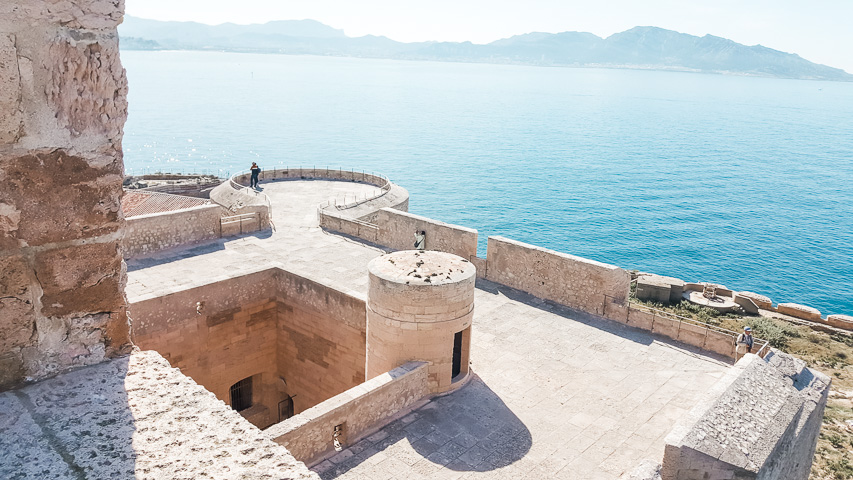
Inside the prison, you’ll find cells of varying conditions, including one recreated as the fictional Edmond Dantès’ cell. Tunnels, courtyards, and preserved prison quarters all give insight into life at the Château d’If.
The Wrap Up
As my husband and I have explored France, we often remark on how remarkable it is to stand somewhere that connects you directly to people who lived centuries or millennia ago. What they built still stands, and you can really feel the weight of their lives and struggles in these places. If you love history, France will not disappoint.
