
18 Mistakes Tourists Make in Paris (And How to Avoid Them Like a Pro)

Nobody wants to spend their vacation dealing with avoidable problems, especially when they’ve been looking forward to visiting Paris for months (or years!).
There are things you simply wouldn’t think to look up ahead of time, and others you might not realize are a problem until you’re actually there. Fortunately, many of these mistakes are easy to avoid once you know what to watch for.
After spending a lot of time in Paris, I’ve put together 18 common mistakes I’ve seen people make (or made myself), along with my advice for avoiding them so you can spend more time enjoying the city.
1. Not Saying “Bonjour”
Politeness is a big deal in France, and it all starts with a simple bonjour. It’s customary to greet people before asking a question, ordering something, or even just walking into a shop.
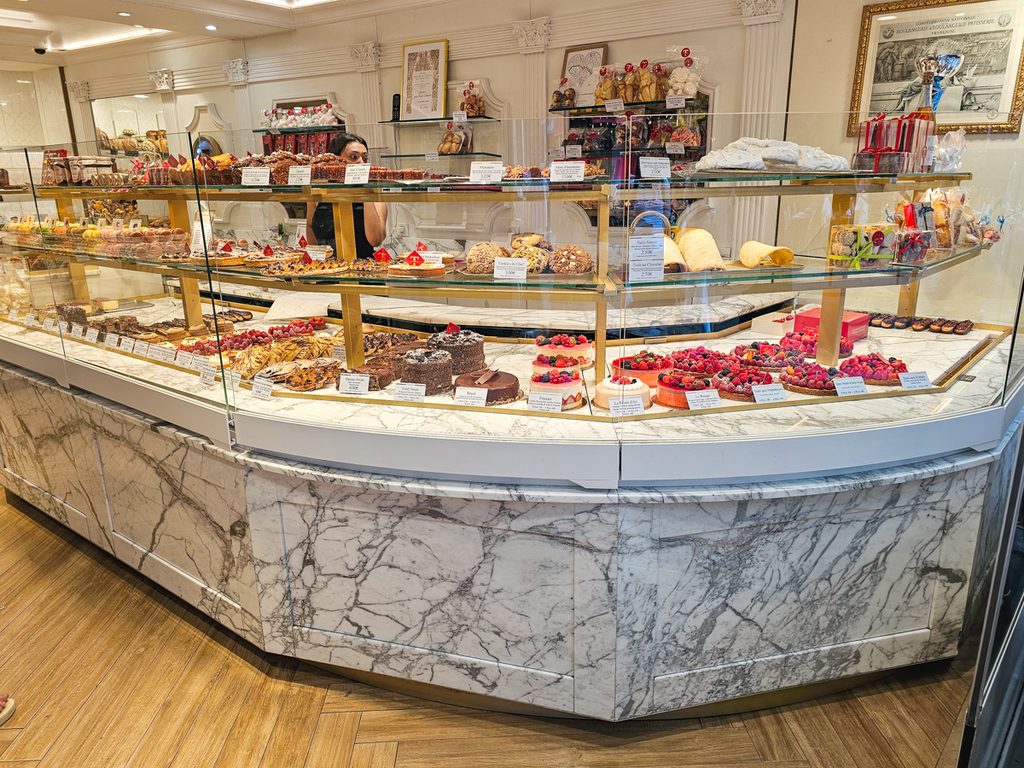
Skipping this small courtesy can actually come across as pretty rude in France, even if you don’t mean anything by it. And if you’re approaching someone to ask for help, launching straight into your question without saying hello might get you a brusque response.
You don’t need to speak fluent French or have perfect pronunciation. A simple bonjour (or bonsoir in the evening) goes a long way.
2. Running Across the Arc de Triomphe Roundabout
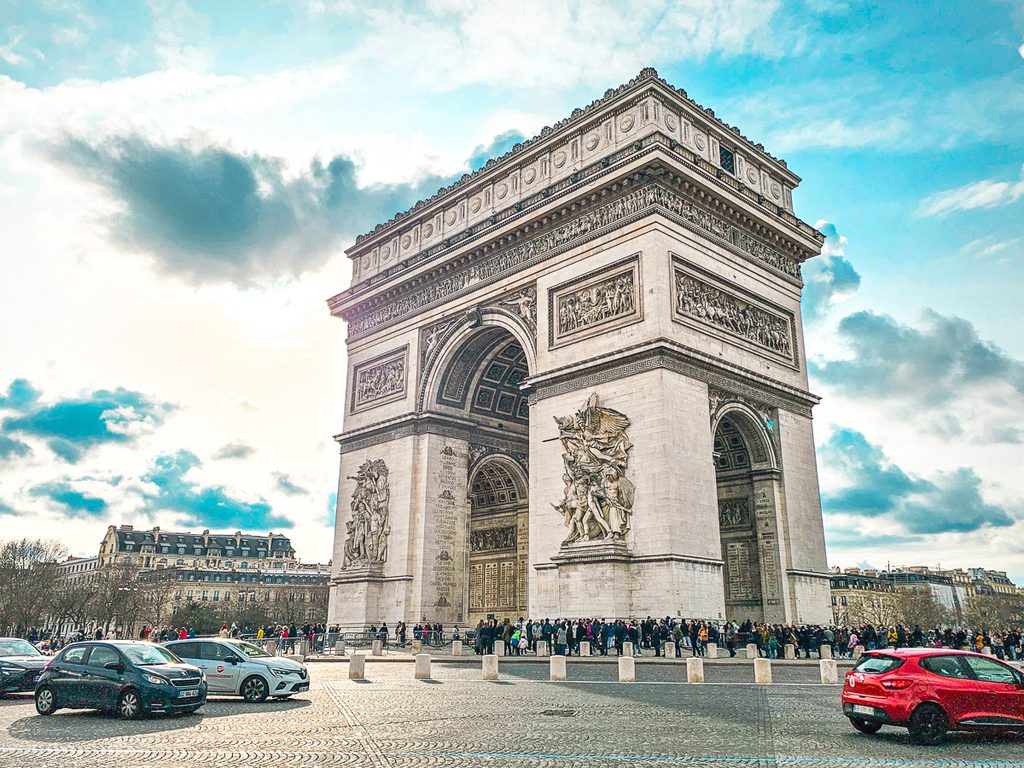
The Arc de Triomphe sits at the center of one of the busiest intersections in Paris, a massive traffic circle where twelve avenues converge. There are no traffic lights controlling the roundabout, and watching the cars navigate it can be pretty entertaining.
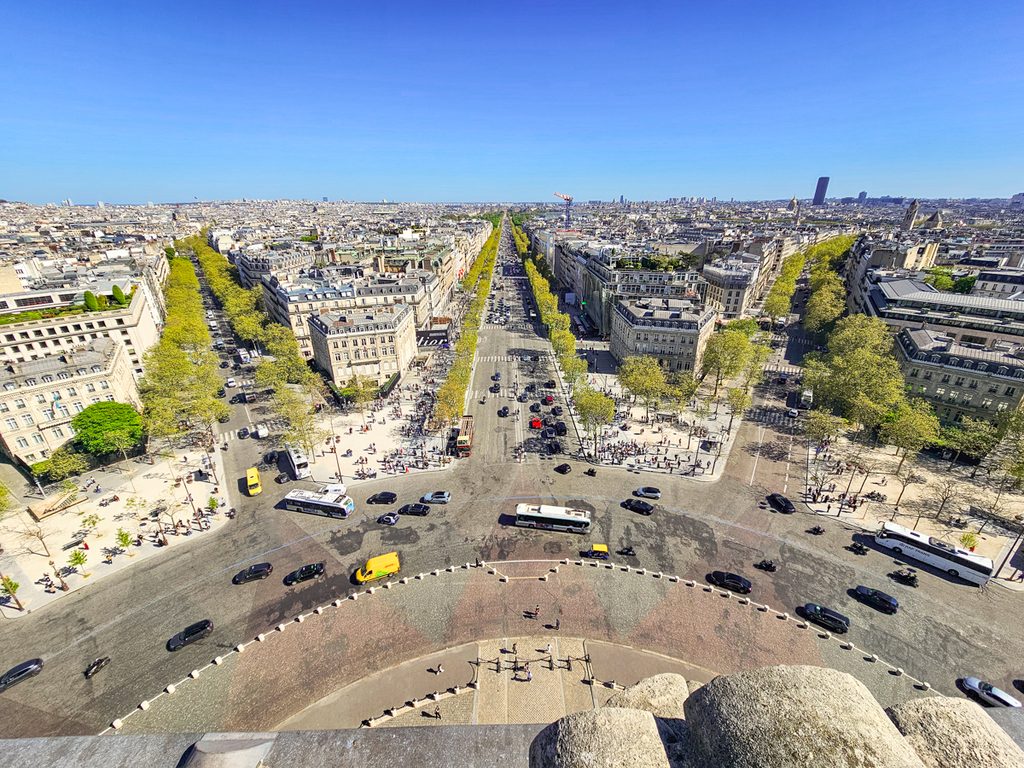
There are also no crosswalks or walking signals for pedestrians to reach the monument in the center. Thankfully, there’s a dedicated underground pedestrian passage that takes you safely from the Champs-Élysées side (or Avenue de la Grande Armée) directly to the base of the monument.
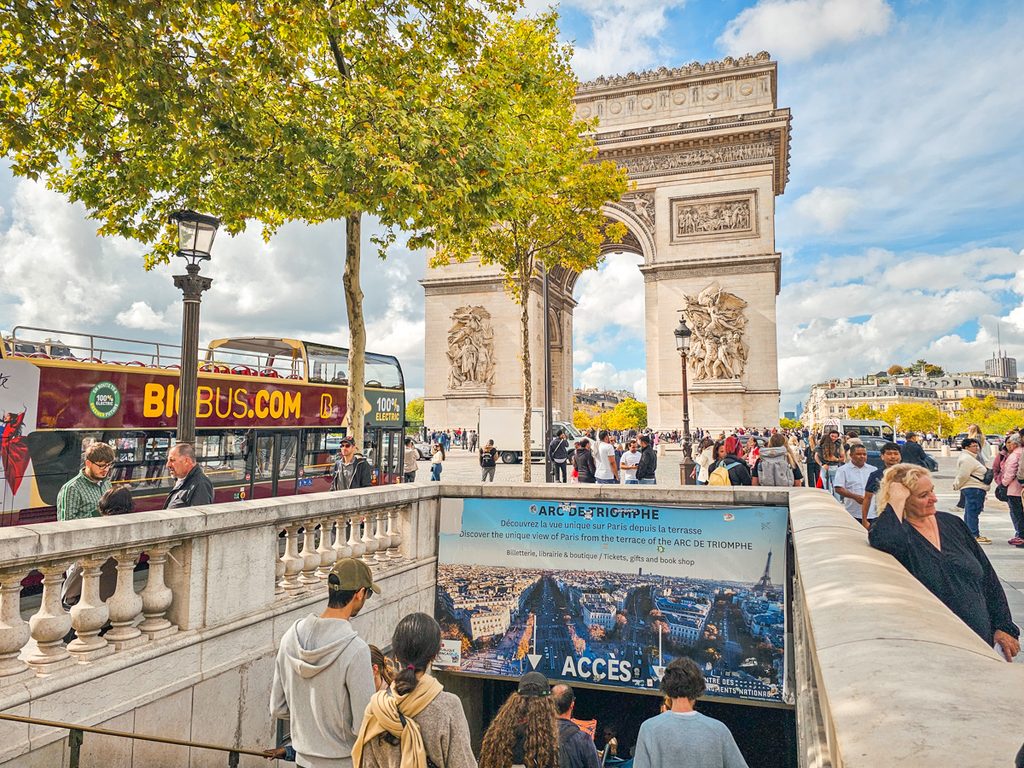
And yet, every time I’m in Paris, I see tourists trying to run across the roundabout to reach the Arc. Please don’t do this! It’s incredibly dangerous, both for you and for the drivers who might have to slam on their brakes to avoid hitting you.
The pedestrian tunnel is free to use, and anyone can walk right up to the base of the Arc de Triomphe and admire it from underneath. You only need a ticket if you want to go up to the rooftop.
3. Attaching Love Locks to Bridges
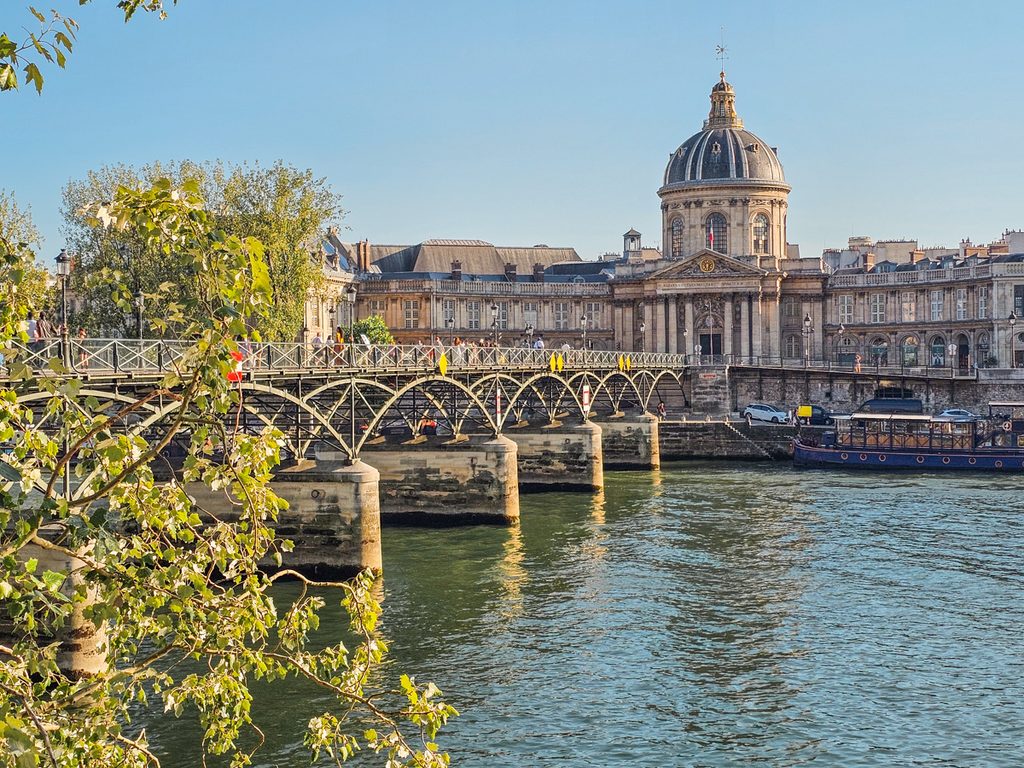
You might have seen photos of Parisian bridges covered in thousands of padlocks, left behind by couples as symbols of their love. For years, attaching a “love lock” to a bridge and throwing the key into the Seine was a popular tourist tradition, particularly on the Pont des Arts near the Louvre.
But all those locks caused some serious problems. Their combined weight damaged the bridge’s structure, and in 2014, part of one railing actually collapsed. The city eventually removed hundreds of thousands of locks from the Pont des Arts in 2015 and replaced the old railings with glass panels.
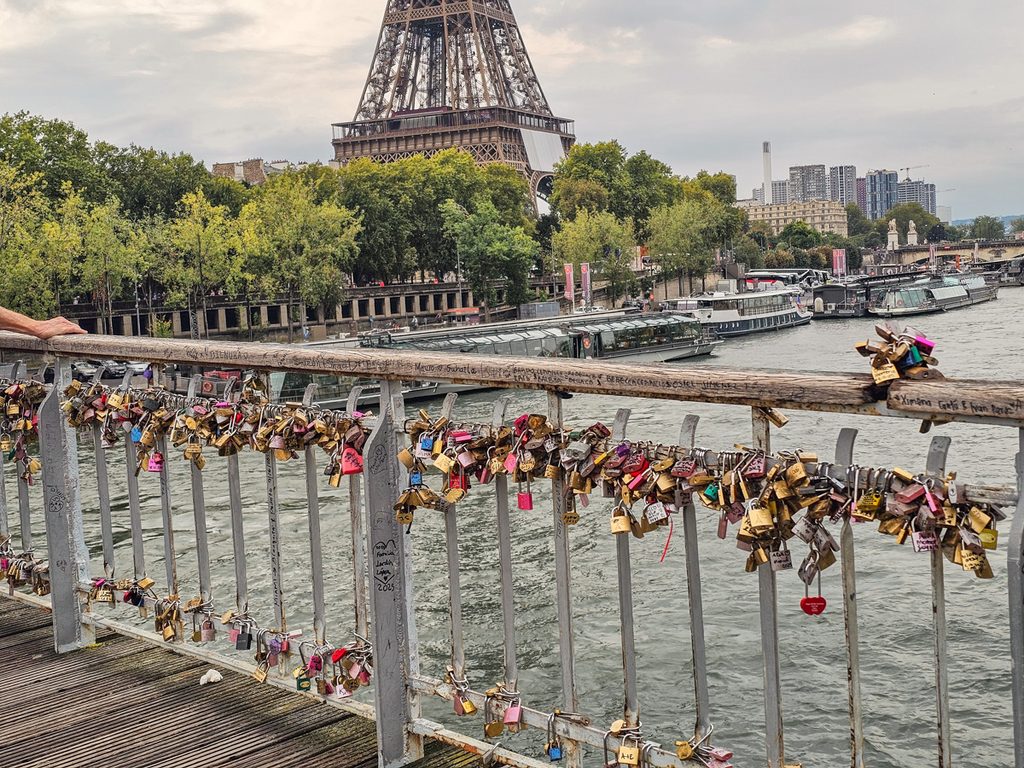
People are still attaching love locks to other bridges and railings around Paris, and you might even encounter vendors selling them. But please don’t add your own!
Attaching locks to public structures is a form of vandalism, even if it’s intended as a romantic gesture. The locks cause real damage, create safety concerns, and have to be regularly removed by city workers.
There are plenty of other ways to commemorate a romantic trip to Paris without damaging the city’s bridges.
4. Scheduling a Seine River Cruise For the First Day
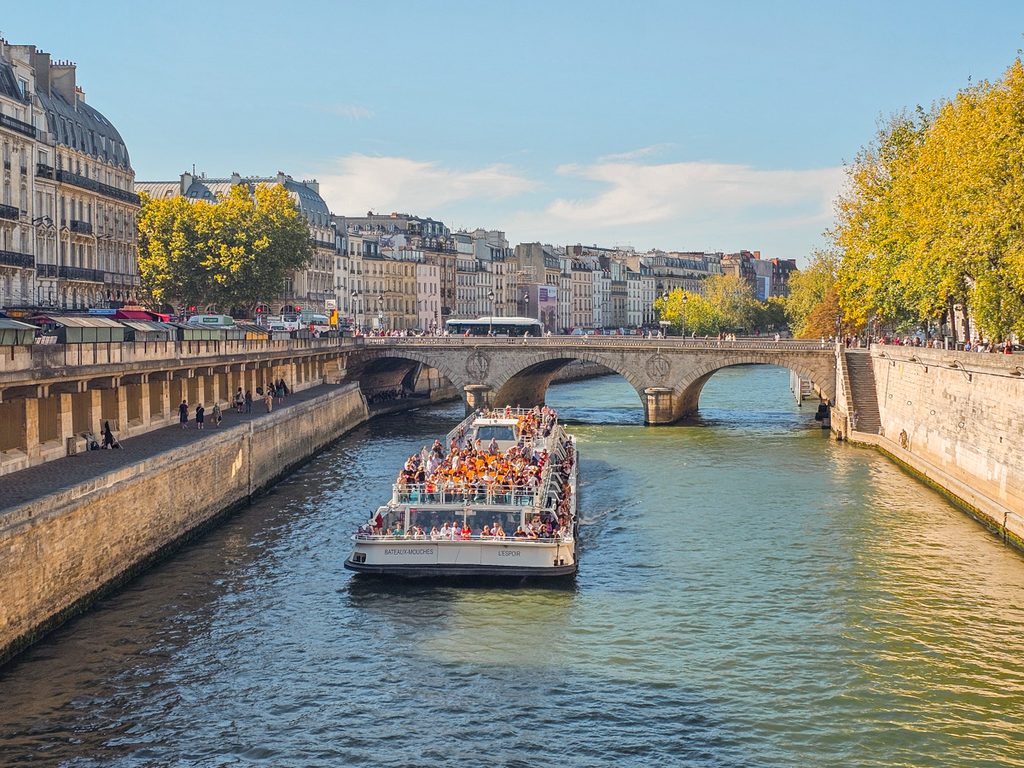
A Seine River cruise is one of my favorite ways to see Paris, and I’d highly recommend including one in your itinerary. You’ll float past some of the city’s most famous landmarks, including Notre-Dame, the Louvre, and the Eiffel Tower, all while enjoying a completely different perspective of Paris.
But I’d be a little careful about scheduling your cruise for your first afternoon if you’re arriving after an overnight flight.
If you’re already exhausted and fighting jet lag, sitting on a gently moving boat for an hour is a pretty good recipe for falling asleep (I speak from experience…).
The good news is that you generally don’t need to book a standard sightseeing cruise in advance. Boats typically depart every 30-45 minutes or so, and you can usually just walk up, buy a ticket, and get on the next available cruise.
So it’s easy to play this one by ear. If you’re feeling good on your first day, a Seine cruise can be a great way to get acquainted with the city. Otherwise, save the cruise for another day when you’re more rested.
5. Underestimating the Louvre
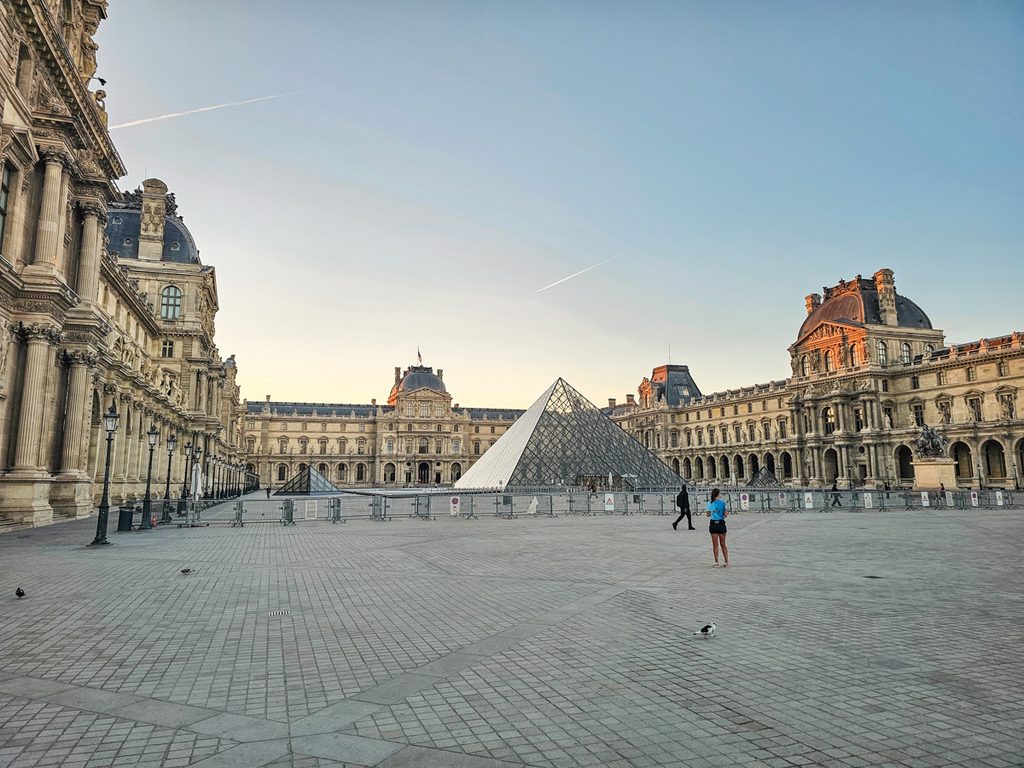
The Louvre is absolutely enormous, with three wings, multiple floors, and thousands of artworks on display. It’s easy to underestimate how big it is and how much time you’ll need to explore it.
Before you go, decide which artworks you most want to see. I’ve put together a list of 15 must-see masterpieces and some of my favorite hidden gems in the Louvre to help you plan. You can also look at the museum’s maps ahead of time for more ideas and to see where galleries are in relation to each other.

And having a map is an absolute must during your visit, either a paper one from the museum entrance or one downloaded to your phone. The Louvre is truly a maze, and it’s very easy to get turned around or spend ages trying to find a particular gallery.
For more advice, check out my guide to visiting the Louvre, with tips for avoiding crowds, navigating the museum, and making the most of your time.
6. Assuming There Will Be AC in Summer
Air conditioning isn’t nearly as common in Paris as it is if you’re coming from the US, and even when it’s available, it may not be as powerful as you’re used to.
Much of the summer in Paris is pleasantly warm rather than stiflingly hot, but heat waves do occur. If air conditioning matters to you, make sure your hotel specifically lists it as an amenity. I’d also recommend checking recent summer reviews to see how well it actually works.
And don’t expect to escape the heat every time you step indoors. Many museums, shops, and restaurants have weak air conditioning or none at all. If the temperature looks like it’ll be high when you’re in Paris, a handheld fan can be a lifesaver.
7. Not Prebooking Popular Attractions
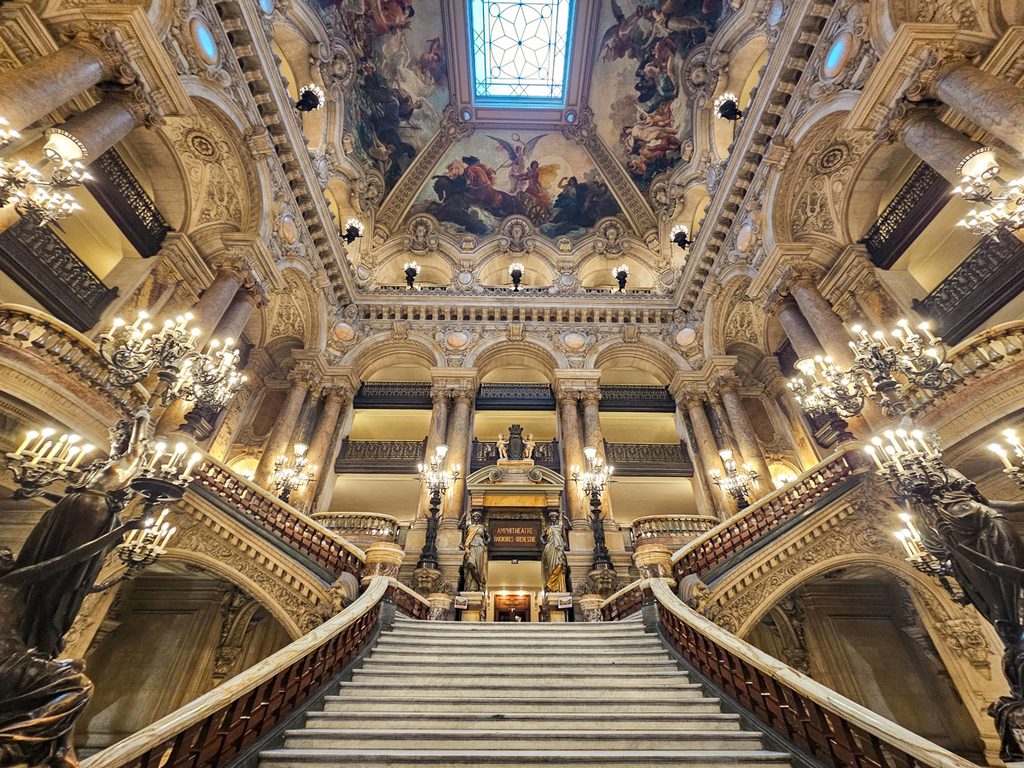
Some Paris attractions, including the Catacombs, Notre-Dame Towers, and Opera Garnier, require advance online reservations, with no tickets sold on-site.
Others, like the Louvre, Sainte-Chapelle, and Musée de l’Orangerie, can sell out or have very long lines if you just show up. At some attractions, it’s also worth booking the first time slot in the morning to avoid the heaviest crowds.
That said, plenty of attractions don’t need reservations at all. Check out my guide to what to book in advance in Paris (and what you don’t need to) for specific recommendations, booking windows, and ticket tips.
8. Riding Public Transit Without Validating Your Ticket
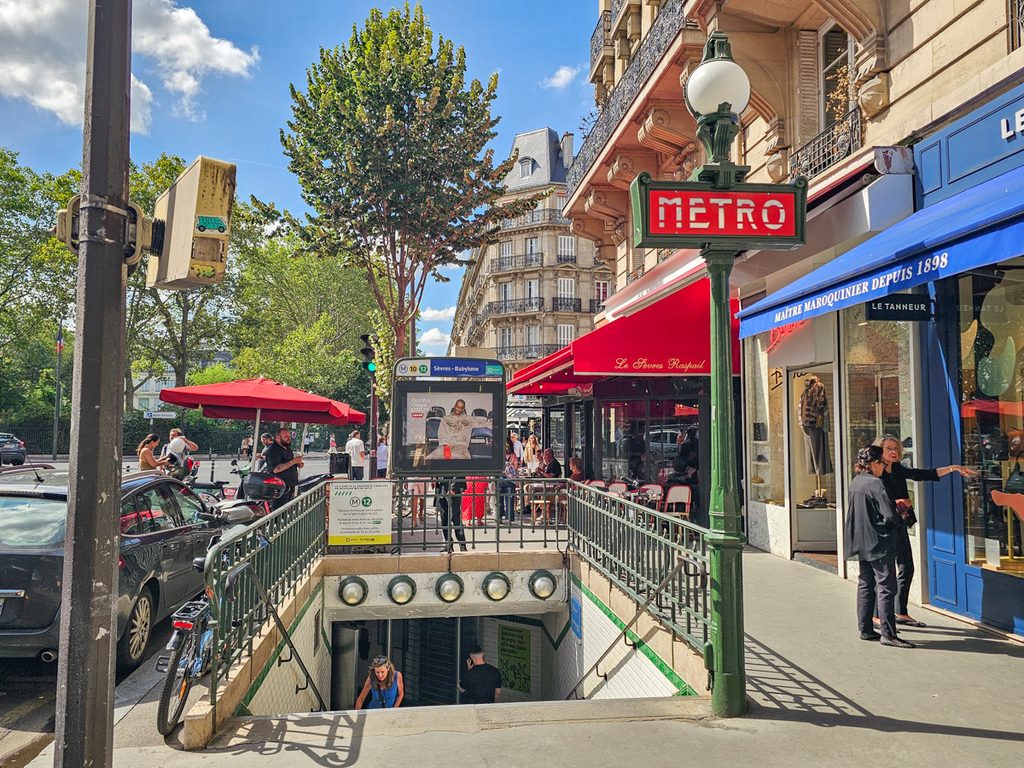
Ticket inspectors regularly conduct checks on Paris public transportation, and simply having a ticket isn’t necessarily enough. You need to make sure it’s properly validated.
On the Metro, this happens automatically, as scanning your ticket to get through the Metro turnstiles validates it. On buses, you’ll need to tap your ticket on the reader when you board.
However, mix-ups can happen, such as if you encounter an open Metro turnstile or a ticket that won’t scan. Don’t assume you can just walk through because the gate is open. And if an employee waves you through because something isn’t working, make sure you understand how to validate your journey before continuing.
If an inspector checks your ticket and it hasn’t been properly validated, you will almost certainly be fined, even if it was an honest mistake.
One other thing to watch out for: Don’t put your feet up on the seats or other fixtures on the Metro, RER, or buses. I know it’s tempting after a long day of sightseeing, but it’s against the rules and can also result in a fine.
9. Avoiding the Metro
But don’t let the possibility of getting a ticket fine scare you away from using public transportation in Paris. The Metro and bus system is excellent, affordable, and one of the easiest ways to get around the city.
Apps like Google Maps or Citymapper will show you exactly which lines to take, where to transfer, and how long it’ll take to get there. The signs inside Metro stations are also very straightforward, even if you don’t speak French.
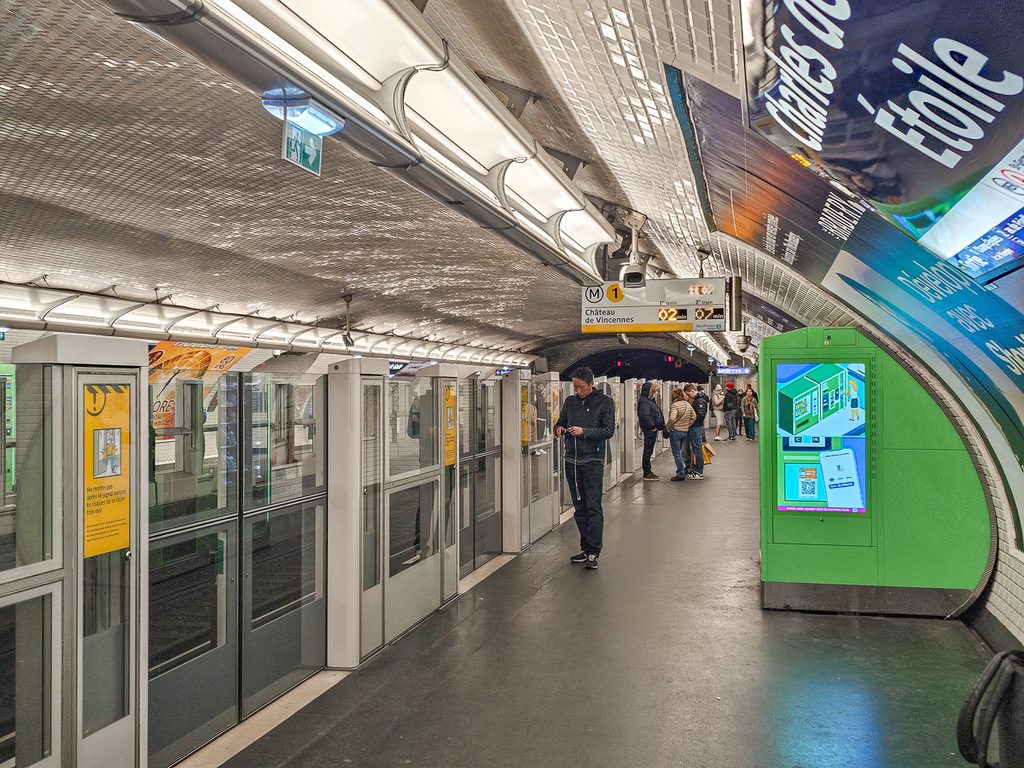
Plus, taxis and Ubers can get expensive quickly, and with Paris traffic, they’re often slower than taking the Metro anyway.
For occasional trips, you can simply purchase individual tickets. If you’re staying for several days and plan to use public transportation frequently, it’s worth comparing the different Navigo passes to see whether one would save you money.
For more information on tickets, passes, navigating the system, and avoiding common mistakes, check out my complete guide to using the Paris Metro.
10. Falling for Common Paris Scams
Paris is generally a safe city, but like any major tourist destination, it has its share of scams. Most are fairly easy to avoid once you know what to watch for, and a few have been around for years.
Here are three of the most common:
- Fake petitions: Someone with a clipboard may approach you asking for a signature, often starting with “do you speak English?,” and usually claiming to represent a charity or organization supporting people with disabilities. Once you’ve signed, they may pressure you for a donation, or use the distraction as an opportunity for theft. This is the most common scam I’ve seen.
- Friendship bracelets: Around Sacré-Cœur in Montmartre, you may encounter people who try to grab your wrist and tie a bracelet around it, then demand payment. Don’t let anyone put something on you, and keep walking if someone approaches.
- The gold ring scam: Someone pretends to find a gold ring on the ground, then offers it to you before asking for money. The ring is typically worthless, and the whole interaction is designed to get you to pay for it.
The best way to handle these situations is usually to ignore the person completely and keep walking. You can also give a firm, abrupt non without making eye contact or slowing down.
I know this can feel rude. Before my husband’s first trip to Paris, I’d warned him to just ignore anyone who approached him. But he’s a kind man and felt bad being so dismissive, so he tried to give them a moment before politely declining. It didn’t take him long to realize that this just encouraged more interaction, and ignoring them was a lot less hassle.
So don’t feel obligated to respond to someone who approaches you unsolicited, and don’t let anyone hand you something or put something on you.
11. Being Lax With Your Belongings
Paris is generally a safe city, but pickpocketing can happen, especially around major attractions and on crowded public transportation.
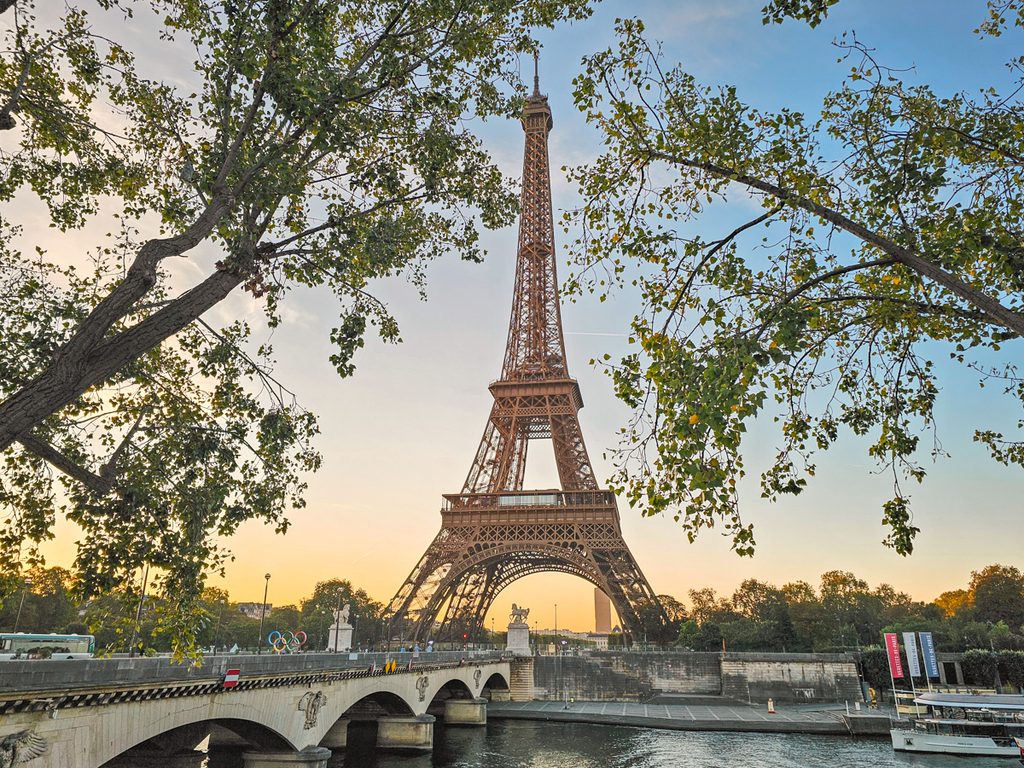
Keep your bag zipped and in front of you in busy areas, and avoid putting your phone or wallet in easily accessible pockets. Also, be careful about leaving your phone on café tables or your bag hanging off the back of a chair, especially if you’re sitting on a sidewalk terrace.
Another thing to watch out for is thieves grabbing phones near Metro doors just before they close, leaving you with no way to follow them.
You don’t need to be paranoid, but a little extra awareness goes a long way.
12. Not Considering the Paris Museum Pass
The Paris Museum Pass covers admission to dozens of museums and monuments, and it can be a great way to save money. The pass is available for 2, 4, or 6 consecutive days, so you’ll need to visit enough included attractions during that time to justify the cost.

That said, it’s not necessarily a good deal for everyone. I’d recommend adding up the regular admission prices for the places you actually want to visit before purchasing.
Also, many attractions offer free admission to visitors under 18 and EU residents under 26, so younger travelers don’t need a pass at all. And remember, some attractions still require you to book a free timed-entry reservation, even with the pass.
For more details, check out my complete Paris Museum Pass guide.
13. Only Visiting the Most Popular Sites
There’s nothing wrong with wanting to see the Eiffel Tower, Louvre, Notre-Dame, and other famous Paris landmarks. They’re popular for a reason, and I’d absolutely recommend visiting them.
But some of my favorite places in Paris are ones that many tourists never get around to seeing, from beautiful churches and smaller museums to historic buildings on side streets.
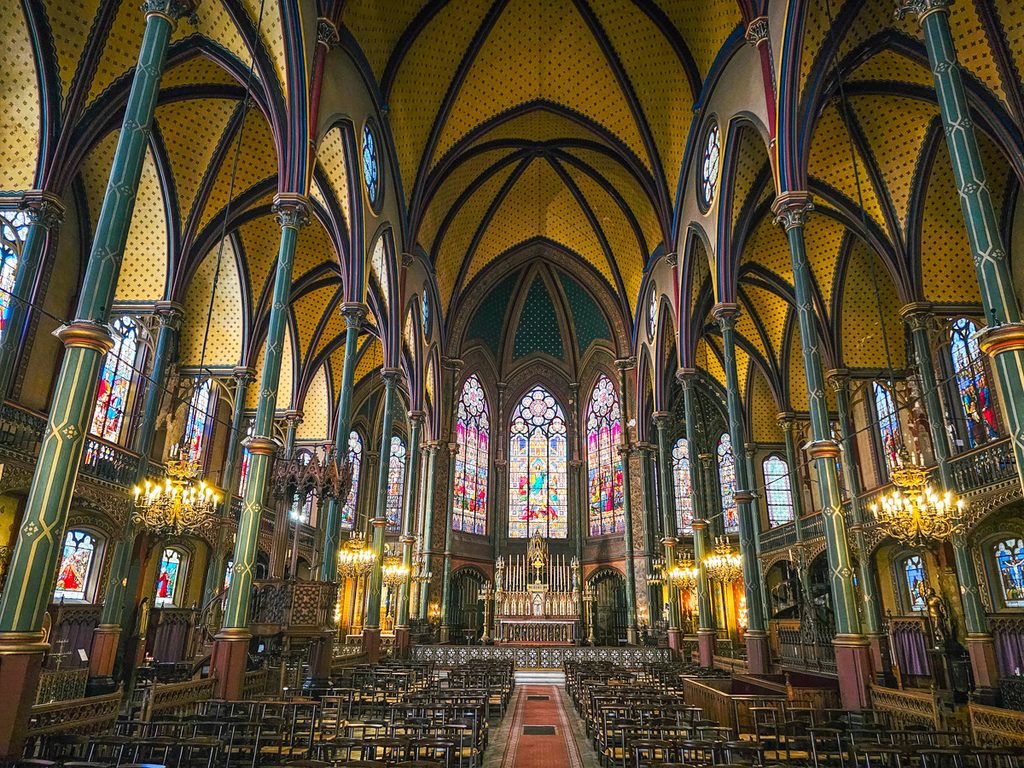
I’d also recommend leaving some time to explore neighborhoods like the Marais, Latin Quarter, Saint-Germain-des-Prés, and Montmartre.
And if you’re looking for ideas, check out my list of 30 overlooked places in Paris.
14. Not Understanding French Restaurant Culture
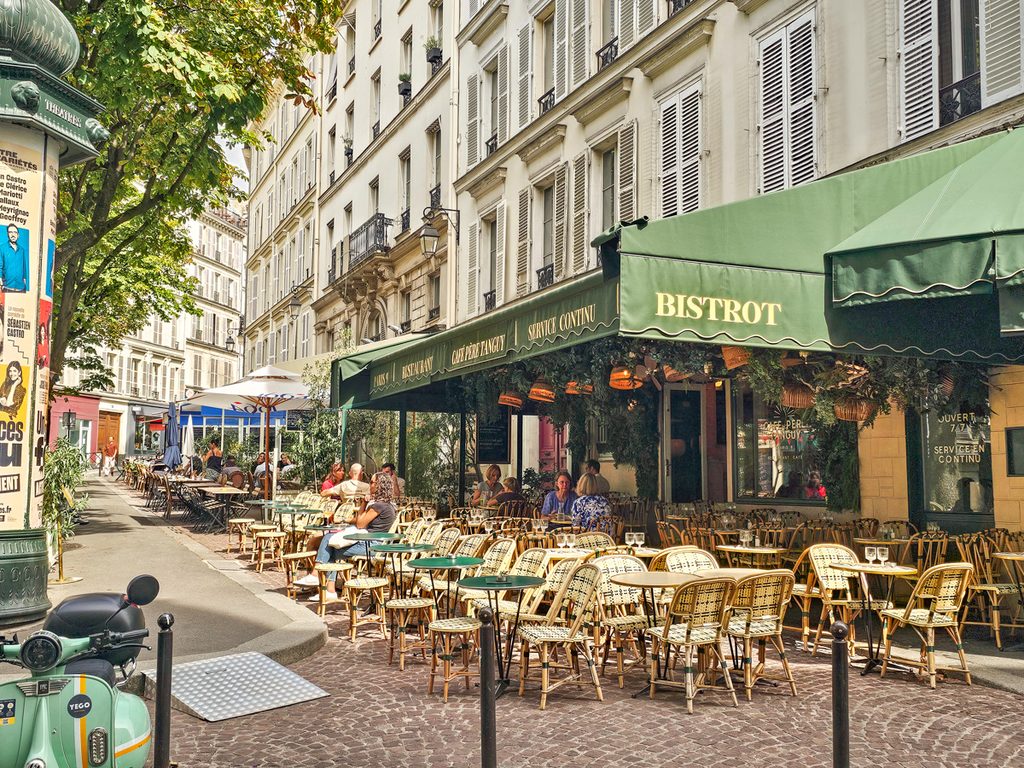
Dining out in Paris has its own set of customs that might be different than what you’re used to, especially if you’re coming from far away. Knowing what to expect can save you some confusion.
For example, many restaurants have set lunch and dinner hours, with kitchens closing in the afternoon. Service is generally more hands-off, and you’ll usually need to ask for the bill when you’re ready to leave. Tipping a small amount is a nice gesture if you want, but isn’t expected like it is in the US.
And while plenty of cafés and brasseries welcome walk-ins, popular restaurants can book up. If there’s somewhere you’re particularly excited to eat, I’d recommend making a reservation.
For more advice, check out my guide to the unwritten “rules” of dining out in France.
15. Eating at Tourist-Trap Restaurants
Paris has plenty of excellent restaurants, but you’ll also find some mediocre ones. A few things that make me wary are:
- Employees standing outside trying to entice people in
- Enormous menus with photos of every dish
- Menus offering a huge variety of unrelated cuisines
It used to be that having an English menu was a sign of a tourist trap, but that’s definitely not a hard-and-fast rule anymore. I’ve eaten at plenty of excellent restaurants in Paris that offer menus in English. And while you do need to be more cautious about restaurants near major tourist attractions, there are some great ones in those areas, too.
If I’m considering a restaurant I haven’t researched ahead of time, I always do a quick Google Maps check before sitting down, just to make sure it doesn’t have terrible reviews.
And if you need recommendations, check out my list of 18 restaurants in Paris I’ve personally eaten at and loved.
16. Forgetting Museum Closure Days
One thing that can easily mess up your Paris itinerary is forgetting that most museums are closed one day a week, usually Monday or Tuesday. For example, the Louvre is closed on Tuesdays, while the Musée d’Orsay and Versailles are closed on Mondays.
Before finalizing your itinerary, double-check the opening days and hours for the attractions you want to visit. Monday in particular is a common day for museums to be closed, so you’ll want to plan that day carefully.
17. Underestimating the Size of Paris
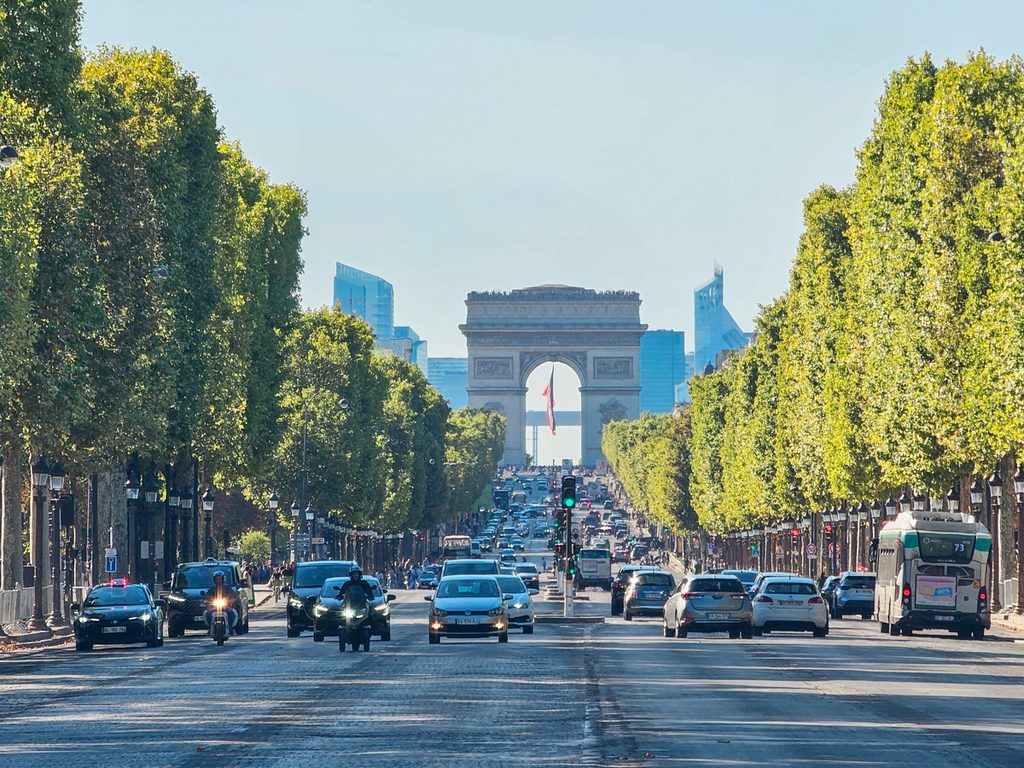
Paris is a very walkable city, but it’s easy to underestimate just how much time you’ll need to get around and see everything. Major attractions are often farther apart than they look on a map, and it’s easy to get distracted by interesting shops, beautiful buildings, or unexpected views along the way.
I recommend mapping out the walking or Metro time between each stop on your itinerary, then padding that travel time by about 25% to account for bathroom breaks, photo stops, and other little delays.
And don’t underestimate how much walking you’ll do, even if you’re using the Metro, bus, or taxi regularly. Comfortable shoes are a must, and if you’re worried about looking out of place in sneakers, don’t be. You’ll see plenty of Parisians wearing them, too.
18. Only Eating Hotel Breakfasts
Hotel breakfasts in Paris are often fairly expensive for what you get, and depending on the hotel, you may find that the selection is mostly bread, pastries, and other cold items, with few hot dishes available.
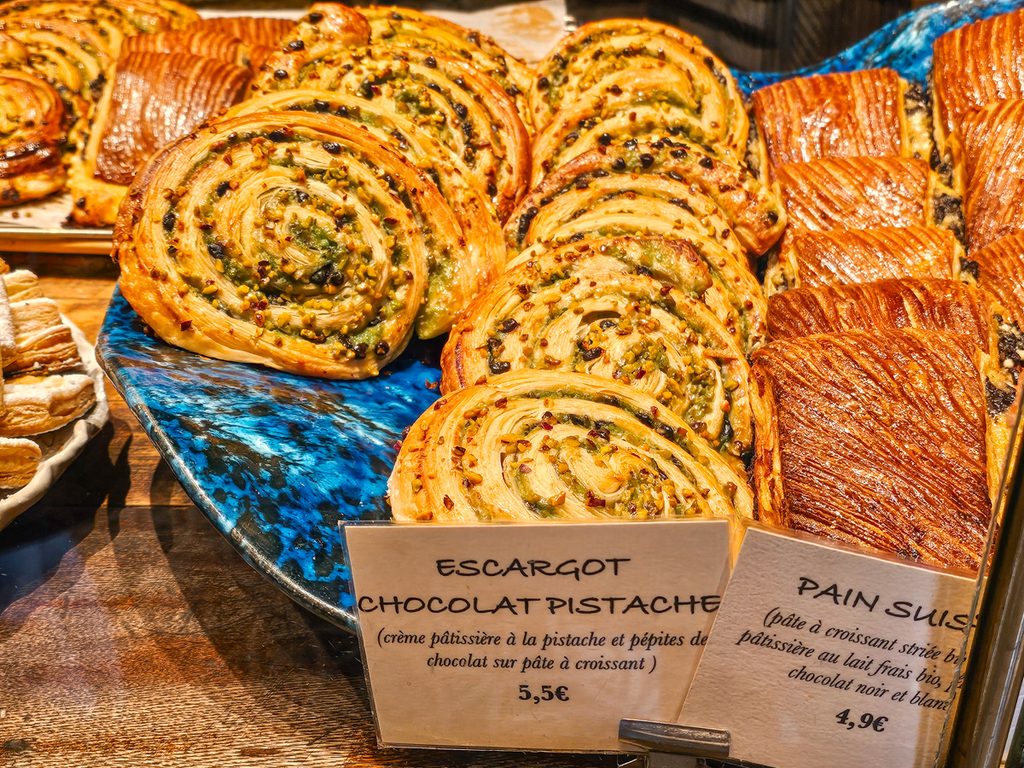
But even if you’re not on a tight budget, only eating le petit déjeuner at the hotel means you’ll miss out on the simple pleasure of grabbing a pastry from a local boulangerie or lingering over coffee at a sidewalk café.
Final Thoughts
I love Paris, and no matter how many times I visit, I always find more things I want to see and do. But I also think it’s a mistake to visit France and never venture beyond the capital.
There’s so much to explore throughout the country, from the castles of the Loire Valley and the medieval villages of the Dordogne to the beaches of Normandy, the mountains of the French Alps, the countryside of Provence, and the Mediterranean coastline of the French Riviera.
If you have extra time in your itinerary, I’d highly recommend visiting another region of France. And if you don’t, that’s okay, too. You could return to France again and again and still have incredible places left to discover.
Planning the Rest of Your Time in Paris?
Avoiding these common mistakes is a good start, but there’s plenty more to know when planning a trip to Paris. Here are a few more guides to help you make the most of your visit:
- Free Museums in Paris – Excellent museums you can visit without paying an admission fee.
- Where to Stay in Paris – A neighborhood-by-neighborhood breakdown to help you choose the right base
- Paris Attractions Beyond the Big Landmarks – Some of the most iconic museums, churches, and monuments that don’t get nearly as much attention as the most famous sights.
- Rating Paris’s Most Viral Food Spots – I tried the places you’ve probably seen all over social media and rated which ones are actually worth visiting.
If you want everything in one place, my Paris travel guide page pulls together neighborhood guides, attraction and museum guides, foodie recommendations, and travel tips in one hub.
And if you’re feeling overwhelmed or short on time, I also offer Paris planning calls.
These one-on-one video sessions are great for getting feedback, asking questions, and sorting through options, whether you need a full plan or help fine-tuning what you already have.
