
30 Secret Places and Hidden Gems in Paris Most Tourists Never See

The Eiffel Tower, the Louvre, the Arc de Triomphe, and Sacré-Cœur are all incredible and absolutely worth seeing. But Paris is so much more than its famous landmarks – the city is full of hidden corners and overlooked treasures just waiting to be found.
Here are 30 of my favorite hidden gems: the secret spots and quieter places that show a different side of Paris.
30 Hidden Gems in Paris You Need to Discover
1. Gustave Moreau Museum

Gustave Moreau was a 19th-century painter known for his vivid, mythological works that mixed Romantic and Symbolist styles. His former home in the 9th arrondissement is now a small museum that feels both personal and impressive.
The ground floor shows his old family rooms, but the real draw is upstairs – two huge studios with walls completely covered in paintings and sketches. A beautiful spiral staircase connects the levels, and walking through feels like stepping right into the artist’s dream-like world.
2. Tour Saint-Jacques
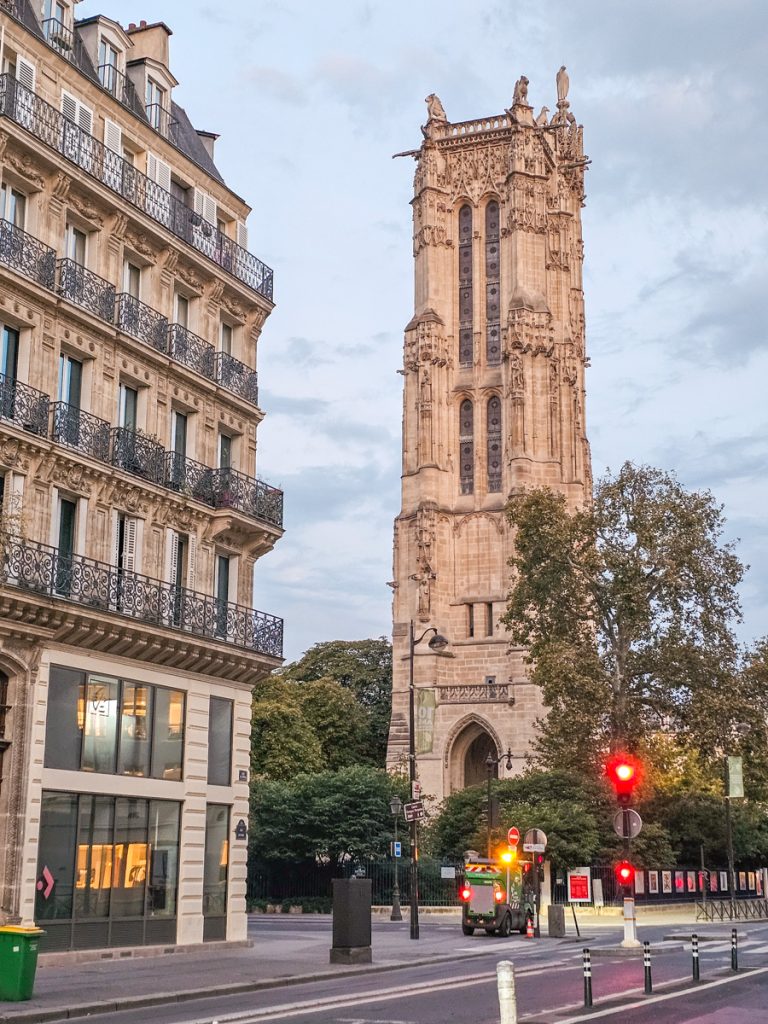
The Tour Saint-Jacques, just a few blocks from Hôtel de Ville in the 4th arrondissement, is all that remains of a 16th-century church built for the city’s butchers’ guild.
The rest of the church was destroyed during the French Revolution, but this flamboyant Gothic bell tower (once the second-tallest structure in Paris after Notre Dame) survived.
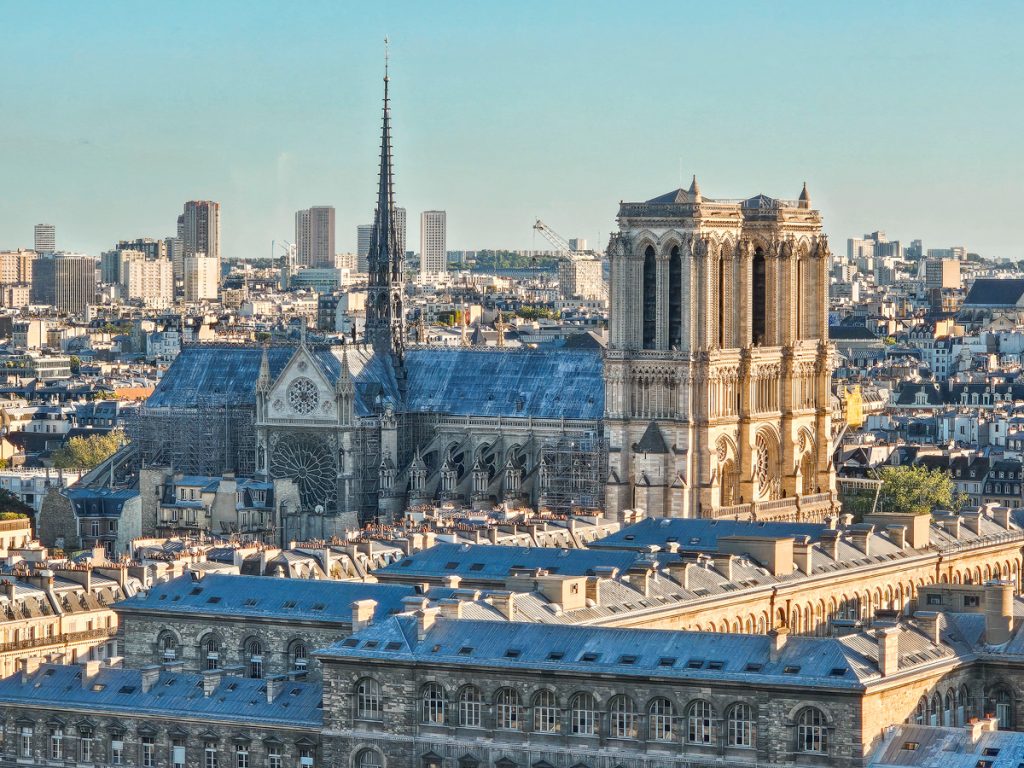
Today, you can visit from May-November on a guided tour that takes you up nearly 300 steps to the top, where you enjoy sweeping views across Paris: from Notre Dame and the Seine to the Pantheon, Sacré-Cœur, and the Eiffel Tower.
3. Palais Royal Gardens

Just a couple of blocks from the Louvre in the 1st arrondissement, the Palais Royal complex has become more well-known in recent years, particularly for the black-and-white Buren Columns in the main courtyard. But just beyond them are the Palais Royal Gardens, a Parisian green space that still feels wonderfully peaceful and tucked away.
Lined with trees and dotted with statues, flowers, benches, and a central fountain, the gardens have a quiet, refined charm that reminds me of a smaller-scale Tuileries Gardens.
4. Cimetière de Montmartre

While Père Lachaise Cemetery gets all the hype, the Montmartre Cemetery is just as atmospheric and historic, with grand, beautiful old tombs and scenic, tree-lined pathways to stroll down.
Quite a few well-known figures have been laid to rest here, including Dalida (the beloved French singer), writer Alexandre Dumas, scientist Leon Foucault, artist Edgar Degas, and painter Gustave Moreau. Peaceful and full of character, the cemetery is officially recognized as a protected historic monument.
5. Statue of Liberty in the Seine
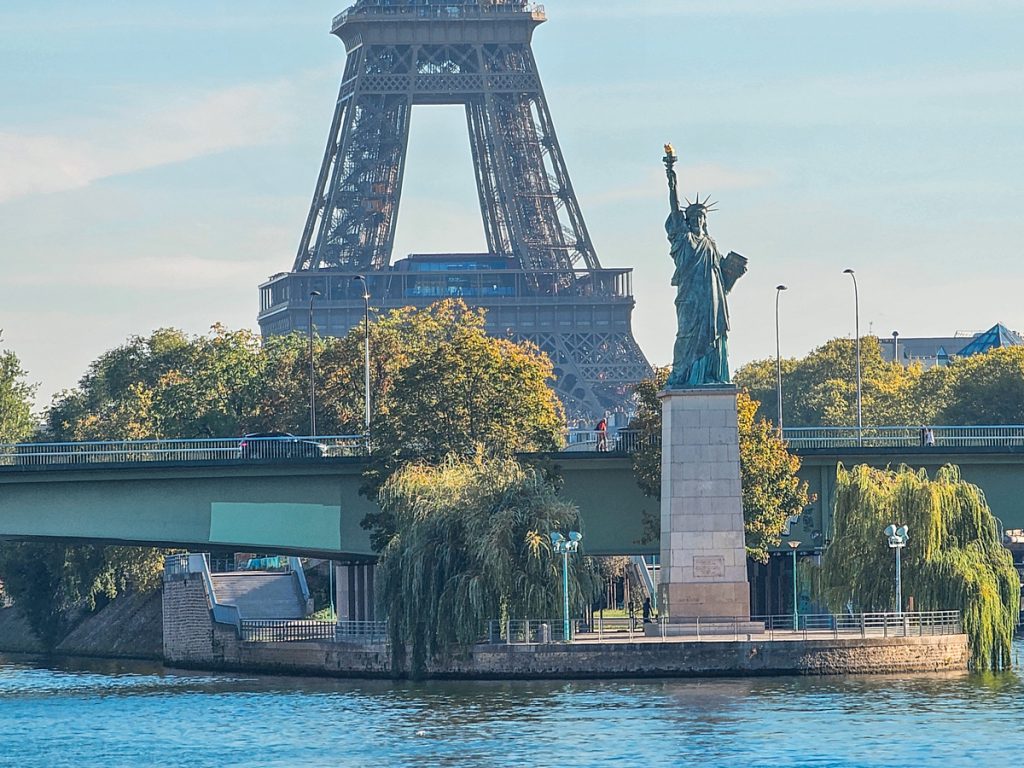
Just south of the Eiffel Tower, Paris has its own Statue of Liberty standing proudly on the Île aux Cygnes, a narrow island in the middle of the Seine by the Pont de Grenelle.
This smaller version was gifted to the city by the American community in 1889 to honor Franco-American friendship, just three years after the original was unveiled in New York.
The statue’s location feels fitting, since Gustave Eiffel, who designed the Eiffel Tower, also engineered the internal structure of the New York statue. There are actually three other Statues of Liberty around Paris, found in the Luxembourg Gardens, the Musée d’Orsay, and the Musée des Arts et Métiers.
6. Saint-Denis Basilica
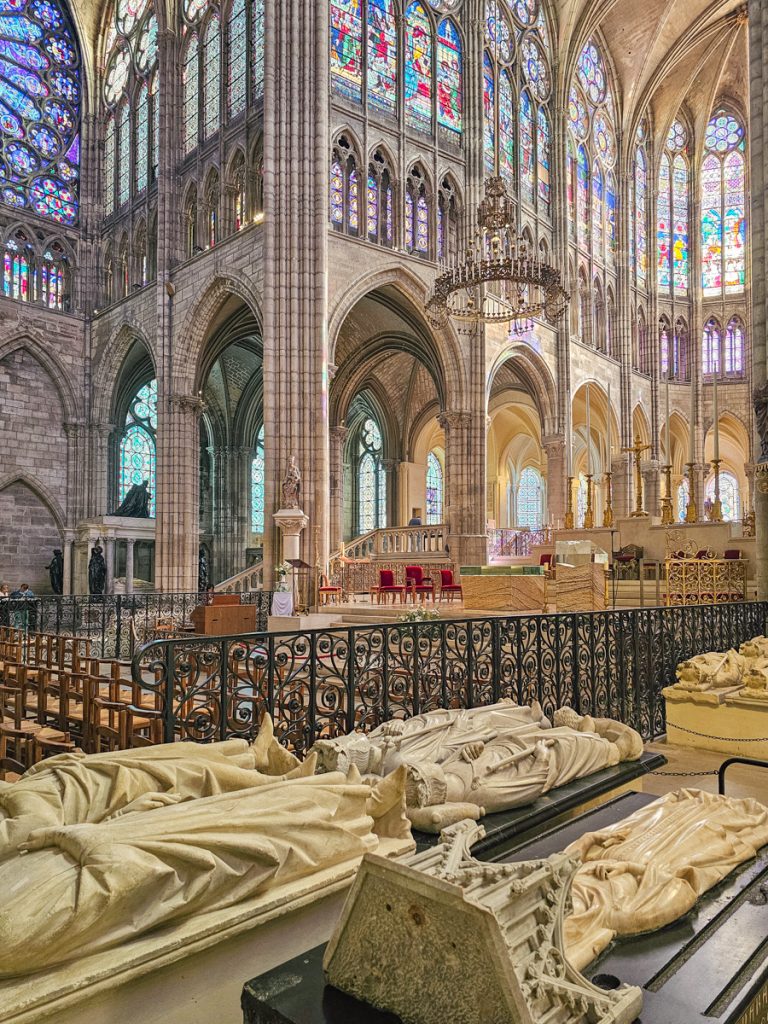
Located just north of Paris, the Basilica of Saint-Denis is one of France’s most historically significant churches, and one that many visitors overlook. This Gothic masterpiece is the burial site of nearly every French monarch from the 10th to 19th centuries, earning it the title of the Royal Necropolis.
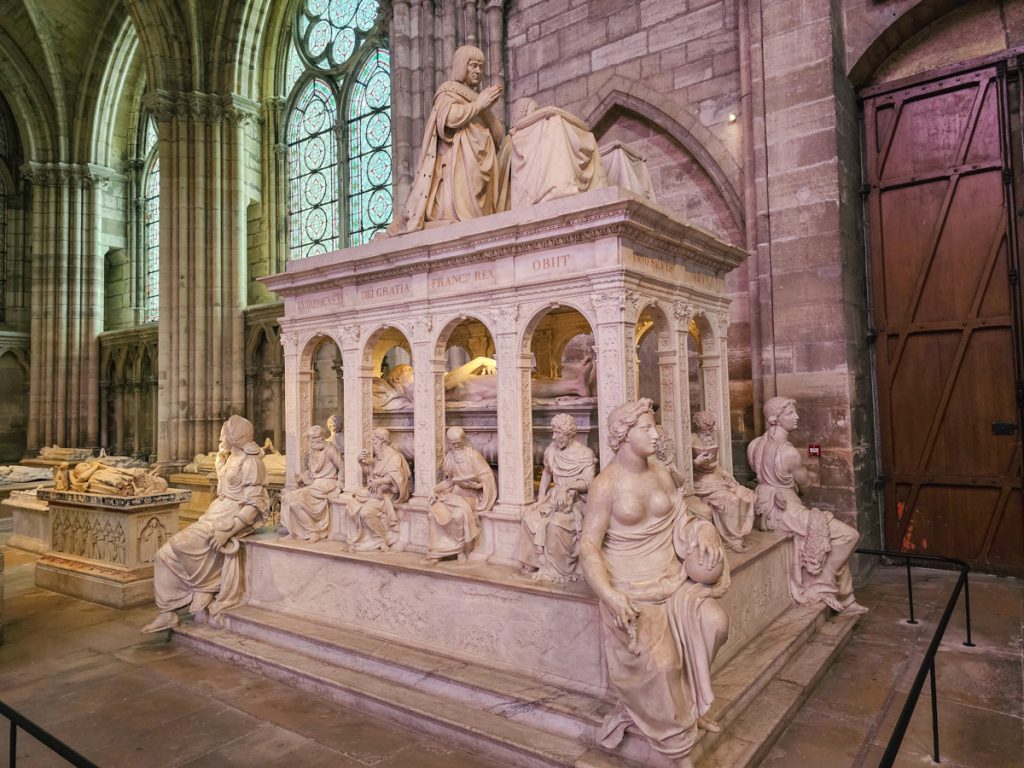
41 kings, 26 queens, 60 princes and princesses, and 10 public servants are interred here, including particularly famous royals like:
- François I and Catherine de Medici (important rulers during the Renaissance)
- Louis XIV (the celebrated Sun King)
- Louis XVI and Marie Antoinette (executed in the French Revolution)
The sculpted monuments, set beneath colorful stained glass windows, make this one of the most fascinating churches near Paris.
7. Porte Saint-Denis & Porte Saint-Martin

You probably know the Arc de Triomphe (and maybe even know its smaller and larger counterparts, the Arc du Carrousel and Grande Arche de la Défense). But tucked in the 10th arrondissement are two older arches, the Porte Saint-Denis and Porte Saint-Martin, that predate them by more than a century.
Porte Saint-Denis was built in 1672 under Louis XIV to commemorate his military victories and replaced one of the medieval city gates along the old wall. Modeled after the Arch of Titus in Rome, it’s covered with carvings that celebrate the king’s conquests.

Just down the street, the smaller Porte Saint-Martin followed two years later, also commissioned by Louis XIV. Together, they mark the historic northern entrance to Paris – a reminder of how much the city has grown and changed.
8. Jacquemart-André Museum
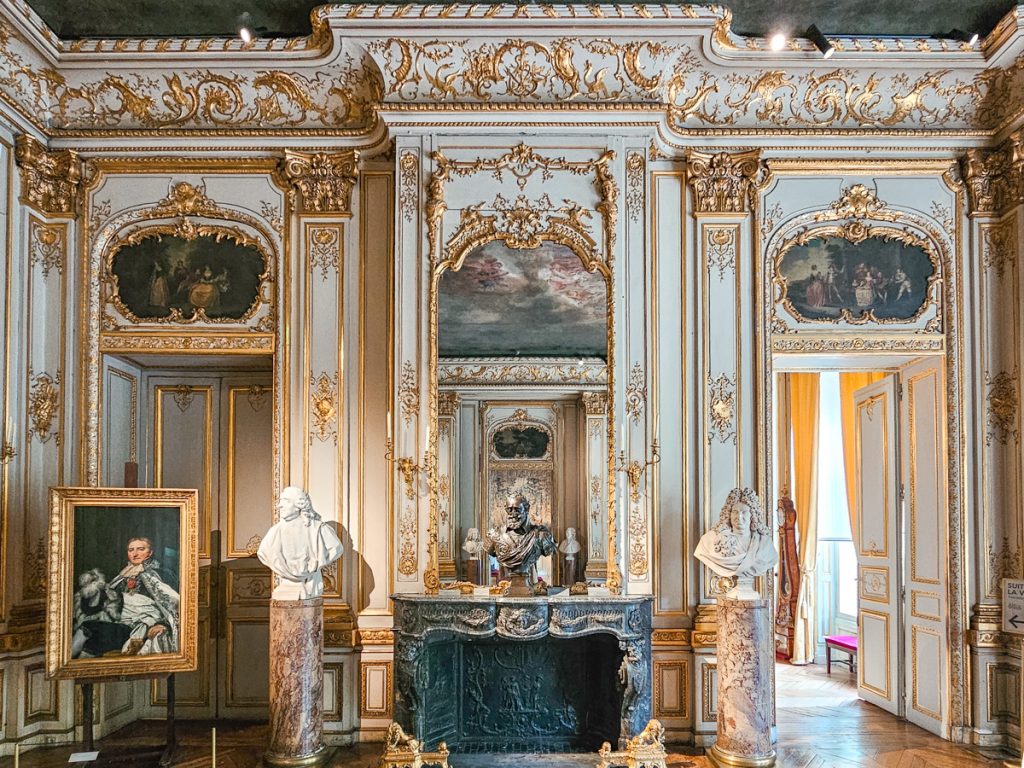
The Musée Jacquemart-André is a magnificent 19th-century mansion that once belonged to wealthy art collectors Nélie Jacquemart and her husband, Édouard André.
Together, they turned their home into a showcase for their vast art collection. Today, walking through the rooms feels like stepping into a Parisian palace.

You’ll pass through ornate salons with gilded ceilings, a winter garden lined with marble columns and plants beneath a glass roof, and a grand staircase fit for royalty. It’s elegant and full of beautiful little details (and is one of my personal favorite spots on this list).
9. BNF Oval Reading Room

The Bibliothèque Nationale de France’s Richelieu site hides one of the most beautiful interiors in Paris: the Oval Reading Room. Free and open to the public, this elegant space is truly a sight to see, with its soaring glass ceiling, oak columns, and rows of books stacked across multiple levels.
The oval-shaped room is filled with readers and researchers, but visitors are welcome to quietly explore the outer walkway, browse the shelves, or try the interactive screens scattered throughout. I’m a big reader, so I really loved this room.
10. Arènes de Lutèce
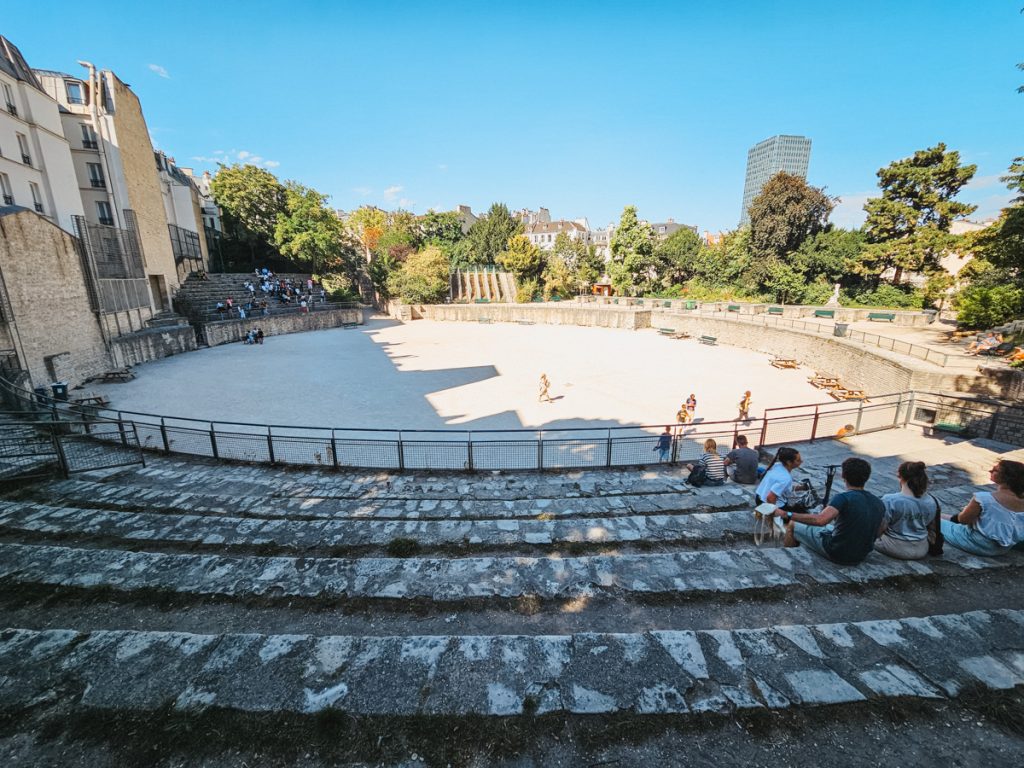
The Arènes de Lutèce, located in the Latin Quarter, are the remains of a Roman amphitheater from the 1st century AD, back when Paris was still known as Lutetia. Used for nearly two centuries before being buried and forgotten, it’s one of the city’s oldest surviving landmarks.
Today, this open historic site is surrounded by trees and walking paths. You can sit on the old stone terraces and watch locals play pétanque, or stroll across the sandy arena floor where gladiators once stood.
11. Musée des Arts Forains
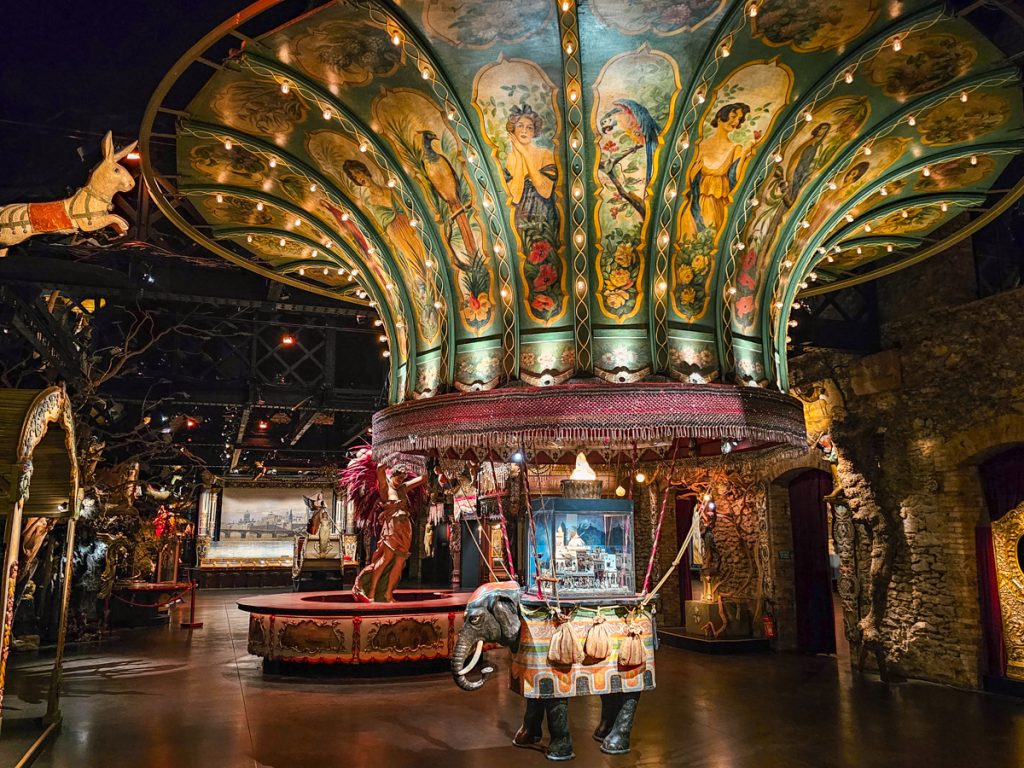
The Musée des Arts Forains is a whimsical museum dedicated to antique fairground art, tucked inside the historic 19th-century wine warehouses in the 12th arrondissement. Its collection includes restored carousels, fairground games, musical organs, and elaborate sculptures from the late 1800s and early 1900s.
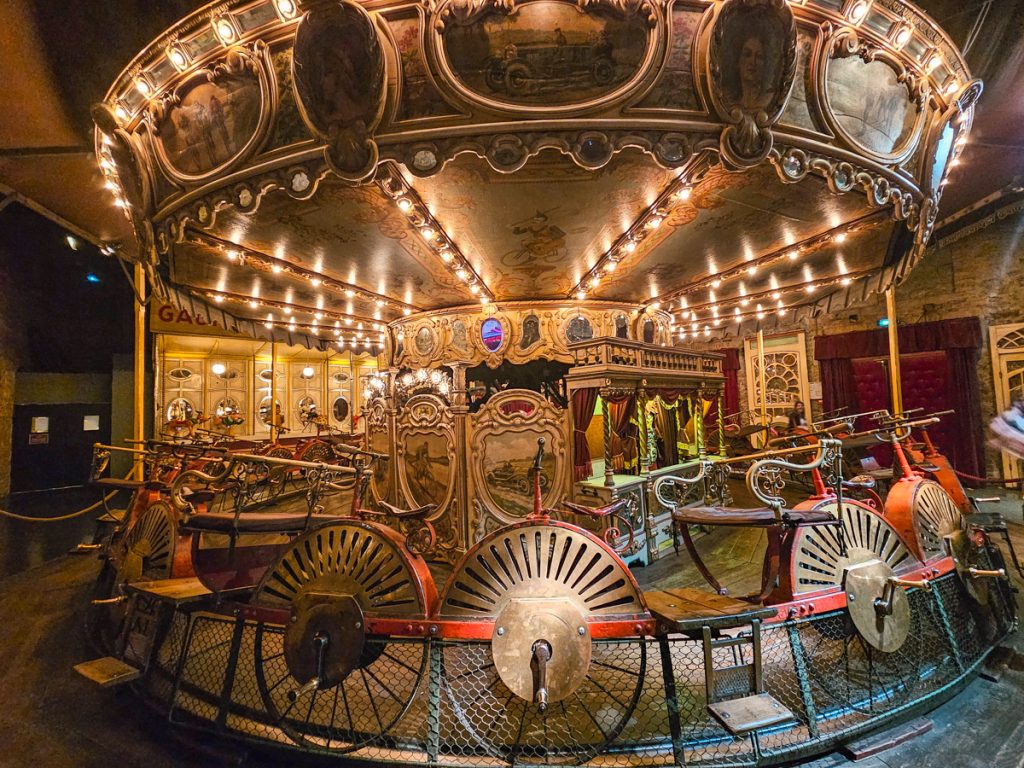
Visits are by guided tour only, and the guides make it a really fun experience: encouraging everyone to join in on riding the carousels, playing games, and dancing to music. You’re allowed to touch and play with everything, making it one of Paris’s most unusual and engaging museums.
12. La Madeleine

Église de la Madeleine, just steps from Place de la Concorde, is one of Paris’s most unique churches.
From the outside, it looks like a Greek temple, with 52 massive Corinthian columns and no cross or bell tower in sight. Napoleon originally planned it as a temple to honor his army, but after his fall, it was completed as a church in 1842.
Inside, the domed ceilings are covered in colorful frescoes, with marble sculptures and a striking neo-Byzantine mosaic above the altar that makes the space feel both grand and unexpected.
13. Conciergerie
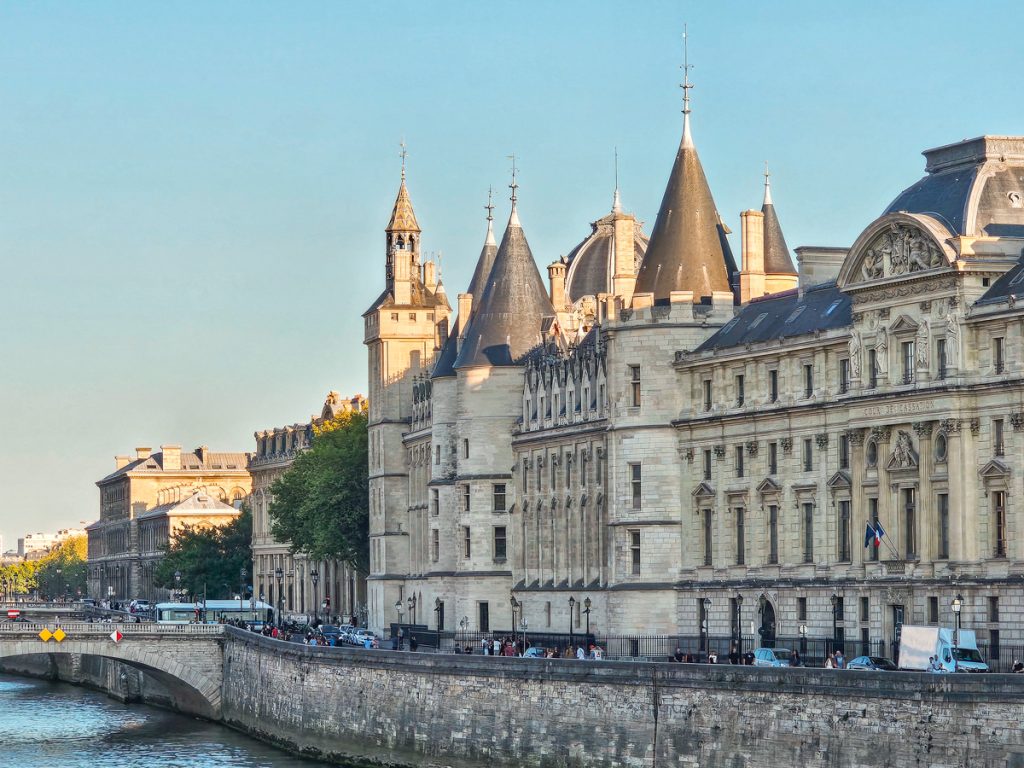
The Conciergerie, on the Île de la Cité near Notre Dame, began as a royal residence for medieval kings like Philip IV and Charles V before becoming one of Paris’s most infamous prisons.
The first part of the visit takes you through the original 14th-century palace: the vast Great Hall, old kitchens, and vaulted chambers that once hosted royal banquets.
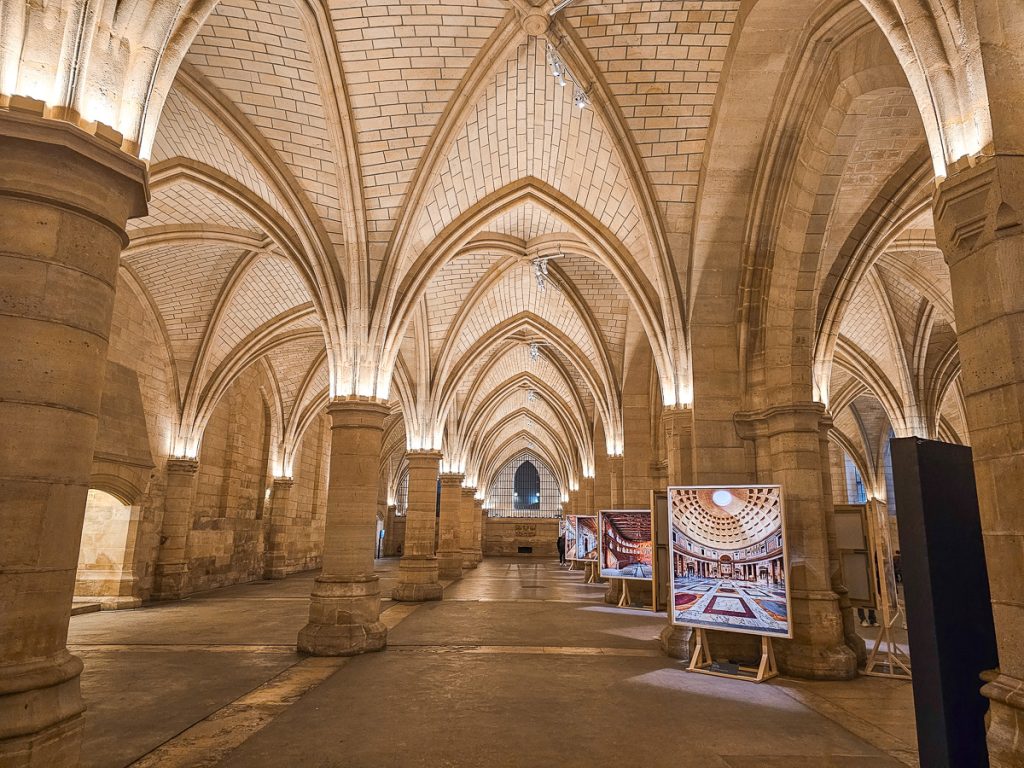
Later, the palace was transformed into a prison, where prisoners, including Marie Antoinette, were held during the French Revolution. She spent 76 days here before her execution.
One of the best parts of visiting is the interactive Histopad, which uses augmented reality to show how each room looked centuries ago as you explore.
14. Assemblée Nationale Tour & Library
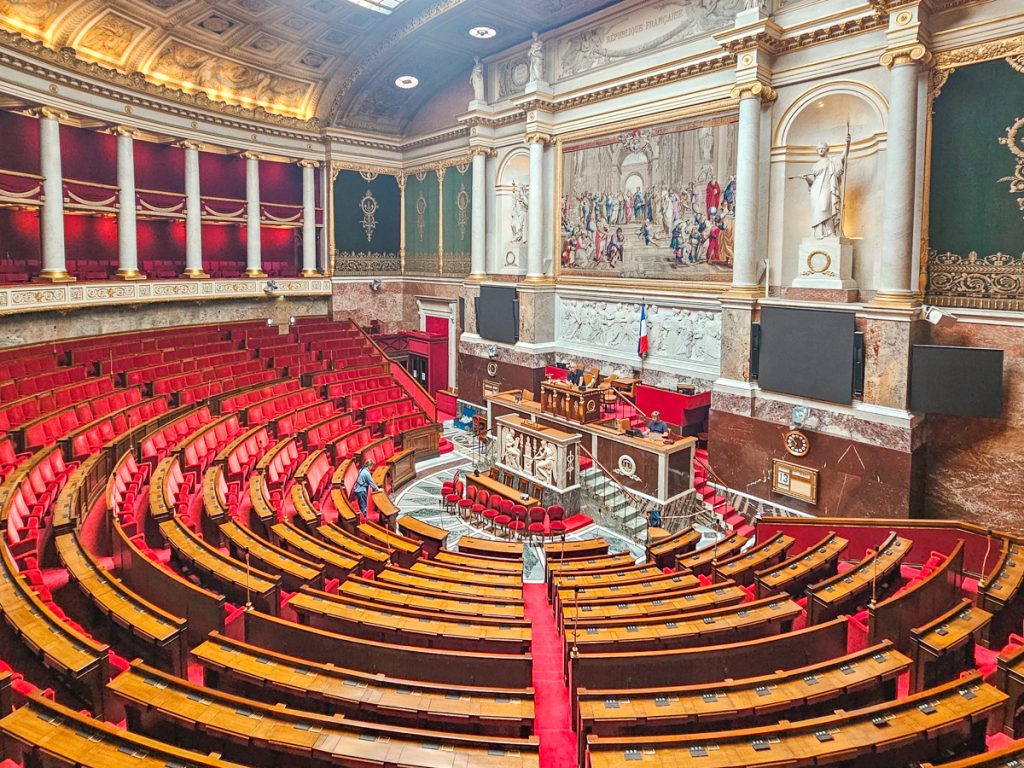
The Assemblée Nationale, housed in the Palais Bourbon, is where France’s lower house of parliament meets. You can visit on a free guided tour (in French only), which takes you through some of the building’s most impressive rooms.
The first part of the tour includes the Assembly Chamber, where the deputies meet, along with explanations of how the chamber functions and details about its art and symbolism.
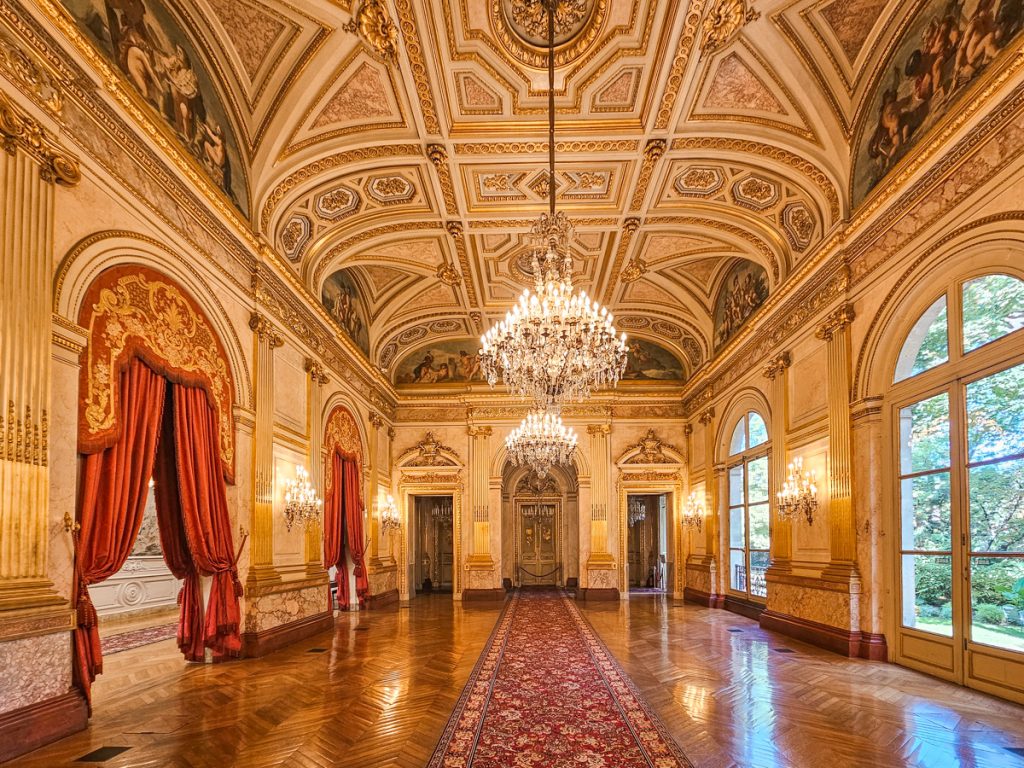
You’ll then continue into the gilded Salle des Fêtes ballroom before exploring the rest of the grand rooms on your own, ending in the recently restored Library of the National Assembly.
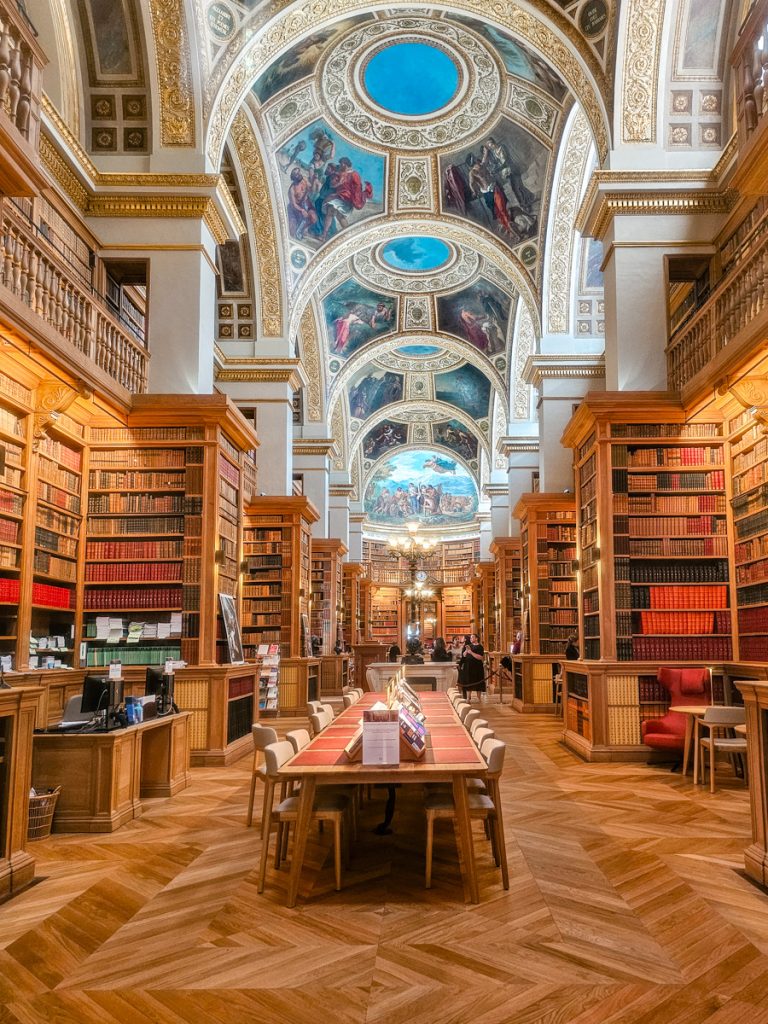
With its Delacroix-painted ceiling (often nicknamed Paris’s Sistine Chapel) and shelves of priceless historic works, from the Serment du Jeu de Paume to Joan of Arc’s trial records, the library is practically a monument in its own right.
15. Parc des Buttes Chaumont
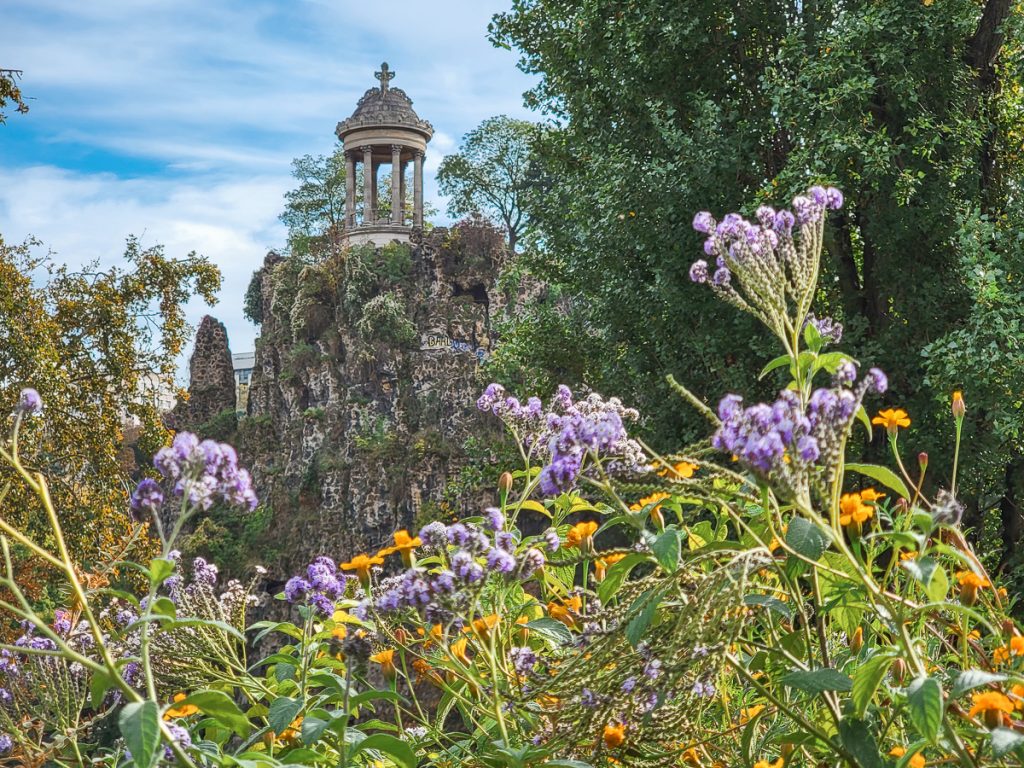
Parc des Buttes-Chaumont, in the 19th arrondissement, sits well outside the city center and offers a spacious green escape loved by locals.
Built on a former quarry, it’s more natural than polished, with walking paths and wide lawns throughout the park. A cute pond sits at the center, crossed by a suspension bridge and overlooked by a rocky hill topped with a small temple. It’s a great spot for a quiet picnic or afternoon walk.
16. Moulin Radet
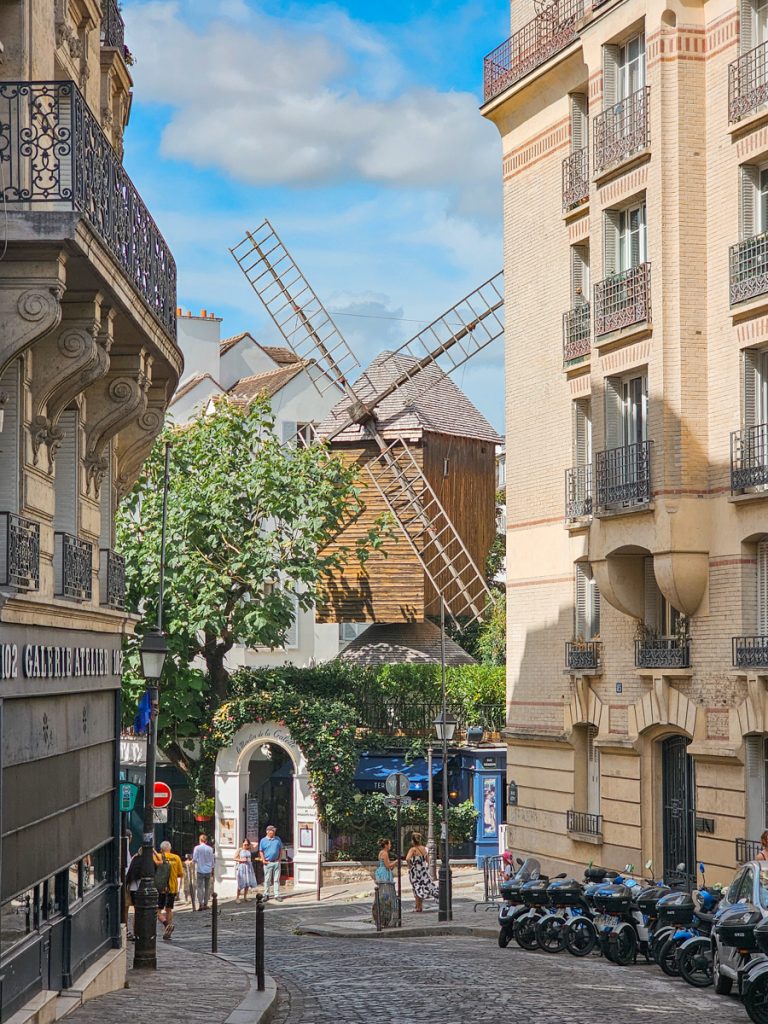
An unexpected sight on Montmartre’s charming streets is the Moulin Radet. Back when this neighborhood was covered in farmland, more than 30 moulins (windmills) dotted the rural community, turning grain in the steady hilltop breeze.
The Moulin Radet, built in 1717, is one of only two of the original windmills in Paris and now forms part of the restaurant called Moulin de la Galette. This spot even inspired one of Renoir’s most famous paintings, Le Bal du Moulin de la Galette, which is now displayed in the Musée d’Orsay.
17. Saint-Etienne-du-Mont

Just behind the Panthéon in the Latin Quarter, Église Saint-Étienne-du-Mont is one of Paris’s prettiest churches. Built between the late 1400s and mid-1600s, it combines Gothic and early Renaissance architecture, with a soaring, vaulted interior and finely carved stone details.
Its most remarkable feature is the stone rood screen (the only one left in Paris), which separates the nave from the choir. Two spiral staircases rise on either side, full of intricate carvings that give a lace-like appearance. The church also holds the relics of Sainte Geneviève, the patron saint of Paris.
18. Marché d’Aligre
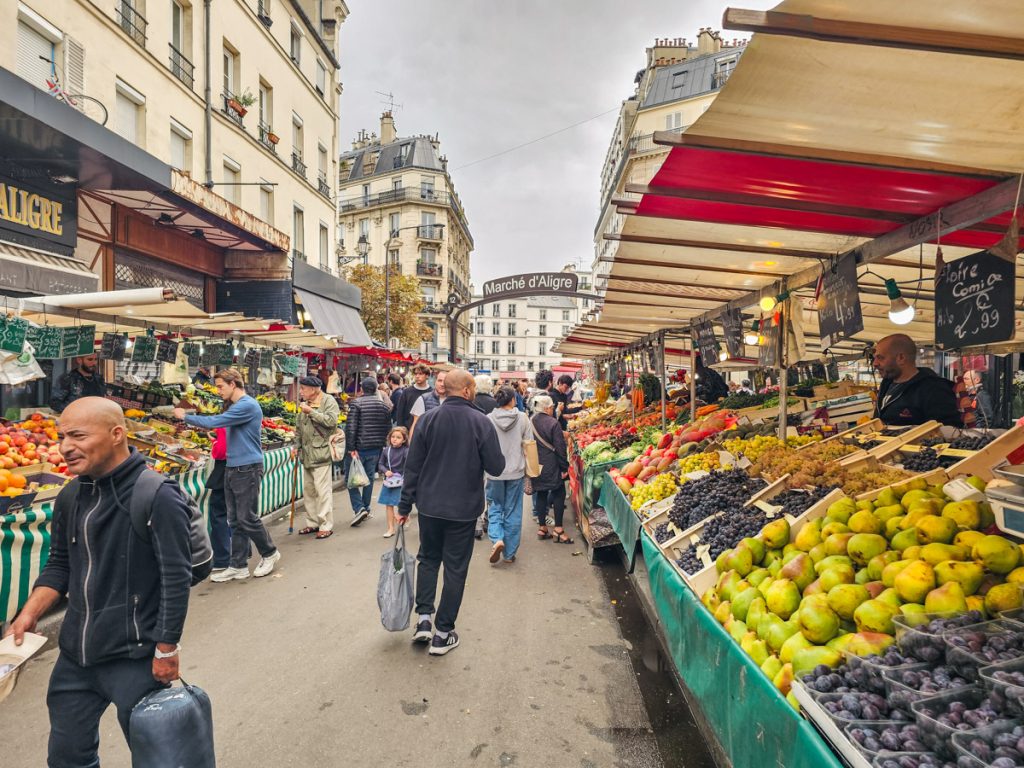
Parisian markets are just so charming, and Marché d’Aligre is one of the best. Stalls piled high with fresh, vibrant fruits and vegetables, meats, cheese, bread, and pastries line the street, alongside vendors selling hot dishes you can enjoy on the spot. There are often some stands selling items like spices or jams that make for great souvenirs to bring home.
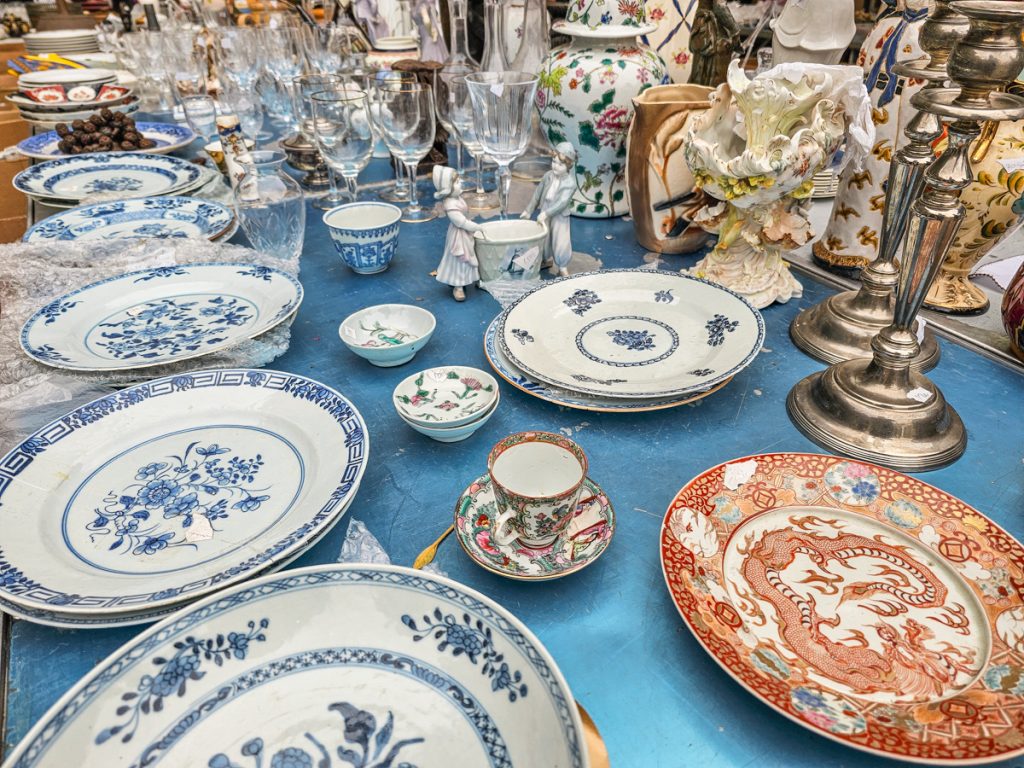
Right next to the produce section, you’ll find an antique and flea market area that’s perfect for finding unique treasures. No matter if you just browse or purchase, it’s a great place to soak up the atmosphere of everyday Parisian life.
Hours: The Marché d’Aligre is closed on Mondays but is open from 7:30am-1:30pm the rest of the week.
19. Aura Invalides
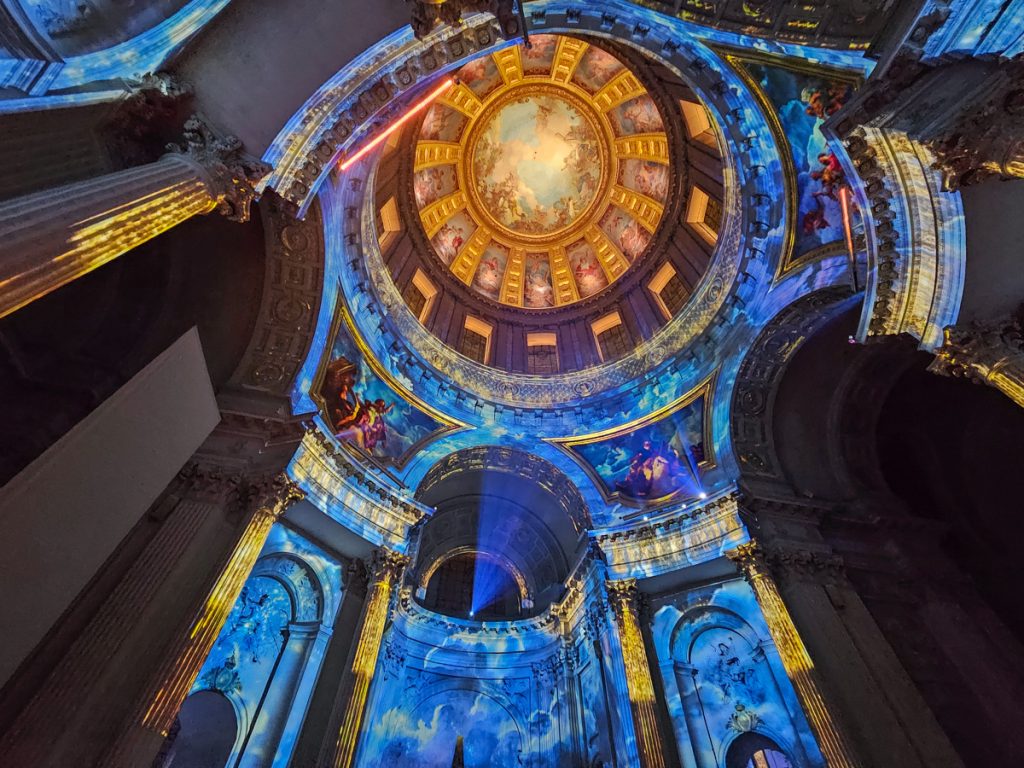
Aura Invalides is one of the most unique evening experiences in Paris. Set inside the Église du Dôme of Les Invalides, where Napoleon’s tomb is located, this immersive light and sound show transforms the historic space into something pretty magical.
The show combines intricate projections with a powerful musical score divided into three movements, each synced perfectly to the church’s architecture. Light traces the dome, columns, walls, and carvings, highlighting every curve and detail in rhythm with the music.

It’s absolutely stunning and surprisingly moving. If you can, visit Les Invalides during the day to explore the tomb and museum, then return at night for the show – day and night are totally different experiences.
20. Parc Monceau

Parc Monceau, in the 8th arrondissement, is one of the most elegant parks in Paris. Created in the late 1700s by the Duke of Chartres, it was designed to surprise visitors with winding paths and playful details like a pyramid and windmill.
The centerpiece of the park is a pond surrounded by Corinthian columns, a stone bridge, and a weeping willow that reflects beautifully in the water. Its shady paths and open lawns make it a favorite with locals for an afternoon hangout with friends and family.
21. National Archives Museum

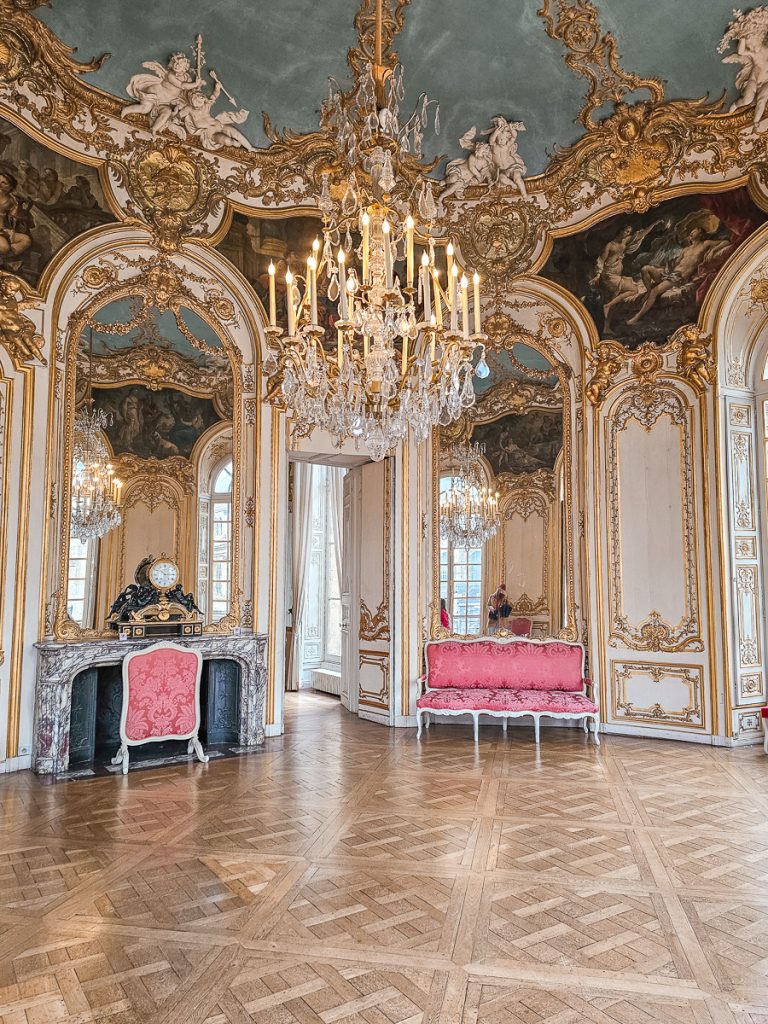
The Hôtel de Soubise was first built in the 1300s but took on its elegant Rococo style in the 1730s, when it was renovated for the Prince and Princess of Soubise. Seized during the French Revolution, it now houses the National Archives Museum.
The rooms are stunning, with gilded ceilings and ornate details that would feel right at home in Versailles. Among the historic documents on display are the Tennis Court Oath, the Edict of Nantes, Marie Antoinette’s final letter, and a letter by Charlemagne.
22. The Grand Mosque of Paris
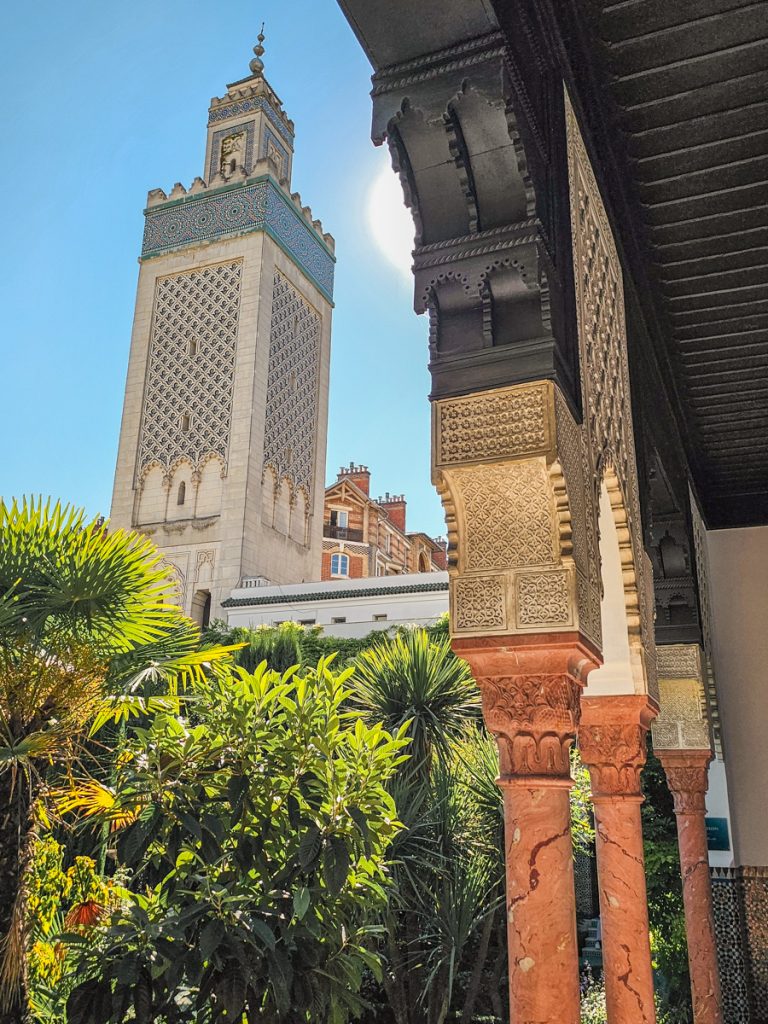
The Grand Mosque of Paris is the largest mosque in France. It was built in the Moorish Revival style inspired by Andalusia and North Africa, with a symmetrical design, central water features, colorful mosaics covering the floors and walls, and carved stucco archways.
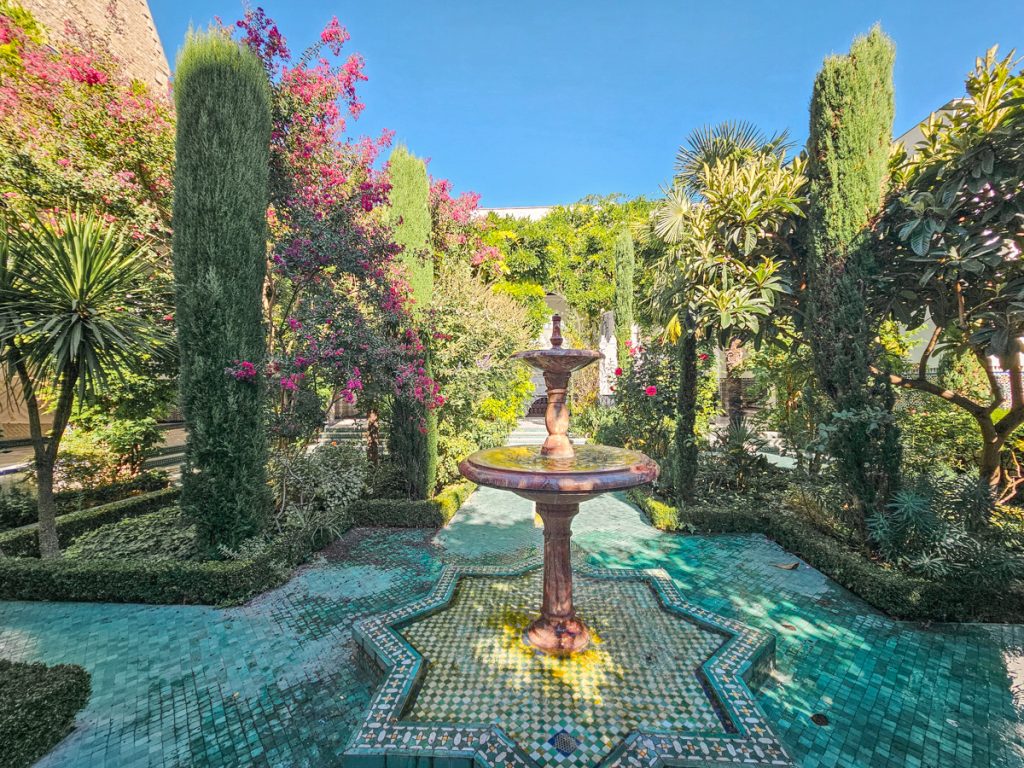
You can explore a few interior rooms, but the real highlight is the courtyard garden filled with plants, fountains, carved archways, vibrant tiles, and a view of the 33-meter-tall minaret.
There’s also a restaurant, tea room, hammam, and shops on the complex you can visit.
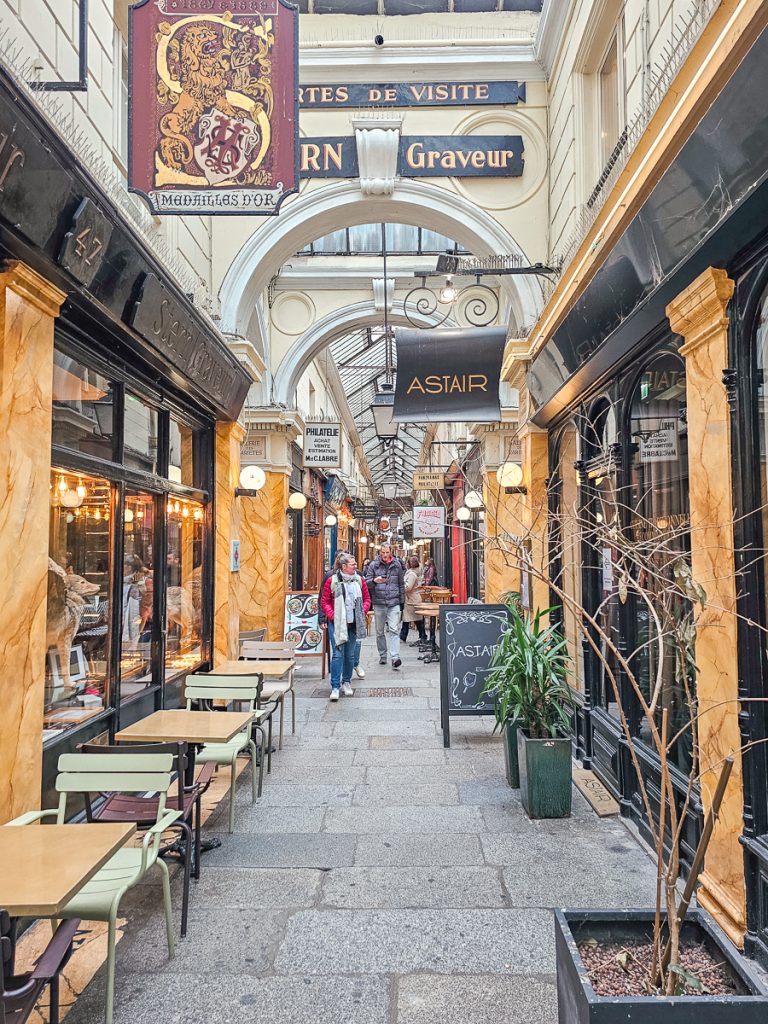
23. Covered Passageways
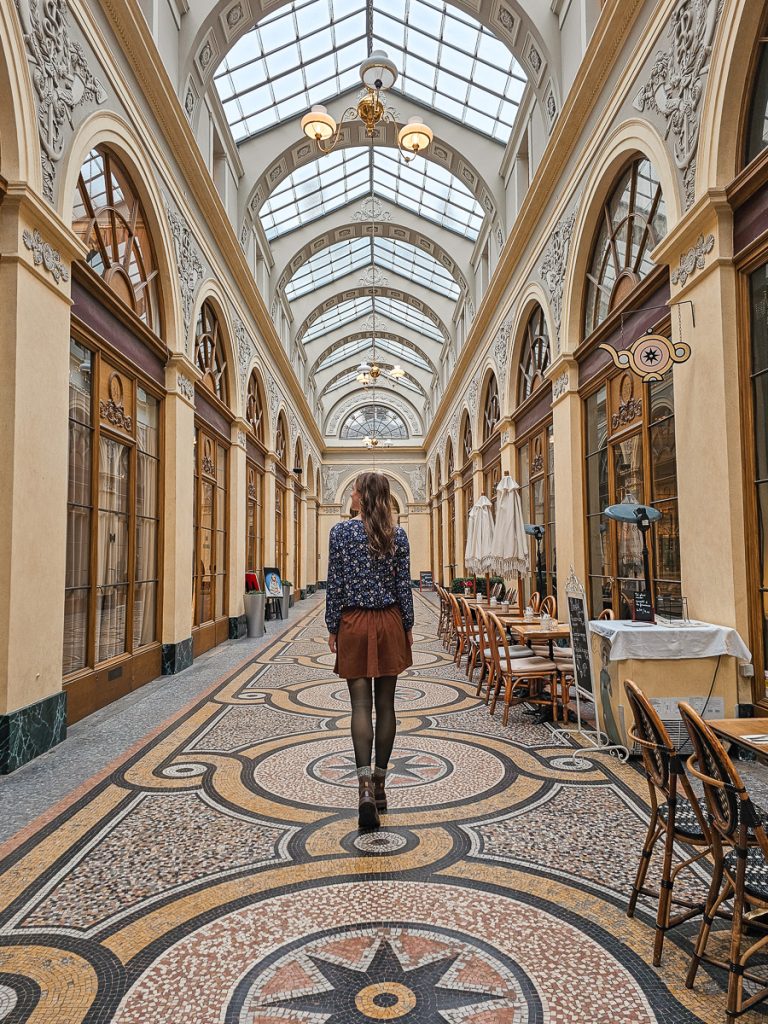
Some of Paris’s most charming streets are its covered passageways – elegant shopping arcades built in the early 1800s for the city’s wealthy residents.
They’re lined with boutiques and cafés and filled with beautiful architectural details. Most are clustered in the 2nd arrondissement, with a few scattered through the 1st, 4th, and 10th.
Galerie Vivienne and Passage des Panoramas are the most famous, while Passage du Grand Cerf, Passage Jouffroy, Galerie Véro-Dodat, and Passage Verdeau are quieter and more secluded.
24. Printemps Rooftop Terrace
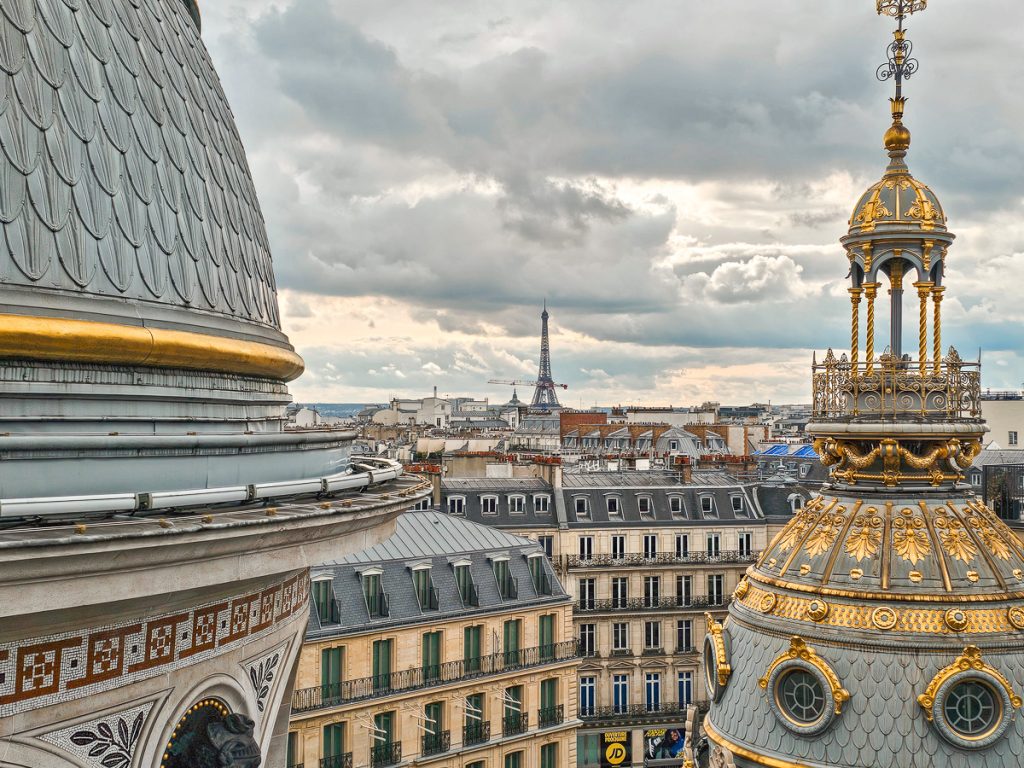
Right next door to the always-busy Galeries Lafayette terrace, the rooftop terrace at Printemps Haussmann is a far more low-key spot with just as nice a view.
Head into the Printemps Femme building and take the escalators all the way up, where you’ll find a small terrace with a few plants, some seating, a café, and sweeping views over the Paris rooftops.
25. Hotel de la Marine
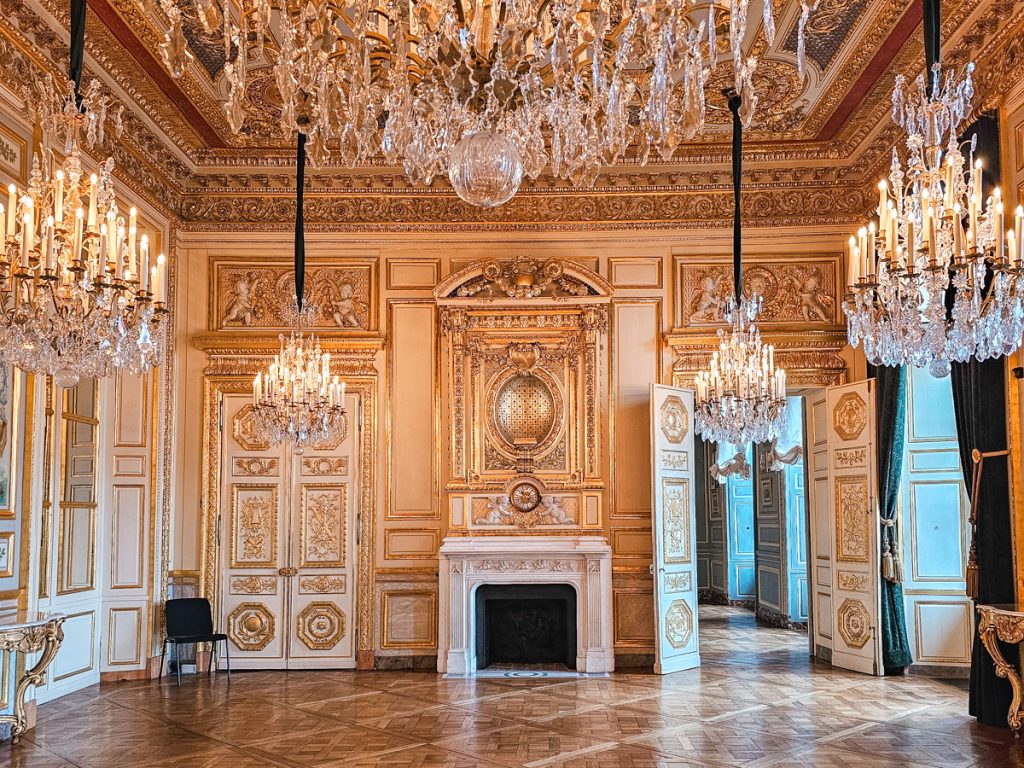
Hôtel de la Marine is an impressive historic building facing Place de la Concorde. Originally the Garde-Meuble Royal, it was where the king’s furniture and decorative objects were managed, and it was designed to reflect that royal prestige.
Today, you can tour its restored, sumptuous 18th-century apartments, filled with period furnishings and ornate decorative details. Every room is beautiful, but the ballroom absolutely steals the show, where gilded moldings, intricate carvings, and glittering chandeliers cover the walls and ceilings.
26. La Coulée Verte

The Coulée Verte, also called the Promenade Plantée, was built along an old railway line that ran from 1853 to 1969 before being transformed into a raised park – and fun fact, it actually inspired New York’s High Line.

The path runs for about 4.5 km, but the first 1.5 km is the best (closest to the Opera Bastille). Here, the pathway is raised a level above the street, and lined with trees, shrubs, hedged archways, and benches. It’s a scenic walk with a unique perspective that feels worlds away from the bustle below.
27. Marché aux Fleurs

Tucked away on Île de la Cité, the Marché aux Fleurs has been a Paris fixture since 1808. The elegant glass-and-iron pavilions feel part greenhouse, part open-air market, with rows of potted plants, flowers, and garden decor like birdhouses and wind chimes.
It’s more focused on plants than bouquets, but even if you’re not shopping, it’s a really pretty place to stroll through.
28. Musée Bourdelle
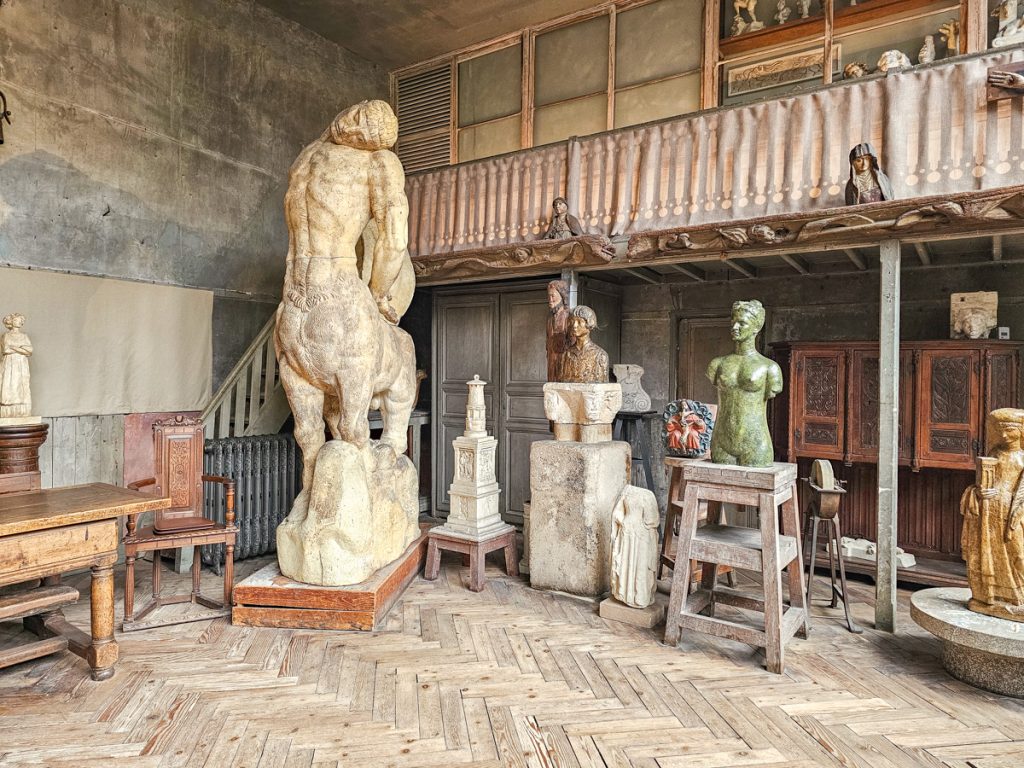
The Musée Bourdelle is set inside the preserved studio and home of Antoine Bourdelle, one of France’s leading sculptors of the early 20th century.
A student of Rodin and later a teacher himself, Bourdelle was known for his bold, monumental works and his ability to bring movement and emotion into stone and bronze.
This free museum displays both plaster models and finished bronzes, spread across his original atelier, quiet garden courtyards, and a striking modern gallery.
Among the highlights are Hercules the Archer, Dying Centaur, and Virgin of the Offering – all impressive examples of why Bourdelle’s work continues to impress today.
29. Canal Saint Martin
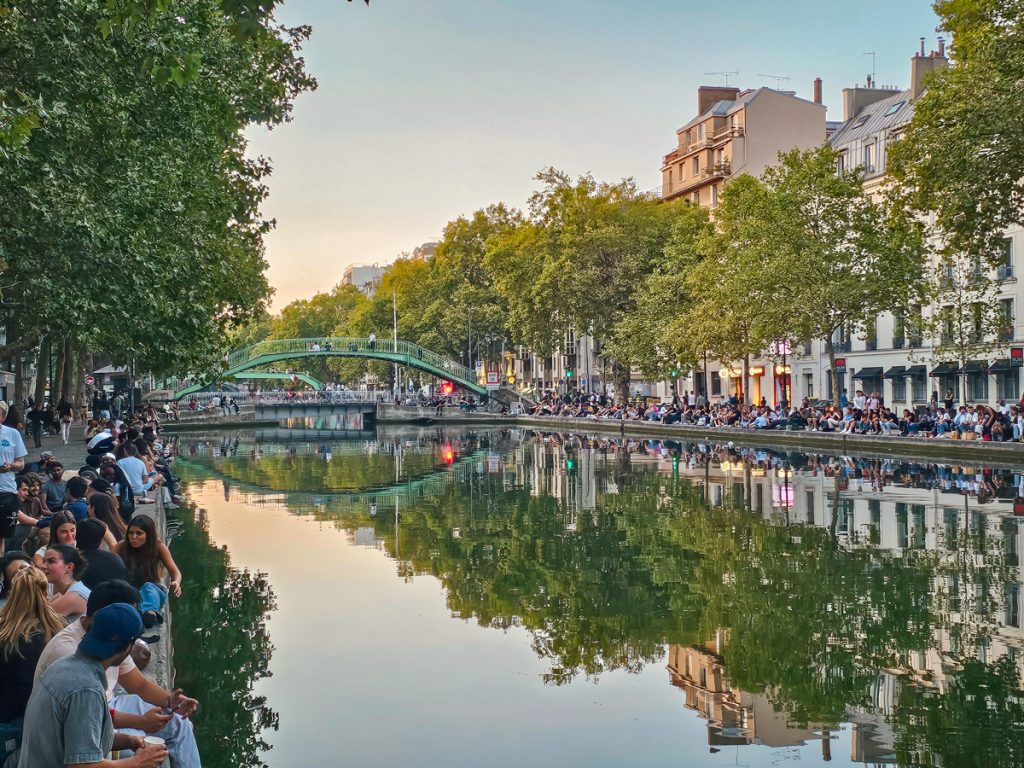
The Seine might get all the attention, but the Canal Saint-Martin is the secret waterfront popular with locals. This 19th-century canal winds through the Right Bank, lined with shady trees and iron footbridges.
It’s especially popular in the evenings, when people gather along the water with a bottle of wine or a picnic to watch the sunset. The canal stretches 4.6km through Paris, but the section just north of Place de la République is the best area by far for a visit.
30. The Old Timey Photographers
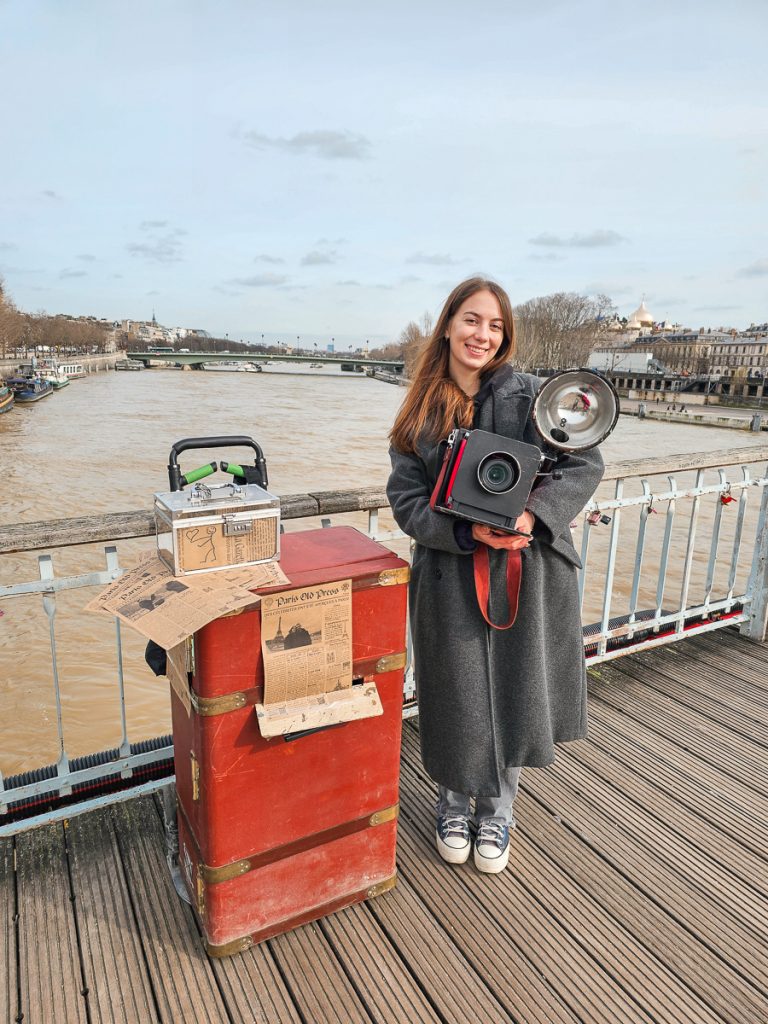
You might spot these vintage-style photographers set up around Paris, often near the Eiffel Tower or on scenic bridges. They use “old-fashioned” cameras to snap your photo and print it onto a faux newspaper front page — a unique, one-of-a-kind souvenir.
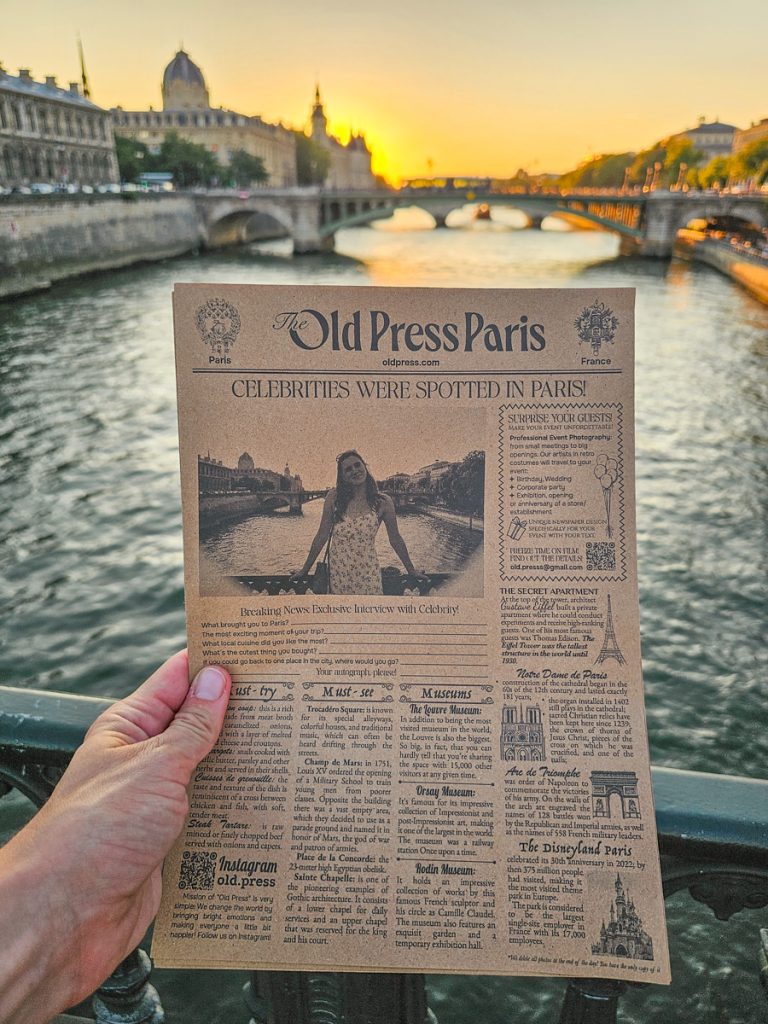
There’s no set schedule or location (you just have to keep your eyes open as you walk around), and payment is by donation, which makes finding them feel like stumbling on a little Paris secret.
The Wrap Up
I hope this gives you some good ideas of off-the-beaten-path spots to visit on your Parisian vacation. I’ve personally visited and loved all the places on this list, and think any of them would make a great addition to your Paris itinerary.
