

Beyond the Eiffel Tower: 10 Hidden Paris Locations Most Tourists Never See

Beyond the Louvre and Eiffel Tower, Paris is packed with lesser-known places that capture its charm in unexpected ways. These are some of the city’s most underrated spots worth discovering.
Gustave Moreau Museum

The Musée Gustave Moreau is a quiet treasure in the 9th arrondissement, set in the former home of Moreau, a 19th-century painter. The lower floors show his preserved living quarters, but upstairs is the real highlight: two vast studios filled floor-to-ceiling with paintings, sketches, and a graceful spiral staircase at the center. It’s an intimate glimpse into the mind and imagination of one of France’s great Symbolist artists.
Tour Saint Jacques
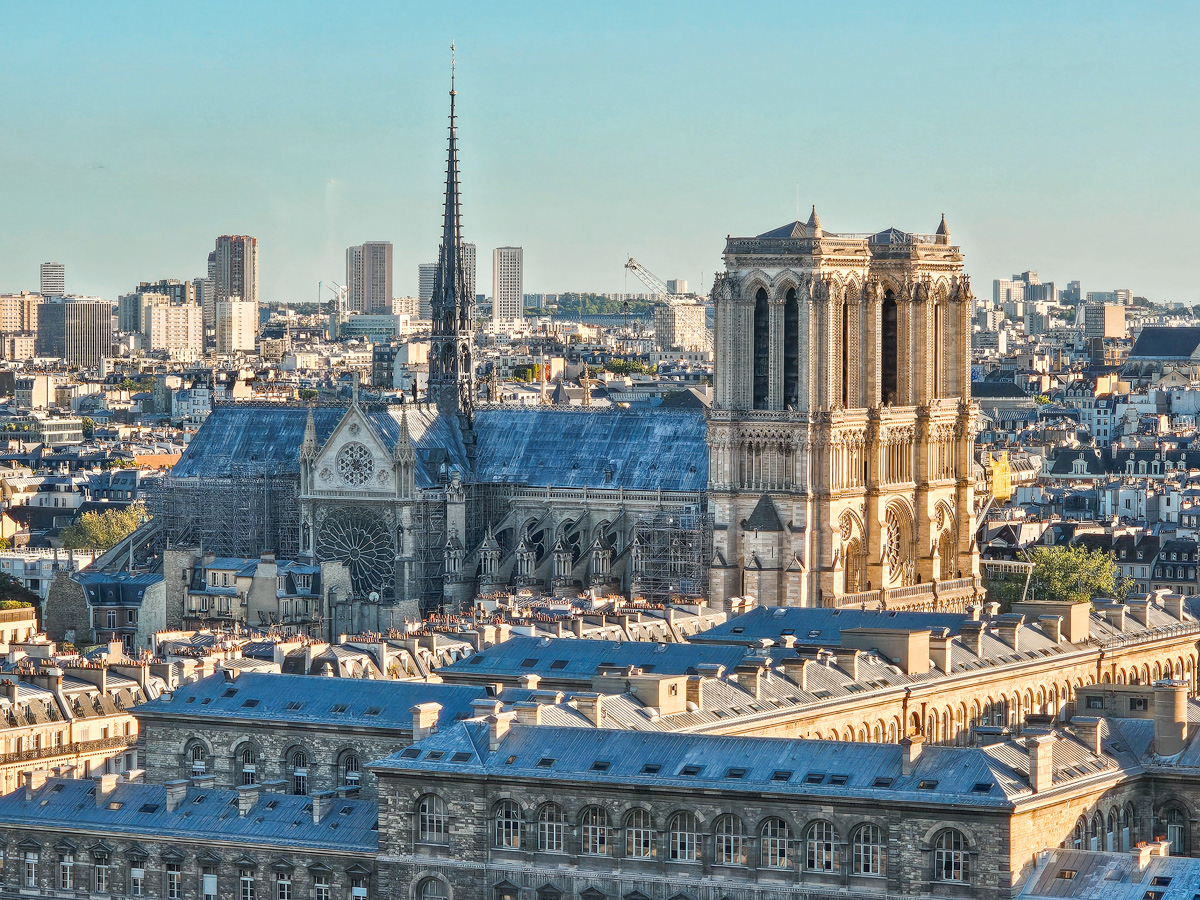
Just steps from Hôtel de Ville, the Tour Saint-Jacques is the last remnant of a 16th-century church once built for Paris’s butchers’ guild. The ornate Gothic bell tower, spared during the French Revolution, now offers one of the city’s best hidden viewpoints. Climb its nearly 300 steps on a guided tour (May–November) for sweeping views from Notre Dame to the Eiffel Tower.
Palais Royal Gardens
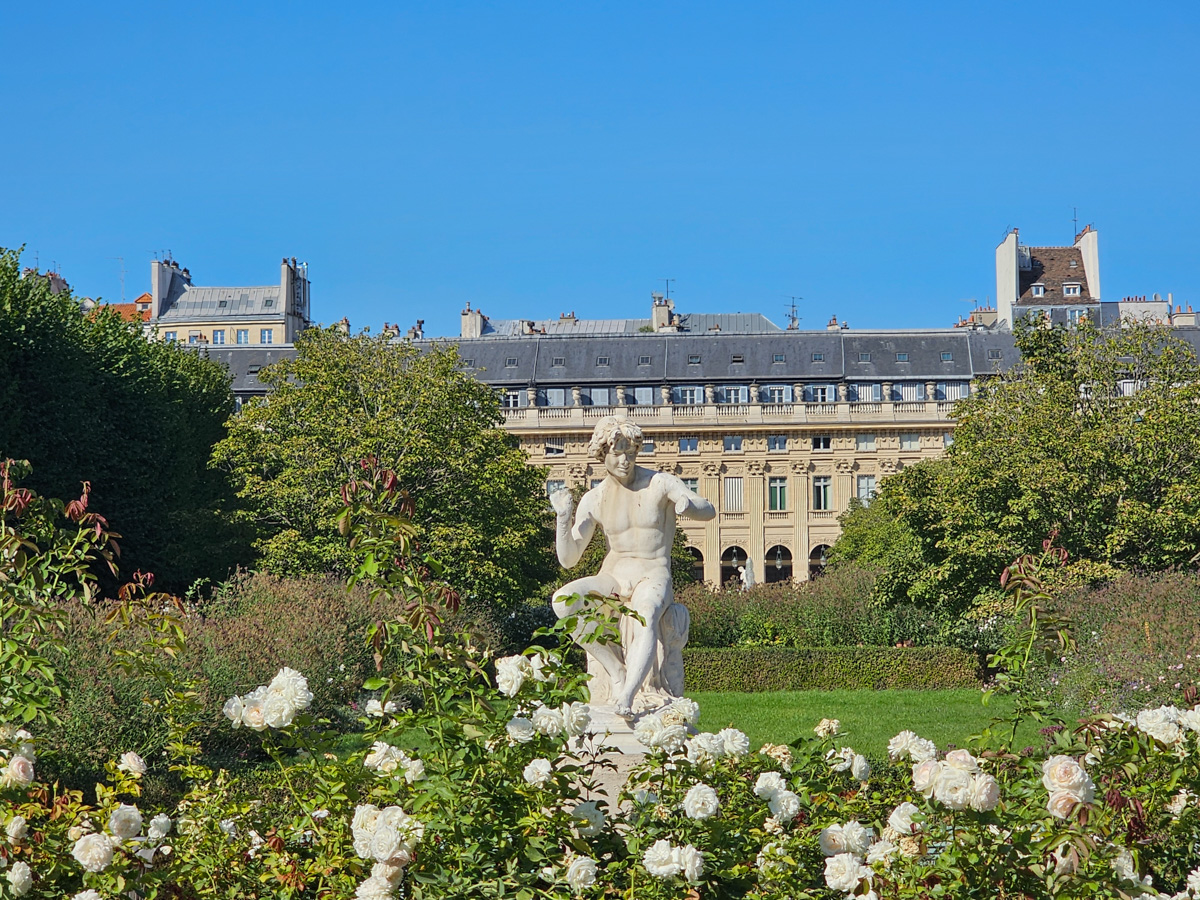
Just behind the Louvre, the Palais Royal Gardens is a peaceful escape from the city buzz. Past the more well-known, black-and-white Buren Columns, you’ll find a tree-lined courtyard with statues, flowers, and a central fountain – a serene, elegant space that feels like a more intimate version of the Tuileries Gardens. To learn more: Beautiful gardens in Paris
Montmartre Cemetery
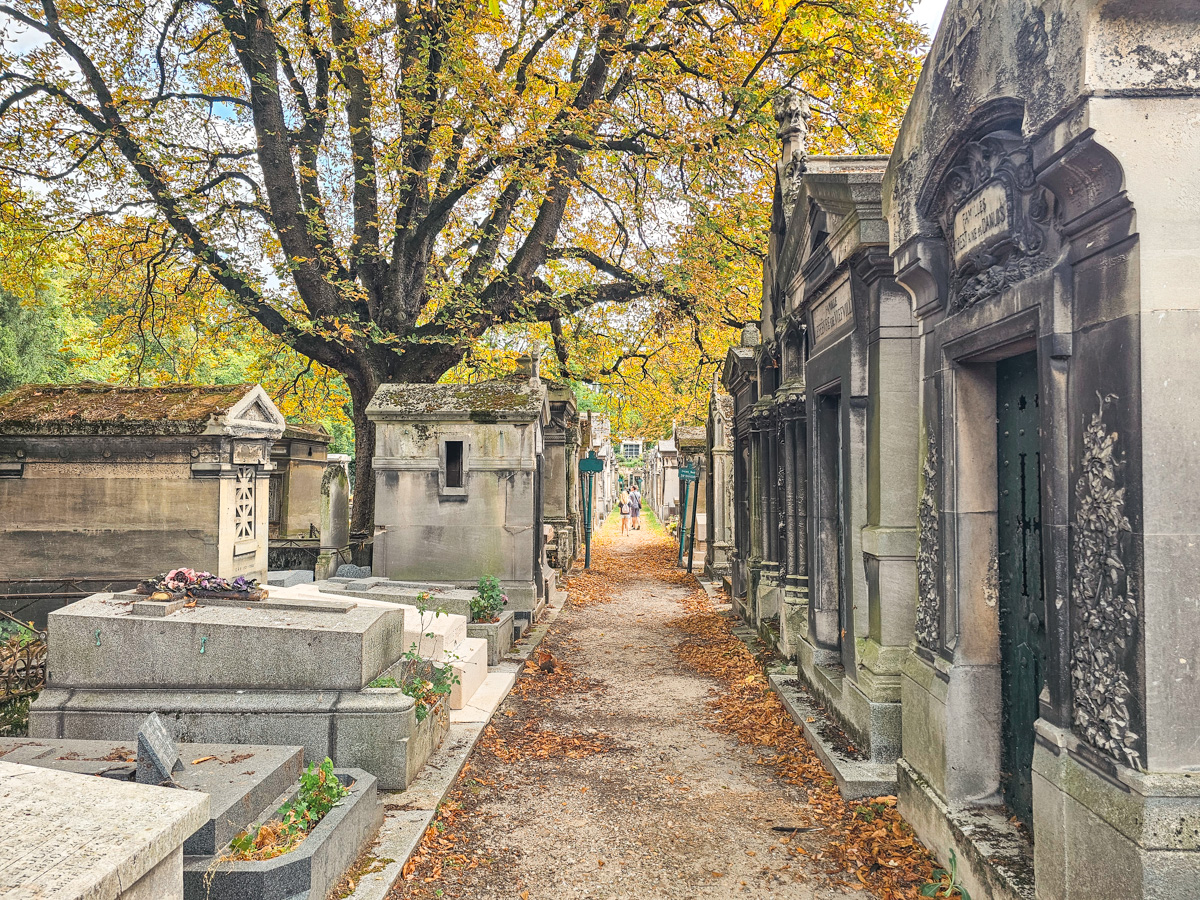
Often overlooked in favor of the more well-known Père Lachaise Cemetery, the Montmartre Cemetery is a peaceful, tree-lined retreat filled with ornate tombs and quiet charm. It’s the resting place of figures like Dalida, Alexandre Dumas, Edgar Degas, and Gustave Moreau. To learn more: What to see in Montmartre
The Statue of Liberty
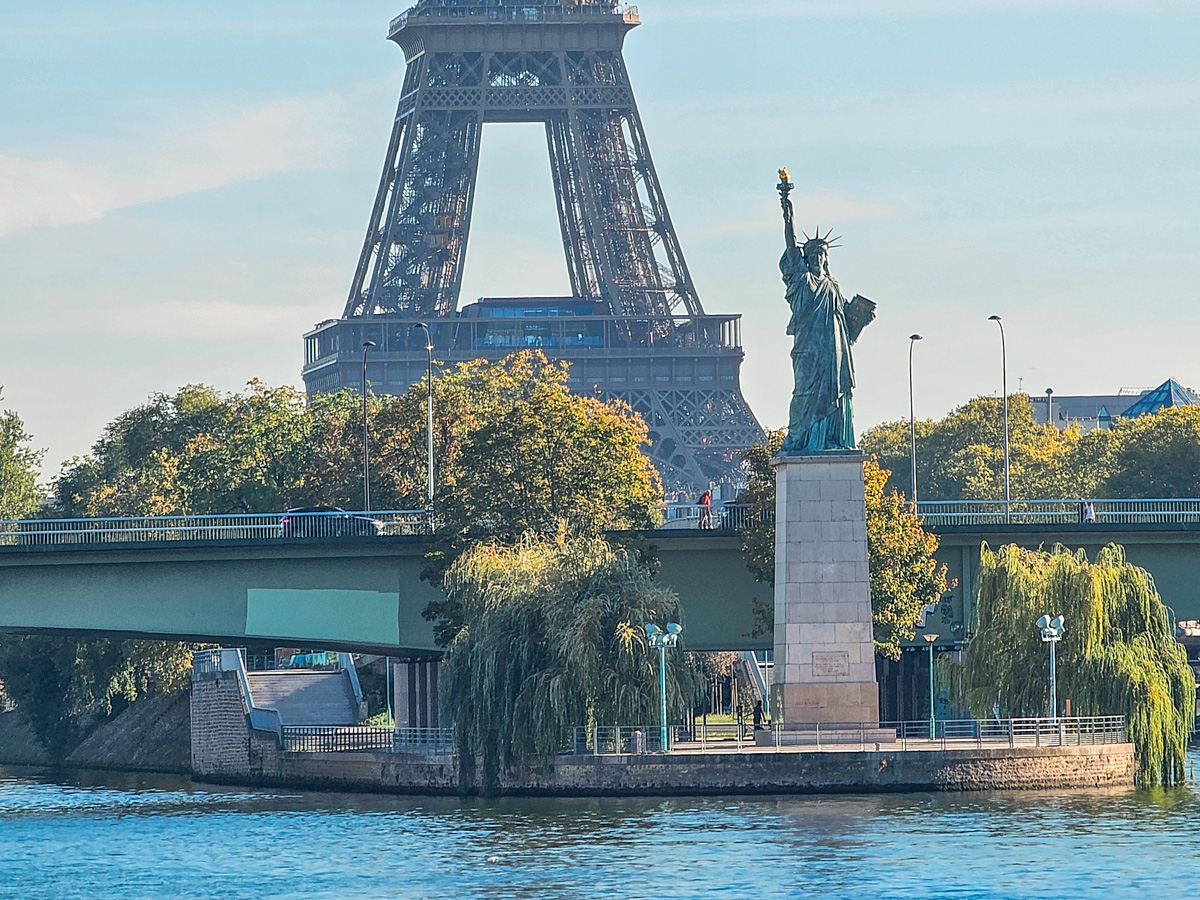
Just south of the Eiffel Tower, Paris has its own Statue of Liberty on the Île aux Cygnes, a narrow island in the middle of the Seine. Gifted by the American community in 1889 to honor Franco-American friendship, this smaller version was installed just three years after the New York original. There are also three others scattered around the city: in the Luxembourg Gardens, the Musée d’Orsay, and the Musée des Arts et Métiers.
BNF Oval Reading Room

The Bibliothèque Nationale de France’s Richelieu site hides one of Paris’s most beautiful interiors: the Oval Reading Room. Free to enter, it’s an elegant, light-filled space with a soaring glass ceiling and shelves wrapping around multiple levels. Visitors can quietly explore the outer walkway, browse the books, or test the interactive screens – a peaceful escape for library lovers.
Jacquemart-André Museum
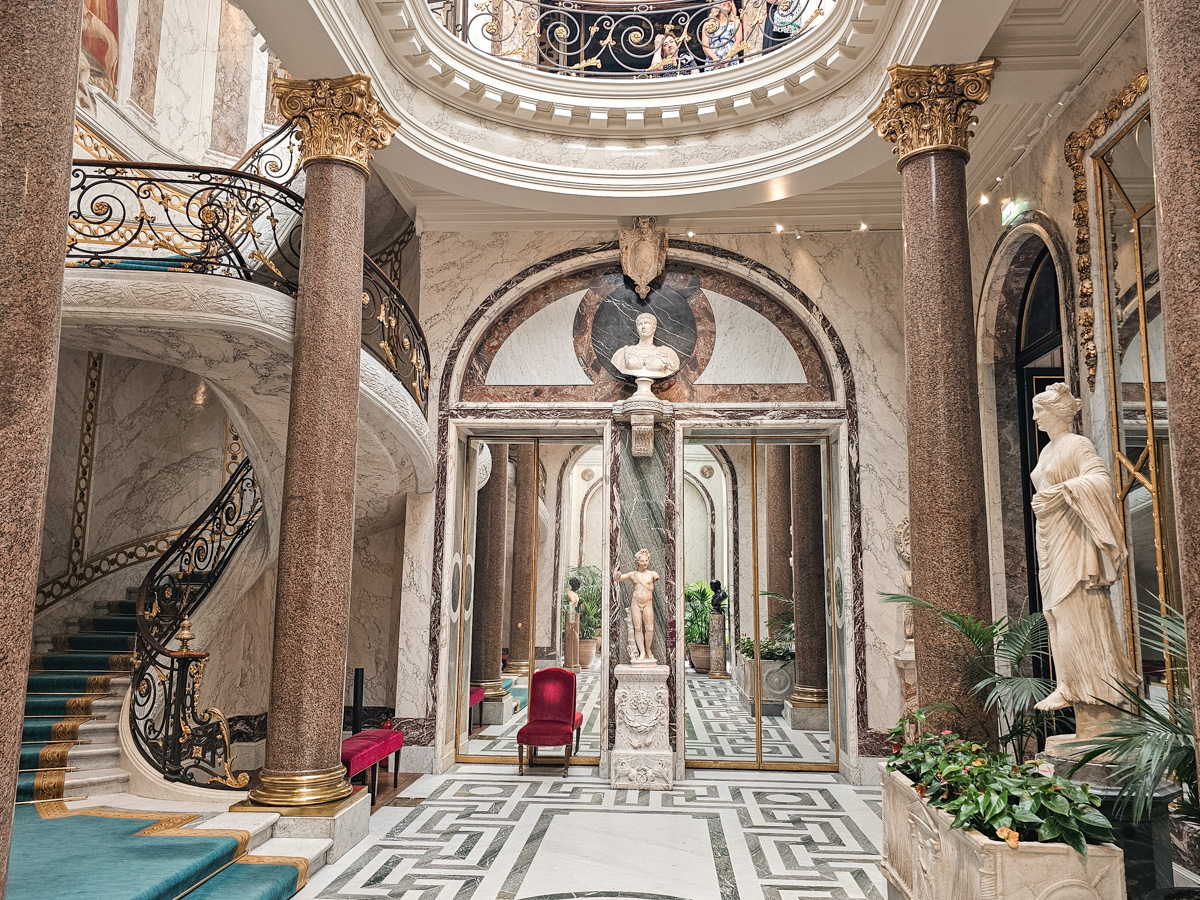
The Musée Jacquemart-André is a grand 19th-century mansion once home to art collectors Nélie Jacquemart and her husband Édouard André. Their private residence became a showcase for their remarkable collection, now open to the public. Visitors can wander through opulent salons, a marble-lined winter garden beneath a glass roof, and a sweeping staircase that feels straight out of a Parisian palace.
Porte Saint-Denis & Porte Saint-Martin
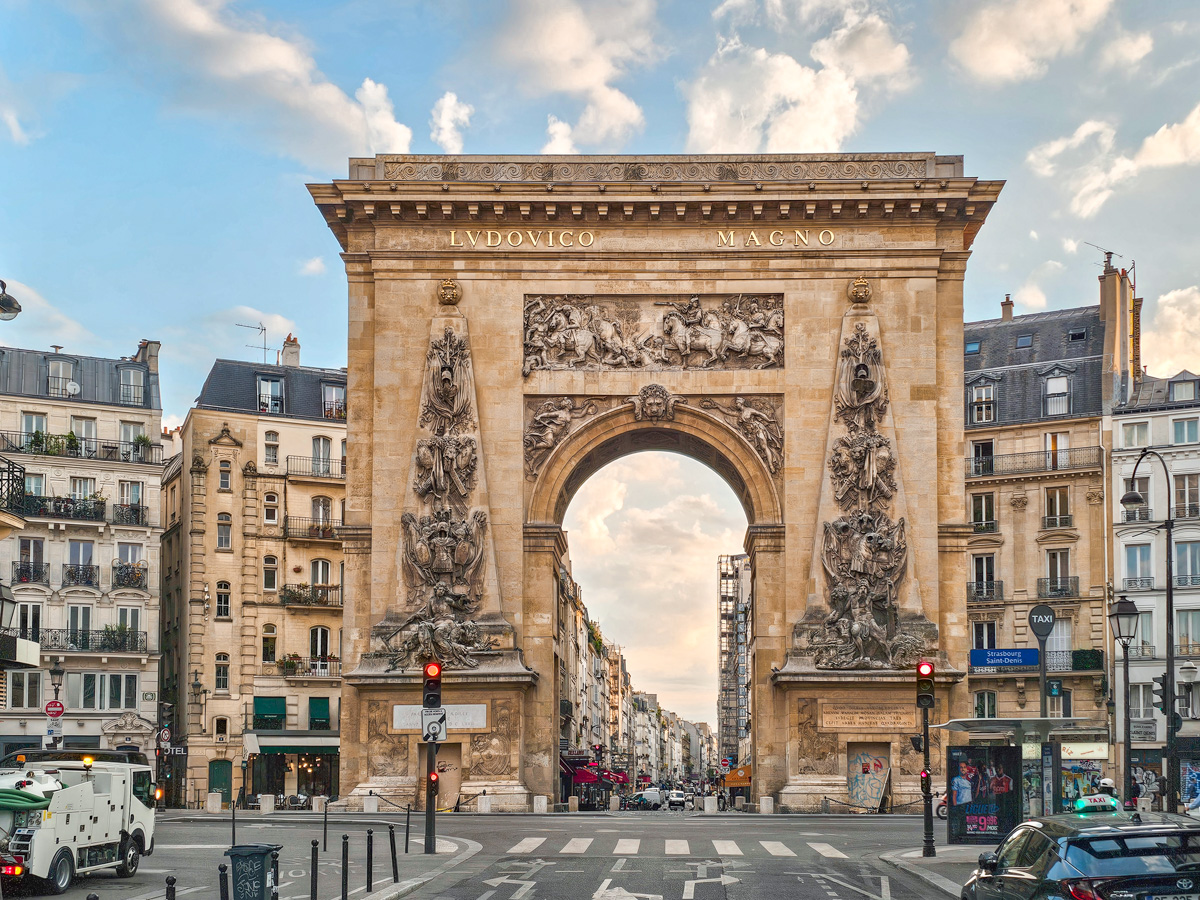
In the 10th arrondissement, the Porte Saint-Denis and Porte Saint-Martin are two triumphal arches that predate the Arc de Triomphe by more than a century. Built under Louis XIV in the 1670s, they replaced medieval city gates and once marked Paris’s northern entrance. Porte Saint-Denis, modeled after Rome’s Arch of Titus, honors the king’s military victories, while the smaller Porte Saint-Martin stands just down the street.
Arènes de Lutèce
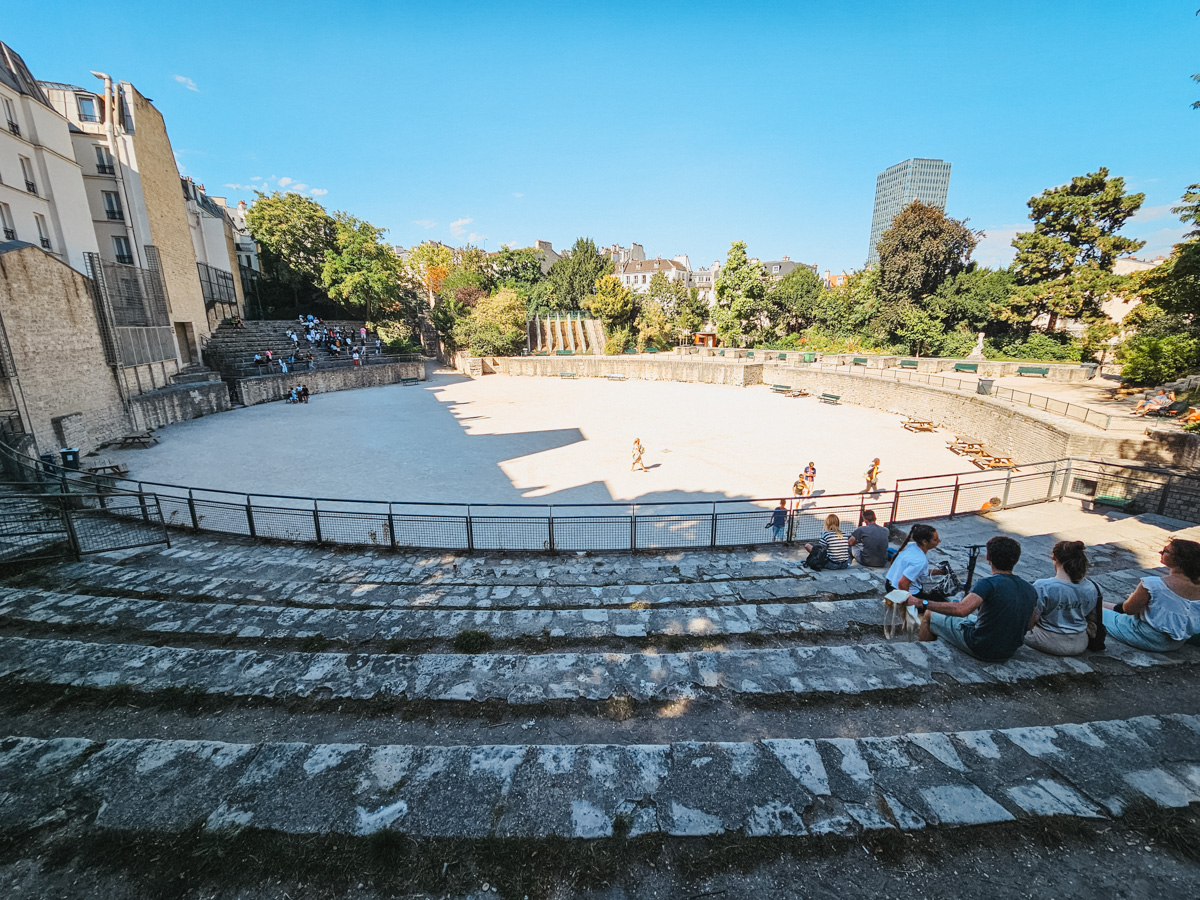
Located in the Latin Quarter, the Arènes de Lutèce are the remains of a 1st-century Roman amphitheater, dating back to when Paris was still called Lutetia. Once used for gladiator fights and public gatherings, it’s one of the city’s oldest surviving sites. Today, locals play pétanque on the sandy arena floor, and visitors can relax on the ancient stone terraces beneath the shade of surrounding trees. To Learn More: Paris’s Latin Quarter Neighborhood
Saint Denis Basilica
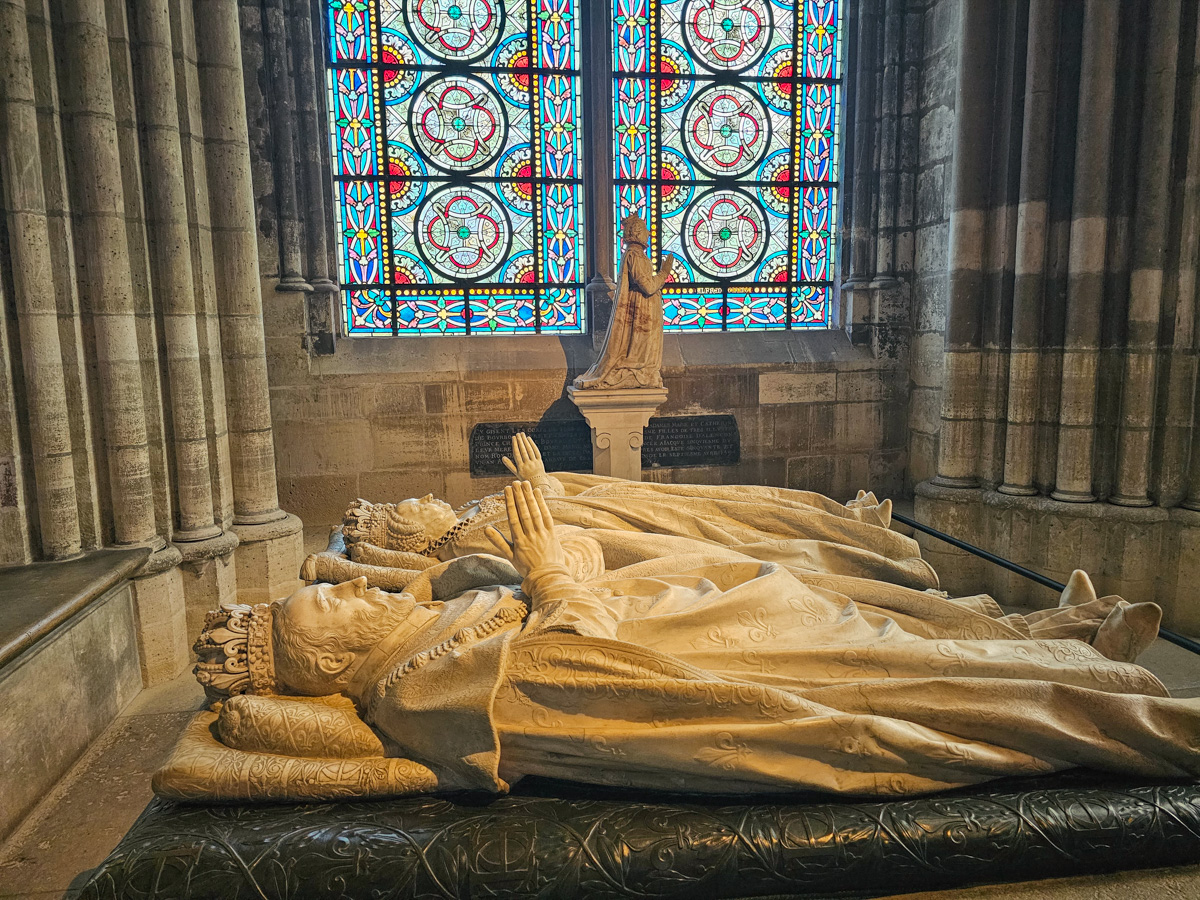
Just north of Paris, the Basilica of Saint-Denis is a Gothic masterpiece and the burial place of nearly every French monarch from the 10th to 19th centuries. Inside lie 41 kings, 26 queens, and dozens of princes and princesses, including François I, Catherine de Medici, Louis XIV, and Marie Antoinette. The detailed tomb sculptures against the vibrant stained glass make it one of the most remarkable churches near the city.
