
16 French Phrases Tourists Always Wish They Knew Before Landing in France

If you’re heading to France and feeling nervous about the language barrier, you’re not alone. The good news? You don’t need to be fluent to have a great trip, and even knowing a few key French words and phrases can go a long way.
And honestly, you don’t need to speak any French at all to get around in France. Many French people speak excellent English, and this is especially true in tourist hotspots.
However, I still think it’s really nice to know at least a few words when you’re traveling to a new country. So, this isn’t an overwhelming list of vocabulary to memorize, but a small set of polite phrases and practical terms you’re likely to use every day.
Helpful tip: The French j has a unique pronunciation. The pronunciation is usually written as zh, and it sounds like the s in measure or the g in genre.
1. Bonjour
Meaning: Hello
Pronunciation: bohn-zhoor
Tips: If you only learn one French phrase, make it bonjour. It’s the most basic marker of politeness in France and is an important part of good manners.
When you walk into a shop, you always greet the shopkeeper right away, even if you’re just browsing. If you need help or want to ask a question, start with bonjour before anything else.
Skipping it can come across as abrupt or even rude, especially in more traditional or local places.
2. Ça Va?
Meaning: How are you?
Pronunciation: saw va
Tips: Ça va translates literally to “it’s going?” and is used all the time in day-to-day life. If someone says ça va? to you, you can respond with just ça va, which is essentially “how’s it going? “Yup, it goes.”
If you’ve taken French class in the US, you may have been taught that you could respond with ça va comme ci comme ça, which essentially means “it’s fine.” Pro tip, though – French people NEVER say this!
3. Merci
Meaning: Thank you
Pronunciation: mahr-see
Tips: Even if you are having an interaction with a French person in English, ending with merci is a nice touch. If you’d like to add a little to it, merci beaucoup (mahr-see bow-coo) means “thank you very much.”
4. Au Revoir
Meaning: Goodbye
Pronunciation: oh ruh-vwah
Tips: Au revoir is used all the time in France, much more than “goodbye” is in the US. It’s common to say it at the end of a transaction in a shop, especially paired with merci (“Merci, au revoir”). Even in casual situations, saying au revoir as you leave a shop or bakery is normal and polite.
The pronunciation of revoir can be tricky for English speakers. Remember, the French r is soft and comes from the back of the throat. In the phrase au revoir, you’re *barely* pronouncing the r.
5. Bonne Journée
Meaning: Have a good day
Pronunciation: bun zhoor-nay
Tips: Bonne journée is used all the time in regular interactions. Like au revoir, it’s common to say it at the end of a transaction in a shop, again paired with merci. So you could say merci, bonne journée, or even merci, au revoir, bonne journée.

6. S’il Vous Plaît
Meaning: Please
Pronunciation: seel-voo-play
Tips: S’il vous plaît is another important polite word to have under your belt. Fun fact – this phrase directly translates to “if it pleases you.”
7. Pardon & Excusez-Moi
Meaning: Both mean excuse me, but are used in different situations
Pronunciation:
Pardon: Par-dohn
Excusez-moi: excus-ay mwah
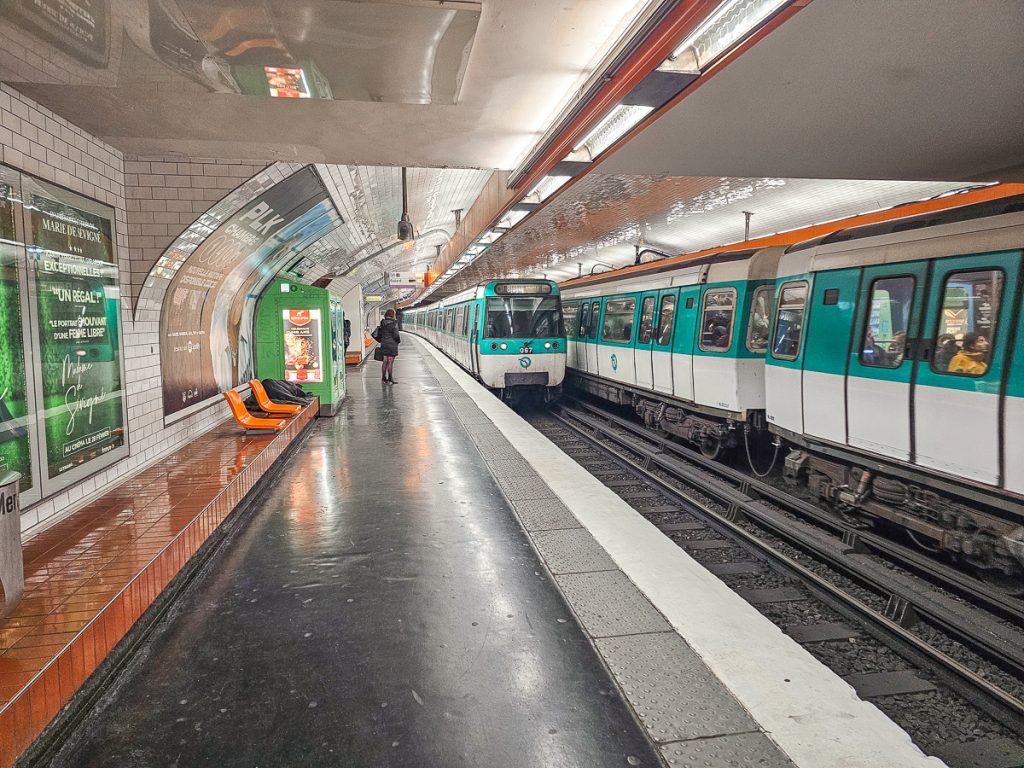
Tips: Pardon is typically used if you need to get by someone or if you accidentally bump into someone. For example, if you’re on a crowded metro and need to get past people to get off, you would say pardon.
Excusez-moi is used more to get someone’s attention, like approaching a shopworker.
8. Parlez-Vous Anglais?
Meaning: Do you speak English?
Pronunciation: par-lay voo ang-lay
Tips: It’s traditionally considered polite to ask this before speaking English, particularly outside tourist-heavy areas.
There’s some nuance, though. In Paris and other major destinations, most people working in tourism speak English, and it’s generally fine to start in English. I’ve occasionally seen Parlez-vous anglais? met with a touch of mild annoyance — as in, “I work at the Louvre, of course I speak English.”
Still, leading with bonjour and a quick parlez-vous anglais? is often a good way to show respect and start off on the right foot.
9. Oui/Non
Meaning: Yes/no
Pronunciation:
Oui: wee
Non: nohn (the final n is soft and nasal, not fully pronounced. It’s almost like you’re swallowing the “on” sound
Tips: These simple but essential words are helpful to have under your language belt
10. Je Voudrais
Meaning: I would like
Pronunciation: Zhuh voo-dray
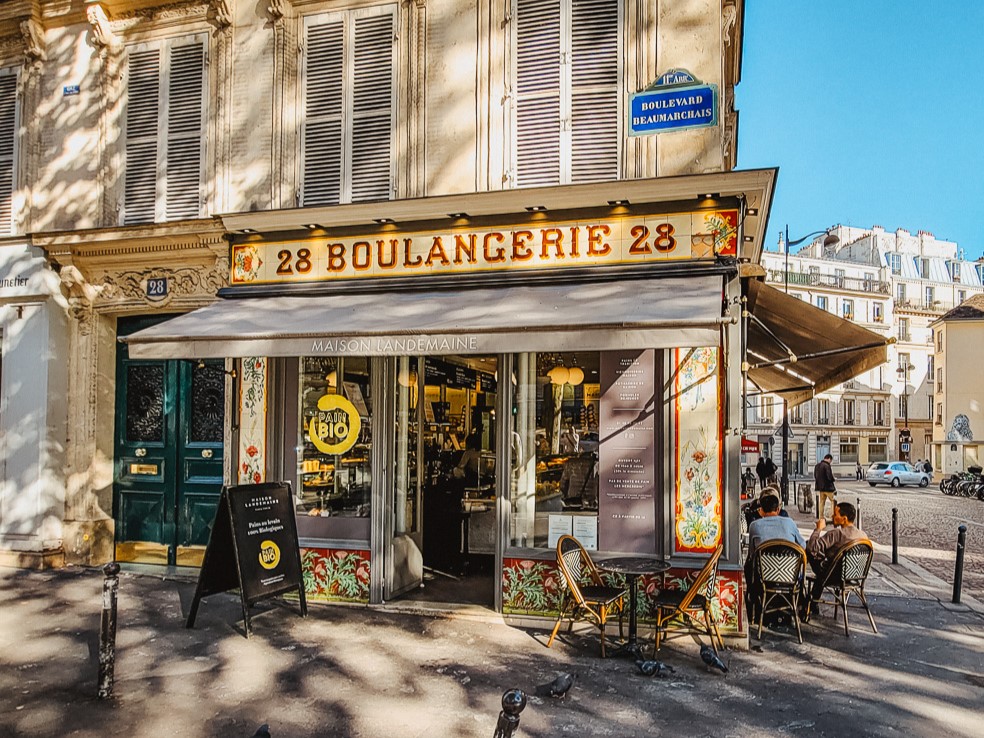
Tips: Use this phrase anytime you’re ordering or asking for something. For example, you might say je voudrais un croissant when ordering your breakfast in a boulangerie.

11. Où Sont les Toilettes
Meaning: Where are the toilets?
Pronunciation: oo sohn lay twa-let
Tips: An important phrase for any busy tourist to know! Sometimes, bathrooms are marked with a WC (standing for Water Closet, a British term)
12. Une Carafe d’Eau
Meaning: A pitcher of (tap) water
Pronunciation: oon care-af doe
Tips: In restaurants, ask for une carafe d’eau if you want free tap water. If you just say de l’eau, your server might bring bottled water instead, which costs extra. The tap water is safe to drink, but it might not be very cold. You’ll typically get a full pitcher placed on the table.
13. L’Entrée/La Sortie
Meaning: The entrance/the exit
Pronunciation: lahnt-ray, lah sort-ee
Tips: You probably won’t say these out loud, but you’ll see them everywhere, especially in museums, metros, or larger department stores. France is big on regulating foot traffic, so designated entrances and exits are fairly common (and much more so than in the US).
La sortie (exit) is especially helpful to recognize when navigating public spaces.
14. Boulangerie/Patisserie/Fromagerie
Meaning: Bakery/Pastry shop/Cheese shop
Pronunciation:
Boulangerie: boo-lahn-zhuh-ree
Pâtisserie: pah-teess-er-ee
Fromagerie: fro-mah-zhuh-ree
Tips: Possibly the best words on this list. You’ll see these shops all over France, and it’s in your best interest to get very familiar with the delights inside 😉
Boulangeries have baguettes, breads, viennoiseries (breakfast pastries), and often some desserts (like eclairs, tarts, macarons, millefeuille), while patisseries usually skip the breads and focus mainly on the sweet treats.
You can find a boulangerie on almost every corner in France, and patisseries, while not as ubiquitous, are still common.
There’s usually at least a handful of fromageries in each city – picking up a few slices of high-quality French cheese to enjoy with a fresh baguette is an absolute delight.
15. L’Addition
Meaning: The check
Pronunciation: lah-diss-ee-ohn
Tips: When eating at a restaurant, you can ask for the check simply by saying l’addition, s’il vous plaît.
Get more tips for dining out in France here.

16. Par Carte
Meaning: By card
Pronunciation: par cart
Tips: When you’re checking out at a store, the cashier will usually ask par carte?, asking if you’re paying by card or not. A simple “oui” or “oui, par carte” is all that’s needed.
The Wrap Up
Learning just a few key French words can make your trip smoother and help you connect more easily with locals.
You don’t need to be fluent, but knowing how to greet someone, ask a question, or say please and thank you can go a long way!
