
16 “Mid-Range” Paris Attractions That Sit Beyond the Big Headliners

Paris is packed with big-name sights, from the iconic Eiffel Tower to the newly renovated Notre Dame Cathedral. There are also the idyllic gardens of Versailles and the splendid, art-packed halls of the Musée du Louvre. If it’s your first trip to Paris, these spots absolutely deserve a spot on your itinerary.
However, once you’ve checked off a few of the “greatest hits,” there’s a whole middle layer of attractions that are just as memorable. These “mid-range” Parisian attractions sit between blockbuster icons and tiny hidden gems. Think: museums dedicated to a single artist, less famous landmarks, and locally beloved viewpoints.
Below, you’ll find 16 “mid-range” places to add to your itinerary. They’re perfect for a third or fourth day in the city, or for a return visit when you’re ready to go a little deeper into Paris.

1. Les Invalides
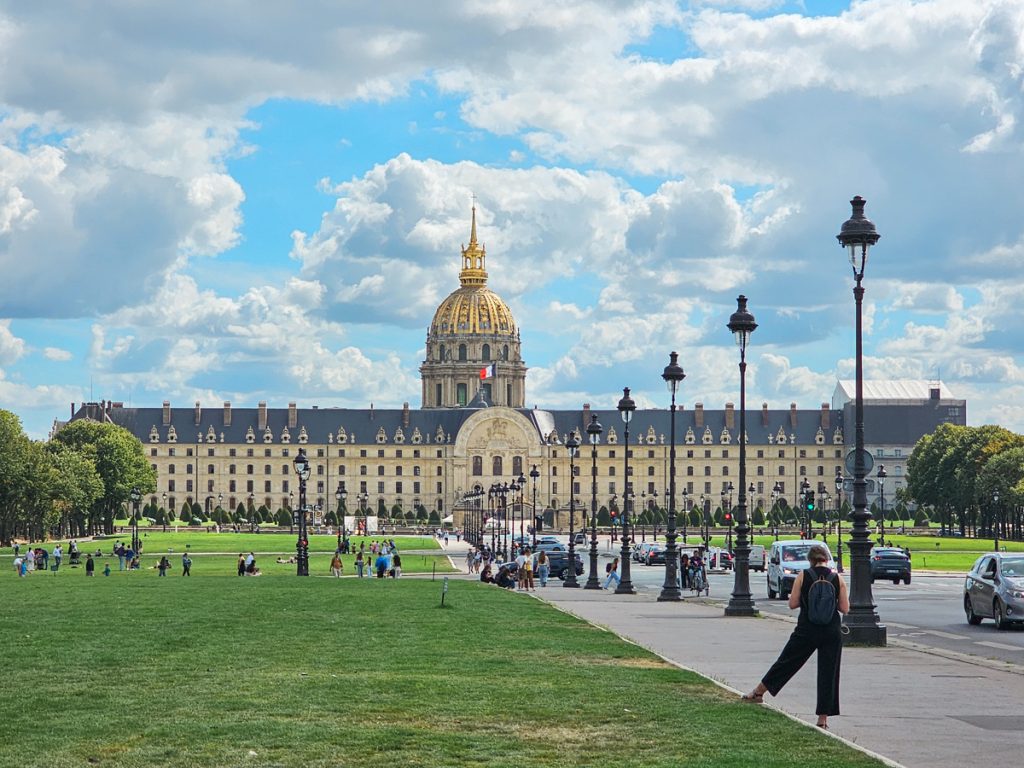
The Hôtel des Invalides is Paris’s monument to its military past, but it’s also one of the city’s most striking landmarks. Louis XIV founded the complex in the 17th century as a combined hospital, barracks, and home for wounded soldiers.
French military ambition is still on display, with sweeping courtyards, a cannon-lined entry, and the prominent golden dome. For visitors, it’s now best known as the setting for the Musée de l’Armée and for housing the remains of Napoleon Bonaparte and other famous French commanders.

The main courtyard is free to enter and ringed with historic cannons and artillery pieces. From there, you can step into the quiet Saint-Louis Cathedral, then continue to the ticketed areas.
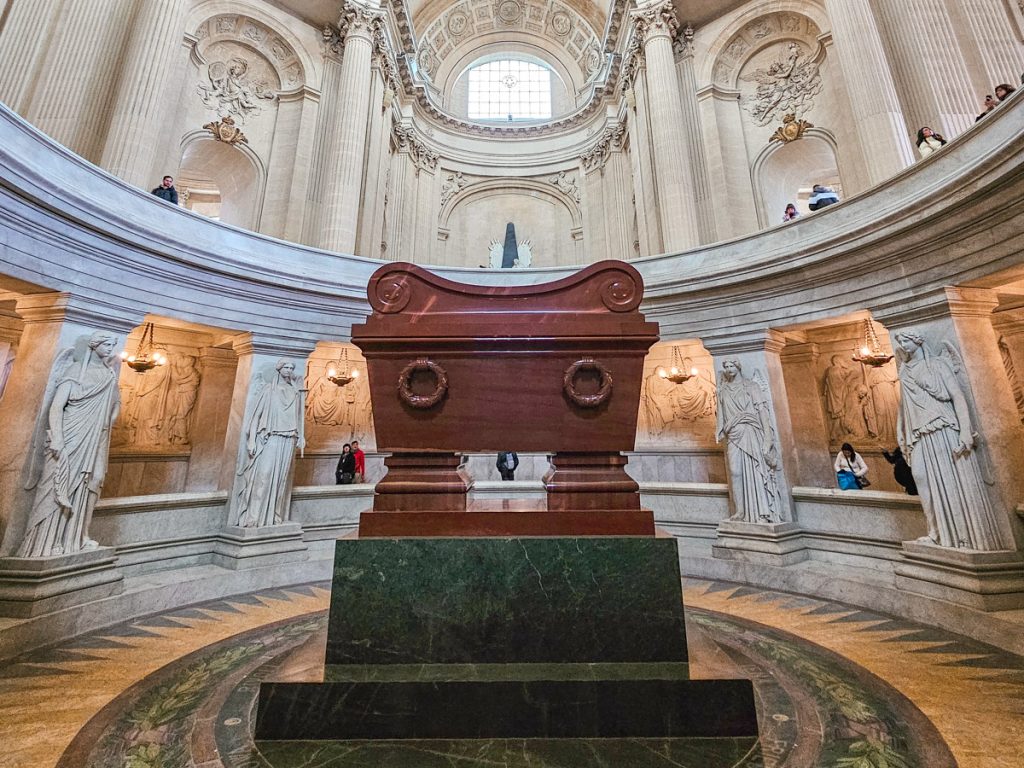
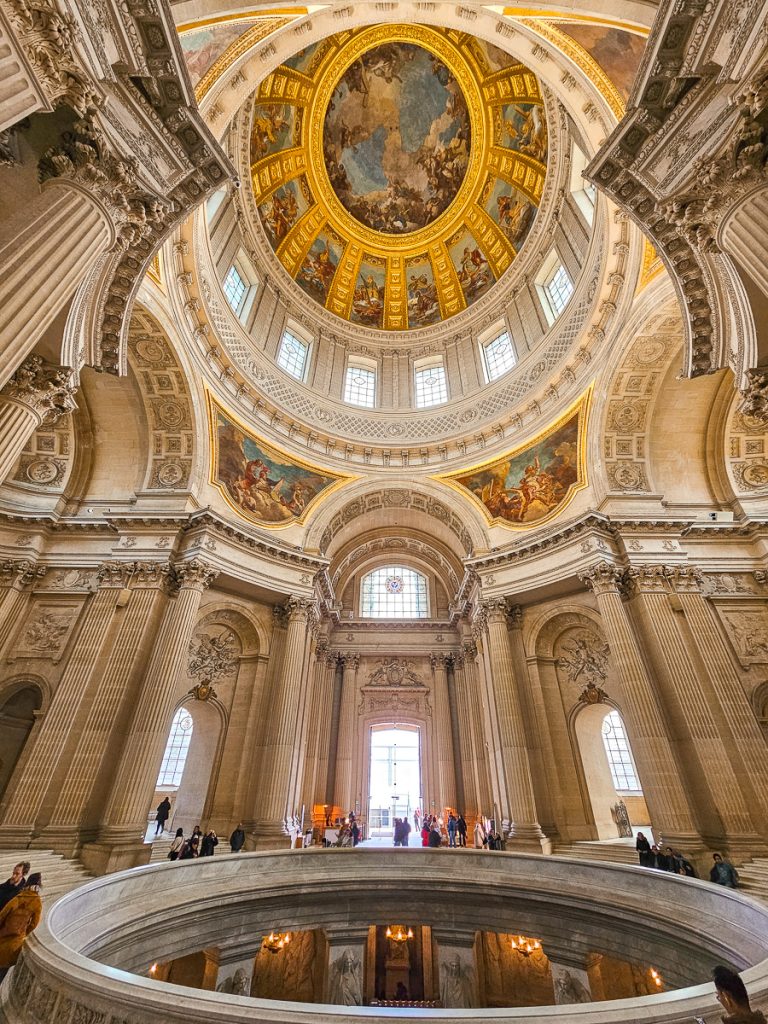
The true highlight is the Eglise du Dôme. This extravagant Baroque royal church houses murals, marble, and gold leaf that draw your eye up to the soaring dome and down to Napoleon’s massive sarcophagus in the center.
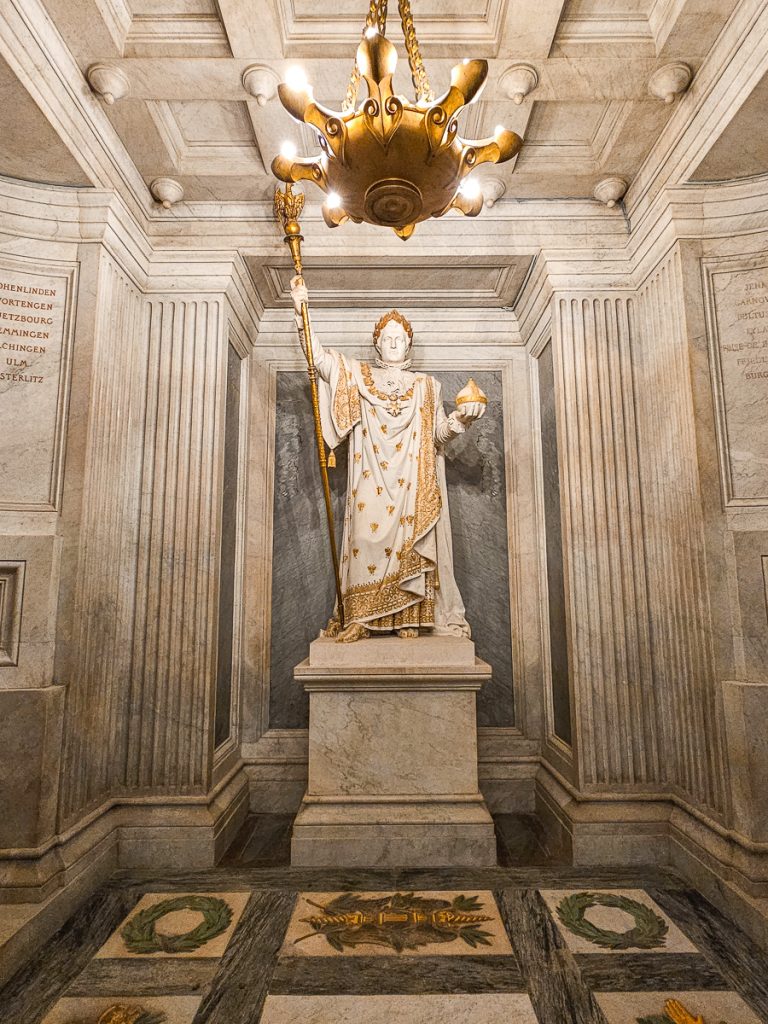
If you have extra time, wander through the museum galleries on arms and armory, the Napoleonic campaigns, relief maps, and the World Wars.

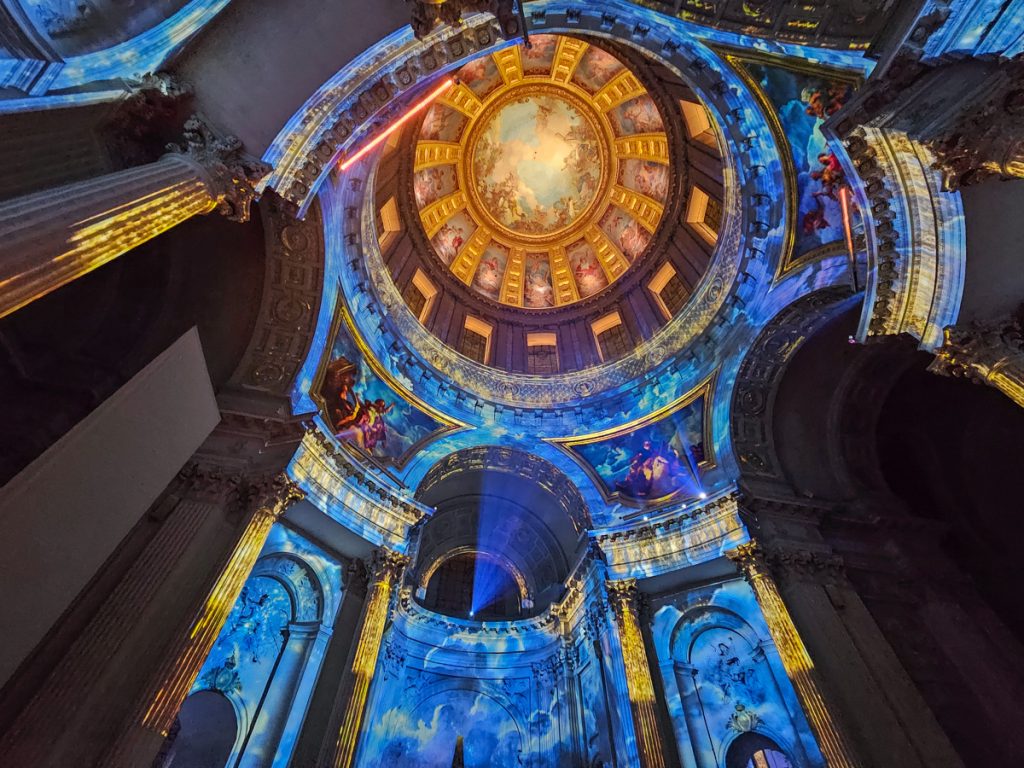
And for a totally different experience, come back at night to experience Aura Invalides, a super cool sound and light show projected on the Église du Dôme. It’s one of the best experiences to have in Paris at night.
2. Jardin du Luxembourg
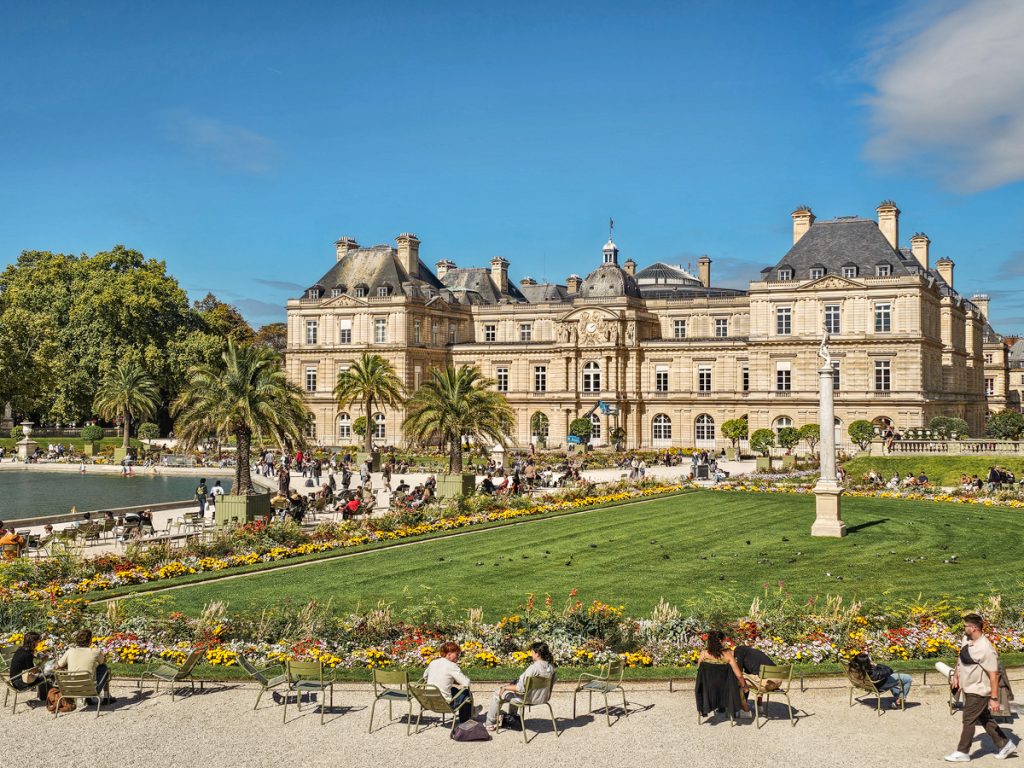
Jardin du Luxembourg is a gorgeous Parisian garden that, despite its grandeur, still feels surprisingly local. Created in 1612 for Marie de Médicis, the garden was designed to accompany the Luxembourg Palace.
The Tuileries Garden, which accompanies the Louvre Museum, is the Jardin du Luxembourg’s better-known counterpart. Both gardens feature ornamental basins, picture-perfect flower beds, rows of trees, and those iconic green chairs.
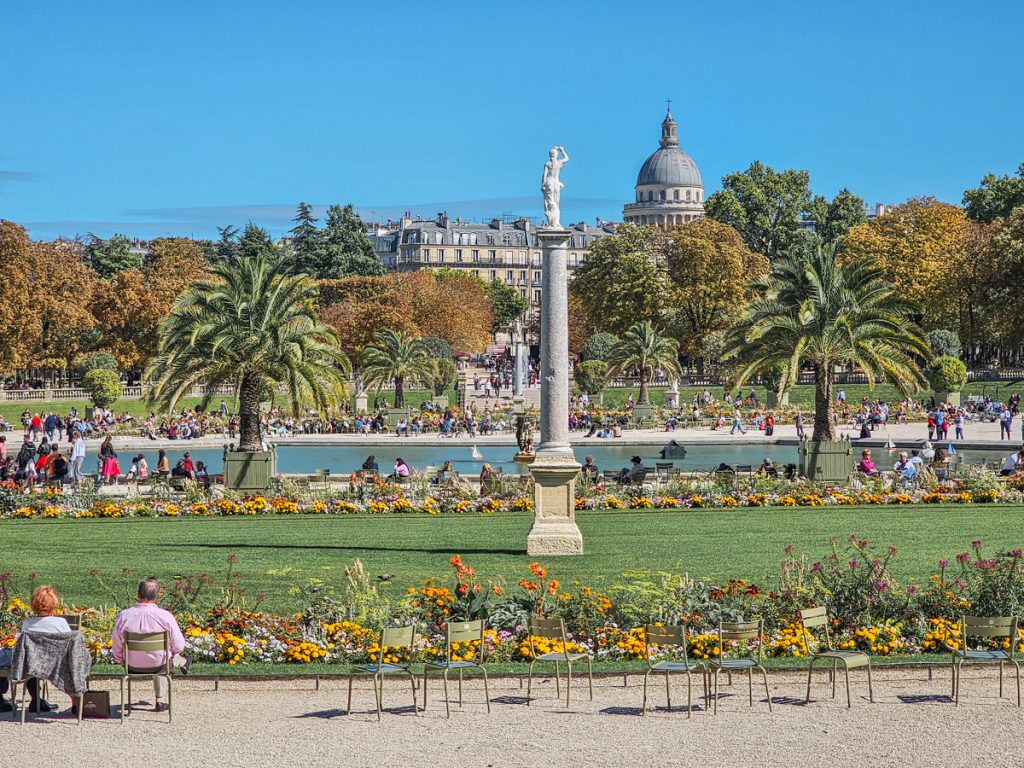
However, the Jardin du Luxembourg has a cozier, more neighborhood feel due to its location between Saint-Germain and the Latin Quarter.
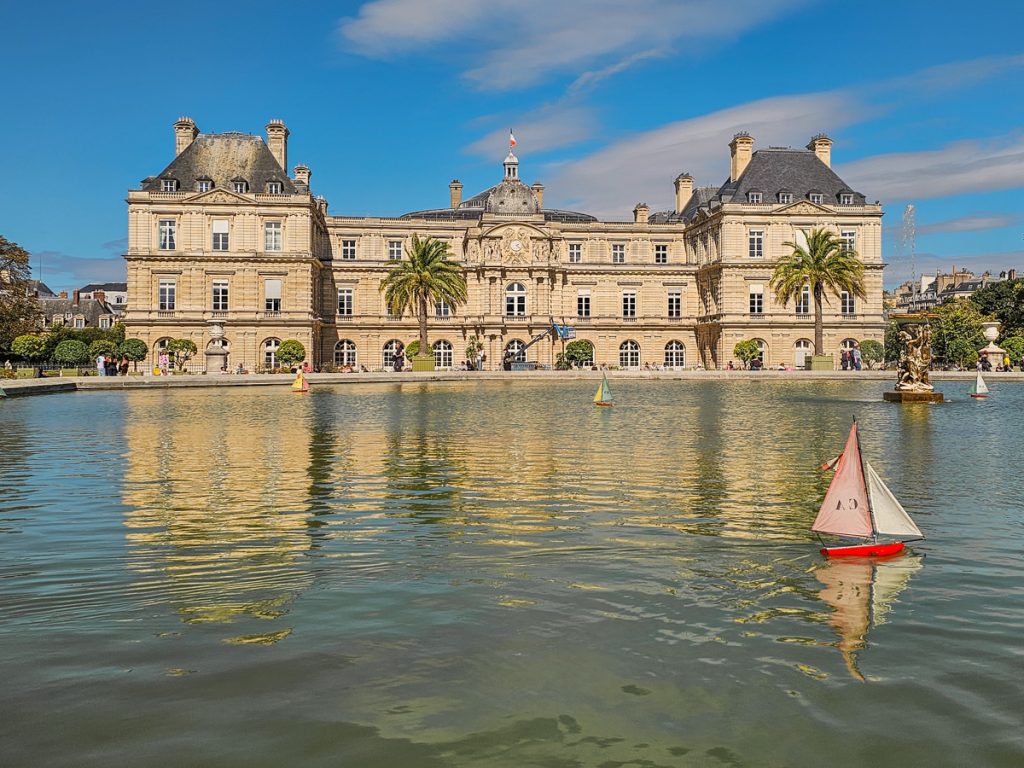
The main terrace around the central basin is the star, especially on sunny days when children push wooden toy sailboats across the water. Wander further and you’ll find playgrounds, pony rides, tennis courts, a carousel, tree-lined promenades, and perfectly manicured lawns.
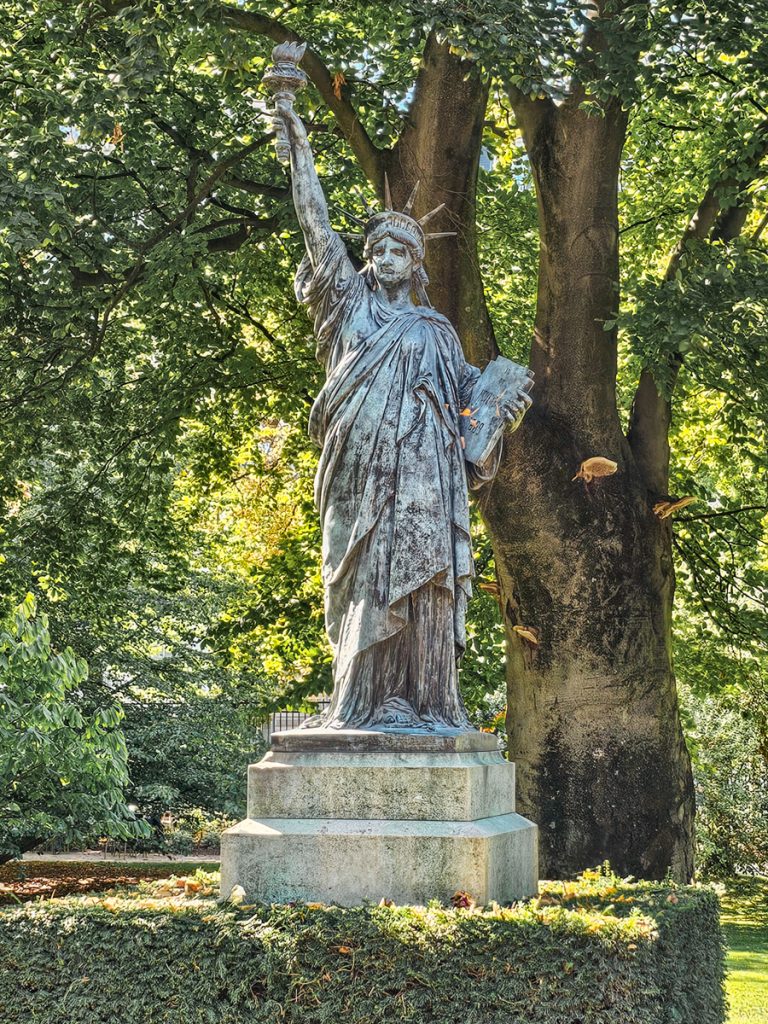
Keep an eye out for the many statues of women and the small Statue of Liberty replica tucked into the greenery.
This is also one of the best picnic spots in Paris, with plenty of chairs and benches. If you’d prefer to try some local cuisine, crêpes at Breizh Café and seafood small plates at L’Avant Comptoir de la Mer are both reliable options.
3. Sainte-Chapelle
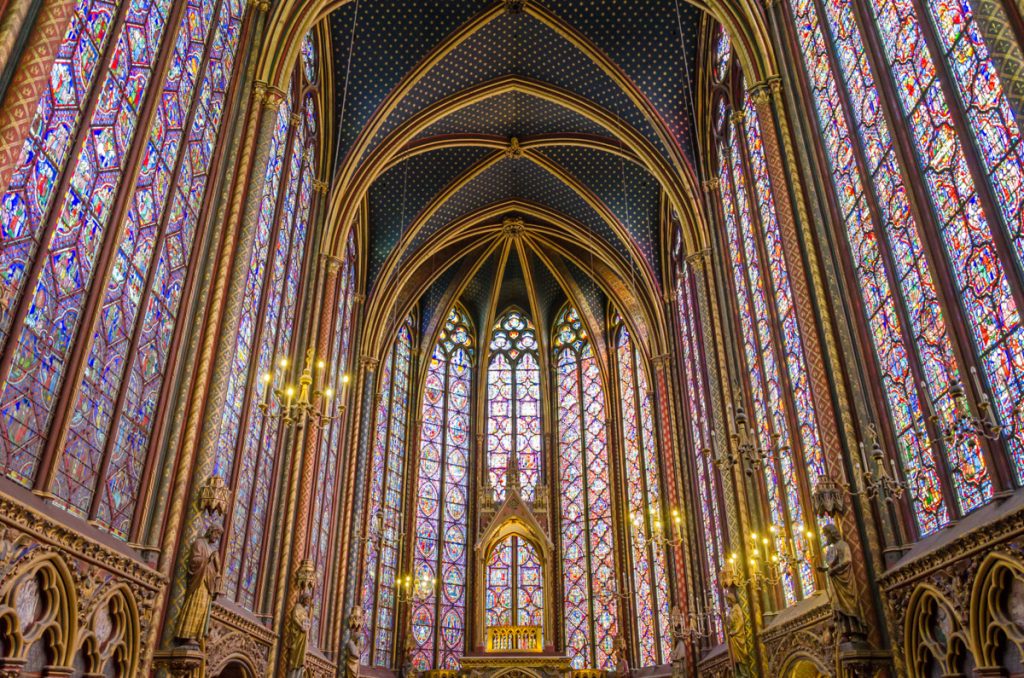
Sainte-Chapelle is a gorgeous chapel in the Palais de Justice complex on the Île de la Cité in the first arrondissement, just a short walk from Notre-Dame.
Built in the Gothic style in the 13th century for King Louis IX, Sainte-Chapelle was originally intended to house sacred relics like the Crown of Thorns. Today, the chapel is renowned for its almost floor-to-ceiling stained glass.
The 15 towering bays of stained glass, made up of more than 1,100 individual panels, depict scenes from the Bible in deep reds, blues, and purples.
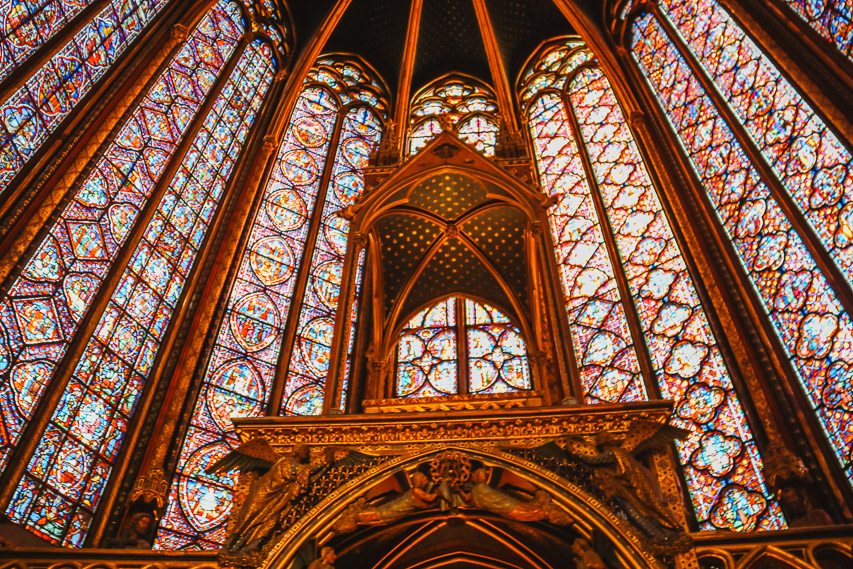
The chapel itself is much smaller than most cathedrals, which means you’re far closer to the glasswork, especially in the upper chapel. If you can, try to visit on a bright day, when the sun lights up the windows and the whole space seems to glow.
Even if you’ve visited many churches in Europe, Sainte-Chapelle is a standout. Plan ahead and purchase timed tickets to ensure you’ll be able to visit.
4. Panthéon
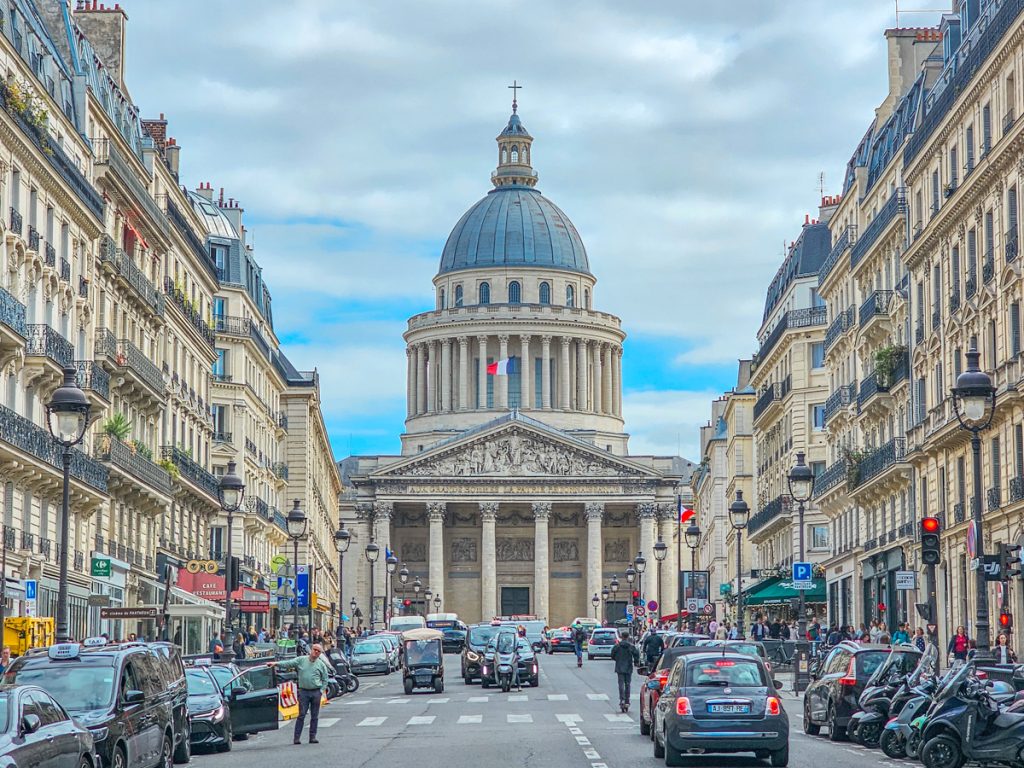
The Panthéon is one of Paris’s most important monuments, originally constructed in the 18th century as the Church of Saint Geneviève in the Neoclassical style.
Set in the Latin Quarter, the Panthéon is in the heart of the oldest part of Paris and its historic university district. The building consists of an 83 meter (272 foot) dome, a main exterior façade, and Corinthian columns.
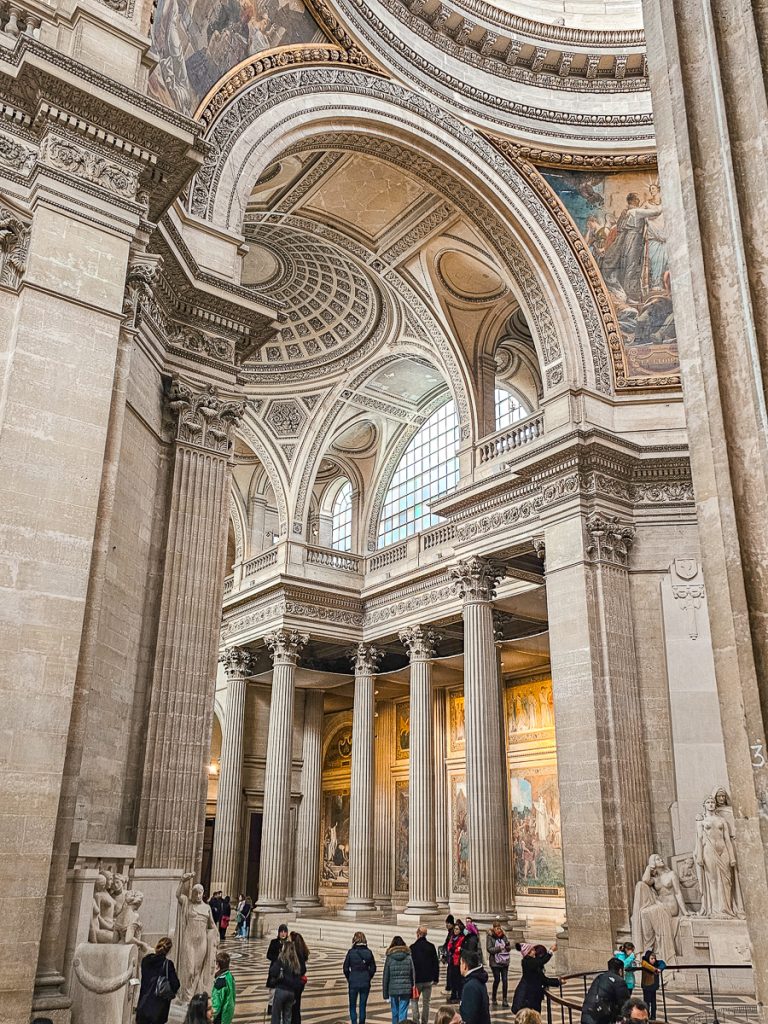
Inside, almost every surface is decorated. There are sculptures and frescoes that tell the story of Sainte Geneviève, the patron saint of Paris, alongside scenes celebrating Joan of Arc, Revolutionary figures, and thinkers from the Enlightenment.
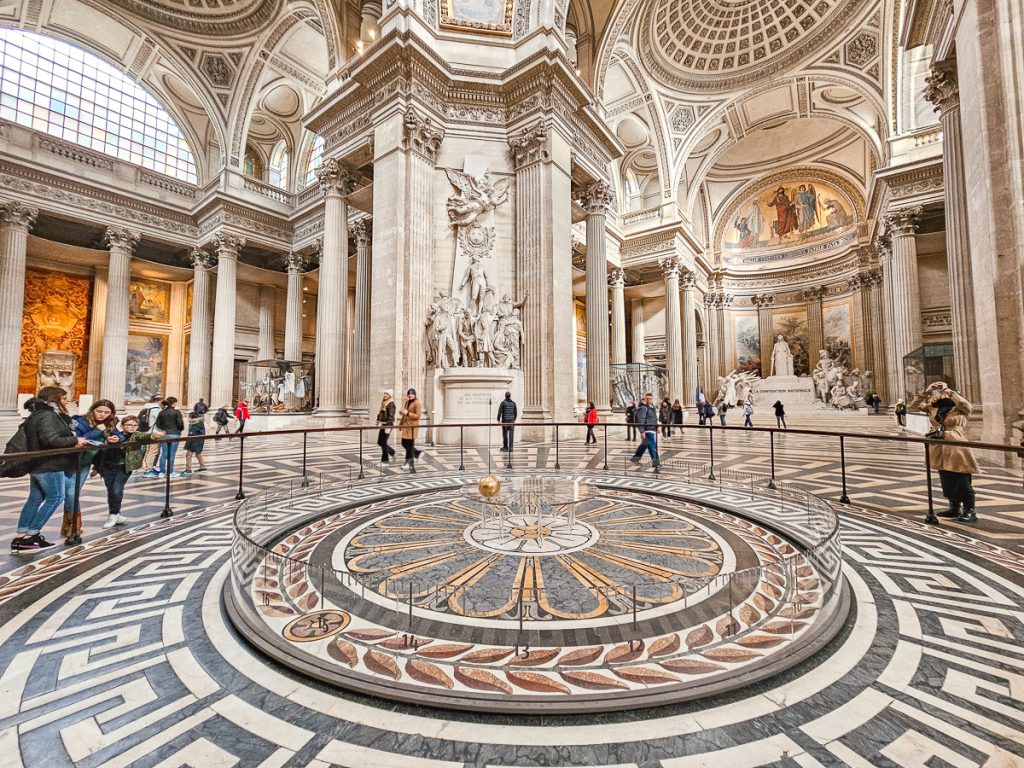
The central feature is a replica of Foucault’s pendulum, an experiment first carried out here in 1851 to demonstrate the Earth’s rotation on an axis.
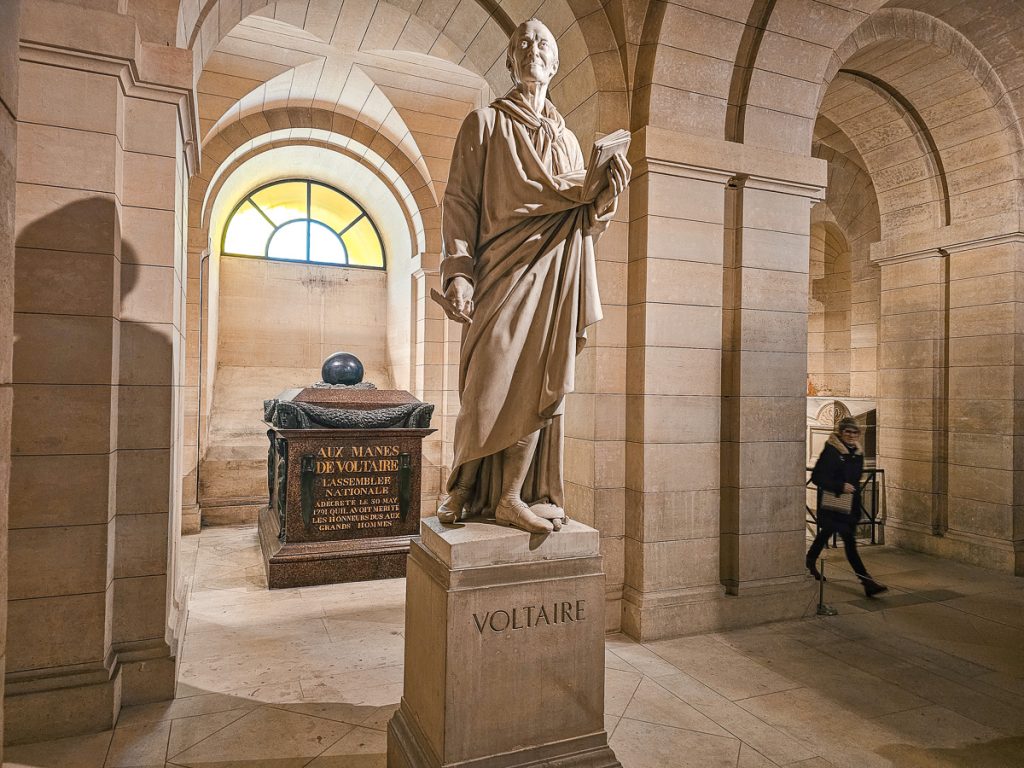
As a mausoleum, the Panthéon also honors France’s greatest minds and its national heroes, including Jean-Jacques Rousseau, Victor Hugo, Émile Zola, and Josephine Baker. Don’t skip the underground crypt, which contains the tombs of these and other giants of French culture, literature, politics, and science.
For an extra treat, climb to the dome for panoramic views. You’ll see the rooftops of the Latin Quarter with the Eiffel Tower in the background.
5. Opéra Garnier
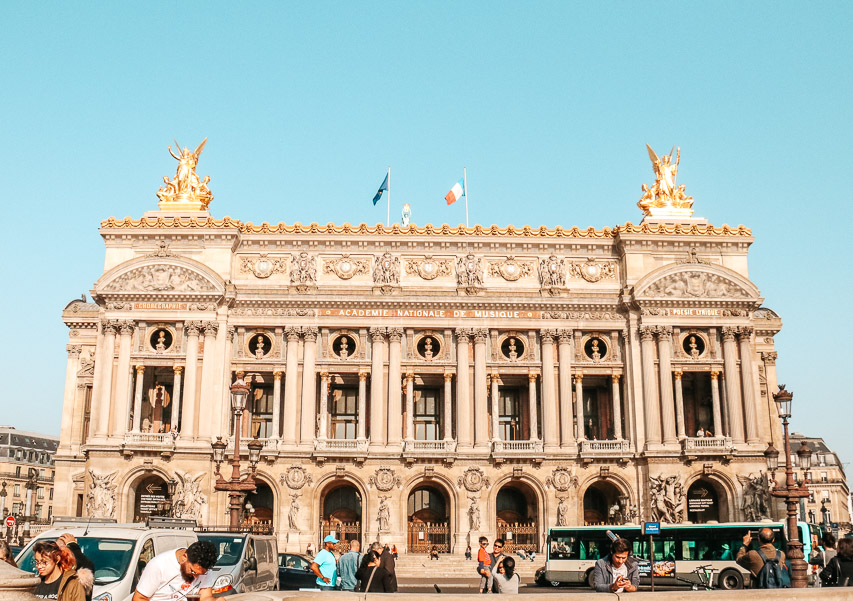
The Opéra Garnier is one of Paris’s two national opera houses, along with the more modern Opéra Bastille. The interior of the Opéra Garnier is one of the most beautiful in Paris, consisting of timeless marble, mirrors, and gold that rivals the Hall of Mirrors at Versailles. It is also credited as the inspiration for The Phantom of the Opera.
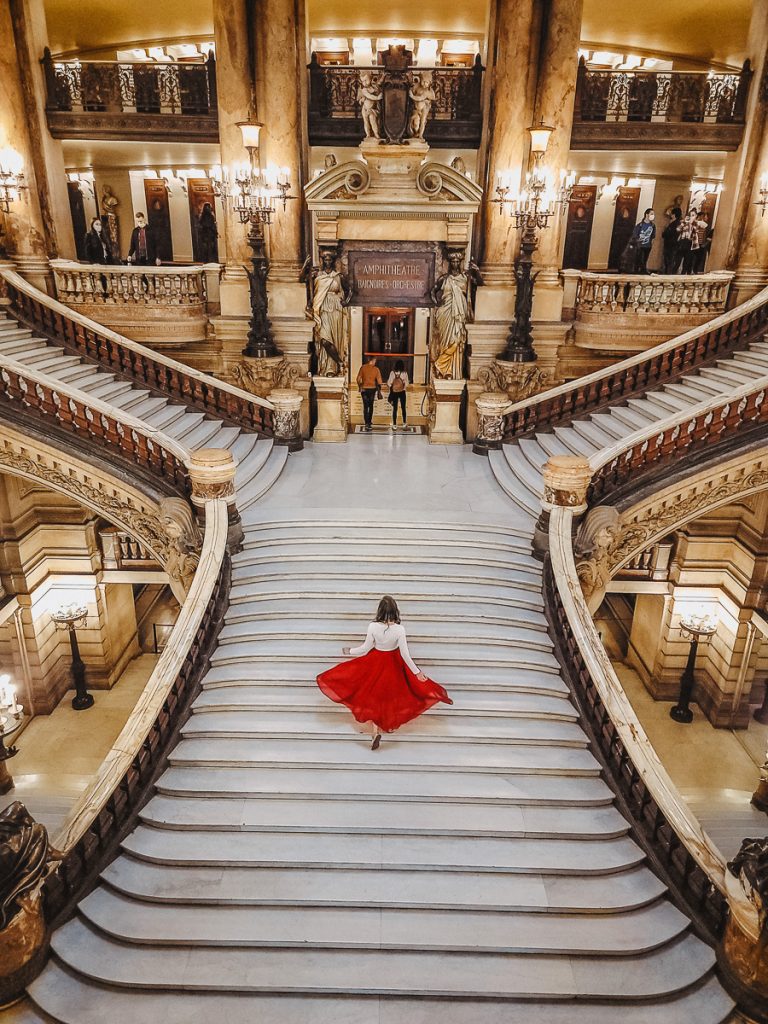
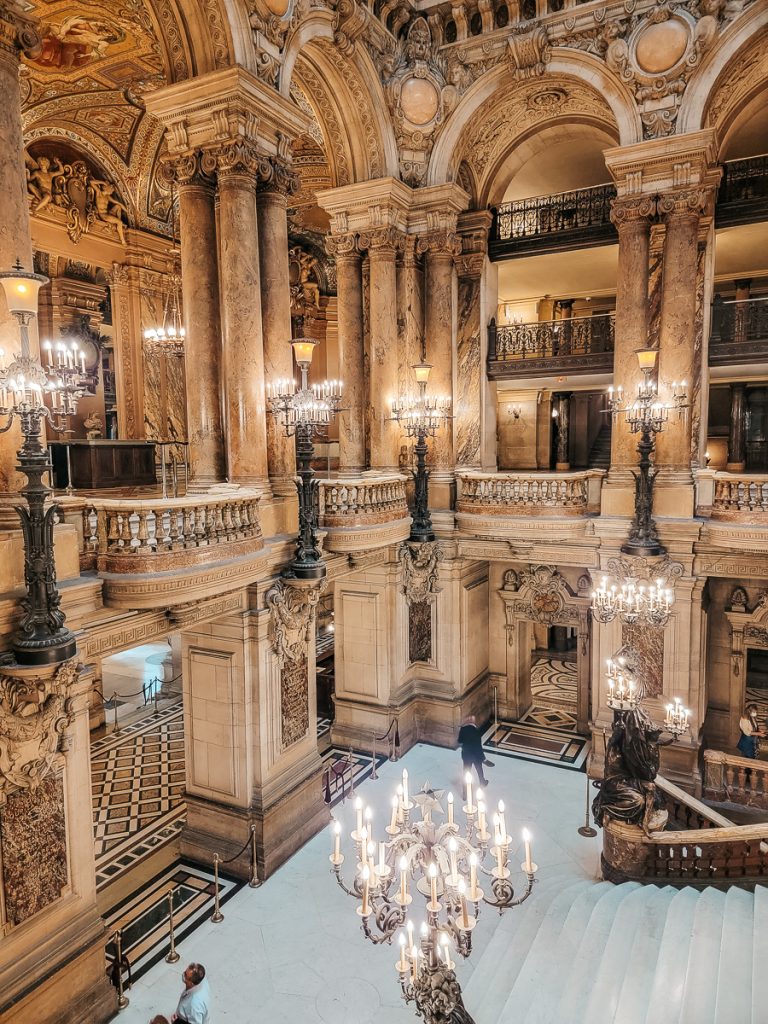
Built in the late 19th century by architect Charles Garnier, it’s a quintessential example of extravagant Second Empire style. By day, you can wander past the grand staircase, peek into the main auditorium, and linger in the Grand Foyer, a glittering gallery that looks absolutely palatial.
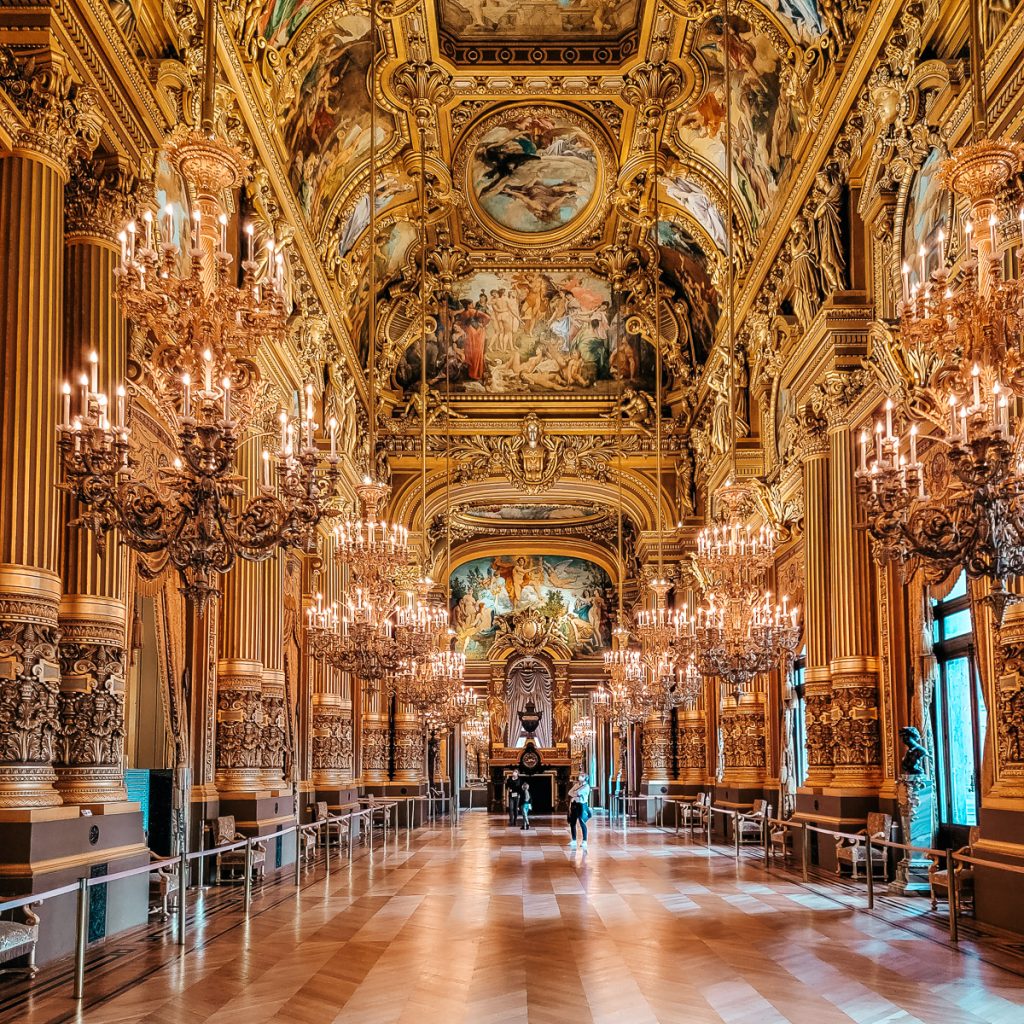
It’s one of the most Instagrammable spots in Paris, so for photos on the staircase or in the foyer, plan to arrive right at opening or close to closing time.
You can opt for a self-guided visit or book a guided tour if you want more context on the building’s fascinating history and architecture. Plan ahead: daytime visit tickets often sell out several days to a week in advance.
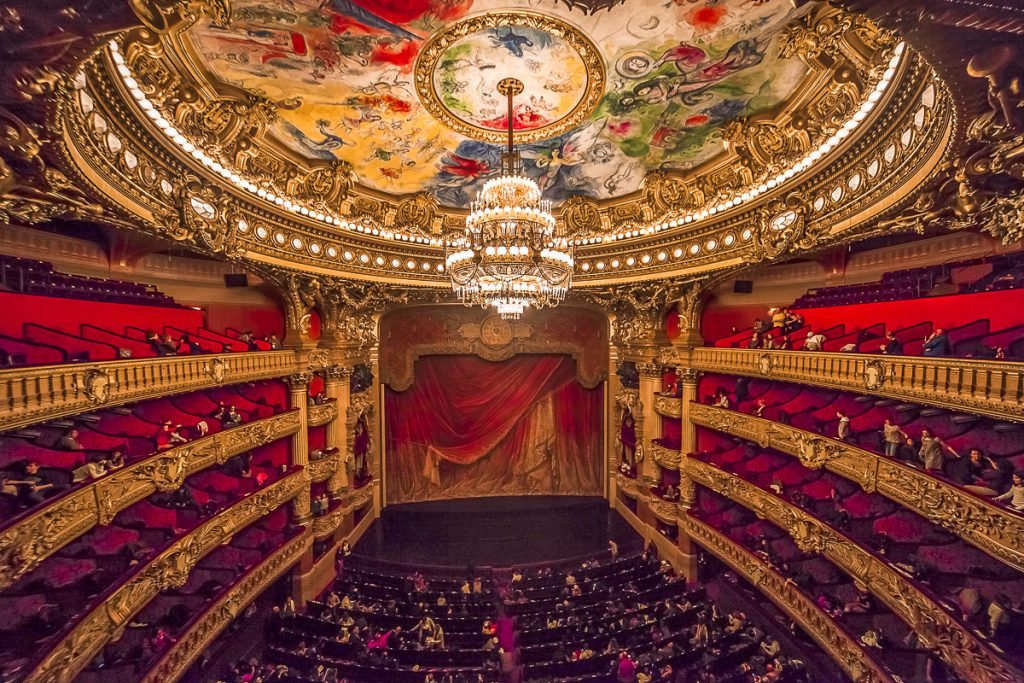
Performance tickets notoriously sell out months in advance. However, if you can snag them, the lowest-priced seats are often only €15 to €30.
6. Sacré-Cœur Domes

Sacré-Cœur, the basilica that sits just above the charming Montmartre neighborhood, is already one of Paris’s most iconic landmarks. But most visitors stop at the terrace without realizing they can actually climb into the domes of Sacré-Cœur.
To get there, look for the small sign for the panoramic viewpoint just before you enter the basilica. While the main basilica is free to enter, there’s a modest fee to climb to the top of the domes. However, it’s definitely worth the extra effort.
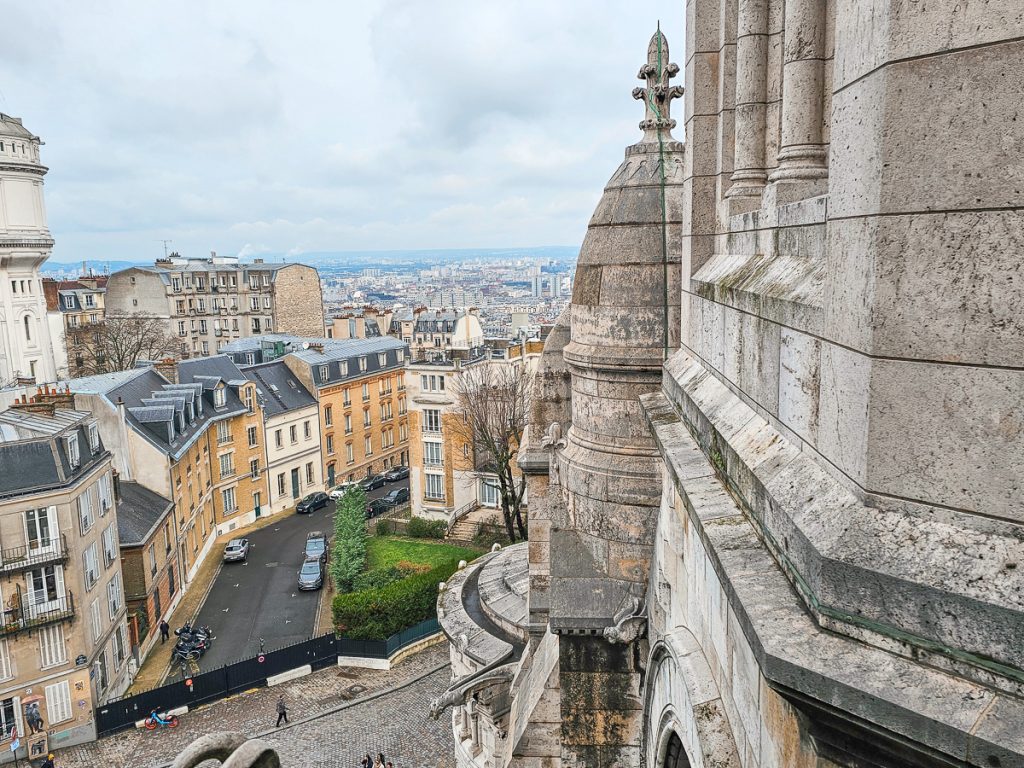
A narrow spiral staircase winds you up through the basilica’s interior to the rooftop, where you follow a stone pathway threaded between domes, turrets, and sculpted details. From there, a final staircase leads into the main dome, with a circular walkway that wraps around the interior.
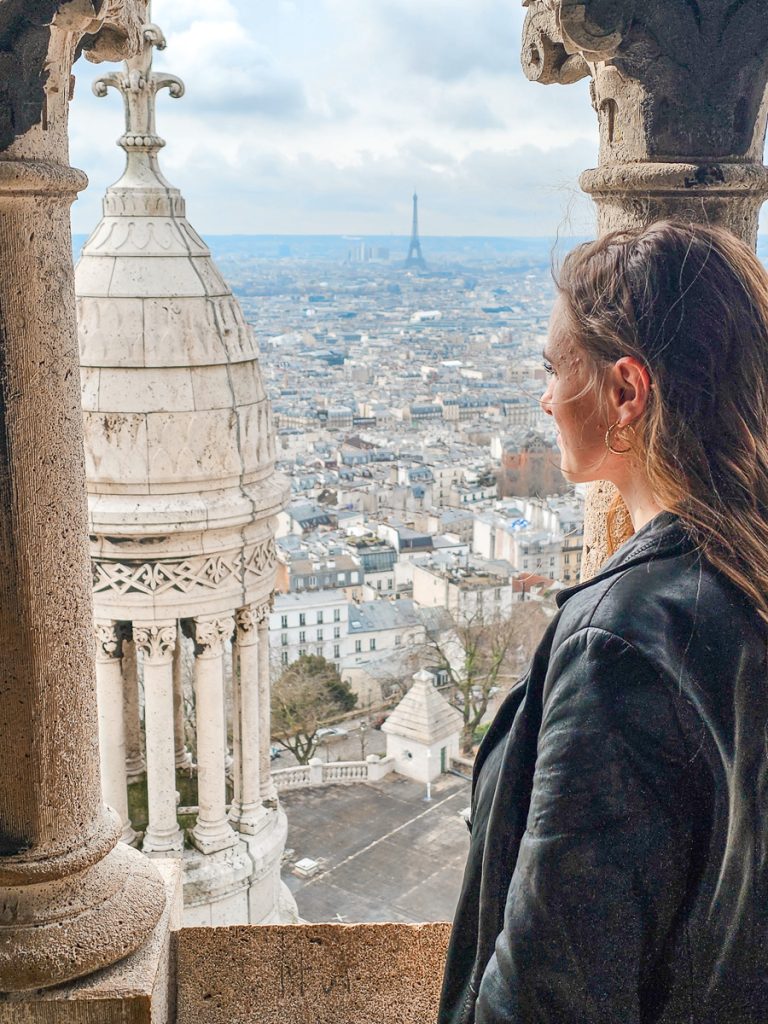
Outside, the upper gallery offers a true panoramic view of Paris. You’ll see the Eiffel Tower rising in the distance, the sprawling rooftops of Paris, and the cobblestoned streets of Montmartre just beneath your feet.
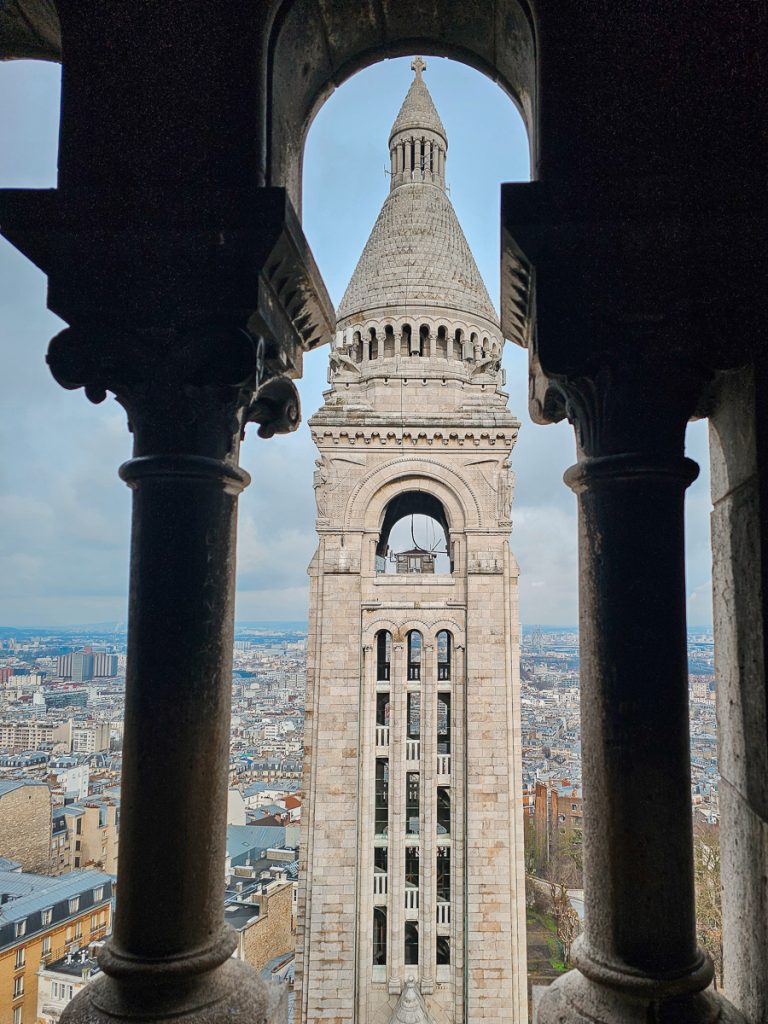
Compared to the crowded terrace below, the domes feel like a semi-secret perch above the city. Sacré-Cœur is home to some of the best sunsets in the city, and the domes offer spectacular views.
7. Musée Rodin
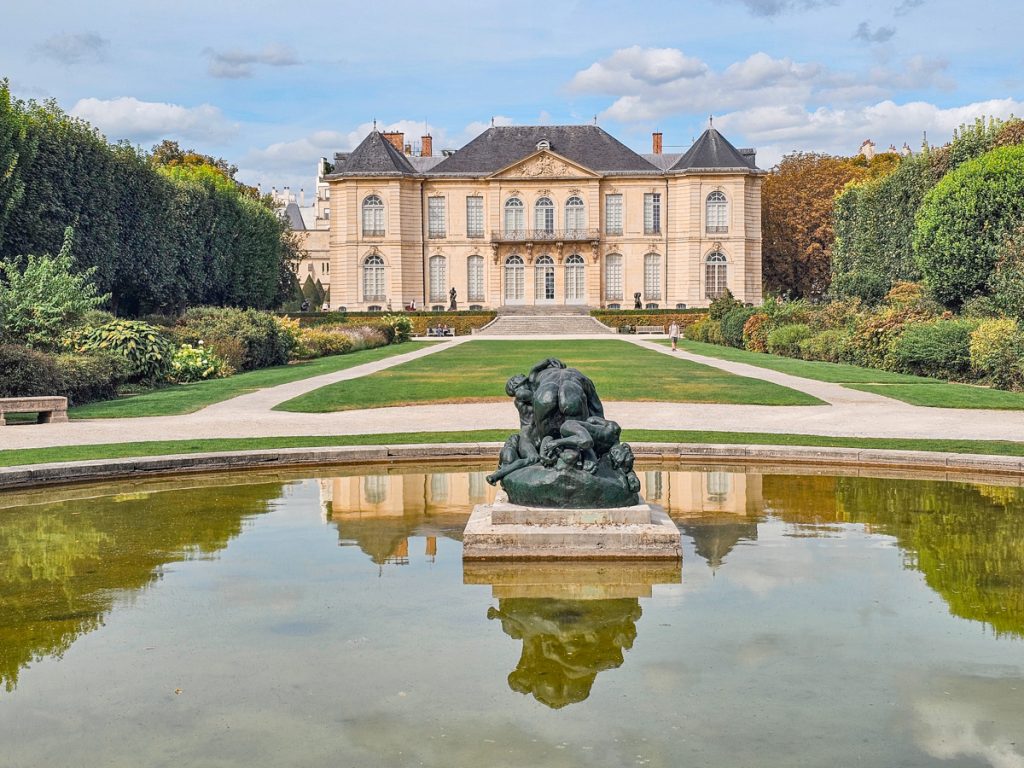
The Musée Rodin, dedicated to the French sculptor Auguste Rodin, is perhaps the quintessential mid-range Paris attraction. It’s well worth a visit (and is one of my favorite Paris museums), but often gets overlooked in favor of the Louvre Museum and Musée d’Orsay.
Rodin lived and worked in the grand 18th-century Hôtel Biron, and after his death it was turned into the Musée Rodin, along with the gardens behind the house.
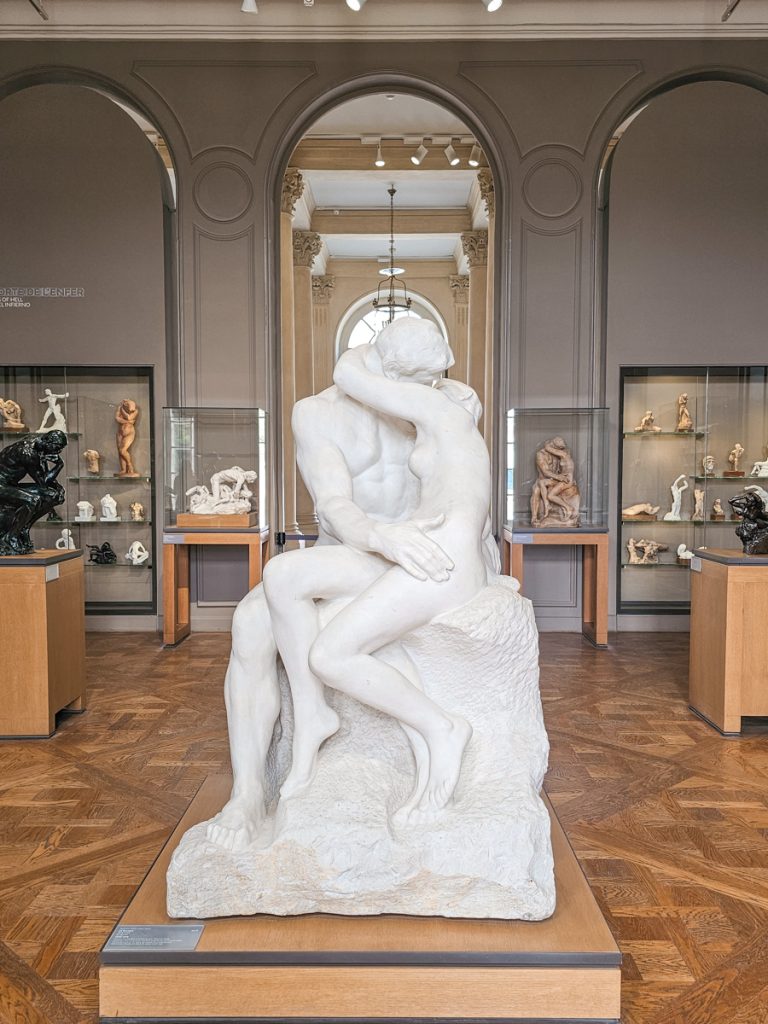
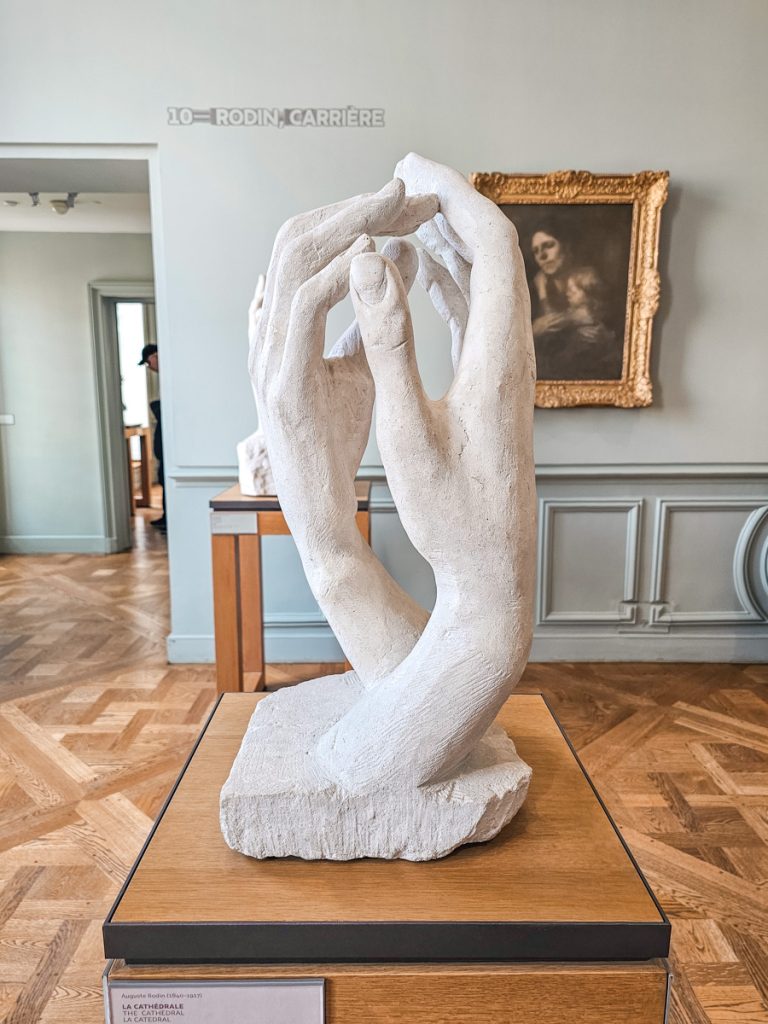
The exhibits feature his sculptures, studies, and large personal collection. Rodin is best known for his bronze works, but the museum also features pieces in plaster, marble, and some sketches. Inside, you’ll also find the plaster version of The Kiss.
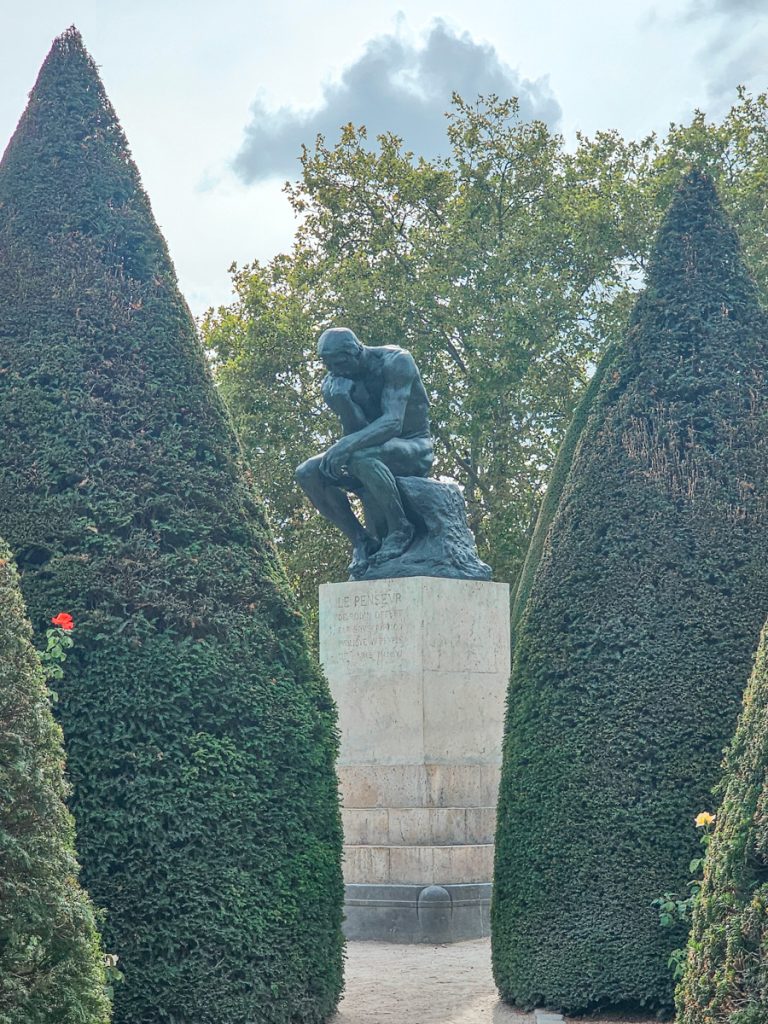
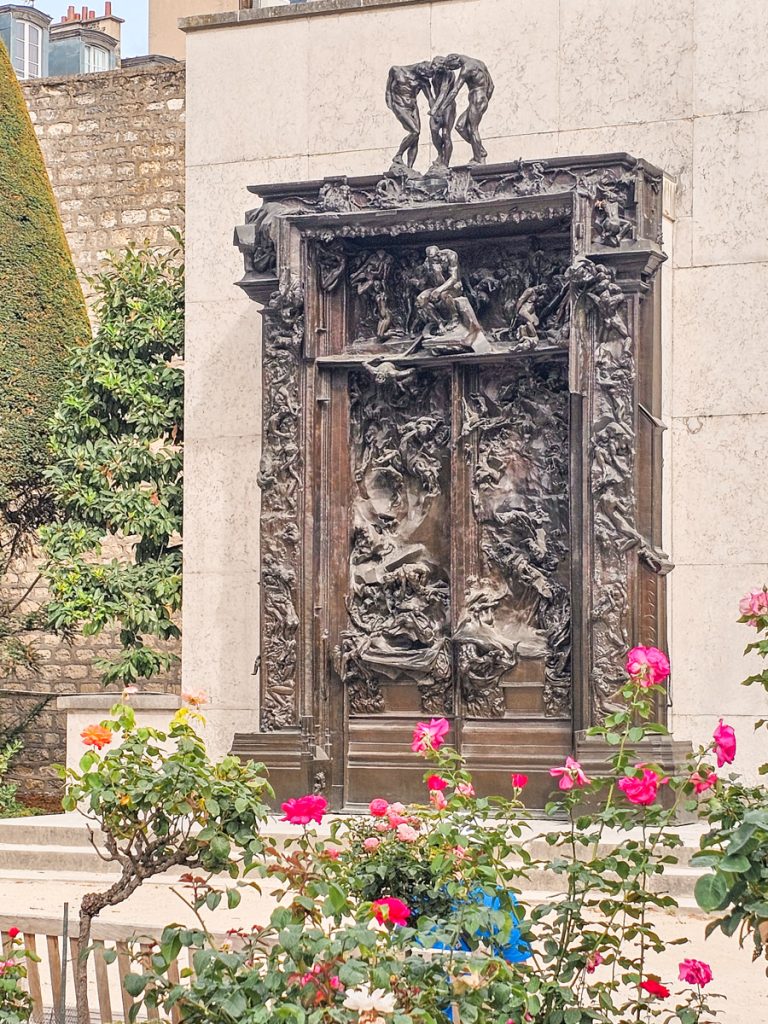
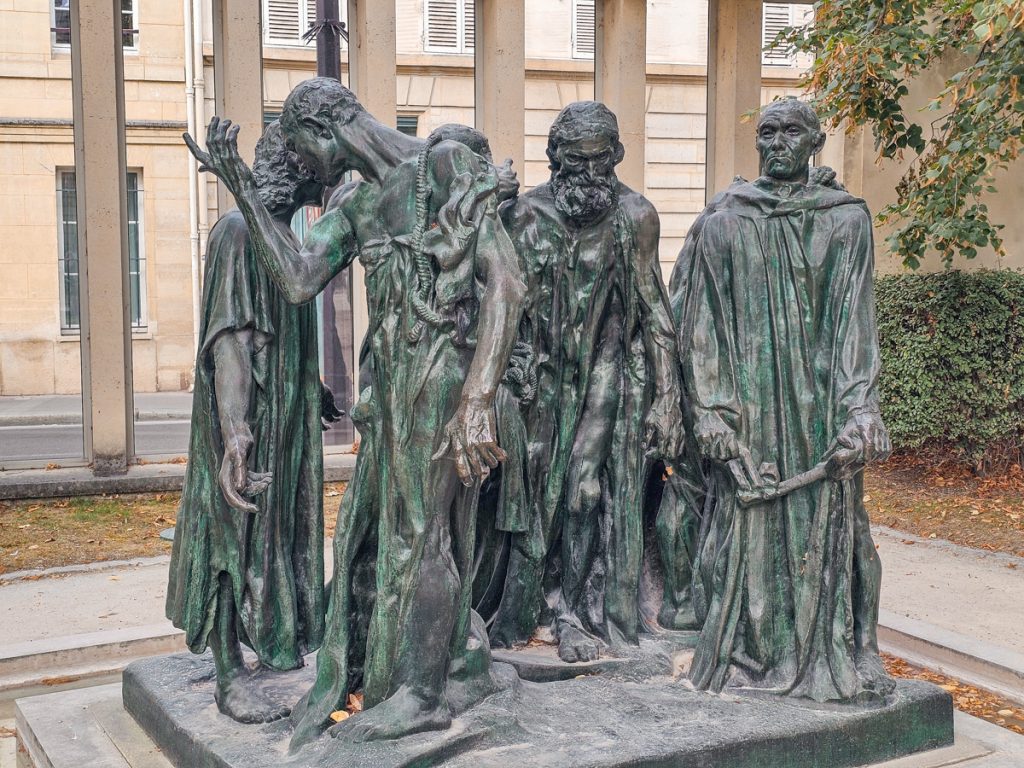
Outside, the sculpture garden is the real showstopper. The Thinker, one of the most famous sculptures in the world, sits among clipped hedges and rose bushes, gazing toward The Gates of Hell. There are also statue-lined paths and shady corners that show Rodin’s other pieces like The Burghers of Calais and The Kiss.
On a clear day, you can spot the top of the gilded dome of Invalides peeking above the trees, a reminder that you’re still in central Paris even as the museum feels like a haven in the midst of a bustling city.
8. Centre Pompidou

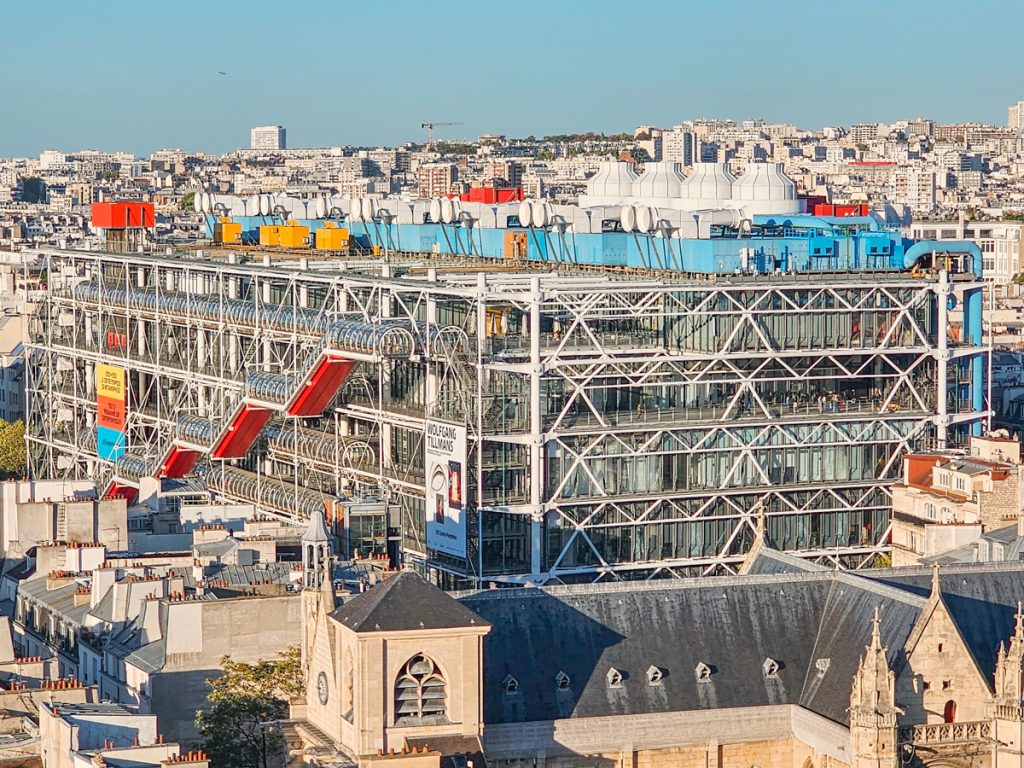
Rising over the Beaubourg district like a brightly colored refinery, the Centre Pompidou is Paris’s great monument to modern art and high-tech architecture. Designed by Renzo Piano, Su Rogers, and Richard Rogers, the Centre Pompidou opened in 1977.
It famously flips a traditional museum inside out: mechanical systems, pipes, and support beams run along the exterior in bright colors. The designers intended for the building to inspire curiosity instead of intimidate, making culture accessible to all.
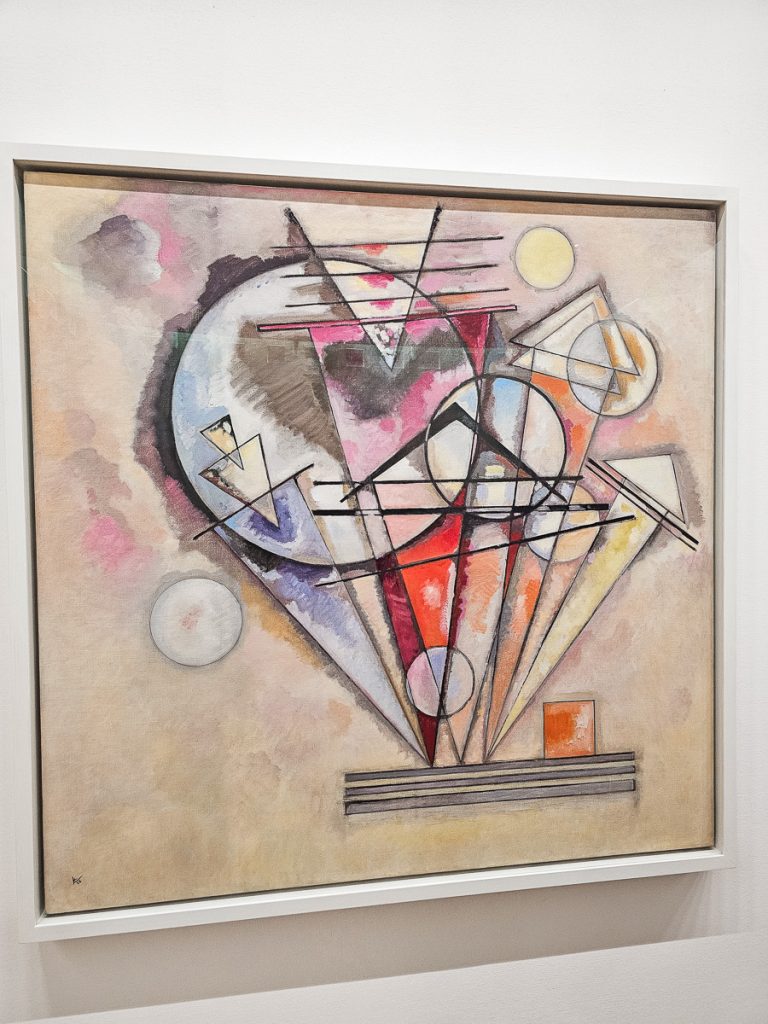
Inside, it normally houses the Musée National d’Art Moderne, one of the largest collections of modern and contemporary art in Europe, along with a huge public library and performance spaces.
The Centre Pompidou offers sweeping views over the Marais, the rooftops of central Paris, and the Eiffel Tower is even visible in the distance.
At the moment, though, you’ll have to admire Pompidou from the outside: the building is closed for a major renovation and is expected to reopen around 2030. During the closure, parts of its world-class collection will be shown in partner museums and at temporary exhibitions elsewhere in the city.
9. Musée de l’Orangerie
The Musée de l’Orangerie sits in the southwest corner of the Tuileries Garden, near Place de la Concorde and the Seine. As its name suggests, it was once a functioning orangery, designed to shelter citrus trees during the winter.
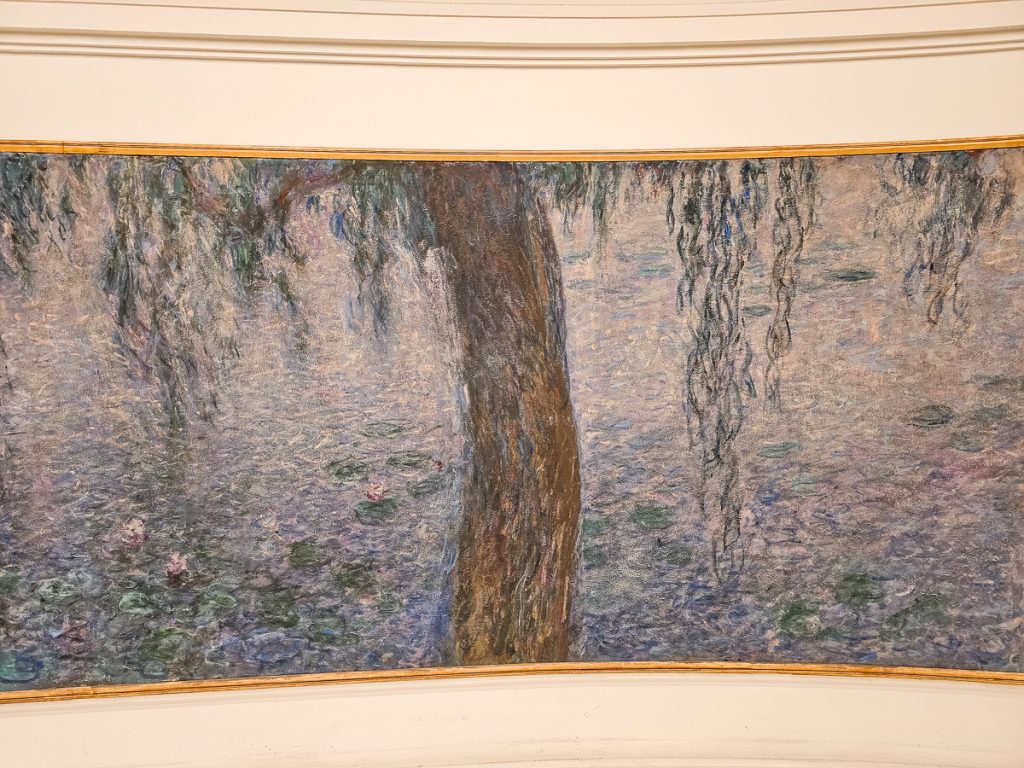
Today, it houses one of Paris’s most quietly powerful art experiences: two ovular rooms are devoted entirely to Monet’s Water Lilies. Eight enormous panels curve gently around the walls, each one a different mood and moment from his garden in Giverny.
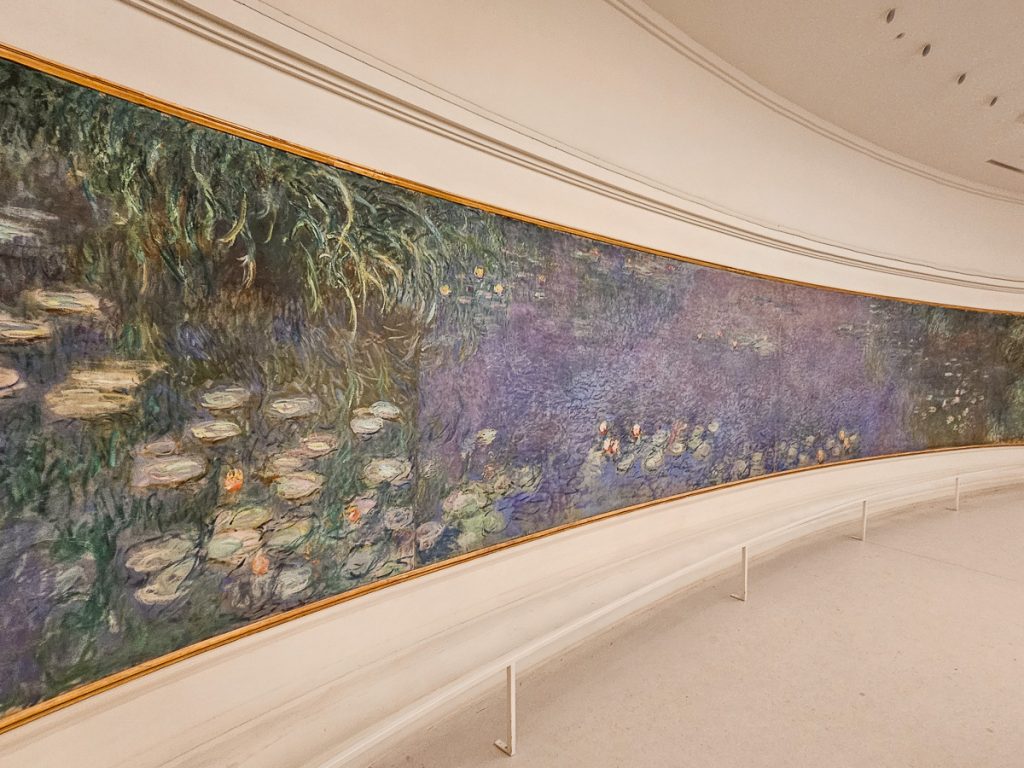
Monet worked with the city to have the works displayed here and helped shape the design of the space. The twin ovals evoke the symbol of infinity, and are lit from above to create a calm, almost meditative atmosphere.
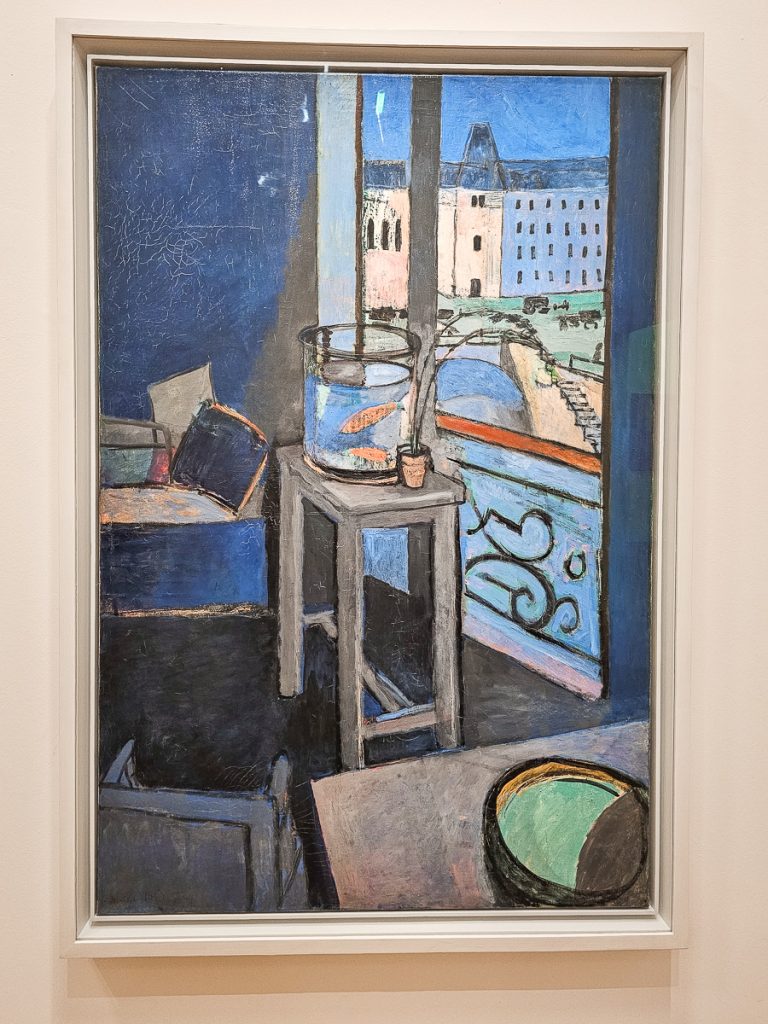
Downstairs, there is a compact but rich collection of Impressionist and modern works by artists such as Renoir, Cézanne, Matisse, Picasso, and Modigliani. It’s an ideal stop when you want a museum that feels peaceful and manageable.
10. Catacombs

Beneath the elegant Haussmann boulevards of Paris lie one of its strangest and most memorable sites: the Catacombs. The underground tunnels actually extend for miles beneath the city, but the official visit only covers a small, carefully secured section of this enormous network.
The story is fascinating: Originally stone quarries, the tunnels were converted into an ossuary in the late 18th century when Paris’s overcrowded cemeteries were emptied.
Today, a one-way route of about 1.5 kilometers leads you past walls neatly stacked with skulls and femurs. There are remains from almost 6 million human corpses in the ossuary.

The experience, though macabre, is atmospheric rather than gory: expect dim lighting, cool air, and the quiet shuffle of other visitors. You descend a long spiral staircase, walk through the galleries, and eventually emerge back into daylight on a different street, which adds to the sense of having passed through a hidden underworld.

There’s little in the way of plaques or information once you’re in the Catacombs, so read up beforehand or use the audio guide to make the most of your visit.
This is definitely a spot to book tickets in advance. Entry numbers are strictly capped and it frequently sells out.
11. Montmartre (neighborhood)
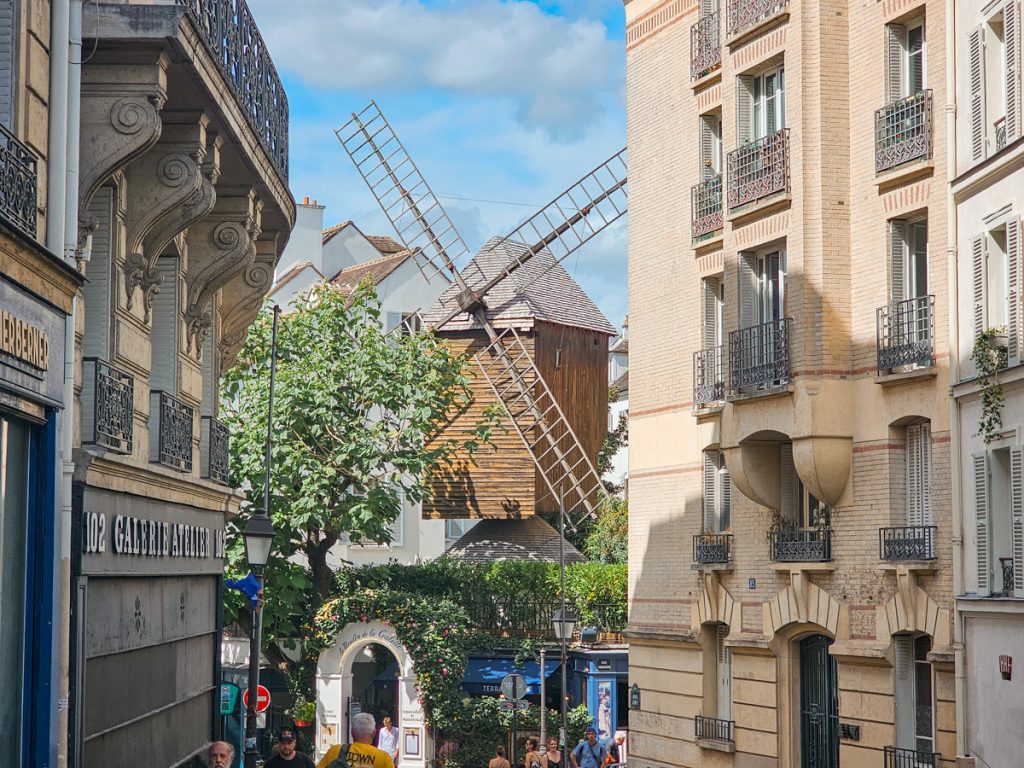
Perched on a hill at the northern edge of Paris, Montmartre still feels like a quaint French village that was swallowed by the city but never quite incorporated. Once a rural community of windmills, vineyards, and quarries, it was officially annexed to Paris in 1860.
From the late 19th to early 20th centuries, Montmartre became a magnet for artists who couldn’t afford the high rents of central Paris. Picasso, Renoir, Modigliani, Utrillo, and countless others filled its studios and smoky cafés, giving Montmartre its bohemian reputation.


Today the neighborhood is best experienced on foot because its charms are mostly found at the street level. You can experience twisting cobblestone streets, iconic cafés like La Maison Rose, and street art like Le Passe-Muraille, a bronze sculpture of a man seemingly emerging from a stone wall.
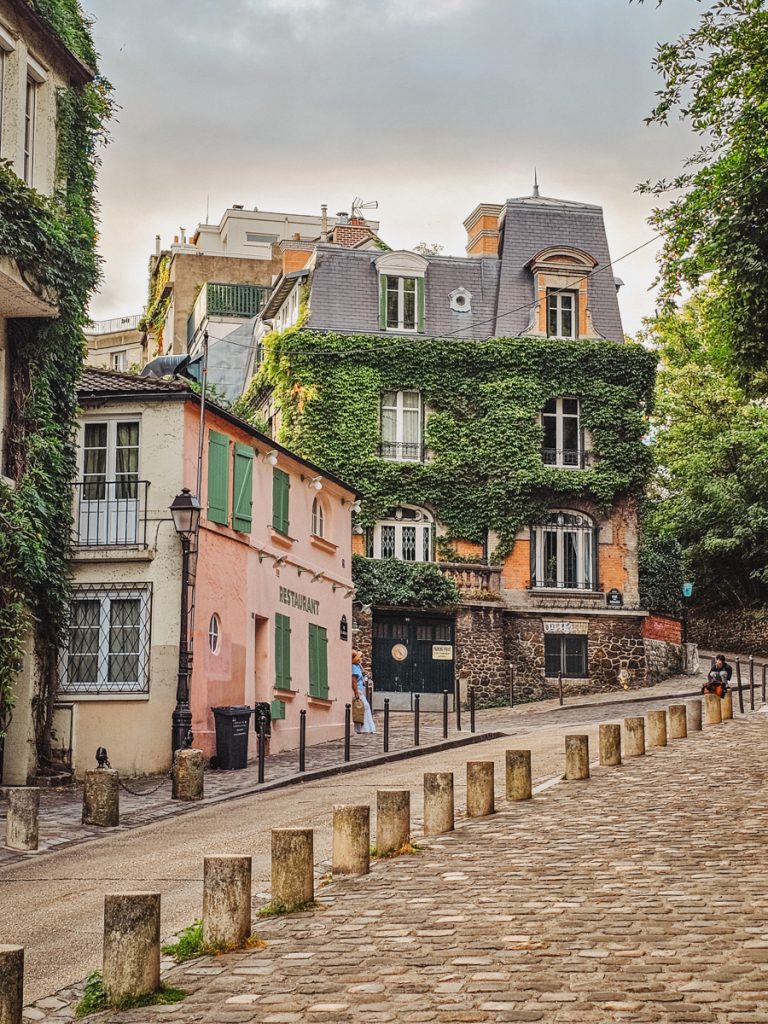
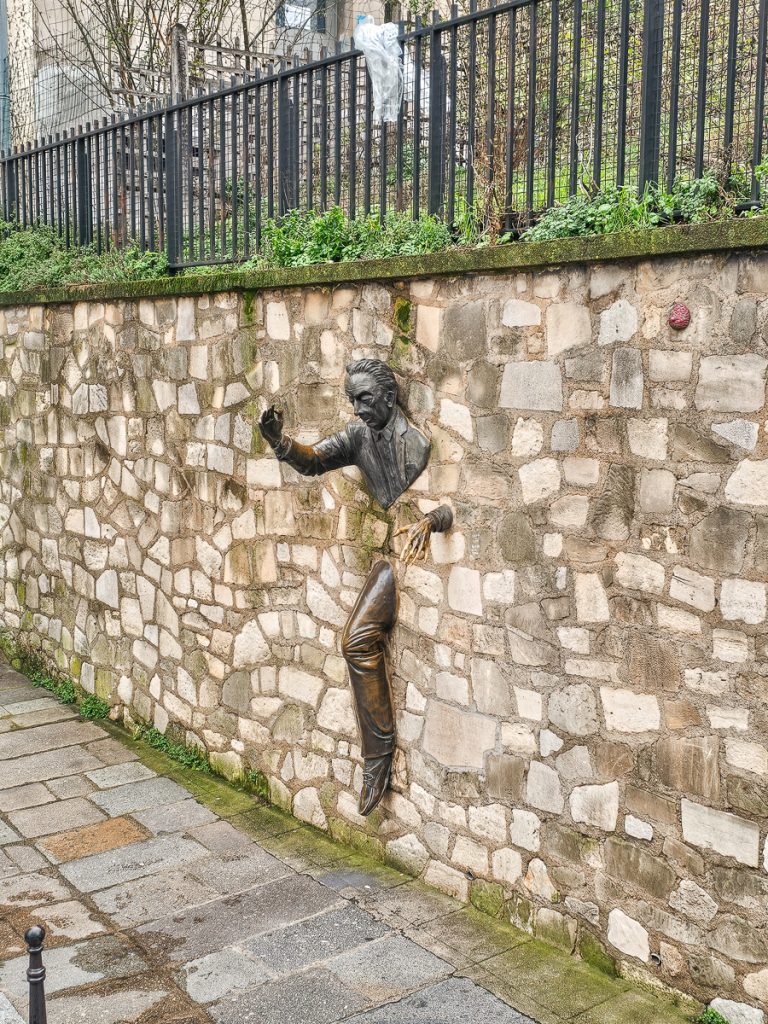
There are also boulangeries, modern coffee shops, and chic restaurants that add to the neighborhood’s lived-in charm.
You can trace its artistic roots at spots like the Musée de Montmartre and Au Lapin Agile, the oldest cabaret in Paris. The higher you climb, the wider the views over Paris, culminating in the aforementioned domes of Sacré-Cœur.
12. Galeries Lafayette

Galeries Lafayette is Paris’s most iconic department store, best known for its soaring 141-foot Art Nouveau dome. It opened on Boulevard Haussmann in 1893 as a tiny haberdashery, or sewing supply store. The store grew quickly, and by 1912 the owners had realized their dream of opening a “luxury bazaar” in the heart of Paris.
It’s worth spending a few moments marveling at the ironwork balconies and dome, as well as taking in the historic significance of the Galeries Lafayette. This department store has been a shopping destination for Parisians for over a century.
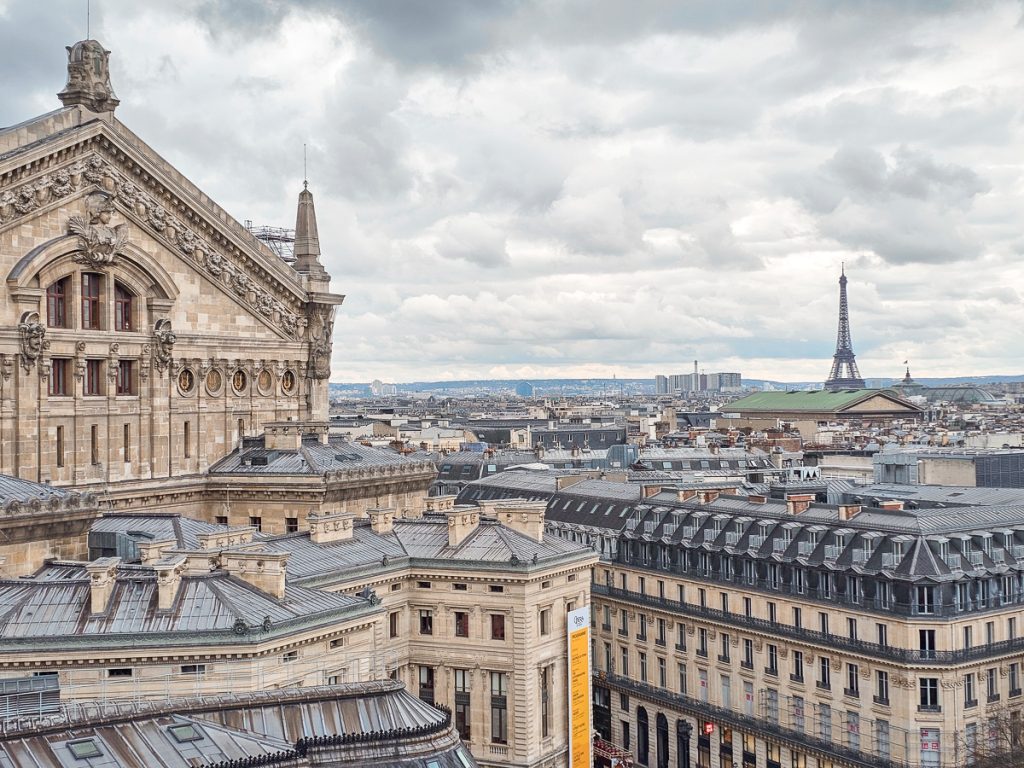
Take the escalators to the rooftop terrace for one of the best free panoramas in Paris. The view stretches across to the Opéra Garnier, with the Eiffel Tower and city rooftops in the distance.

Around the holidays, Galeries Lafayette becomes even more magical. An enormous themed Christmas tree rises under the dome, twinkling lights spill over the balconies, and the animated window displays on Boulevard Haussmann are a destination in their own right in Paris at Christmas.
13. Père Lachaise Cemetery
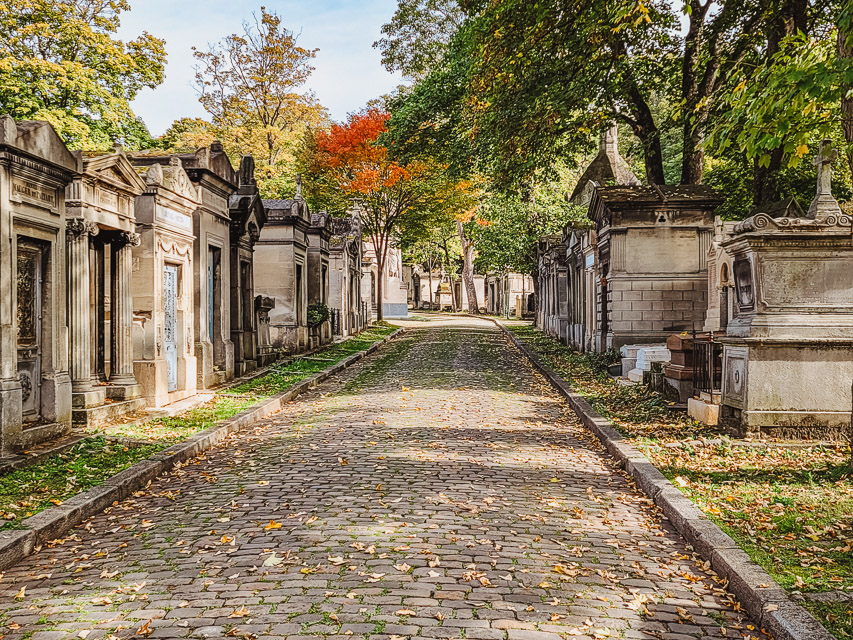
On the edge of Paris in the 20th arrondissement, Père Lachaise Cemetery feels like a quiet, gothic city within the city. There are sloping cobblestone lanes, moss-covered tombs, and ornate mausoleums clustered together like townhouses.
Père Lachaise opened in 1804 as the first garden cemetery and the first municipal cemetery in Paris. Before long, it became the most fashionable place to be buried in the 19th century.
Its expansion has since slowed, but there are still a small number of people buried here each year. In total, more than a million people currently rest at Père Lachaise Cemetery.
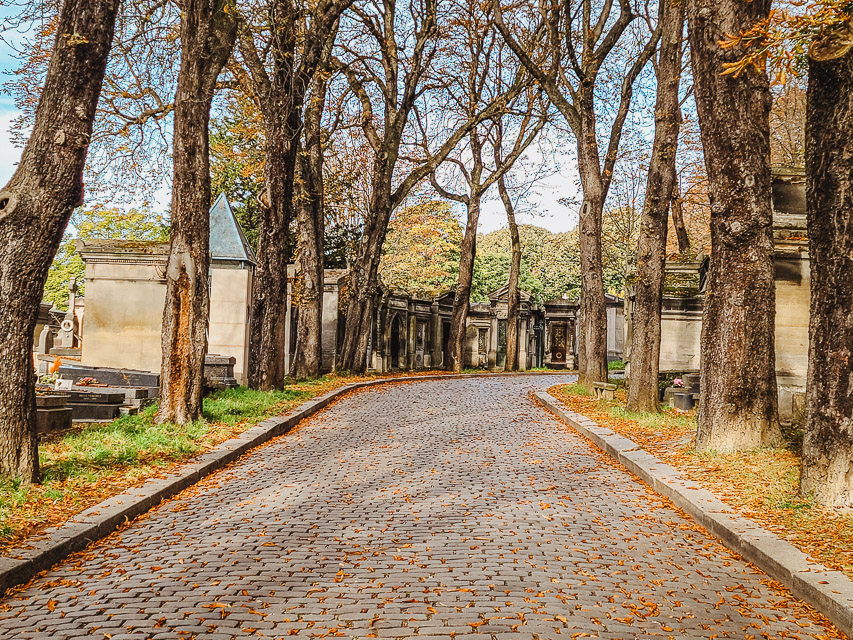
As you wander, you’ll pass the graves of writers, musicians, and artists whose names you’ll likely recognize: Oscar Wilde, Jim Morrison, Edith Piaf, Frédéric Chopin, Marcel Proust, Gertrude Stein, and many others. There are also powerful memorials to victims of war and the Holocaust.
It’s best to think of Père Lachaise as a stroll through a garden cemetery rather than a checklist of graves. Bring comfortable shoes, follow the winding paths, and let yourself get a little lost among the trees and gravesites. Or, to ensure you get to see the highlights, consider booking a guided tour.
14. Pont Alexandre III

There are 37 total bridges that cross the Seine River in Paris, and Pont Alexandre III is often considered the most beautiful. When you’re standing on it, you’re likely to agree.
Pont Alexandre III spans the river between the Grand and Petit Palais on the Right Bank and Les Invalides on the Left Bank. It was built as a symbol of the Franco-Russian alliance, and officially inaugurated for the 1900 Exposition Universelle. Tsar Nicholas II laid the first stone in honor of his father, Alexander III.

Designed in the Beaux-Arts style, the bridge is lined with ornate Art Nouveau lampposts and crowned by four towering pillars, each topped with a gilded winged horse representing Science, the Arts, Commerce, and Industry.
Up close, you’ll see garlands, nymphs, and cherubs worked into the metalwork. It’s one of the best places in Paris for a stroll at sunset, with views to the Eiffel Tower in one direction and the golden dome of Les Invalides in the other.
Its stunning backdrop has long made Pont Alexandre III a favorite filming location for movies, music videos, and TV shows.
15. Place des Vosges
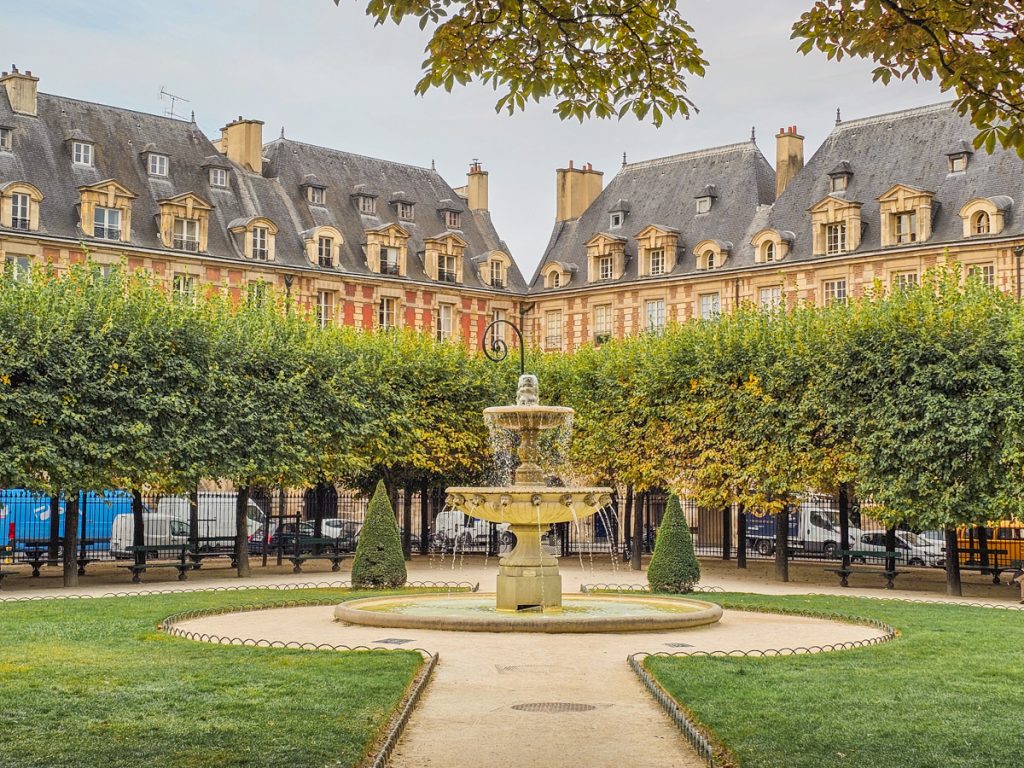
Place des Vosges is the oldest planned square in Paris, completely enclosed by identical red bricked buildings and their stone archways. However idyllic it may look, it doesn’t feel like a museum piece. Instead, it’s a genuinely lively square in the Marais where locals regularly come to read, picnic, and people-watch.
In the center, a garden frames a statue of Louis XIII. There’s also a fountain in each corner, manicured green lawns, and trees that line the square’s perimeter.
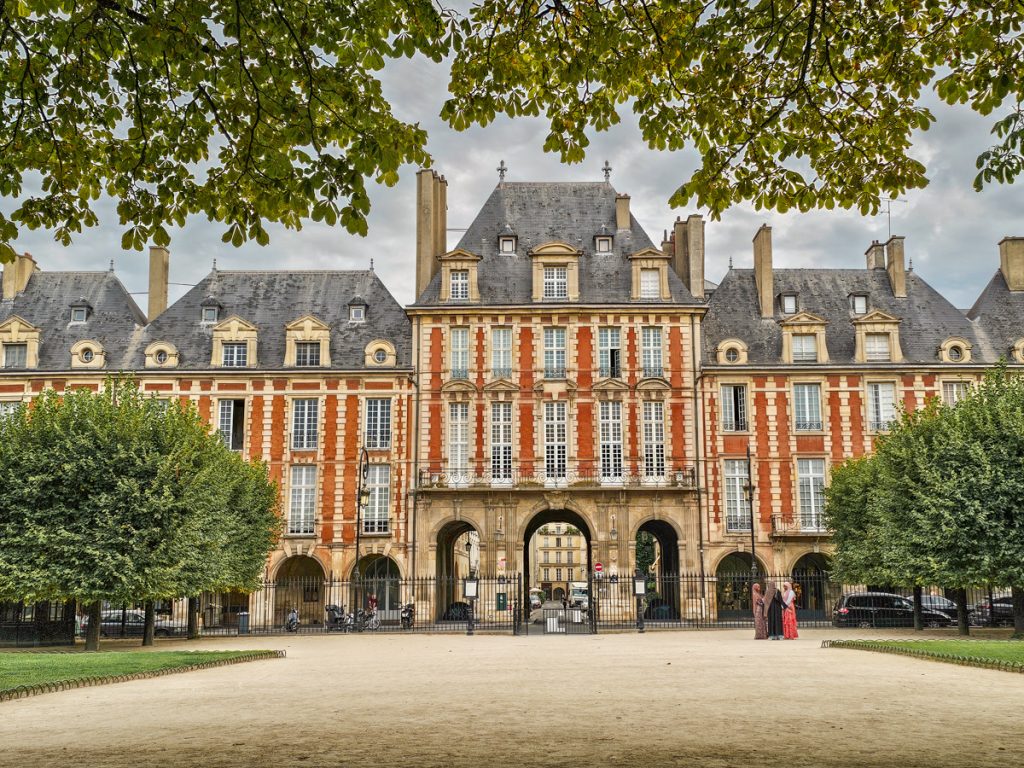
Construction began under King Henri IV in 1605, and the square was inaugurated seven years later as the Place Royale. For the better part of two centuries, Place Royale was one of the most fashionable addresses in the city.
The square was renamed in 1800 in order to honor the Vosges region, which was the first French department to pay taxes in support of the Revolutionary army.
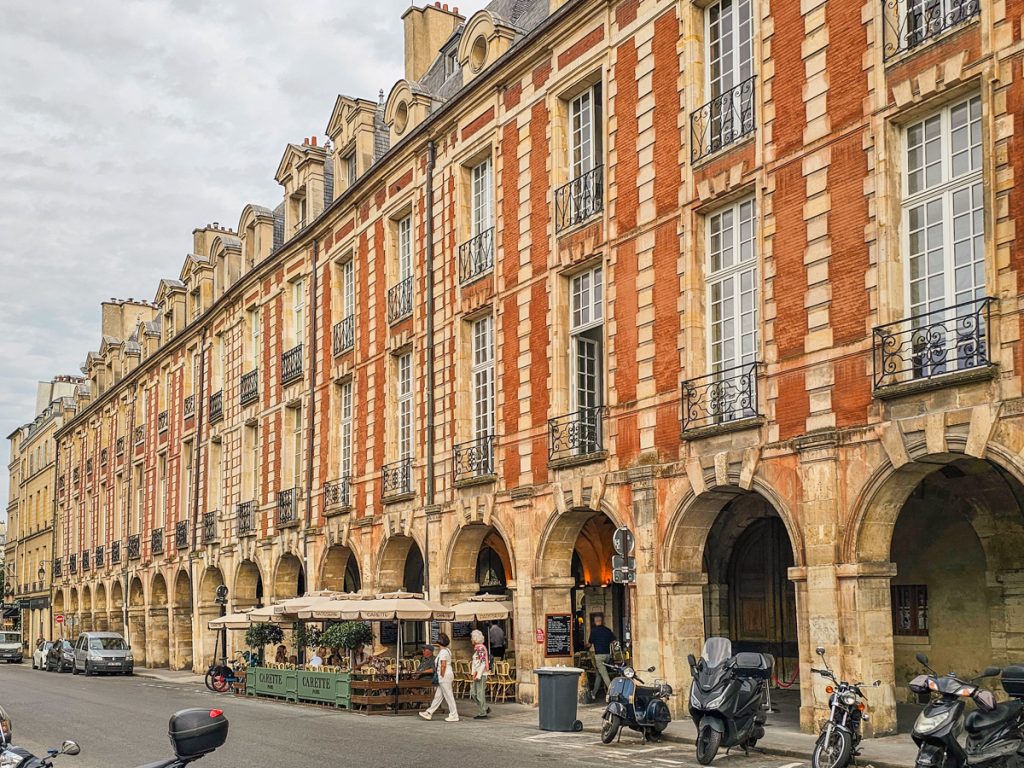
Place des Vosges is completely enclosed, but under the arches that line the exterior you’ll find cafés, galleries, and boutiques, plus the former home of Victor Hugo tucked in one corner. Today, there’s even a small museum dedicated to Hugo that is a thoughtful recreation of his combined apartments (though not an exact replica).
16. Moulin Rouge

Another instantly recognizable landmark in Paris that evades many Paris itineraries is the Moulin Rouge. Perched at the foot of Montmartre on Boulevard de Clichy, the Moulin Rouge is probably best known for its iconic red windmill that’s been spinning (at least symbolically) since 1889.
Patrons of the Moulin Rouge cabaret have been watching the once scandalous French can-can since it was popularized by Pierre Sandrini, then the cabaret’s artistic director, in the 1920s.
Inside, today’s shows are full-blown spectacles. Think: elaborate feathered and sequined costumes, high kicks, and tightly choreographed dance numbers. These are often paired with acrobatics and live music.
Note that the Moulin Rouge is very much a cabaret, and some numbers do include topless performers. While not for everyone, for many visitors it’s a “when in Paris” experience. You can book show-only tickets or combine the performance with dinner and champagne.
Even if you don’t go in, it’s worth walking by after dark to see the façade lit up, the red mill turning above the glowing sign, and the constant buzz of Pigalle at night on the edge of Montmartre.
The Wrap Up
Paris is the kind of place you can visit over and over again, with layers of activities for different types of travelers. Once you’ve seen the Eiffel Tower and the Mona Lisa up close, you can opt instead for mid-range landmarks and attractions like Les Invalides and the Opéra Garnier on your subsequent visit.
As always, be sure to also leave some time in your itinerary to wander the streets, explore new neighborhoods, enjoy some good pastries on a cafe terrace, and generally experience the city, instead of trying to just see everything.
