

Le Marais: The Paris Neighborhood That Blends Centuries of History With Effortless Style

If you want a neighborhood that mixes old-world Paris with modern energy, head to the Marais.
Stretching across much of the 3rd and 4th arrondissements on the Right Bank (which includes Île Saint-Louis and part of Île de la Cité), it’s one of the city’s most central and historic areas.

The name Marais means “marsh,” as the area was mostly swampy land before it was drained and transformed into an aristocratic district in the 1600s. Grand mansions, or hôtels particuliers, still line the narrow streets.
After the French Revolution, the nobility fled and the neighborhood declined, but in recent years it’s reinvented itself again, becoming one of Paris’s trendiest spots.


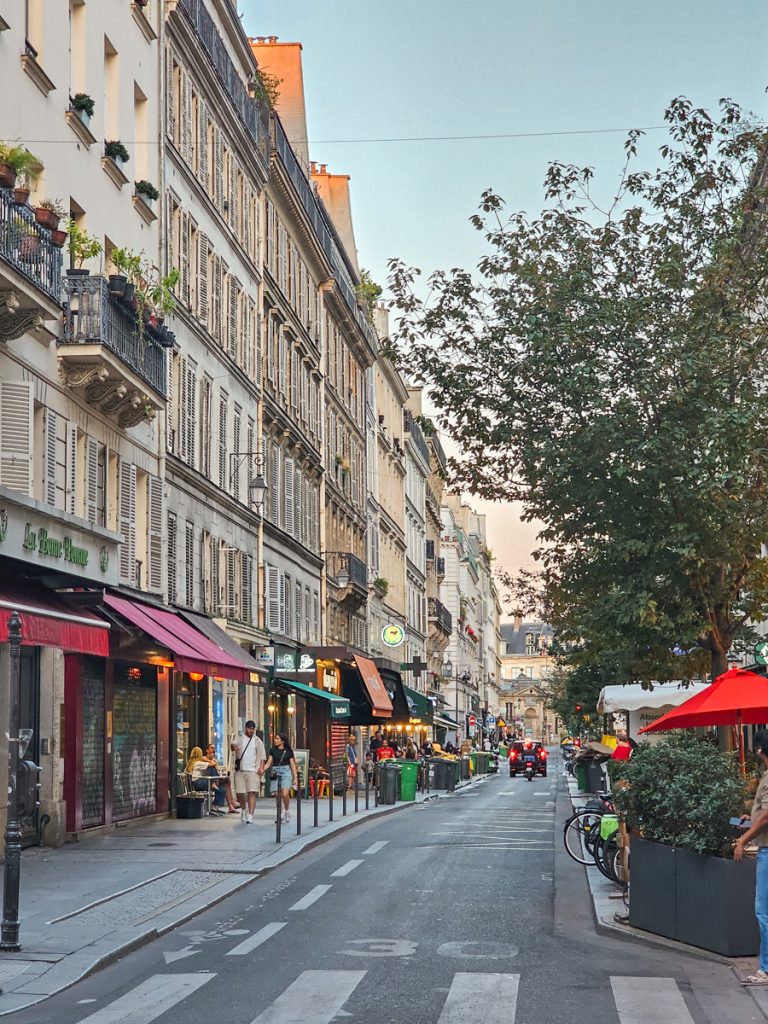
Historic facades now house independent boutiques, vintage shops, art galleries, museums, and cafés, and the neighborhood is home to Paris’s Jewish and LGBTQ+ communities.
It’s a neighborhood that has some well-known, iconic spots, but it is also full of hidden gems just waiting to be discovered.

Top Sites in the Marais
This first section includes the most iconic, most popular spots in the Marais that belong on any itinerary.
1. Notre Dame

Notre Dame is one of the most beautiful Gothic masterpieces in the world, and the very heart of Paris. Standing on Île de la Cité, one of the city’s two islands in the Seine, it marks the oldest inhabited part of Paris, just steps from Point Zero, the point from which all distances in France are measured.
Construction began in 1163 and took nearly 200 years to complete, finishing in 1345. Over the centuries, Notre Dame has undergone many changes and restorations.
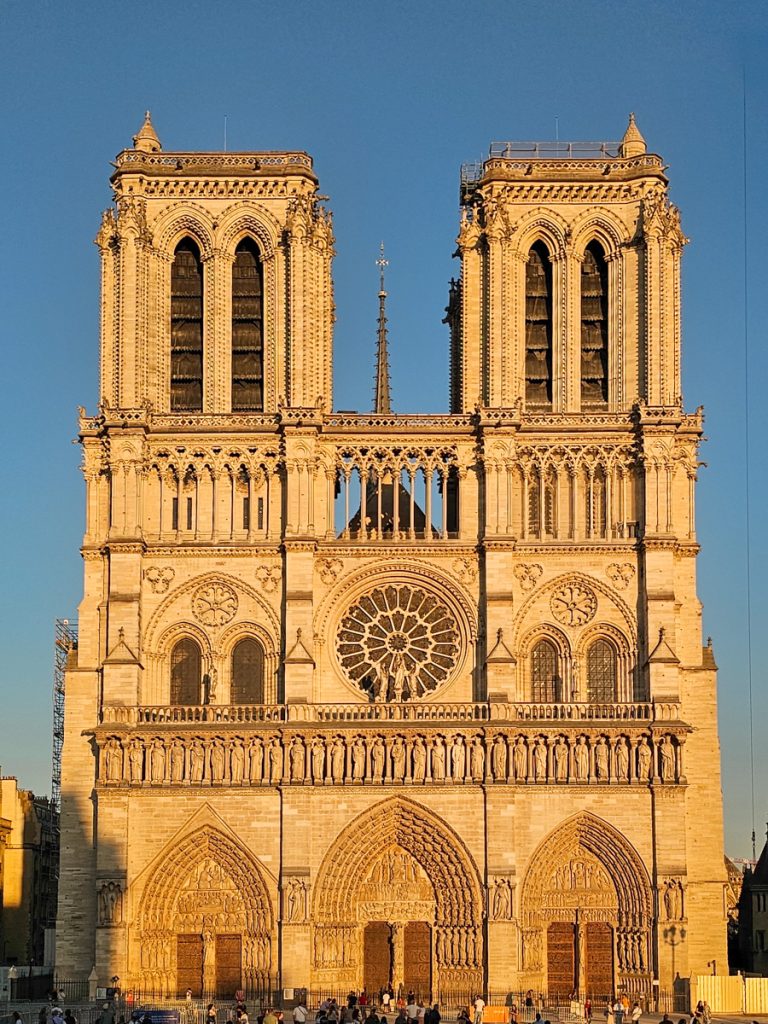
Most recently, a massive five-year renovation was required following the 2019 rooftop fire, with the main part of the cathedral reopening in December 2024. The transformation is astonishing: centuries of soot and smoke have been cleared away, and the once-dark walls now gleam with light.

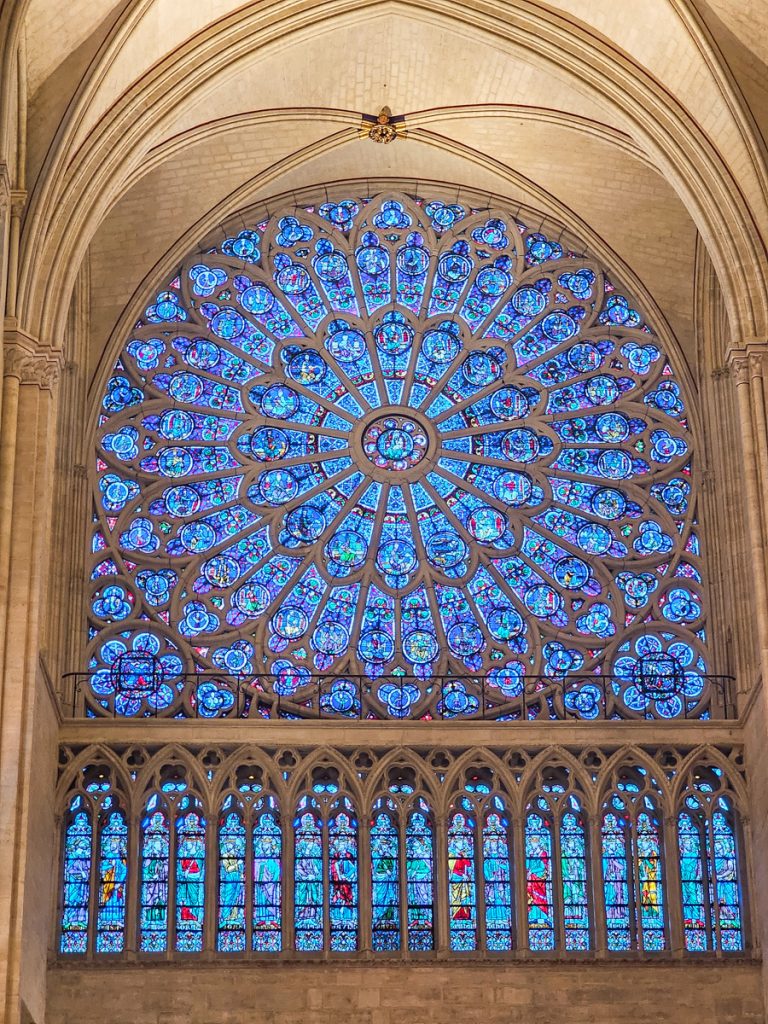
The cathedral is a textbook example of Gothic architecture, with pointed arches, flying buttresses, and intricate stained glass, including the famous rose window.
The façade is especially striking, with three sculpted portals rich in Biblical imagery, and rows of statues and carvings climbing toward the twin towers.
Inside, you’ll find soaring ceilings, exquisite stonework, and sacred relics such as a fragment from the Crown of Thorns.

Notre Dame has also played an important role throughout French history: Napoleon was crowned emperor here, and Victor Hugo’s The Hunchback of Notre Dame helped spark its 19th-century restoration.
2. Notre Dame Towers

I’m listing this separately because it really is its own experience. Climbing the towers of the Notre Dame Cathedral is so much fun, and the views from the top are incredible.

You’ll wind your way up 424 steps of a narrow spiral staircase (similar to the Arc de Triomphe climb), stopping along the way to peek into rooms inside the tower and enjoy different viewpoints over Paris.


You’ll walk past the famous chimera and gargoyles up close, see the great bells that have rung for centuries, and then continue all the way to the top of the south tower for sweeping city views.
While entrance to the cathedral is free, the towers do charge admission and should be booked in advance.
3. Place des Vosges

Place des Vosges is the oldest planned square in Paris — and certainly one of the most distinctive.
The square is completely enclosed by identical red-brick buildings with graceful arcades underneath. In the center is a perfectly symmetrical park with a statue of Louis XIII, fountains in each corner, and green lawns where people picnic and enjoy the afternoon sun. It’s truly unlike anything else in Paris.

Construction began in 1605 under King Henri IV. After his assassination in 1610, the square was inaugurated in 1612 as Place Royale, with celebrations marking the engagement of King Louis XIII and Anne of Austria. In the 17th and 18th centuries, it became one of the most fashionable addresses in the city.

The square was renamed Place des Vosges in 1800, in honor of the Vosges region in eastern France — the first French département to pay taxes supporting the Revolutionary army.
4. Centre Pompidou
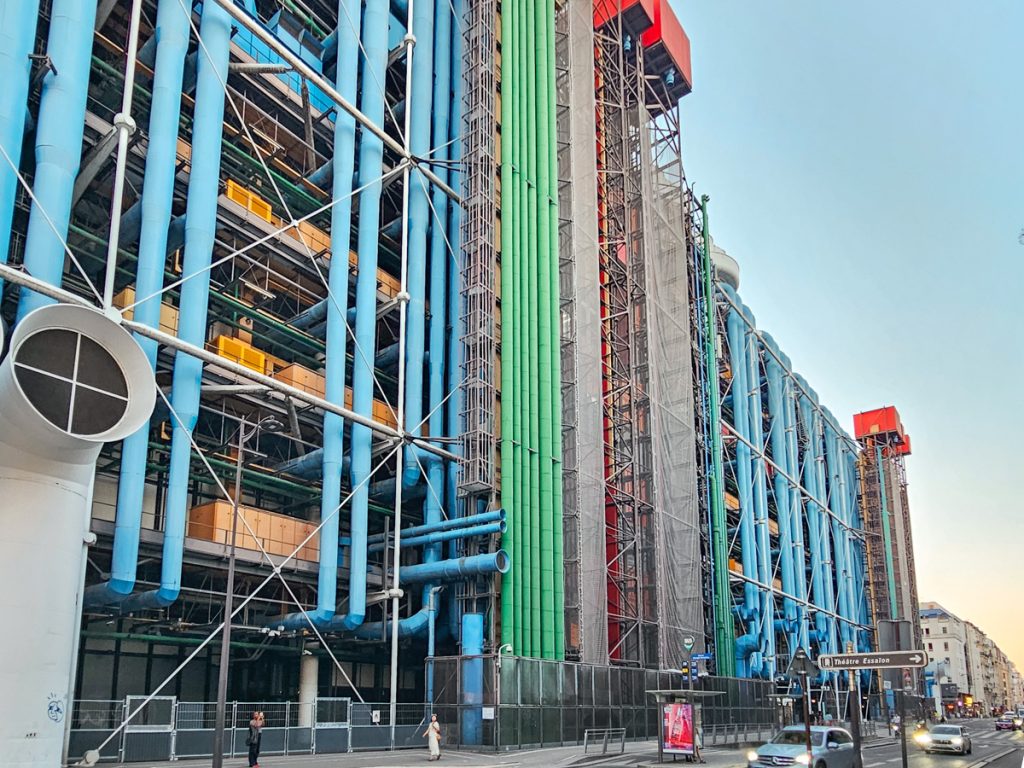
The Centre Pompidou is home to France’s Museum of Modern Art, and the building is as unique as the artwork inside.
The building is essentially built “inside out,” with large color-coordinated pipes (blue for air, green for water, yellow for electricity, and red for people) and a glass tube escalator all exposed on the exterior of the walls.

Inside, the Pompidou is home to a huge collection of works by artists like Picasso, Matisse, and Kandinsky. You’ll find all types of abstract and modern art in the permanent exhibits.


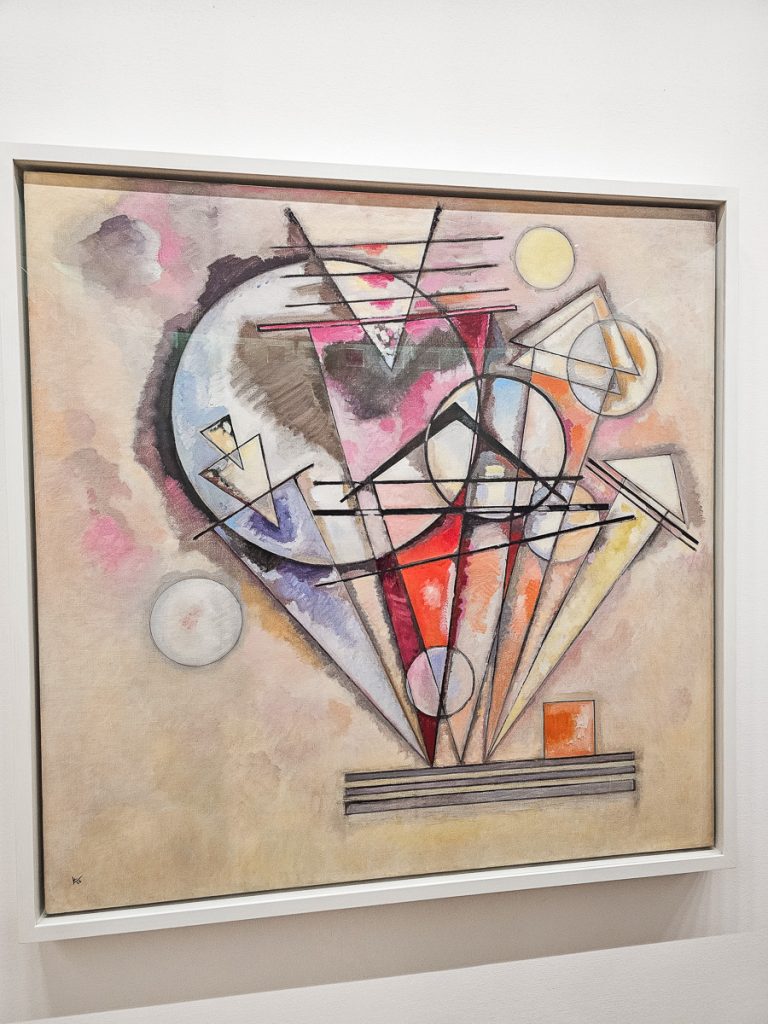
But it’s more than just a museum—there are also temporary exhibitions, a reading room, a research center and more within the Pompidou’s walls.
And even if modern art doesn’t interest you, it’s worth riding the glass tube escalator, nicknamed “the caterpillar,” to the top, where you can enjoy amazing views from the rooftop terrace. (This is free and open to the public).
Note: As of October 2025, the Pompidou Center is closed until 2030 for extensive renovations.


Worth a Visit
The next section of this list includes attractions that are not quite as iconic or popular as the Top Sites, but are still important spots worth a stop if you have the time.
5. Musée Carnavalet
The Musée Carnavalet is the top museum in the Marais, dedicated entirely to the history of Paris. It’s housed in the Hôtel de Carnavalet, a beautiful Renaissance-style mansion and one of the oldest buildings in the neighborhood.

The museum is quite large, with exhibits spread across several floors that tell Paris’s story from its earliest days to today. I loved how it starts with old shop signs and decorations once found around the city (such a charming touch!) before moving into rooms that explain how Paris grew and changed over time.
There are detailed maps, models, and diagrams showing what the city looked like in different eras, which really help you picture its evolution, which I found fascinating.

Each gallery of the museum focuses on a specific period, from the Middle Ages to modern Paris. The French Revolution galleries were some of my favorites, with models of the Bastille and paintings of important moments like the storming of the prison or Marie Antoinette’s final days.

I also really liked the historic rooms from the 1700s:

What makes this museum stand out is the mix of everything: furniture, sculptures, everyday objects, models, and even a few interactive displays. It’s a great way to see Paris’s history come to life.
And before you go, stop by the lovely courtyard garden of the museum. There’s a café where you can sit for a drink or light meal, even if you’re not visiting the museum.

6. Musée Picasso

The Musée Picasso is housed in the Hôtel de Salé, a grand 17th-century mansion built by Pierre Aubert, a tax collector on salt (hence the name “salé,” meaning salty).
The building itself is stunning, with elegant architecture and a sweeping central staircase, and it now serves as the perfect setting for a museum dedicated to the life and work of Pablo Picasso.
What makes this museum especially interesting is how clearly it traces Picasso’s evolution as an artist. Each room includes context about the period of his life represented, explaining what was happening personally and historically, and how that shaped his art.

It’s fascinating to see how dramatically his style changed over time: his early pieces are almost unrecognizable compared to the bold, abstract cubist works he became famous for.


And if you’re someone who doesn’t “get” Picasso, this is a great way to understand his art a little bit better.
7. Marché des Enfants Rouges
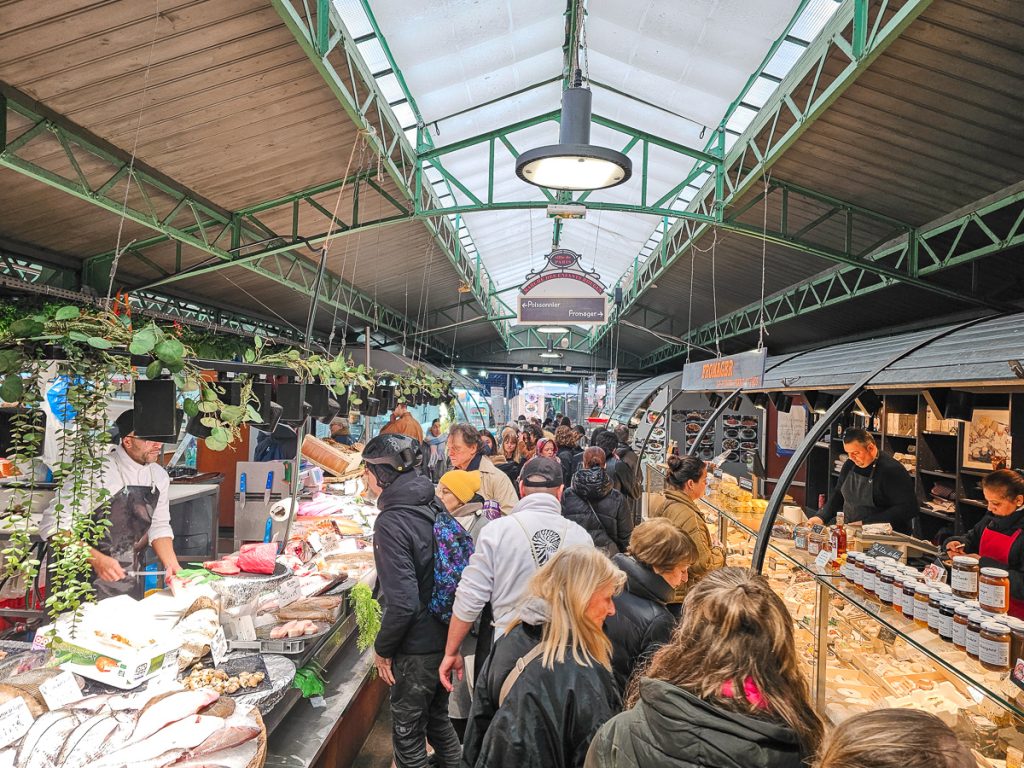
The Marché des Enfants Rouges is the oldest food market in Paris, dating back to 1615. It’s part traditional market, with stands selling produce, meat, fish, and cheese, and part casual food court, filled with restaurant stalls serving dishes from around the world.
It’s a popular spot with locals, especially at lunchtime when the food stalls are buzzing. Be prepared to wait in line, but it’s worth it.
A few favorites include Chez Alain Miam Miam, known for its incredible sandwiches, The Butcher of Paris for charcuterie boards, and a Moroccan stand serving flavorful tagines and couscous.
8. Église Saint-Paul Saint-Louis

Église Saint-Paul Saint-Louis is the main church in the Marais, standing along the busy Rue Saint-Antoine. The original Saint-Paul Church was built in 1431 in Gothic style, but a new church, Saint-Louis, was constructed next door by the Jesuits in 1627.
During the French Revolution, both were seized by the state, and the original Saint-Paul was destroyed in 1798. When Napoleon restored Catholic worship in 1802, the church was renamed Saint-Paul Saint-Louis in memory of the one that had been lost.

The architecture is quite distinct in Paris — it moves away from the traditional Gothic style and embraces Baroque design instead. You can see this in the tall Corinthian columns, ornate sculptures and carvings, and a grand dome rising 55 meters high.
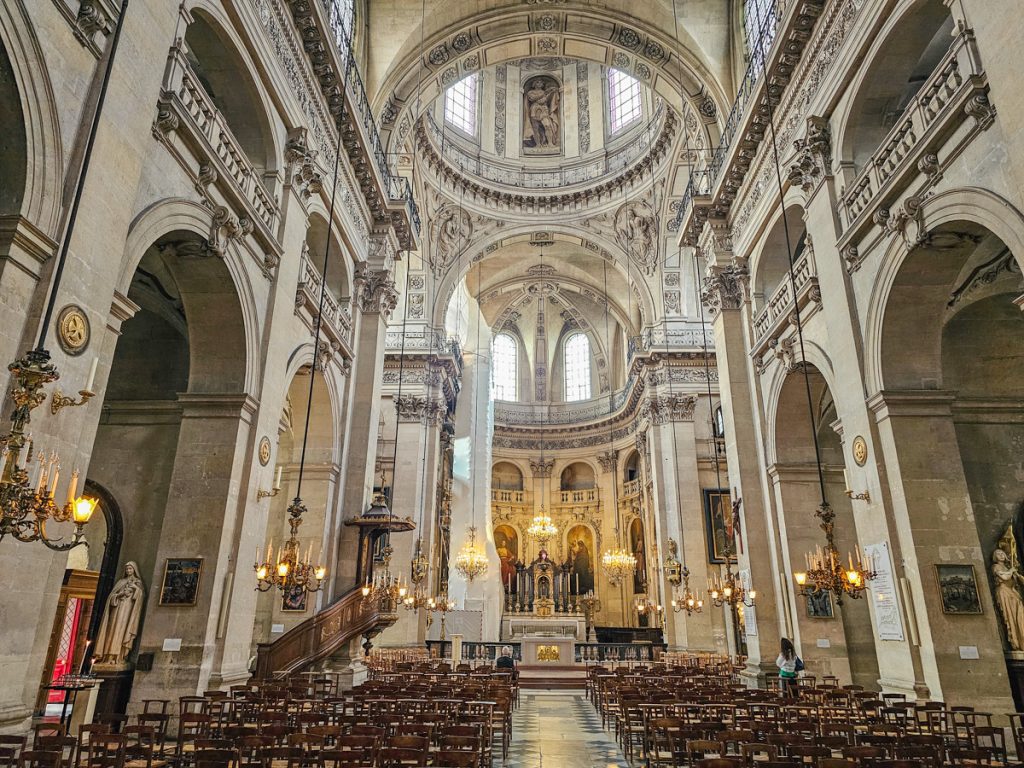
It’s a beautiful church that’s often missed by visitors, but absolutely worth a stop to admire its ornate architecture and soaring spaces.
9. Hotel de Ville

In French, Hôtel de Ville means City Hall, and this site has housed Paris’s city government since 1357. The current building was originally constructed during the Renaissance but was completely destroyed during civil unrest in 1871. It was rebuilt and expanded in the late 1800s into the grand structure seen today.

The building isn’t typically open to visitors, but it’s a impressive landmark to admire as you explore the Marais or stroll along Rue de Rivoli.
10. National Archives – Hotel de Soubise

The Hôtel de Soubise is a grand mansion that once belonged to the Prince and Princess of Soubise. It was renovated in the 1730s in lavish Rococo style to reflect the tastes of the noble family.
After the French Revolution, the manor was seized by the state and has remained government property ever since. Today, it houses the Museum of the National Archives, where important historical documents are preserved and displayed.
Some of the incredible documents of the National Archives that were on display when I visited include:
- The Tennis Court Oath from the French Revolution
- The Edict of Nantes by Henri IV, granting French protestants freedom of belief and end to persecution
- The last letter written by Marie Antoinette before being guillotined
- The keys of the Bastille, the prison that was stormed to start the French Revolution
- A letter written by Charlemagne
I was seriously geeking out over these — these are huge moments in history, written by the people who lived them.


You can also tour through some of the beautiful rooms of the historic mansion, which were designed to echo the opulence of Versailles.
Gilded ornamentation, sculpted wood panels, painted ceilings, and intricate wall details fill the rooms, with the Princess’s Reception Room and Oval Salon being especially stunning.

11. Place de la Bastille
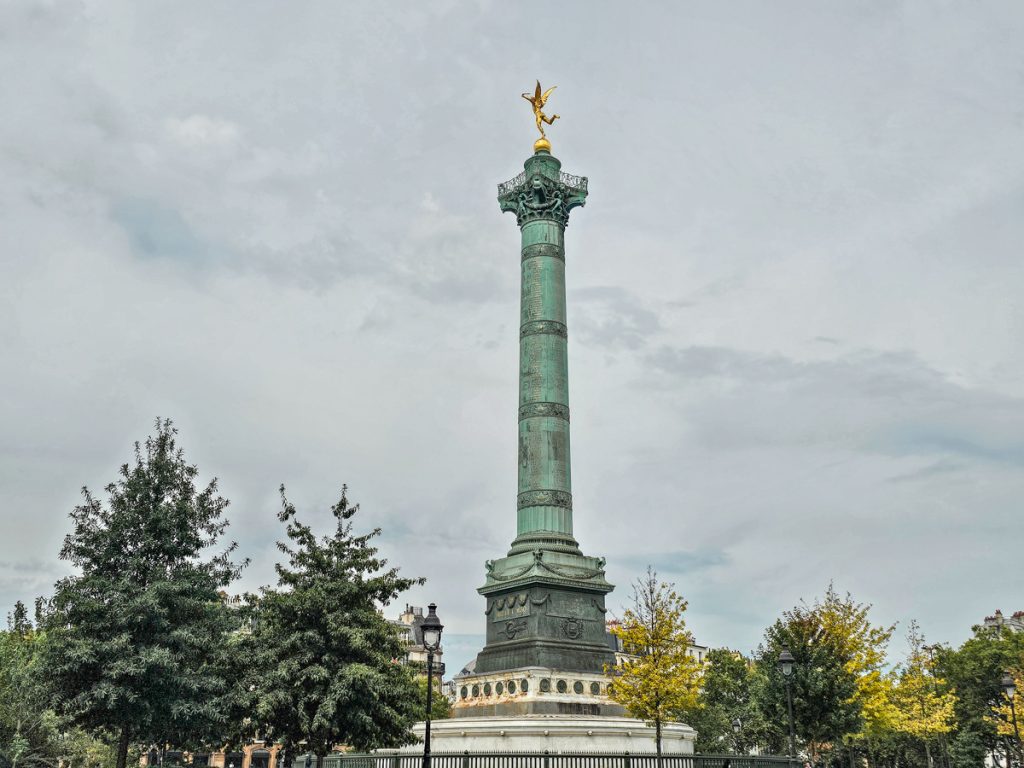
Place de la Bastille is a large, open square marking the border between the 4th and 11th arrondissements. It may look ordinary today, but this spot once changed the course of French history.
Before the Revolution, this was the location of the Bastille, a fortress used as a political prison. On July 14, 1789, revolutionaries stormed it, an act that became a powerful symbol of resistance and helped ignite the French Revolution. It was briefly used as a location for a guillotine during the Revolution’s Reign of Terror.
The prison was soon demolished, and later the July Column was erected in the center of the square to commemorate the 1830 Revolution. Today, the square isn’t really an attraction, but if you pass through, it’s worth pausing for a moment to think about the history that unfolded here.
Hidden Gems
Definitely off the beaten tourist path, this section highlights other charming places to discover.
12. Musée Cognacq-Jay

The Musée Cognacq-Jay is a small, charming museum tucked inside the Hôtel Donon, a 16th-century townhouse in the Marais. It houses the private collection of Ernest Cognacq and Marie-Louise Jay, the founders of La Samaritaine luxury department store.
This couple gathered 18th-century artworks and decorative pieces between 1885 and 1920, which they immediately displayed to the public in an exhibition gallery.


Spread across three floors, the museum feels like stepping back in time. Each room is beautifully furnished with wood-paneled walls, period furniture, busts, sculptures, and paintings that recreate the refined atmosphere of an 18th-century Parisian home.
It’s quiet, elegant, and almost has a cozy feeling — a true hidden gem in the heart of the Marais.
13. Rue Francois Miron

Rue François Miron is one of the oldest streets in Paris and home to some of the city’s oldest surviving houses. At numbers 11 and 13, you’ll find two beautiful half-timbered buildings dating back to the Middle Ages.
This style of architecture is common in regions like Normandy and Alsace, but is exceptionally rare in Paris, so it’s fun to see a little bit of medieval history still standing here.
14. Tour Saint Jacques
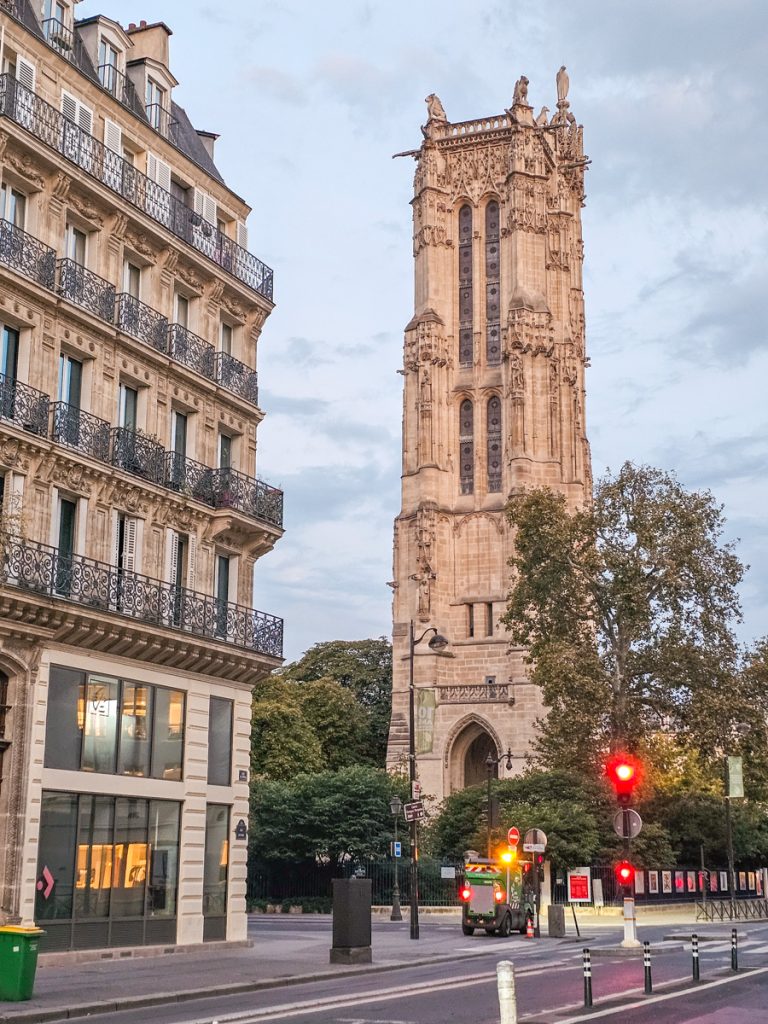
Tour Saint-Jacques is a tall, prominent Gothic tower near Hôtel de Ville, surrounded by a small garden. While it’s right in the middle of a bustling part of the Marais, most people just walk right past this fascinating hidden gem.
While anyone can relax in the garden, you can actually visit the tower on a guided tour, which runs from May to November, and must be booked in advance. The tour takes you through the tower’s history and includes a climb up 300 steps to the top, with stops inside along the way.

The rooftop views are incredible – you’re right in the middle of Paris, looking out toward Notre Dame, the Pantheon, Hotel de Ville, the Eiffel Tower, the Seine, and the rooftops of the city.


The flamboyant Gothic tower is all that remains of a church built here in the 1500s by the local butchers’ guild, who dedicated it to Saint James (Saint Jacques).
Standing 54 meters tall, it was once the second-highest structure in Paris after Notre Dame. The rest of the church was destroyed during the French Revolution, leaving only the bell tower behind.
15. Maison Victor Hugo
Located in one of the buildings surrounding Place des Vosges, the Maison Victor Hugo is a small but fascinating look at the life of one of France’s most celebrated writers.

Hugo lived in this apartment from 1832 to 1848 but was later forced to flee the country after denouncing the coup d’état that brought Napoleon III to power in the 1850s. He spent much of his exile on the British island of Guernsey.
You’ll tour through about eight rooms that make up his apartment, each richly decorated with a mix of Hugo’s original furniture from his Paris home and pieces brought from Guernsey. The rooms aren’t exact reconstructions but rather thoughtful recreations combining elements from his various residences.

You’ll also find artwork Hugo owned, along with later pieces inspired by his writing, including a beautiful painting of The Hunchback of Notre Dame, plus several portraits of Hugo and his family.
I loved learning more about his life (I’m a big Les Misérables fan, and he wrote part of it here!) and exploring such a beautifully preserved historic home. This is a great free museum in Paris.
16. Musée des Arts et Metiers

The Musée des Arts et Métiers is Paris’s museum of technological innovation, showcasing more than 2,400 fascinating inventions from the past several centuries.
The exhibits are divided into seven main collections: Scientific Instruments, Materials, Energy, Mechanics, Construction, Communication, and Transport.

Most displays feature models of the original designs – everything from early batteries and steam engines to hydraulic turbines, ship models, and even one of the first airplanes from the late 1800s.

One of the most remarkable parts of the museum is the Église de Saint-Martin-des-Champs, a former church now incorporated into the building.

In the choir hangs the Foucault Pendulum, a groundbreaking experiment designed by Léon Foucault to demonstrate Earth’s rotation with a freely swinging pendulum. The experiment was first conducted in Paris’s Panthéon, where a replica still swings today.


Surrounding the pendulum in the rest of the church are early automobiles, airplanes, a replica of the Statue of Liberty, and even a rocket engine. You can access these displays by climbing scaffolding high up inside the nave.
17. Passage de l’Ancre
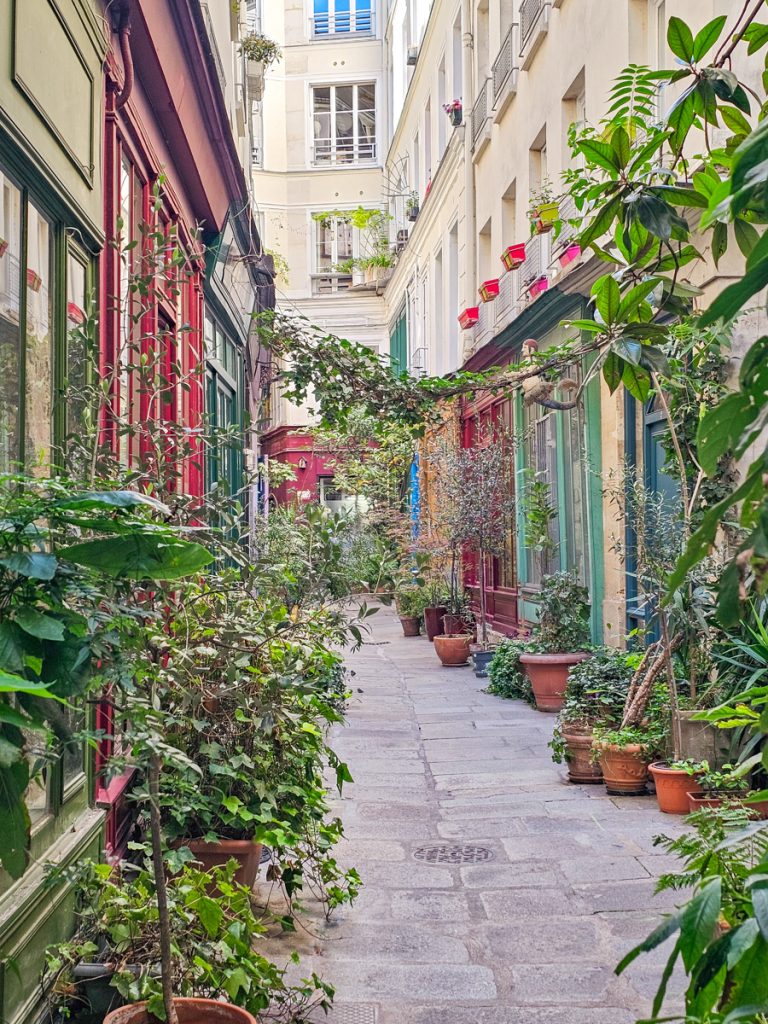
Paris has many covered passageways built in the early 1800s for elegant indoor shopping, but Passage de l’Ancre is actually the oldest of them all, dating back to the early 17th century when it was home to artisan workshops and small inns.
Today, it’s much shorter and no longer a shopping destination, but it feels like a peaceful little oasis in the middle of the city. Lined with greenery and cut off from the bustle outside, the narrow passageway has a calm, almost secret garden-like charm.
Residents take great pride in maintaining this historic corner of Paris and ask visitors to help preserve the quiet, tidy atmosphere they’ve worked so hard to protect.
18. Porte Saint-Martin
While Paris is famous for its three monumental arches – the Arc du Carrousel, Arc de Triomphe, and Grande Arche de la Défense – there are actually two smaller, often overlooked archways within the city.

In the Marais, you’ll find Porte Saint-Martin, commissioned by King Louis XIV in 1674 to celebrate his military victories. It was built on the site of a former city gate from Paris’s medieval fortifications.
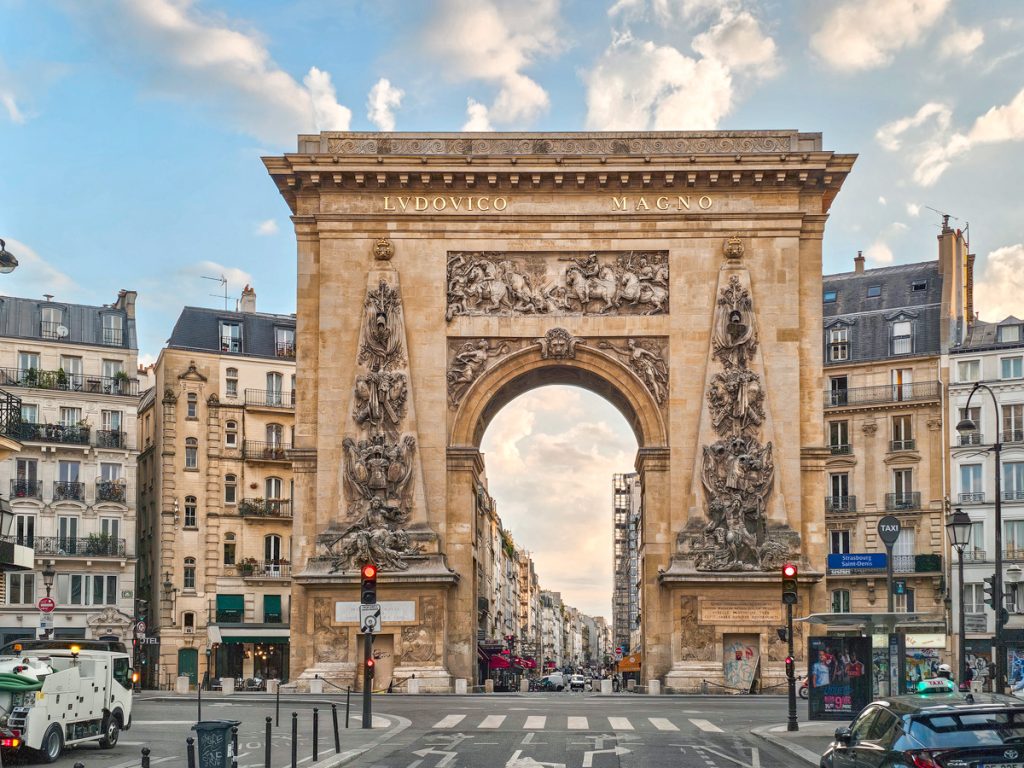
Just a couple of blocks east (technically in the 10th arrondissement, but close enough to include here), stands the larger Porte Saint-Denis, built about 20 years later, also in honor of Louis XIV’s military successes.
This is a great off the beaten path spot in Paris.
19. Marché aux Fleurs

This flower market founded by Napoleon in 1808 is on Ile de la Cité, just steps from Notre Dame. It’s set beneath elegant glass-and-iron pavilions that give it a light, airy feel while still being partly open to the outdoors.
The market is filled with vibrant and colorful stalls selling many varieties of flowers and plants, as well as garden-related items, including birdhouses, wind chimes, decorative pots, and other decor. The market specializes more in potted plants than cut flowers.
The bright displays and greenhouse-like roof make it a lovely spot to walk through, even if you’re not buying anything.
20. Cour et Jardin de Sully

The courtyard and garden of the Hôtel de Sully belong to a grand mansion built in 1634 for the Duke of Sully, and connects directly to Place des Vosges through a small passageway.
It’s a relatively simple but refined garden, surrounded by the elegant facade of the mansion, and filled with geometric lawns and trimmed hedges.

Today, the Center of National Monuments is headquartered in the Hotel de Sully, and the garden courtyard is open and free for visitors to stroll through.
21. Saint Denis du Saint Sacrament

Built in 1835, this church is a great example of the Neoclassical style that was very popular in Paris in the early 1800s. The ceiling is my favorite part– this is known as a “coffered ceiling”, and is made up of recessed square panels covered in floral designs.

However, possibly the biggest draw of the church is the Pietà painting by Eugène Delacroix, completed in 1844.

It’s a quiet spot, but it’s worth stopping by for the architecture, the beautiful ceiling, and the chance to see a Delacroix masterpiece up close.
Places to Eat in the Marais
L’As du Falafel
No frills shop selling high-quality falafel, kebabs, and schwarma.
Au Petit Versailles du Marais

A gorgeous bakery selling typical French baked goods
Berthillon
An institution of the Ile Saint Louis known for its gelato.
Maison Georges Larnicol

Amazing kouign amann, a Brittany specialty. Hard to find outside that region. They make kouignettes (small versions) in a dozen flavors so you can try several. I loved the salted caramel. This is one of the best French pastries, and it’s definitely worth stopping by.
Carette

Charming cafe known for its luxurious hot chocolate served with an enormous mound of whipped cream. There is another location near the Eiffel Tower, but the Marais location on Place des Vosges sees fewer crowds.
Bistrot des Tournelles
Cozy bistro serving traditional French classics.
Chez Alain Miam Miam

A sandwich shop specializing in made-to-order paninis. It’s a popular spot, for good reason — the paninis are perfectly savory with a satisfying blend of flavors.
Where to Stay in the Marais
Think the Marais might be a good base for your Paris vacation? Here are 3 excellent hotels in the neighborhood:
Le Pavillon de la Reine – A romantic luxury hotel tucked behind Place des Vosges, with a courtyard garden and spa
Hotel Suzie Blue – A boutique hotel with modern-retro design and an attached coffee shop
Goralska Résidences – A boutique aparthotel near Bastille with spacious suites and views of the Seine
Map of Marais Attractions
Map key:
- Red Stars: Top Sites
- Yellow Stars: Worth a Visit
- Purple Stars: Hidden Gems
- Black Silverware: Fun Desserts
- Black Beds: Recommended Hotels
Want to Explore More Paris Neighborhoods?
Check out my other detailed Paris neighborhood guides:
- 1st Arrondissement: Your Ultimate Guide to Paris’ Central Neighborhood
- 2nd Arrondissement: Your Complete Guide
- Paris’s 5th Arrondissement: A Complete Guide to the Latin Quarter
- Saint Germain: Coming Soon
- 7th Arrondissement: Coming Soon
- 8th Arrondissement: Coming Soon
- 9th Arrondissement: Coming Soon
- Your Ultimate Guide to Montmartre: A Self-Guided Walking Tour
