
Paris Without the Crowds: 10 Alternatives to Popular Attractions That Are Worth Your Time

If you have even a casual interest in Paris, you probably know that its landmarks are famous for a reason. For instance, you can’t see the Eiffel Tower and not think of the City of Light! The same goes for the Louvre, Notre Dame, and Versailles, which are all incredible and worth seeing at least once.
But if you’ve already checked a few off your list, or you’re trying to minimize the time you’ll spend in line, there are plenty of less-crowded alternatives. These alternatives to Paris’ top attractions offer a similar experience, but with a calmer, more local feel.
Below, I’m sharing some of my favorite “instead of” swaps in Paris and why they’re worth adding to your itinerary.
1. Instead of Notre Dame, Visit Saint-Sulpice
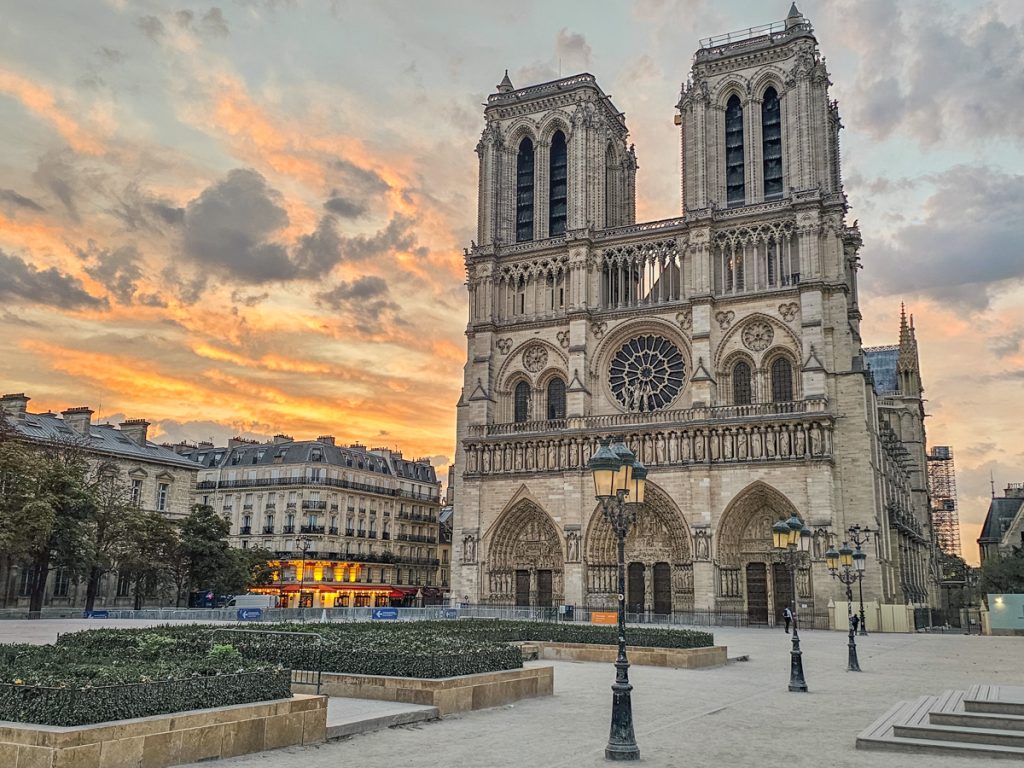
Notre Dame is among the most famous cathedrals in the world, a stunning example of French Gothic architecture that dates back to the 12th century. Since it reopened after the 2019 fire, it’s back to being a must-see Parisian attraction.
While you should still stop by and admire it from the outside, if you’re worried about lines and crowds on the interior, I’d head to Saint-Sulpice in the 6th arrondissement. You’ll get that same sense of grandeur with far fewer people.
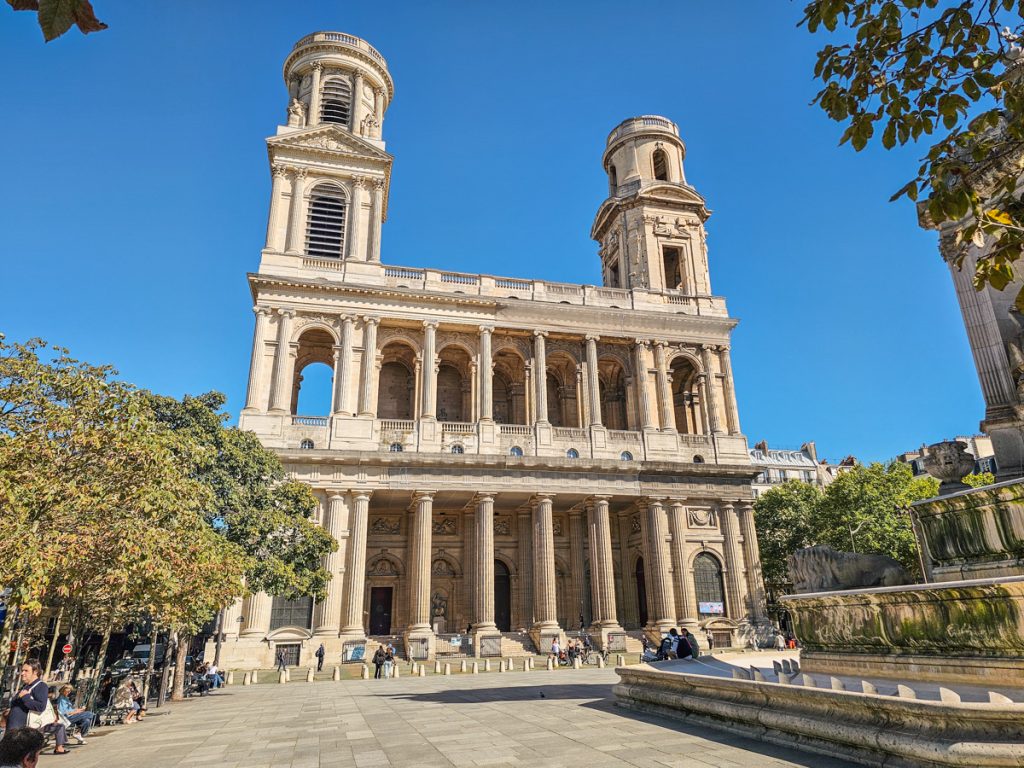
Saint-Sulpice is an incredible and enormous 17th century neo-classical style church, with soaring Corinthian columns that distinguish it from others in Paris. Don’t skip the Chapelle de la Vierge at the back of the church, complete with a breathtaking gold-frescoed ceiling.

The most unique feature is the historic gnomon, an 18th century astronomical device built into the floor and an obelisk that was used to track the sun and determine time. The gnomon integrated both science and religion in its design and use.

2. Instead of the Louvre, Visit the Petit Palais

The Louvre is an incredible place to visit, with masterpieces from all over the world, including the famous Mona Lisa painting by Leonardo da Vinci. With all that fame also comes serious crowds, security lines, and long walks through packed galleries.
For a nearby option that also happens to be free to visit, head across the river to the Petit Palais.

Built for the 1900 Universal Exhibition, this Beaux Arts style museum has enough pieces to be interesting without feeling overwhelming. You’ll find paintings by Monet, Cézanne, and Rembrandt, among others, as well as decorative arts and a beautiful sculpture gallery.

Between rooms, step into the peaceful courtyard garden for a coffee break and to admire the mosaic tiling on the floor.
3. Instead of Climbing the Eiffel Tower, Enjoy Views of the Eiffel Tower

The Eiffel Tower was designed by Gustave Eiffel for the 1889 World Fair and is one of the most recognizable landmarks in the world. As you might expect, there is a great view of Paris from the top.
The only downside is that when you’re on the tower, you miss that iconic silhouette in the skyline, not to mention battling crowds, timed tickets, and long lines.

Instead, enjoy views of the Eiffel Tower from the best vantage points in the city. Start at the Trocadero Platform, which is a busy–but classic–viewing spot. Then, head to Pont de Bir-Hakeim before wandering up to Avenue de Camoëns.
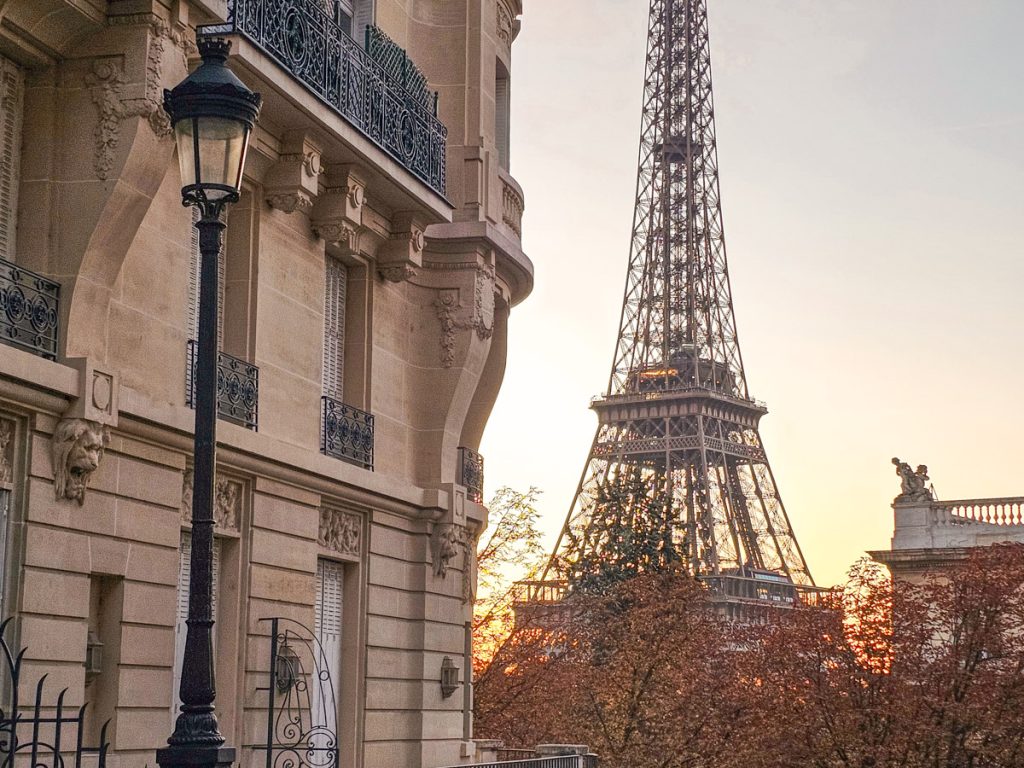
Continue, crossing the Port Debilly, until you reach the Champ de Mars, the park at the base of the Eiffel Tower. Finally, for a full skyline panorama, ride up to the observation deck of Tour Montparnasse and watch the Eiffel Tower sparkling after dark.
4. Instead of the Musée d’Orsay, Visit the Musée Marmottan Monet

The Musée d’Orsay is beloved by locals and visitors alike for its Impressionist collection and unique setting in a former train station. While it’s undoubtedly worth the hype, it also welcomes millions of visitors a year and can be very busy. For a quieter experience with plenty of Impressionism, head to the Musée Marmottan Monet in the 16th arrondissement.

The Musée Marmottan Monet is home to the world’s largest collection of Claude Monet’s works, including the 1874 Impression, Soleil Levant, which is considered the accidental namesake of Impressionism.
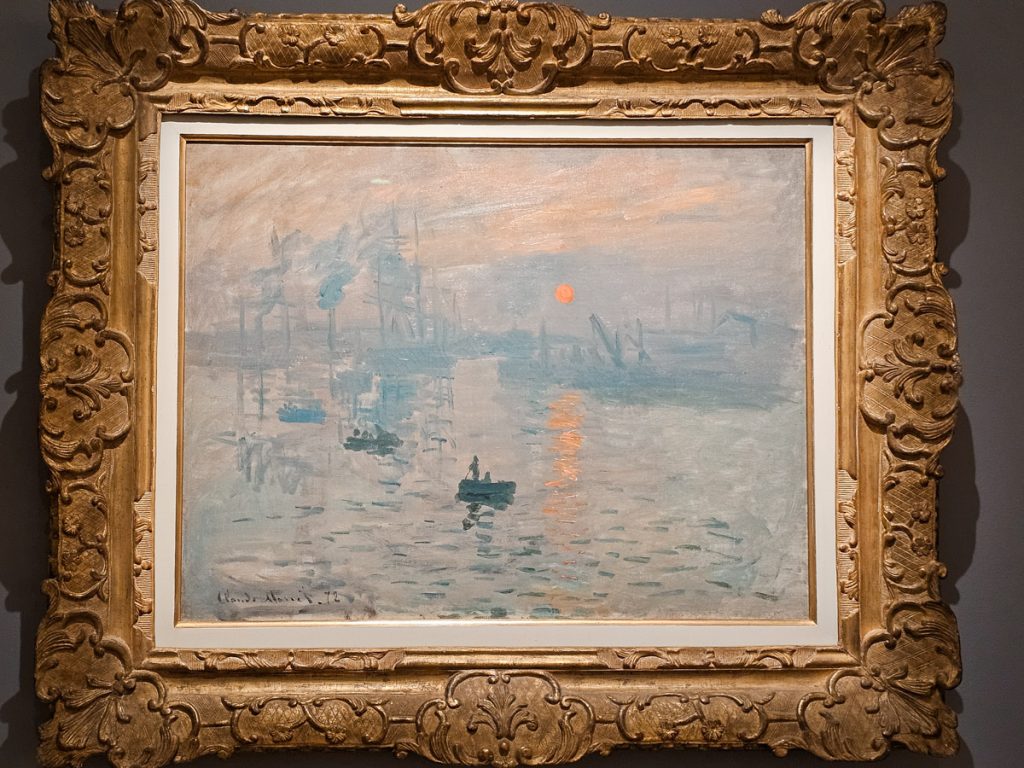
Here, you’ll also find pieces by Berthe Morisot, Pierre-Auguste Renoir, and Auguste Rodin, among others, on display. Unlike the Musée d’Orsay, however, you’ll have space to linger and notice the smaller details in the paintings.
5. Instead of the Arc de Triomphe, Visit the Porte Saint-Denis and Tour Saint-Jacques

The Arc de Triomphe is one of Paris’ most recognizable monuments, set high atop the Champs-Élysées. You can visit the top for a view of the city, but this landmark is surrounded by traffic, and there are often long waits to climb to the top.

For a different architectural marvel, start with the Porte Saint-Denis, a 17th-century arch built on the site of a 14th-century gate. Today, it feels like a mini Arc de Triomphe standing proudly near the Grands Boulevards metro stop.
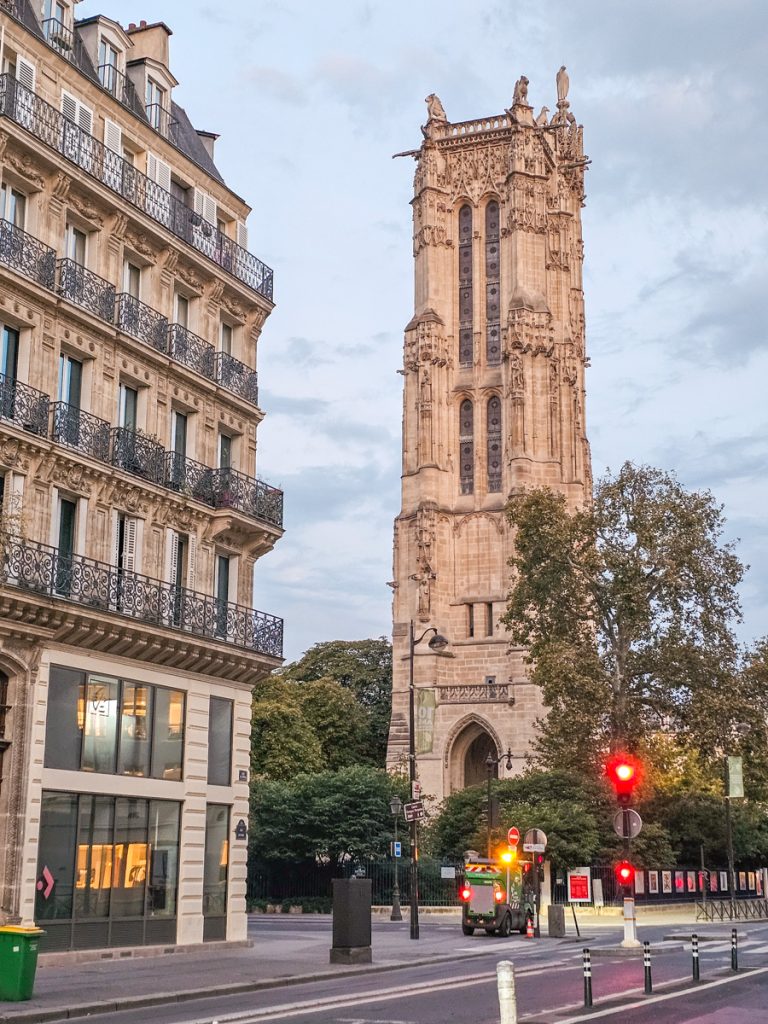
Then, for similar rooftop views, head to Tour Saint-Jacques, the lone remaining bell tower near Châtelet. You can climb its narrow staircase for some of the best panoramic views in Paris, with clear views of Notre Dame, the Seine, and the Eiffel Tower.

The best part? This spot feels much more like a hidden gem than a major attraction.
6. Instead of Versailles, Visit Fontainebleau
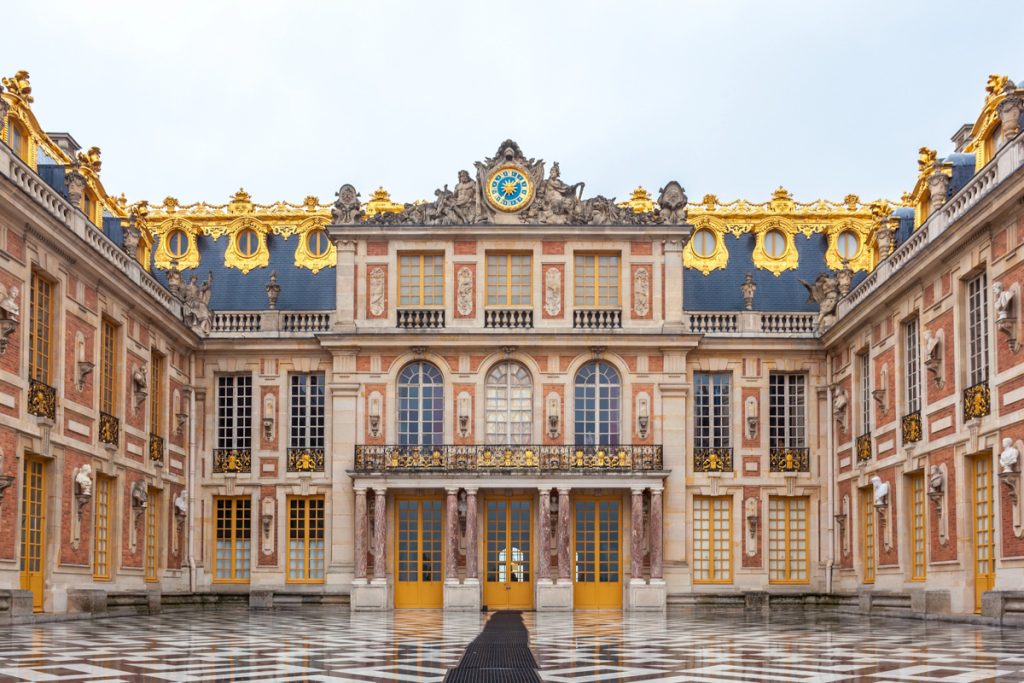
The Château de Versailles is renowned for its Hall of Mirrors, elegant and sprawling gardens, and impressive scale. It rightfully draws millions of visitors every year, but with that comes shoulder-to-shoulder crowds, timed entry tickets, and a brisk shuffle through the palace exhibits.
If you still want to admire the former home of French royalty, but with more space to breathe, head south to Fontainebleau instead.

The Château de Fontainebleau has over 800 years of royal history and elaborately decorated rooms, from Renaissance galleries to Napoleon’s apartments.

Many Parisians come here to escape the city for a day, combining a visit to the chateau with a walk in the surrounding Fontainebleau Forest. Like Versailles, Fontainebleau Palace is beautiful, but noticeably calmer so you can actually slow down and admire the details.
7. Instead of the Jardin des Tuileries, Visit the Palais Royal Gardens

The Jardin des Tuileries is one of Paris’ most famous green spaces, stretching from the Louvre and Place de la Concorde along the Seine in the 1st arrondissement. Once the French royal family’s private garden, it’s now a central and sprawling park that’s almost always busy.
For a more intimate spot just a few minutes away, duck into the Palais Royal Gardens.

This enclosed courtyard feels like a secret garden, with perfectly manicured trees and hedges, a distinctive fountain, and plenty of benches where locals read or eat lunch while stealing away from the busy city streets.

In the courtyard, kids hop on and off the black-and-white Buren columns, one of the city’s most playful and photo-friendly art installations. Palais Royal is one of my favorite parks and gardens to explore in Paris.
8. Instead of Pompidou, Visit Palais de Tokyo

The Centre Pompidou is famous for its distinctive inside-out architecture and major modern art collection, but that also makes it one of the most popular museums in the city. Unfortunately, it’s closed until 2030 for renovations.
Don’t worry, you can still find contemporary art by heading to the Palais de Tokyo in the 16th arrondissement. This dynamic contemporary art center is one of the largest of its kind in Europe, and hosts rotating exhibitions that often feature edgy, provocative installations.
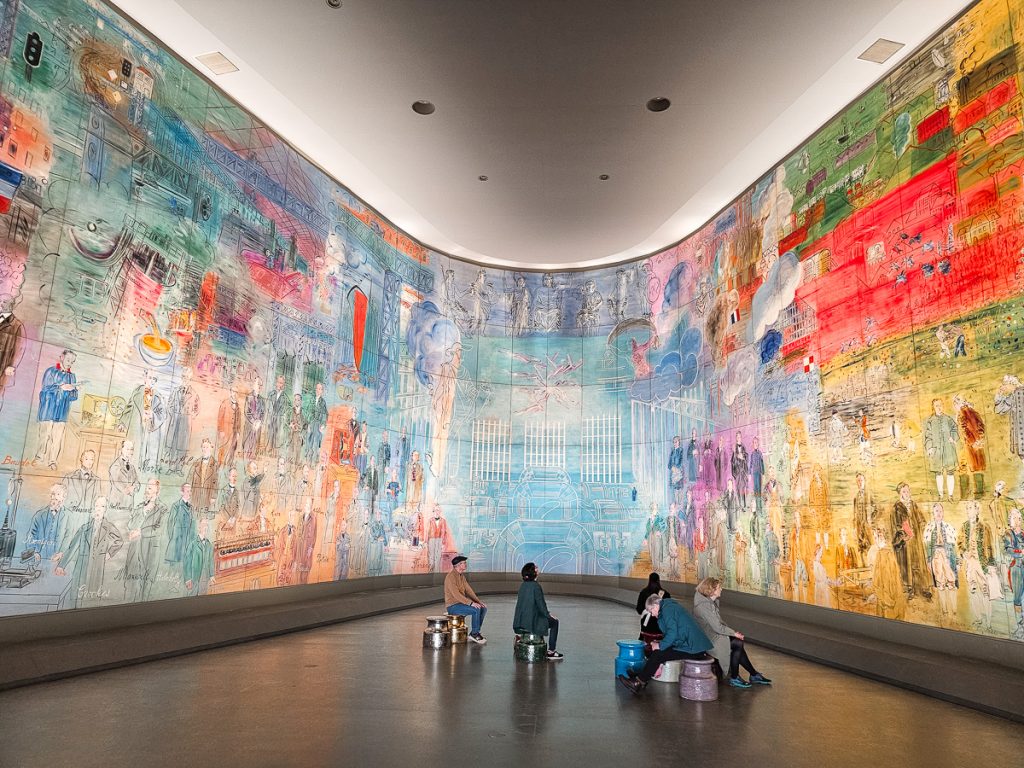
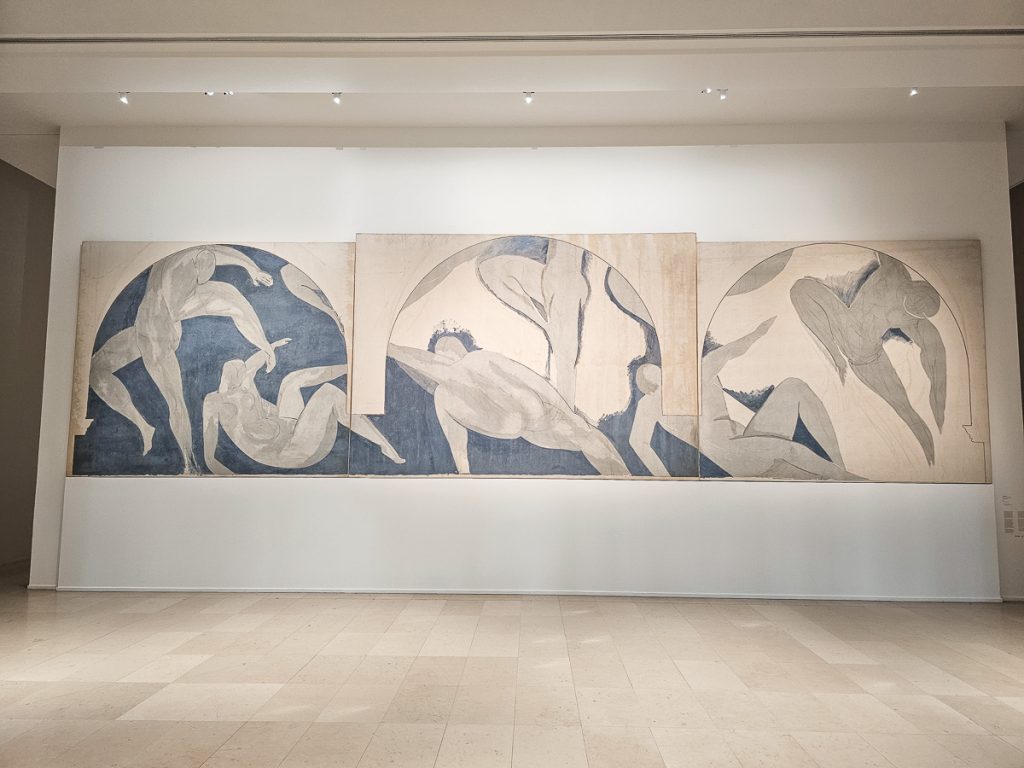
It sits right next to the Musée d’Art Moderne, which is one of the top free museums in Paris, which also has an incredible collection of modern art, including masterpieces like The Fairy Electricity , or versions of Matisse’s La Danse.
9. Instead of Montmartre, Explore the Marais

Montmartre is famous for its narrow cobblestone streets, towering Sacré-Cœur basilica, and almost village-like ambience despite being in Paris proper. Because it is so popular, the streets around Sacré-Cœur are among the most touristy areas of Paris with heavy crowds during peak season.
Instead of braving the Montmartre crowds, check out the old world aesthetics and modern vibes of Le Marais.

Located in the 3rd and 4th arrondissements, this neighborhood is both the historically Jewish and the LGBTQ+ quarter.
Check out the striking Place des Vosges public square, peek into hidden courtyards, and snack your way through the oldest Paris market, the Marché des Enfants Rouges, which dates back to 1615.

Then, spend a few hours just wandering the streets, admiring the 17th-century mansions, shopping in the boutiques, and popping into art galleries as they catch your eye.
10. Instead of Marché Bastille, Visit the Marché d’Aligre
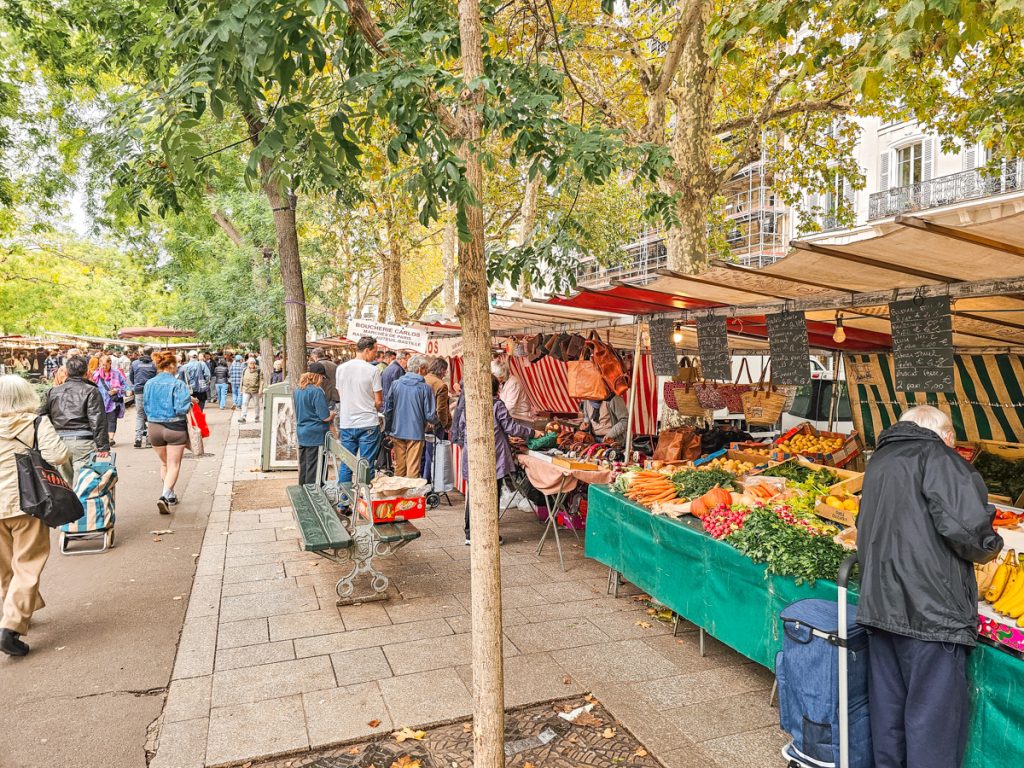
Paris is known for its open-air markets, typically featuring rows of vendors selling anything from fish to produce to antique furniture. Marché Bastille is one of Paris’ best-known open-air markets, stretching along Boulevard Richard-Lenoir. It’s fun and lively, but it can get very crowded and only operates on Thursdays and Sundays.
For something a bit more local and open most of the week (closed Mondays), head to Marché d’Aligre in the 12th arrondissement. This delightful market has a bit of everything: open air stalls, a covered market, and even a flea market.
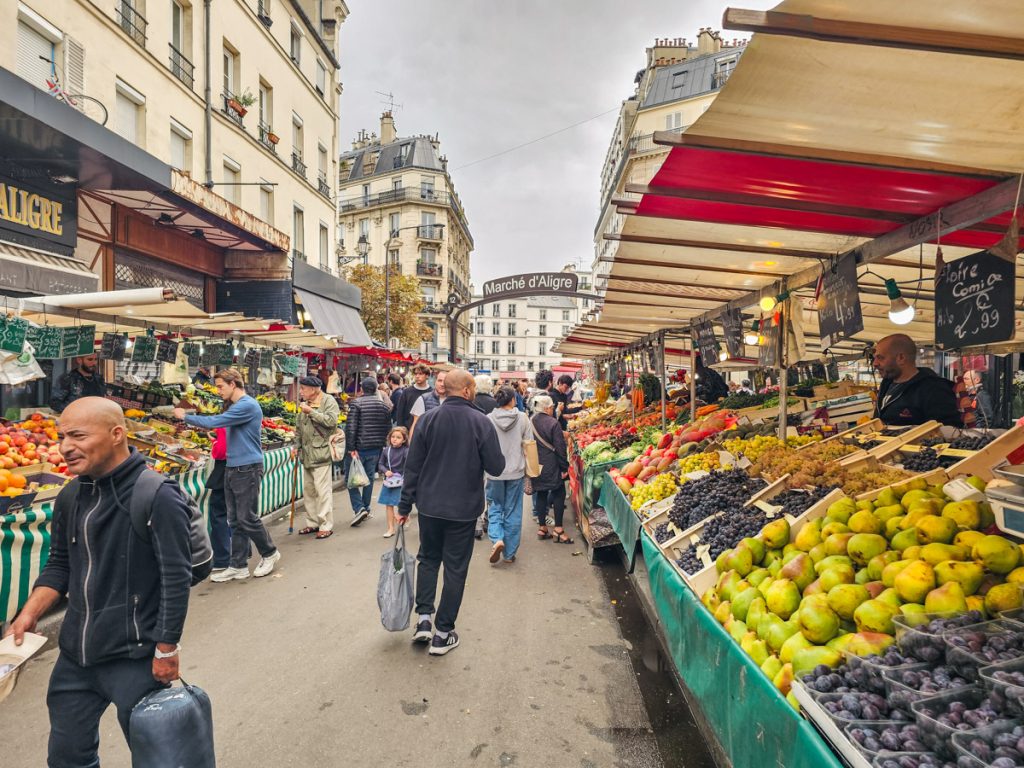
The adjoining Marché Beauvau is a covered market with its own set of vendors, including French specialties, an Irish coffee stall, and one of the city’s best fromageries, Fromagerie Hardouin. Look for their excellent aged comté and ask to have it vacuum-packed so you can bring it home as a souvenir or gift.
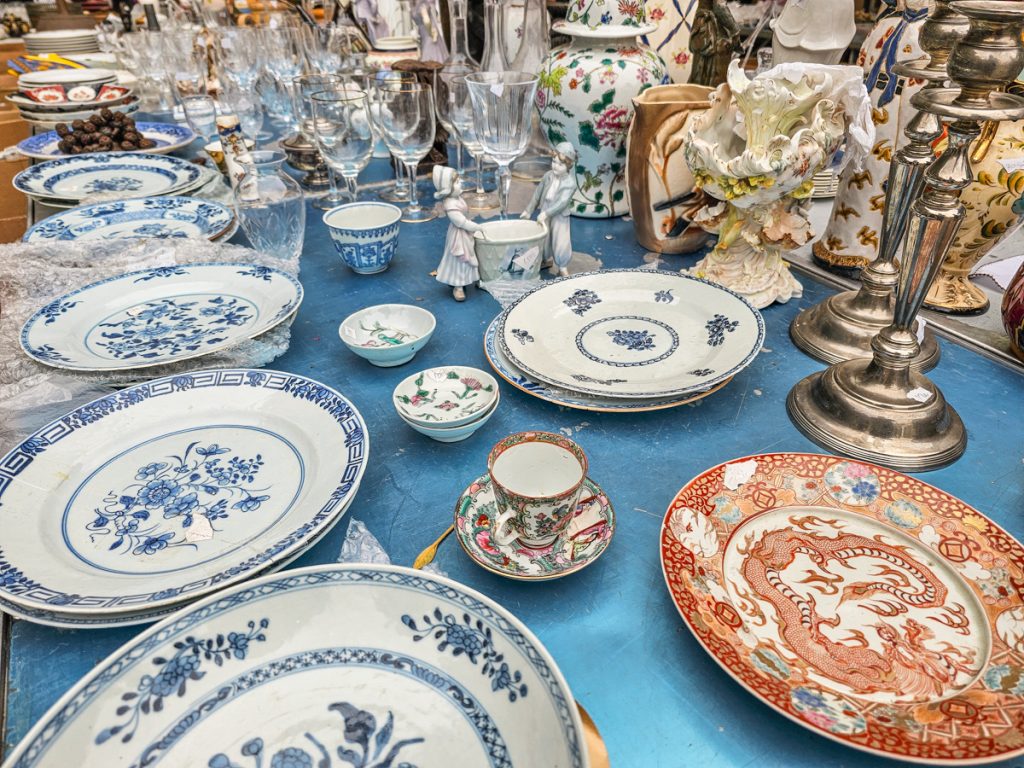
Marché d’Aligre is one of my favorite hidden gems in Paris, and it’s a great place to see everyday Paris in action.
The Wrap Up
Paris’ blockbuster attractions are absolutely worth seeing, but they’re only one part of what makes the city so special. Mixing in a few of these quieter alternatives lets you enjoy the big, bucket-list sights and discover more local gems away from the heavy crowds.
