
8 Unusual Paris Museums Unlike Anything You’ve Seen Before

Paris museums run the full spectrum. At one end, you have beloved museums covering typical themes of art and history (looking at you, Louvre, Orsay, Cluny, Orangerie…).
At the other end, you have spots like the ones on this list: offbeat, unusual, unexpected, niche, or surprising in very different ways. But just because they’re unusual doesn’t mean they’re not incredibly beautiful and interesting in their own right.
If you’re looking for something a little different than the standard museum experience, these are 8 spots I’ve personally visited and really enjoyed.
1. Musée des Arts Forains
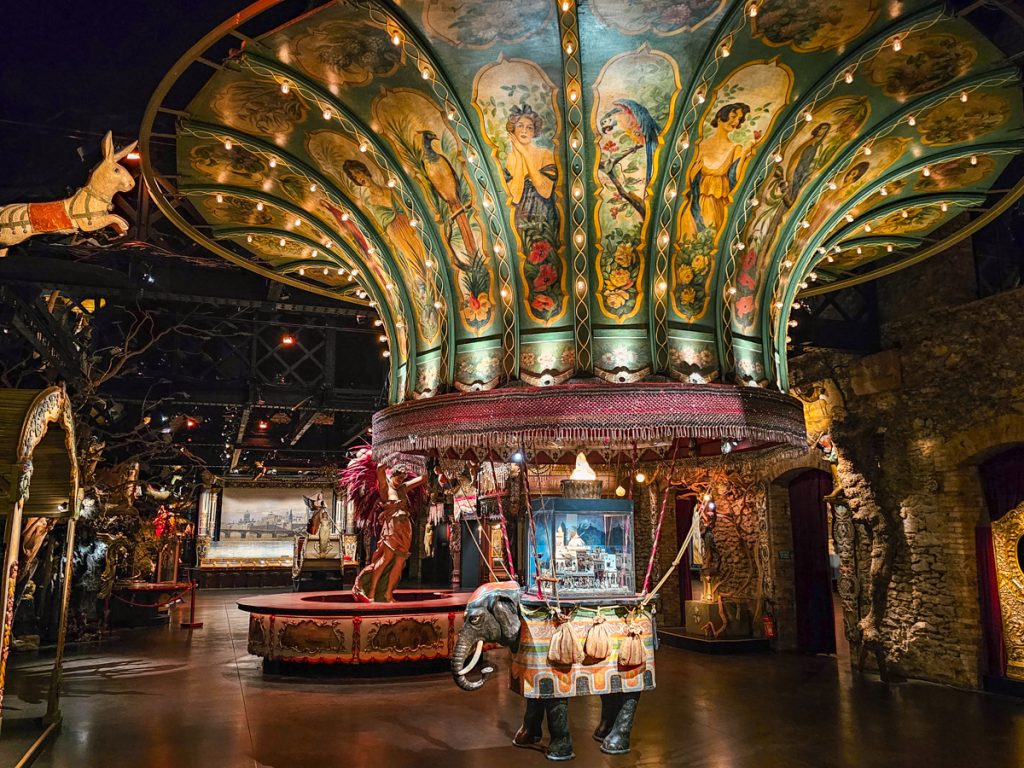
The Musée des Arts Forains is easily one of the most fun and surprising things you can do in Paris.
The collection focuses on Belle Époque fairground art from the 1880s through 1930s, with antique organs, carved wooden horses, carousel animals, and fairground games filling the old warehouse spaces.
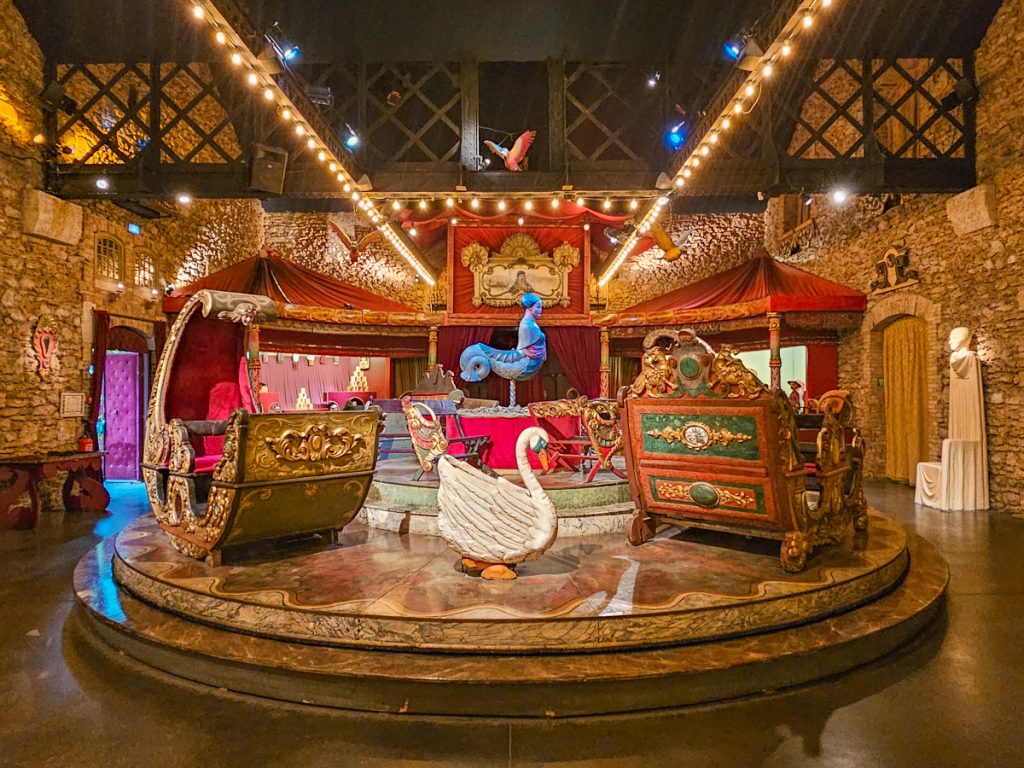
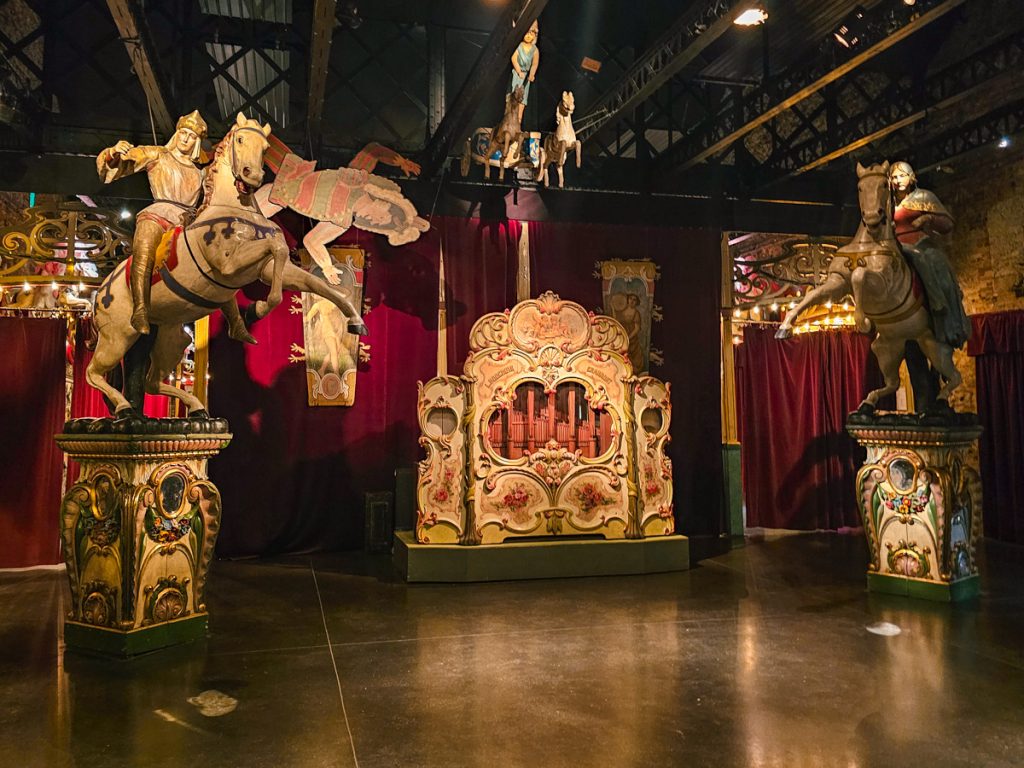
Visits are by guided tour, and the tour is a big part of what makes this place work. The guides are fun and engaging and get everyone involved, turning the whole thing into something closer to an interactive show than a museum visit. There’s a lot of group participation and laughter along the way, and you’re explicitly told you’re allowed to touch and play with everything.
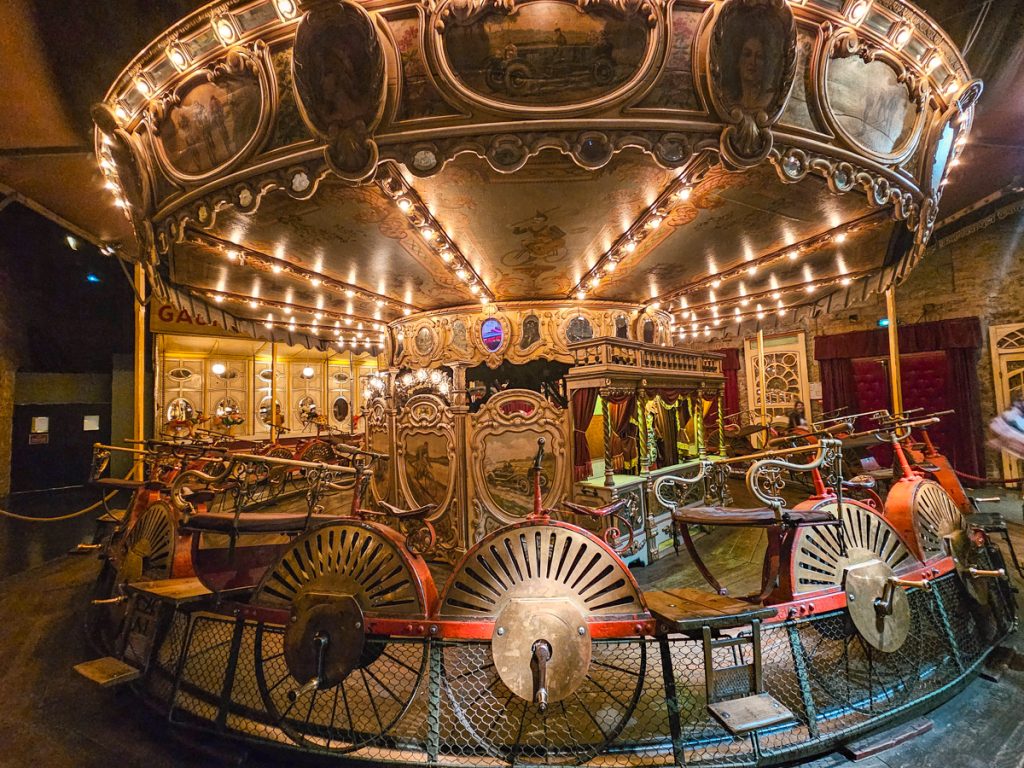
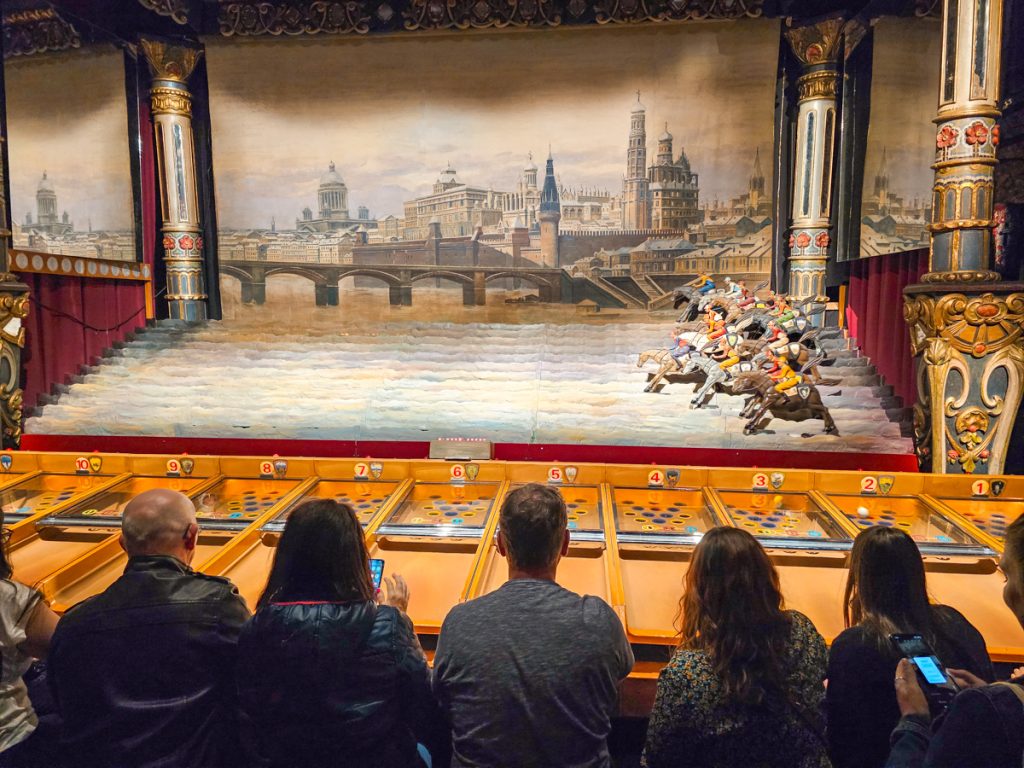
Highlights include riding a bicycle-powered carousel from 1897 that can reach 40 miles per hour, a working horse race game where everyone cheers on their horse, and a Venetian ballroom with a 1932 organ where the guide gets everyone up and waltzing.
Tours are mostly in French, with some English options in summer. English translation sheets are available if you end up on a French tour. You should book your ticket online in advance.
2. 59 Rivoli
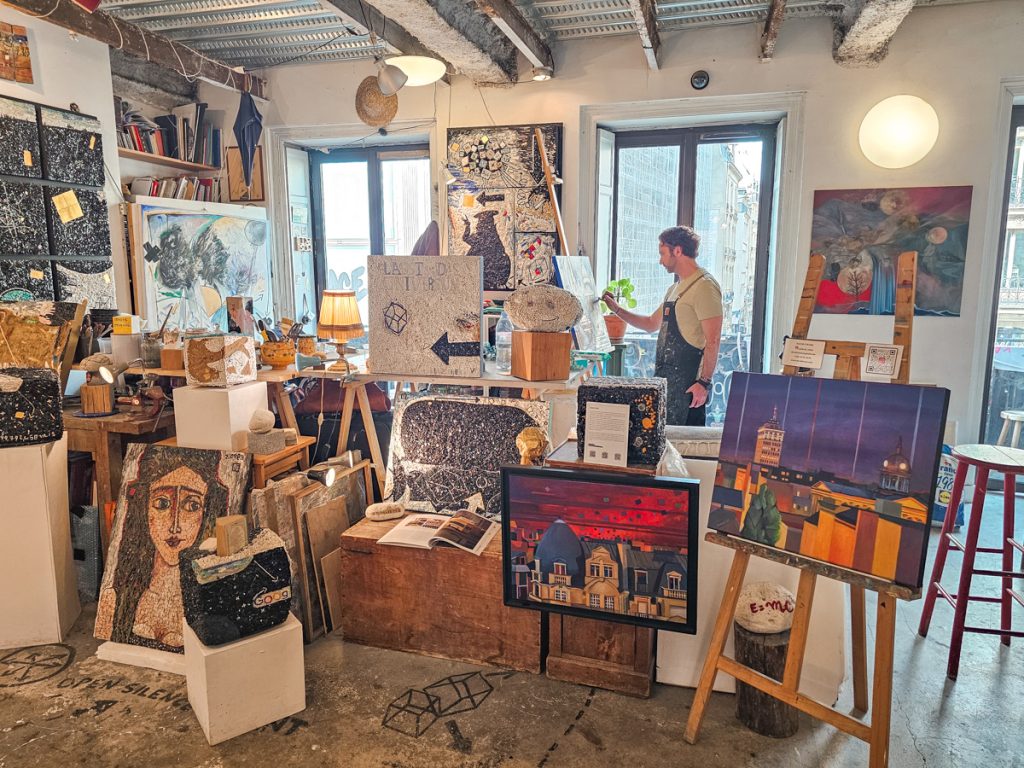
59 Rivoli started as an artist squat in 1999, when a group of artists took over an abandoned former bank building that had been empty for 15 years.
A few years later, the city tried to evict them, then discovered 40,000 people a year were visiting and it had quietly become the third most-visited contemporary art space in Paris. So they bought the building instead and made it official.
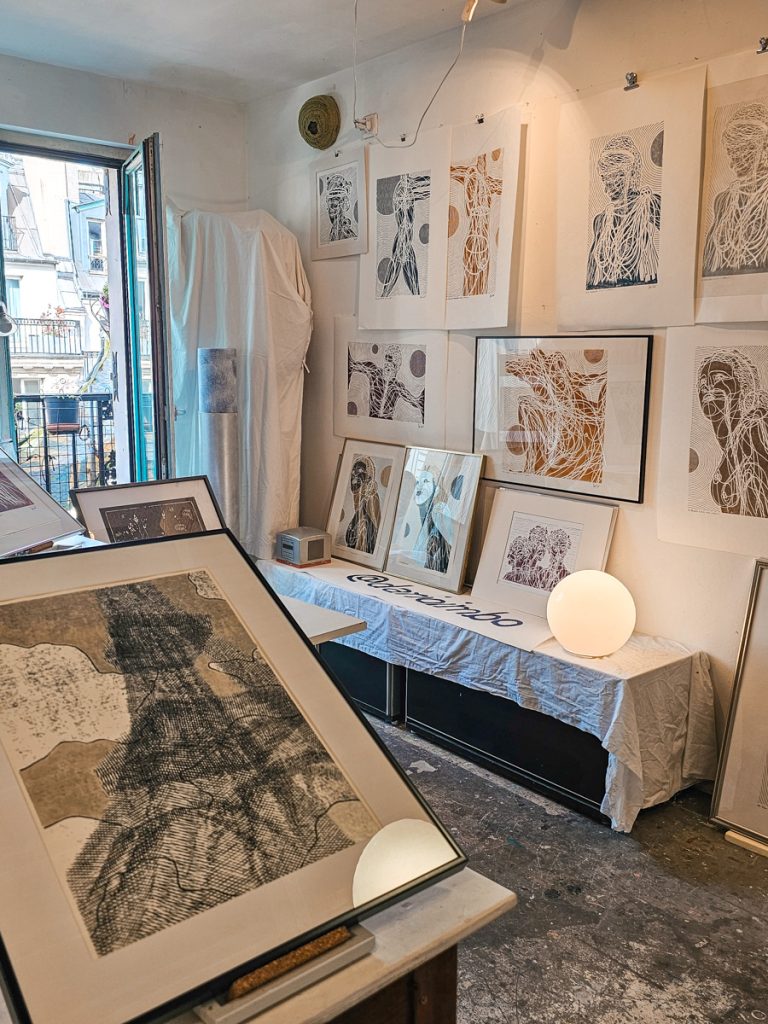
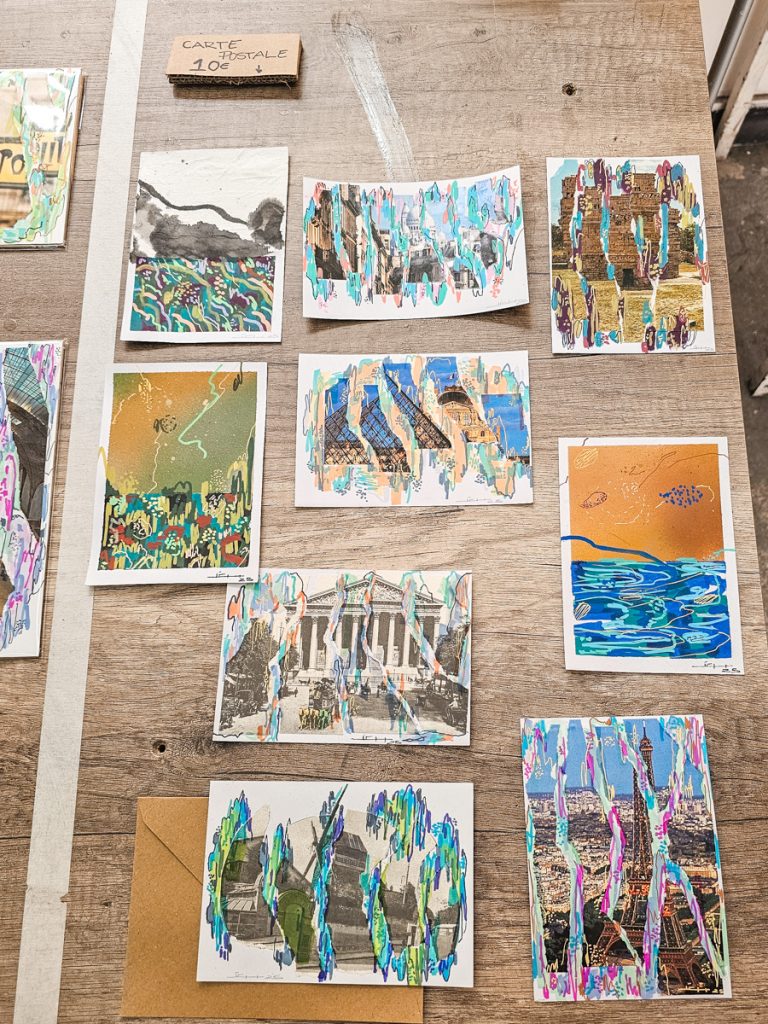
Today, it’s home to about 30 working artists across six floors, and the whole point is that you’re wandering through their actual studios while they’re in the middle of working.
Some are painting, some are sculpting, some are creating other types of arts and crafts. The art changes constantly because the artists are always making new work.
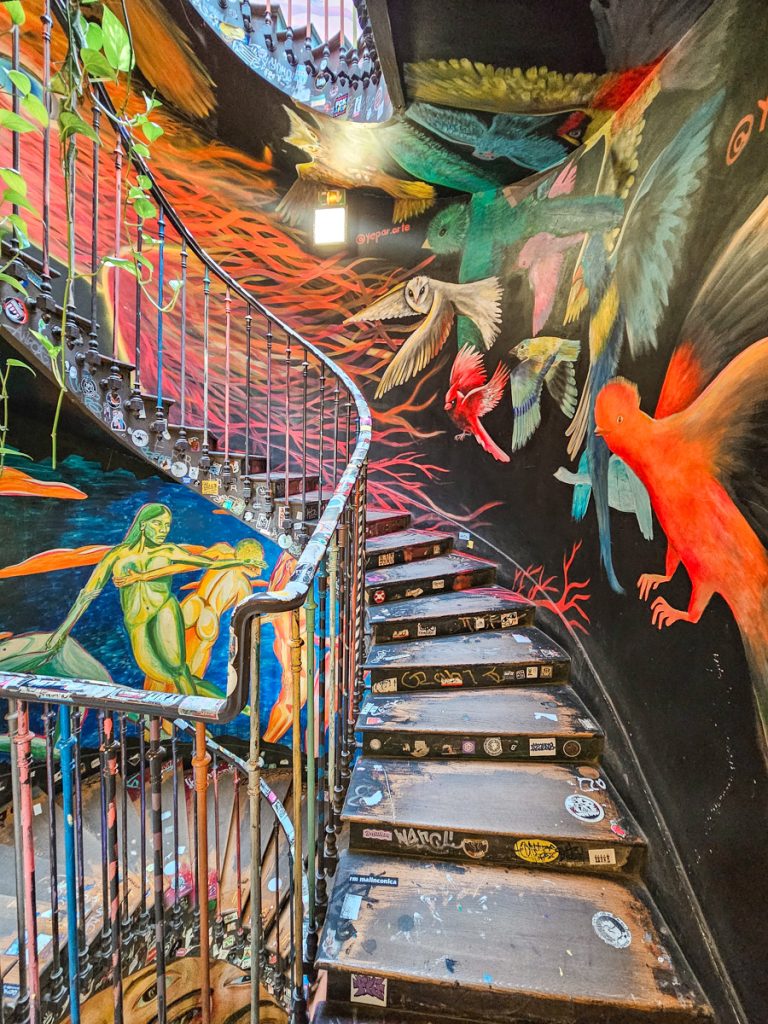
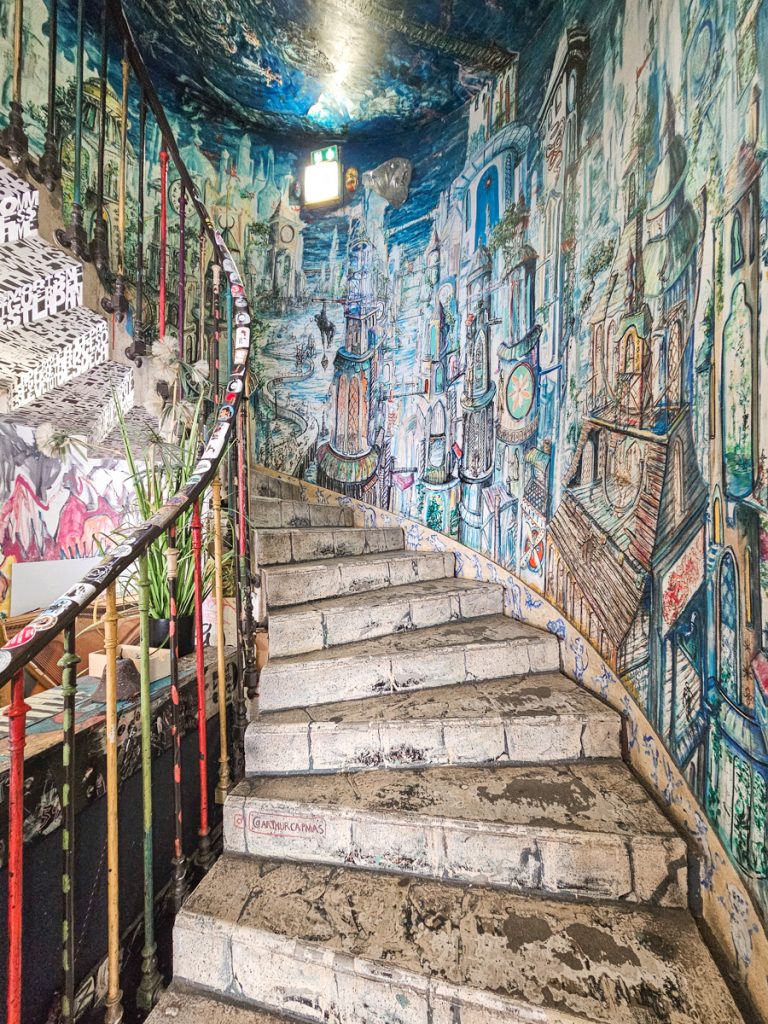
The spiral staircase running through the middle of the building is covered floor to ceiling in murals that shift styles as you climb, which just adds to the carefree and offbeat vibe of the space. Entry is free.
3. Musée des Égouts (Sewer Museum)
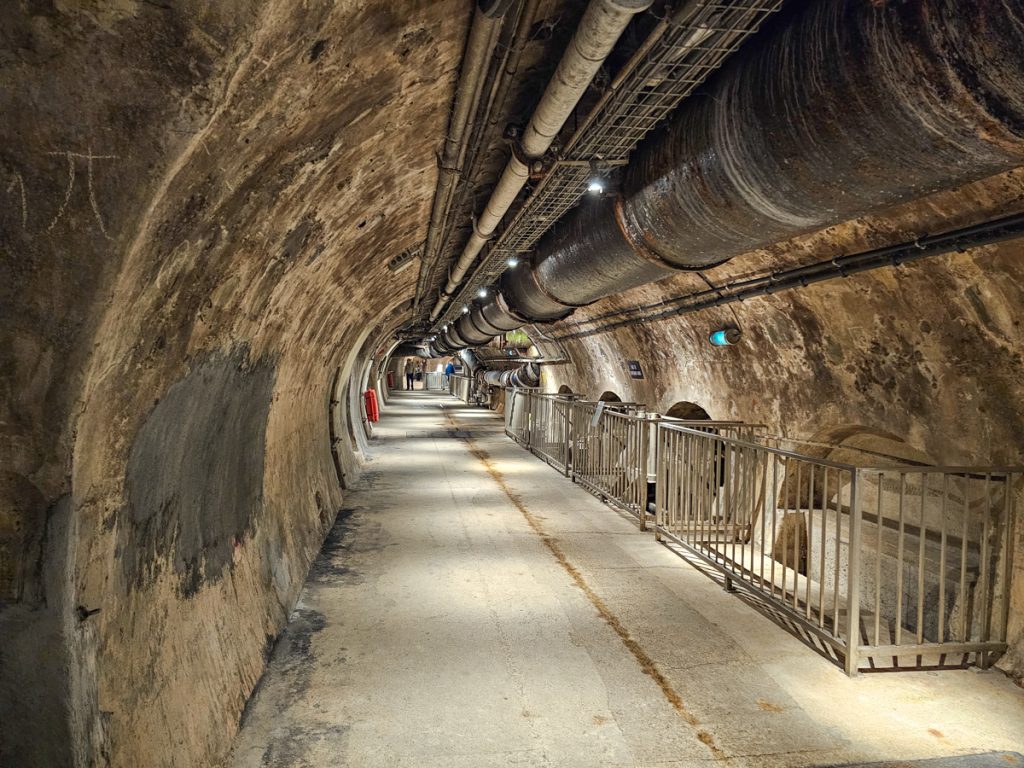
The Paris Sewer Museum does exactly what it sounds like: takes you underground into 500 meters of the city’s actual, operational sewer system. While you’ll learn a lot about the sewers, the whole thing feels less like a museum and more like a behind-the-scenes look at the city’s plumbing.
Plus, the history of sanitation in Paris is actually really fascinating. For hundreds of years, Paris was seriously filthy. The 1832 cholera epidemic killed 18,000 people, largely due to wastewater discharged into the streets and the Seine.
The sweeping reforms that followed, including Baron Haussmann’s famous overhaul of the city, extended underground as well as above it.
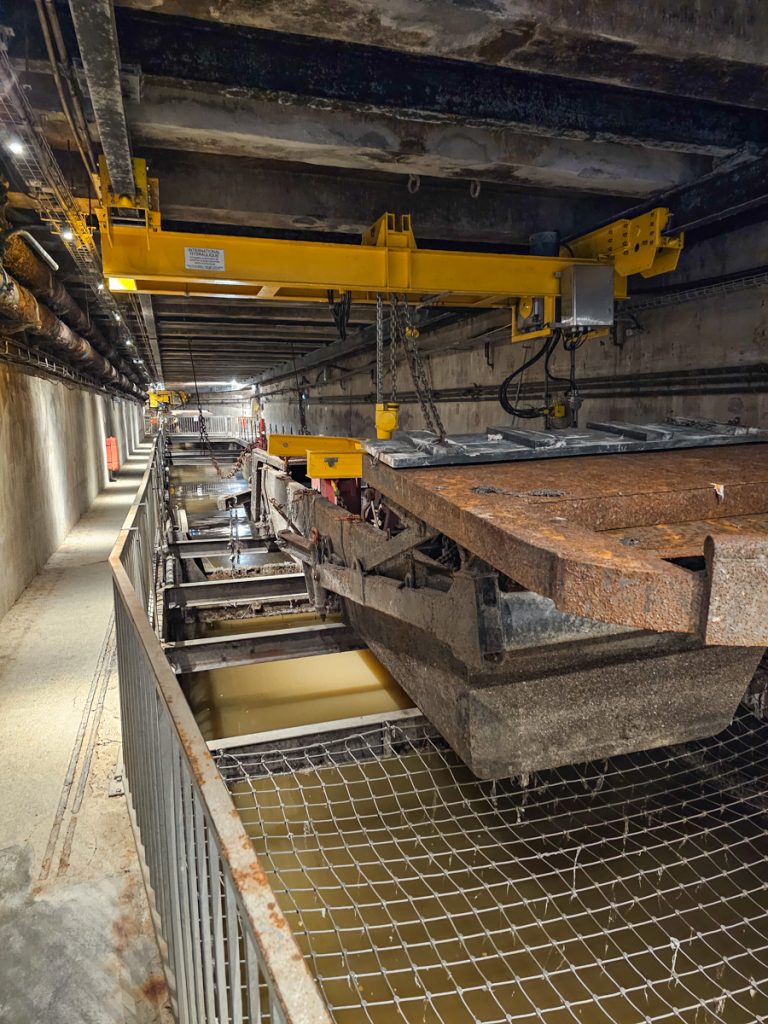
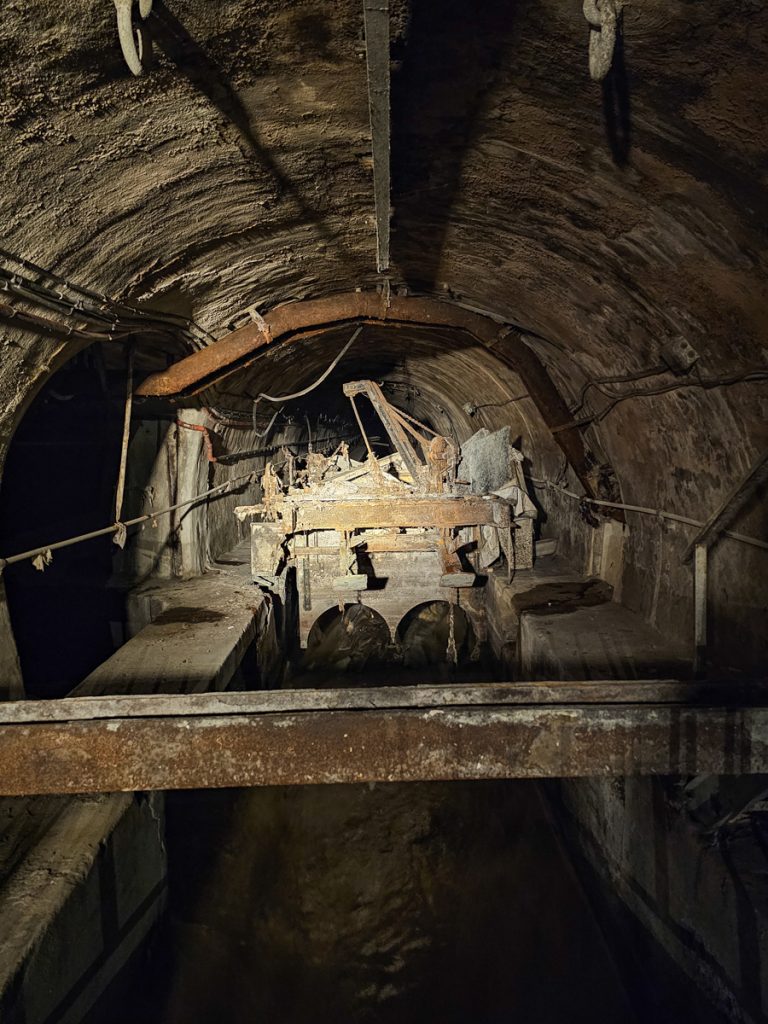
As you walk through, you see how the system actually functions, see exhibits about different aspects of the sewer and drainage systems, walk by old dredging boats and wagons, and look down shafts into active sewers.
And yes, the sewer smell is part of the experience too (it’s not terribly overpowering, and it almost makes the visit feel more authentic 😅😉)
4. Musée de la Chasse et de la Nature
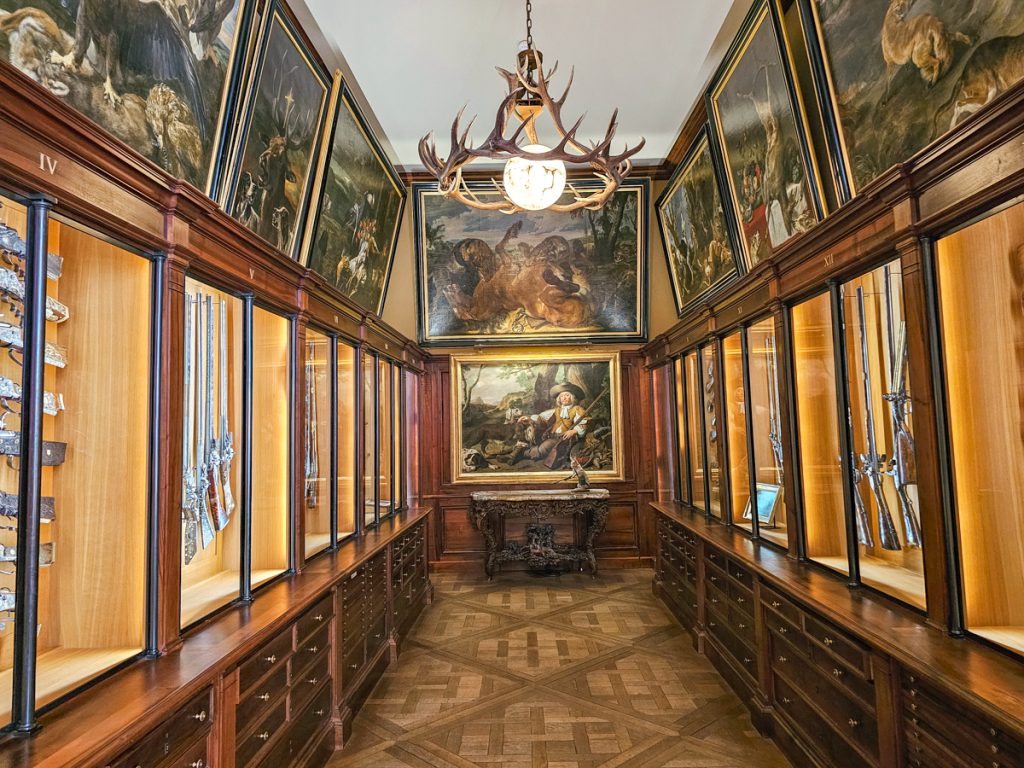
The Musée de la Chasse et de la Nature is one of the more niche museums in Paris, housed in a historic Marais mansion with sumptuously decorated rooms.
The subject is hunting (la chasse), which fits the neighborhood more than you might expect, as the Marais was historically the quarter of the nobility. The hunt was the defining sport and leisure activity of European aristocracy for centuries.
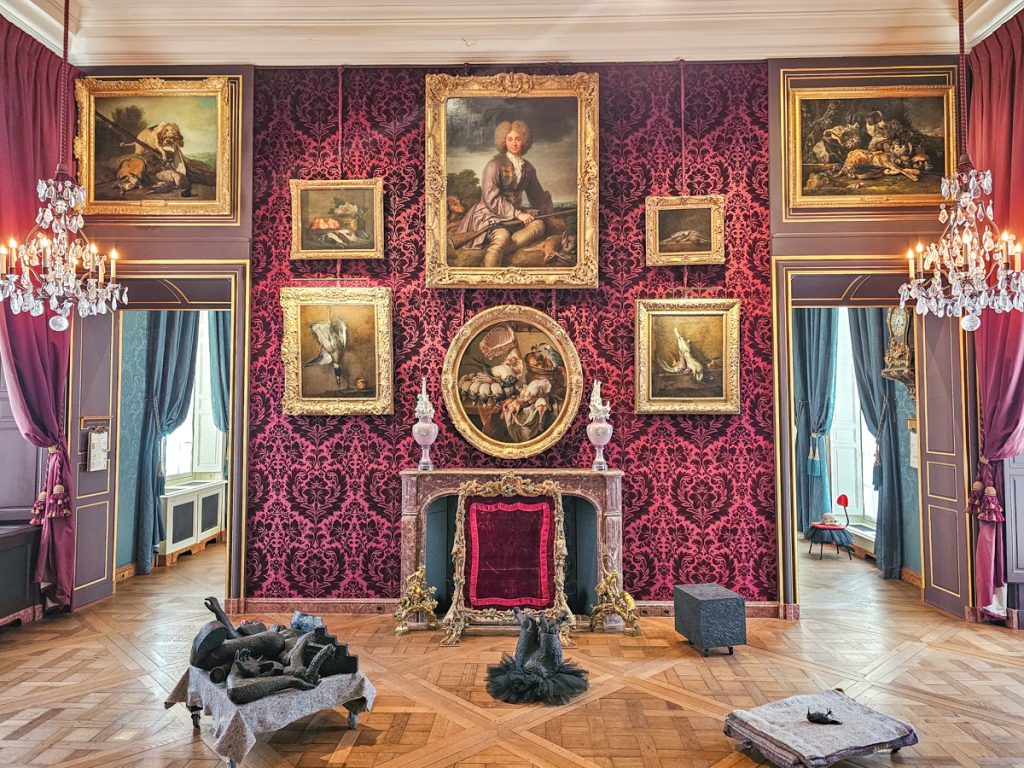
The rooms cover everything from arms and swords to paintings of hunting parties, hunting feasts, animal combat, and still lifes with dead game.
Then there are the truly impressive taxidermy rooms of large-scale, high-quality specimens, including a standing polar bear, cheetahs, a tiger, a baby elephant, wolves, and a huge variety of deer and elk.
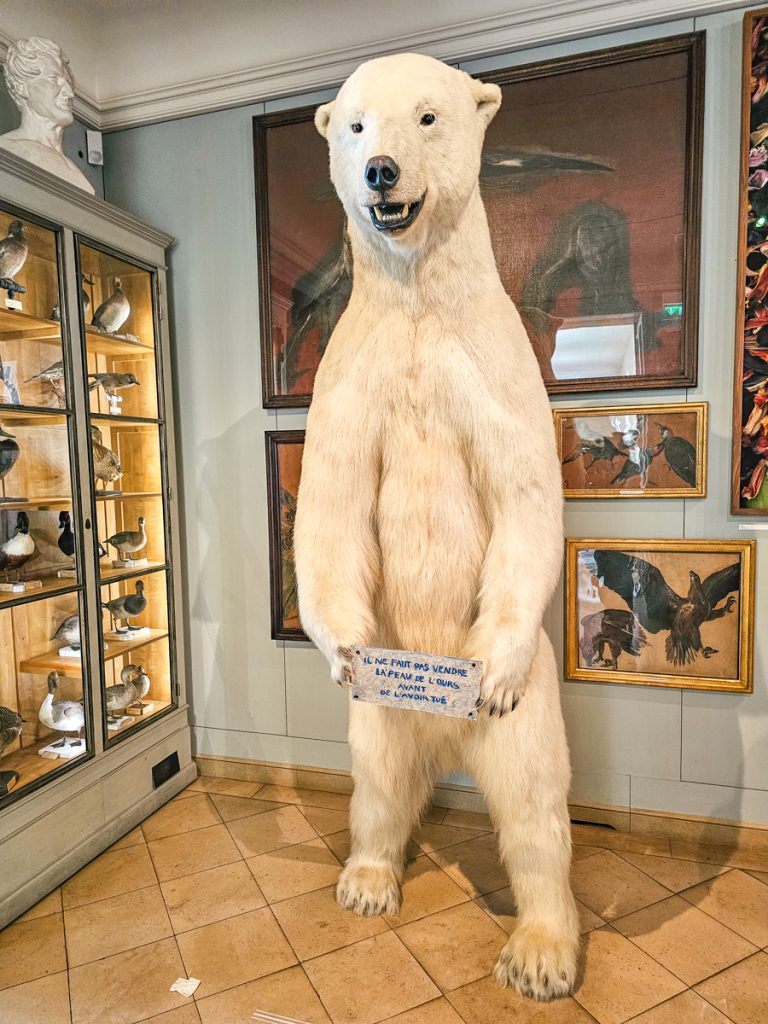
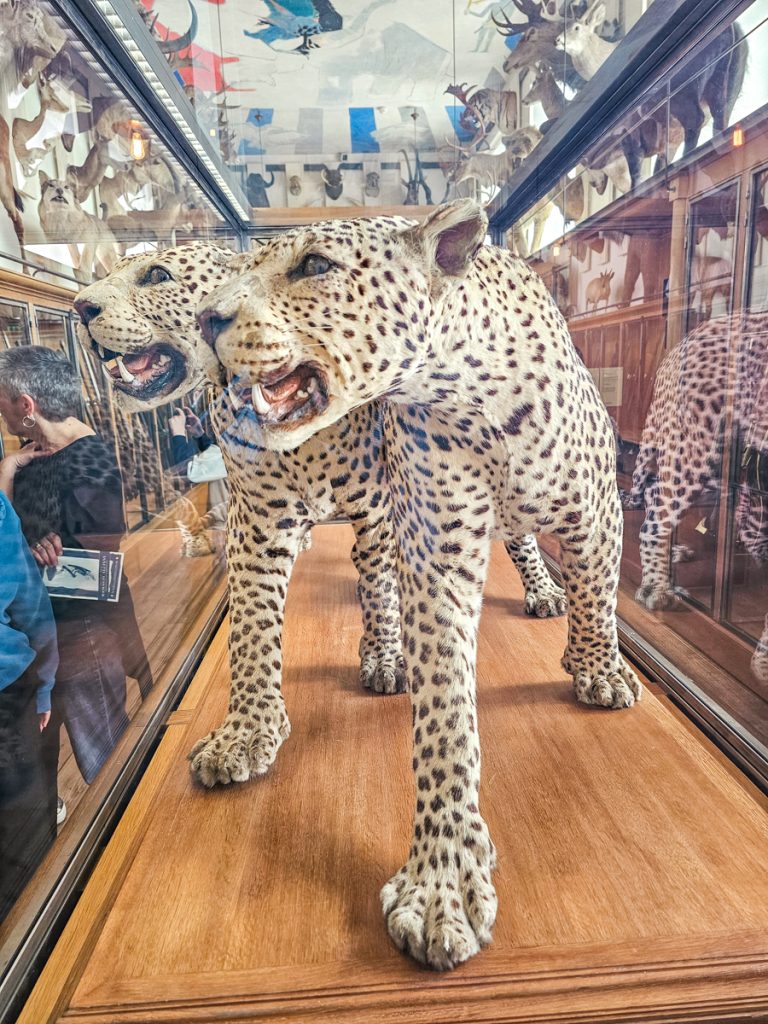
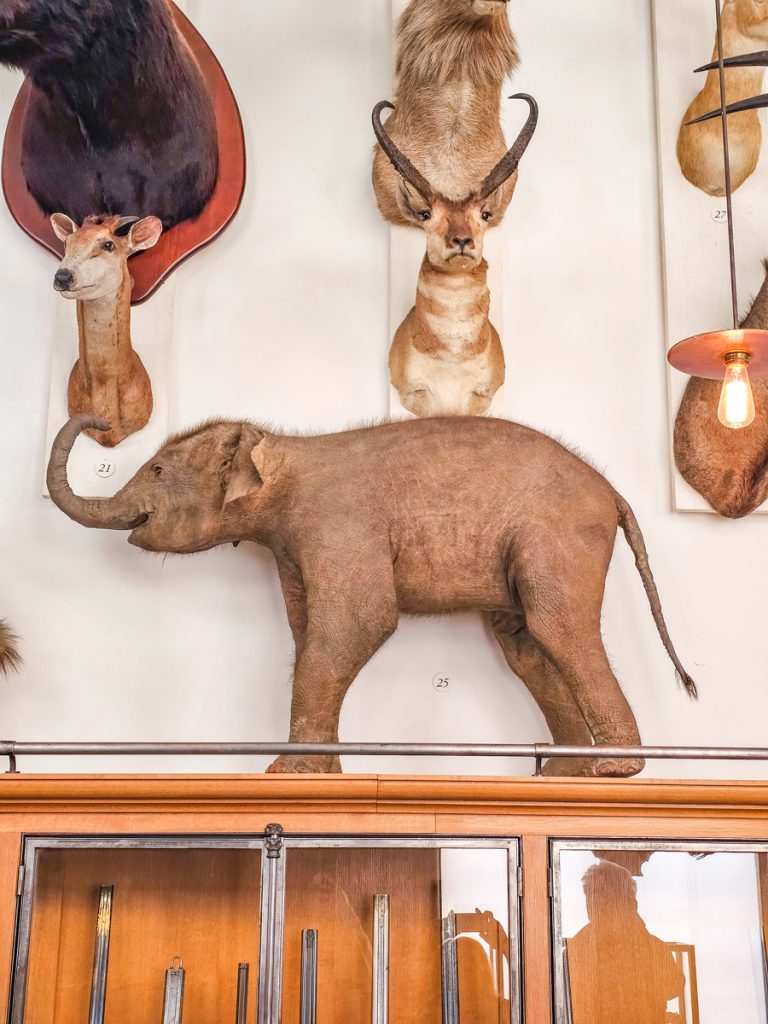
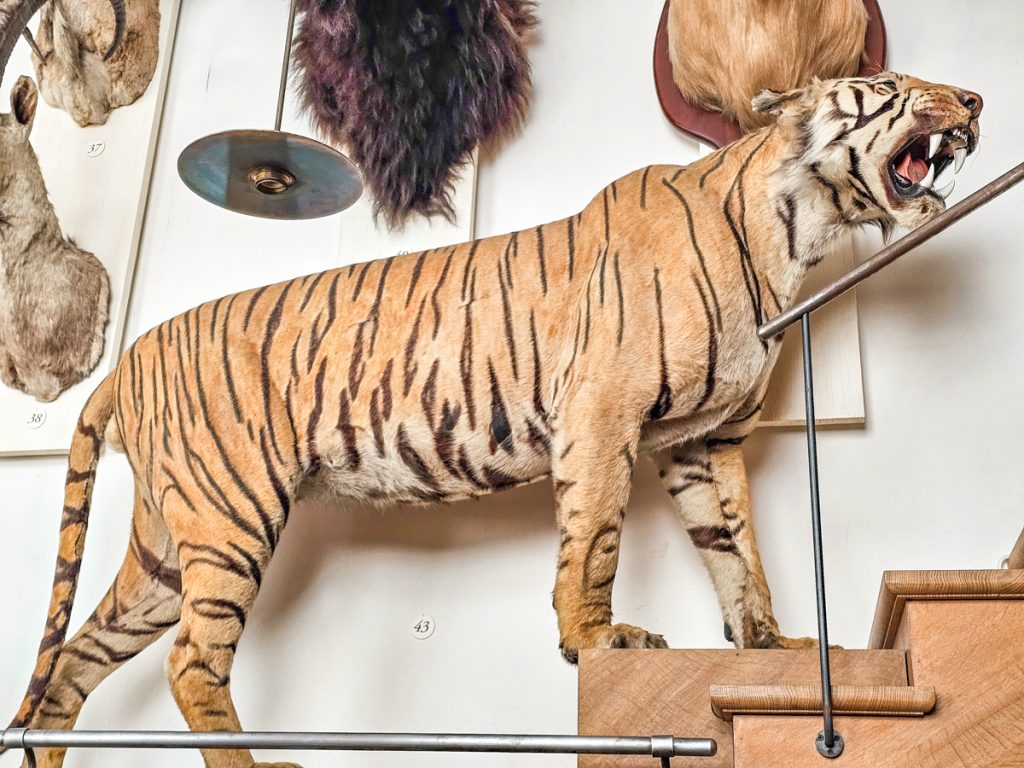
It’s certainly not what you expect to find in the middle of the Marais, and the contrast between the elegant mansion setting and the animals on display gives the whole place a slightly surreal quality.
5. Galerie Dior
The Galerie Dior is not offbeat or unusual like many of the other spots on this list, but the way fashion is displayed here is unlike anything I’ve seen at any other fashion exhibit.
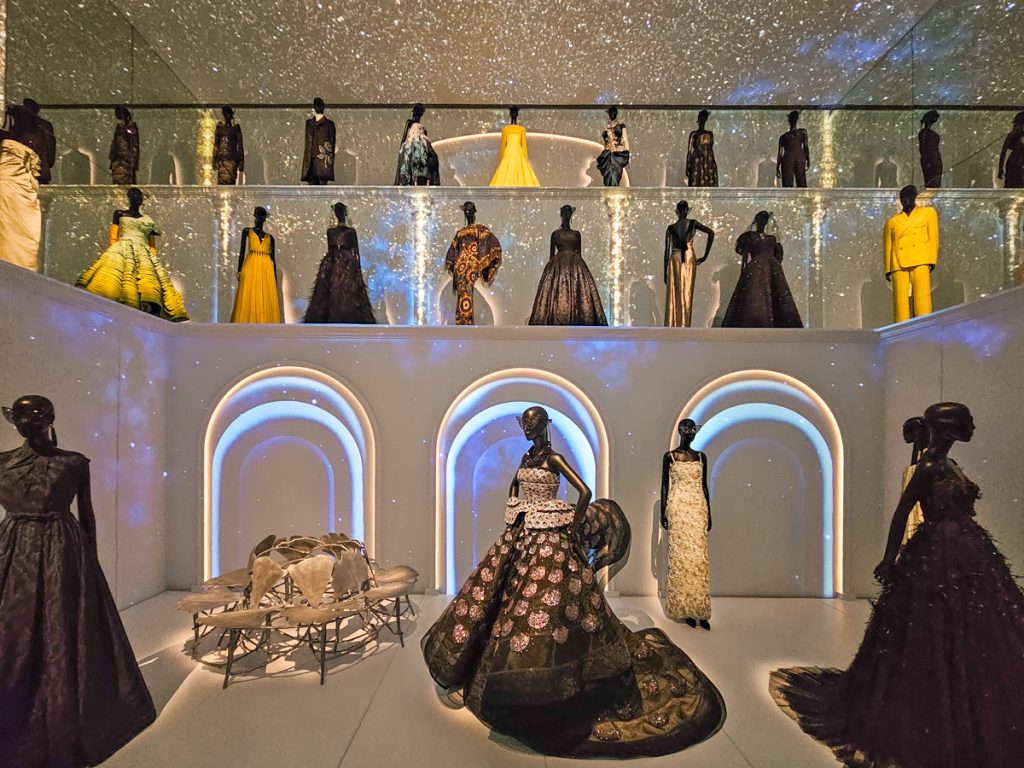
Each room is designed around a theme, like Christian Dior’s upbringing, the founding of the brand, the revolutionary New Look he launched in 1947, but the real draw is how the dresses themselves are presented.
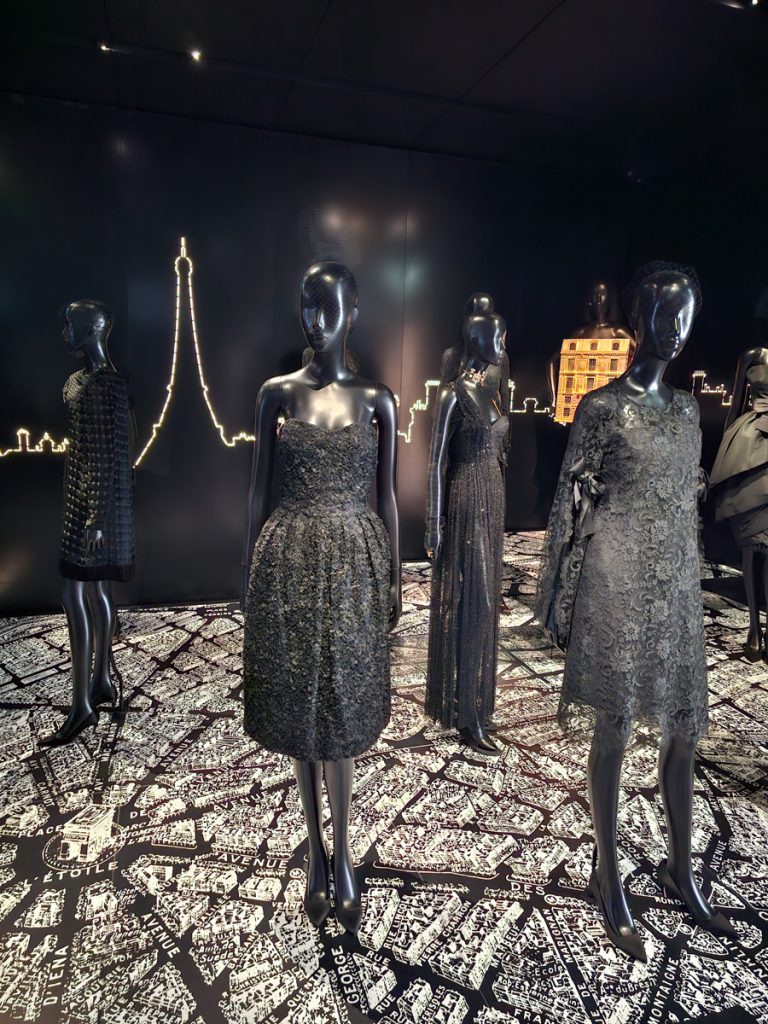
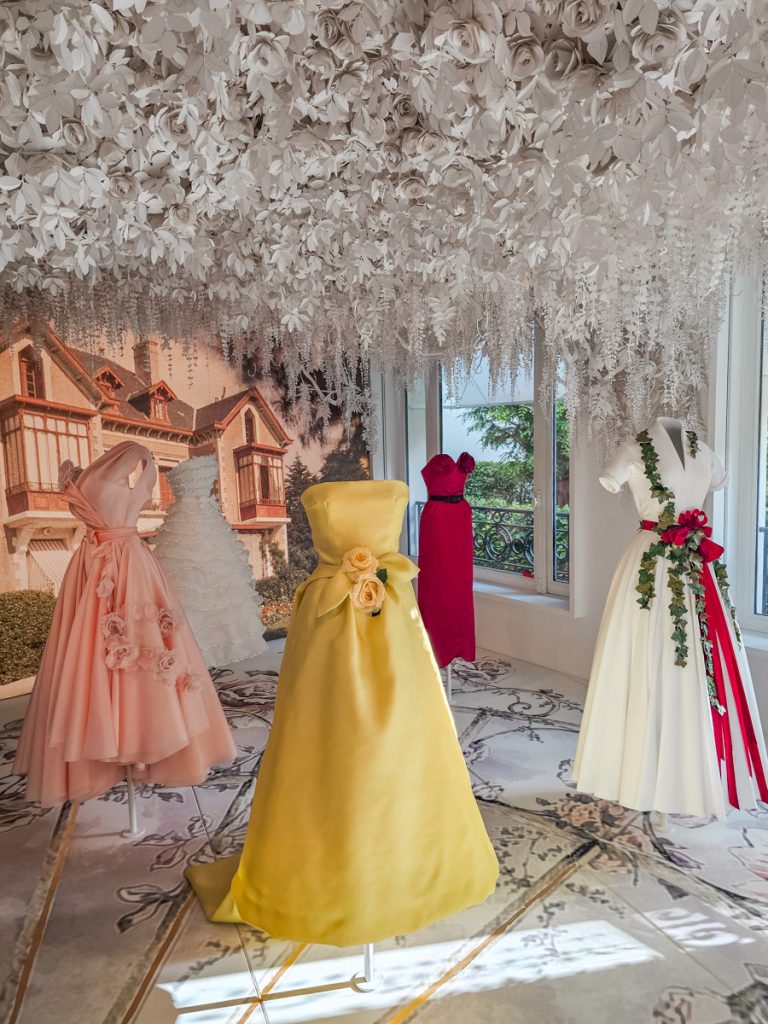
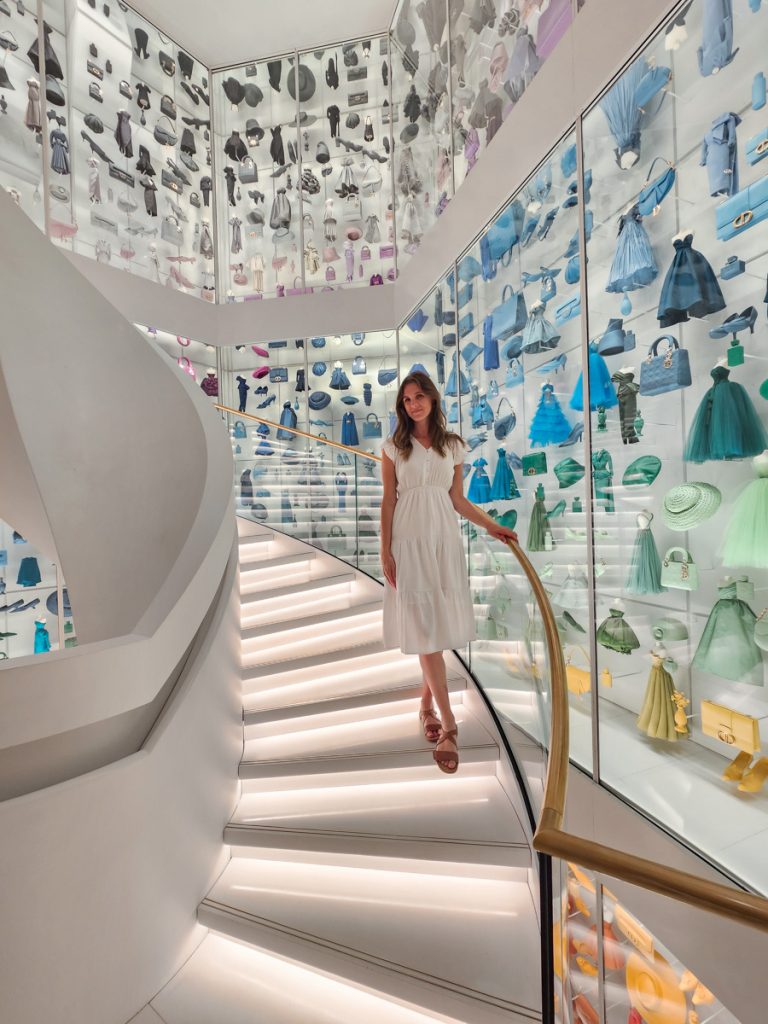
A completely white room filled with white pieces. A black room with the Paris skyline as a backdrop, featuring black gowns. A room decorated with flowers, with floral-inspired dresses nestled into little coves. The four-story central staircase is lined floor to ceiling with miniatures of gowns, shoes, and accessories arranged in descending rainbow order.
You don’t need to know or care about haute couture to appreciate it — I walked through absolutely in awe, despite having very little high fashion knowledge (and I’ve heard the same from hundreds of other people who have visited).
Reserve a timeslot in advance as it always sells out. You can queue on the day, but you might wait for a while, and later in the day visits risk not getting in at all.
6. Musée de l’Homme
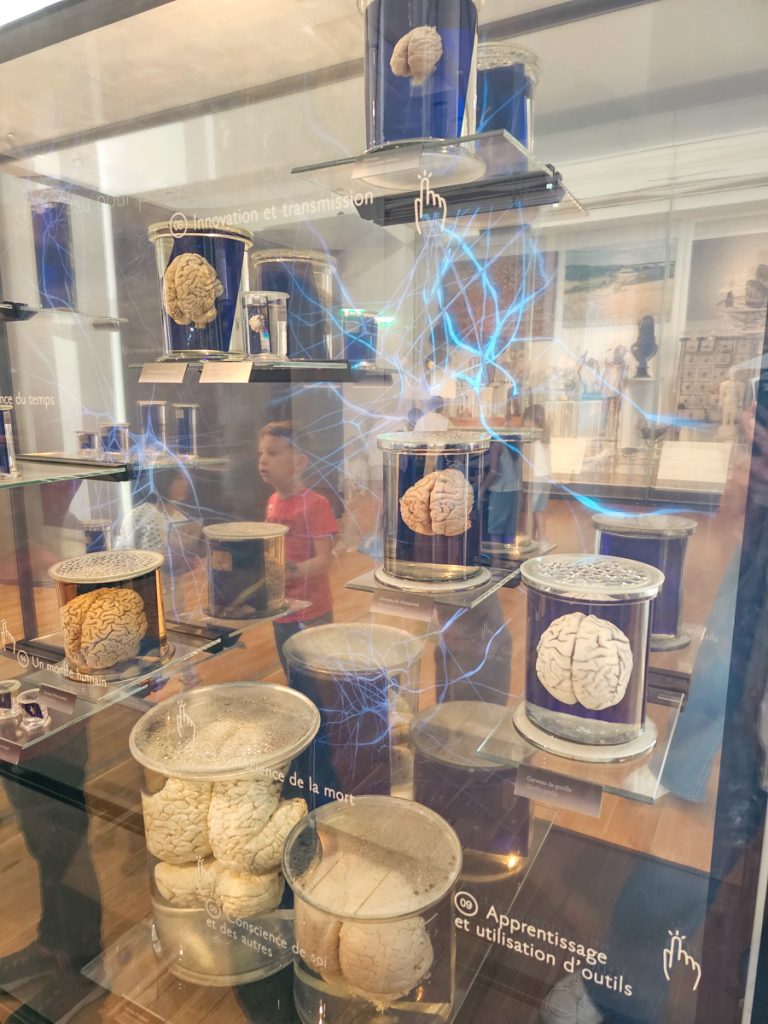
The Musée de l’Homme is an anthropological exploration of what it means to be human, organized around three questions: Who are we? Where do we come from? Where are we going?
It moves through human evolution, the development of cultures and societies, and the future of the species. The displays are modern and well-designed, and the whole thing is more philosophical and ideas-driven than a typical history museum.
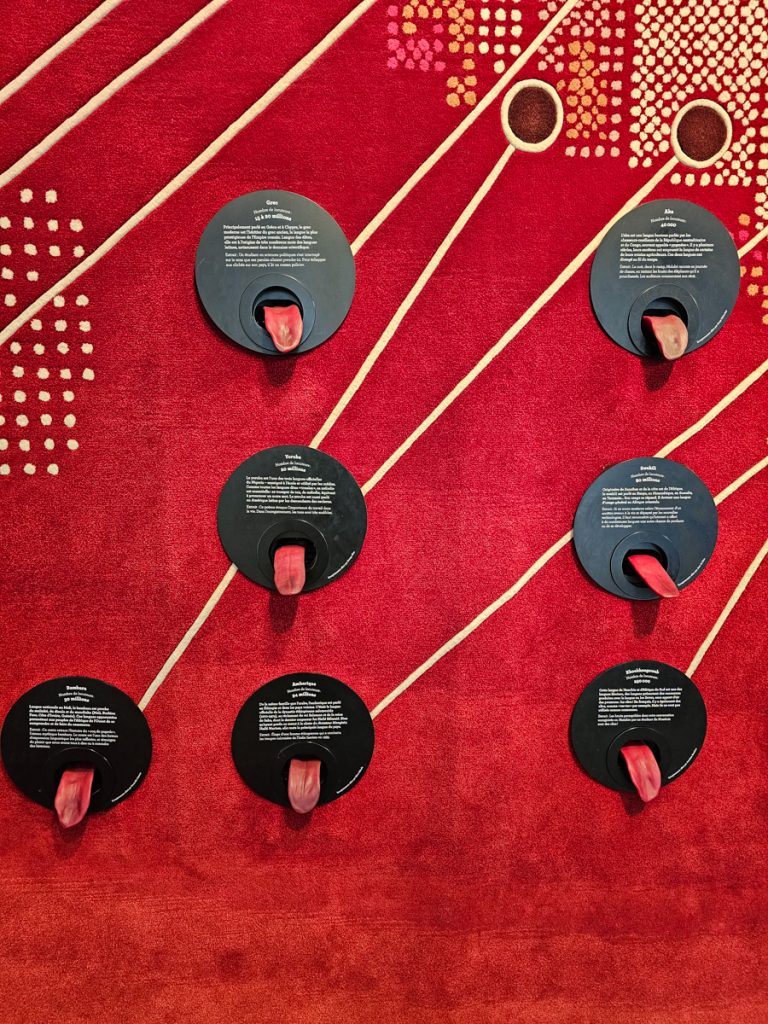
Highlights include René Descartes’ skull, or the Flight of the Busts (a structure of 91 plaster and bronze busts rising 11 meters through the gallery). There’s also a really fun Wall of Languages, where you pull out a tongue-shaped handle and it plays a recording in a different language, from Swahili to Nahuatl to Bambara.
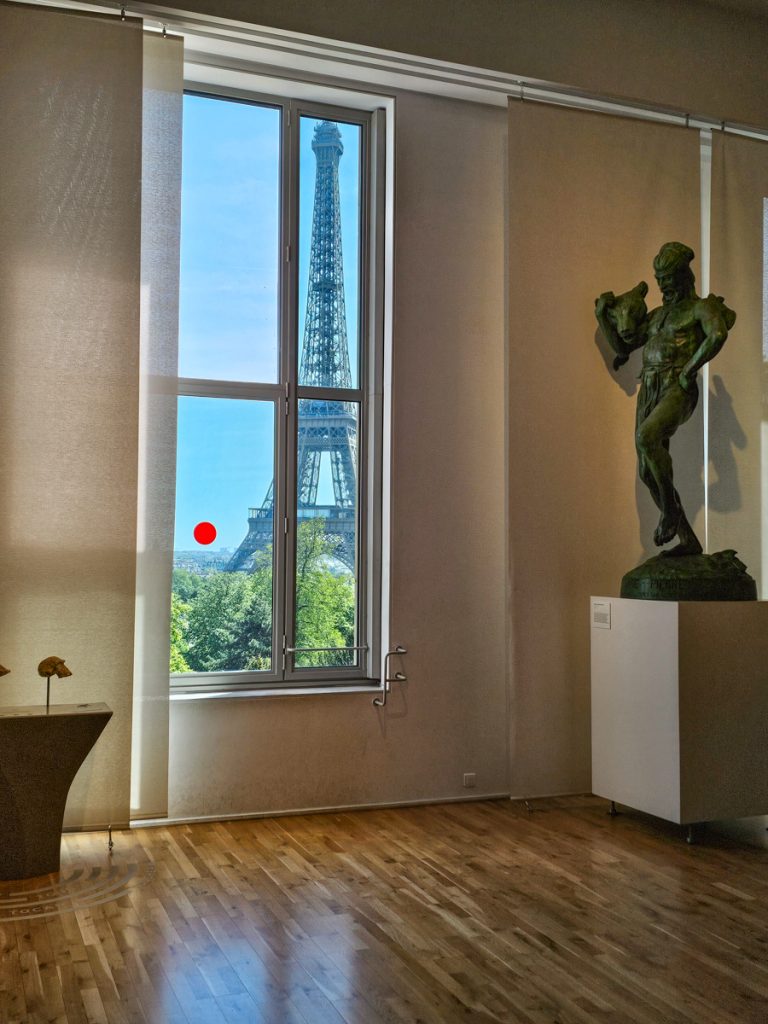
Maybe the best part is the location, inside the Palais de Chaillot, right next to the Trocadéro Esplanade, and some of the museum windows look directly out at the Eiffel Tower.
7. Musée des Arts et Métiers
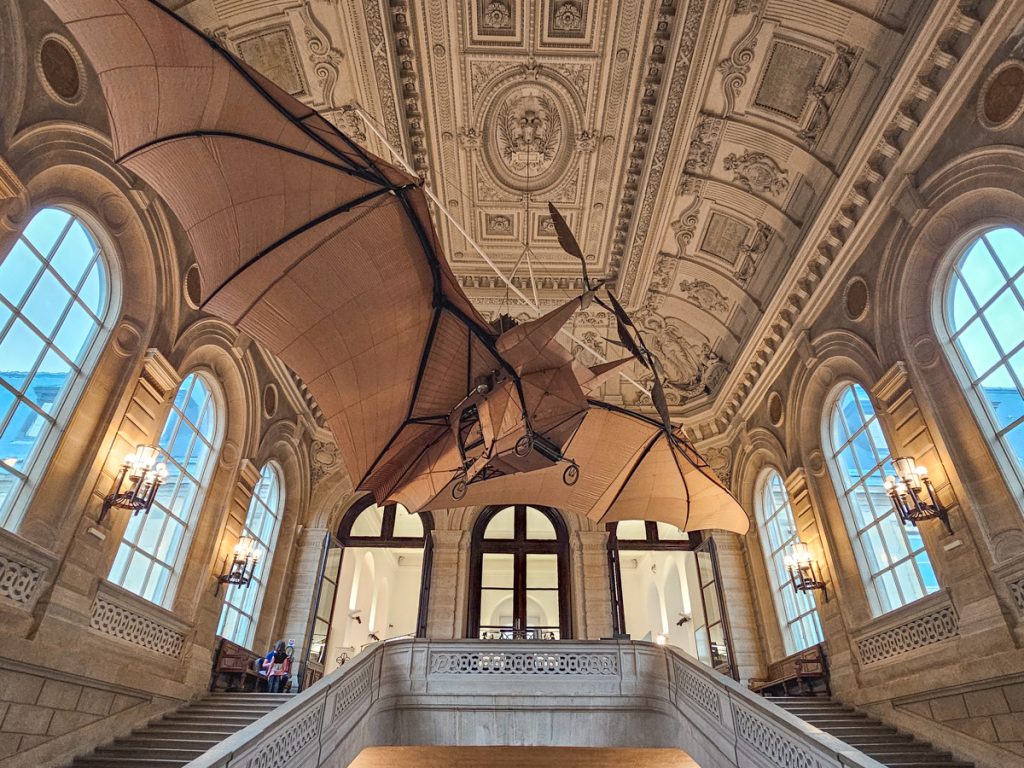
The Musée des Arts et Métiers is Paris’s museum of science and technological innovation, covering several centuries of invention across everything from early scientific instruments and steam engines to hydraulic turbines, early aircraft, and communication technology.
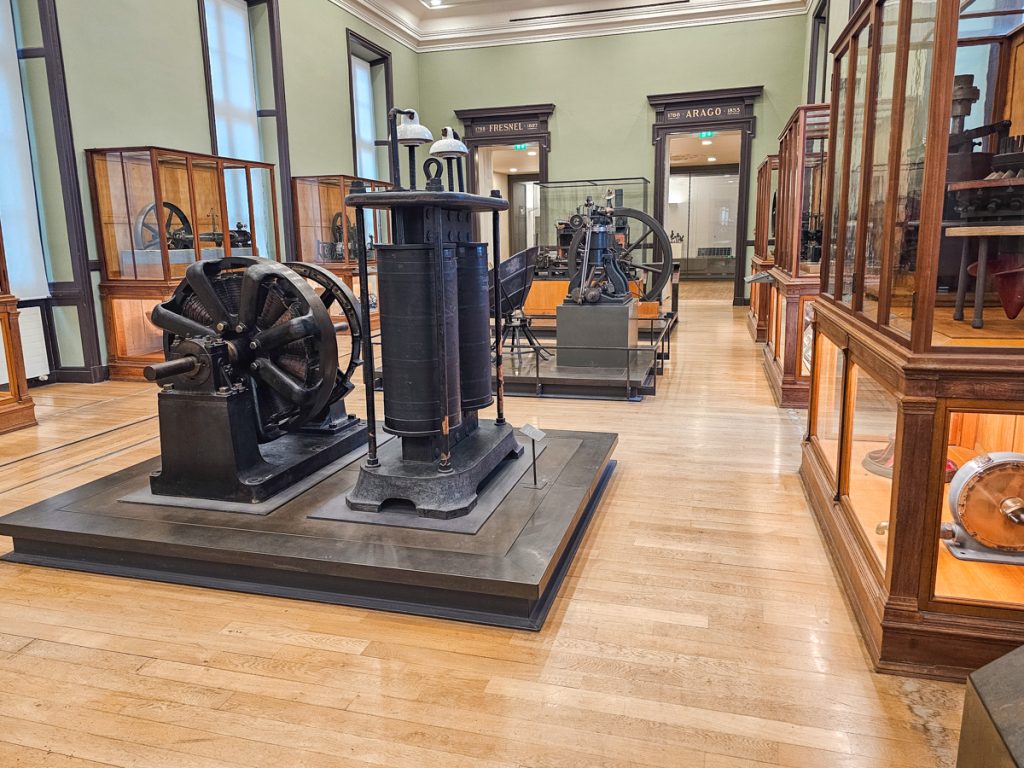
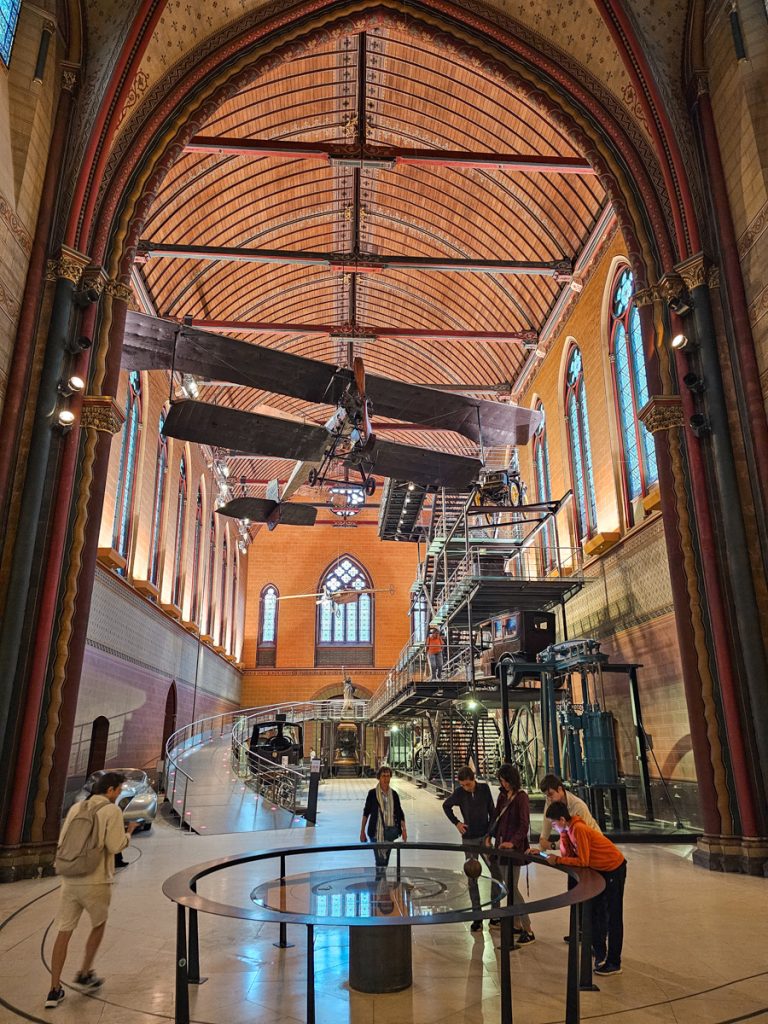
It’s a fascinating museum on its own terms, but the section housed inside a former medieval church, the Église de Saint-Martin-des-Champs, is incredible.
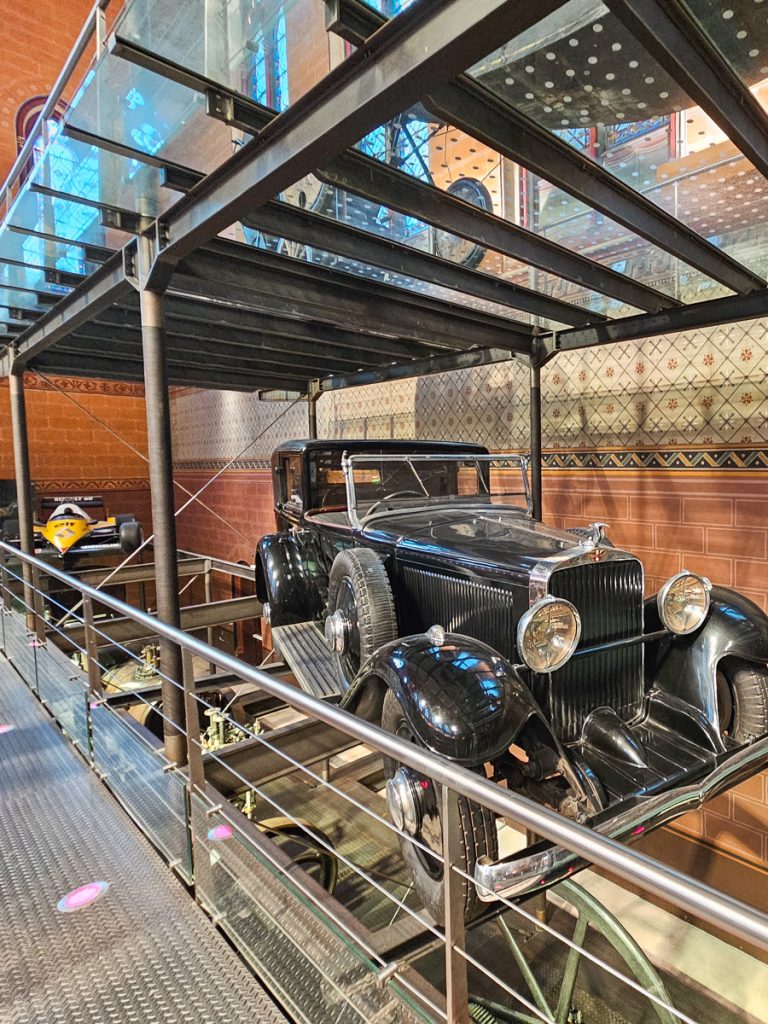
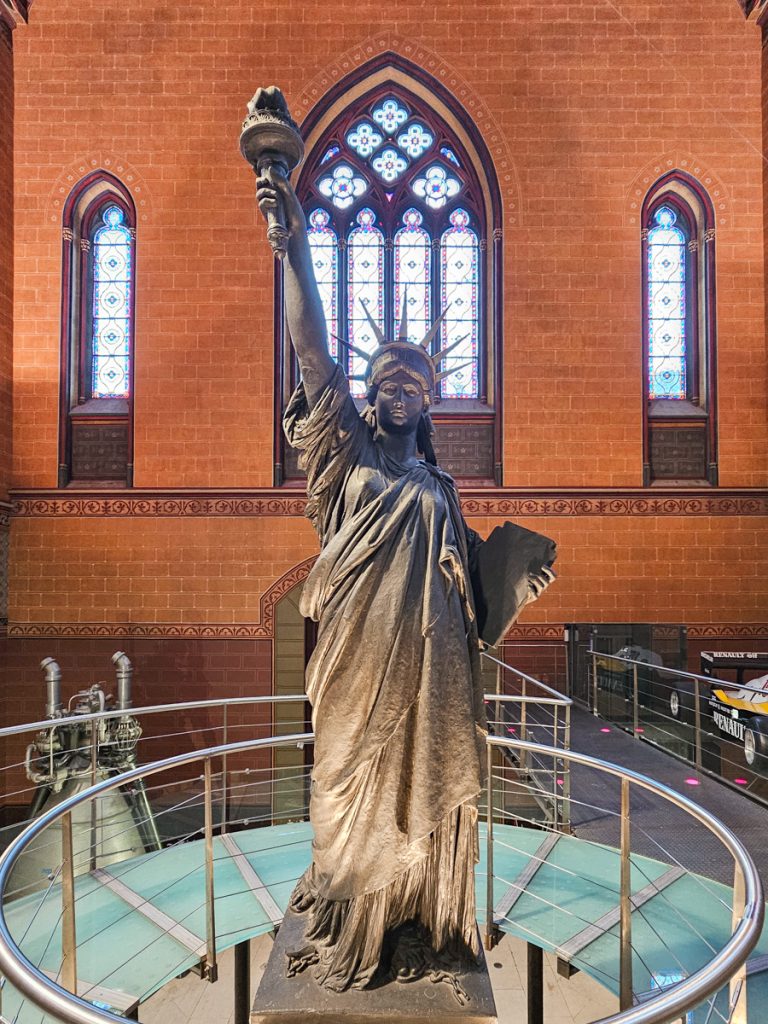
Foucault’s Pendulum swings in the choir, a groundbreaking 1851 experiment at the Pantheon to demonstrate the Earth’s rotation. Surrounding it are early automobiles, airplanes hanging from the ceiling, a replica of the Statue of Liberty, and a rocket engine, all accessible via scaffolding built high up inside the nave.
8. Musée de la Légion d’Honneur
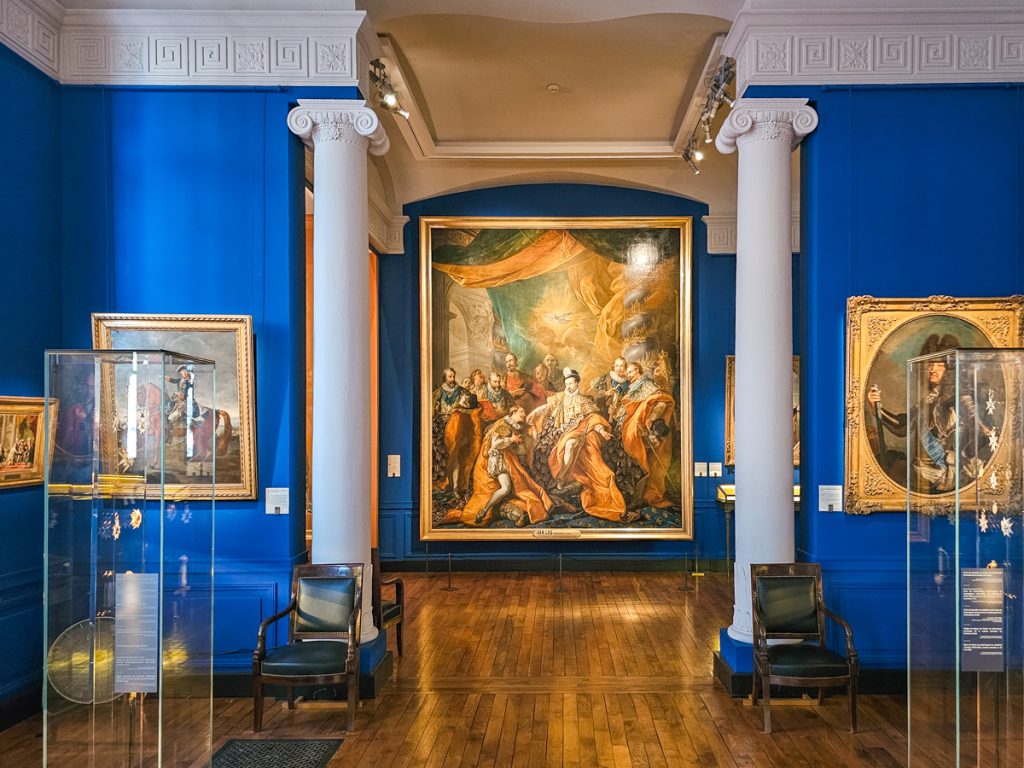
The Musée de la Légion d’Honneur is the only museum in the world dedicated entirely to orders of chivalry, decorations, and medals. It’s definitely a niche subject, but it’s a surprisingly interesting way to look at French and European history.
The Légion d’Honneur itself, France’s highest order of merit created by Napoleon in 1802 and still awarded today, is the most famous award.
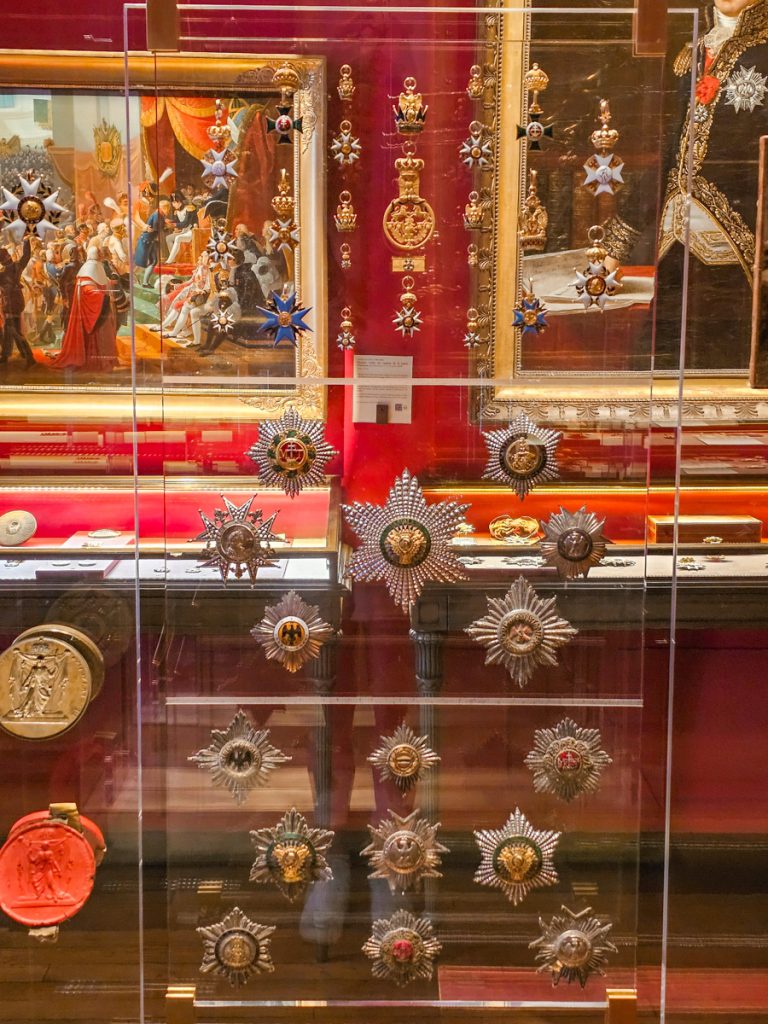
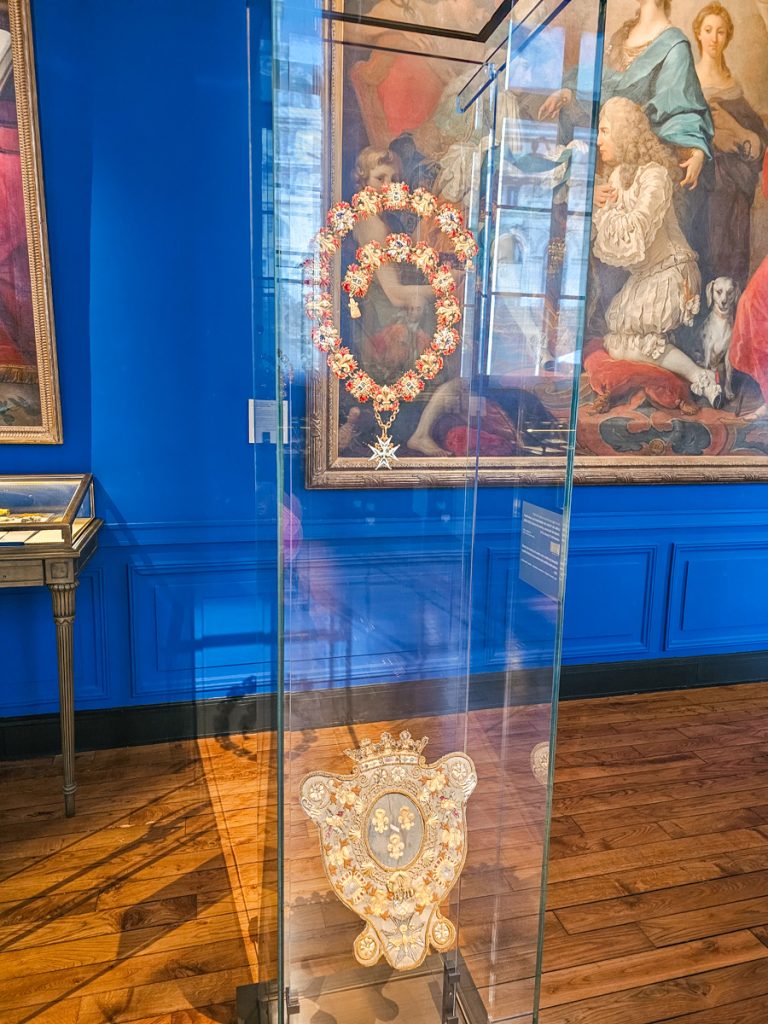
But the collection spans far wider, moving through the religious and military orders of the Crusades, French royal orders, Napoleon’s First Empire, and decorations from over 120 countries around the world. Napoleon’s own grand collar is a big highlight among the exhibits.
This museum is right next to the Musée d’Orsay in the 7th arrondissement and is free, so it’s easy to tack on before or after you see the Impressionist masterpieces.
