
France’s 15 Most Iconic and Recognizable Landmarks—How Many Do You Know?

France has no shortage of incredible places to visit. You could easily make a list of 100 castles, villages, monuments, museums, and landscapes that are important, historic, charming, and worth seeing.
But a handful of places have become something more. They’ve become symbols of France itself.
These are 15 of France’s most iconic landmarks. They’ve helped define the country’s history and culture while becoming some of the most recognizable places in the world.
1. Mont Saint-Michel
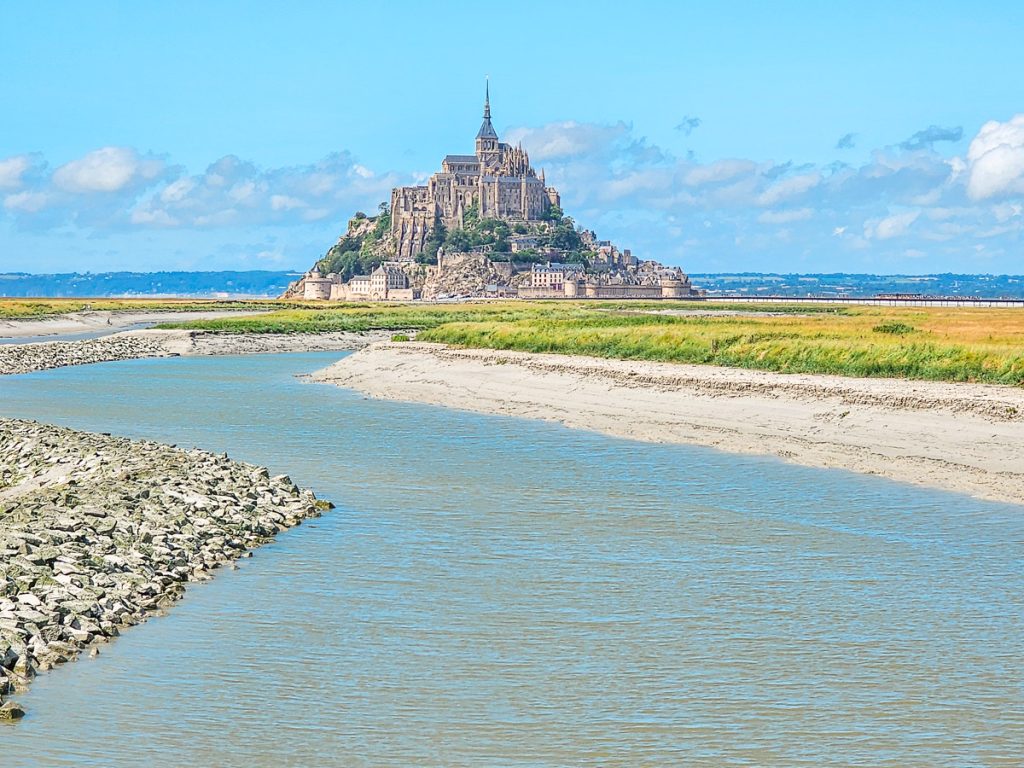
Few places in France are as instantly recognizable as Mont Saint-Michel. Rising from a tiny rocky island off the coast of Normandy, the medieval abbey appears to emerge directly from the sea.
The site became an important pilgrimage destination more than 1,000 years ago and grew into the fortified village visitors see today. Narrow streets wind up the island toward the abbey at the summit, where monks once lived and welcomed pilgrims from across Europe.
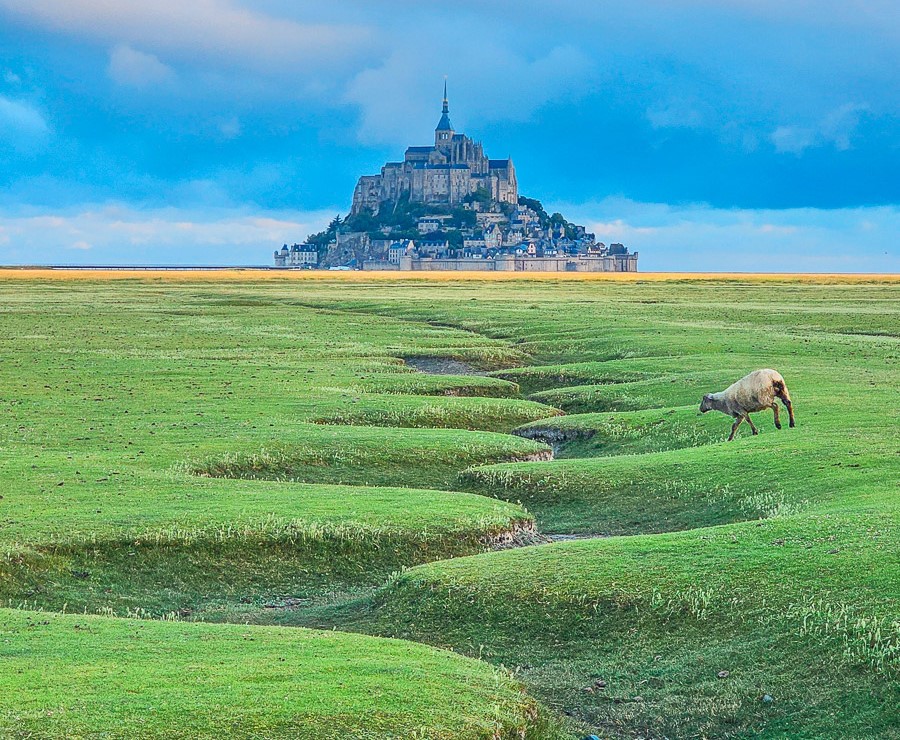
What makes Mont Saint-Michel even more memorable is its setting within a vast bay known for some of the most dramatic tides in Europe. Depending on the conditions, the island can appear completely surrounded by water, or connected to the mainland by broad stretches of sand.
Its silhouette has become so recognizable that it’s now one of the most famous images in all of France.
2. Lavender Fields of Provence

While most entries on this list are monuments or historic sites, few landscapes are more closely associated with France than the lavender fields of Provence.
Every summer, vast fields of lavender bloom across parts of the region, creating the purple landscapes that appear on countless postcards, travel posters, and tourism campaigns. The areas around Valensole, Sault, and the Luberon are among the most famous places to experience the bloom.

Lavender has been cultivated here for centuries and remains an important part of the local economy, supplying the perfume, cosmetic, and essential oil industries.
Even people who have never visited France can usually recognize a photograph of Provence in lavender season.
3. Carcassonne
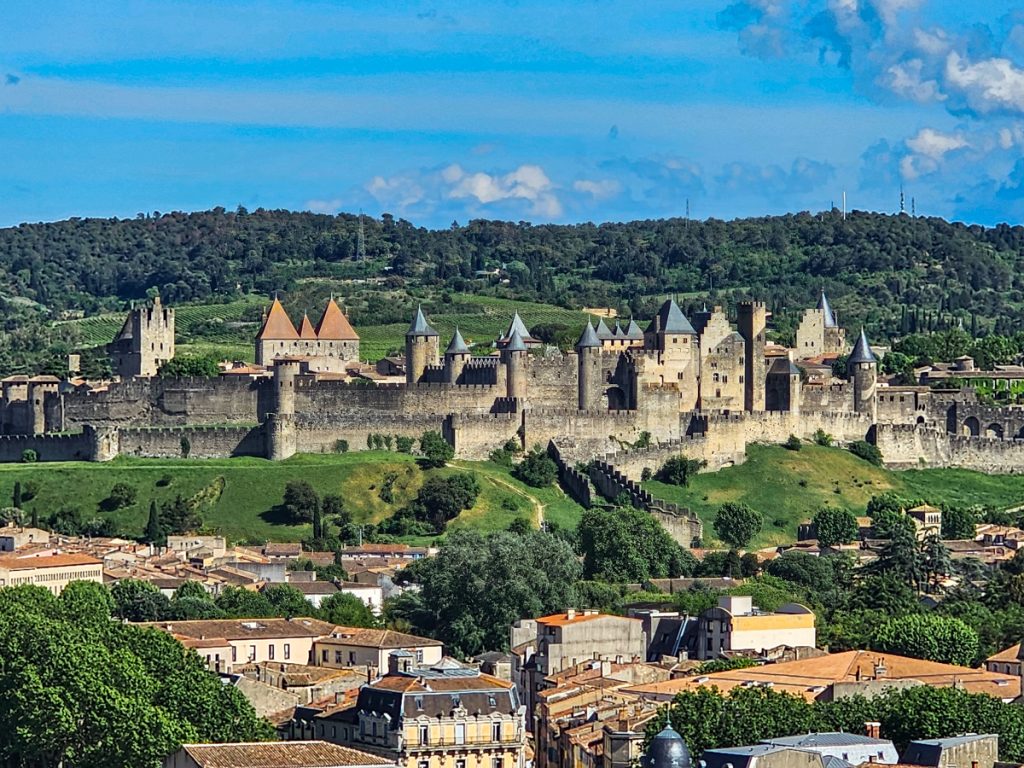
Carcassonne is the largest and most famous fortified city in France. Surrounded entirely by a double set of walls and more than 50 towers, it’s one of the most complete medieval citadels anywhere in Europe.
The city occupies a strategic hilltop position in southwest France and has been fortified in some form since ancient times. During the Middle Ages, it became an important stronghold and played a major role during the Albigensian Crusade, the 13th-century campaign against the Cathars that reshaped much of the surrounding region.
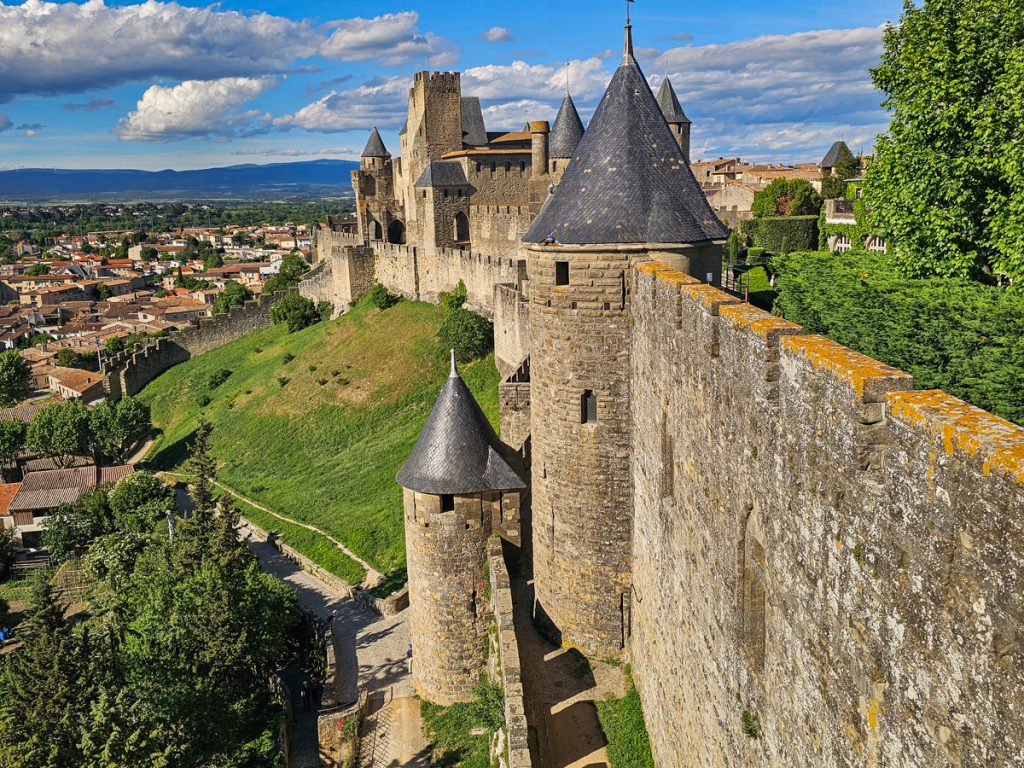
Today, visitors can walk the ramparts, explore the Château Comtal, and wander streets that have changed surprisingly little over the centuries.
While many French cities have medieval neighborhoods or defensive walls, nowhere else preserves a fortified medieval city on the scale of Carcassonne.
4. Palace of Versailles
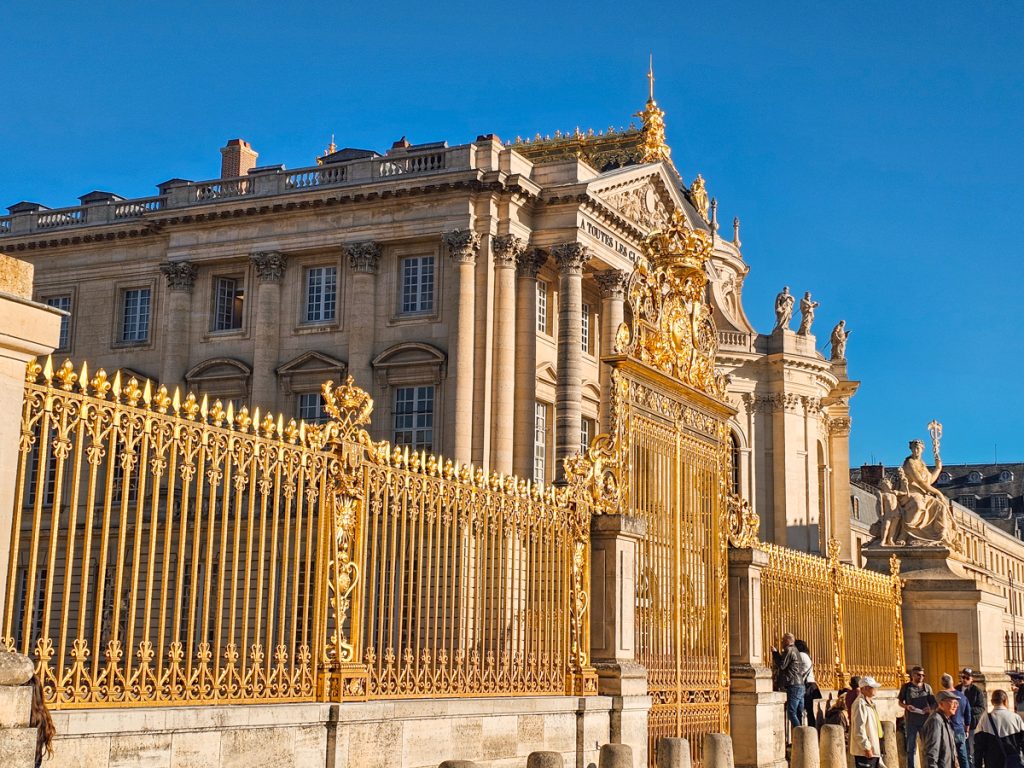
Originally built as a hunting lodge, Versailles was transformed by Louis XIV into one of the most famous palaces in the world. The king moved his court here in 1682, creating a palace designed to showcase his wealth and influence while consolidating the power of the French monarchy.
The estate is enormous and opulent to the extreme. Visitors come to see the Hall of Mirrors, the royal apartments, the formal gardens, fountains, and smaller palaces scattered throughout the grounds. Every part of the property was designed to impress, helping Versailles become a model for royal palaces across Europe.
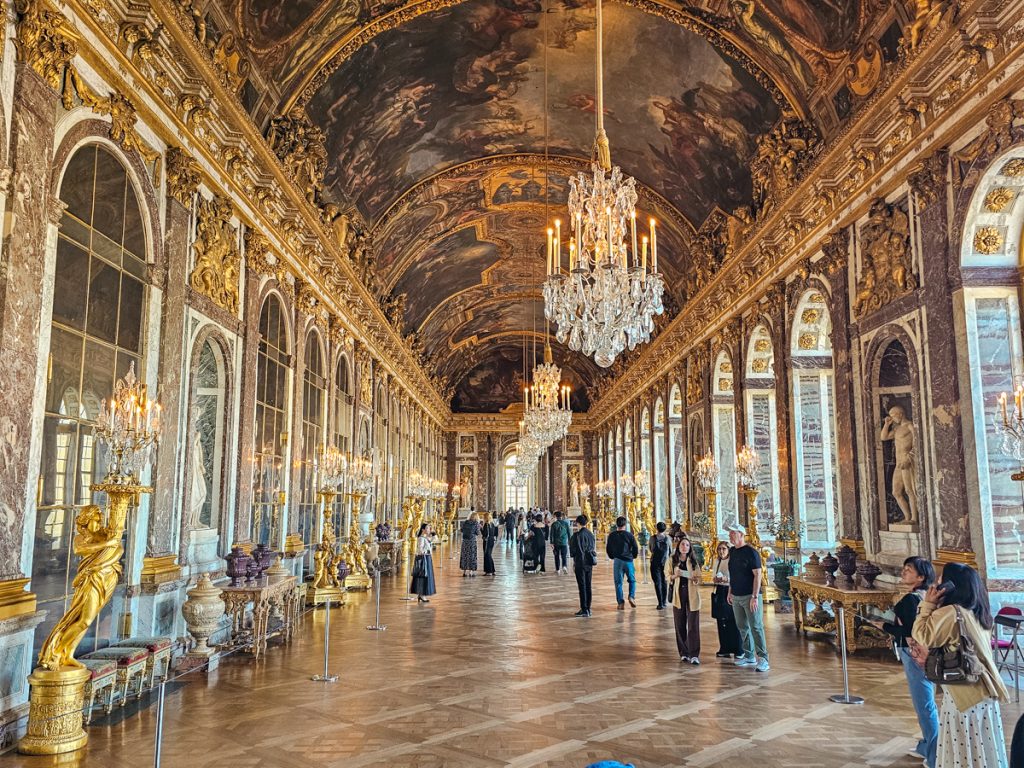
Even centuries later, it remains the ultimate symbol of royal ambition and extravagance and helps one understand some of the motivation of the French Revolution.
5. Pont du Gard

Built nearly 2,000 years ago, Pont du Gard is a 31-mile (50-kilometer) aqueduct that carried water to the Roman city of Nîmes. The bridge spans the Gardon River in three tiers of arches and stands nearly 160 feet (49 meters) tall, making it the tallest Roman aqueduct bridge ever constructed.
What’s remarkable is not just its size, but its precision. The entire aqueduct relied on a gentle downhill slope, dropping only a few inches per mile while transporting thousands of gallons of water every day.

Today, visitors can walk across the aqueduct where it spans the Gardon River and see one of the greatest surviving engineering achievements of the Roman world up close.
6. Eiffel Tower
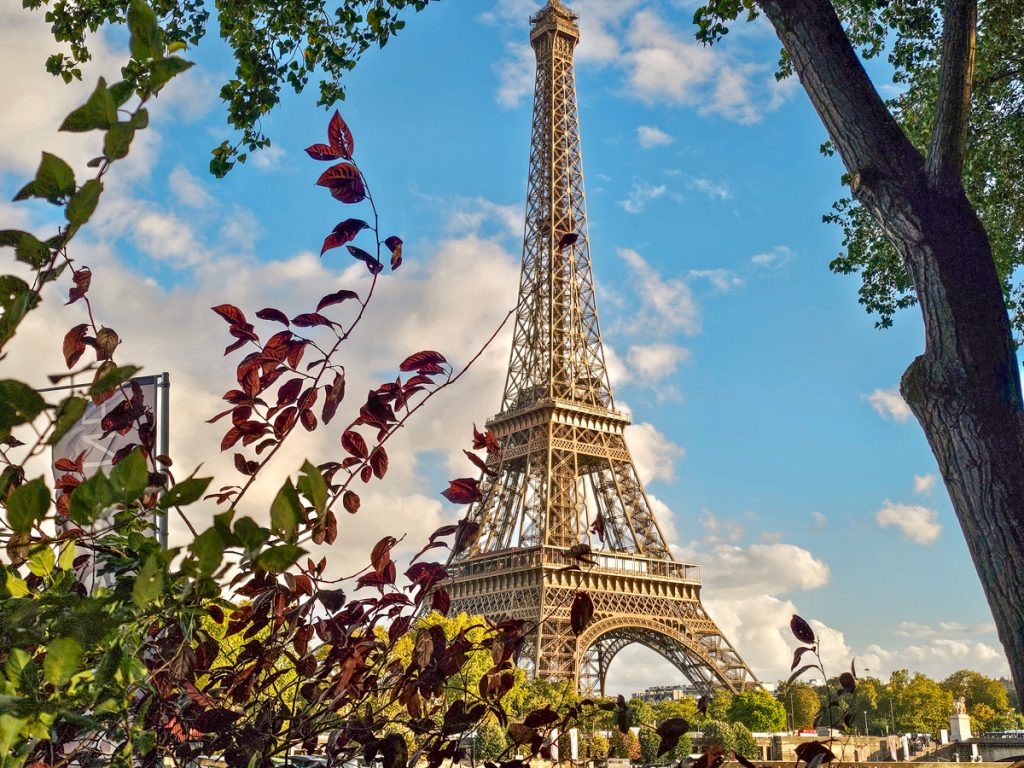
Built for the 1889 World’s Fair, the Eiffel Tower was originally intended to be a temporary structure showcasing French engineering and innovation. Many Parisians hated it at first, and the tower was only supposed to remain standing for 20 years before being dismantled. Initially, it only escaped demolition thanks to its use as a radio transmission tower.
Instead, it became the symbol of both Paris and France. Standing 1,083 feet (330 meters) tall, it remained the tallest manmade structure in the world for more than 40 years and helped demonstrate what modern engineering was capable of at the end of the 19th century.
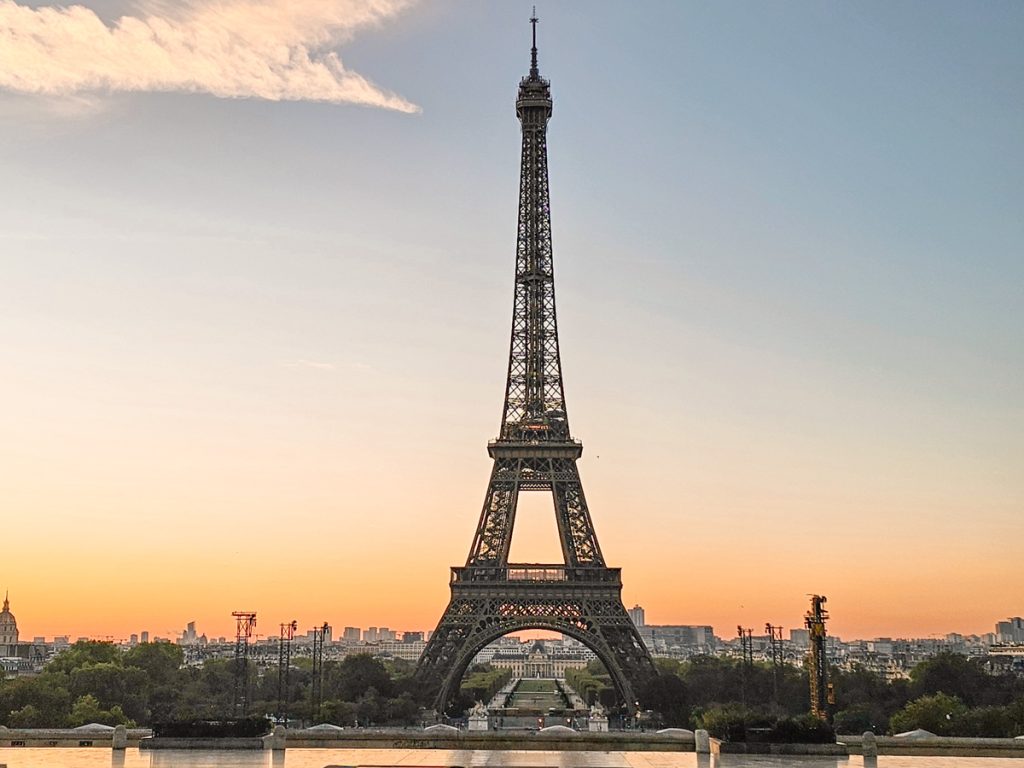
Today, the Eiffel Tower dominates the Paris skyline and can be seen from all over the city. It’s difficult to imagine Paris without it, and it remains one of the most recognizable structures on Earth.
7. Palais des Papes

For nearly 70 years, the center of the Catholic world was located in Avignon. In the 14th century, a conflict in Rome led the papacy to relocate to Avignon. Seven successive popes ruled the Catholic Church from here, transforming the city into the center of Western Christianity.
To house the papal court, they built the enormous Palais des Papes, which remains the largest Gothic palace in Europe. Part fortress and part palace, its thick walls and imposing towers reflect the political uncertainty of the era. Even after the papacy returned to Rome, two “anti-popes” continued to rule from Avignon during the Western Schism.
Today, the Palais des Papes remains one of the most recognizable landmarks in southern France and the defining symbol of Avignon.
8. D-Day Beaches of Normandy
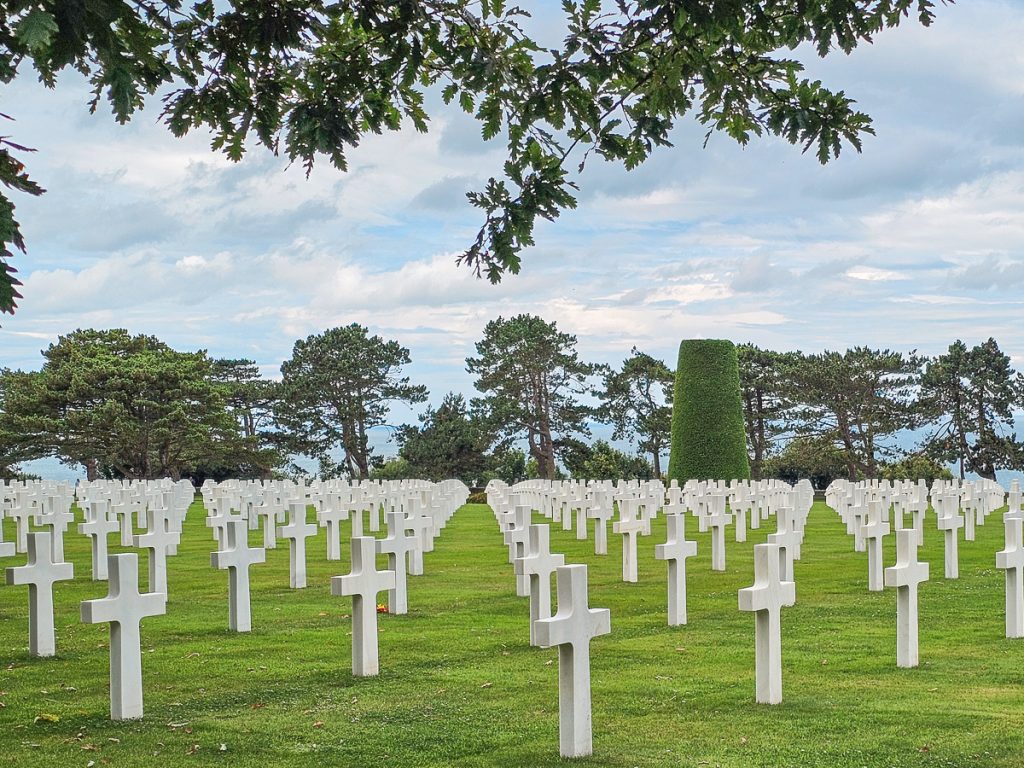
On June 6, 1944, Allied forces launched the largest seaborne invasion in history along the coast of Normandy.
Thousands of ships, aircraft, and soldiers took part in Operation Overlord, the campaign that marked the beginning of the liberation of Western Europe from Nazi occupation during World War II. Today, visitors can explore the five sprawling landing zones, including Omaha Beach, Utah Beach, Juno Beach, Gold Beach, and Sword Beach.

The coastline is also home to museums, bunkers, military cemeteries, and memorials that help tell the story of the invasion and the enormous sacrifices made by those who fought here. Few places in France have had a greater impact on the course of modern history.
9. The Louvre

The Louvre is the most visited museum in the world, but it’s much more than a museum.
For centuries, the Louvre was a royal residence. The complex grew over time as successive kings expanded and transformed it, creating the enormous palace visitors see today.

Today, the museum contains tens of thousands of works spanning thousands of years of human history. Some of the most famous masterpieces include the Mona Lisa, the Winged Victory of Samothrace, Liberty Leading the People, the Coronation of Napoleon, and the Venus de Milo.
Yet even visitors who never step inside recognize the Louvre thanks to its glass pyramid, which has become one of the defining symbols of modern Paris.
10. Mont Blanc

At 15,766 feet (4,808 meters), Mont Blanc is the highest mountain in Western Europe and one of the most recognizable peaks in the Alps.
Straddling the border between France and Italy, the mountain has long been associated with exploration, mountaineering, and alpine tourism. The first recorded ascent took place in 1786, an achievement that helped launch the modern sport of mountaineering.
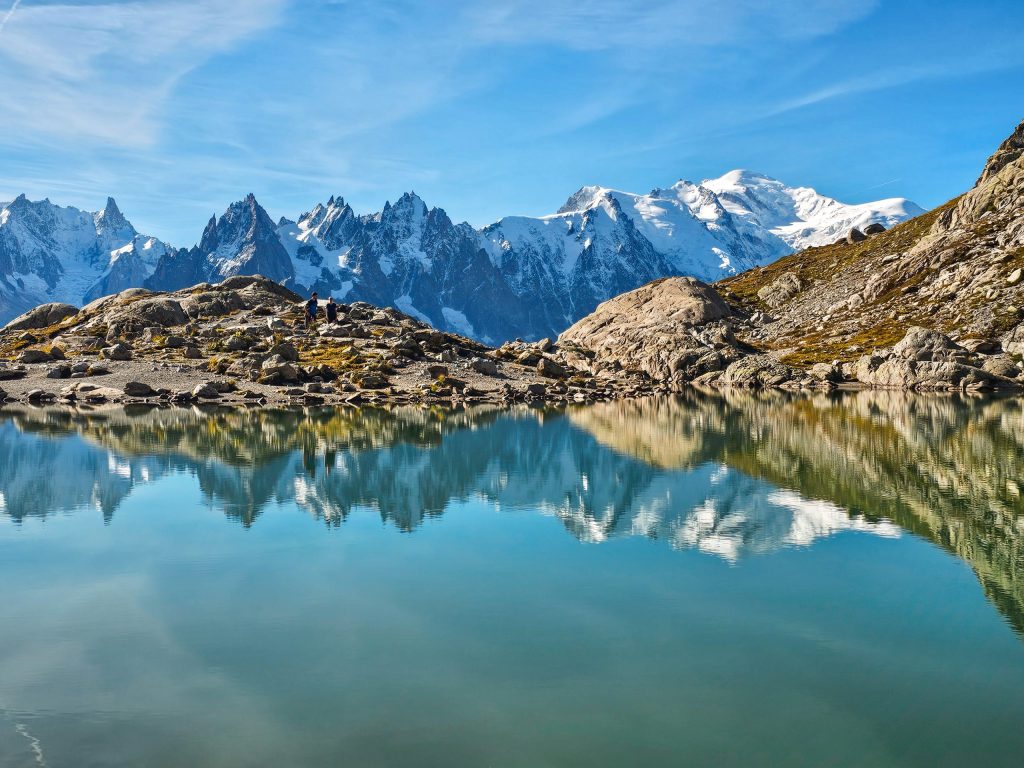
Today, visitors flock to the Chamonix Valley for hiking, skiing, paragliding, climbing, and some of the most spectacular mountain scenery in Europe. Even those with no interest in hiking or adventure sports can experience the mountain through attractions like the Aiguille du Midi cable car and the Mer de Glace glacier.
11. Loire Valley Châteaux

During the Renaissance, the Loire Valley became one of the centers of royal life in France. French kings did not rule from a single permanent residence; instead, their court moved between palaces and castles throughout the year. Nobles followed, building grand estates of their own throughout the region.
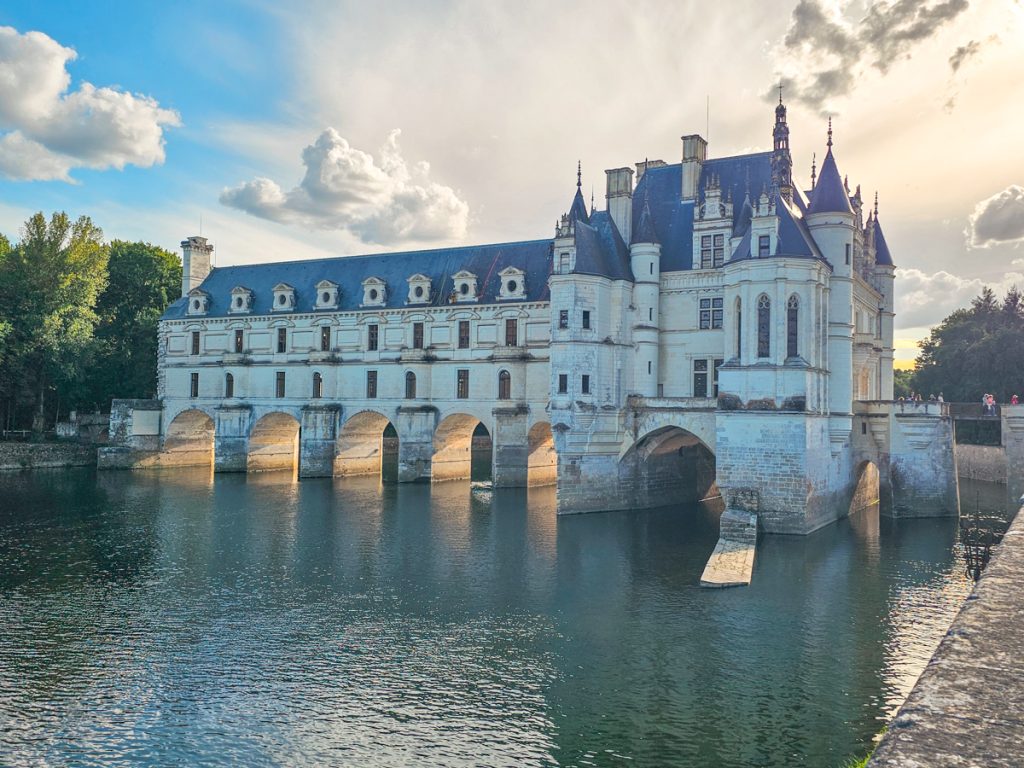
As a result, the Loire Valley became home to hundreds of châteaux, ranging from fortified medieval castles to lavish Renaissance residences. Some of the best-known examples include Château de Chambord, famous for its distinctive French Renaissance architecture, and Château de Chenonceau, which spans the Cher River on a series of elegant arches.
Today, the Loire Valley’s extraordinary concentration of castles has made the entire region a UNESCO World Heritage Site and one of France’s most iconic landscapes.
12. Notre Dame Cathedral
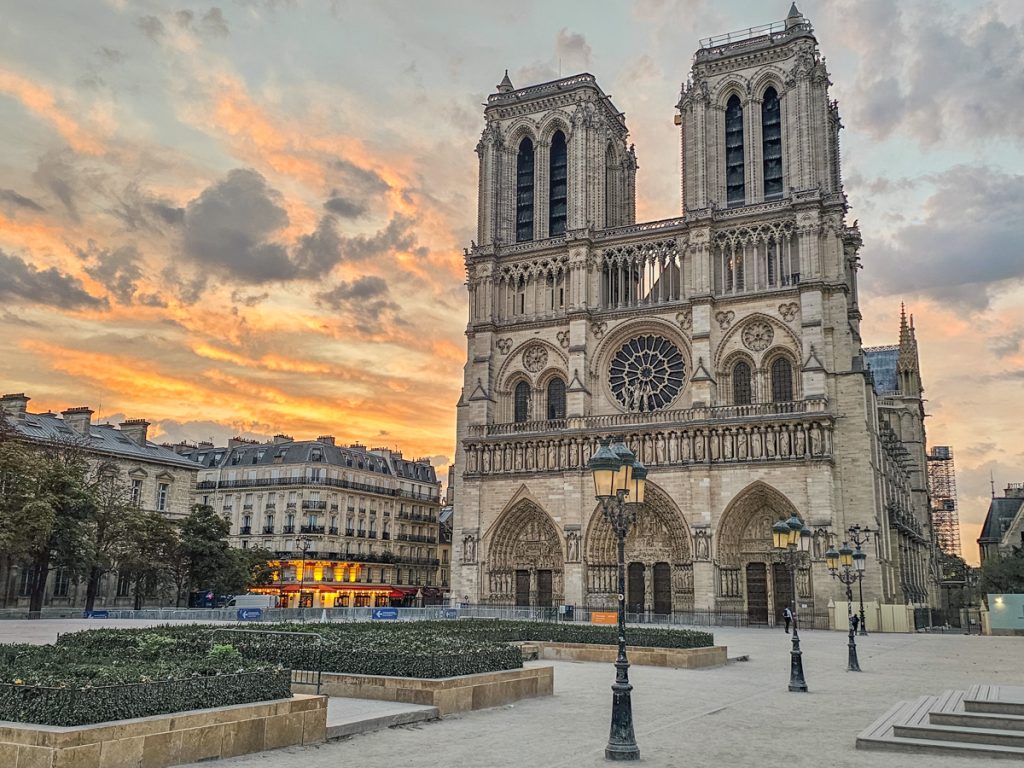
Notre Dame is both the literal and symbolic heart of Paris.
Construction on the Gothic cathedral began in 1163 and continued for nearly two centuries. Its flying buttresses, rose windows, sculpted portals, and twin towers helped establish the cathedral as one of the defining monuments of medieval Europe.
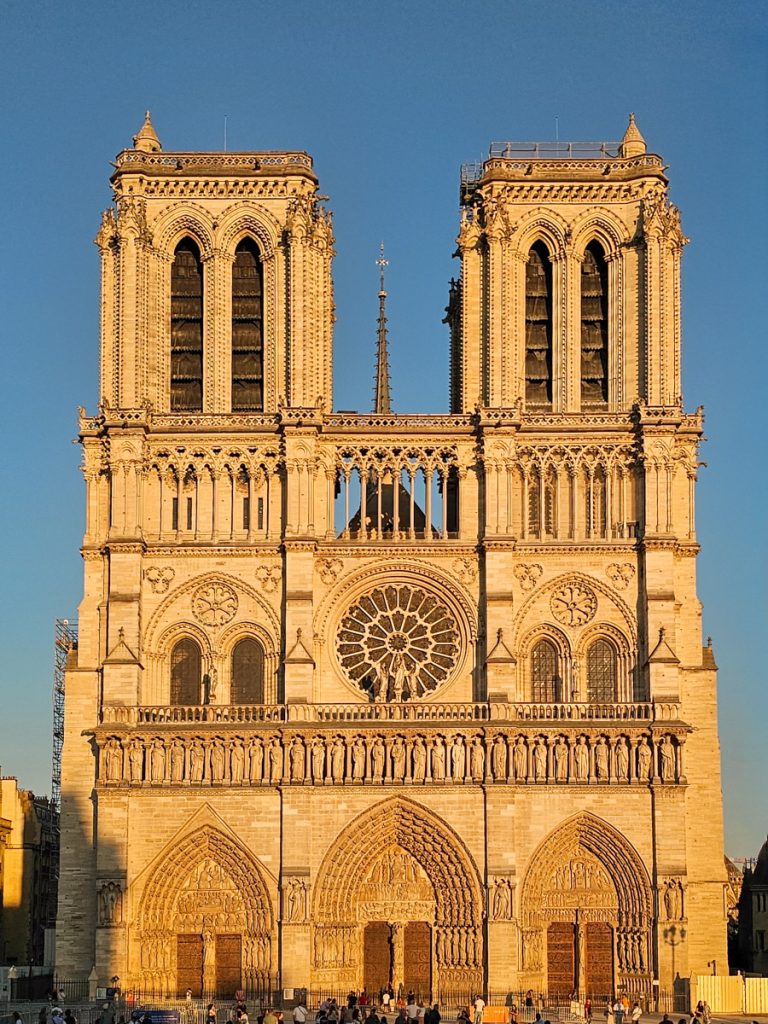
Over the centuries, Notre-Dame has witnessed some of the most important moments in French history, from royal ceremonies and state funerals to Napoleon’s coronation as emperor in 1804. By the 19th century, the cathedral had fallen into disrepair before Victor Hugo’s novel The Hunchback of Notre-Dame helped spark a movement to restore and preserve it.
Following the devastating fire of 2019, millions of people around the world watched as the cathedral was painstakingly restored. For many people, no building captures the history of Paris more completely than Notre-Dame.
13. Nîmes Arena

It’s difficult to overstate the influence the Romans had on southern France, and few places showcase that legacy better than Nîmes.
Built around AD 100, the Nîmes Arena could hold roughly 24,000 spectators and served as the center of civic life in Roman Nemausus, the city that eventually became modern-day Nîmes. Gladiatorial contests, public spectacles, and other events took place here before crowds packed into stadiums were even imaginable.

Unlike many ancient arenas, the structure survived largely intact through the centuries. It later served as a fortified settlement, a neighborhood of homes, and eventually a historic monument.
Today, concerts, festivals, and even bullfights are still held inside the arena, nearly 2,000 years after it was built.
14. Reims Cathedral

Reims Cathedral is one of the masterpieces of French Gothic architecture. Built between the 13th and 14th centuries, it is known for its soaring interior, remarkable stained glass, and richly decorated façade.
The cathedral’s greatest significance, however, comes from its role in French history. For centuries, French kings traveled to Reims to be crowned here, and more than 30 monarchs received their coronation within its walls. In 1429, Joan of Arc famously escorted Charles VII to Reims for his coronation during the Hundred Years’ War.
For hundreds of years, no ceremony was more closely tied to the French monarchy than a coronation at Reims.
15. Promenade des Anglais

Stretching along the waterfront in Nice, the Promenade des Anglais is one of the most recognizable seaside boulevards in Europe.
Its origins date back to the early 1800s, when wealthy British visitors began spending their winters in Nice to take advantage of the region’s mild climate.
Over time, the city grew into one of Europe’s most fashionable resort destinations, helping shape the development of modern tourism long before the French Riviera became known for summer vacations. The promenade itself takes its name from those early English visitors.

Today, the palm-lined boulevard stretches for miles along the Bay of Angels, connecting beaches, grand hotels, and some of Nice’s most famous landmarks.
More than any other place, the Promenade des Anglais has come to represent both Nice and the French Riviera as a whole.
Want to Discover More of France?
Continue exploring France with these guides:
- 8 French Regions You Need to Visit After Paris
- 13 Off the Beaten Path Cities in France
- 12 Adorable Villages in France Straight Out of a Storybook
- Best Places to Visit in France Each Season of the Year
- These Are The Places in France People Can’t Stop Going Back To
If you want to dig deep into Paris, my Paris travel guide page pulls together neighborhood guides, attraction and museum guides, foodie recommendations, and travel tips in one hub.
And if you’re actively planning a trip to France and need some help, I also offer France travel planning calls.
These one-on-one video sessions are great for getting feedback, asking questions, and sorting through options, whether you need a full plan or help fine-tuning what you already have.
