
14 Delightful Hidden Gems on Paris’s Right Bank

Paris is one of those cities where the more time you spend, the more you realize how much you’ve been missing. It’s been accumulating history, art, and oddities for over two thousand years, and a lot of it ends up in places that most visitors never find.
This list is about the Right Bank specifically, the area north of the Seine. It’s a very historic area that covers a huge swath of the city and contains some of its most interesting and least-visited spots.
I’ve loved discovering all of these gems, and I think you’ll love them too (psst: check out my Left Bank hidden gems too)
1. Chapelle Expiatoire
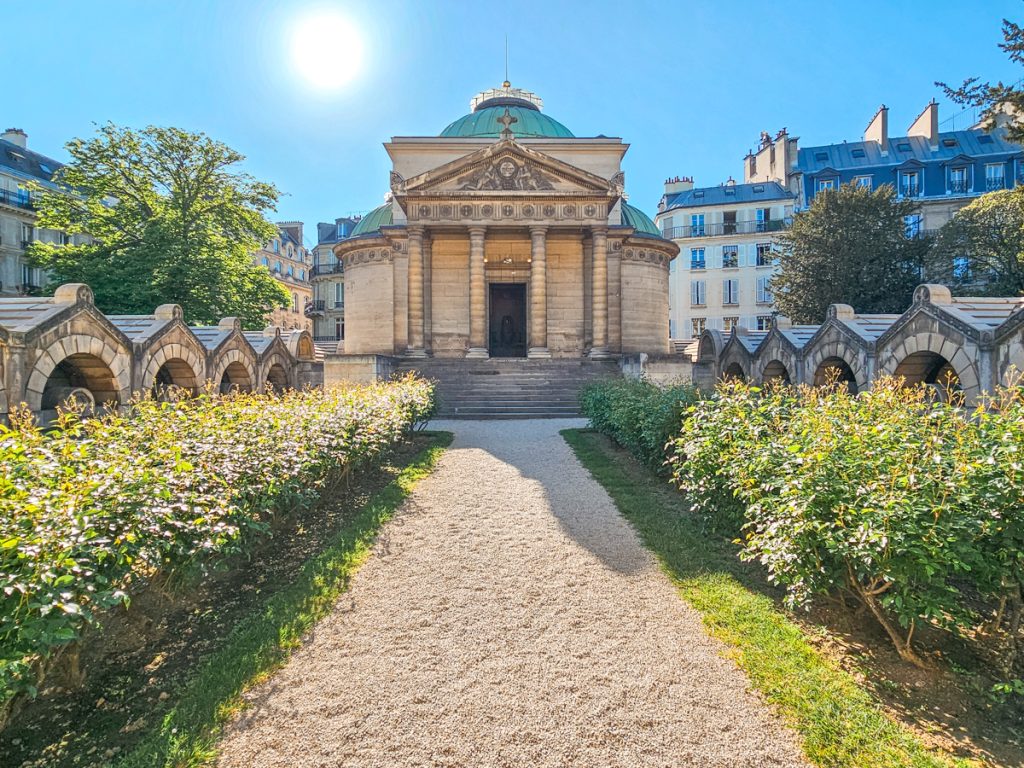
The Chapelle Expiatoire, located in the 8th arrondissement, is a memorial to Louis XVI and Marie Antoinette, the king and queen who were guillotined during the French Revolution.
After their executions, the royals were buried in the Madeleine cemetery, the same ground where around 510 people beheaded during the Revolution were also buried.
After the Revolution, Napoleon rose to power and ruled France until his final defeat in 1815. With the monarchy restored, Louis XVIII, the younger brother of Louis XVI, commissioned a memorial chapel on the site.
By that point, the royal remains had already been moved to the Basilica of Saint-Denis, so the chapel serves purely as a monument.
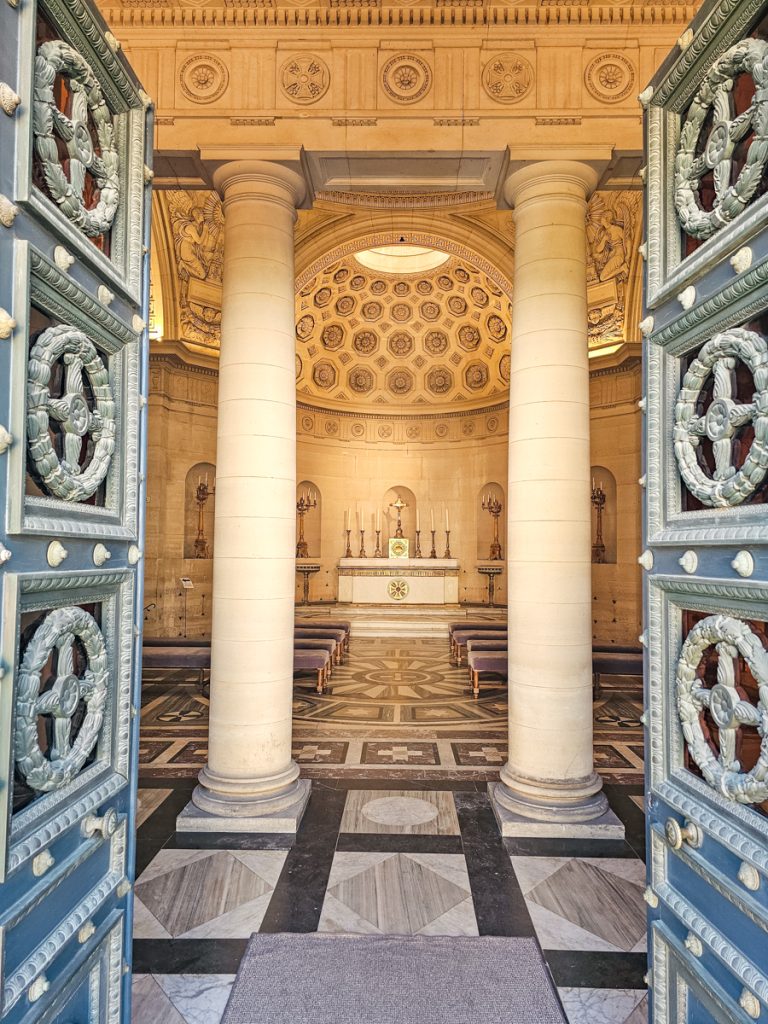
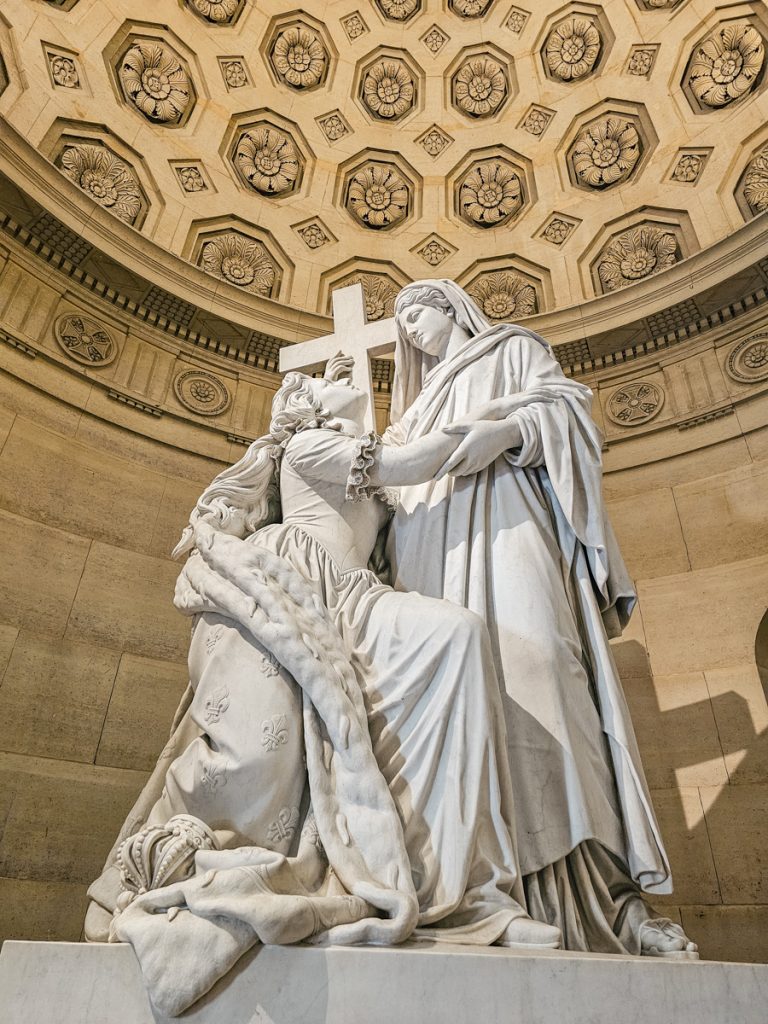
Inside, two marble sculptures face each other: Louis XVI depicted with an angel guiding him toward heaven, and Marie Antoinette in a similar pose. Beneath each statue are inscriptions from letters they wrote from prison. It’s political propaganda in stone, Louis XVIII’s attempt to restore the legitimacy of the monarchy by casting the executed royals as martyrs.
The chapel also nearly didn’t survive. During the Paris Commune in 1871 it was ordered demolished, and was only saved by a local man who pretended to be an American buyer and deliberately stalled the process until the Commune collapsed.
2. Jardin du 13 Novembre 2015
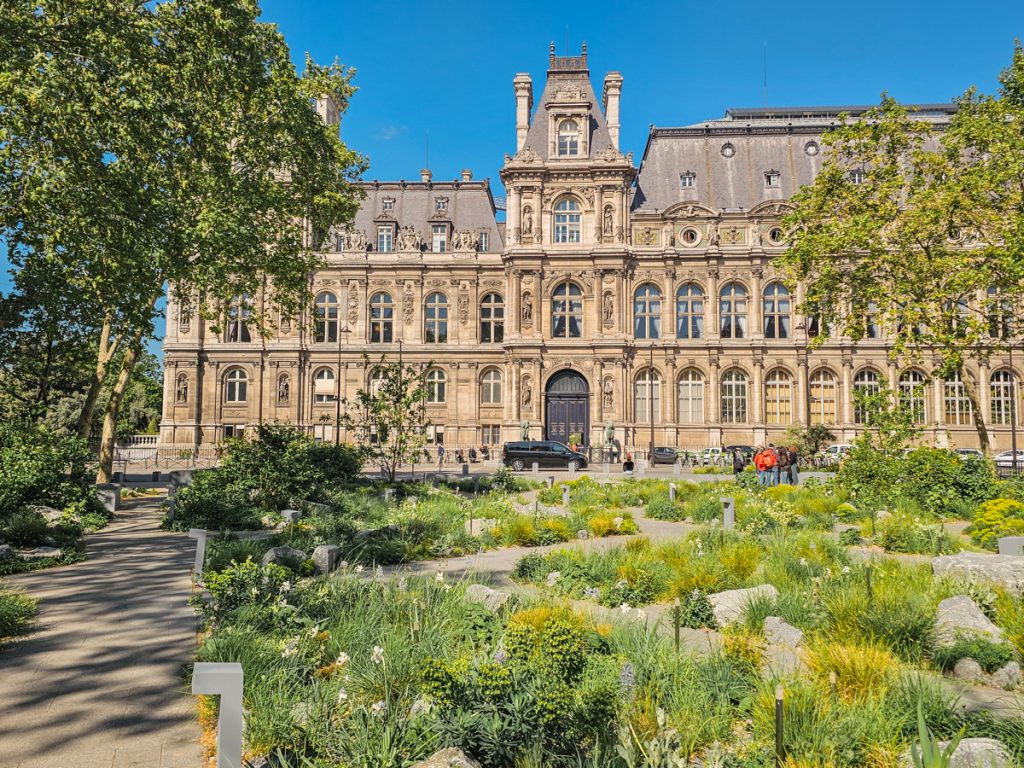
The Jardin 13 Novembre 2015 is a small memorial garden behind the Hôtel de Ville, tucked between the city hall on one side and the Église Saint-Gervais on the other. It’s dedicated to the victims of the November 13, 2015 terrorist attacks that killed 130 people across Paris.
The garden is made up of individual granite blocks, one for each attack location, with the name of the site and the victims’ names carved into the stone.
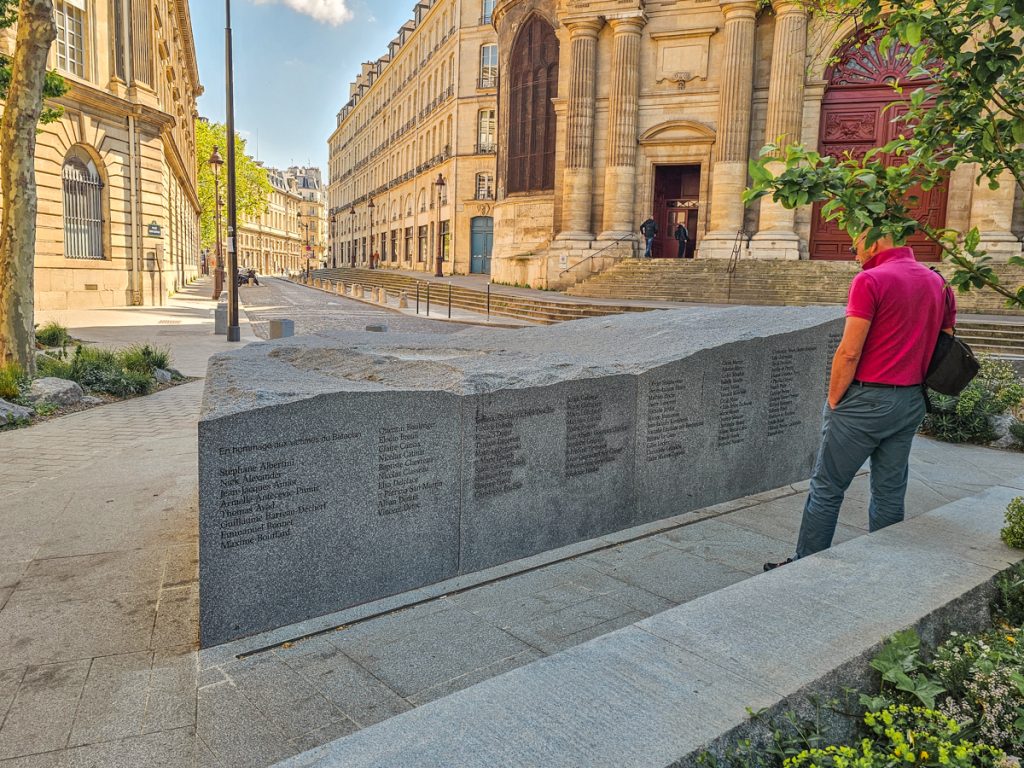
The pathways running between the blocks are marked with the actual street names from near each attack site, recreating an artistic approximation of the geography of that night across Paris.
At night, lights arranged throughout the garden recreate the night sky as it appeared on November 13, 2015. It’s a beautiful, quiet, thoughtful spot that ends up getting missed, as it’s behind Hotel de Ville and Rue de Rivoli.
3. Porte Saint-Denis
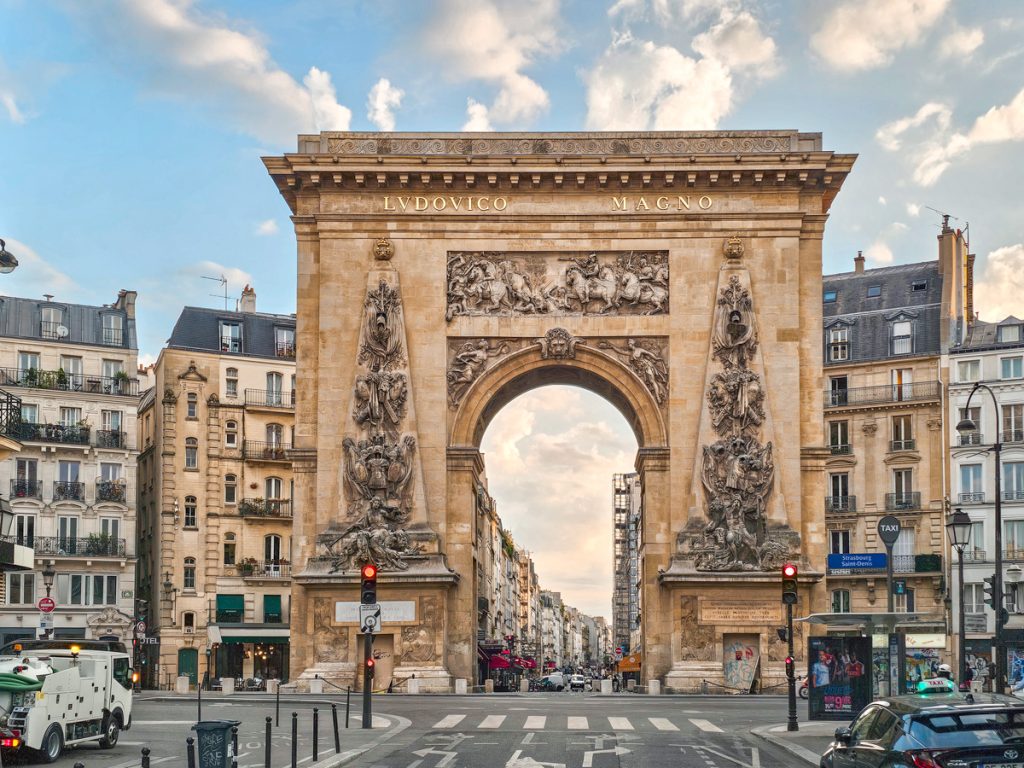
The Porte Saint-Denis looks vaguely like the Arc de Triomphe, but it predates it by over 160 years, and is actually one of four triumphal arches built in Paris.
It was commissioned by Louis XIV in 1672 to commemorate his military victories on the Rhine and in Franche-Comté. The bas-reliefs covering its surface depict scenes from Louis XIV’s military campaigns.
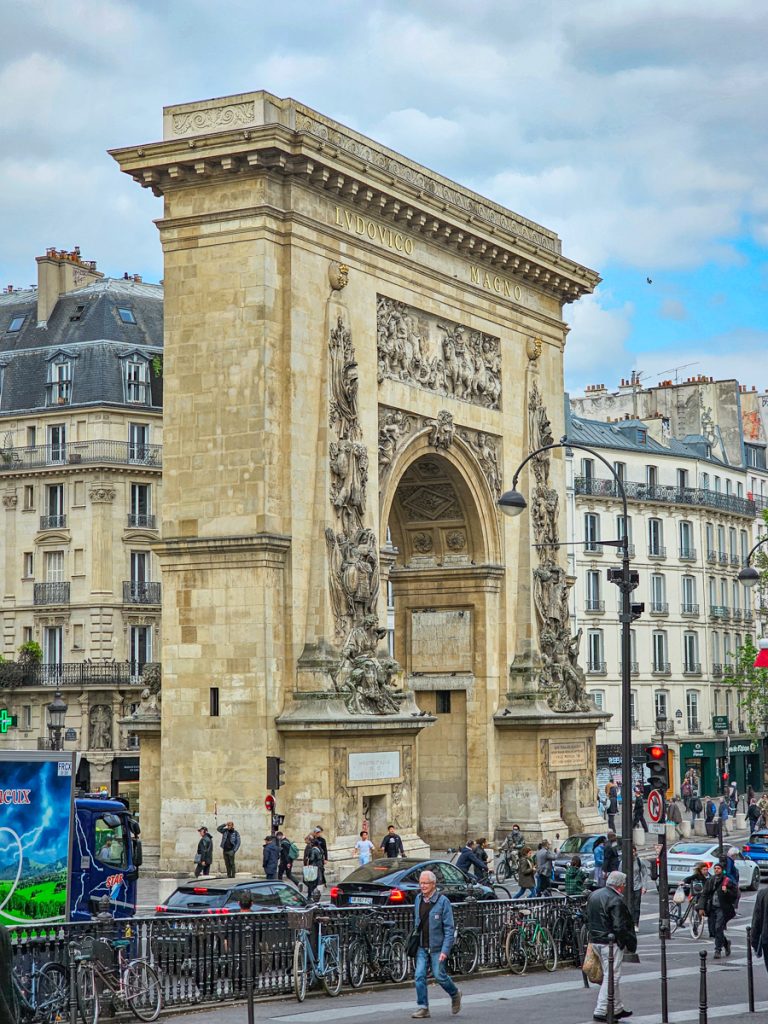
The arch was built near the site of a former gate in the medieval Charles V city walls that once enclosed Paris. Today, it straddles the border of the 3rd and 10th arrondissements, rising unexpectedly in a part of Paris that sees very little tourist traffic.
Two blocks east on the same boulevard stands the Porte Saint-Martin, a smaller companion arch built in 1674 and is worth a look while you’re there.
4. Coulée Verte René-Dumont

The Coulée Verte is an elevated park running nearly 4.7 kilometers through the 12th arrondissement, built on top of a former railway viaduct that closed in 1969. It opened in 1993 as the first elevated urban park in the world and later inspired New York’s High Line.
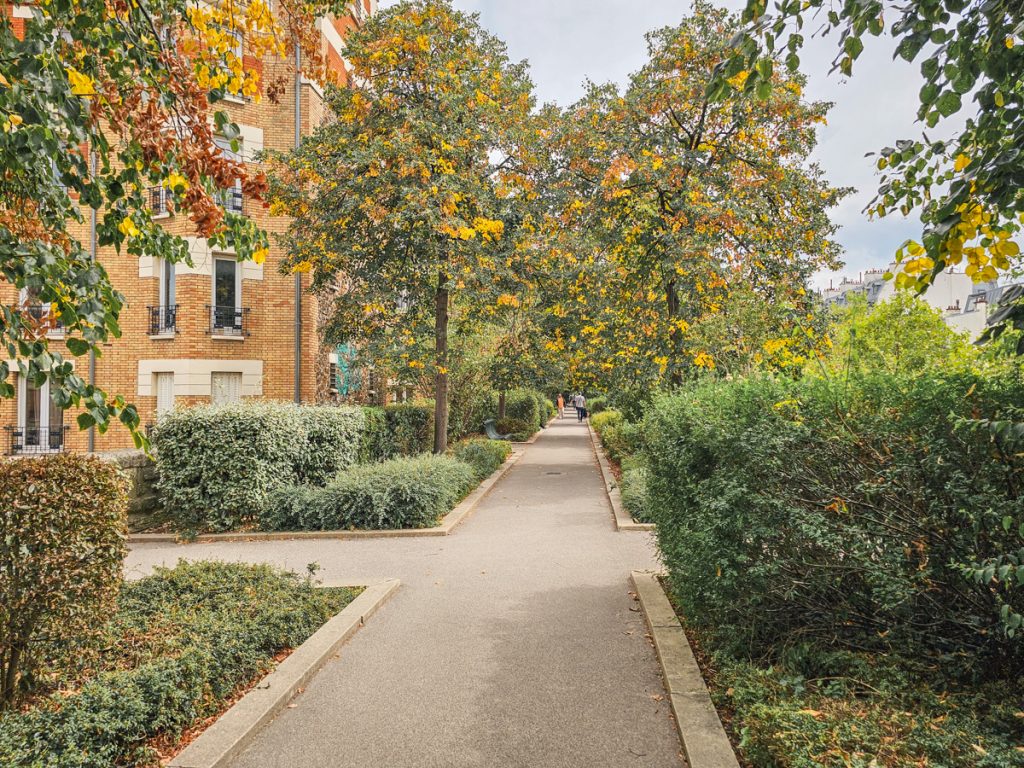
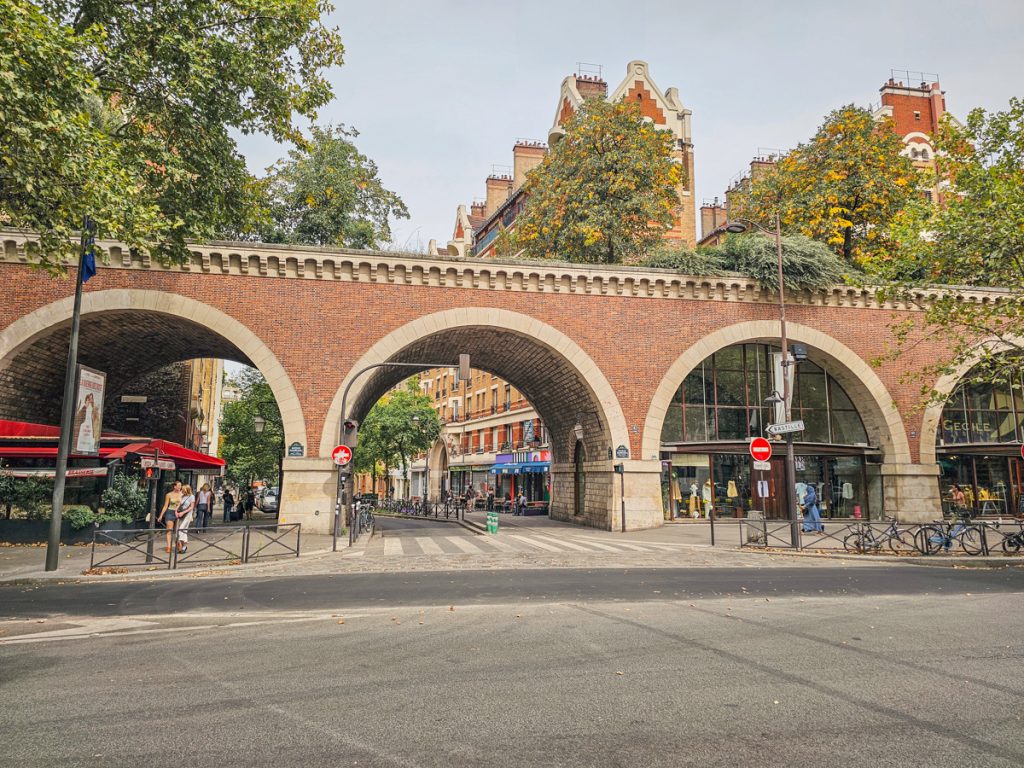
The path runs up a whole level above the street below and really feels like an escape into nature. Trees, plants, flowers, trellises, and small garden sections line the route, with benches scattered along the way. It’s surprisingly removed from the city below, even though you’re right in the middle of it. Below the viaduct arches, artisan workshops and studios line the ground floor.
Personally, I think the best stretch is the first 1.5 kilometers near the Opéra Bastille, and you can find regular staircases off Avenue Daumesnil leading up to the walkway. This is the official start location.
5. Musée Gustave Moreau

Gustave Moreau was a 19th-century Symbolist painter known for his vivid, mythological works, creating detailed, colorful paintings full of gods, biblical figures, and mythological creatures.
His former home in the 9th arrondissement is now a museum, and what makes it special is that Moreau designed it himself before his death, converting the family mansion so his work could be preserved and displayed exactly as he wanted.
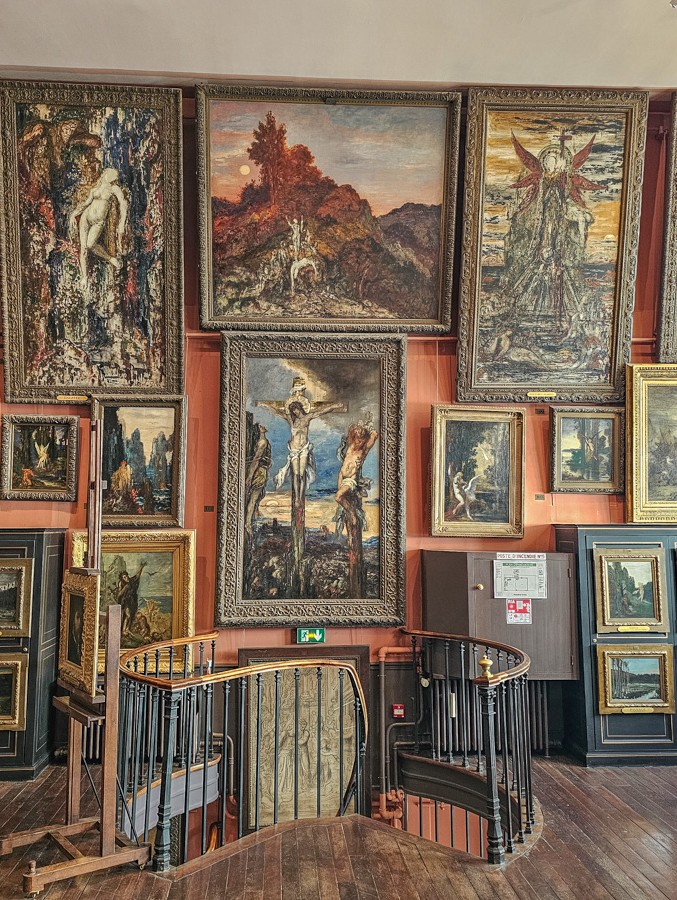
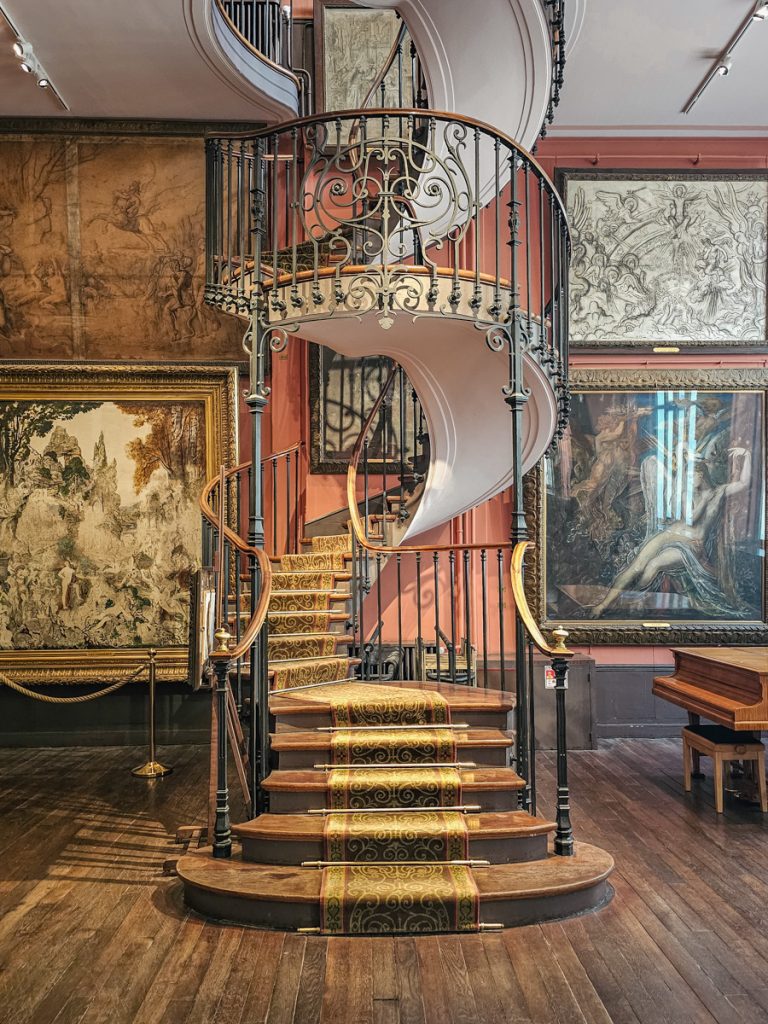
The ground floor has his family rooms and personal belongings, but the real draw is upstairs. Here, two studio levels are covered floor to ceiling in paintings, connected by a beautiful spiral staircase.
I loved this museum—the studios are so beautiful and atmospheric, and I really just walked around in awe. It’s one of my favorite art museums in Paris, and almost nobody goes.
6. Le Passe-Muraille
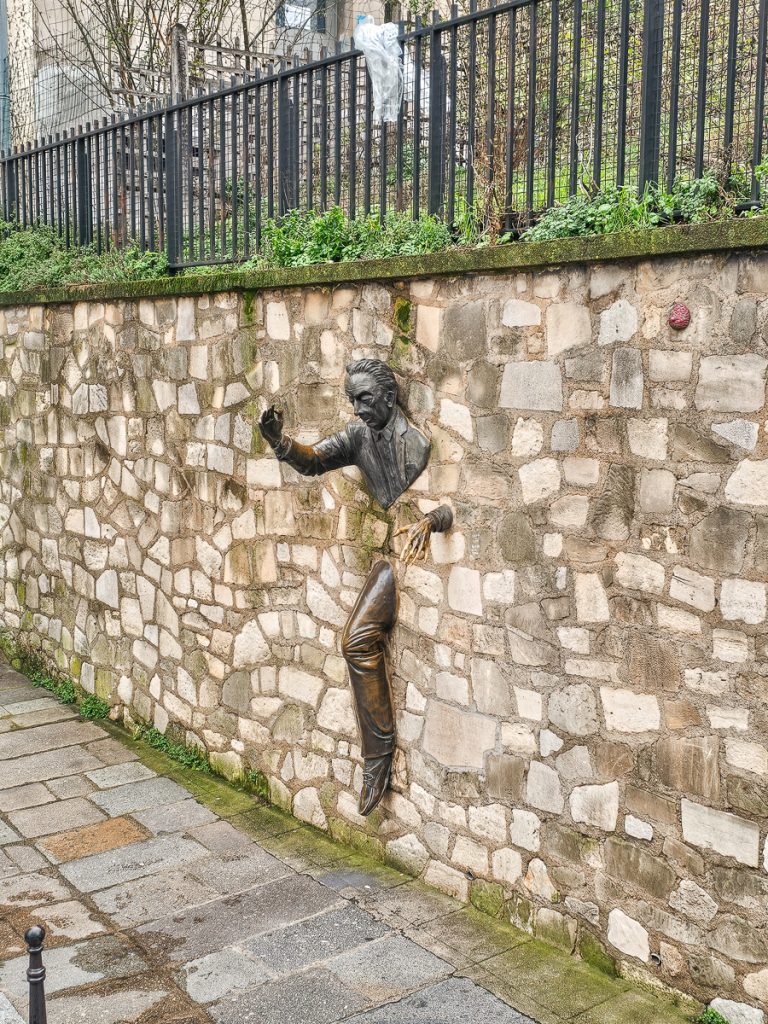
At the corner of Rue Girardon and Rue Norvins in Montmartre, there’s a small square with a bronze sculpture of a man frozen halfway through a solid stone wall. It’s a tribute to a short story by Marcel Aymé, the French writer who lived in Montmartre for forty years.
The story follows Dutilleul, a mild-mannered Parisian who discovers in middle age that he can walk through walls. He uses the gift to torment a terrible boss, then graduates to robbing banks and escaping prison, always signing his work “The Lone Wolf” in red chalk.
His downfall is a moment of carelessness, when he takes what he thinks are aspirin and unknowingly swallows the pill that was meant to take his power away. That night, mid-stride through the wall of his lover’s house, he feels resistance for the first time. He doesn’t make it through.
The sculpture captures this moment where Dutilleul becomes stuck in the walls forever. One fun detail: the figure in the sculpture is Aymé himself, cast as his own wall-passer.
7. Église Saint-Paul Saint-Louis
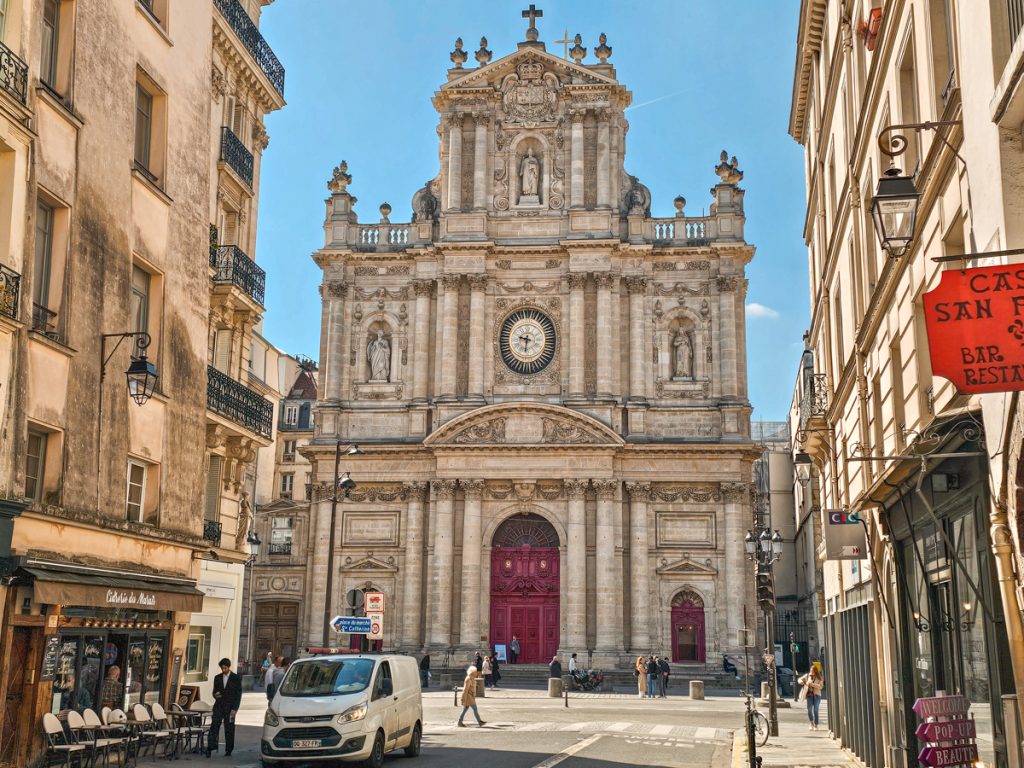
Église Saint-Paul Saint-Louis sits in the heart of the Marais and is one of my favorite churches in Paris. I think it is just gorgeous.
It was built by the Jesuits in 1641 in full Baroque style, and it has a very distinct look from the many older Gothic churches that dominate Paris. Corinthian columns, ornate carvings, and sculptures are everywhere you look, and a dome rises 55 meters above the nave. It’s dramatic and grand, and legitimately took my breath away the first time I walked in.
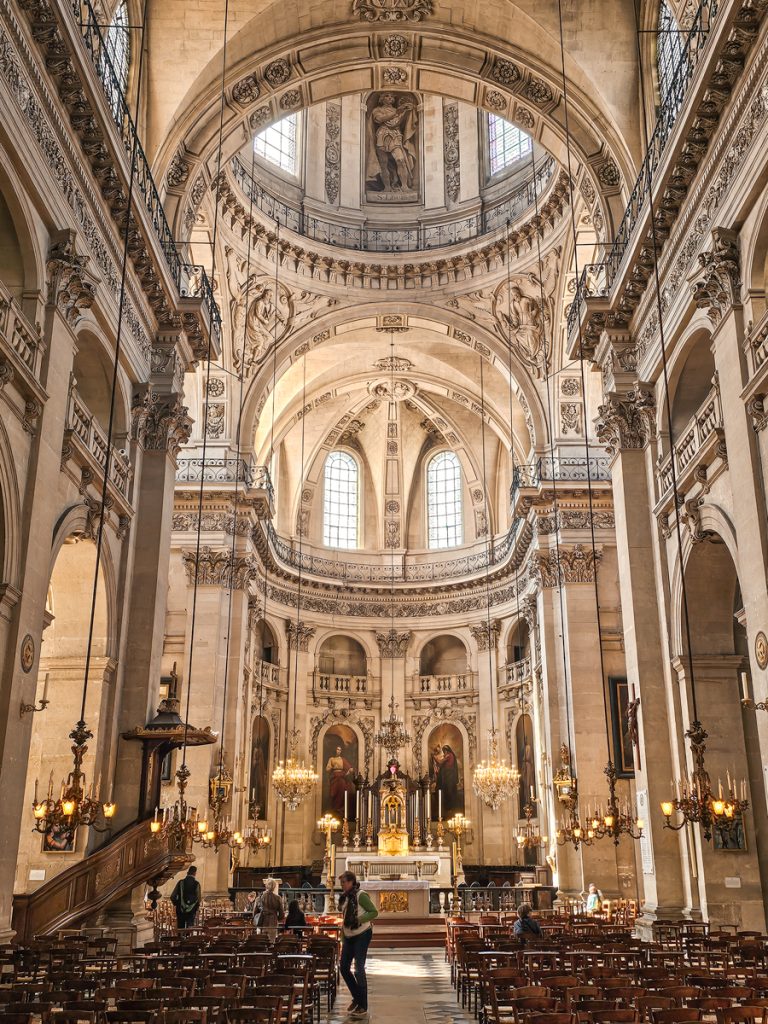
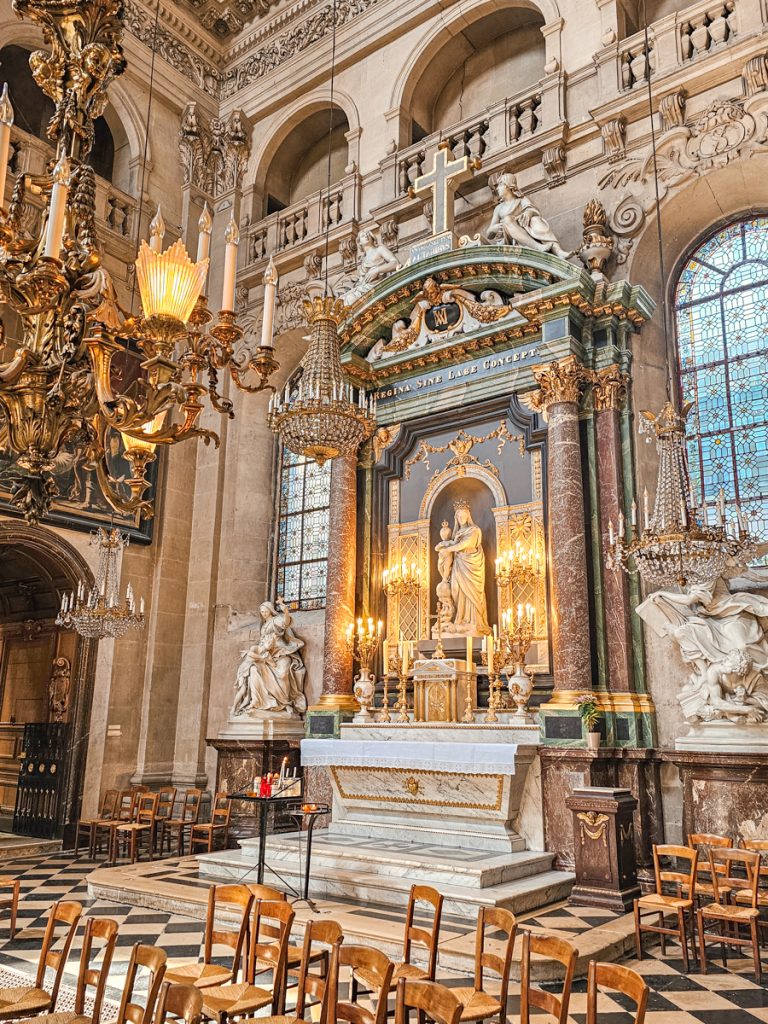
The name has an interesting history too. Originally, Saint-Paul and Saint-Louis were actually two distinct churches near each other. During the Revolution, the medieval Saint-Paul church was seized, and then demolished in 1797. When Napoleon restored Catholic worship in 1802, the original Saint-Louis church was renamed Saint-Paul Saint-Louis in memory of what had been torn down.
The church had also kept urns containing the hearts of Louis XIII and Louis XIV as relics. During the Revolution, Louis XIV’s heart was reportedly seized by a painter, who ground it up to use as pigment. You just can’t make this stuff up!
8. Printemps Viewpoint
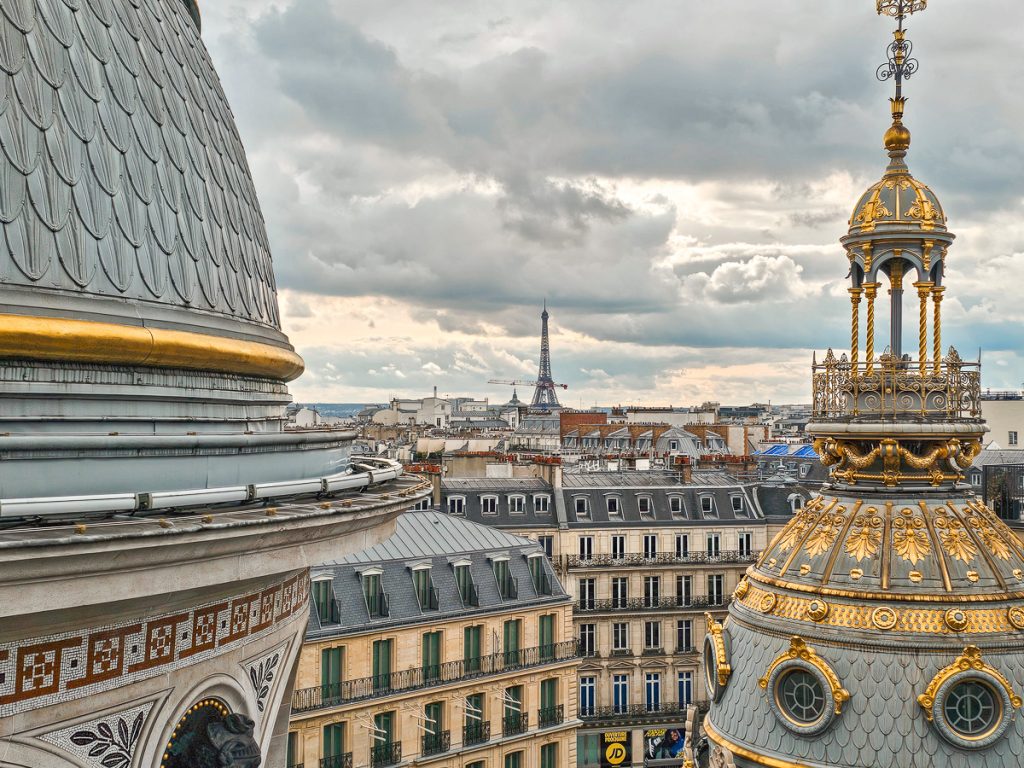
The free panoramic rooftop terrace at the Galeries Lafayette has incredible views over Paris, but it’s become very well-known and is usually very crowded. Just next door, the Printemps department store has a rooftop with essentially the same view and a fraction of the crowds.

From the top, you’re looking out over the gilded domes of the building itself, and across the Haussmann rooftops spreading in every direction. To the left is the Opéra Garnier, and looking straight ahead the Eiffel Tower rises in the distance. Access is free—just take the elevator all the way up and then the stairs to the roof.
The rooftop also has Perruche, a bar and restaurant set among exotic plants with the same panoramic views.
9. Musée de la Chasse et de la Nature
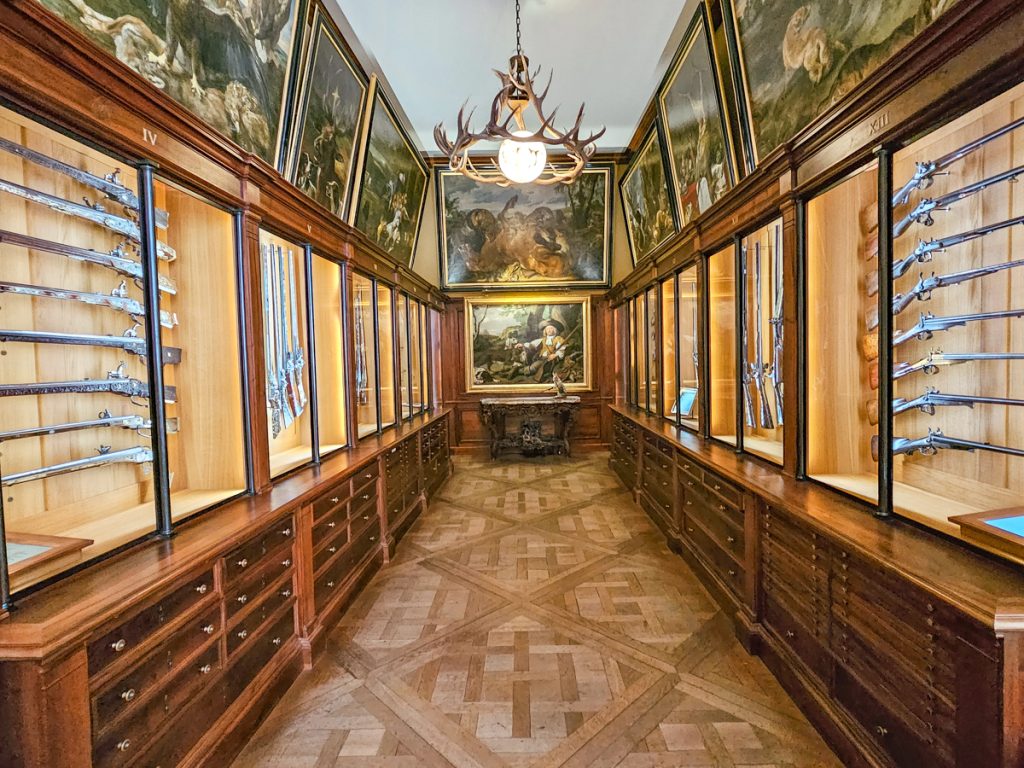
The Musée de la Chasse et de la Nature is dedicated entirely to hunting and nature, displayed in a 17th-century mansion in the Marais.
It sounds like an odd topic for a museum in central Paris, but the subject fits the neighborhood more than you’d expect. The Marais was long the quarter of the nobility, and the hunt was the defining pastime of European aristocracy for centuries.
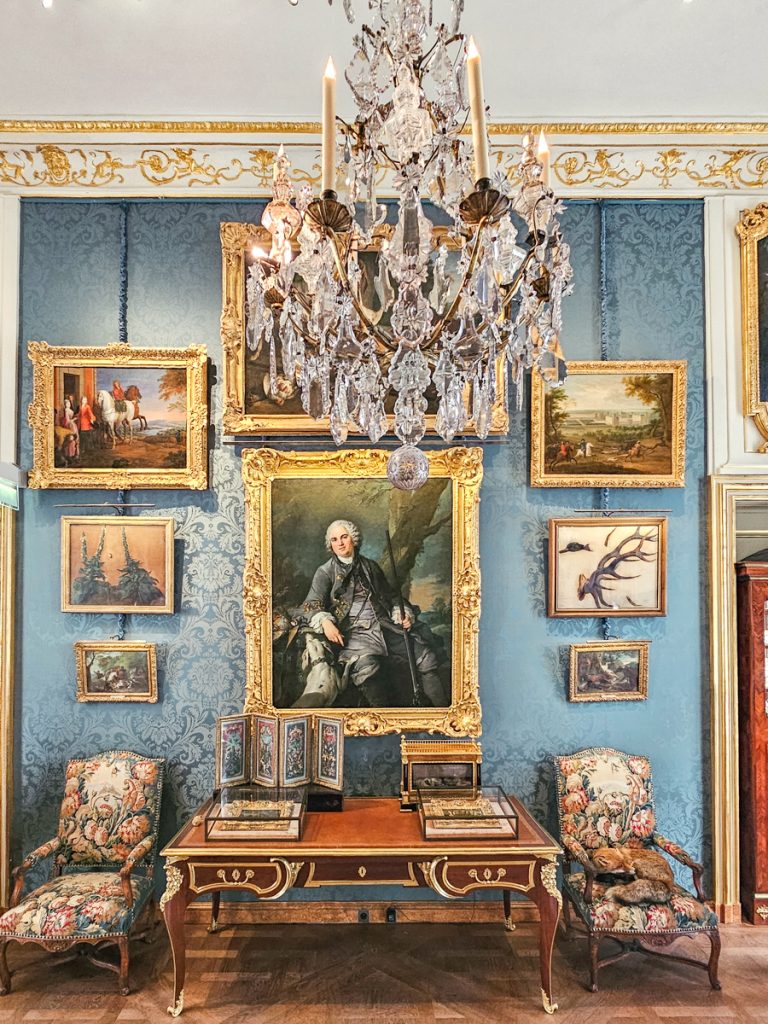
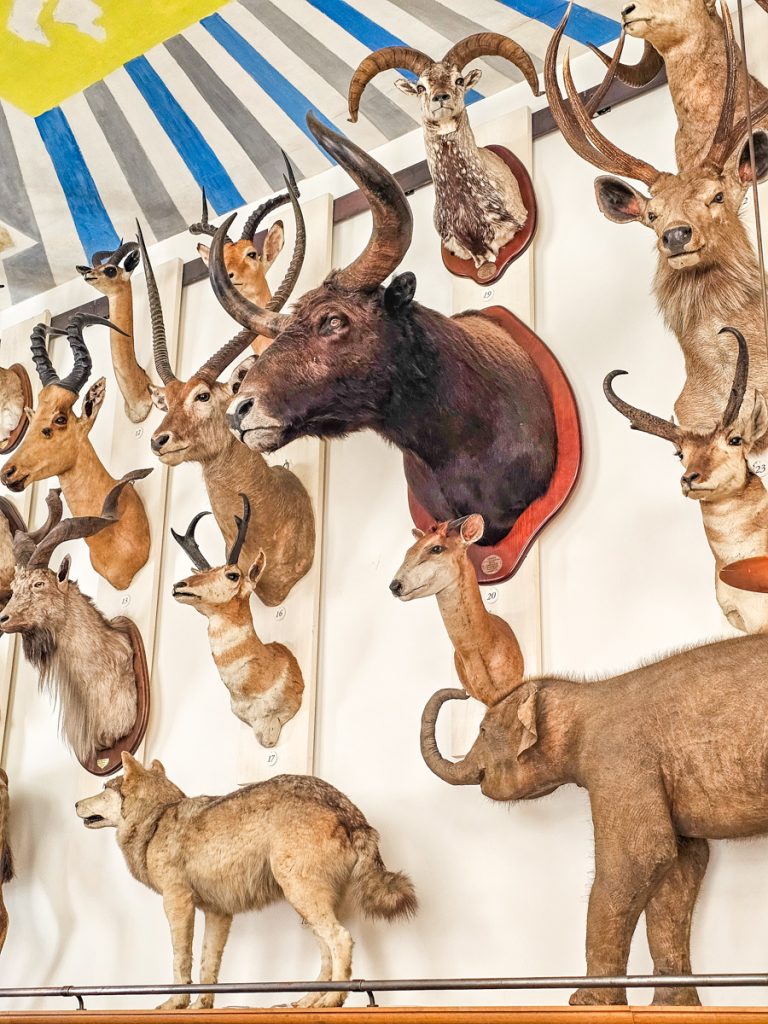
The rooms are lavishly decorated and cover a wide range: arms, guns, swords, paintings of hunting parties and feasts, and still lifes with dead game. But the taxidermy rooms are what really stop you in your tracks.
The specimens are large-scale and impressive: a standing polar bear, cheetahs, a tiger, a baby elephant, wolves, and a huge variety of deer and elk (just to name a few). Walking through a grand 17th-century salon with a polar bear in the corner is pretty wild!
10. Parc de la Turlure
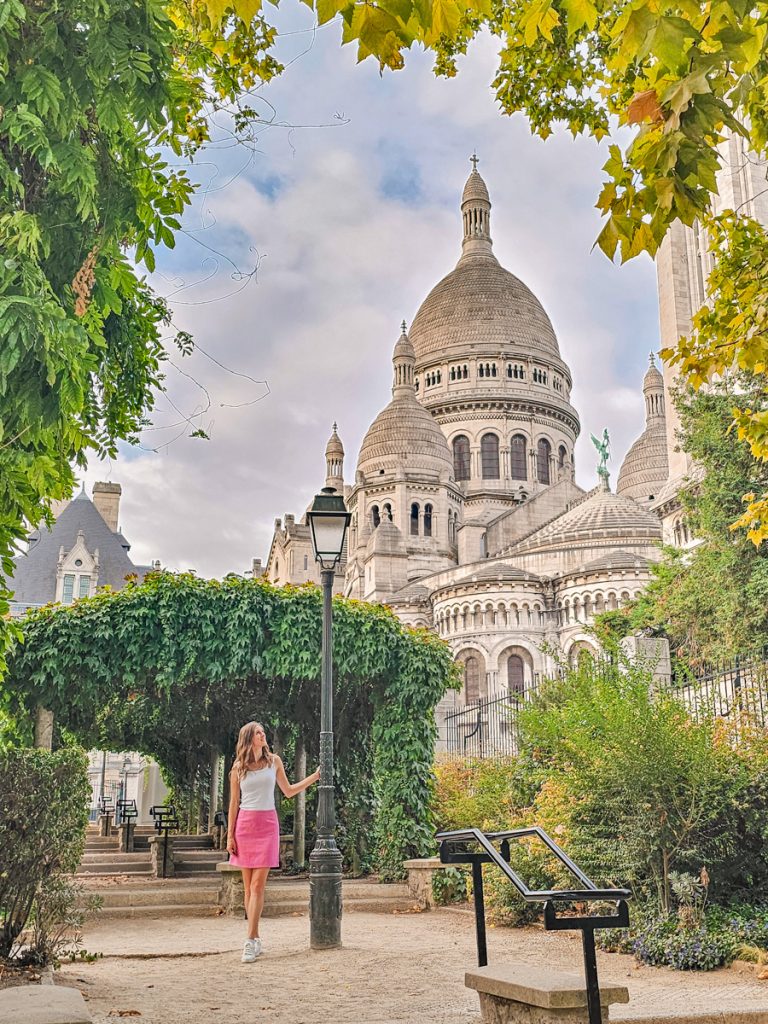
Most people visiting Sacré-Cœur fight through the crowds on the main esplanade out front. Parc de la Turlure (sometimes also called Parc Marcel Bleustein-Blanchet) is tucked just behind the basilica and offers a completely different experience.
From here, Sacré-Cœur rises above the trees and rooftops in a way that feels much more local than tourist attraction. And despite being steps away from one of the busiest spots in Paris, the park is noticeably calm.
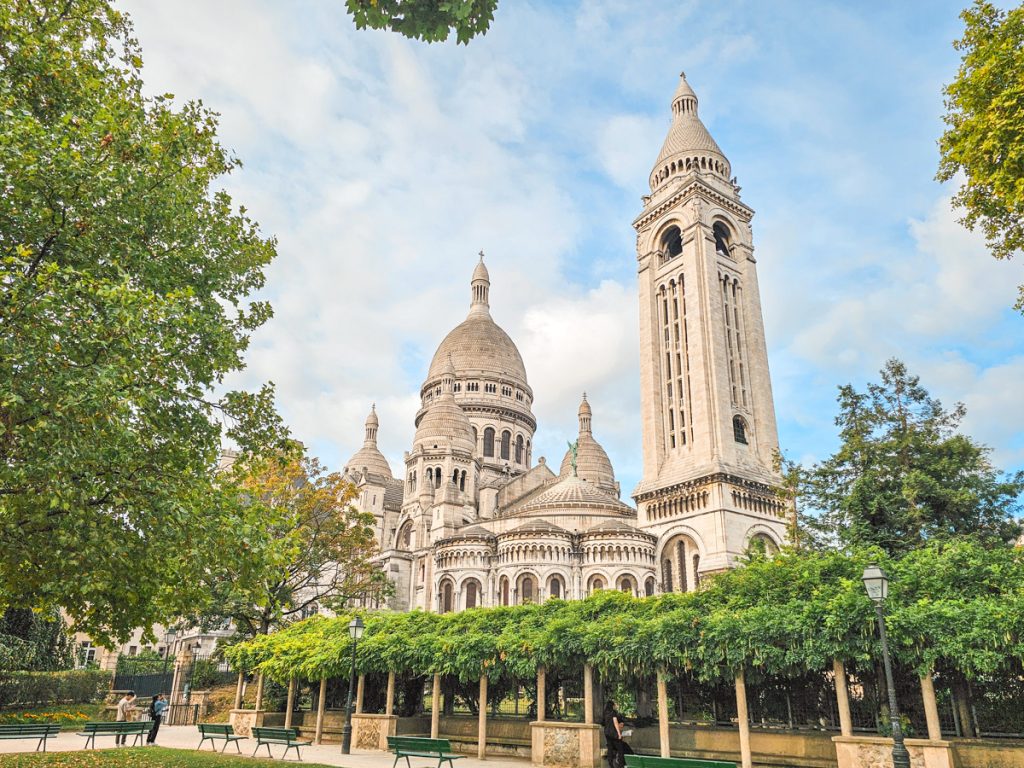
It’s a proper neighborhood park, with shaded paths, green lawns, benches, a playground, and a small amphitheater, and on any given afternoon it’s mostly locals. The name “Turlure” comes from a windmill that stood here in the 1700s before collapsing in 1827, a reminder of the neighborhood’s long history as a rural farming community.
11. Hôtel de la Païva
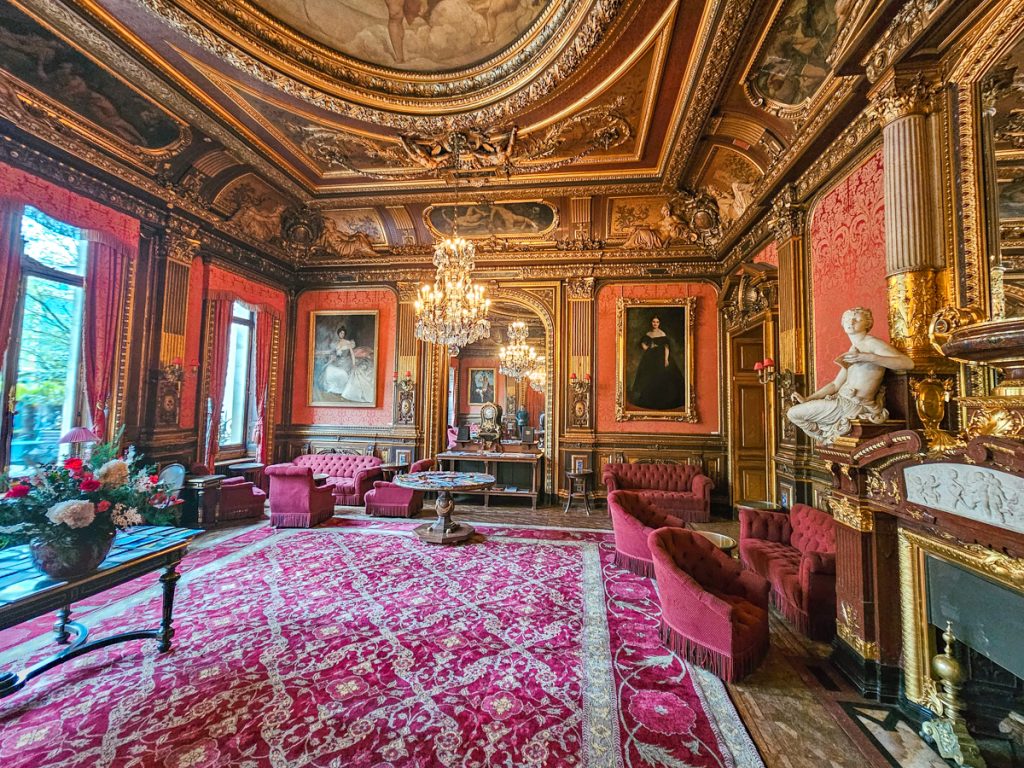
The Hôtel de la Païva sits at 25 Avenue des Champs-Élysées, and almost nobody walking past has any idea what it is. It’s one of the most lavishly decorated private mansions in Paris, built between 1856 and 1866, and the story of the woman who built it is extraordinary.
Esther Lachmann grew up in poverty in the Moscow ghetto in the early 1800s. She eventually made her way to Paris, settled in the Lorettes district, and worked as a courtesan under the name Thérèse. Through a combination of ambition, charm, and a series of increasingly wealthy lovers and husbands, she climbed her way to the very top of Parisian society.
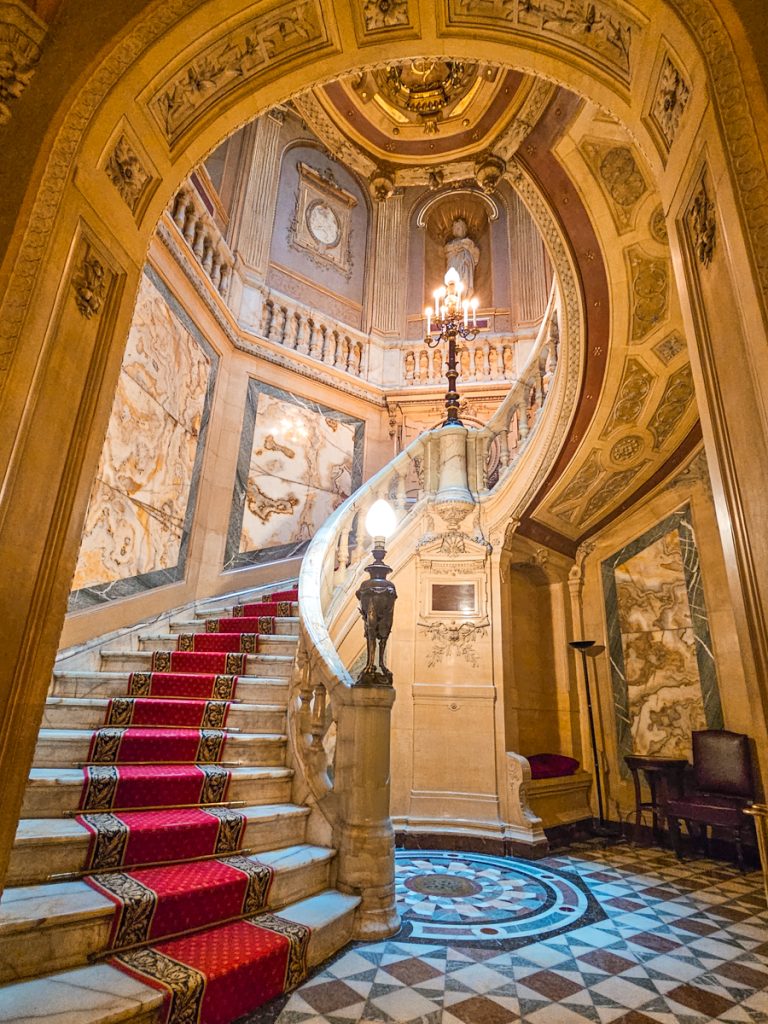
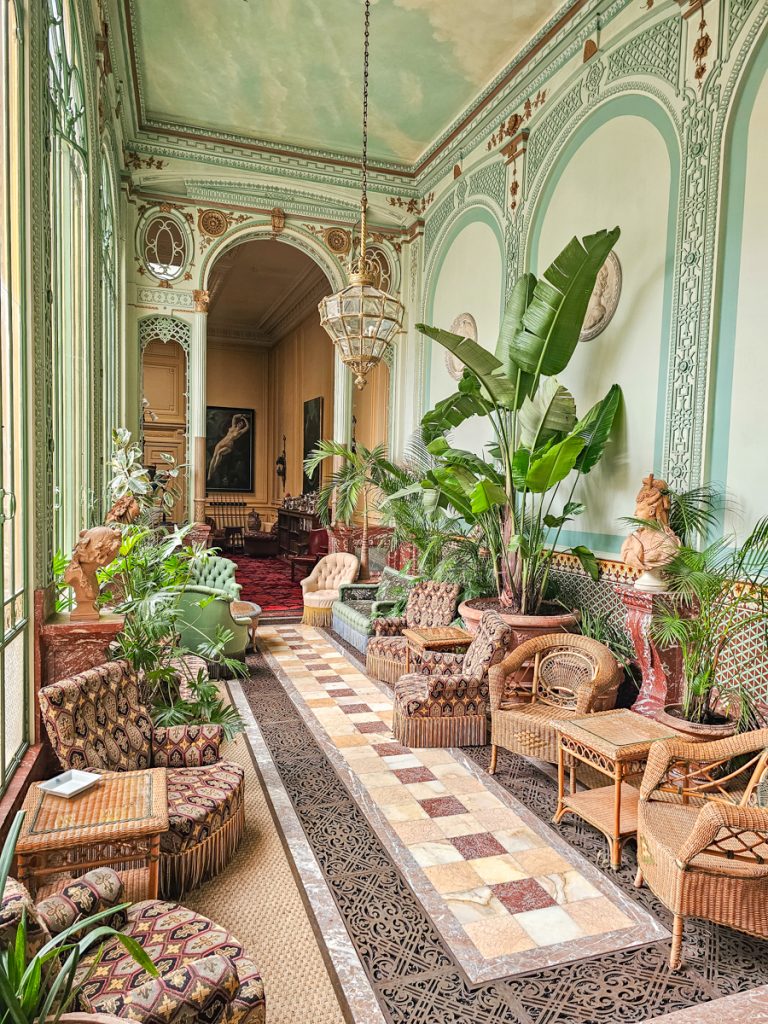
Her third husband, a wealthy Prussian count and cousin of Otto von Bismarck, financed the construction at a cost of nearly 10 million gold francs, and Paiva was involved in every opulent detail. The grand rooms are decorated with mythological figures, elaborate ceiling paintings, and the eclectic mix of styles typical of the Second Empire.
A few of the most iconic spaces are the “Escalier d’Honneur,” the incredible yellow onyx staircase, reportedly unique in the world, as well as the picturesque Winter Garden. The bathroom is also a surprise, as the onyx bathtub alone weighs 900 kilograms, and a second silver tub was fitted with a third tap for milk or champagne.
Since 1904 the mansion has been used as a private club and is only open for guided tours once or twice a month. Tours are in French, so a solid understanding of the language helps. Book well in advance as they sell out months ahead.
12. Musée de l’Homme
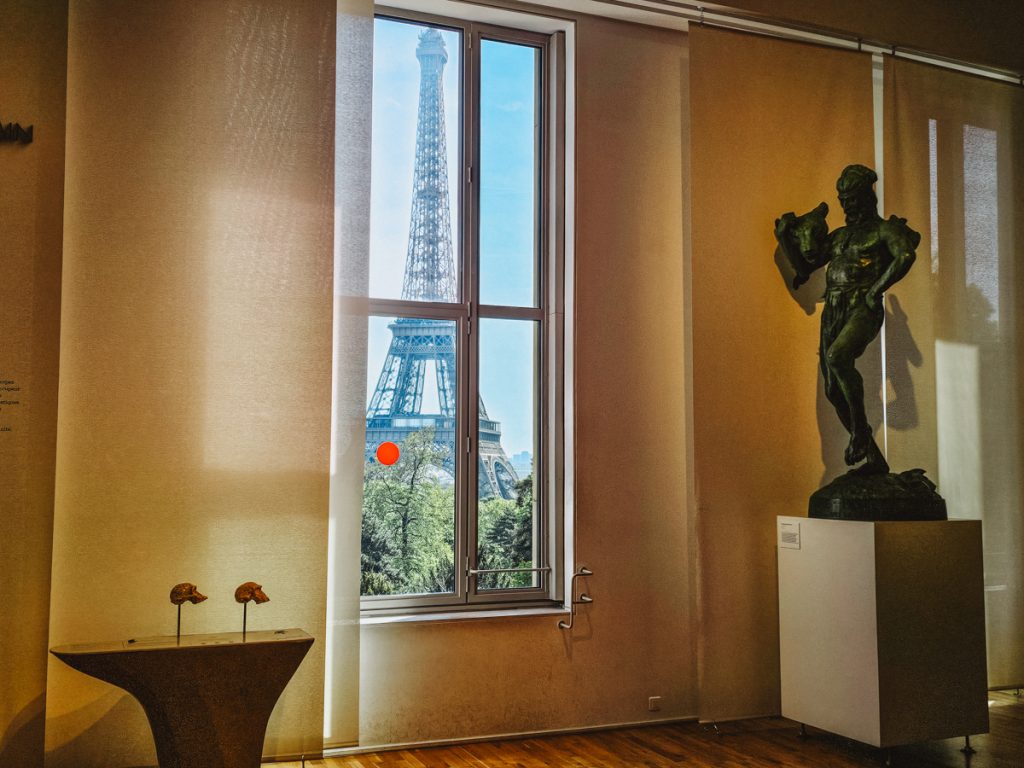
The Musée de l’Homme is inside the Palais de Chaillot at the Trocadéro. Some of the windows look directly out at the Eiffel Tower, which is a pretty great start to the museum before you even enter the galleries.
The museum is an anthropological exploration of what it means to be human, built around three questions: Who are we? Where do we come from? Where are we going?
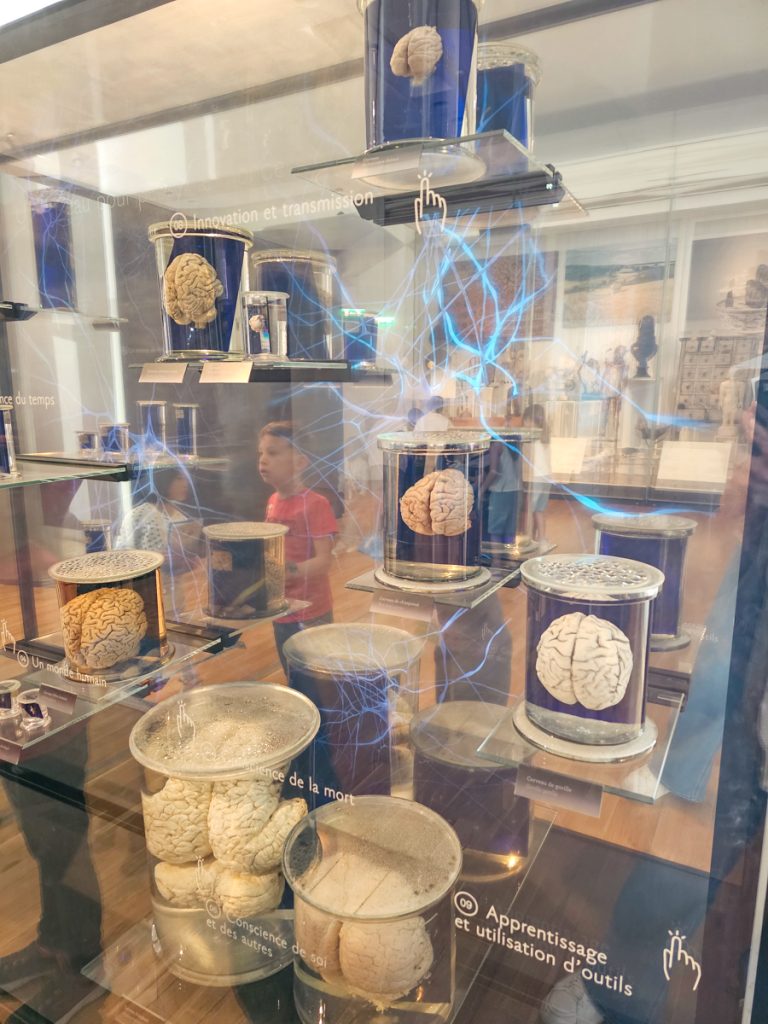
It covers human evolution, the development of cultures and societies, and where the species is headed. It’s more philosophical than a typical history museum, and has quite a few interactive elements.
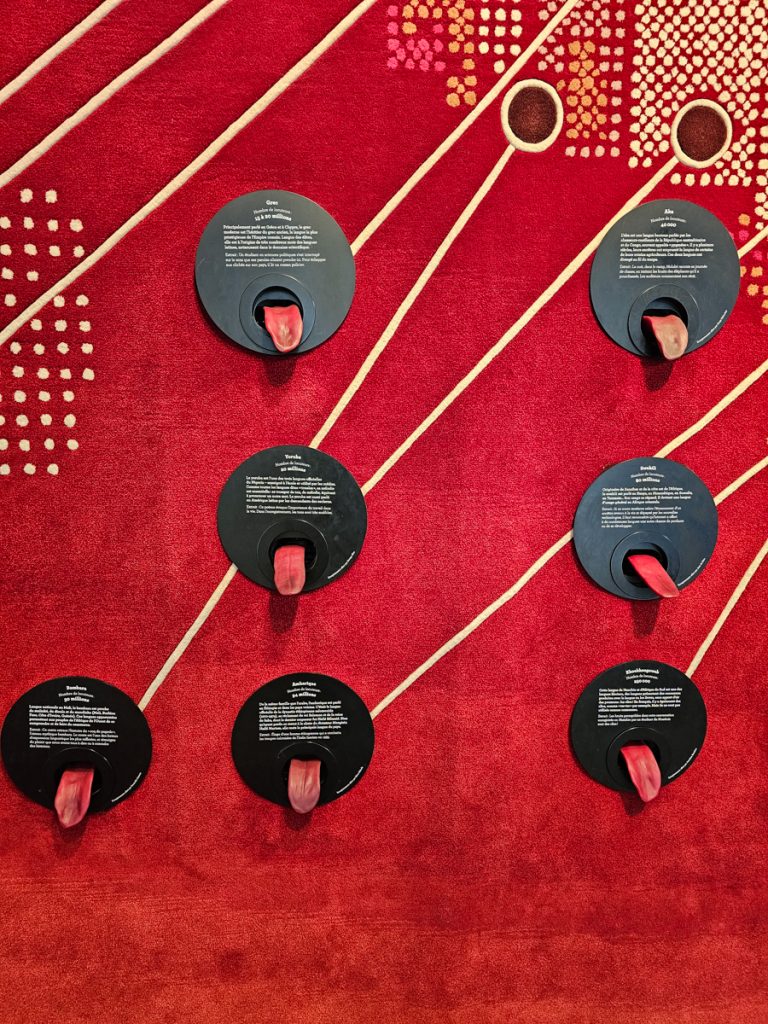
A few highlights worth knowing about: There’s a Wall of Languages with tongue-shaped handles you pull out to hear recordings in different languages (Swahili, Nahuatl, Bambara, and many more). René Descartes’ skull is here. And there’s a structure of 91 plaster and bronze busts rising 11 meters through the gallery called the “Flight of the Busts.”
13. Flamme de la Liberté
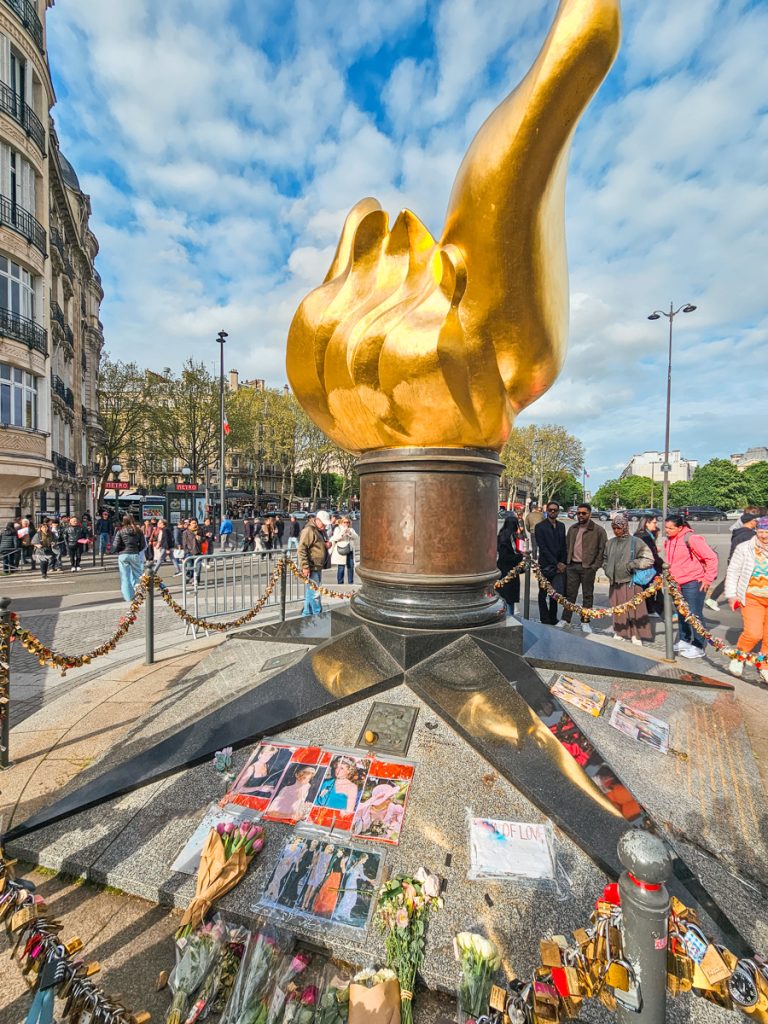
At the northern end of the Pont de l’Alma bridge sits a full-scale copper replica of the flame from the Statue of Liberty, gifted by the United States in 1989 to honor French-American friendship. However, most people who visit today come for a completely different reason.
On August 31, 1997, Princess Diana was killed in the underpass directly below as her car was being chased by paparazzi. The flame became an impromptu memorial almost overnight and has never really stopped being one. Flowers, photographs, and notes are still regularly left at its base by visitors who come specifically to pay their respects.
It’s a strange spot to stand in. A gilded torch meant to celebrate friendship between two nations has become, for much of the world, permanently tied to grief and the memory of Diana.
14. Eglise Saint-Eustache
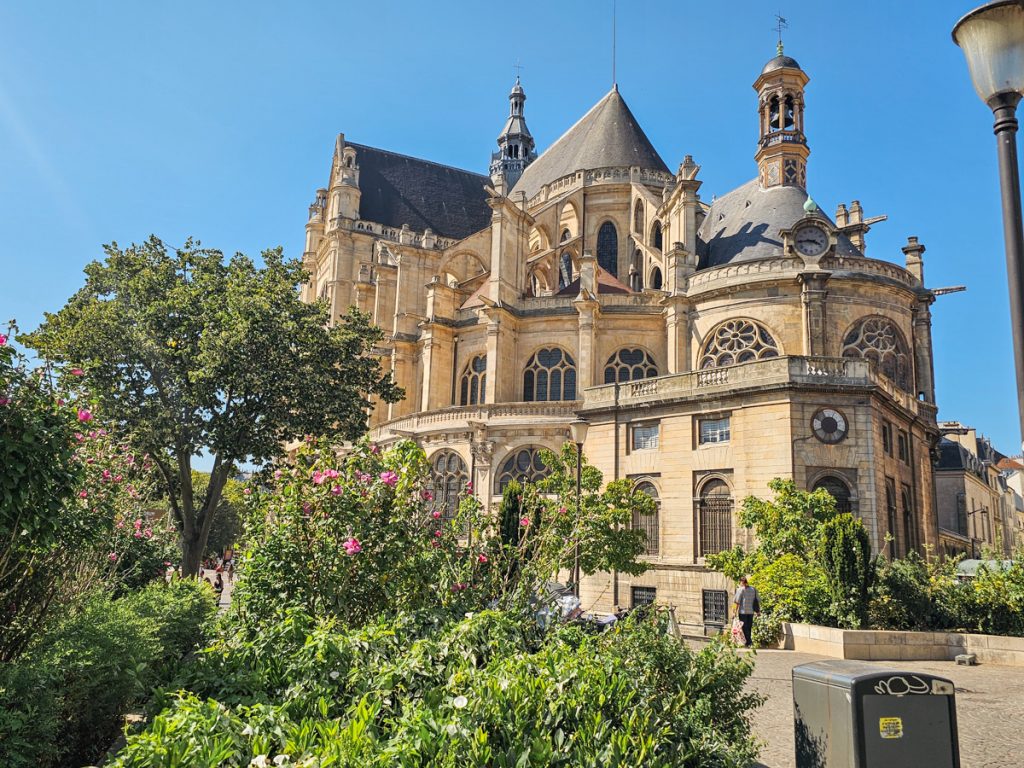
Saint-Eustache sits just behind Les Halles in the 1st arrondissement, and it’s one of the most underrated churches in Paris. Built between 1532 and 1637 at the request of King François I, the Renaissance king, the church grew up alongside Les Halles, Paris’s historic marketplace.
The structure is Gothic, with dramatic flying buttresses visible from the back of Les Halles, but the interior is also a mix of Renaissance and classical elements. You’ll admire soaring vaulted ceilings, intricate gold accents around the doors and chapels, beautiful stained glass, and one of the largest pipe organs in France as you wander the building.
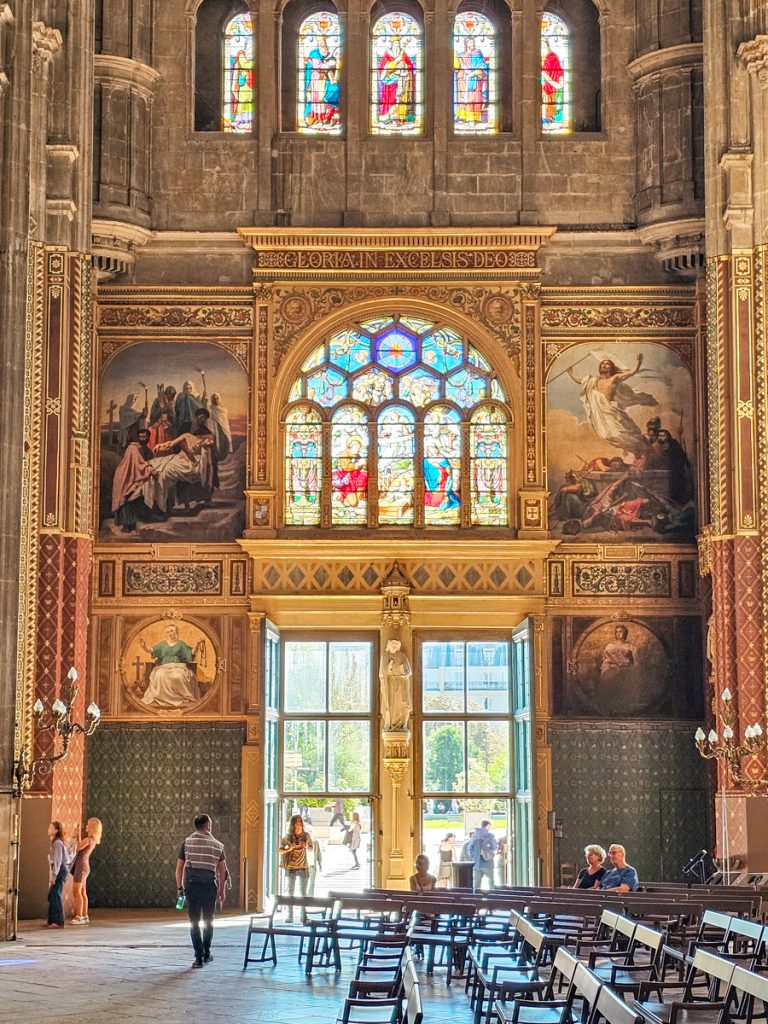
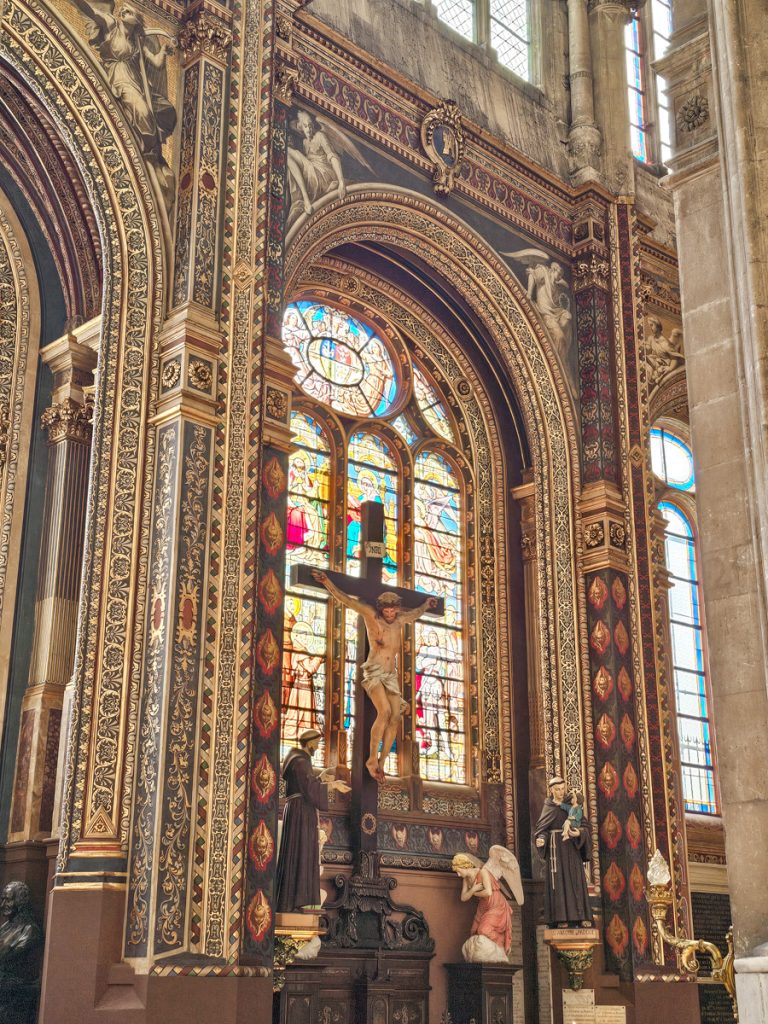
The church is named for Saint Eustace, a Roman general who converted to Christianity after seeing a vision of a crucifix between a deer’s antlers, which is how he became the patron saint of hunters.
It also hosts concerts and choral performances in the evenings throughout the year, a pretty special way to experience the space.
Planning the Rest of Your Time in Paris?
If you’re continuing to plan the rest of your trip, these guides can help:
- Ultimate List of Things to Do in Paris – Nearly 100 sights and experiences, from must-sees to hidden gems
- Where to Stay in Paris – A neighborhood-by-neighborhood breakdown to help you choose the right base
If you want everything in one place, my Paris travel guide page pulls together neighborhood guides, attraction and museum guides, foodie recommendations, and travel tips in one hub.
And if you’re feeling overwhelmed or short on time, I also offer Paris planning calls.
These one-on-one video sessions are great for getting feedback, asking questions, and sorting through options, whether you need a full plan or help fine-tuning what you already have.
