
12 Unique French Words and Expressions With No English Equivalent

One interesting part of learning a language is stumbling across words that don’t have a direct translation, and French is no exception.
Sure, you can usually translate them. But instead of a single English word, you often need an entire phrase or explanation to really capture the meaning. Sometimes the word describes a feeling that English speakers experience all the time but don’t have a name for. Other times, it reflects a cultural idea that’s much more common in France than in the English-speaking world.
Here are some of my favorite French words and expressions that don’t translate neatly into English.
1. Dépaysement
Dépaysement is the feeling of being removed from your usual surroundings and placed somewhere completely different. The word comes from pays, meaning “country” or “region.” Literally, it means something like “de-countrying” yourself.
It’s a word you’ll often hear in France when people talk about travel. A trip doesn’t just help you relax. It provides dépaysement.
English speakers might describe it as a feeling of disorientation mixed with excitement, a bit of an escape. It’s not a negative feeling like homesickness or culture shock; it’s more the excitement of being somewhere different and enjoying the change of scenery. It’s that feeling you get when you arrive somewhere new and everything around you feels unfamiliar in the best possible way.

2. Esprit d’Escalier
Esprit d’escalier literally means “staircase wit.” It describes that perfect comeback, clever response, or brilliant observation that only occurs to you after the conversation is long over.
The phrase dates back to the 18th century and is often attributed to French philosopher Denis Diderot. The story goes that someone made a comment at dinner that took him aback. Unfortunately, he didn’t think of the perfect response until he had already left and was descending the staircase on his way out.
I think we all know the feeling very well. You’re halfway home, replaying a conversation in your head, when suddenly you think of exactly what you should have said. The French have a word for that.
3. Retrouvailles
Retrouvailles refers to the joy of reconnecting with someone after a long separation. The word comes from retrouver, meaning “to find again” or “to meet again.”
But retrouvailles isn’t just the reunion itself. It’s the happiness, excitement, and emotion that come with seeing someone after months or years apart.
You might experience retrouvailles when meeting up with an old friend, picking up a family member at the airport, or returning to a place filled with people you haven’t seen in a long time.
4. Tutoyer & Vouvoyer
French has two different ways to say “you.” Tu is used with friends, family members, children, and people you know well, while vous is used in more formal situations or when speaking to someone you don’t know. In most situations, using tu with a stranger would be considered too familiar or even impolite.
This distinction gives rise to the verbs tutoyer and vouvoyer, which mean “to use tu” and “to use vous.” In France, deciding when to switch from vous to tu can be an important social signal.
If someone says, On peut se tutoyer ? (“Can we use tu with each other?”), it means the relationship has become friendly and close enough to move away from formalities.
5. Terroir
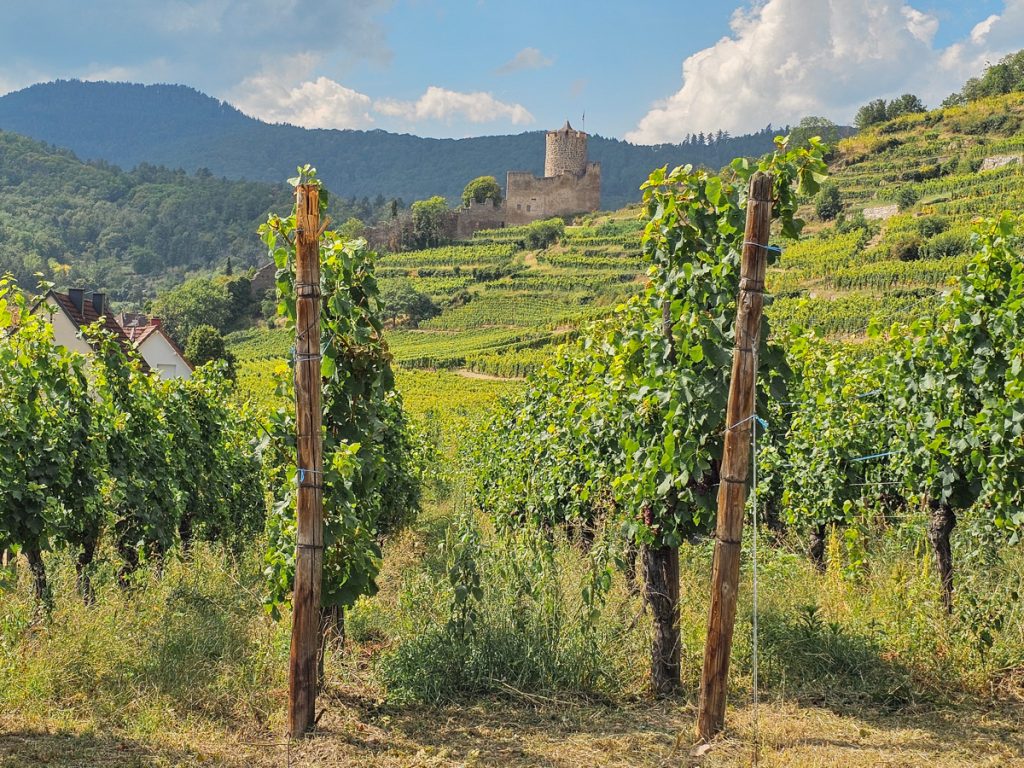
Terroir refers to the unique characteristics that a place imparts to a product, particularly food and wine. The word comes from terre, meaning “land” or “earth.”
While climate, soil, and geography are all part of terroir, the concept goes beyond that. It can also include factors like local vegetation, nearby bodies of water, prevailing winds, and even farming traditions developed over generations. In short, it’s everything that gives a place its unique character.
You’ll most often hear the term used in discussions of wine, where two vineyards growing the exact same grape variety may produce very different wines because of differences in terroir. In fact, terroir is the foundation of France’s wine appellation system, which links certain wines to specific regions and growing conditions.
The French idea is that a product reflects where it comes from, which helps explain why regional food and wine traditions are taken so seriously.
6. Bonne Continuation
Bonne continuation is a phrase you’ll hear all the time in France. Literally, it means something like “good continuing,” but what French speakers really mean is “I hope the rest of whatever you’re doing goes well.”
You might hear it when leaving a shop, finishing a conversation, or parting ways with someone you probably won’t see again soon.
I was recently having lunch in a charming little village in southwest France, chatting with a server about the rest of my travel plans throughout the meal. As I left, he wished me bonne continuation, essentially hoping the rest of my trip would go well.
It’s warmer than a simple goodbye, and it’s one of those phrases you quickly start wishing existed in English too.
7. Flâner
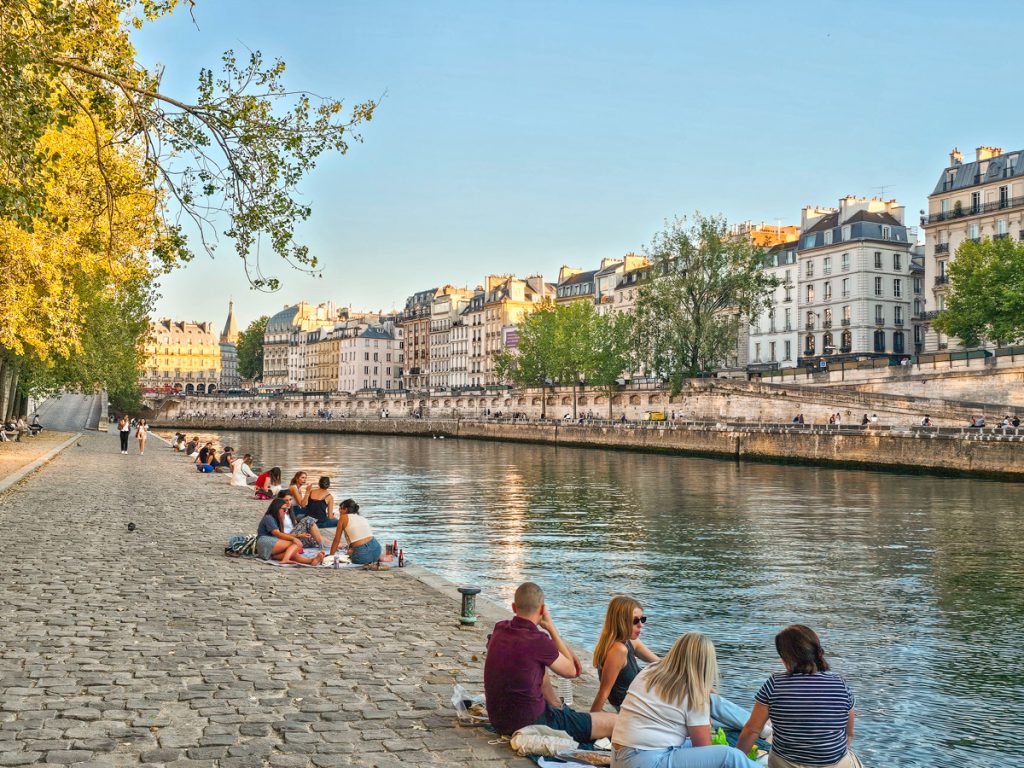
While flâner is often translated as “to stroll,” the word has become associated with a particular way of experiencing a place: moving slowly, observing your surroundings, and allowing yourself to be pleasantly distracted by whatever catches your attention.
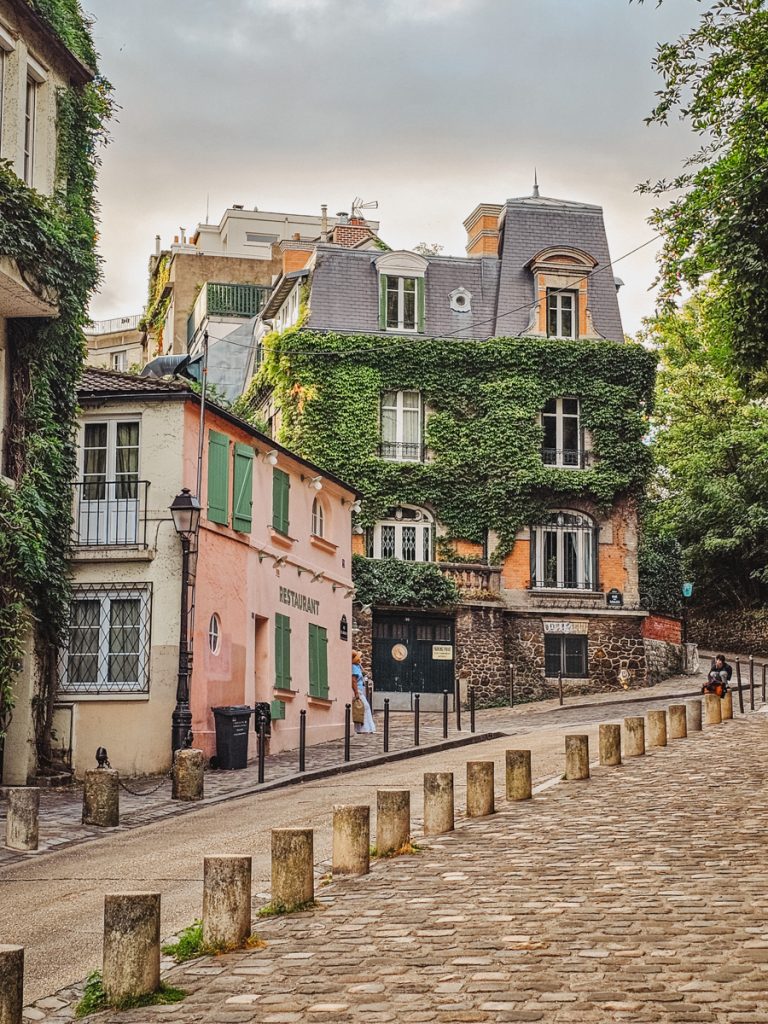
The word is often associated with Paris, where wandering through neighborhoods, parks, and side streets has long been considered something of an art form. In the 19th century, the flâneur became a recognizable figure in French literature: someone who observed the city and its people while strolling through it.
It’s a concept that still feels very alive in French culture today.
8. Si
French already has the word oui for “yes,” but it also has si, a special word used when responding positively to a negative question or statement.
For example, imagine someone asks, “You don’t speak French?” If you answer “yes” in English, are you saying “Yes, I don’t speak French” or “Yes, I do speak French”? The answer isn’t always immediately clear.
French solves this problem with si. In that situation, a French speaker could simply respond si to mean, “Actually, yes, I do.”
It’s a tiny word, but an incredibly useful one (and one I wish we had in English!)
9. Patrimoine
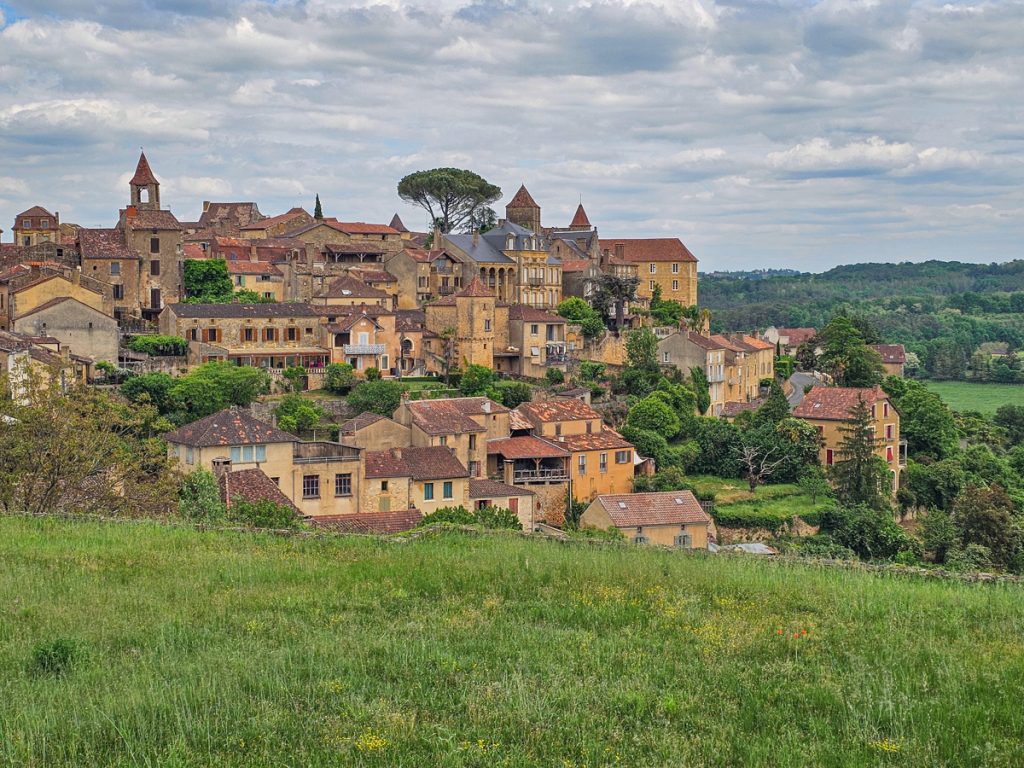
Patrimoine is usually translated as “heritage,” but in France it encompasses much more than historic buildings and monuments. The word comes from the Latin patrimonium, meaning something inherited from one’s ancestors.
Today, patrimoine can refer to architecture, traditions, cultural practices, landscapes, regional crafts, and even local recipes. It’s essentially the shared inheritance of a place and its people.
If you’ve ever wondered why the French put so much effort into preserving old villages, restoring historic buildings, protecting regional traditions, or pursuing UNESCO designations, the concept of patrimoine is a big part of the answer.
10. Apéro
Apéro is short for apéritif, but in practice it means much more than simply having a drink before dinner.
An apéro is a social ritual where friends, family, or colleagues gather for drinks and small snacks before a meal. It might be as simple as a glass of wine and some olives, or it can turn into an elaborate spread of cheese, charcuterie, and other appetizers.
If you’ve ever visited France in the early evening and noticed café terraces suddenly filling up with people having drinks and small snacks, you’ve probably witnessed apéro in action. But it’s just as common to have an apéro at someone’s home or in a garden.
It’s just as much about spending time together and easing into the evening as it is about the food or drinks themselves.
11. Chez
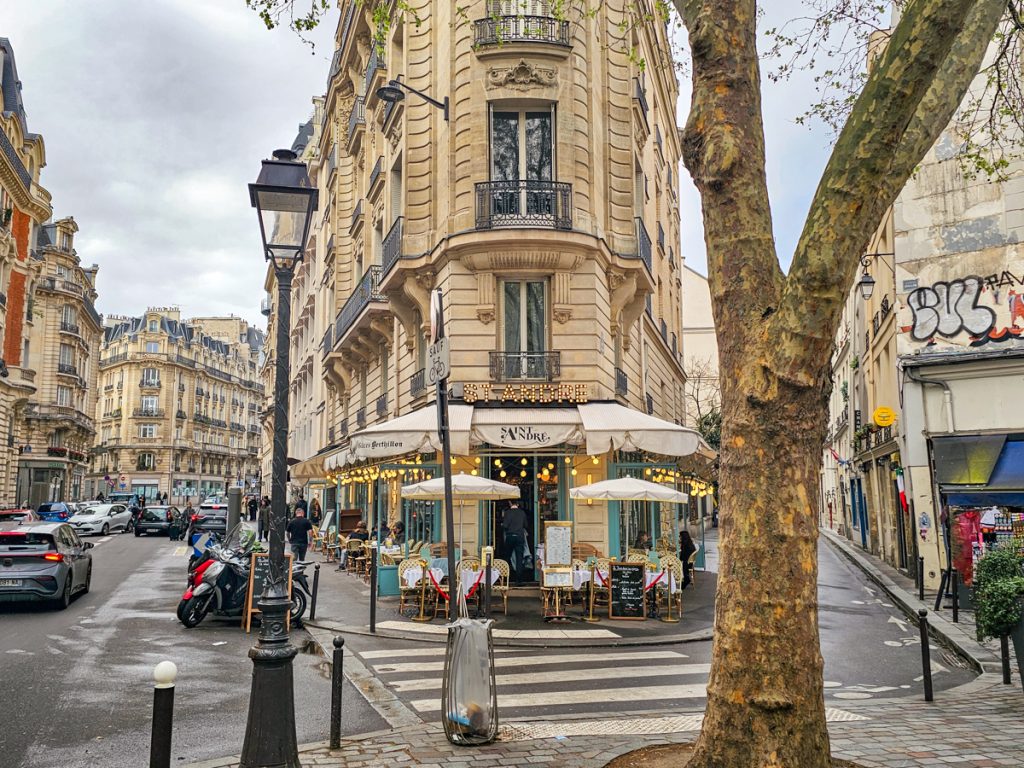
If you spend any time learning French, you’ll quickly notice the word chez appearing everywhere. It can refer to someone’s home, business, office, or even a larger group of people, depending on the context. A basic translation would be “at the house of ____,” but there are plenty of other uses for this word.
You might hear chez moi (“at home” or “at my place”), chez mon ami (“at my friend’s house”), or chez le médecin (“at the doctor’s office”).
You’ll also notice it frequently in the names of French restaurants, such as Chez Janou or Chez Georges, where it suggests dining “at the place of” a particular person.
12. Défenestrer
Let’s end with a particularly unique example. Défenestrer means “to throw someone out a window.” Unlike most of the words on this list, English actually has an equivalent: defenestrate. It’s obscure enough that we’re including it anyway.
The word comes from the Latin fenestra (“window”), which also gave French the word fenêtre. It is most famously associated with the Defenestrations of Prague, a series of political incidents in which government officials were literally thrown from castle windows.
It’s certainly not a funny situation, but still, a whole verb for “to throw someone out a window” has always struck me as rather amusing. It’s a very specific word that hopefully none of us will ever need 😉
The Wrap Up
Of course, these are just a handful of examples. French is full of words and expressions that don’t translate neatly into English, and discovering them is such a fun part of learning the language.
Interested in Learning More About French?
These are a few other guides I’ve written about French language and culture:
- 20 French Words That Don’t Mean What You Think
- 16 Words and Phrases Tourists Should Know Before Landing in France
- 10 French Menu Terms That Sometimes Confuse Visitors
- 25 Small Cultural Differences Between France and the USA
If you’re traveling to Paris soon, my Paris travel guide page pulls together neighborhood guides, attraction and museum guides, foodie recommendations, and travel tips in one hub.
And if you’re feeling overwhelmed or short on time planning your trip, I also offer France planning calls.
These one-on-one video sessions are great for getting feedback, asking questions, and sorting through options, whether you need a full plan or help fine-tuning what you already have.
