
10 Common Mistakes People Make at the Louvre (And What to Do Instead)

The Louvre is one of my favorite places in Paris. It’s also one of the easiest places in Paris to get overwhelmed and make mistakes.
The museum is enormous, the crowds can be intense, and it’s surprisingly easy to spend hours there without seeing many of the things you were actually excited about.
After visiting the Louvre dozens of times over the years, these are 10 mistakes I see first-time visitors make most often, and what to do instead.

1. Thinking the Mona Lisa Will Be the Highlight of Your Visit
The Mona Lisa is the world’s most famous painting, and it would be a shame not to see it if you’re in the Louvre. Just go in with realistic expectations.
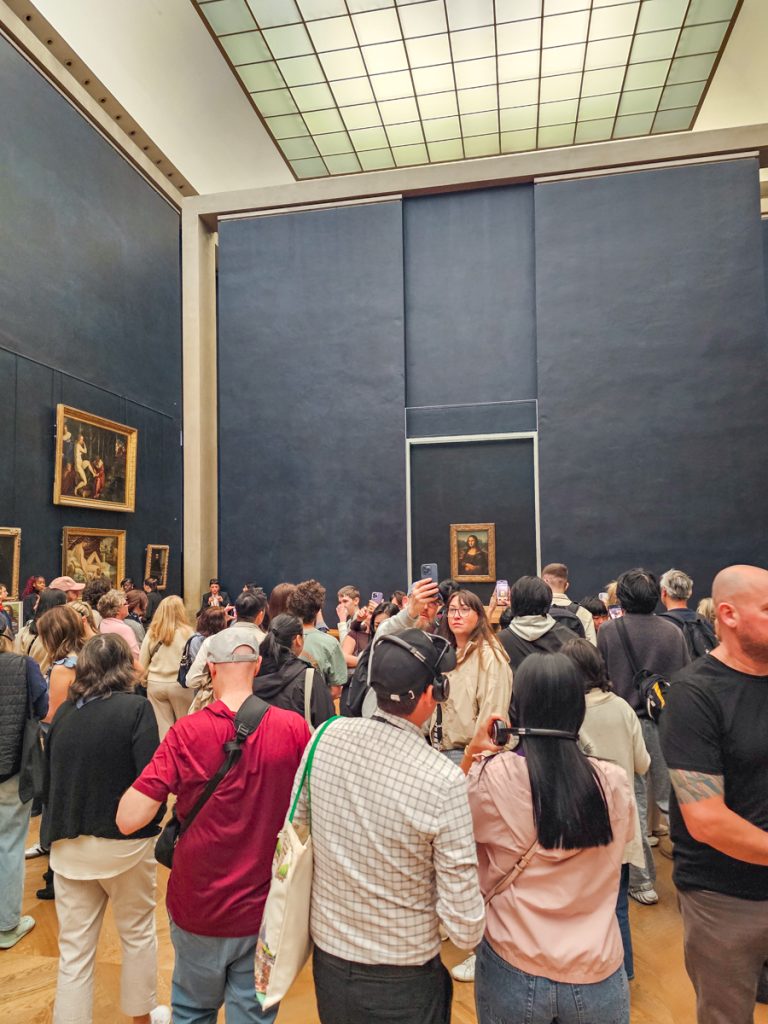
Most first-time visitors are surprised by two things: how small the painting is and how crowded the room can be. You’ll most likely find yourself standing behind barriers with dozens of other visitors trying to take photos at the same time.
In fact, many people say that the Mona Lisa was actually one of the most underwhelming parts of their entire Paris trip.
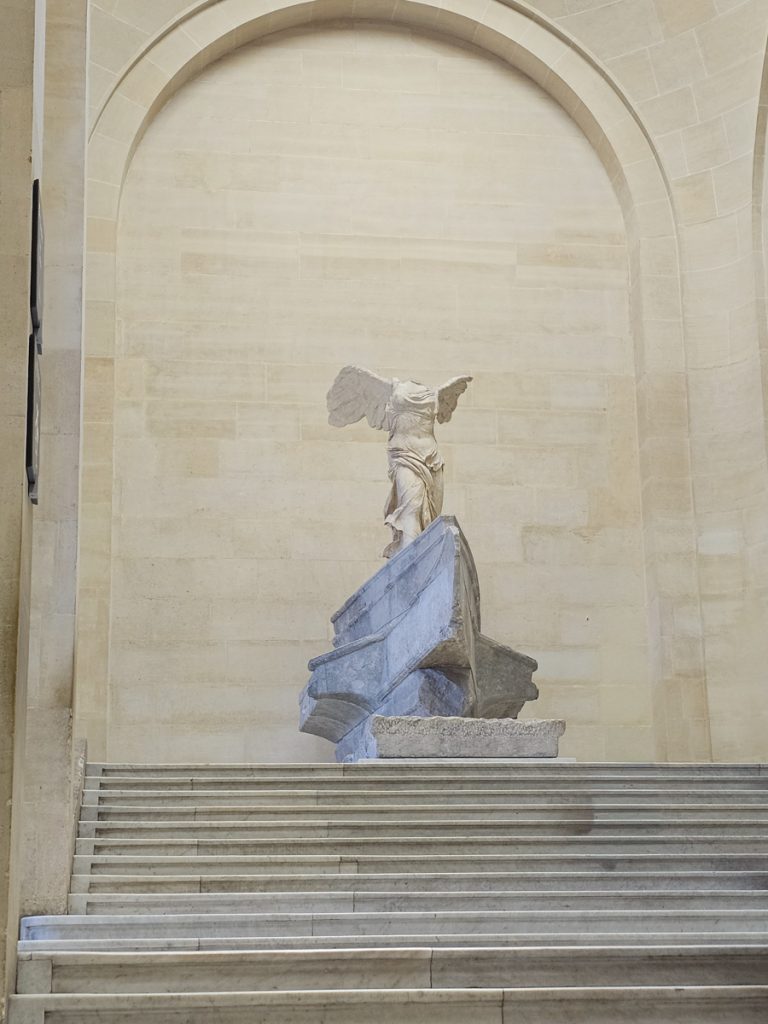
There are so many other masterpieces in the Louvre to get excited for, like Napoleon’s Coronation, Liberty Leading the People, Winged Victory, the Apollo Gallery, the crown jewels, or dozens of other paintings, sculptures, and artifacts.
2. Assuming the Glass Pyramid Is Your Only Entrance

The Pyramid is iconic, but it’s not your only option. Most visitors enter through the Pyramid because it’s the entrance everyone recognizes. As a result, it’s also where many of the longest lines form.
The Carrousel du Louvre entrance underneath the museum can be a good alternative (although lines can get long here too), and the Porte des Lions entrance is even better when it’s open. The last few times I’ve visited, I entered through the Porte des Lions and walked straight in with almost no wait.
3. Visiting at the Wrong Time
While there’s no way to avoid crowds at the Louvre completely, the time you visit can make a big difference. Visiting in the middle of the day (11am-4pm) is a recipe for extremely heavy crowds and long wait times to get in.
If your schedule allows, the 9 am entry slot is my favorite time to visit. You’ll usually have an hour or two before the museum reaches its busiest period, and the most popular galleries are noticeably emptier first thing in the morning.
Wednesday and Friday evenings can also be great times to visit. The Louvre stays open until 9 pm on those days, and the final couple of hours before closing are usually so much calmer than the middle of the afternoon.
Just keep in mind that staff begin clearing rooms and directing visitors toward the exits about 30 minutes before the museum officially closes.
Planning your visit around these less busy time slots can really make a big difference in how enjoyable your experience is.
4. Waiting Too Long to Reserve Your Ticket
If one of those quieter time slots sounds appealing, don’t wait too long to book it. The Louvre uses timed-entry reservations, and the most desirable slots, particularly the 9 am entry, are the first to go. During busy travel periods, the museum can completely sell out.
I’ve seen travelers assume they’ll book a few days before their trip, only to discover that the time they wanted, or even the day they planned to visit, is no longer available.
The Louvre typically opens reservations about three months in advance, so it’s worth checking around that point and securing your spot early. You’ll have far more flexibility and a much better chance of getting your preferred time slot.
5. Skipping the Map
If you’re visiting the Louvre on your own, you absolutely must have a map. Full stop.
Most museums are easy enough to wander through without much planning. You can simply move from room to room and naturally discover what’s there. The Louvre isn’t like that.
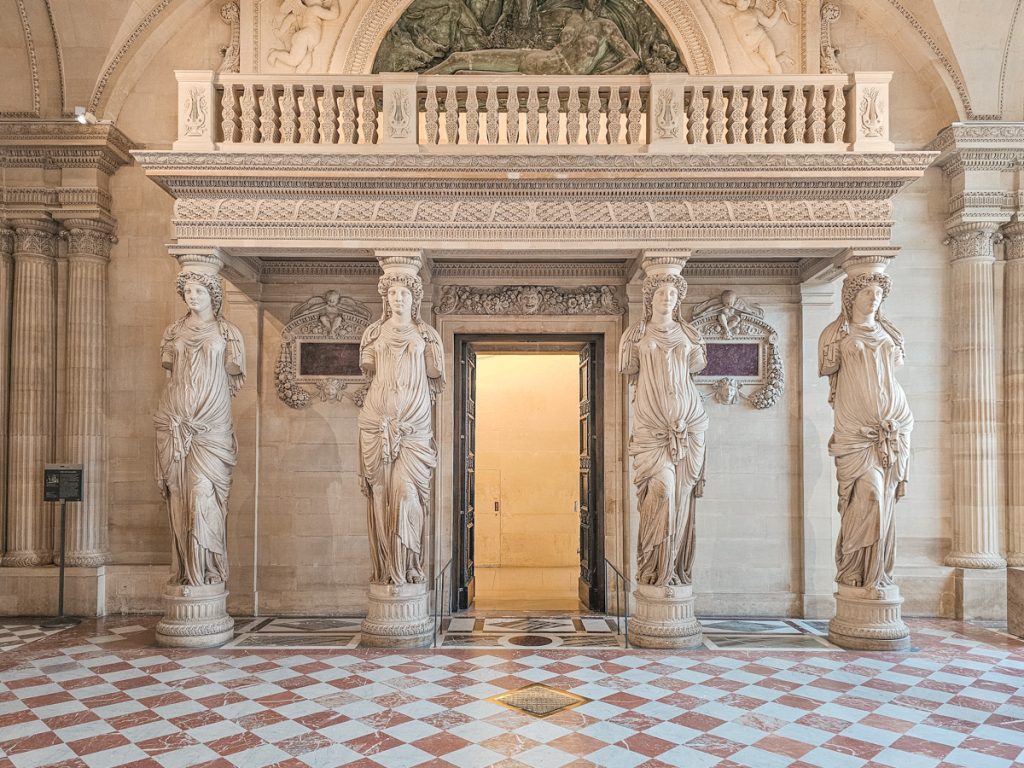
With three wings, four floors, and hundreds of galleries, the Louvre really does feel like a maze. It’s incredibly easy to get turned around or accidentally miss entire sections of the museum.
Pick up a paper map in the Entrance Hall or download one to your phone before you arrive — you’ll use it repeatedly.
6. Showing Up Without a Plan
However, that map is so much more useful if you look at it before you arrive. As we’ve already touched on, the Louvre is simply too large to show up and wander if you care at all about what you see.
Spend a little time before your visit studying the online museum map and familiarizing yourself with the layout and the types of collections in each wing. I also recommend deciding on a handful of masterpieces or galleries you really want to see, then planning a rough route between them.
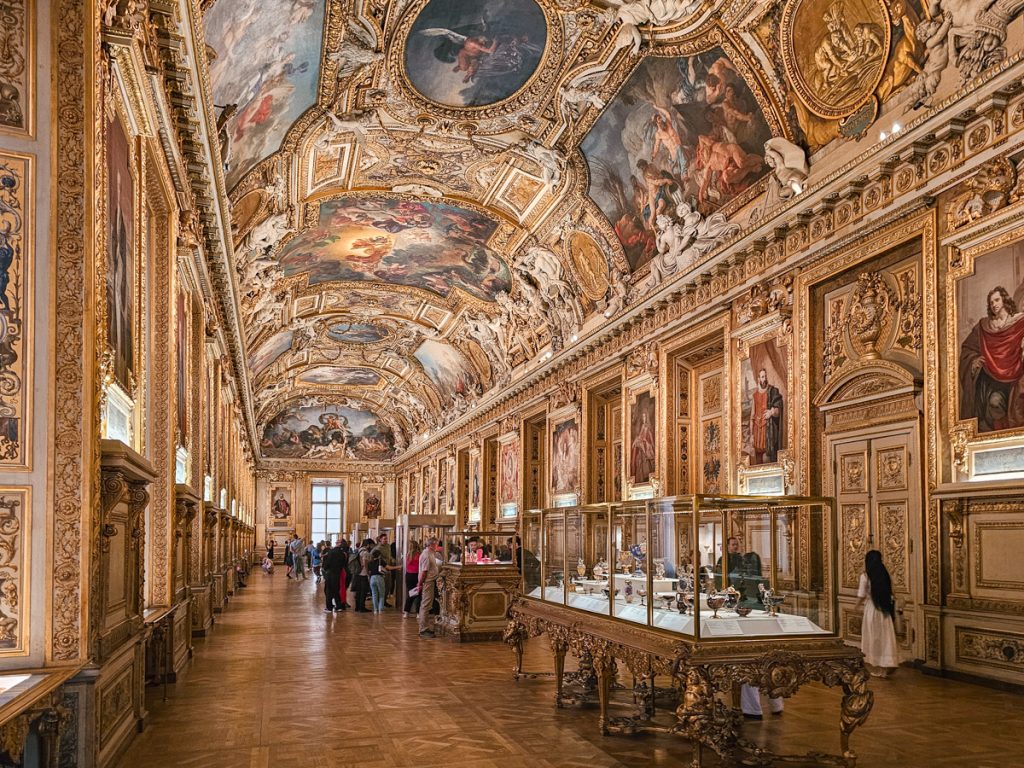
It doesn’t need to be a minute-by-minute itinerary, but truly, a little preparation makes the Louvre feel much less overwhelming.
For most visitors, I think planning for 3 to 4 hours in the Louvre is about right. You won’t see even a fraction of the museum, but it’s enough time to experience many of the highlights, wander through many rooms, and enjoy the art around you.
7. Not Considering a Guide
Another mistake is dismissing guided tours without really considering whether they’re the right fit. A guided tour can be a great option if you only have a few hours or want a better understanding of what you’re seeing.
You’ll visit many of the museum’s biggest highlights, learn the stories behind them, and avoid the hassle of navigating or trying to decide where to go next.
This is the guided tour I highly recommend. They’ll take you around to the top artwork in the museum and explain the significance and history. It’s a great way to appreciate the art on a deeper level.
If you enjoy exploring on your own, but want some more background on the artwork, you can also pick up an audioguide from the front desk.
8. Spending All Your Time in the Denon Wing
The Louvre is divided into three wings: Denon, Richelieu, and Sully. The Denon Wing contains many of the museum’s biggest attractions, including the Mona Lisa, Winged Victory, Napoleon’s Coronation, and the Apollo Gallery, so it’s easy to get sucked in, or think you’ll spend your whole visit here.
That’s understandable, but if you do, you’ll miss some of the Louvre’s best galleries. Cour Marly and Cour Puget in the Richelieu Wing are two of my favorite rooms in the museum. The Near Eastern Antiquities section is another favorite of mine, with massive ancient monuments, friezes, sculptures, and artifacts.
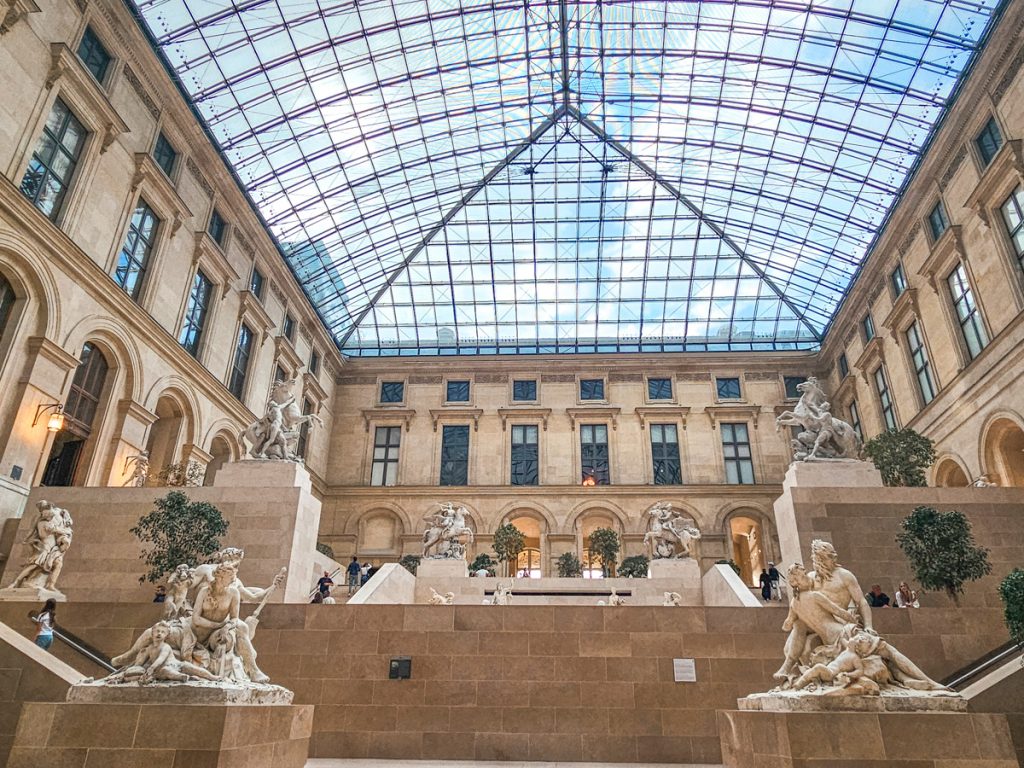
If you’re looking for paintings, don’t overlook the French and Northern European galleries on the second floor of the Richelieu and Sully wings. They’re filled with remarkable works and are always very calm.
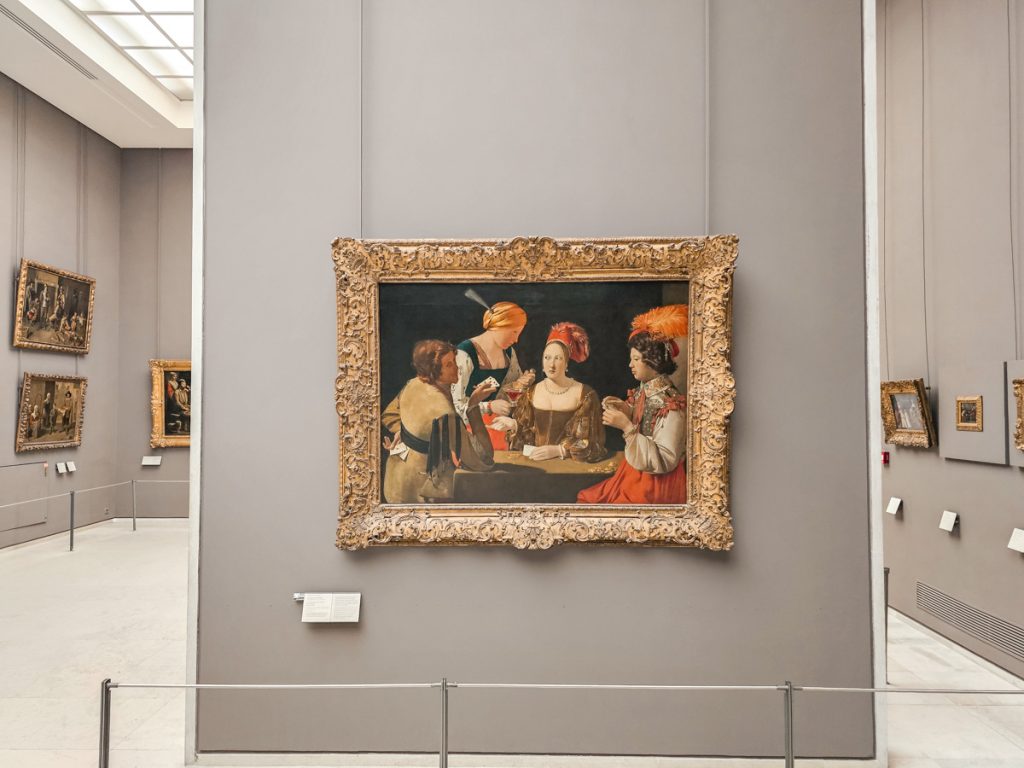
Again, checking out the museum map beforehand is really helpful, as is looking at some ideas in my list of Louvre hidden gems.
9. Thinking Finding the Exit Will Be Easy
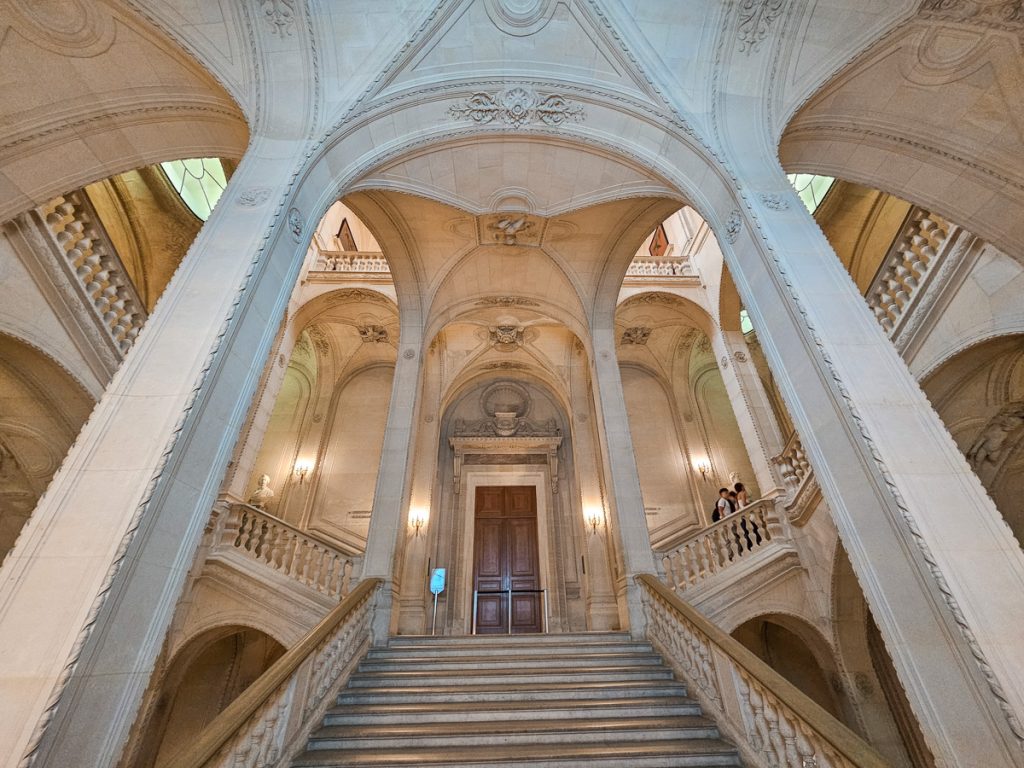
Most people spend time figuring out how to get into the Louvre; fewer people think about how they’re going to get out.
This sounds silly until you’re standing deep inside one of the wings trying to follow the exit signs. Because of the museum’s size and layout, getting back to the Entrance Hall can sometimes feel like a scavenger hunt involving multiple staircases, escalators, hallways, and underground passages. I’ve had visits where finding my way out took longer than getting through security (or at least, it felt like it!)
When you’re ready to leave, give yourself a little extra time. There’s a decent chance you’ll need it.
#10 Not Considering the Paris Museum Pass

Finally, if you’re planning to visit the Louvre plus several other museums and landmarks around the greater Paris region, the Paris Museum Pass might be a really good option for you. I personally have bought it many times on different trips and have always been very happy with it.
Get all the details of what the Pass includes and if it’s a good fit for you here.
Planning the Rest of Your Time in Paris?
If you’re still building your Paris itinerary, here are a few guides I think you’ll find helpful:
- Musée d’Orsay Guide – Everything you need to know before you visit.
- Where to Stay in Paris – A neighborhood-by-neighborhood breakdown to help you choose the right base
- Ultimate List of Things to Do in Paris – Nearly 100 sights and experiences, from must-sees to hidden gems
If you want everything in one place, my Paris travel guide page pulls together neighborhood guides, attraction and museum guides, foodie recommendations, and travel tips in one hub.
And if you’re feeling overwhelmed or short on time, I also offer Paris planning calls.
These one-on-one video sessions are great for getting feedback, asking questions, and sorting through options, whether you need a full plan or help fine-tuning what you already have.
