
14 Unforgettable Day Trips From Paris To Experience More of France

Paris is an incredible city to visit, and you can easily spend many days (even weeks!) exploring all it has to offer. But France outside the capital is a different thing entirely, and a lot of it is sitting right on the city’s doorstep.
Within a two-hour radius, you have royal gardens, Gothic architecture, impressionist landscapes that inspired some of the most recognizable paintings in history, and towns that haven’t changed much in centuries. The trains are cheap and reliable, which makes day-tripping here incredibly easy and convenient.
This list focuses on the day trips that are genuinely worth your time, with guidance on what to see and how to get there from Paris.
1. Giverny

How to Get There: Take the train from Gare Saint-Lazare in Paris to Vernon-Giverny. The journey takes about an hour, followed by a paid shuttle or taxi to Claude Monet’s House and Gardens.
Why You Should Visit: Giverny is best known as the home of Claude Monet, who lived and worked here for more than 40 years. Monet considered Giverny to be one of the most beautiful places in France, thanks to its naturally soft lighting. Giverny offers an immersive look into Monet’s world, including the gardens that inspired some of his most famous works.
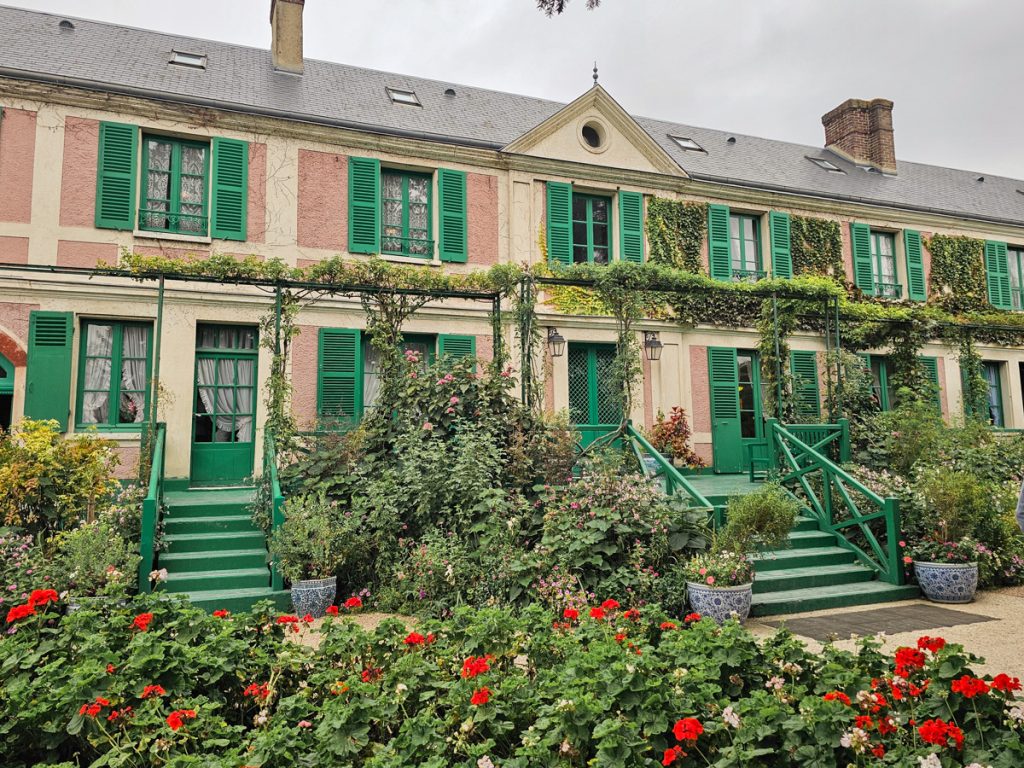
What to See & Do: The main attraction is Monet’s house and gardens, including the Water Garden, where the Japanese bridge and lily pond inspired Monet’s iconic Water Lilies series.
Afterwards, stroll through the village and visit the nearby Musée des Impressionnismes. Spring and summer are the best times to visit, when the gardens are in full bloom.
2. Rouen

How to Get There: Take the train from Gare Saint-Lazare in Paris to Rouen-Rive-Droite. The journey takes about 1 hour and 30 minutes.
Why You Should Visit: Victor Hugo once called Rouen “the city of 100 spires,” a nod to its many churches and other religious landmarks. The city feels incredibly atmospheric, with winding streets, colorful facades, and major ties to figures like Joan of Arc and Claude Monet.

What to See & Do: Start with Rouen Cathedral, arguably the city’s highlight, with its intricate Gothic façade. Claude Monet painted the Rouen Cathedral 18 times in order to capture its various moods and atmospheres.
Then, wander the historic center, where you’ll find some of Rouen’s most charming half-timbered streets. Visit sites connected to Joan of Arc and enjoy simply exploring the old city, which is full of character and feels like stepping back in time.
3. Reims

How to Get There: Take the train from Gare de l’Est in Paris to Reims. The journey takes about 45 minutes. If your main goal is champagne tasting, you may also consider a guided tour.
Why You Should Visit: Reims is located in France’s Champagne region. That makes it a great place to sip world-class bubbly straight from the source while also exploring a city with cultural significance.
Reims is home to Notre-Dame de Reims, a UNESCO-listed Gothic masterpiece where many French kings were crowned. If you visit in winter, don’t miss the enormous Reims Christmas market.

What to See & Do: Start with the main event: Reims Cathedral. Then, make your way to Place Drouet d’Erlon, the lively pedestrian center lined with restaurants and cafés.
Also visit the Basilique Saint-Remi, Porte de Mars, and stroll through Square de la Patte d’Oie. Finally, add a champagne tasting or cellar visit to round out the day.
4. Loire Valley

How to Get There: The Loire Valley’s châteaux are spread out in the French countryside, so this day trip requires some planning in advance. The cheapest option is to take the train from Paris to Tours and rent a car. Or, you can book a guided day tour from Paris, the simplest option if you want to see multiple castles in one day.
Why You Should Visit: The Loire Valley is one of France’s most magical regions, filled with more than 300 châteaux that look straight out of a storybook. It’s a wonderful place to experience grand architecture, beautifully manicured gardens, and escape into the countryside.
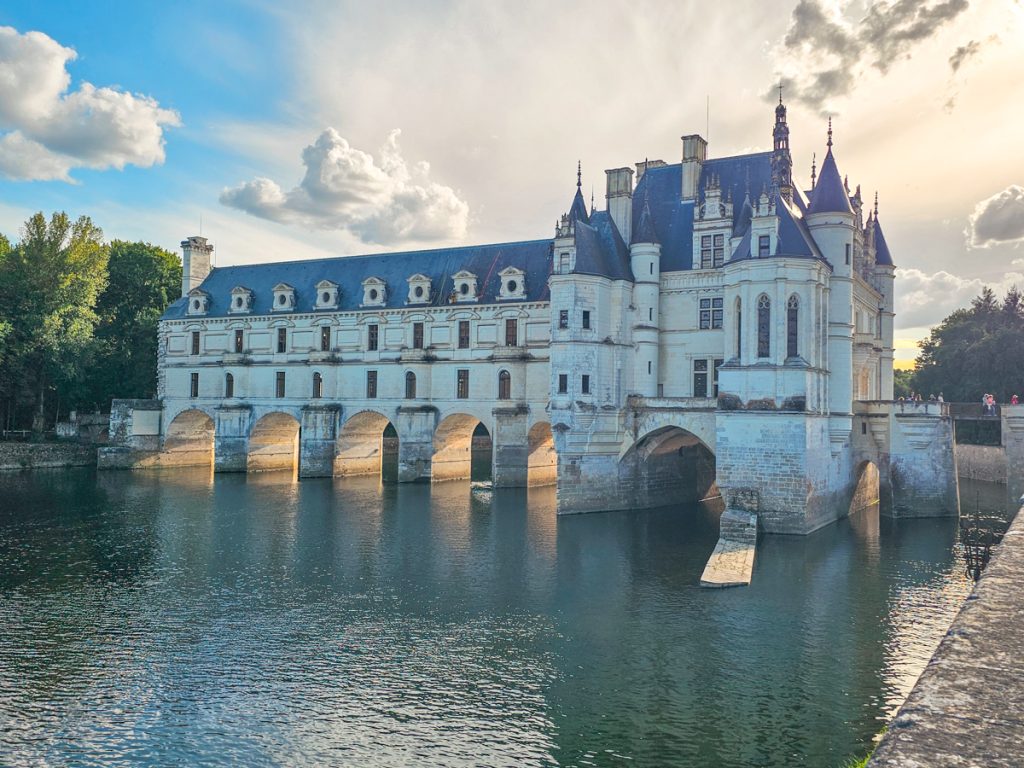
What to See & Do: If you’re choosing just a few highlights, I recommend Chenonceau, Chambord, and Villandry. Chenonceau is the Loire’s most iconic château, stretching across the River Cher with a long gallery overlooking the water.
Chambord is known for its immense scale, dramatic rooftop, and famous double-helix staircase, while Villandry is especially worth visiting for its extraordinary formal gardens.
5. Amiens

How to Get There: Take the train from Gare du Nord in Paris to Amiens. The journey takes about 1 hour and 15 minutes.
Why You Should Visit: Amiens is truly a hidden gem in northern France. It is best known for Notre-Dame d’Amiens, the largest Gothic cathedral in France. It’s certainly not an exact replica, but it bears a striking resemblance to Notre-Dame in Paris, except here you won’t find the enormous crowds and lines.
Beyond the cathedral, Amiens has a relaxed and charming feel, a scenic historic center, canals, and a few surprisingly nice museums.

What to See & Do: Start with Amiens Cathedral, which is worth admiring both outside and in. Afterwards, visit the Jules Verne House, home to the famous author for many years. Or, swing by the Hortillonages, Amiens’ vast network of floating gardens dating back hundreds of years.
You can also explore the Saint-Leu neighborhood and stop by the Musée de Picardie.
6. Chartres

How to Get There: Take the train from Gare Montparnasse to Chartres. The journey takes about 1 hour.
Why You Should Visit: Chartres is best known for its extraordinary cathedral, widely regarded as one of the finest Gothic cathedrals in Europe. The surrounding town is charming and local-feeling, with a center full of shops, restaurants, and quiet streets that make it worthwhile to explore for a few hours.
This is an easy day trip with a mix of history, architecture, and small-town atmosphere.

What to See & Do: The highlight is, undoubtedly, the Chartres Cathedral. It is famous for its remarkable stained glass, including the celebrated Blue Virgin window, as well as its mismatched spires and beautifully preserved Gothic details.
After visiting the cathedral, you can check out the town center, then head to Maison Picassiette, a wonderfully unusual house covered in colorful mosaics made from found pieces of glass and crockery.
7. Strasbourg

How to Get There: Take a train from Gare de l’Est in Paris to Strasbourg. The journey takes about 1 hour and 45 minutes.
Why You Should Visit: Strasbourg sits in the fairytale-like region of Alsace near the German border. Here, you’ll find a blend of French and German influences in the architecture, food, and culture. The city’s historic center is especially charming, with canals, bridges, and flower-lined half-timbered houses.

What to See & Do: The best way to see Strasbourg is by exploring on foot. Start on the Grande Île, with a stop at Strasbourg Cathedral to admire the architecture and sweeping terrace views.
Then, stroll through Place Gutenberg and the old center before heading to Petite France, Strasbourg’s prettiest quartier. Cross the Barrage Vauban for a great viewpoint over the water. If you’re visiting around the holidays, Strasbourg’s Christmas market is truly a must-see.
8. Colmar

How to Get There: Take a train from Gare de l’Est in Paris to Colmar. The journey usually takes about 2 hours and 30 minutes, sometimes with a change in Strasbourg.
Why You Should Visit: Colmar sits on the eastern edge of France in Alsace, right near the German border and not far from the Swiss city of Basel. In Colmar, you’ll find a blend of French and German influences, which together give the town a rather unique character.
There are colorful half-timbered houses, canals, and a romantic atmosphere. Petite Venise is the highlight, easily one of the most charming neighborhoods in France.

What to See & Do: Explore Petite Venise by walking along Quai de la Poissonnerie, a waterway lined with colorful painted houses. Then, take a short boat ride through the canals, stroll through the Marché Couvert, and browse for Alsatian specialties like pain d’épices (gingerbread).
9. D-Day Beaches

How to Get There: The easiest way to see the D-Day beaches from Paris is to take a 2-hour train from Saint-Lazare to Caen, then rent a car. Be prepared to do some planning in order to see the beaches and museums; they’re spread out and there’s a lot to see. Alternatively, you can always join a guided tour.
Why You Should Visit: The D-Day beaches in Normandy are among the most powerful and sobering places you can visit in France. This coastline was the site of the Allied invasion on June 6, 1944, a turning point in World War II. You can visit the beaches, bunkers, cemeteries, and museums still highlighting this history.
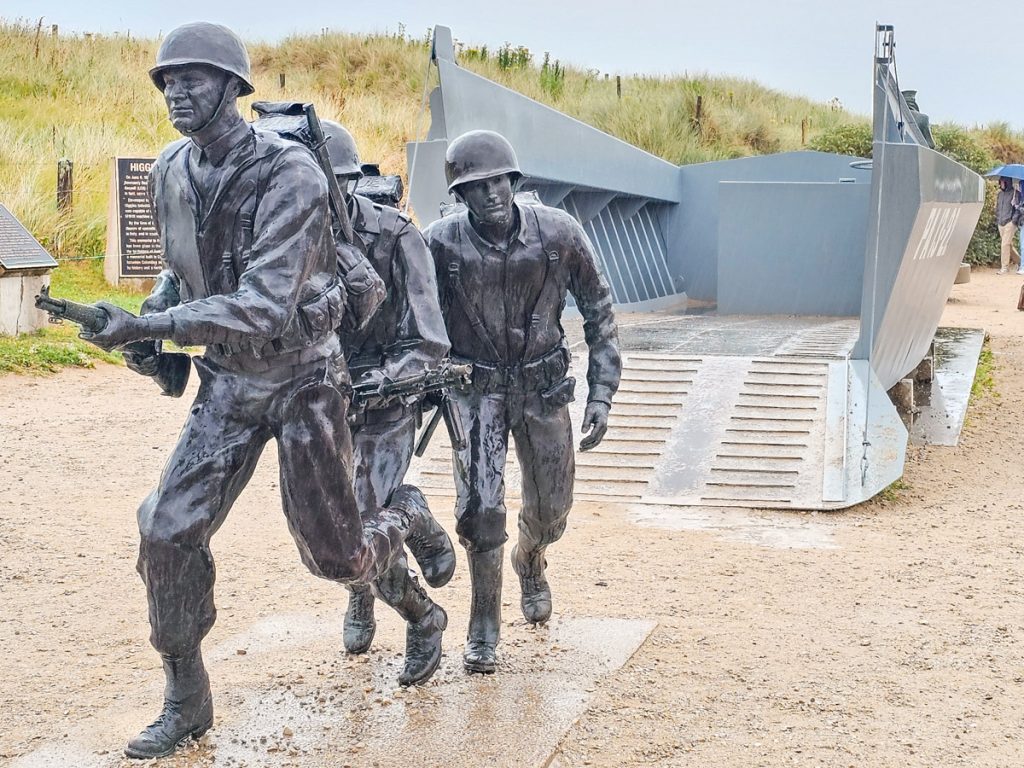
What to See & Do: The landing beaches, especially Utah Beach and Omaha Beach, are both unmissable. The American Cemetery is another standout, as is Pointe du Hoc and the Musée du Débarquement. If you’re traveling with children, the Airborne Museum in Sainte-Mère-Église is a great addition.
Note: You could easily spend multiple days exploring the D-Day beaches and nearby museums if you have a strong interest in World War II history. For more ideas, I also wrote a guide to visiting the D-Day beaches.
10. Versailles
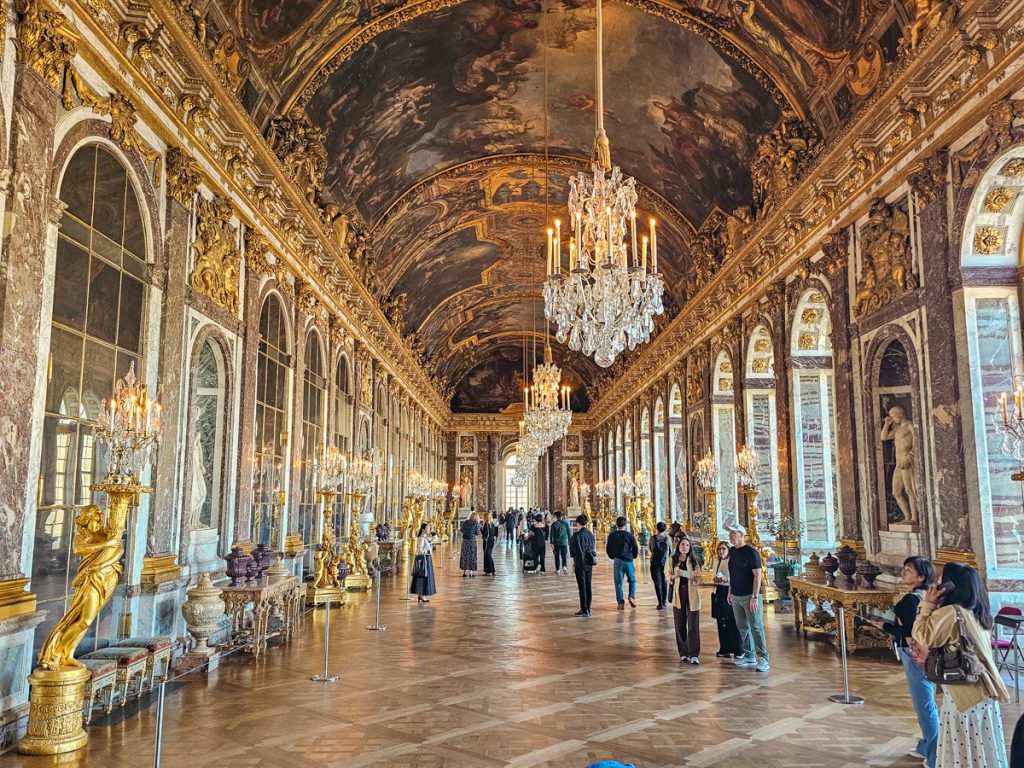
How to Get There: Take the RER C from Paris to Versailles Château Rive Gauche, which takes about 40 minutes, or take a taxi from Paris.
Why You Should Visit: Versailles is one of the most iconic day trips from Paris. It is known for its opulent palace and sprawling gardens, and it was long the seat of royal power in France. Today, it offers the chance to step inside a residence shaped by centuries of history and see the grandeur of the French monarchy up close.
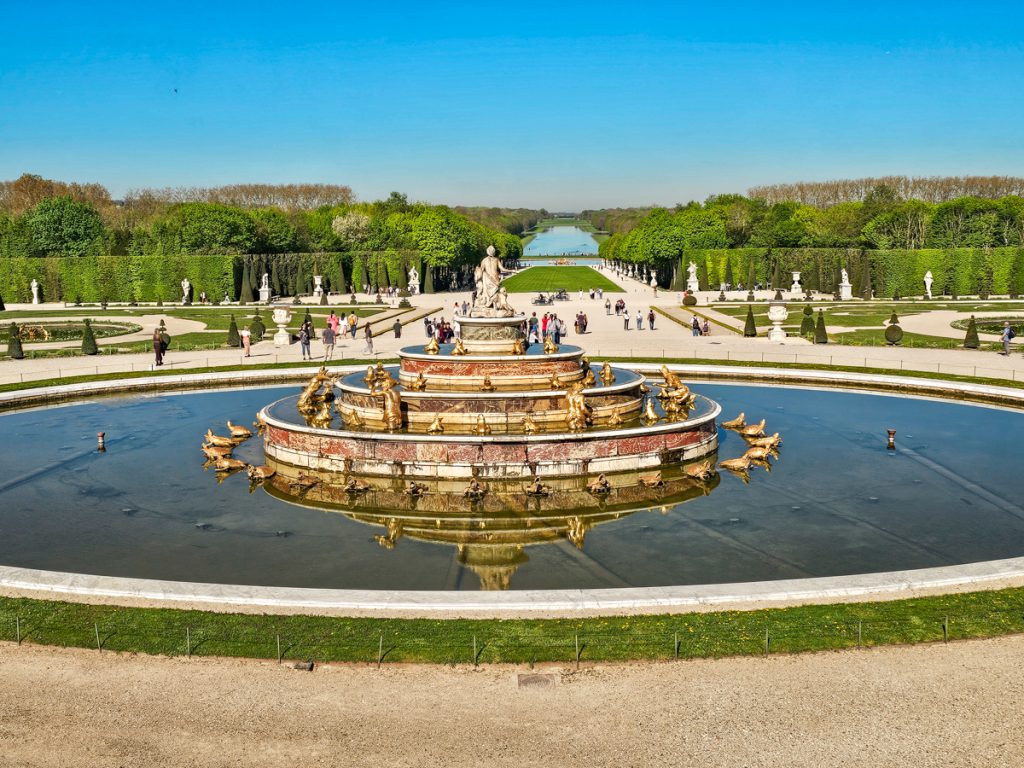
What to See & Do: Tour the Palace of Versailles, including the Hall of Mirrors and royal apartments, then spend plenty of time exploring the expansive gardens.
If you have time, visit the Grand Trianon, Petit Trianon, and Marie Antoinette’s Hamlet, which are all on the grounds of Versailles, as well. Go early to beat the crowds and wander the town of Versailles a bit after your visit.
11. Fontainebleau & Vaux-le-Vicomte

How to Get There: Visiting Fontainebleau and Vaux-le-Vicomte in one day is very doable, but you’ll need to carefully plan your schedule to line up with the train and bus schedules. Full details on how to get there here.
Alternatively, you can book a guided tour that includes transportation from Paris.
Why You Should Visit: You can see two very different French châteaux in one day. Fontainebleau is among France’s most important royal residences, used by French rulers for more than 800 years.
The interior is ornate and regal, with grand rooms, historic furnishings, and gilded details. Vaux-le-Vicomte, while also beautiful, is known for its symmetrical gardens that later inspired Versailles.

What to See & Do: Tour the grand interiors and grounds of Fontainebleau and Vaux-le-Vicomte. Note that Vaux-le-Vicomte closes in winter, usually from early January to mid-March.
12. Lyon

How to Get There: Take the train from Gare de Lyon in Paris to Lyon Part-Dieu. The journey takes about 2 hours.
Why You Should Visit: Lyon has all the culture, energy, and scenery you’d expect from one of France’s biggest cities, yet it still feels relaxed and easy to explore in a day.
Shaped by two rivers and built up around historic neighborhoods and hills, it’s a city that feels stunning at almost every turn. It’s especially worth visiting for its exceptional food scene and charming old town.

What to See & Do: Start in Vieux Lyon, the oldest part of Lyon. You can admire its cobblestone streets, Renaissance-era architecture, and hidden traboules tucked between the main lanes.
The Fourvière Basilica, covered in sculptures and mosaics, is easily one of the most beautiful churches in France, and the Fourvière Hill around it has Roman ruins and sweeping panoramic views of the city.
Lyon is also renowned for its cuisine, so be sure to try a classic local dish like salade lyonnaise, sausages, or quenelles.
13. Bordeaux
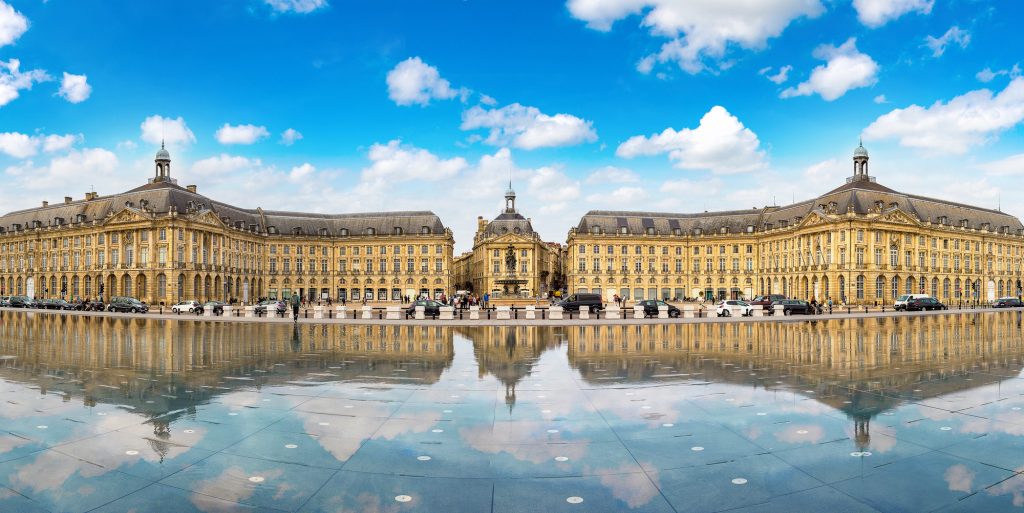
How to Get There: Take the train from Gare Montparnasse in Paris to Bordeaux Saint-Jean. The direct journey takes about 2 hours and 15 minutes.
Why You Should Visit: I absolutely love Bordeaux, and I suspect you will, too. This beautiful and fascinating French city is renowned for its wine production and culture.
Wine enthusiasts can taste Bordeaux wines, browse extensive wine shops, and see related museums. Beyond the vineyards, Bordeaux has elegant architecture, a rich history, and a lively yet approachable atmosphere.

What to See & Do: Wander the city center, with landmarks like Porte Cailhau, Grosse Cloche, and the Pont de Pierre. Visit Cité du Vin for an immersive look at wine and French culture, then stop for a canelé, Bordeaux’s signature pastry with a dark caramelized crust and a soft, custardy center.
14. Lille

How to Get There: Take the train from Gare du Nord in Paris to Lille Flandres. The journey takes about 1 hour.
Why You Should Visit: Known for its Flemish influence, Lille feels noticeably different from other French cities. The architecture is distinctive, with colorful facades, ornate buildings, lots of brick, and grand squares.
Finally, despite being one of the largest cities in France, Lille still feels like a special place to visit because it is under the radar for many international visitors.

What to See & Do: Start in the heart of Lille, Grand’Place. Then, admire the Vieille Bourse before wandering Old Lille. Streets like Rue de la Monnaie and Rue des Vieux Murs are especially worth visiting, complete with cobblestones, boutiques, and cafés.
For art museums, the Palais des Beaux-Arts is excellent, and the La Piscine Museum in nearby Roubaix is a unique and worthwhile option if you have extra time.
Final Thoughts
Paris is an incredible base for exploring France, but it’s also just the beginning. These day trips show how varied the country can be within just an hour or two of the capital by train, from the soft light of Giverny to the grandeur of Versailles to the solemn history of Normandy.
Choose the destination that best fits your interests, and you’re sure to come away with a fuller picture of France.
