
10 French Words Where Changing the Gender Changes the Meaning

One of the trickiest things about learning French, especially if your native language doesn’t use grammatical gender, is remembering which nouns are masculine and which are feminine.
There are some general patterns that can help, but there are also plenty of exceptions, so learning the gender is usually just part of learning the word itself.
If you’re not super familiar with French, le and la both mean “the,” while un and une both mean “a.” The difference is that le and un are masculine, while la and une are feminine.
But there’s a particularly interesting quirk to all this. Some French nouns can be both masculine and feminine, and changing the gender completely changes the meaning of the word.
Let’s look at 10 of the most interesting examples.
1. Tour
In French, une tour is a tower, like the Eiffel Tower (La Tour Eiffel) or the Montparnasse Tower (La Tour Montparnasse) in Paris. But switch to the masculine un tour, and there are multiple things you could be talking about.

Un tour can mean a trip around something, or a circuit. For example, faire un tour is a common expression that means to go for a walk, take a spin, or have a look around. Faire demi-tour means to turn around.
You’ll also recognize the masculine version in le Tour de France, the famous cycling race around France that happens every July.
2. Livre
The masculine form of livre is pretty straightforward: it means a book. If you switch to the feminine une livre, you’re talking about a pound, a unit of weight.
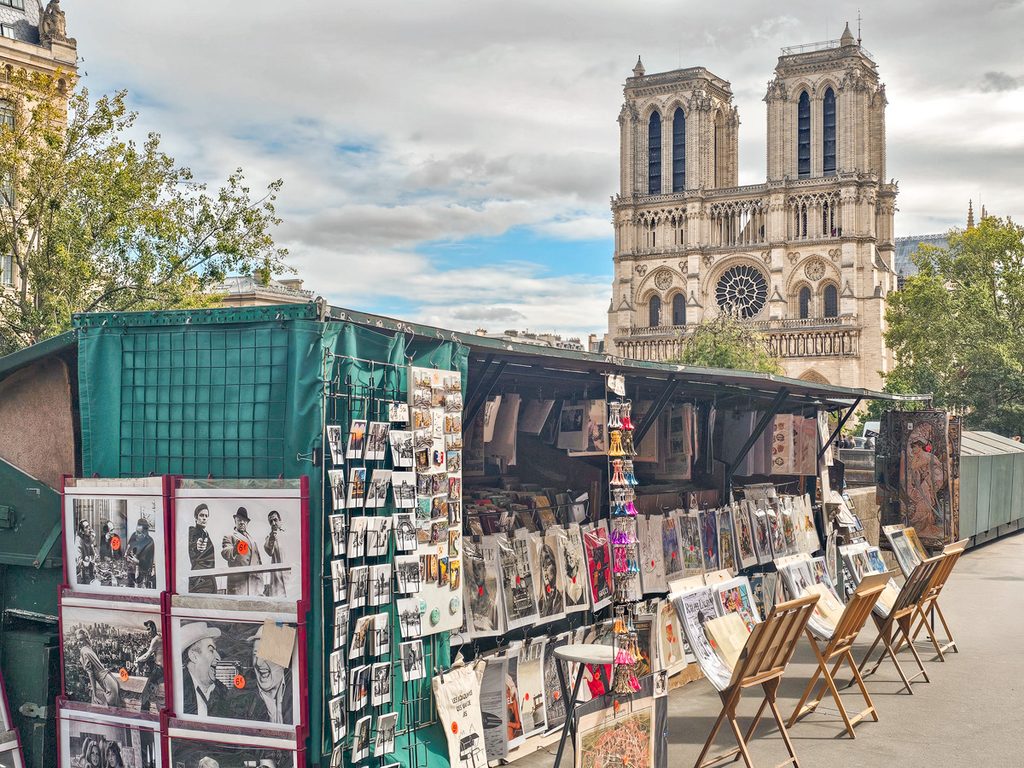
Now, France uses the metric system, but une livre is a traditional unit of measurement that still survives in some everyday contexts. Unlike the American pound, which is approximately 454 grams, a French livre is exactly 500 grams, or half a kilogram. Une demi-livre is 250 grams.
You might still hear the term at market stalls, although it’s not used all that often in day-to-day speech, and most people just use grams or kilograms. You’ll also see the feminine version in la livre sterling, the French term for the British pound.
3. Vase
Un vase is exactly what you’d expect: a decorative container for holding flowers. But la vase means mud or silt, specifically the soft, wet sediment you might find at the bottom of a river, pond, or harbor.
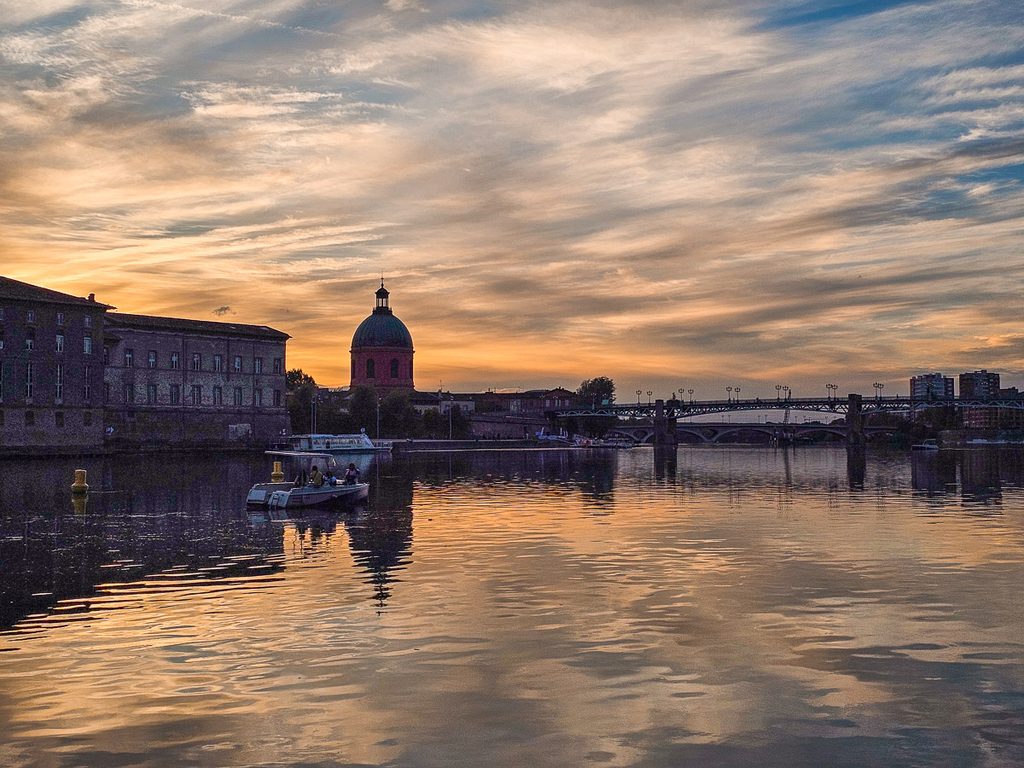
You might hear someone talking about la vase when discussing a river or a harbor that needs dredging. The more common French word for mud is la boue, which refers to the typical dirt and water mixture you’ll see in nature after rain.
4. Mode
La mode means fashion, and you’ll come across it in expressions like à la mode (fashionable) and être à la mode (to be in fashion).
In contrast, le mode refers to a method, manner, or way of doing something. One particularly common example is le mode d’emploi, which means an instruction manual or directions for use.
It’s also used in mode de vie, meaning lifestyle, and mode avion, the French term for airplane mode on your phone.
5. Mémoire
La mémoire refers to memory, or your ability to remember things. For example, avoir une bonne mémoire means to have a good memory, while perdre la mémoire means to lose your memory.
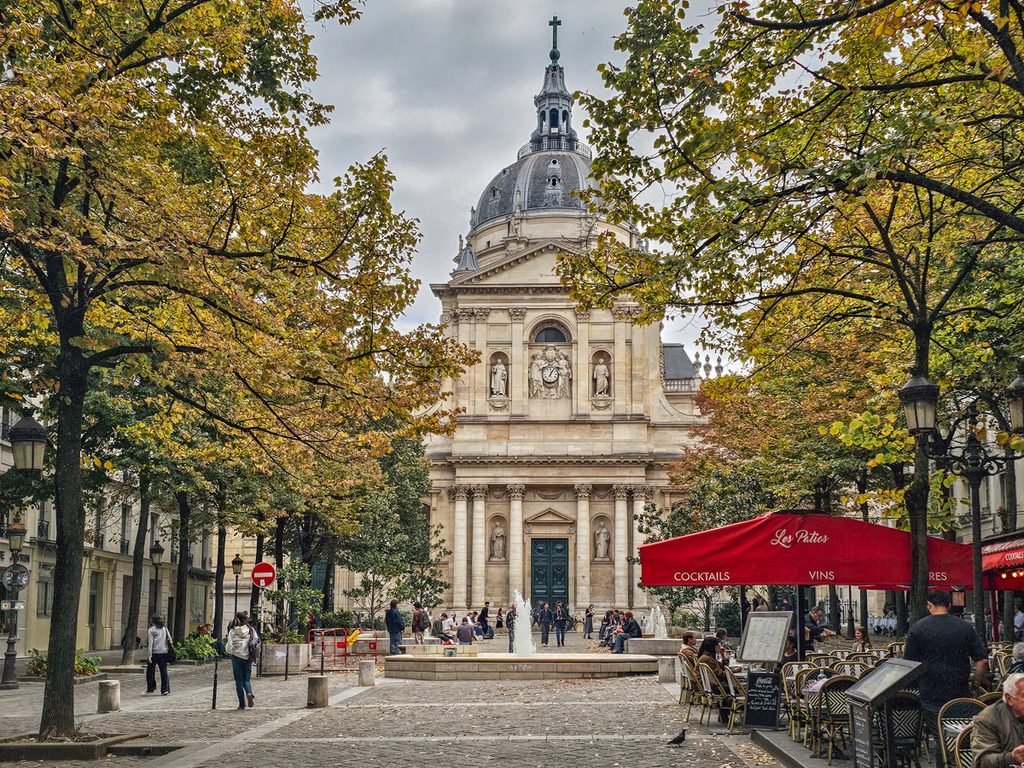
But un mémoire is a written report or academic research paper, often comparable to a master’s thesis in the USA. French university students frequently have to write un mémoire as part of their class or degree requirements.
6. Champagne
La Champagne is a historic region in northeastern France, famous for its vineyards and the sparkling wine produced there. It’s home to cities like Reims and Épernay, where you can visit some of the world’s most famous Champagne houses.
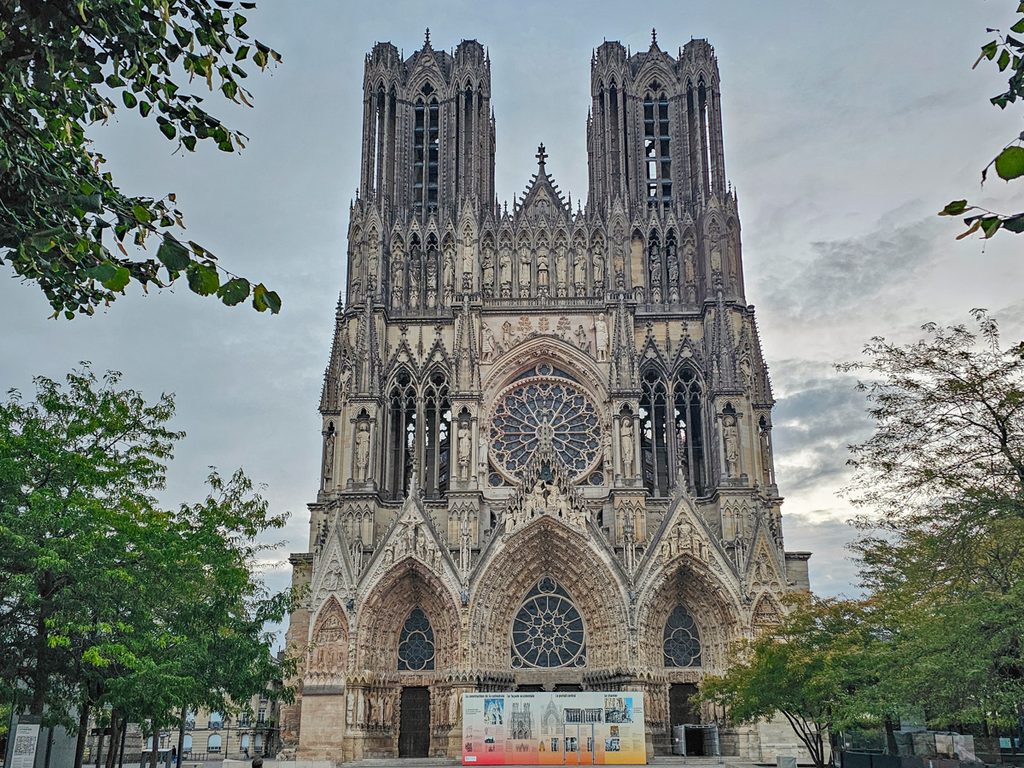
But switch to the masculine le champagne, and you’re talking about the sparkling wine itself. The name champagne is protected, meaning only sparkling wine produced in the designated Champagne region and following strict production rules can legally use the name.
Remember, while all champagne is sparkling wine, not all sparkling wine is champagne.
7. Poste
La poste refers to the postal service or post office. It’s also the name of France’s national postal operator, La Poste, and you’ll see their familiar yellow-and-blue signs throughout the country.
But un poste has several different meanings, including a job position or a workstation. Un poste de travail is a workstation, while un poste de police is a police station.
You might also hear someone talking about un poste à pourvoir, meaning a job vacancy or position to be filled.
8. Manche
Une manche is a sleeve, like the sleeve of a shirt, jacket, or sweater. The French word for a short-sleeved shirt is un T-shirt à manches courtes, while manches longues means long sleeves.
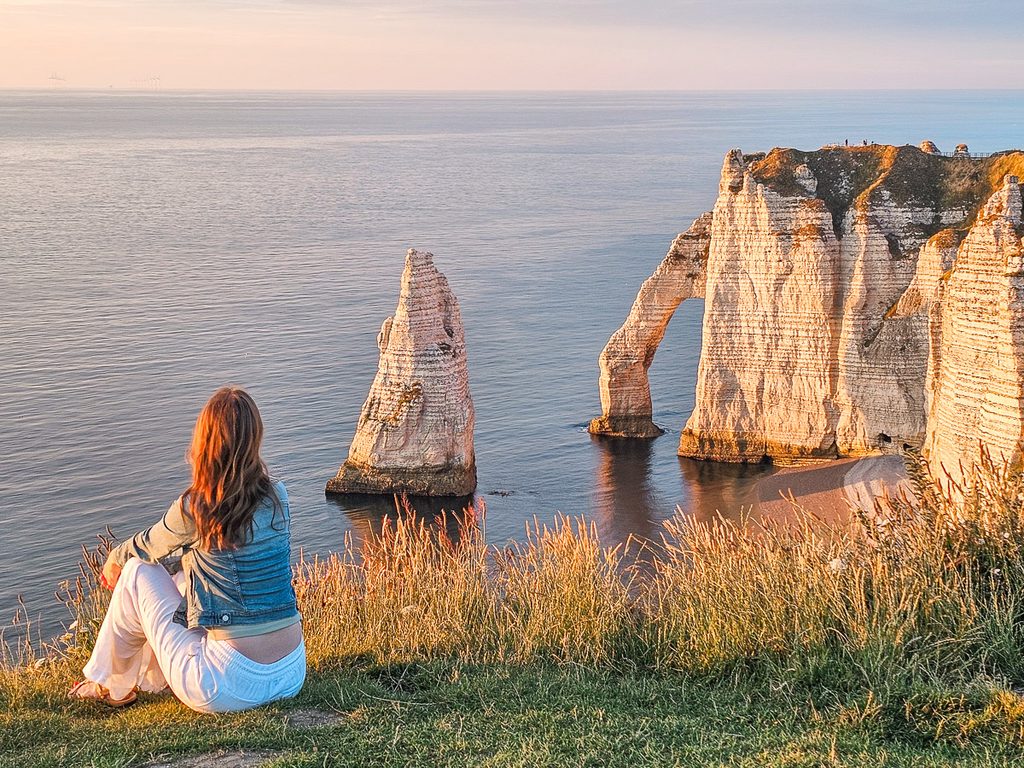
There’s also a geographical connection to the feminine version: la Manche is the French name for the English Channel, the body of water separating France and England.
But un manche is a handle, particularly the handle of a tool or other object (une poignée is a door handle). For example, le manche du couteau is a knife handle, and le manche du balai is a broom handle.
9. Physique
La physique is physics, the best of all the branches of science. It’s the word you’d see on a French student’s class schedule or in the name of a university science department.
(It also happens to be the subject my husband teaches at our local high school here in the USA.)
But le physique refers to someone’s physical appearance or build. For example, avoir un physique athlétique means to have an athletic build, while le physique d’une personne refers to a person’s physical appearance.
10. Voile
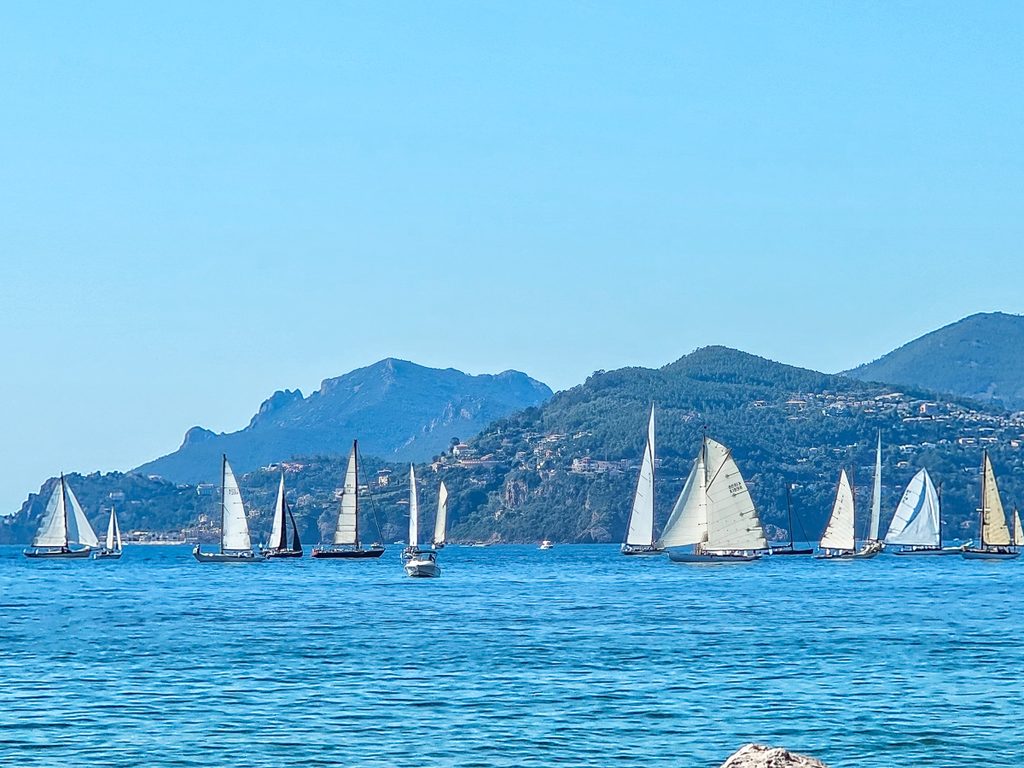
La voile means a sail, like the large pieces of fabric used to propel a sailboat across the water. You’ll also see it in the expression faire de la voile, which means to go sailing.
Le voile, however, means a veil, as in a piece of fabric worn to cover someone’s face or head. For instance, un voile de mariée is a bridal veil.
The masculine version can also refer to something that obscures or conceals, as in un voile de brouillard, meaning a veil of fog.
More Fun French Language Guides
If you enjoyed learning about these little quirks of the French language, I’ve got plenty more interesting French words and expressions to share. Here are a few more articles you might enjoy:
