
10 Ridiculously Picturesque Villages in Southwest France

If you love visiting charming villages that hardly seem real, Southwest France needs to be on your radar. Stretching across the regions of Nouvelle-Aquitaine and Occitanie, this part of France offers an incredible variety of landscapes and adorable villages.
Some are perched on cliffs above winding rivers, others sit among vineyards, while a few overlook the Mediterranean coast. You’ll find fortified medieval towns, bustling market towns, wine villages, and fishing ports, each with its own character, history, and picture-perfect streets.
Now, to be clear: this isn’t a list of hidden gems—some of these places get a lot of visitors. But it’s well-deserved, as they all have unforgettable settings and fascinating histories, and are all places I would happily return to again and again.
1. Najac
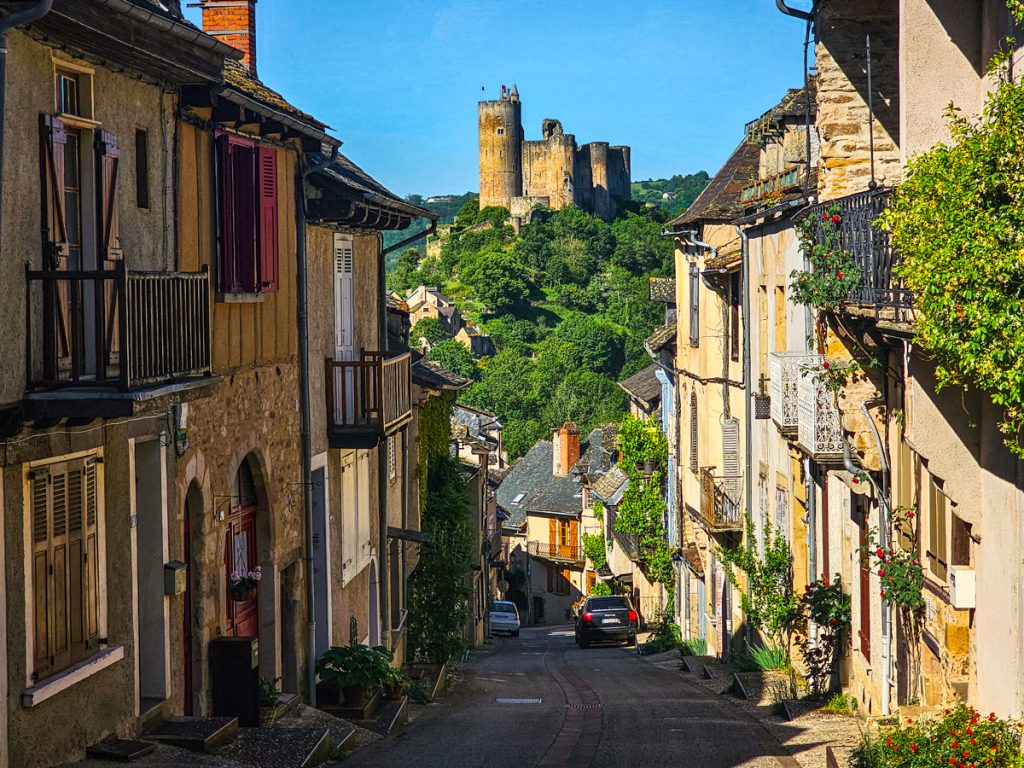
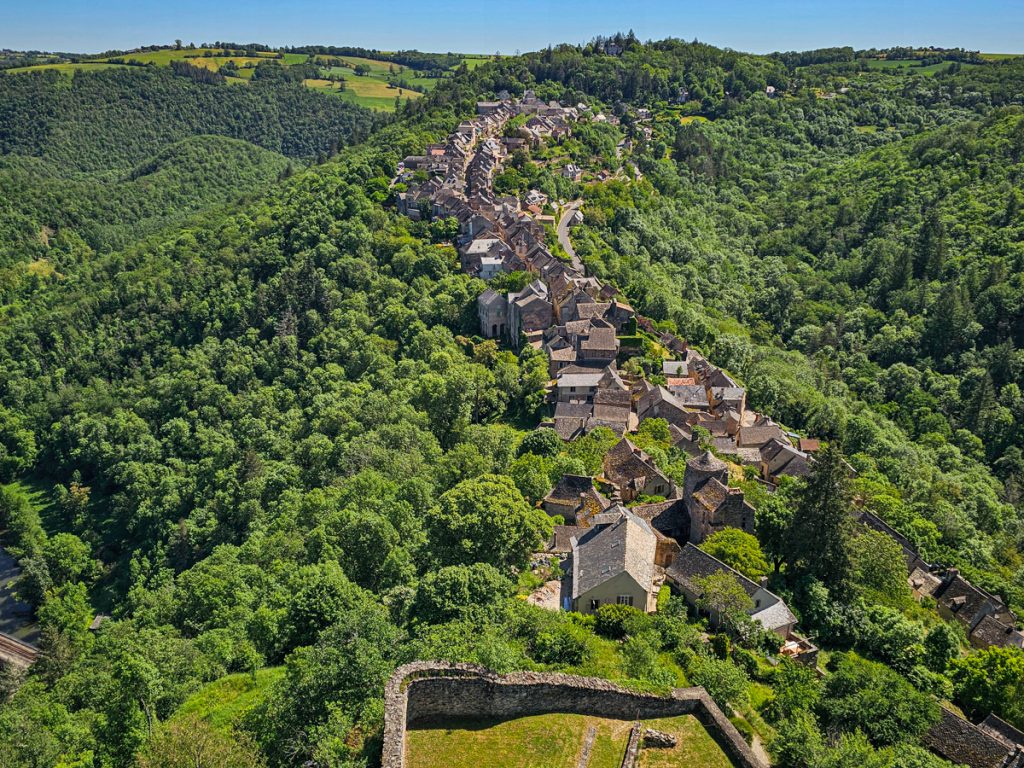
Najac is a fortified village in the Aveyron department of Occitanie with an incredibly distinctive layout. The town runs along a narrow ridge, with the main street starting at the top of the hill, dipping into a small valley, and rising back up to the fortress at the far end.
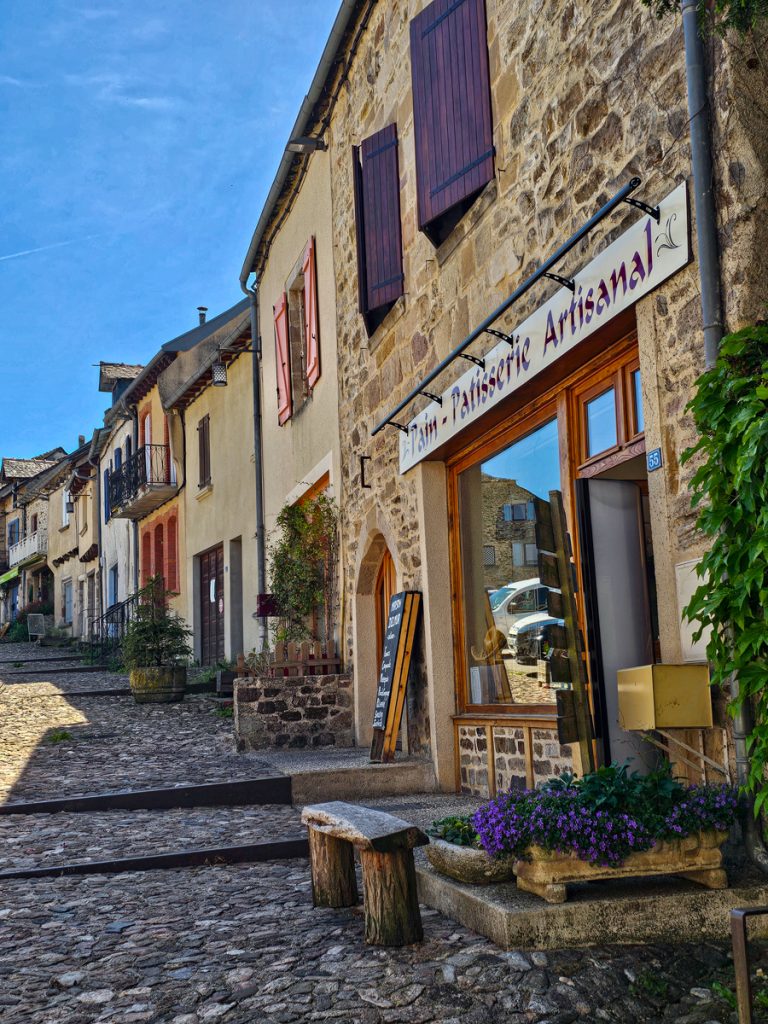
The view down the main street with the fortress perfectly framed between the buildings is the iconic image of Najac, and just as charming in real life as in photos. The streets are a mix of stone buildings, half-timbered houses, colorful shutters, and greenery and ivy climbing the walls.
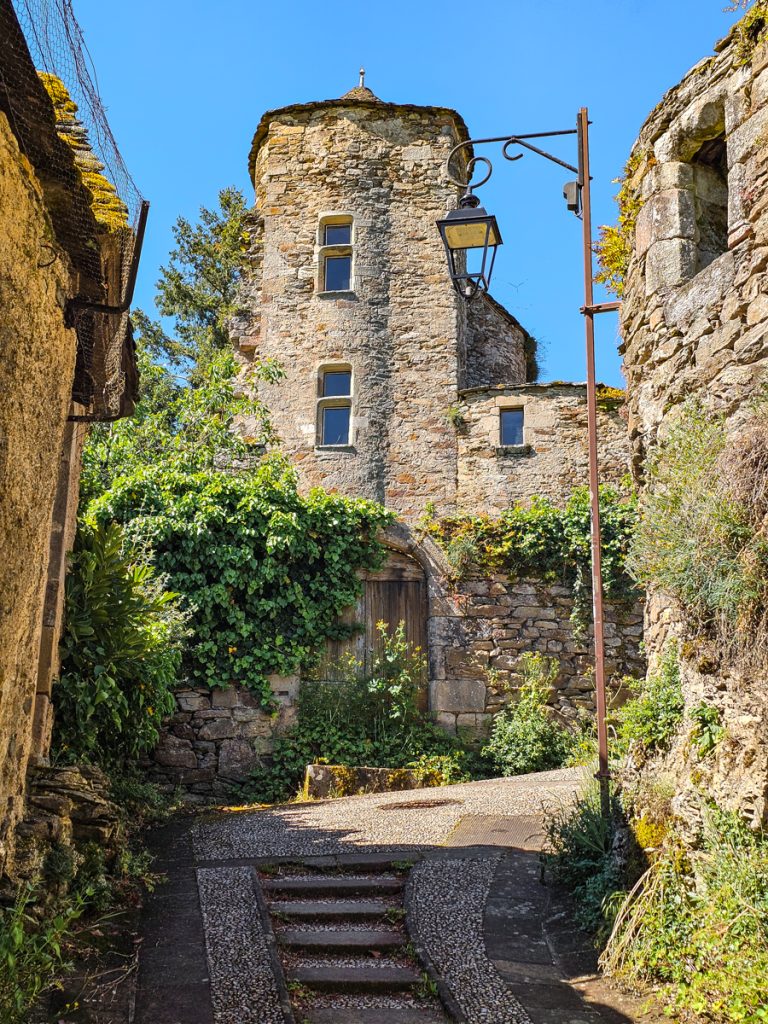
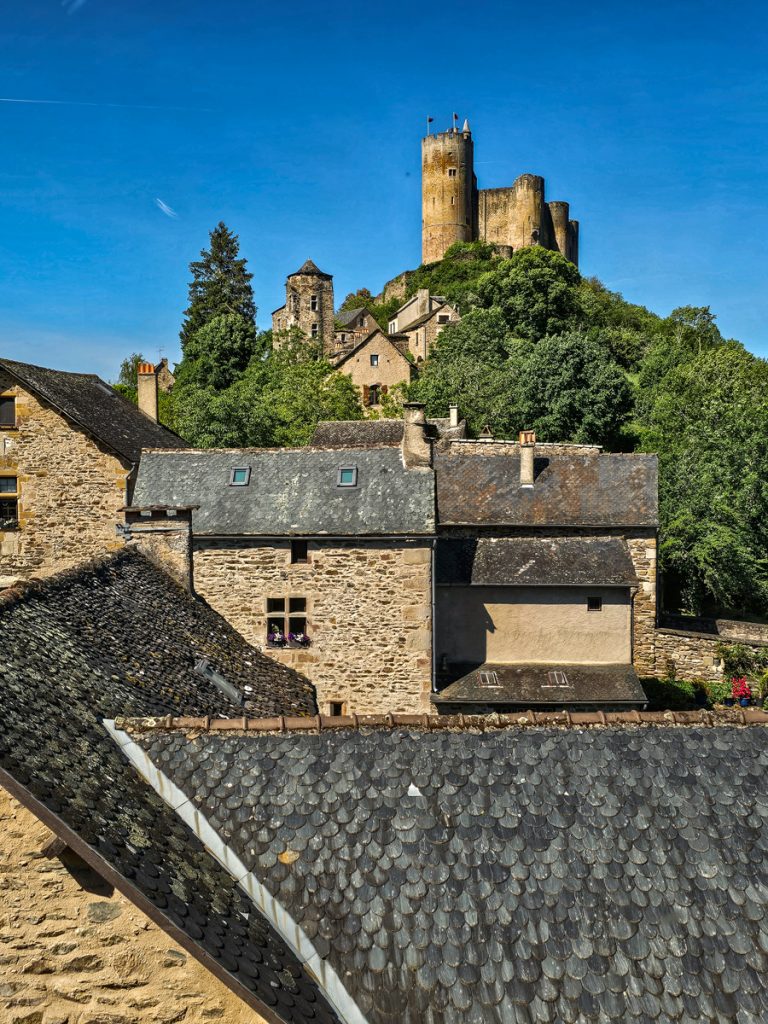
The fortress dates to the 12th century, when the Counts of Toulouse chose Najac as the capital of the Rouergue region. The village and fortress sit on a rocky promontory with the Aveyron River wrapping around three sides in a near-complete horseshoe far below.
That natural geography, combined with the man-made fortifications, made it essentially impregnable — it was never taken by force.
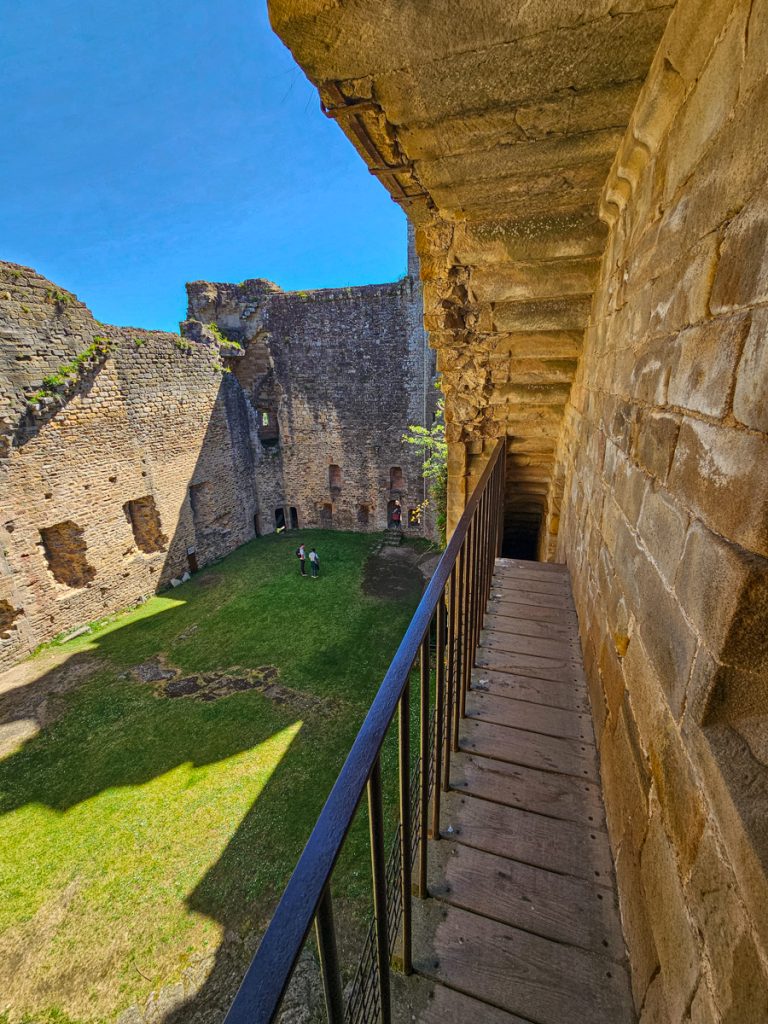
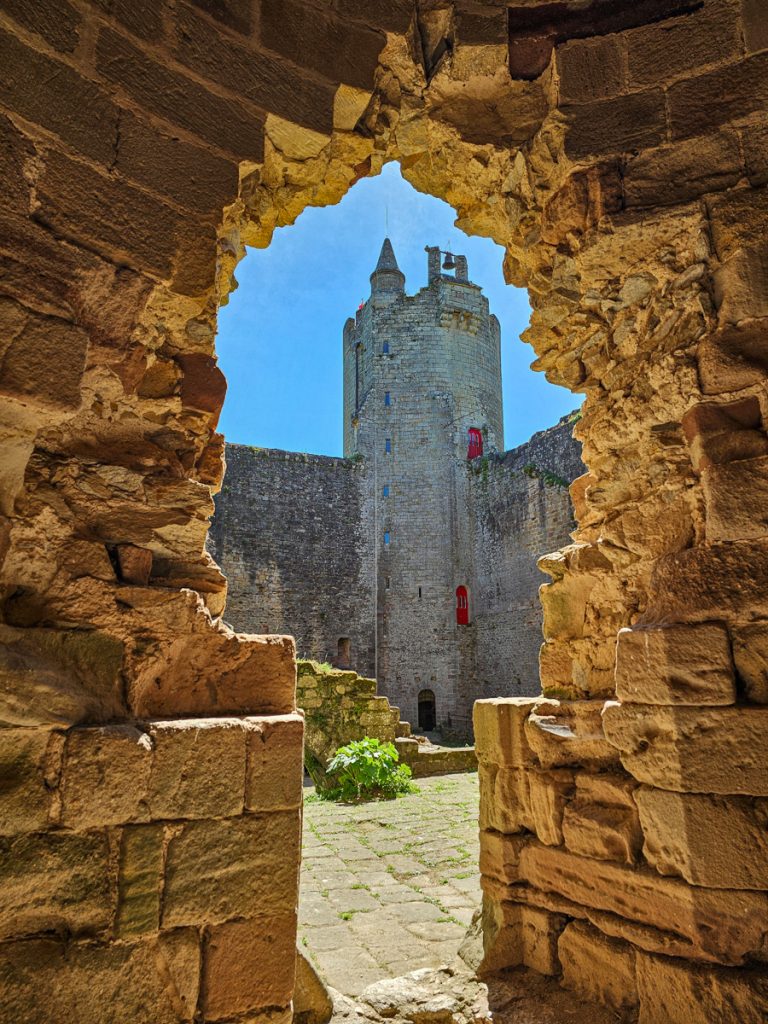
The castle is partly in ruins, but that’s part of what makes it fun to visit. It almost feels like a treasure hunt, poking your head into different rooms, crumbling corners, and even a secret passageway. Climb the 40-meter keep for great views back over the village and the river below.
A few other things worth stopping for include the 14th-century Consuls’ Fountain, carved from a single block of granite, or the Governor’s House museum, which gives good context on the region. Don’t skip the fouace from Maison Delmur, a regional brioche with orange flower that’s a specialty of the town.
2. Saint-Cirq-Lapopie
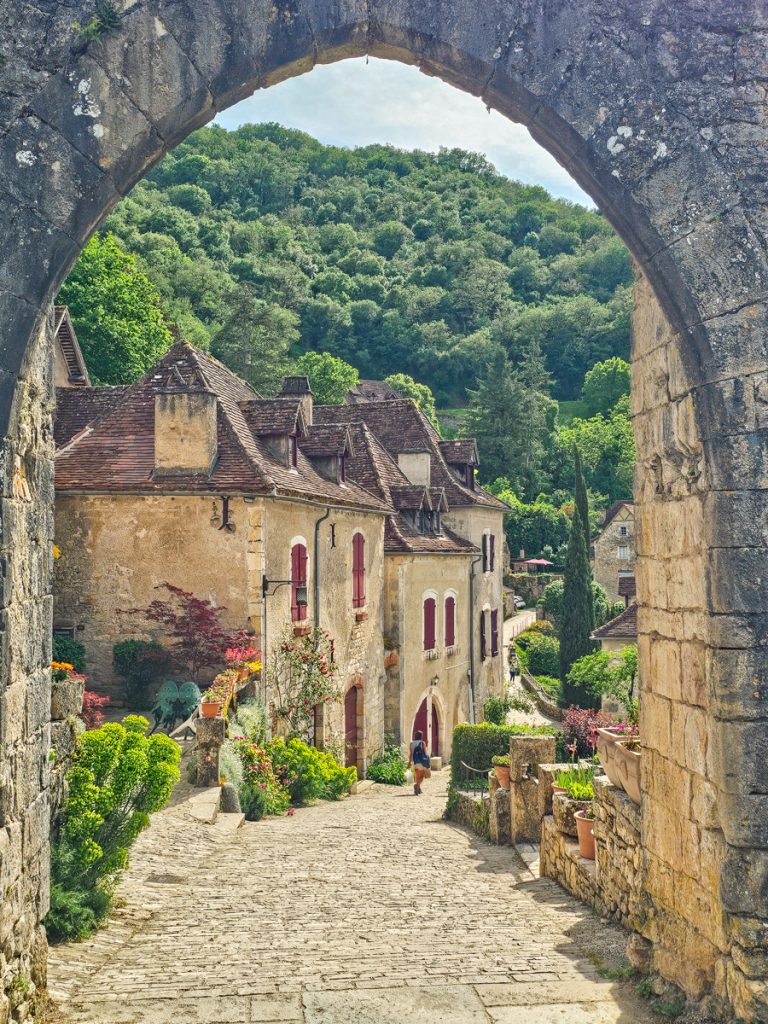
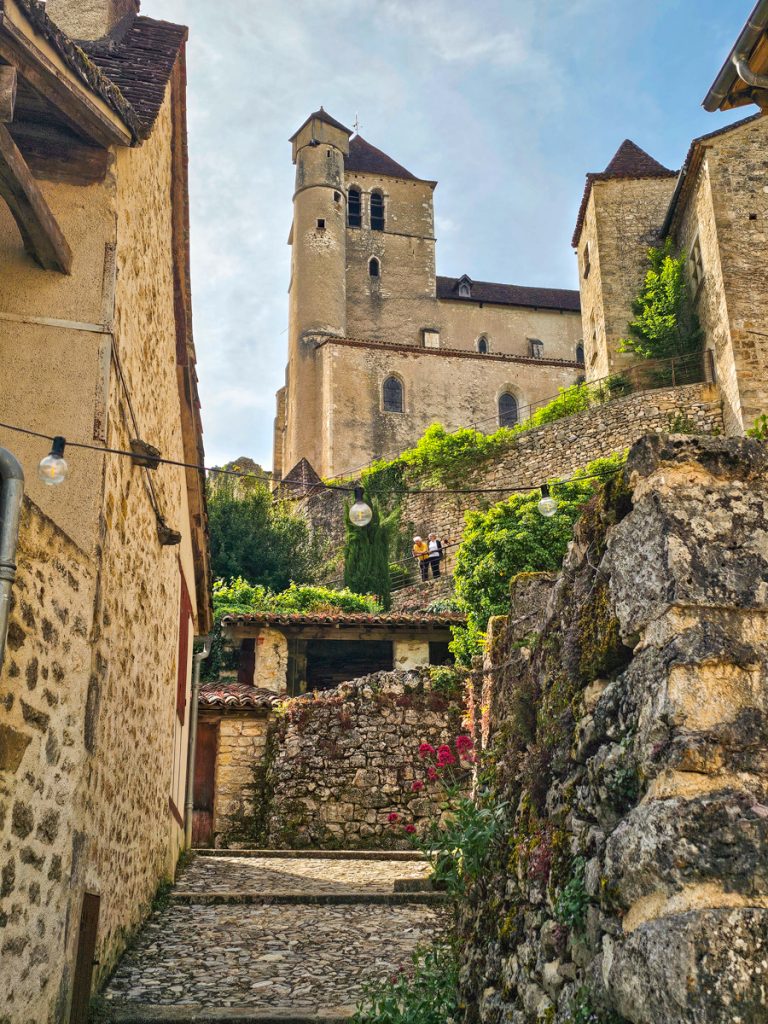
Saint-Cirq-Lapopie is one of those villages where I just could not get over how charming it was. It was voted the preferred village of the French in 2012, and I 100% support that decision.
The village clings to a cliff 100 meters above the Lot Valley, winding its way up a steep hill from the riverbank to the castle ruins at the top.
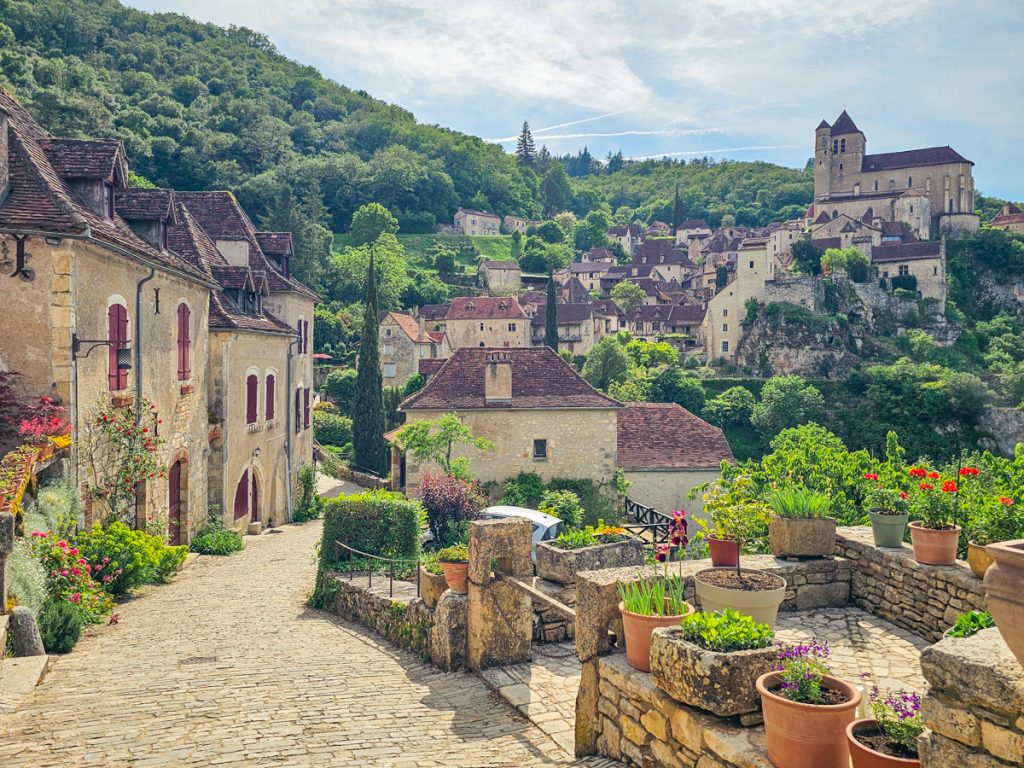
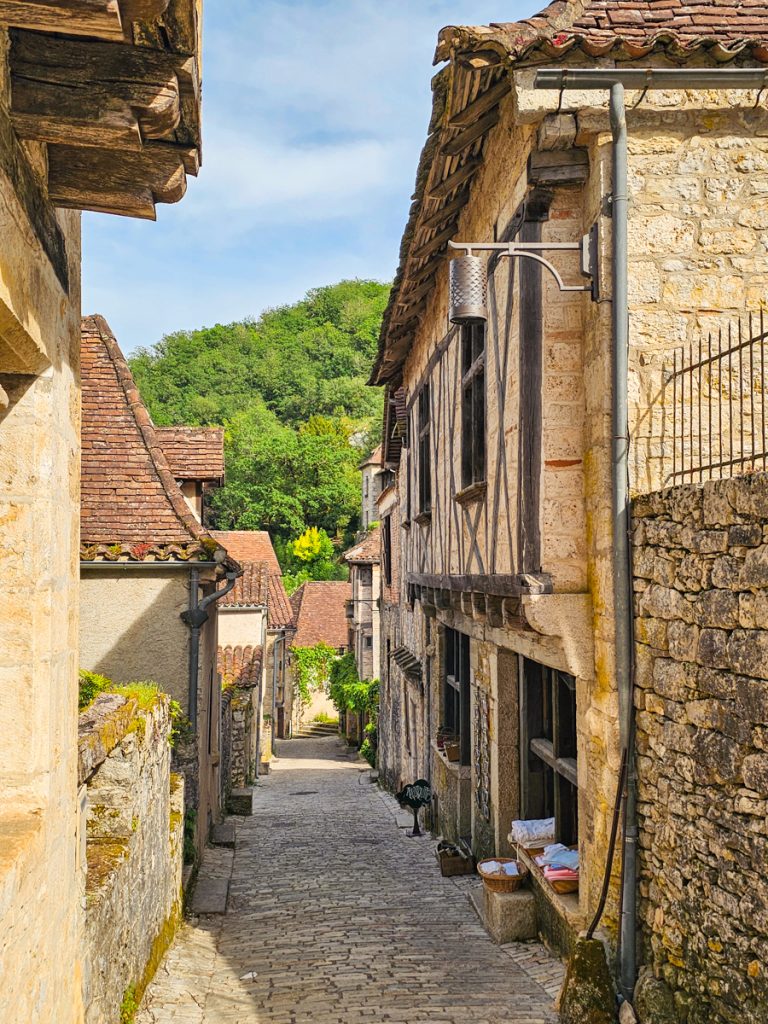
The main street winds up through town, with half-timbered houses, stone buildings, little alleyways, ivy and flowers spilling over everything, and gorge views appearing between the buildings as you climb. Every ten steps there’s another picture-worthy moment.
At the top are the ruins of the medieval Fort of Lapopie, which was shared between three feudal dynasties in the Middle Ages and abandoned in the 16th century. The views from the top over the Lot Valley are panoramic and worth every step of the climb.
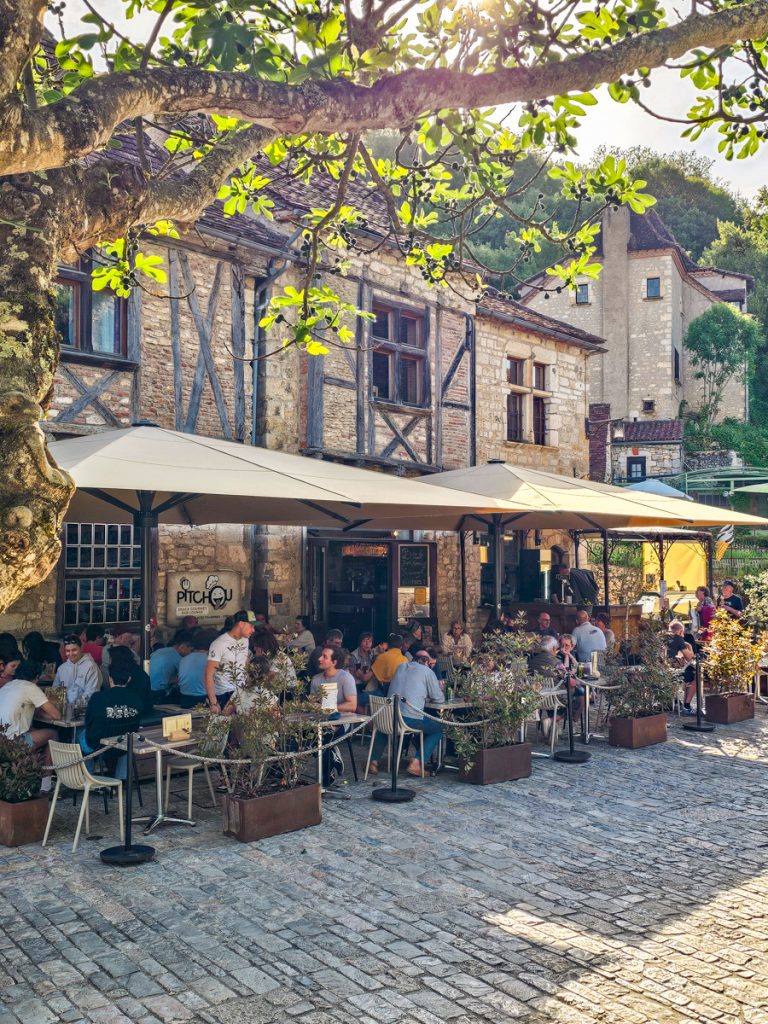
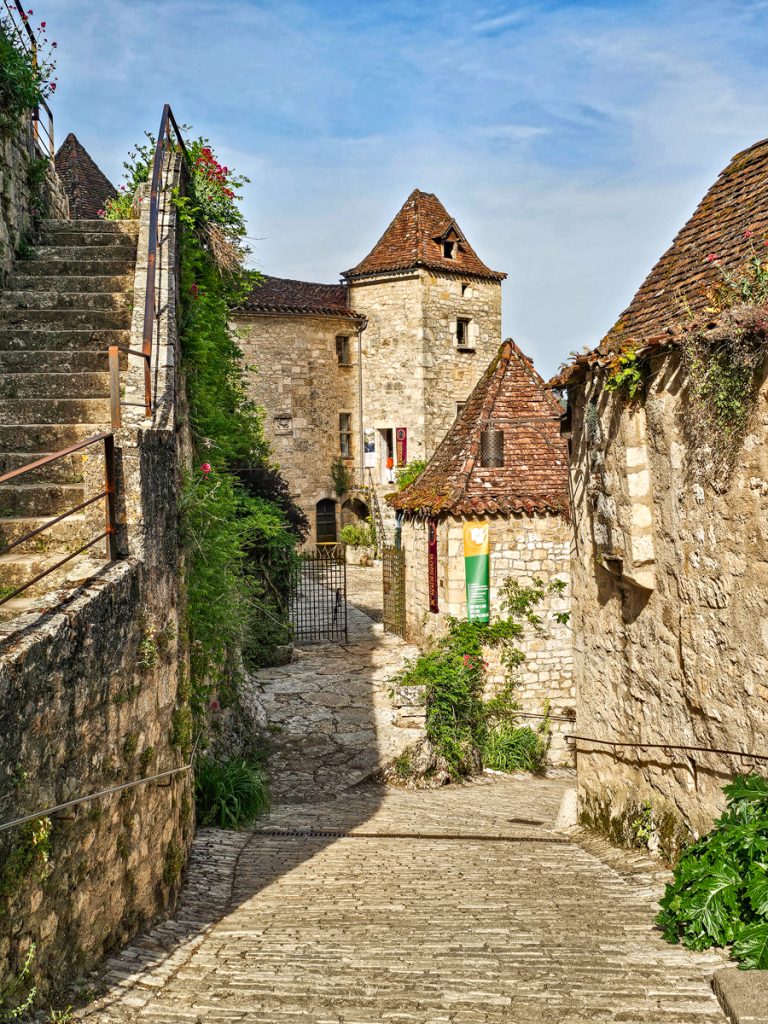
In the 20th century the village became a haven for artists and writers. André Breton spent the last fifteen years of his life here, and Man Ray, Henri Martin, and others were all regular visitors.
That artistic connection continues today in the boutiques and artisan shops throughout town, as well as the Musée Rignault, which hosts impressive temporary art exhibitions.
3. La Roque-Gageac
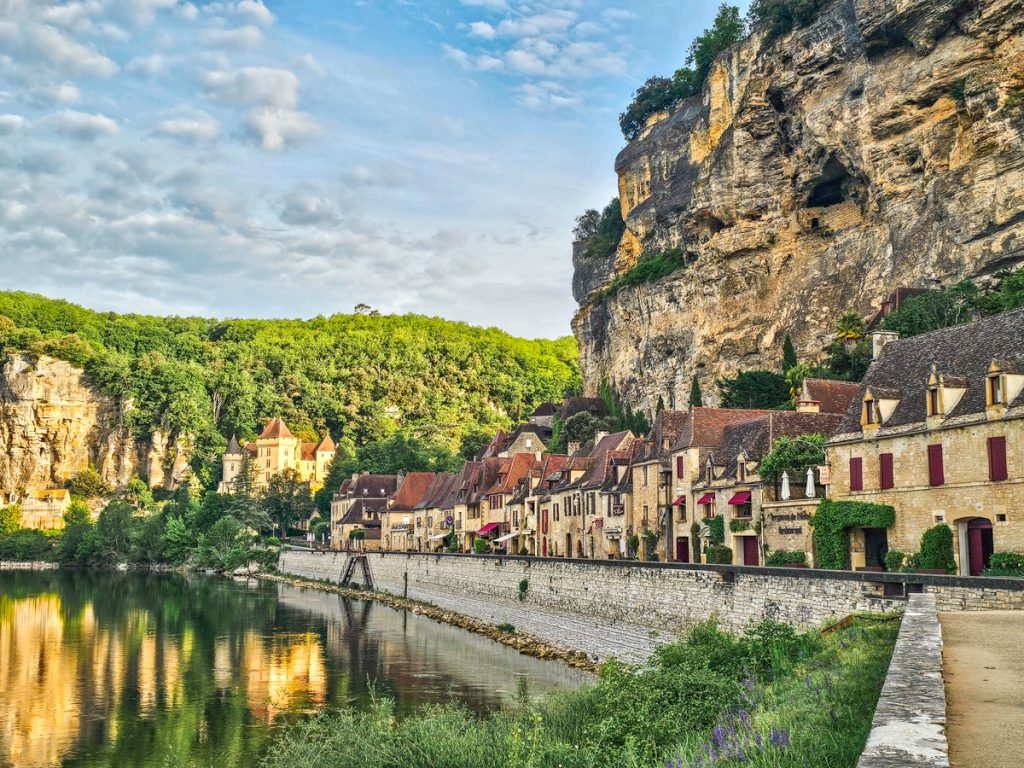
La Roque-Gageac is one of those villages that truly stops you in your tracks at first view. The houses are built tight against a dramatic golden cliff face along the Dordogne River, with a medieval fort carved into the rock 120 meters above the water. It’s a well-known spot and gets a lot of visitors, but it deserves every bit of the attention.
Walking along the riverfront and looking up at the village against the cliffs, and then out across the Dordogne, is one of the best views in southwest France. The gabare boat cruise is worth doing too.
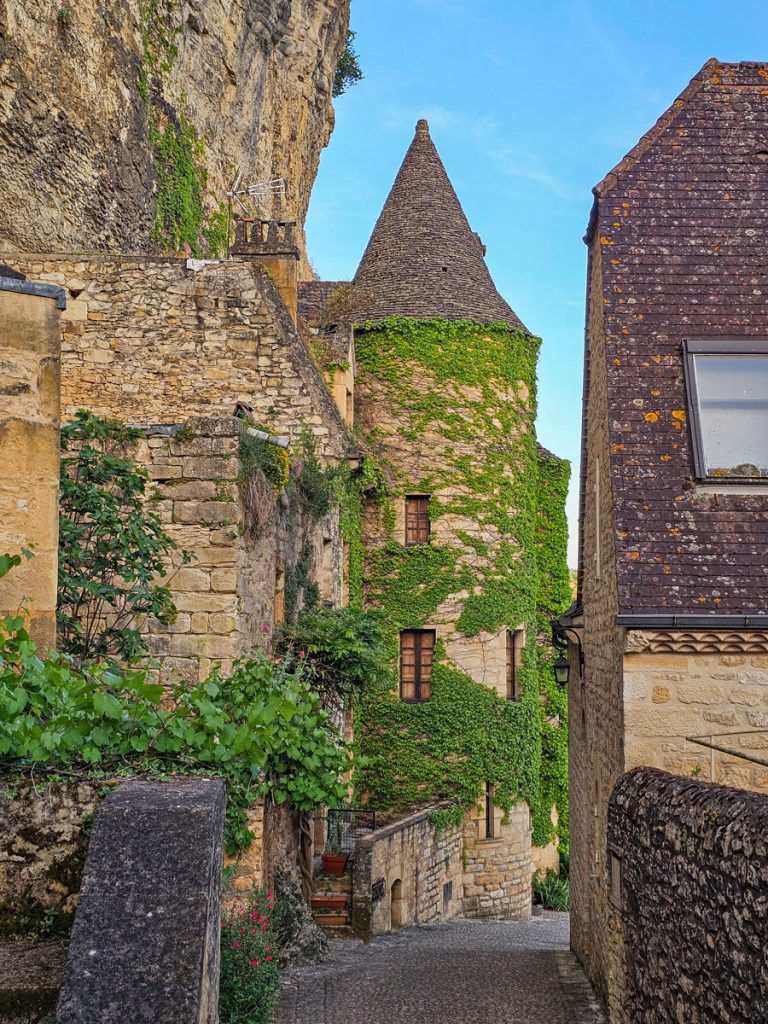
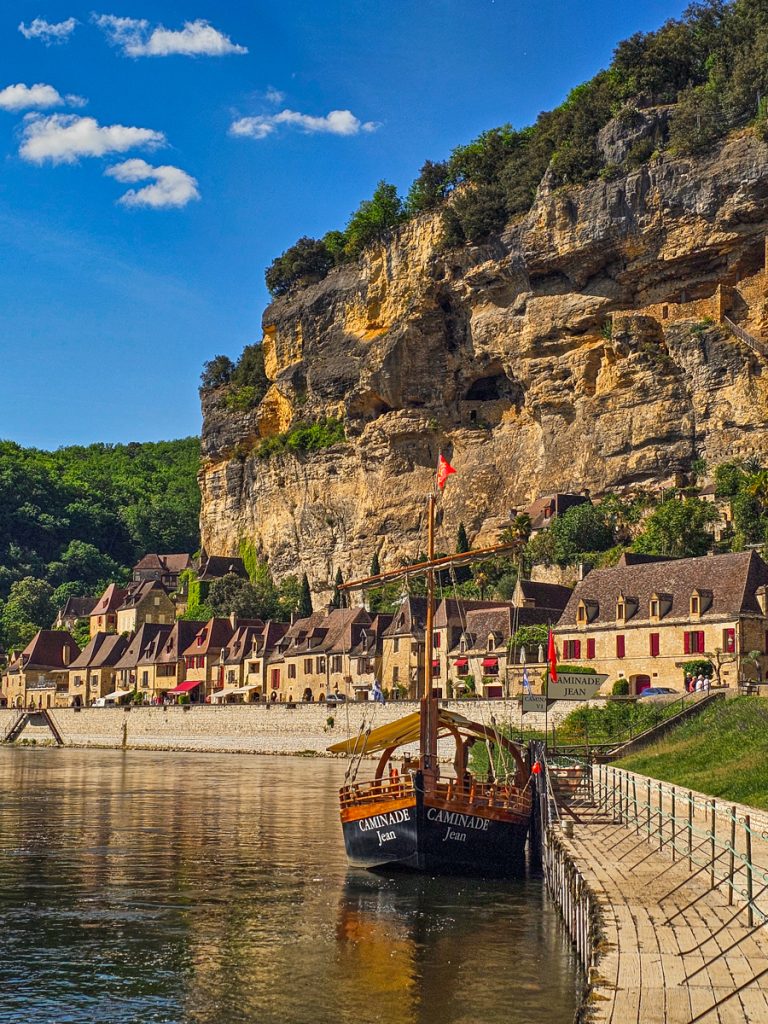
These “gabares” are reproductions of the historic wooden boats that once carried goods up and down the river, and seeing La Roque-Gageac from the water gives you a completely different perspective on the setting.
The troglodyte fort above the village is also a fun visit. You’ll walk 140 steps up along the cliff face to reach the fort, and the views from up there over the river valley are fantastic.
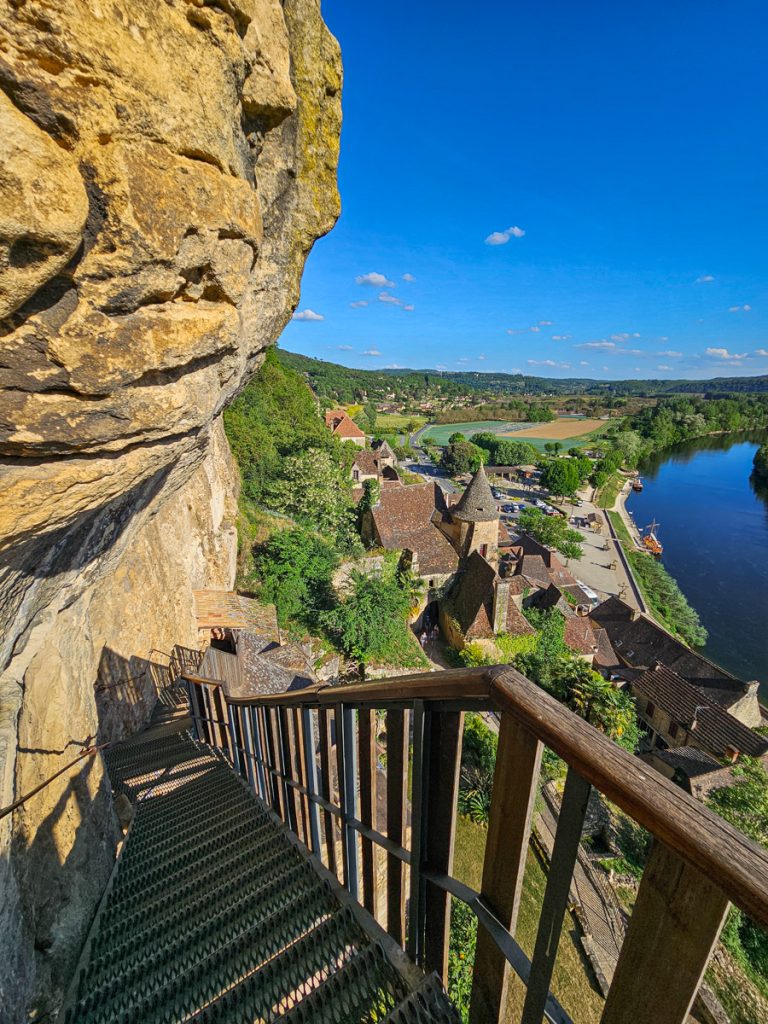
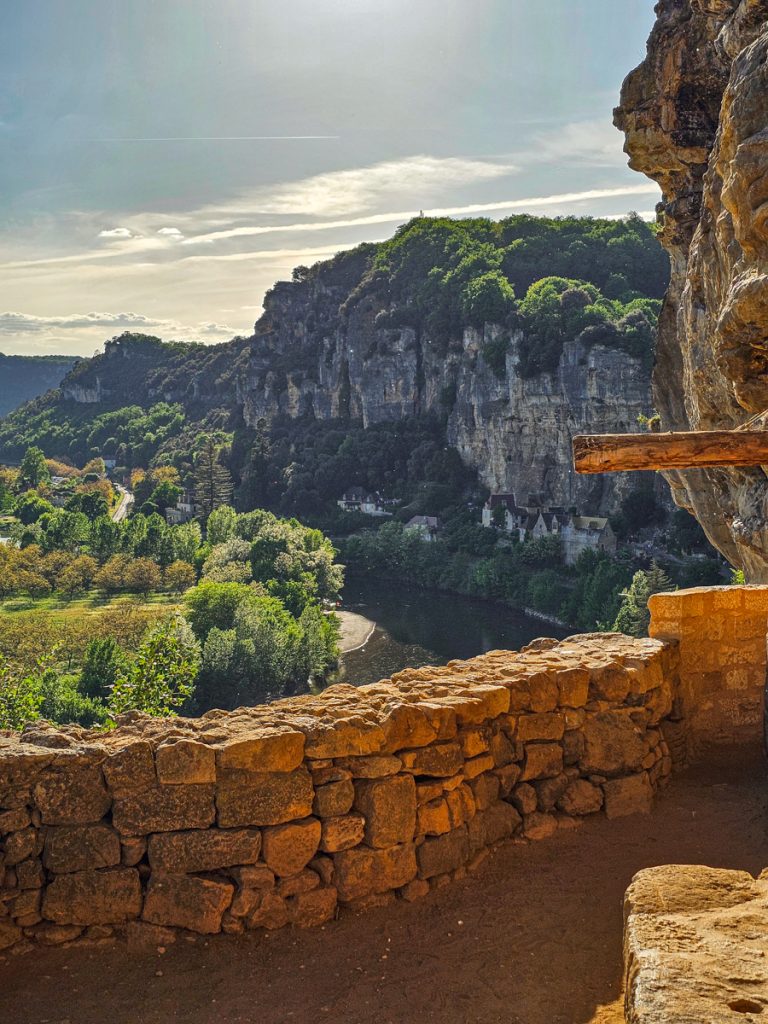
Come in early morning for the best light, but evenings are lovely too, with restaurant terraces open along the river and a much calmer pace once the day visitors have left.
4. Collonges-la-Rouge
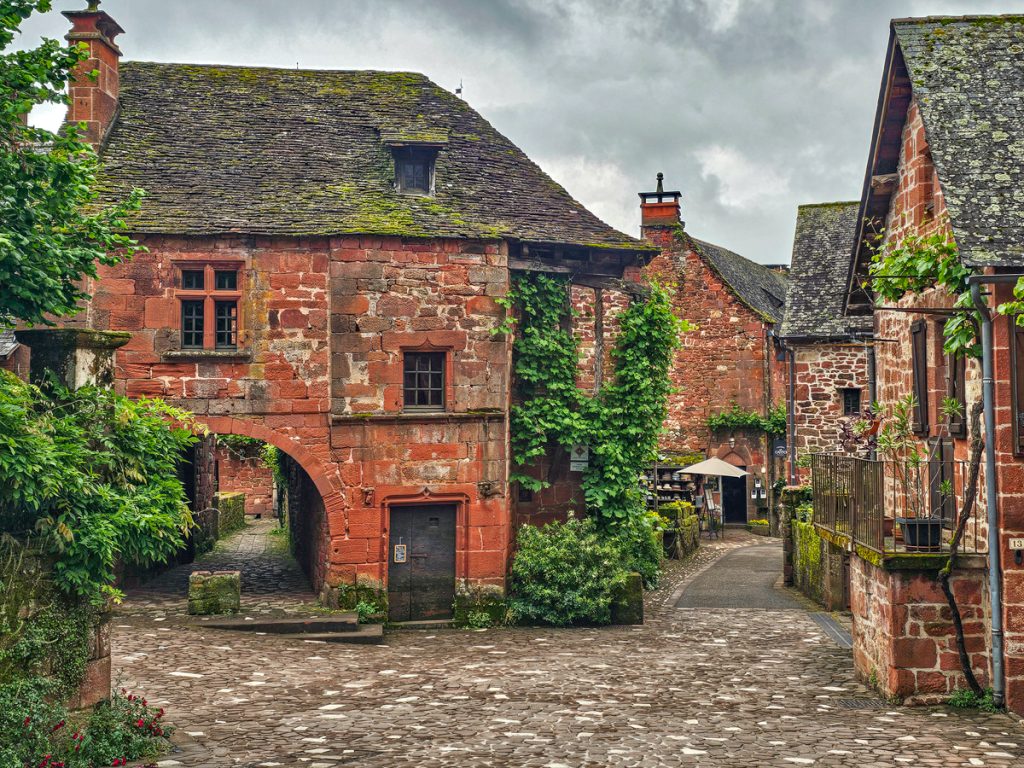
Most villages in France earn their beauty from setting, architecture, or history. Collonges-la-Rouge earns it from color.
Every building is built from local sandstone rich in iron oxide, giving the entire village a deep, warm red that is entirely unrelated to brick or paint. Paired with green vines and rose bushes climbing the walls and pale lauze stone roofs, it’s an incredibly beautiful place to walk through.
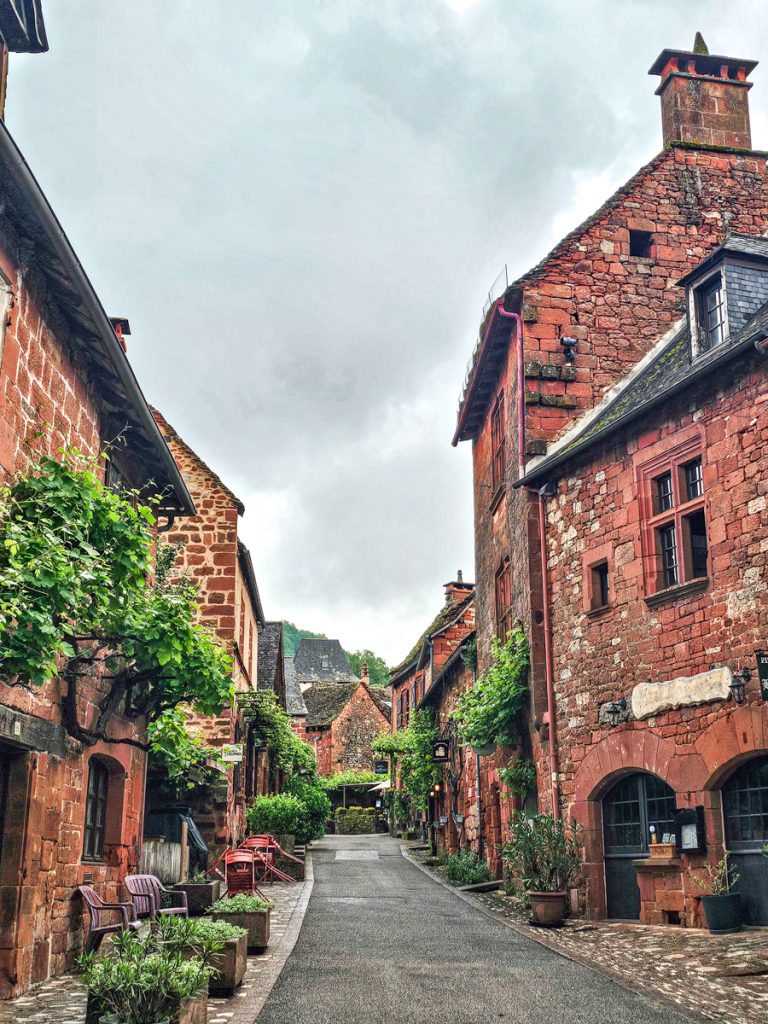
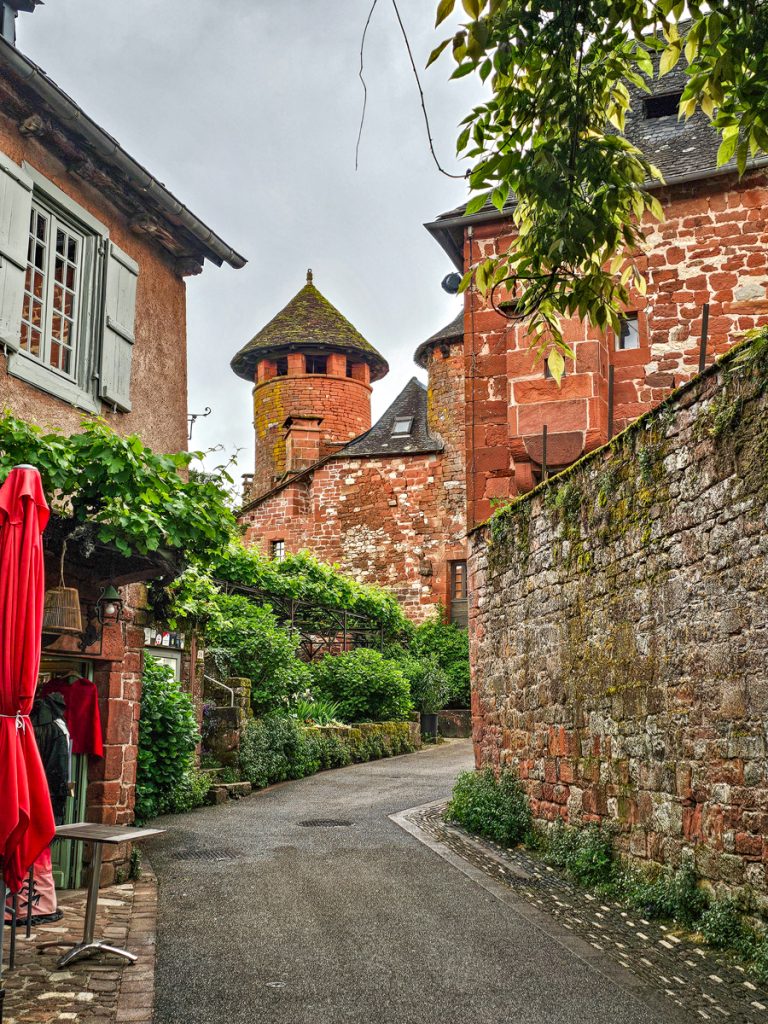
The village sits in the Corrèze and was established in the 14th century under the Counts of Turenne, one of the largest fiefdoms in France. Its importance as a regional seat of power left a visible mark on the architecture: three castles and 25 turrets from churches, manors, and gates can be seen throughout the roofline.
Collonges-la-Rouge holds the Les Plus Beaux Villages de France designation, and it’s actually the one that started the award. In 1981, as the town faced a rural exodus, the local mayor, Charles Ceyrac, created the association to increase interest, and Collonges-la-Rouge became the first village to receive the label.
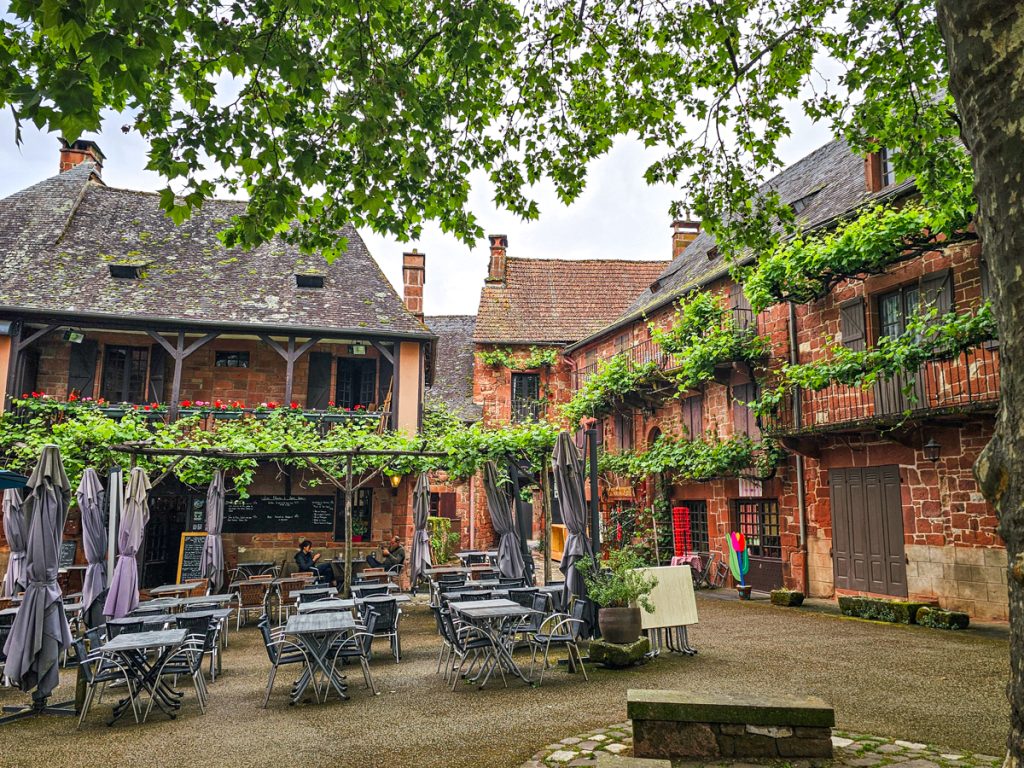
The 11th-century church is also worth going into, as it has an unusual feature: two naves where Protestants and Catholics conducted services simultaneously during the Wars of Religion.
5. Brantôme
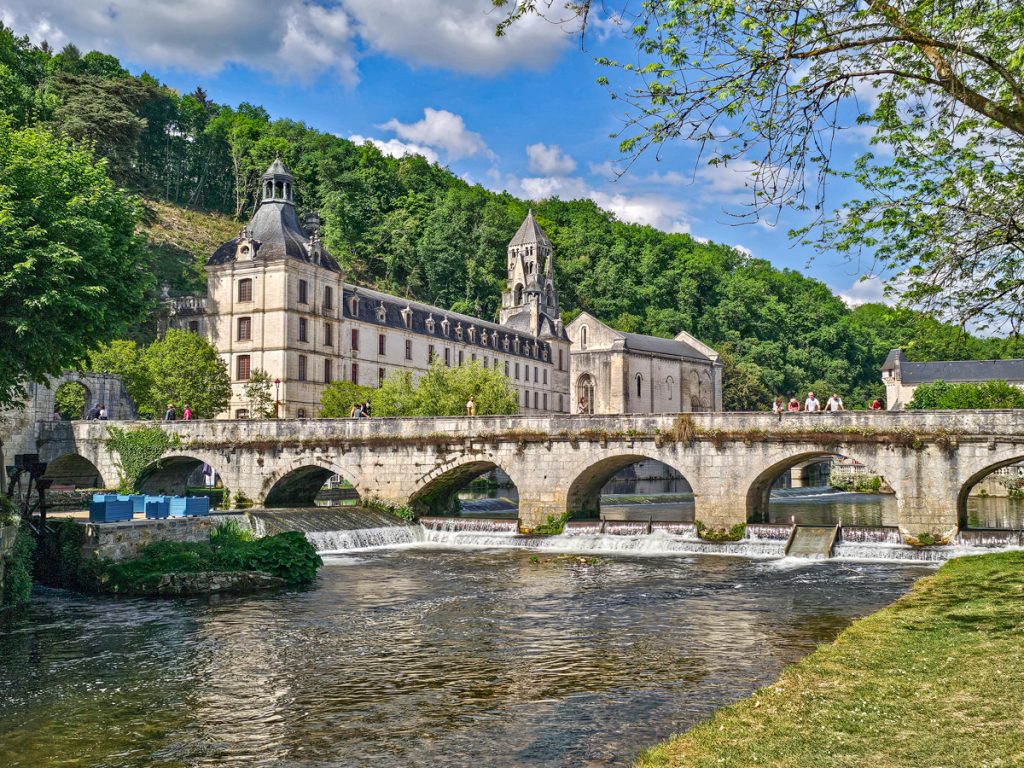
The image that defines Brantôme is the view along the river: the old Moulin de l’Abbaye with ivy climbing its walls and a little water wheel turning at the river’s edge, the stone bridge in the foreground, the Dronne River running under it, and the abbey rising behind it all against the limestone cliff.
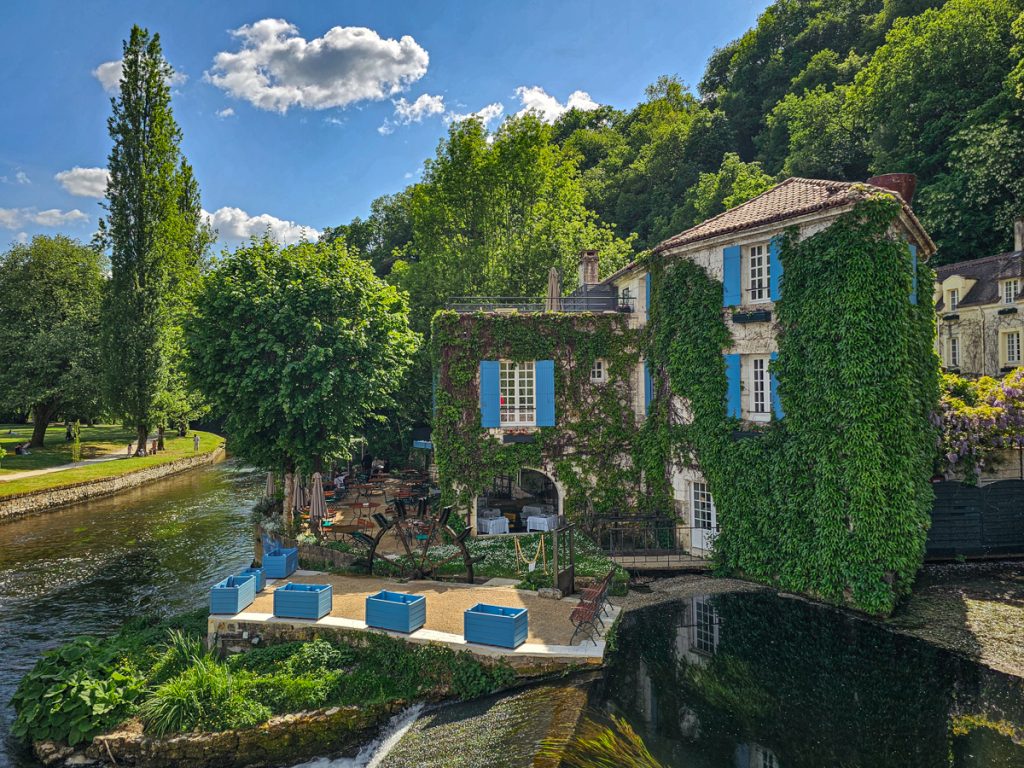
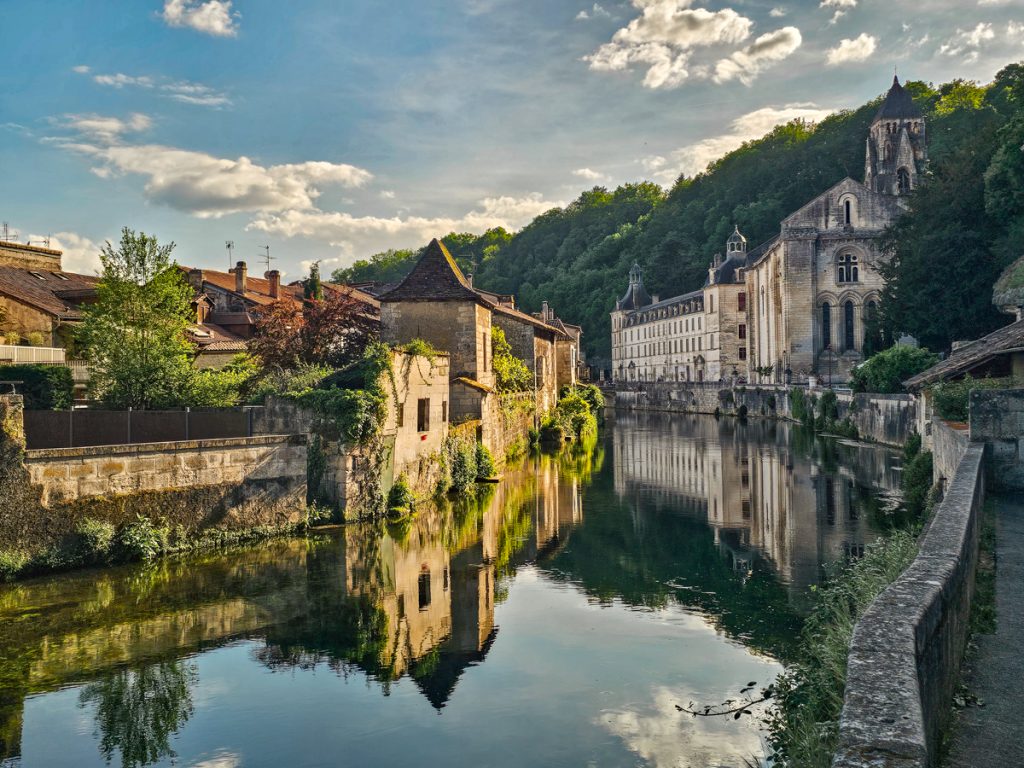
The village sits on an island in the Dronne River, with the water splitting around both sides before rejoining downstream. Stone bridges connect the village to the surrounding banks, giving Brantôme a different feel from many of the other villages in the region.
The abbey is the main reason to visit Brantôme. It’s a troglodyte abbey built against the cliff, with caves cut into the rock behind the abbey buildings. The most remarkable of these is the Last Judgment Cave, which contains an enormous bas-relief carving filled with religious figures, angels, and symbols of death.
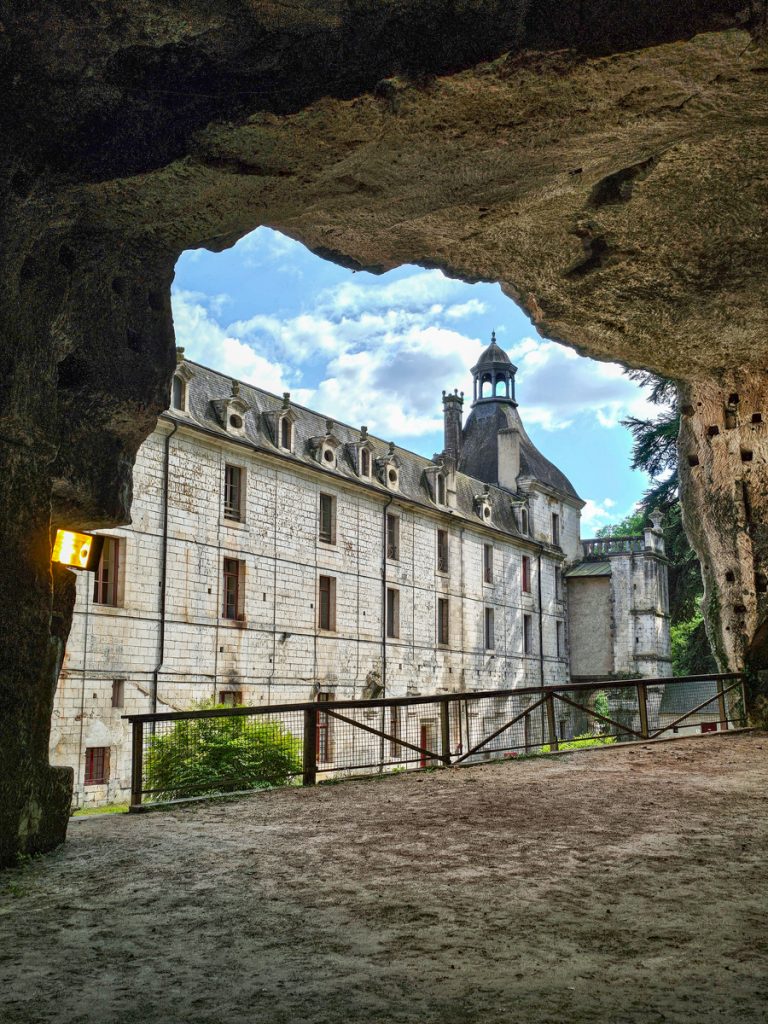
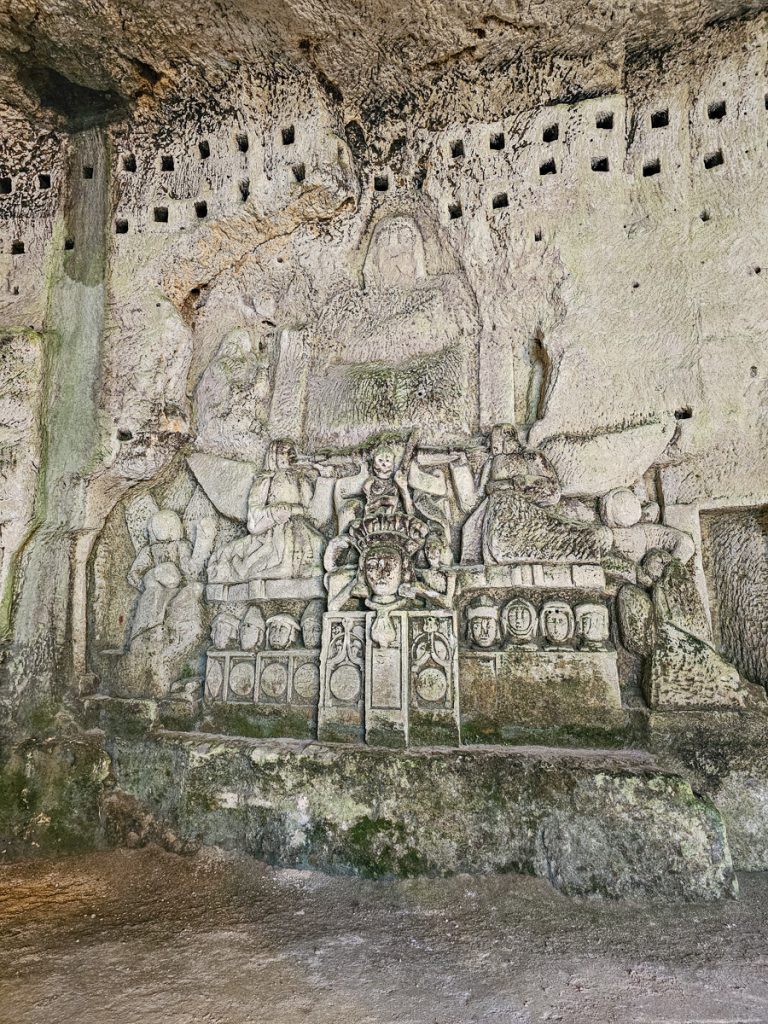
Other things to do include river cruises on the Dronne, which run about 50 minutes from the quai, and Le Jardin Tranquille, a garden about ten minutes outside town.
Finally, the Moulin de l’Abbaye is now a hotel and Michelin-starred restaurant with a terrace right on the river. If you’re looking for a special meal, the seven-course tasting menu is phenomenal and costs €150.
6. Carcassonne
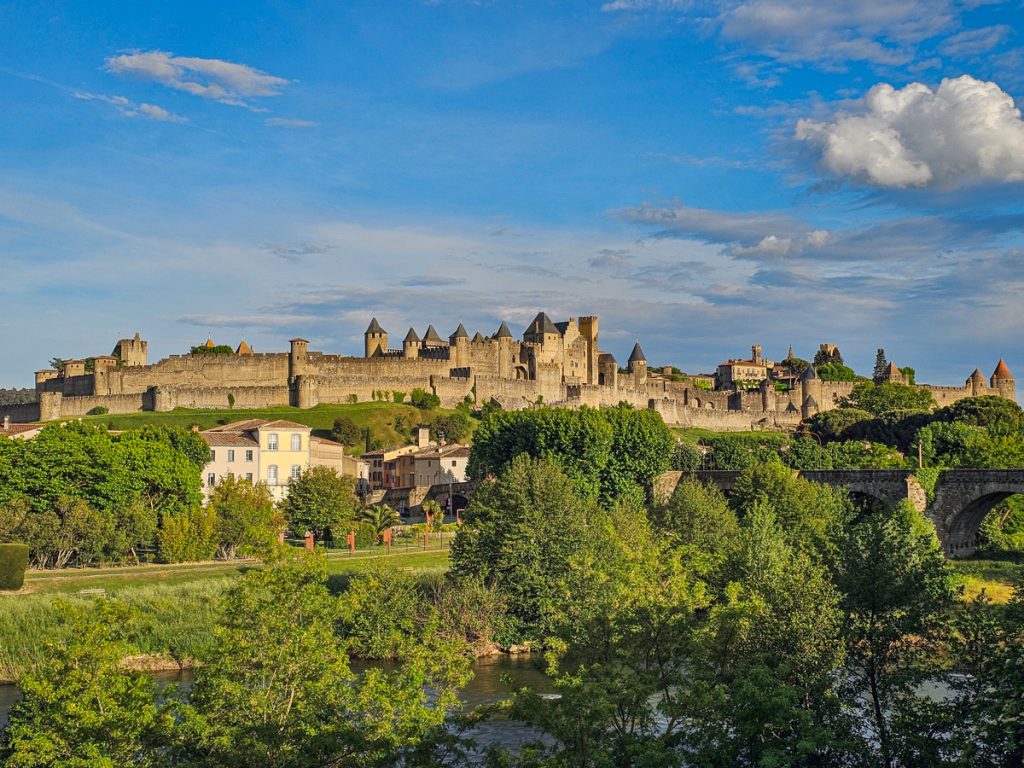
Carcassonne is one of the most famous landmarks in France, but it’s much more than a castle. The Cité de Carcassonne is a complete medieval village surrounded by double fortification walls, dozens of towers, and some of the most impressive defensive architecture in Europe.
Walking through the gates feels like stepping into another era. Inside the walls, you’ll find narrow stone streets, small squares, restaurants, shops, and historic buildings, all enclosed within a fortress that once played a major role in the Albigensian Crusade and the conflicts that shaped southern France.
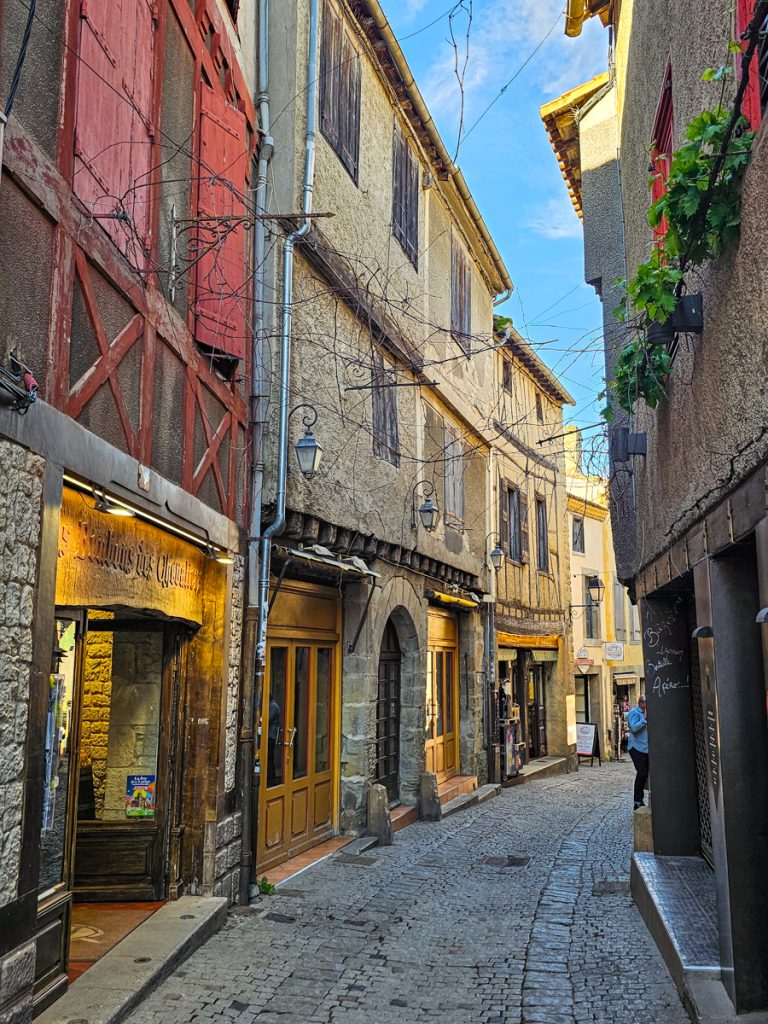
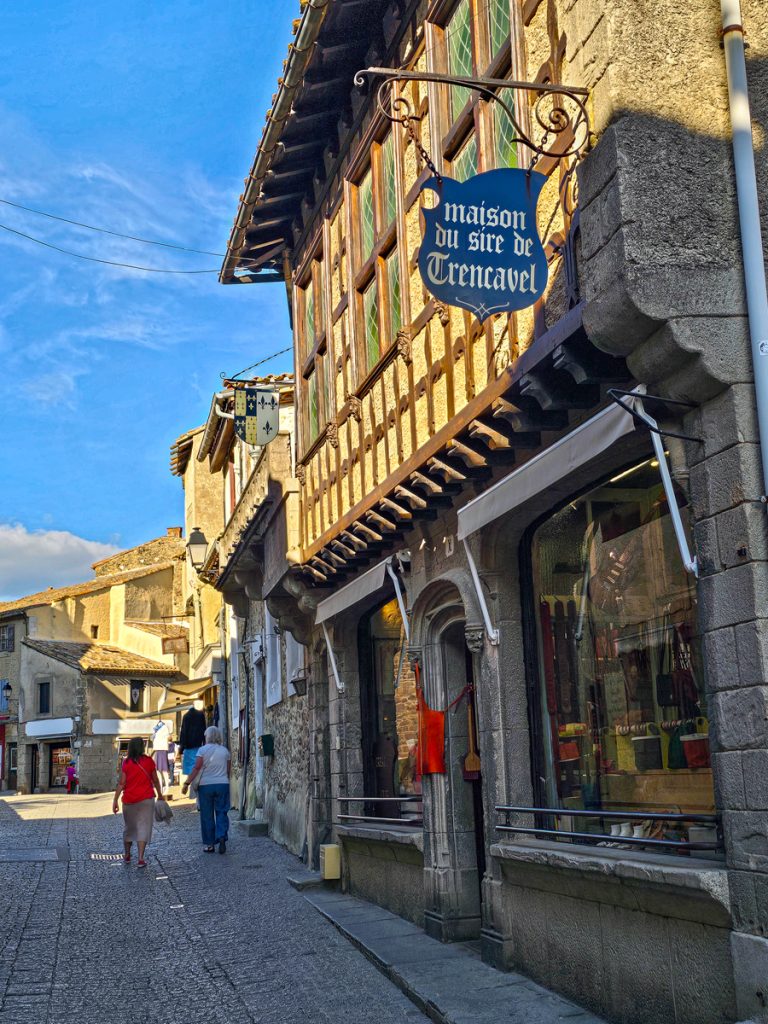
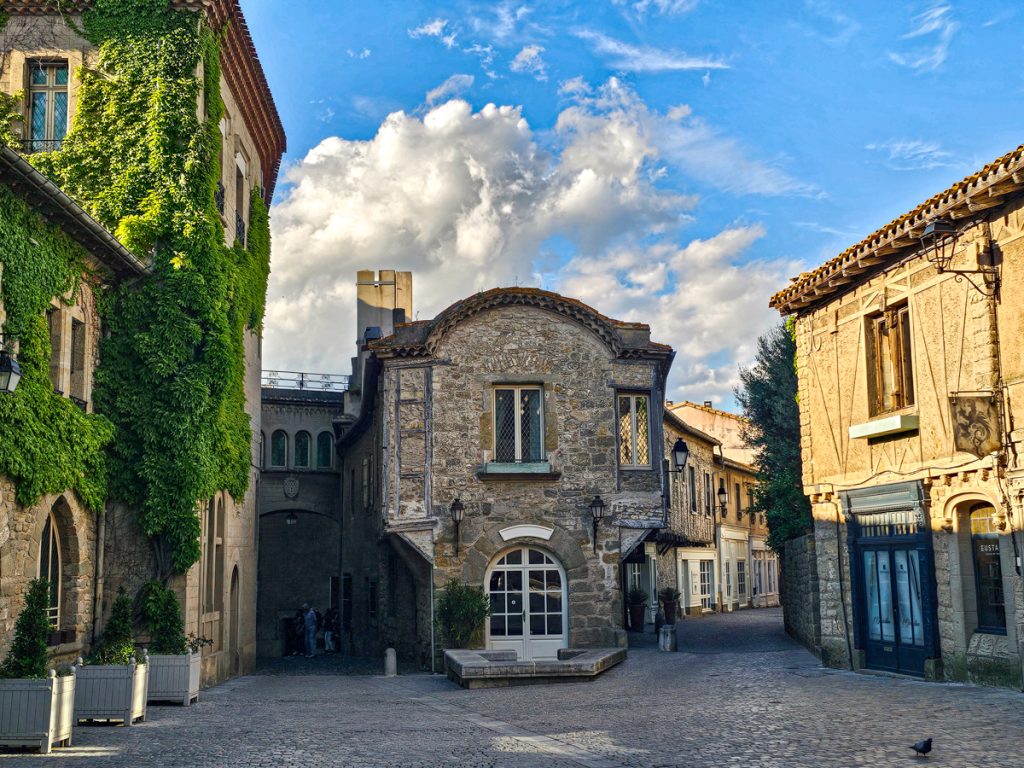
The highlights include the Château Comtal and walking the ramparts around the entire city, but simply wandering the streets of the Cité is a big part of the experience. Just outside the fortress, the Bastide Saint-Louis is the lower town, with wider streets, lively squares, and a more local atmosphere.
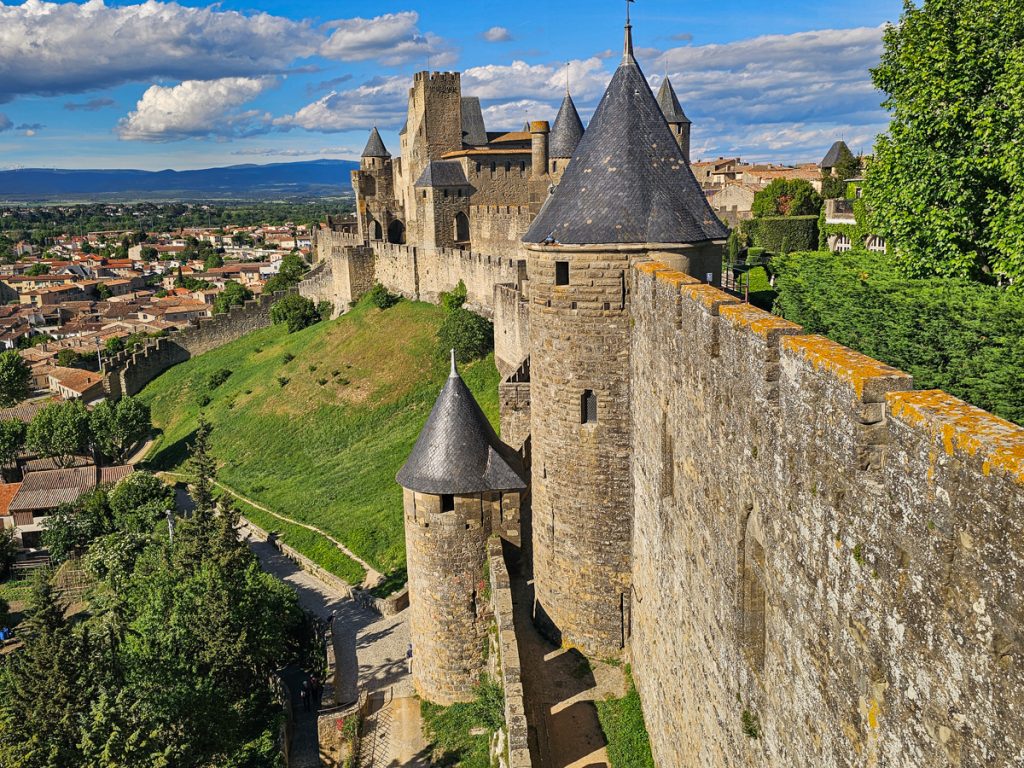
One of the best things to do is view the fortress from outside the walls. The Pont Neuf bridge offers a classic view of the Cité rising above the river, while the panoramic rooftop of Saint-Vincent Church in the newer “La Bastide” part of town helps you appreciate the city’s enormous scale.
7. Saint-Émilion
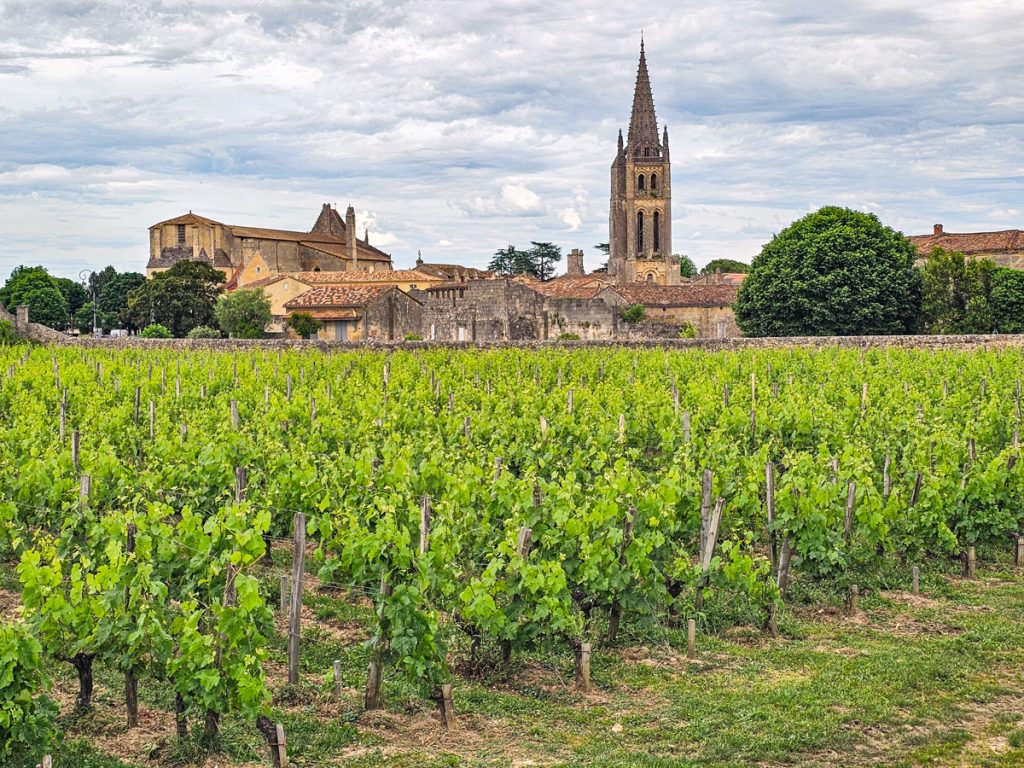
Located about 45 minutes from Bordeaux, Saint-Émilion is one of the most famous wine villages in France. The town sits in the middle of a landscape of vineyards and châteaux that stretch across the countryside in every direction, creating a really special, idyllic setting.
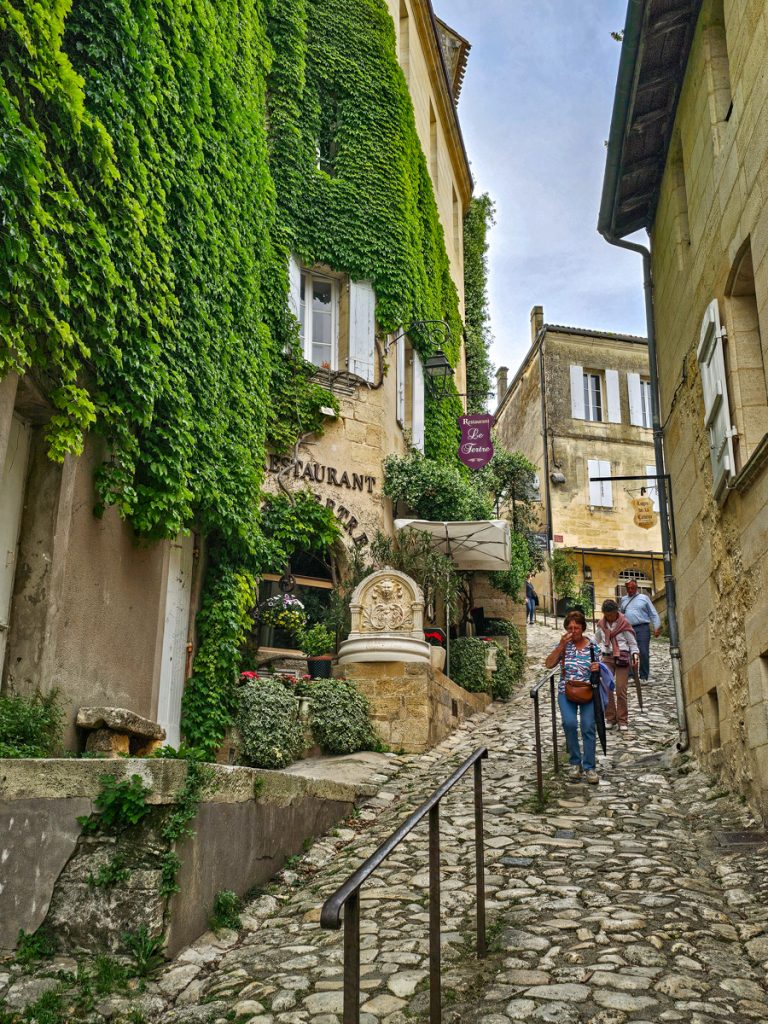
The village itself is built on a hillside, with steep cobblestone lanes connecting the lower and upper sections of town. Along the way, you’ll pass dozens of wine shops, restaurant terraces, and viewpoints overlooking both the village and the surrounding vineyards.
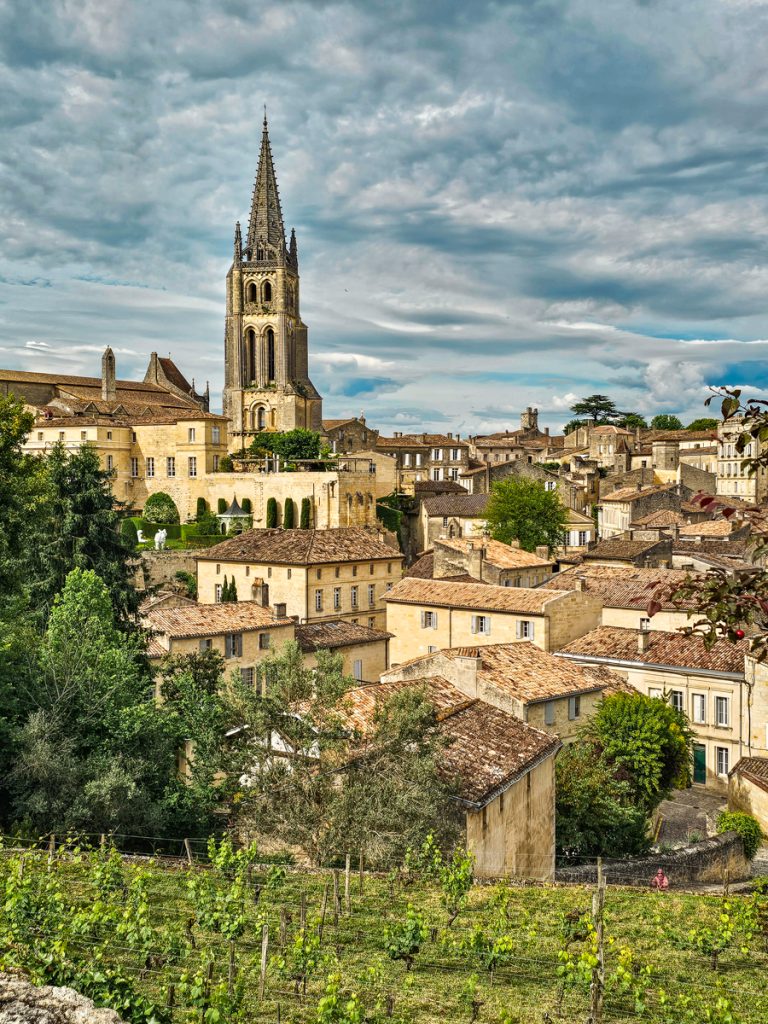
Saint-Émilion is also home to one of the most unusual churches in France. The 12th-century Monolithic Church was carved directly from a single block of limestone and is the largest monolithic church in Europe. Guided tours also include the catacombs and the hermitage of Saint Émilion, the monk whose name the village bears.
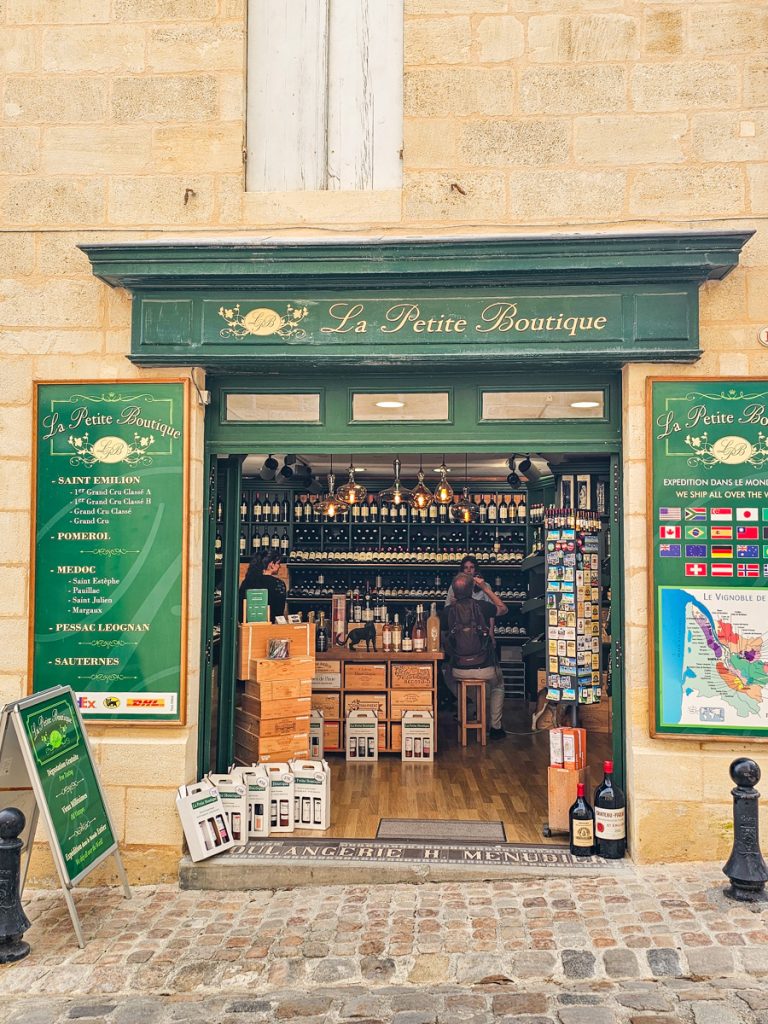
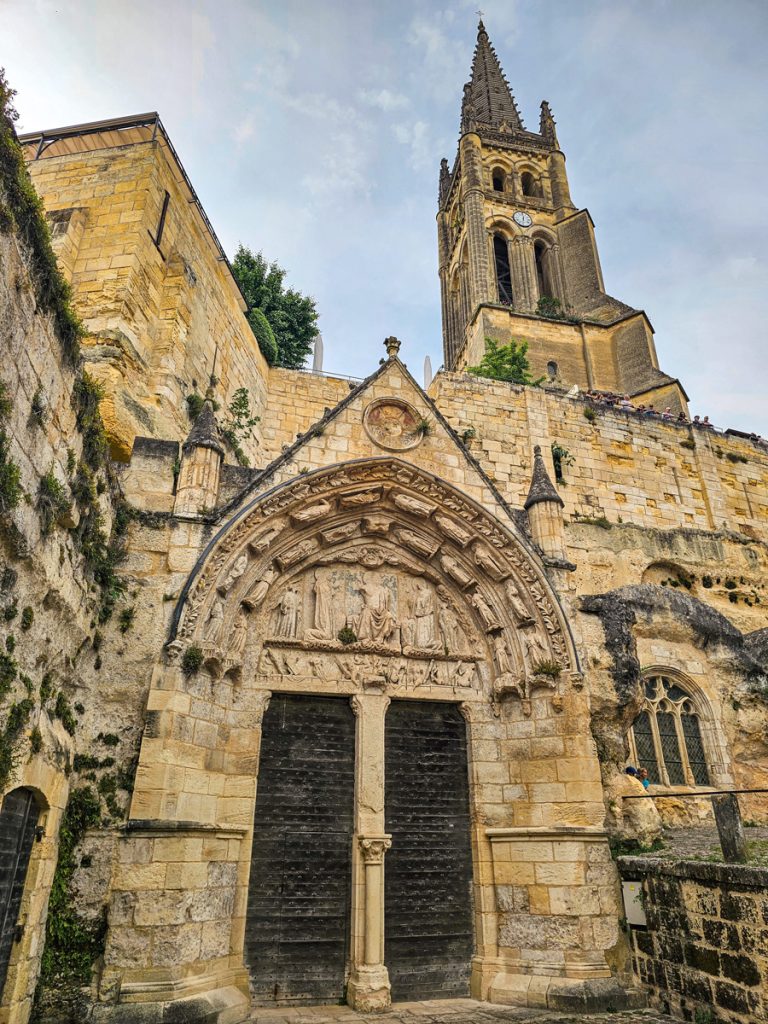
Wine is never more than a few steps away in Saint-Emilion. The town and surrounding countryside became the first vineyard region listed as a UNESCO World Heritage Site, and wine tastings are a major part of any visit.
Many châteaux are located within walking distance or an easy drive from the village, making it easy to combine time in town with a vineyard tour and tasting.
8. Cordes-sur-Ciel
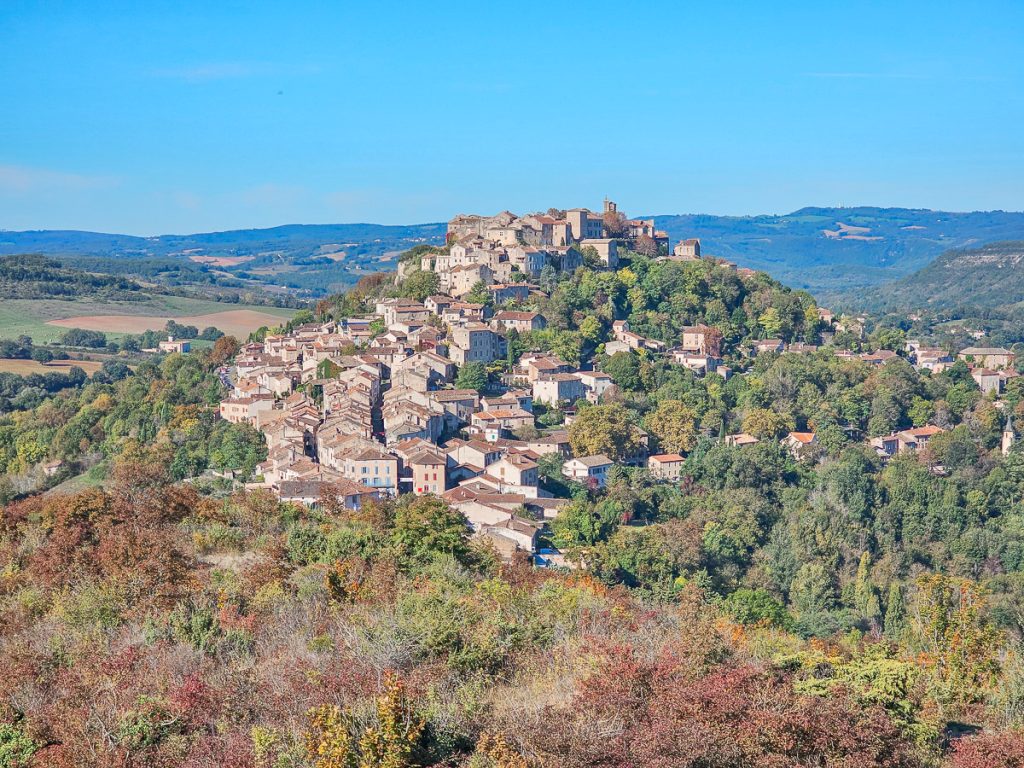
Cordes-sur-Ciel has an incredible setting, as it winds up a hillside in northern Occitanie. Founded in 1220 during the Albigensian Crusade, it became an important center of Cathar resistance and remains one of the best-preserved medieval towns in the region.
From the base of the hill, narrow cobblestone streets climb steadily upward through a series of medieval gates, past Gothic mansions, stone houses, artisan shops, and viewpoints overlooking the surrounding countryside.
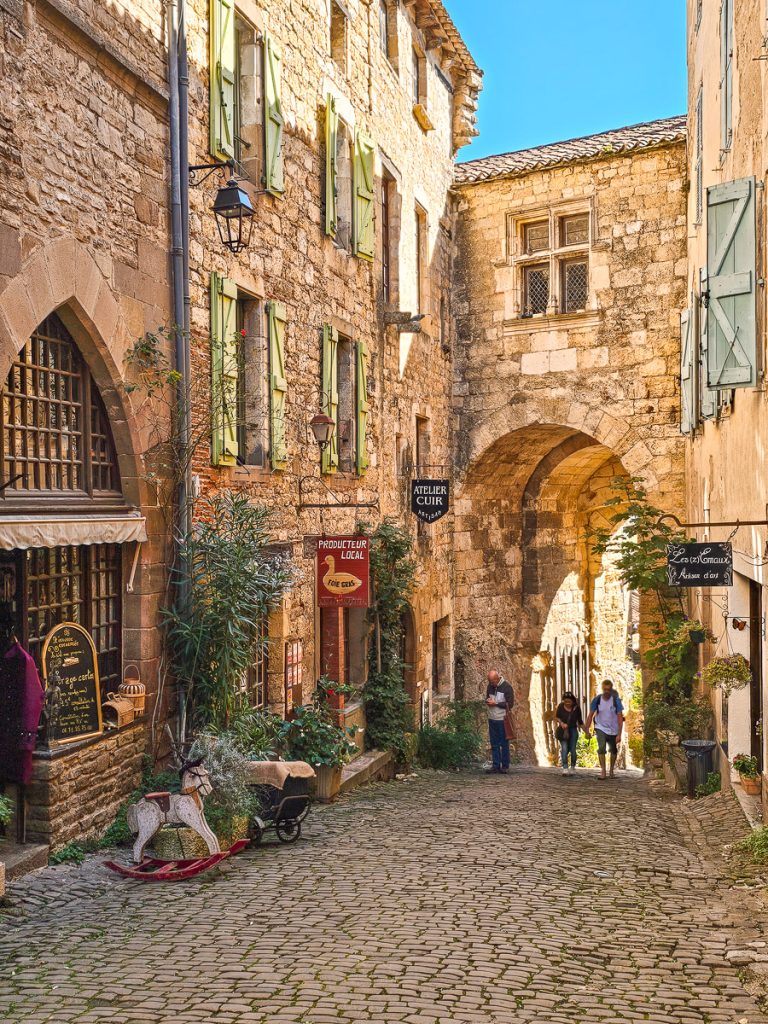
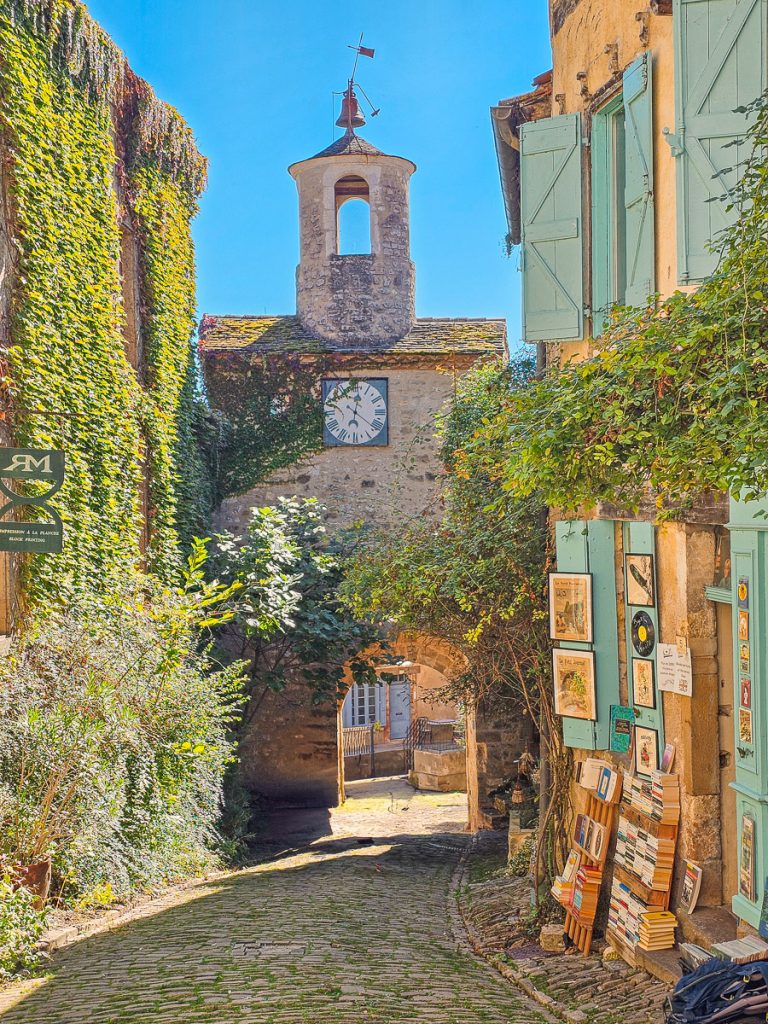
The village takes its name, which translates to “Cordes in the Sky,” from the way morning fog sometimes settles below the hill, making the town appear to float above the clouds. Even on a clear day, its position high above the surrounding countryside makes it an impressive sight from a distance.
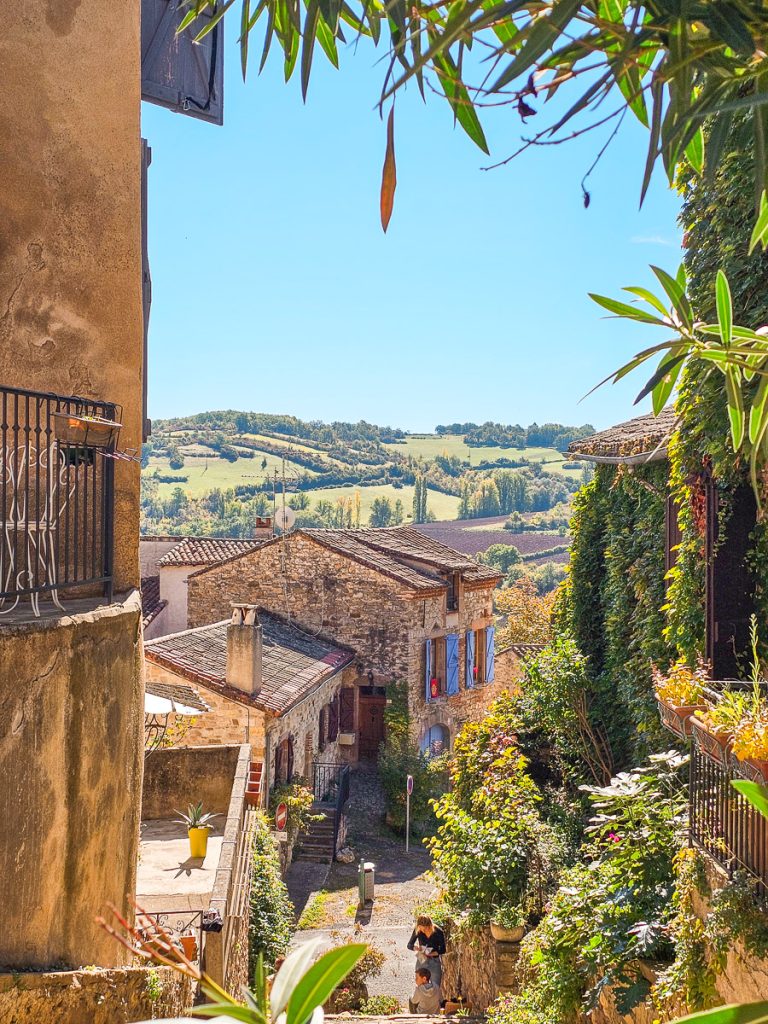
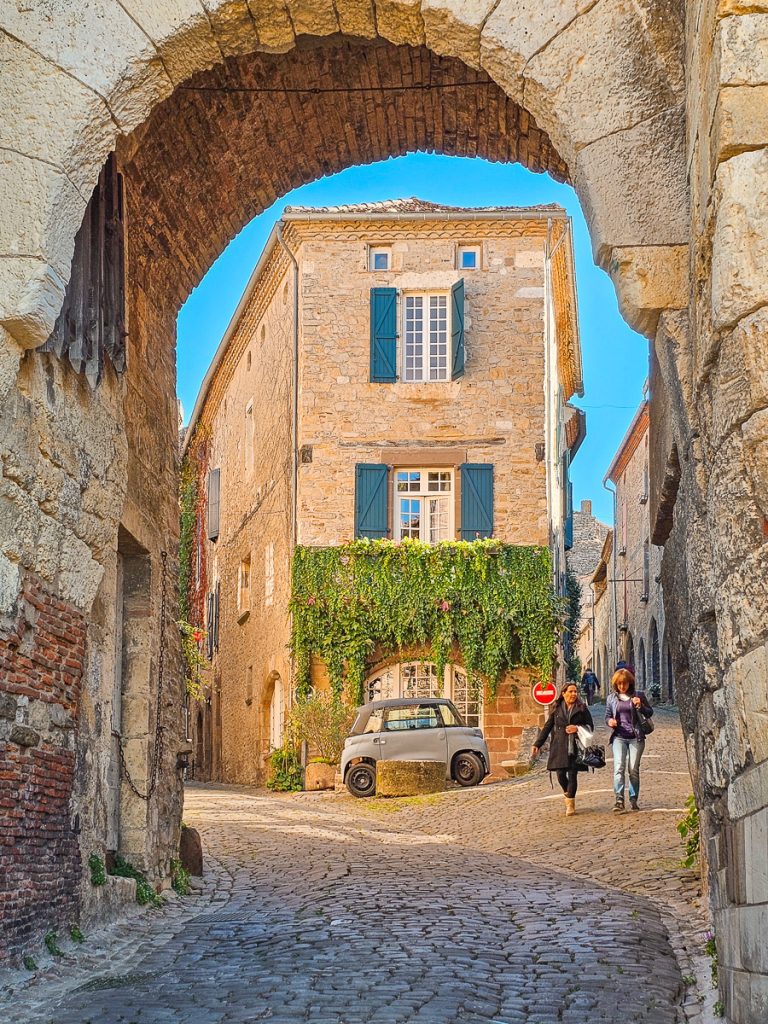
While there are several landmarks worth seeing, including Saint-Michel Church and the surviving fortified gates, some of the best views are actually found outside the village. A hill across the valley provides an excellent perspective of Cordes-sur-Ciel rising above the countryside, while the village itself offers sweeping views of the Tarn landscape from nearly every turn.
9. Sarlat-la-Canéda
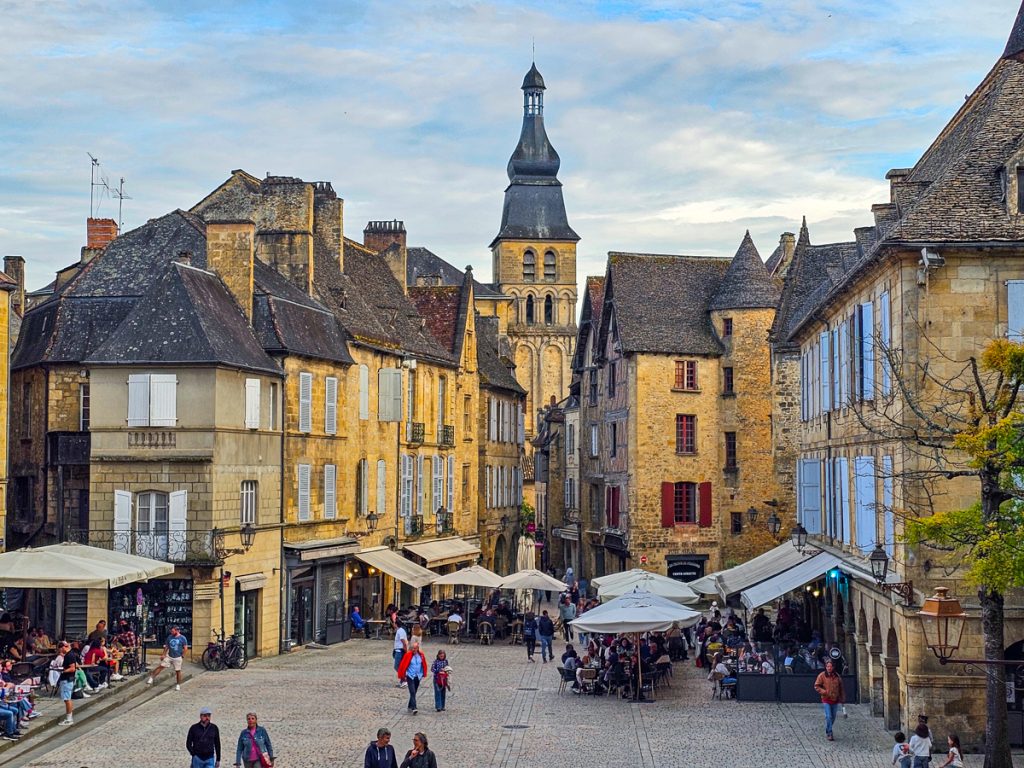
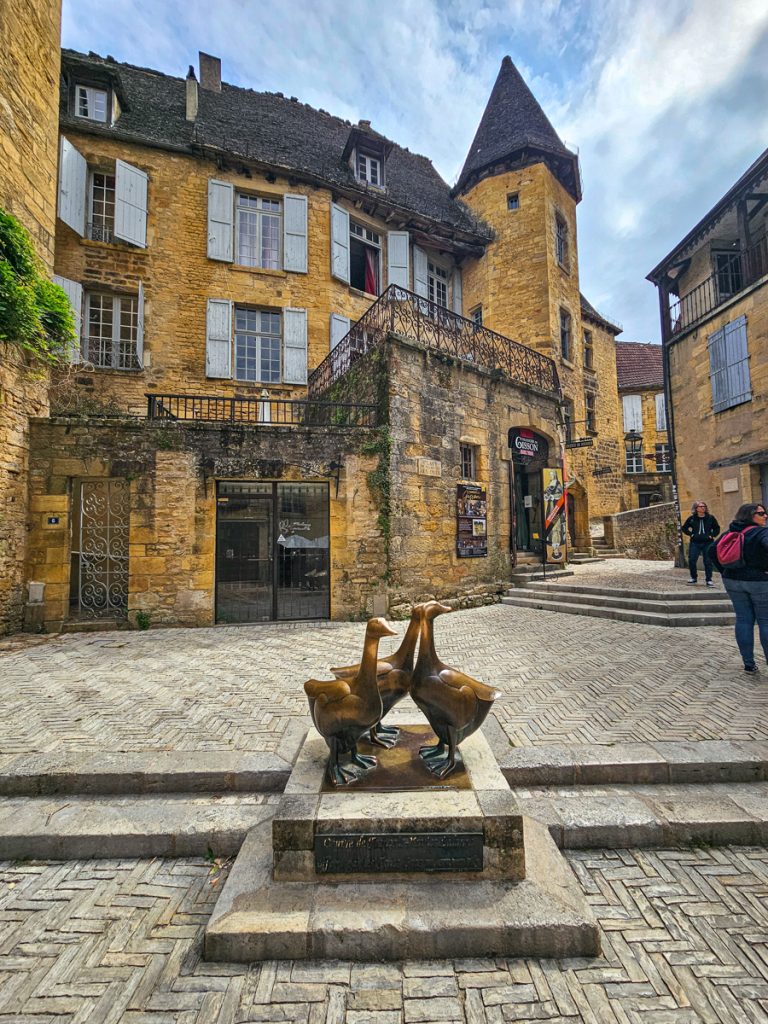
Sarlat is one of the most famous towns in southwest France and is often considered the gateway to the Dordogne region. The medieval center is filled with winding lanes, small squares, and honey-colored stone buildings that give the town a warm, inviting, almost cozy feel.
The town grew wealthy through trade during the Middle Ages, and that prosperity is still visible today in its grand mansions and remarkably preserved historic center. In fact, Sarlat has one of the highest concentrations of protected historic buildings in France.
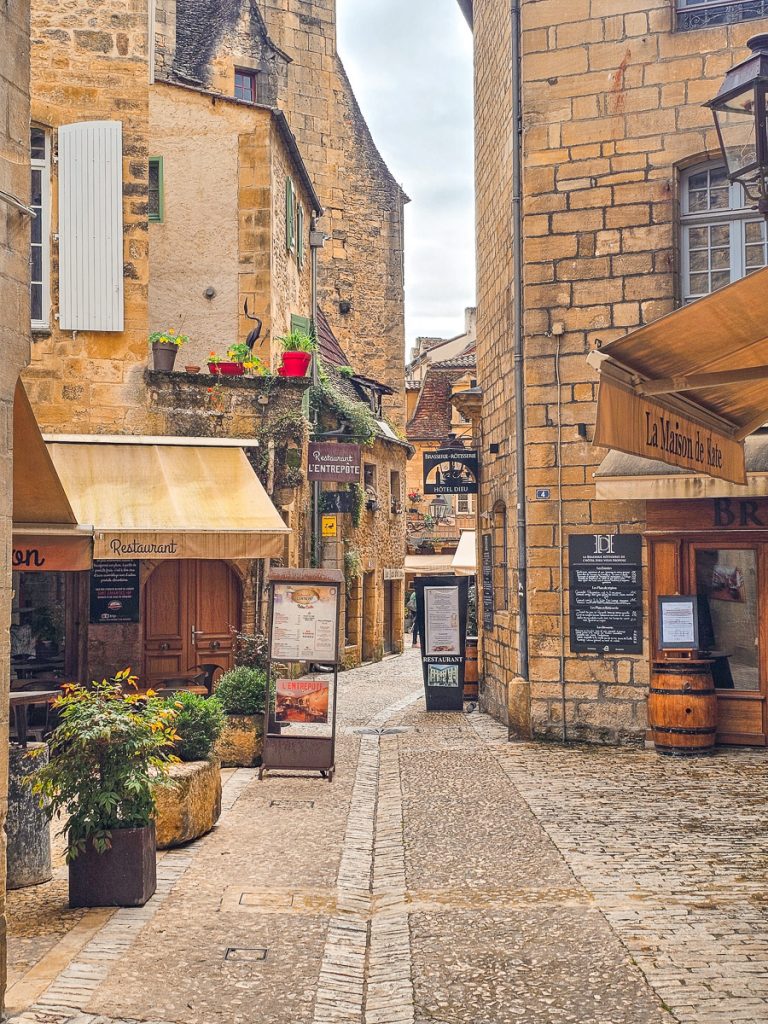
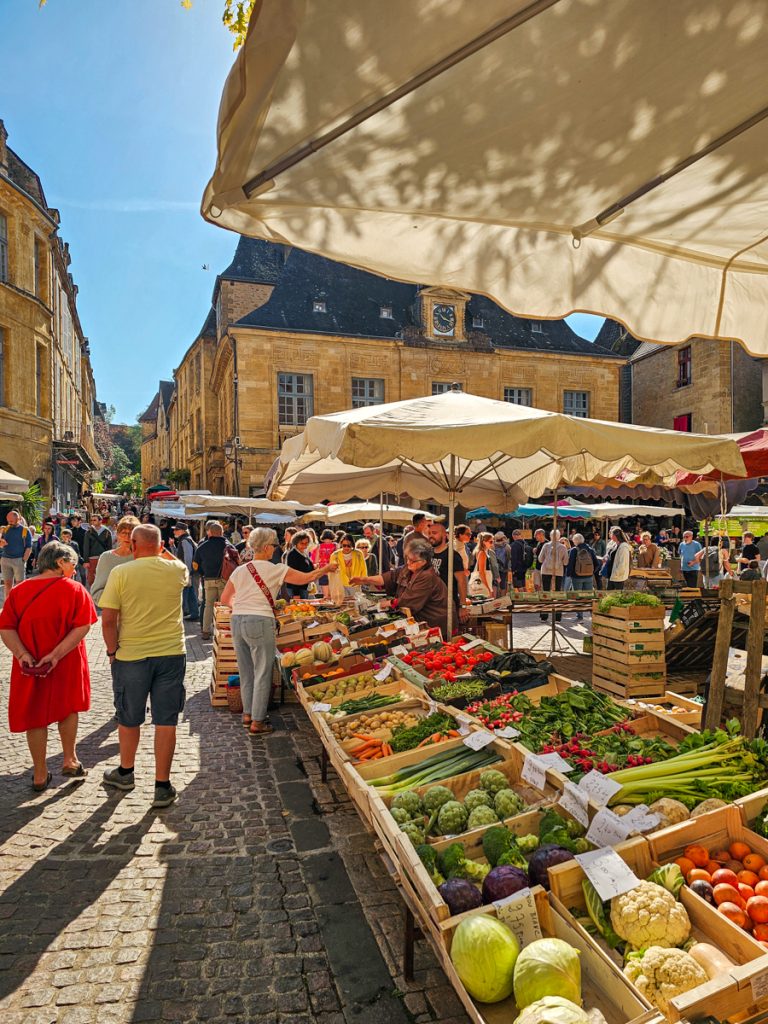
Sarlat is also one of the best food destinations in the region. Restaurants spill across the squares and line the narrow alleyways, while menus showcase local specialties like foie gras, duck confit, truffles, and walnuts.
The famous Wednesday and Saturday markets are among the best in France, and are worth visiting for both the atmosphere and local food.
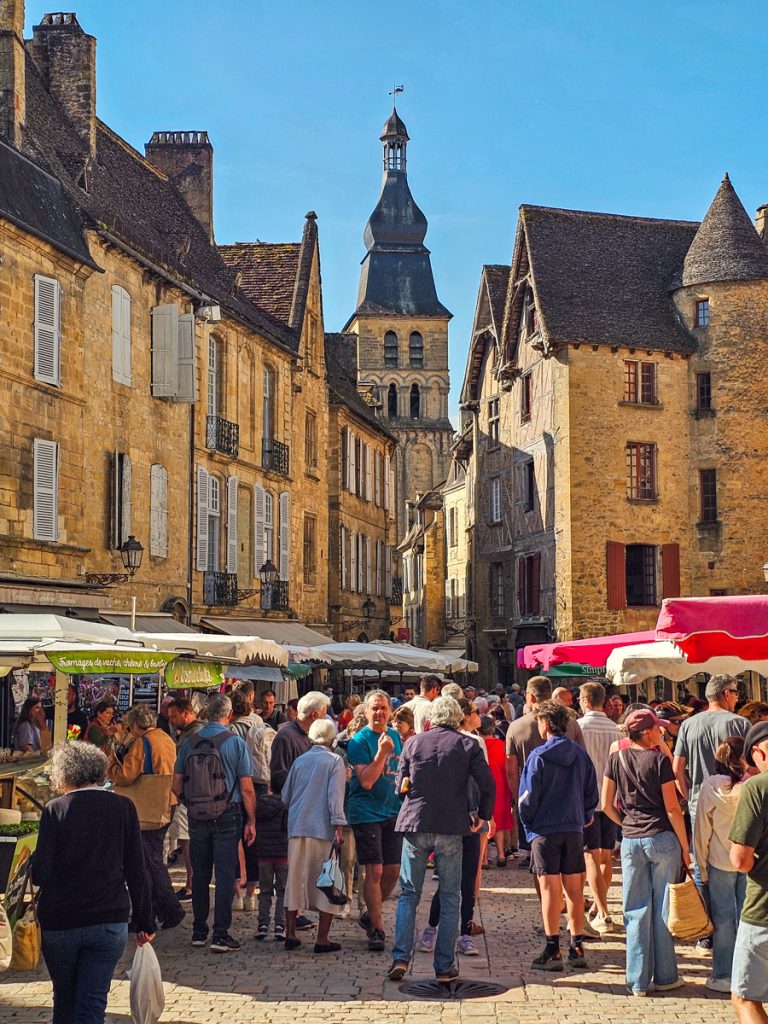
Don’t miss the covered market inside the former Church of Sainte-Marie or the panoramic elevator in its bell tower, which offers views across the rooftops of town.
10. Collioure
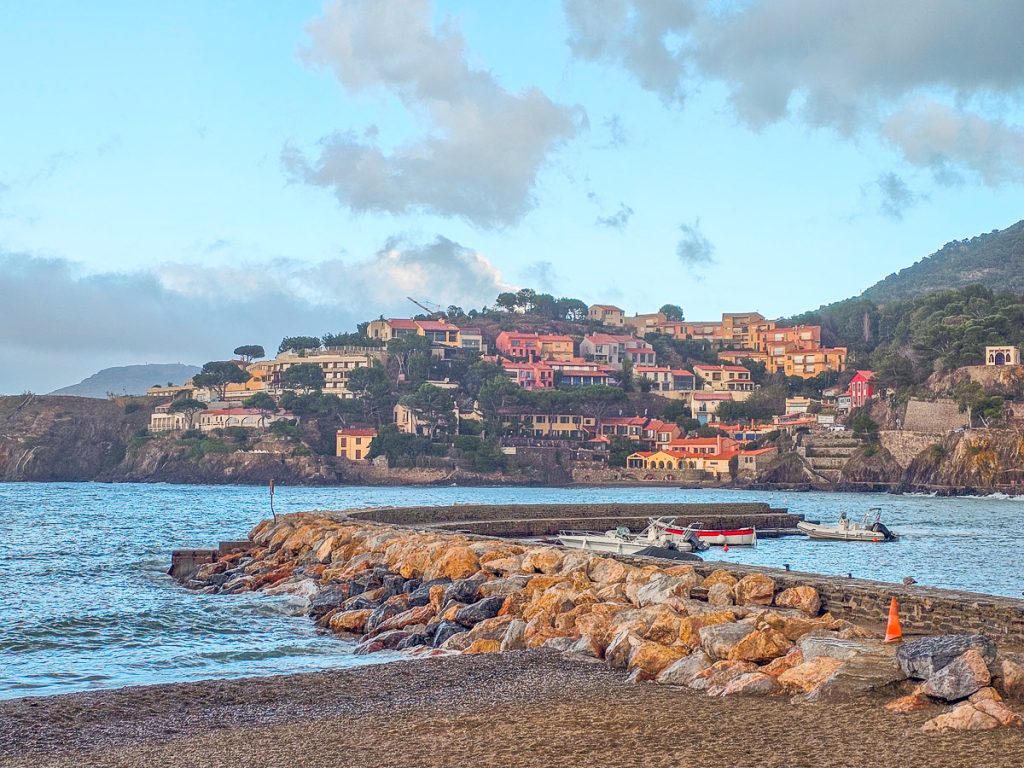
Located on the Mediterranean coast near the Spanish border, Collioure is one of the most colorful towns in southwest France. Brightly painted buildings line the waterfront, small beaches sit right in the center of town, and vineyards climb the hills surrounding the bay.
The town is also known for its anchovies, which have been part of the local fishing industry for centuries.
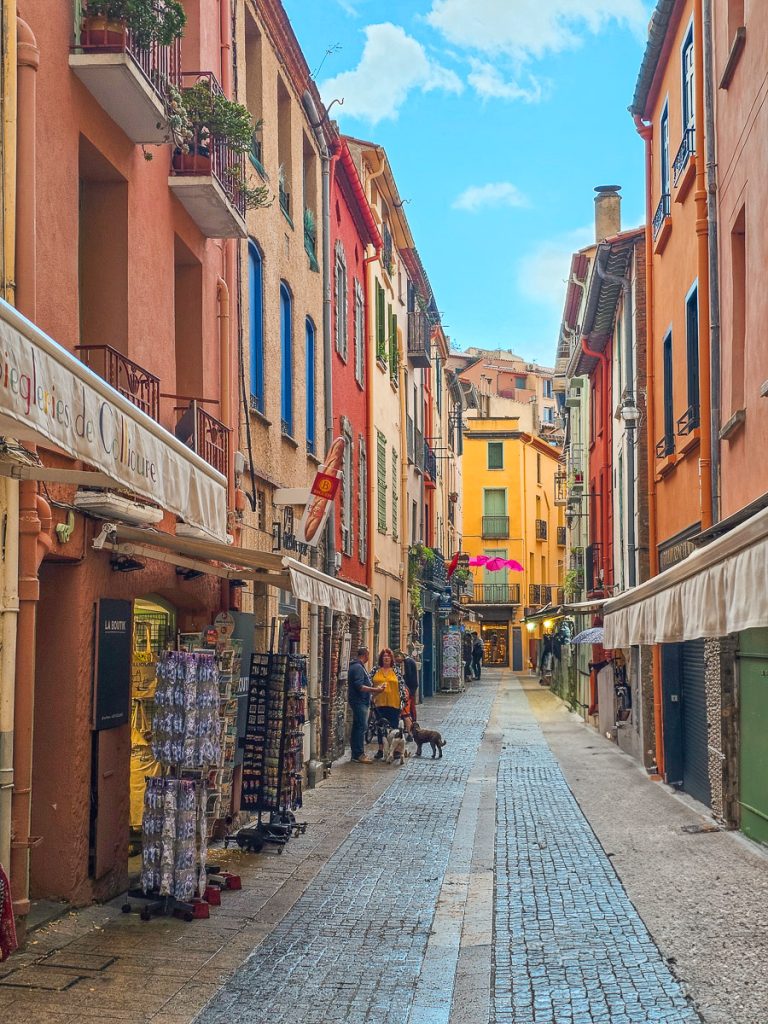
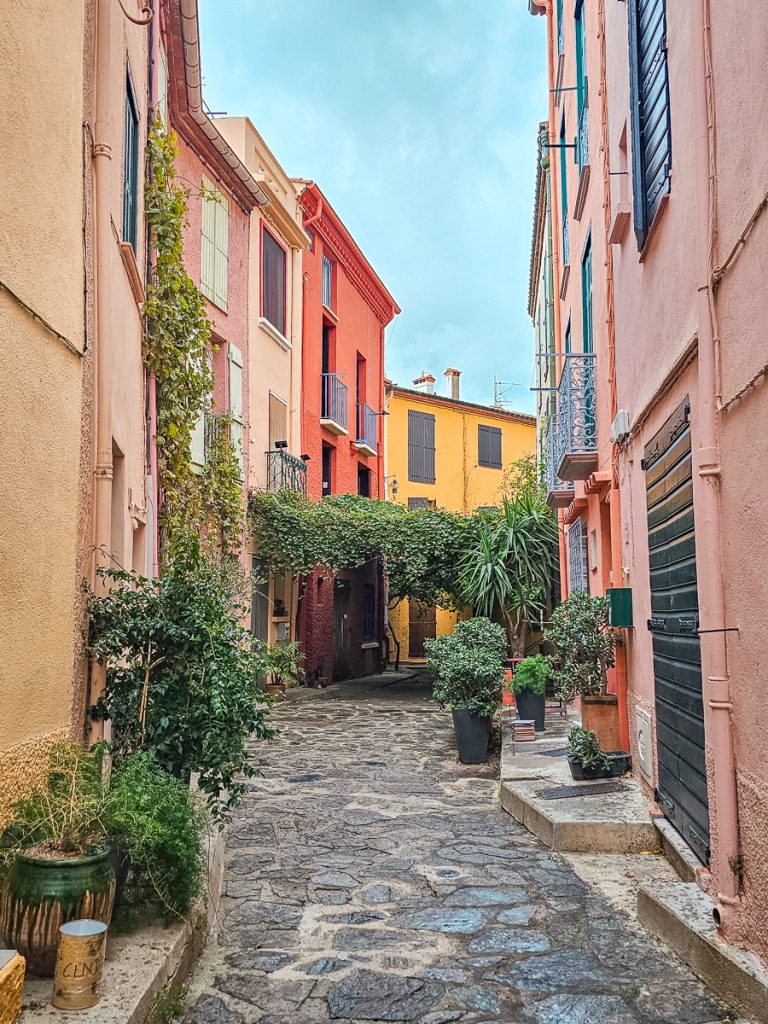
But what makes Collioure especially interesting is its connection to art. Henri Matisse and André Derain spent the summer of 1905 here, drawn by the town’s colors and Mediterranean light. Their paintings helped launch the Fauvist movement, and you can still follow a walking trail through town that marks many of the scenes they painted.
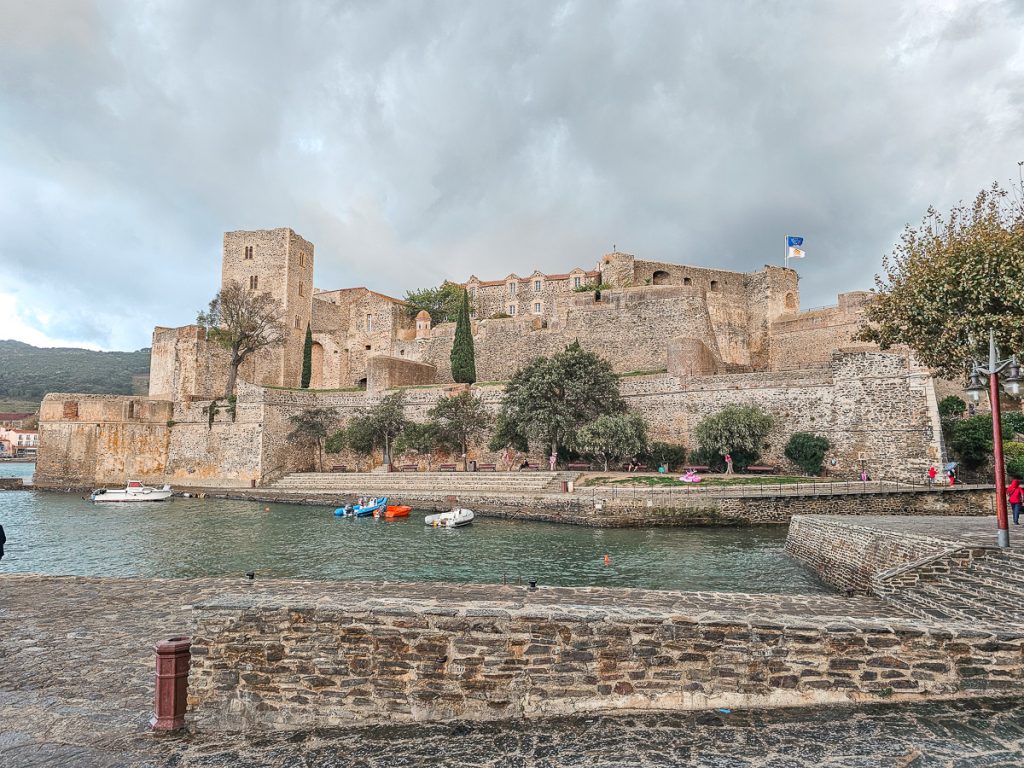
The Château Royal de Collioure is the town’s main landmark. Sitting directly on the waterfront, the fortress has watched over the harbor for centuries and was expanded by the Kings of Majorca and later French rulers. Today, you can explore its ramparts, courtyards, and historic rooms while looking out over the sea.
Another landmark you won’t miss is Notre-Dame-des-Anges, the church with the distinctive bell tower rising from the water’s edge. The tower originally served as a lighthouse before becoming part of the church and has since become the symbol of Collioure.
The Wrap Up
As I mentioned in the intro, this isn’t a list of hidden gems. Many of these villages are well-known destinations and can get quite busy, especially during the summer months. Even so, I think every one of them is absolutely worth a visit.
For the best experience, try to visit in spring or fall when the weather is pleasant, the crowds are more manageable, and flowers and greenery are at their best. If you’re visiting during peak season, aim for early morning or late afternoon whenever possible. Not only will the villages be quieter, but the softer light often makes them even more beautiful.
