
10 Common French Menu Terms Visitors Often Misunderstand

If you’ve ever learned another language, you’ve probably noticed there are a few areas that are especially tricky. This could be false cognates (words that sound similar but have different meanings), idioms, cultural context, or even just tough spelling/pronunciation.
One place where all of this tends to show up at once is a menu in a language you don’t speak. In this guide, I’m breaking down some of the words and phrases that commonly cause confusion on French menus when dining out, so you can easily get the delicious French food you’ve been craving.
While some of these points apply to visitors of many nationalities, this list is written with Americans in mind, focusing on the menu differences that most often trip people up when eating out in France.
1. La Carte vs. Le Menu vs. La Formule
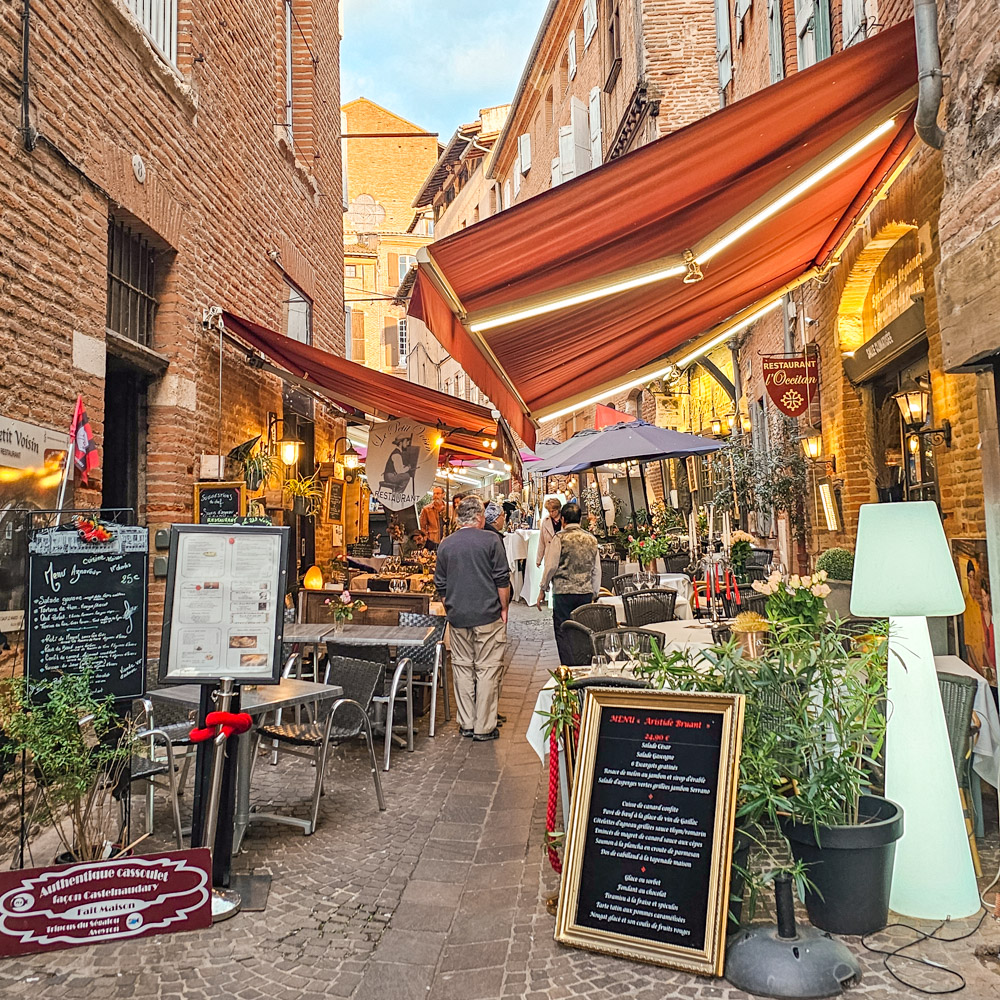
Let’s start with one of the most common sources of confusion: the word “menu.”
In France, la carte is the list of food offerings itself. It’s the piece of paper you’re handed, or the board you’re reading from. In other words, la carte in French is simply the menu in English.
In contrast, le menu and la formule are fixed-price options, and the two terms are often used interchangeably. Both refer to a set deal that includes two or three courses, usually offered at lunch and often a very good value.
Most of the time, a two-course menu lets you choose either a starter + main or a main + dessert. You’ll usually have a small selection of options for each course rather than the full range listed elsewhere on the menu.
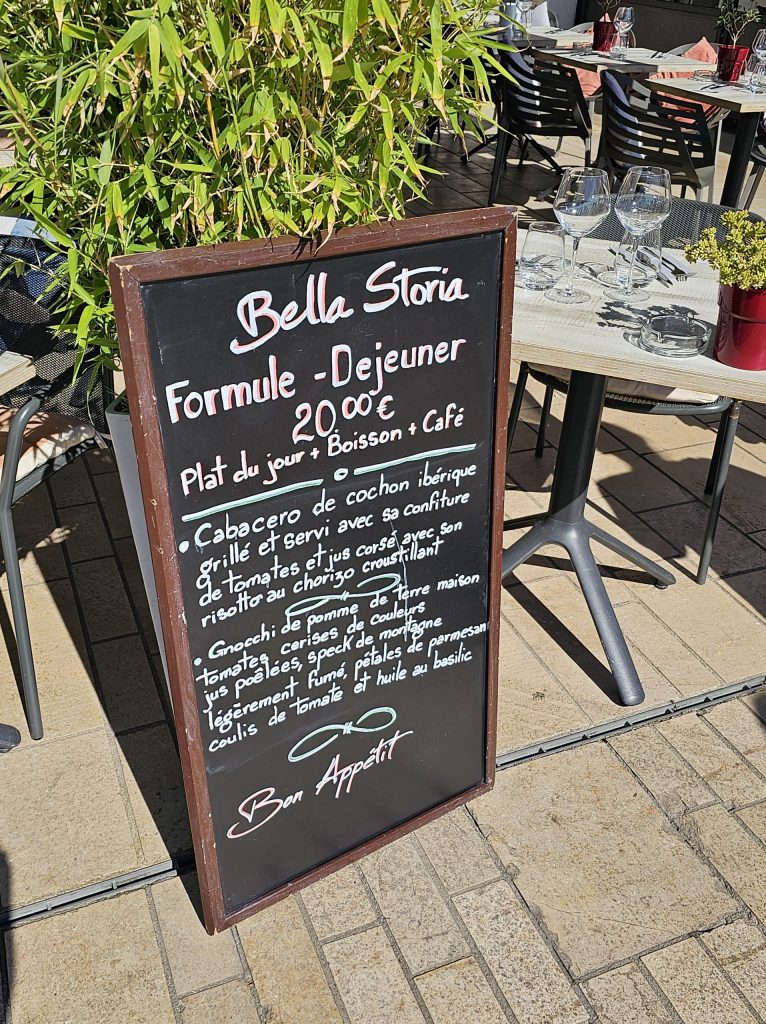
Sometimes the menu or formule is written on a small chalkboard outside the restaurant, with dishes that change daily. Other times it’s printed directly on the menu you’re given at the table.
Either way, it’s worth taking a look at la formule options, as it can be an economical way to enjoy a meal. This comes up a lot when choosing where to eat in Paris, especially at smaller neighborhood spots.
2. Entrée vs. Plat Principal

This one is a classic trip-up for Americans. In the US, an entrée is the main dish. In France, l’entrée is the starter. The meaning is closer to the root of the word, from entrer, which means to enter. It’s the dish that opens the meal.
In contrast, the main course is called the plat principal.
If you’re choosing from le menu or la formule, you’ll see these words together, since you’re often selecting one item from the entrée options and one from the plat principal options.
3. Protein Options
In many US restaurants, menus are built around variety within the same proteins. Several chicken dishes, multiple pork options, and a few beef choices are common. In France, the balance is a little different.
Beef, including veal, is still a major player, but duck is often just as prominent, especially in traditional or regional cooking. Lamb and rabbit also appear regularly. Chicken and pork are less common. There’s usually (but not always) a single chicken dish on the menu, and pork isn’t always offered.
4. Confit de Canard vs. Magret de Canard
Speaking of duck, it helps to know that duck isn’t a niche ingredient in France. Duck is a staple, especially in southwest France, and shows up on menus far more often than in other countries. These are a few common variations:
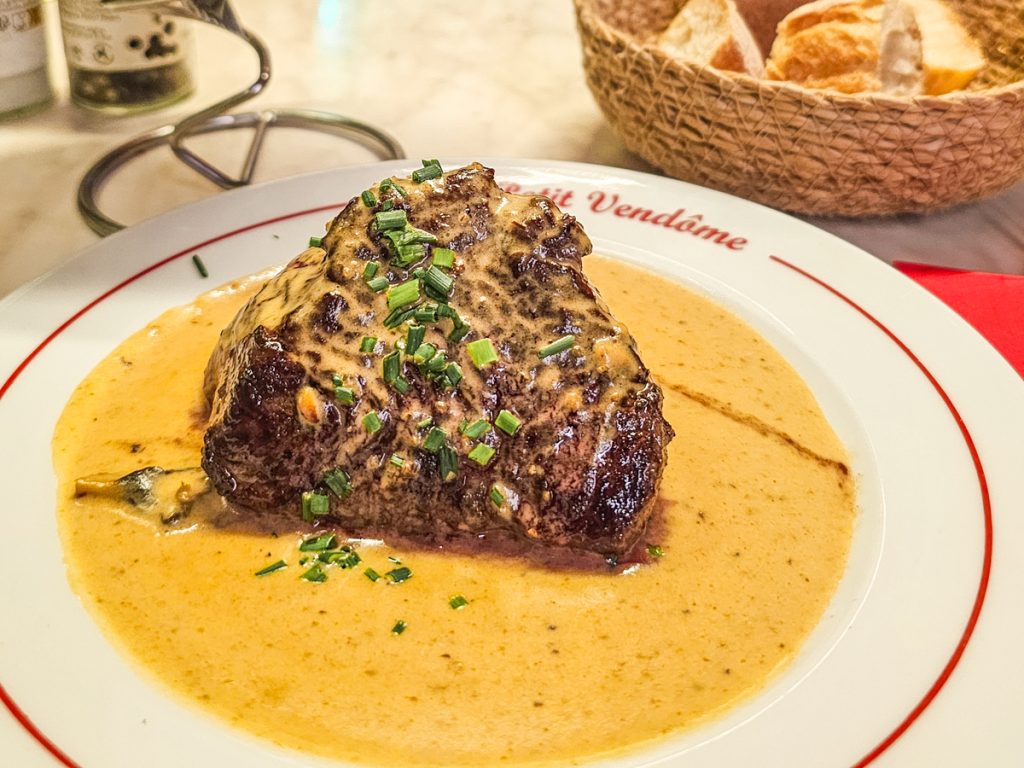
Magret de canard is duck breast, cooked more like a steak. It’s usually seared fat-side down so the skin crisps and the fat renders, then cooked just enough to keep the center rosy. It’s one of the most approachable duck dishes and often surprises people who think duck will be heavy or gamey.

Confit de canard is very different. This is duck leg that’s been slowly cooked in its own fat until tender, then crisped before serving. It’s more tender and more traditional, and you’ll often see it paired with potatoes or vegetables cooked in duck fat.
Foie gras is another duck or goose-based dish made from specially fattened liver. The process, known as gavage, involves force-feeding the birds to increase the liver’s fat content.
It’s a controversial practice, but the dish remains popular in France. Foie gras is typically served as a starter, either chilled or lightly seared.
5. Tartare de Boeuf
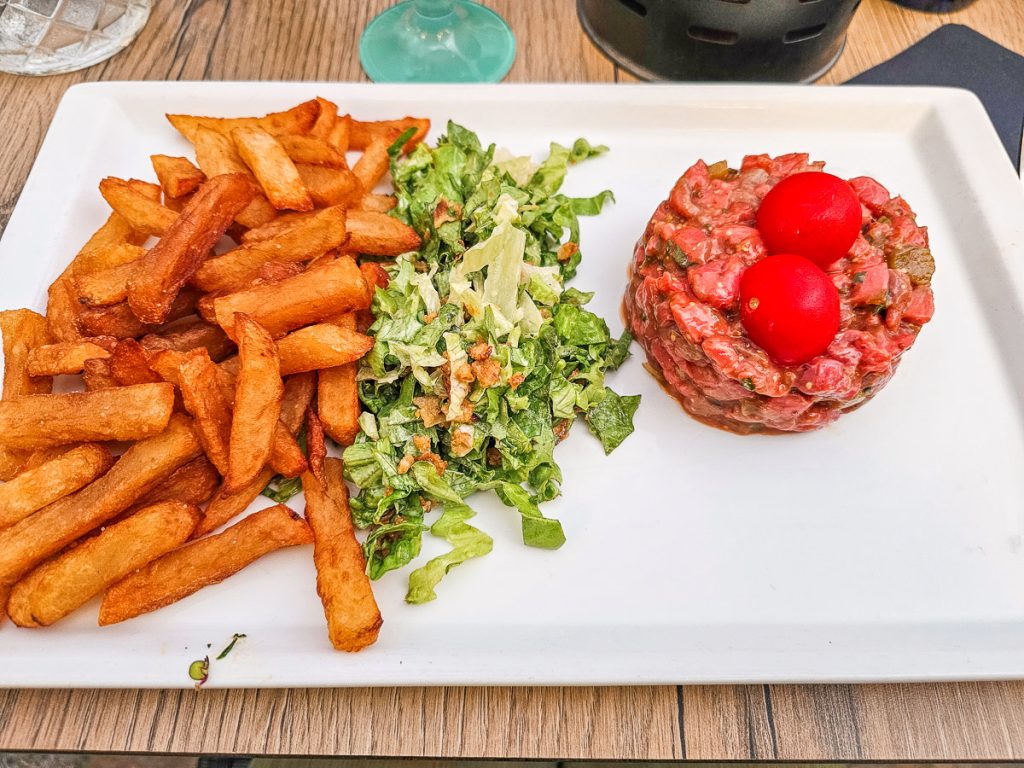
Tartare de bœuf is beef tartare in English, and if you already know the dish, the translation is obvious enough. But a lot of Americans aren’t actually familiar with beef tartare, as it’s not a common dish in the States at all.
I certainly wasn’t familiar with it the first time I saw it on a French menu. And my brother, who also speaks French and is living in France, ordered it not long after he arrived. He saw the word bœuf, assumed it would be some kind of steak, and was quite surprised when the dish arrived. 😅
It’s a pretty easy mistake to make.
Tartare de bœuf is finely chopped raw beef, mixed with seasonings and condiments, and often topped with a raw egg yolk. It’s a classic dish and extremely common on French menus.
If you’re not expecting it, it can be a surprise. But honestly, tartare de boeuf isn’t bad. High-quality beef tenderloin, sirloin, or top round is used, and the herbs and spices add a nice flavor.
It’s savory and tender, albeit cold, and is a nice dish to try if you want something very traditional, as long as you go into it knowing what to expect.
6. Seafood On Regular Menus Frequently
Fish and seafood are much more common on everyday French menus than they are at a typical restaurant in the US. They’re not treated as specialty items or reserved for seafood-focused places, they’re just part of the normal lineup.
It’s very normal to see moules (mussels), dorade (sea bream), coquilles Saint-Jacques (scallops), and huîtres (oysters) listed right alongside traditional meat dishes, as well as fish like sea bass, haddock, or sole.

Escargots in particular are incredibly common, and show up as a starter option on a large percentage of menus. They’re usually offered as a set of 6 or 12, and are always served with butter and parsley.
Even if you speak pretty good French, the seafood part of the menu can be confusing. A lot of seafood terms aren’t part of the “normal” vocab sets you learn, so Google Translate usually comes in very handy if an English menu isn’t available.
7. Prices
One thing I love about dining in France is that the price you see on the menu is the price you pay. Tax and service are already included, so there’s no extra math at the end of the meal and no added line items when the check arrives.
If you’re used to mentally adding tax and tip while scanning the menu, this is a very refreshing change.
8. Water Options
When you see water on the menu, it refers to bottled water, not tap water. You might have a choice between eau plate (still water) and eau gazeuse (sparkling water).
If you want tap water, you just ask for une carafe d’eau, and it’s free. That’s standard and completely normal.
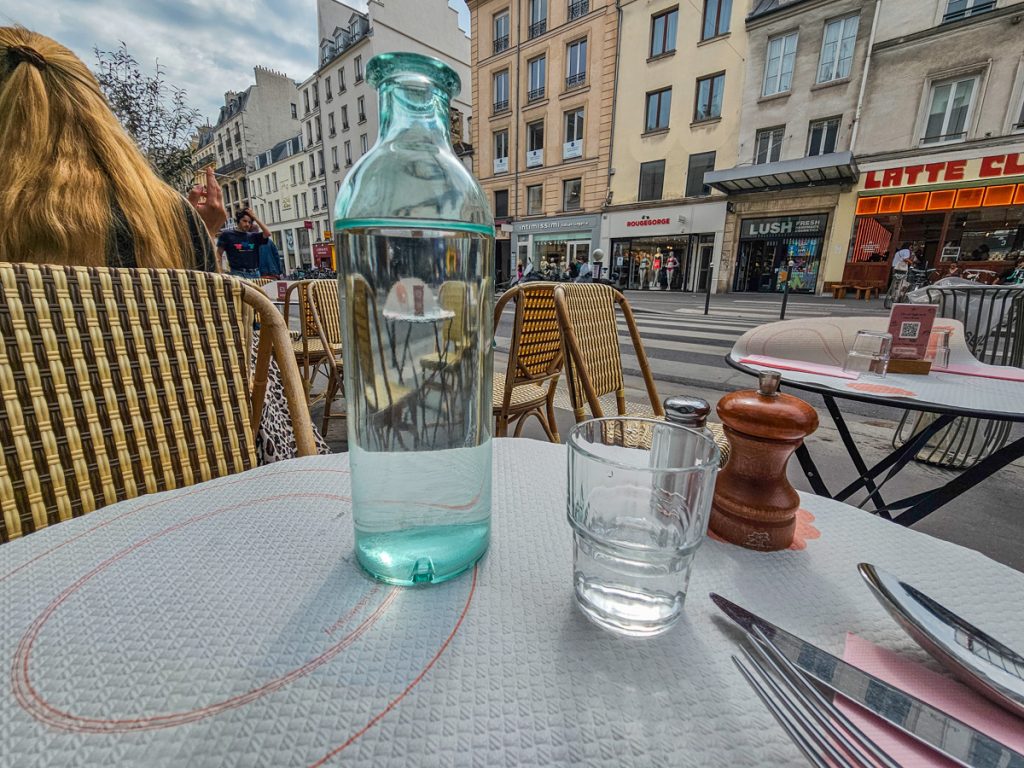
One small expectation check: tap water is served at room temperature or slightly chilled (not crispy cold), and ice cubes are not standard.
9. Meat Doneness
Saignant, à point, and bien cuit roughly translate to rare, medium, and well-done. There’s also bleu, which is basically just seared on the outside and very, very rare on the inside.
Another important thing to know is that the French tend to like their meat a little rarer across the board. I usually order my steak à point, and it often comes out a bit more red than the medium I’d get in the US. I’d say it’s more comparable to a medium rare.
10. Café vs Bistrot vs Brasserie vs Restaurant
To finish, it helps to understand the difference between cafés, bistrots, brasseries, and restaurants. These labels give you a rough idea of what kind of menu to expect, but they aren’t strict categories. There’s plenty of overlap, particularly between a brasserie and a bistrot.
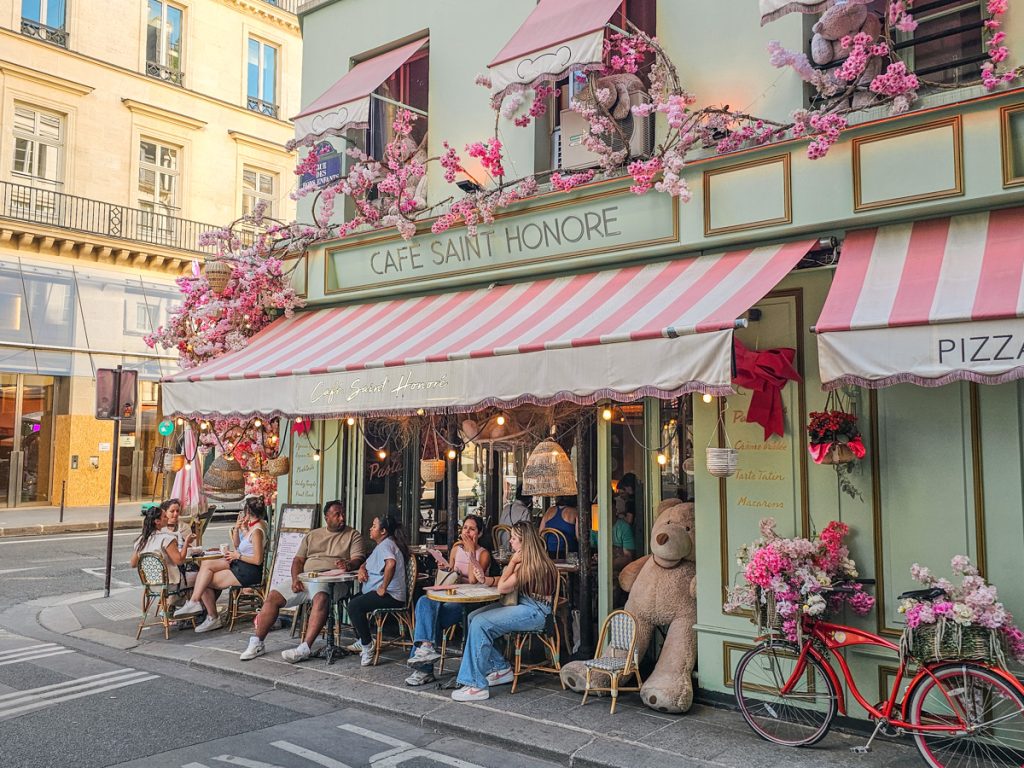
A café usually has the most casual menu, with a big emphasis on drinks. Food tends to be simple: salads, omelets, sandwiches, and a handful of classic dishes. Cafés typically serve food continuously throughout the day rather than in defined meal windows.
A brasserie usually has a larger, more wide-ranging menu and also serves food nonstop from lunch through dinner. Brasseries are often bigger spaces and commonly feature a mix of French classics, seafood, and meat dishes.
The word brasserie comes from “brewery,” and these establishments have roots in the Alsace region. It’s still common to see Alsatian-style dishes like sausages and sauerkraut alongside more traditional French fare.
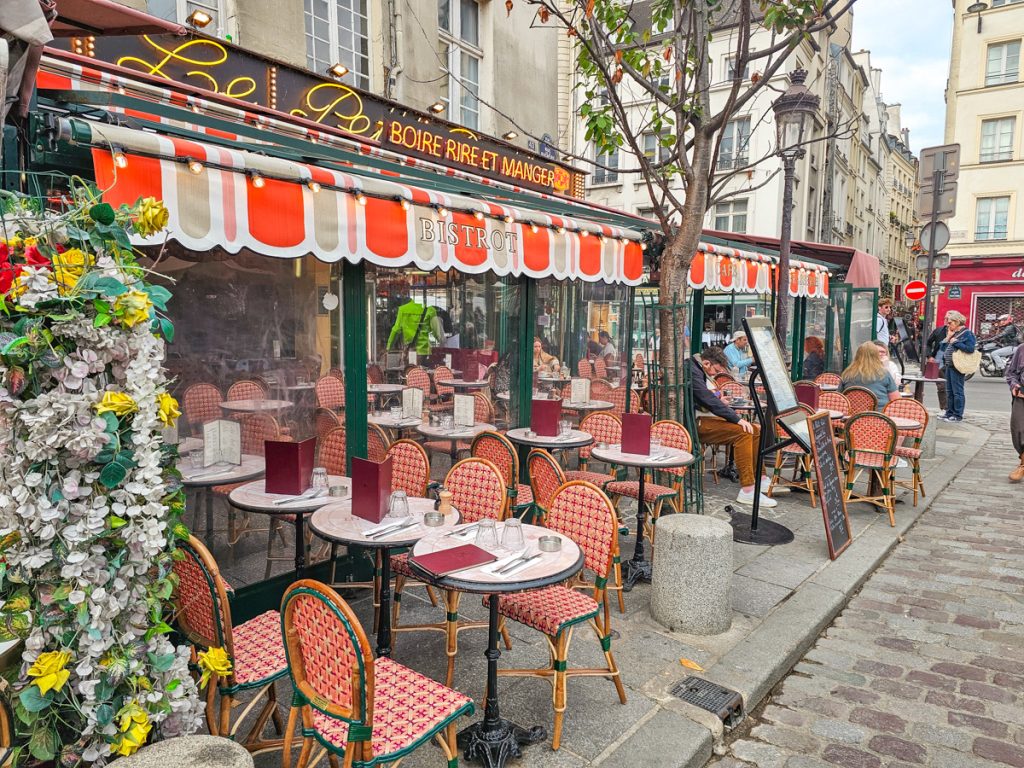
A bistrot is often smaller and more informal than a brasserie, with a menu centered on traditional dishes rather than snacks. Menus tend to be shorter and change more regularly. Bistrots often open for lunch, close in the afternoon, and reopen for dinner.
A restaurant is the broadest and most formal category. It can range from a simple neighborhood spot to fine dining and Michelin-starred kitchens. Menus are usually more structured, and these places almost always close between lunch and dinner service.
None of these labels are guarantees, but when you’re looking at a sign outside, they can give you a useful starting point for what to expect.
Still Planning Your Time in Paris?
If you’re in the middle of planning a Paris trip, these other guides might help:
- Where to Stay in Paris – A neighborhood-by-neighborhood breakdown to help you choose the right base
- Ultimate List of Things to Do in Paris – Nearly 100 sights and experiences, from must-sees to hidden gems
If you want everything in one place, my Paris travel guide page pulls together neighborhood guides, attraction and museum guides, foodie recommendations, and travel tips in one hub.
And if you’re feeling overwhelmed or short on time, I also offer France planning calls.
These one-on-one video sessions are great for getting feedback, asking questions, and sorting through options, whether you need a full itinerary or help fine-tuning what you already have.
