
I’ve Traveled All Over France—These Are 5 Places I Didn’t Love

I’ve spent months and months and months traveling around and exploring France, and in general, I absolutely love the places I visit. While of course I have my top favorites, my default is to really enjoy the cities, villages, beaches, and landscapes.
However, there are a few places that just left me a little underwhelmed. I didn’t HATE any spot on this list. It’s just that, in a country where just about every town takes my breath away and I leave raving, these were just… ok. They weren’t bad per se, they just didn’t wow me as a visitor.
I will say, I’ve been to nearly 150 different cities, towns, or other destinations in France. There are only 5 spots I thought really qualified for this list – France’s misses are few and far between.
Finally, if you love any of these spots – wonderful! I love that for you. This is just my own personal list of the rare misses I’ve experienced in France. (All right, enough disclaimers. Let’s get into the list.)
1. Montpellier
Montpellier is probably the most controversial spot on this list, as a lot of people really love the city. And it is a legitimately nice place. Solid architecture, inviting green spaces, grand monuments — you name it, Montpellier has it.
Yet somehow, it felt like less than the sum of its parts. It does many things well, but it never felt like a place we just adored. It reminded me of several other cities, just without matching their best moments.
The Positives:
Cathedral St. Pierre: This almost castle-like cathedral has an imposing exterior and massive interior. We really liked its stained glass windows.

Arc de Triomphe and Place Royale: The Arc and Place are impressive and well-designed. From the lion statues to the giant statue of Louis XIV, from tree-lined paths to the grand terminus of the Saint-Clement aqueduct, there’s plenty to wander and explore.

Being on the edge of a hill also means great views over the city. This was definitely my favorite spot in the city.
Place de la Comédie: This is one of the largest squares in the Old Town, lined with restaurants and historic buildings, and anchored by the Fountain of the Three Graces and the opera house.

The Negatives:
There’s nothing glaringly wrong here. The monuments are attractive, the city is clean, the design works well, and there are plenty of nice spots.
In many ways, it felt similar to many other cities that we’ve loved. Certain spots reminded us of Paris, Bordeaux, Lyon, Nîmes, and Nice, for example, but those cities seemed to execute each element better. For example, the streets weren’t quite as charming, and the square in front of the church wasn’t nearly as striking.

Also, for quite a large city, it honestly didn’t have that many things to see and do. Montpellier did many things totally fine, but just lacked a bit of that je ne sais quoi, so it ended up feeling rather forgettable.
2. Marseille
Marseille is the second largest city in France and one that boasts an ancient history and unique culture. But our visit left us underwhelmed. While I don’t think you should never visit, I would prioritize many other cities in southern France first.
The Positives:

The Churches: Notre Dame de la Garde and Cathédrale La Major are really beautiful churches. La Major is indeed, large and intricate, and located in the heart of the city. Notre Dame was our favorite, though, with an epic location and views overlooking the city, and a stunning neo-Byzantine interior.
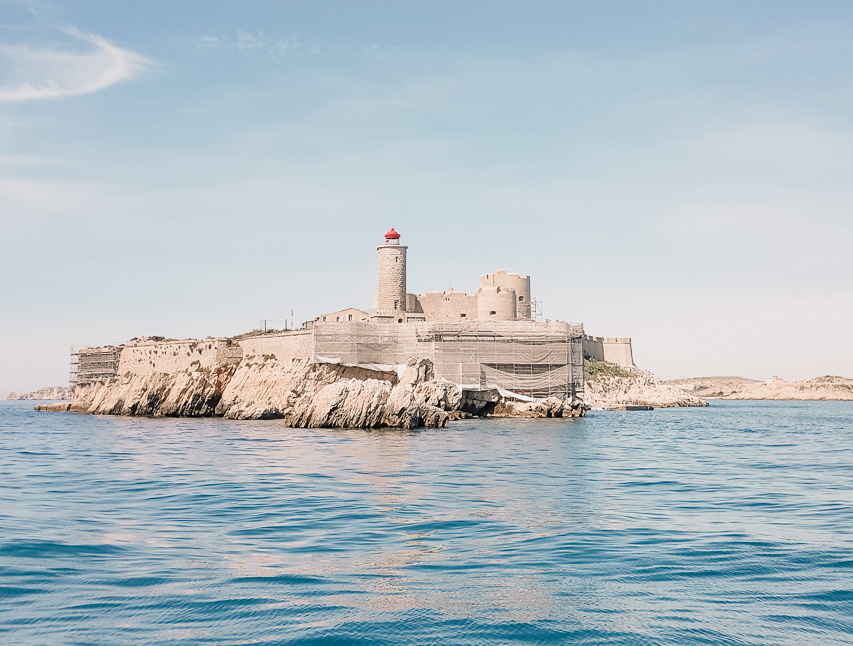
Chateau d’If: This historic island prison once held political prisoners who were inconvenient to those in power. It was famously featured in The Count of Monte Cristo. Visiting was extremely fun and very interesting.
The Port: Marseille’s port is huge and bustling, and you’ll see everything from massive container ships to cruise liners, plus row after row after row of sailboats and fishing boats. Charming buildings line the waterfront, and it’s an easy area to spend time wandering.

The Negatives:
Old Town: I love a good old town, especially in France, but Marseille left something to be desired. It was dirtier and more rundown than many others. Graffiti wasn’t just common, it was rampant and largely overwhelmed what would have been pretty architecture. The feel was just a bit off.
The Weather: When we visited Marseille, the wind was so strong it actually became quite unpleasant to spend much time outside. While the weather obviously changes, extreme wind is pretty common here— roughly 30% of the year.
We definitely caught it on a particularly intense day, but any visit to Marseille, especially in winter or spring, comes with a good chance of extremely blustery conditions.
3. Arcachon
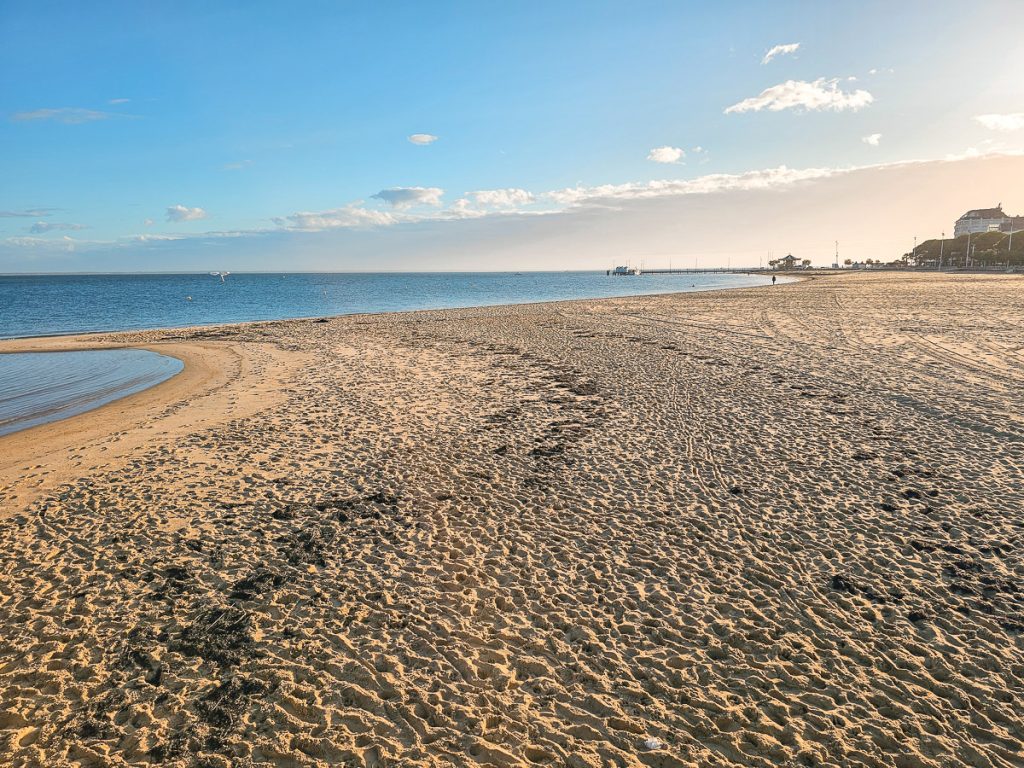
Once a quiet fishing village on France’s Atlantic coast, Arcachon gained popularity in the 1800’s, quickly becoming a popular vacation spot for the wealthy to escape the cities.
Today, it is still a popular tourist destination, especially in the summer months. However, we found it overall to be less impressive than other coastal towns in France.
The Positives:
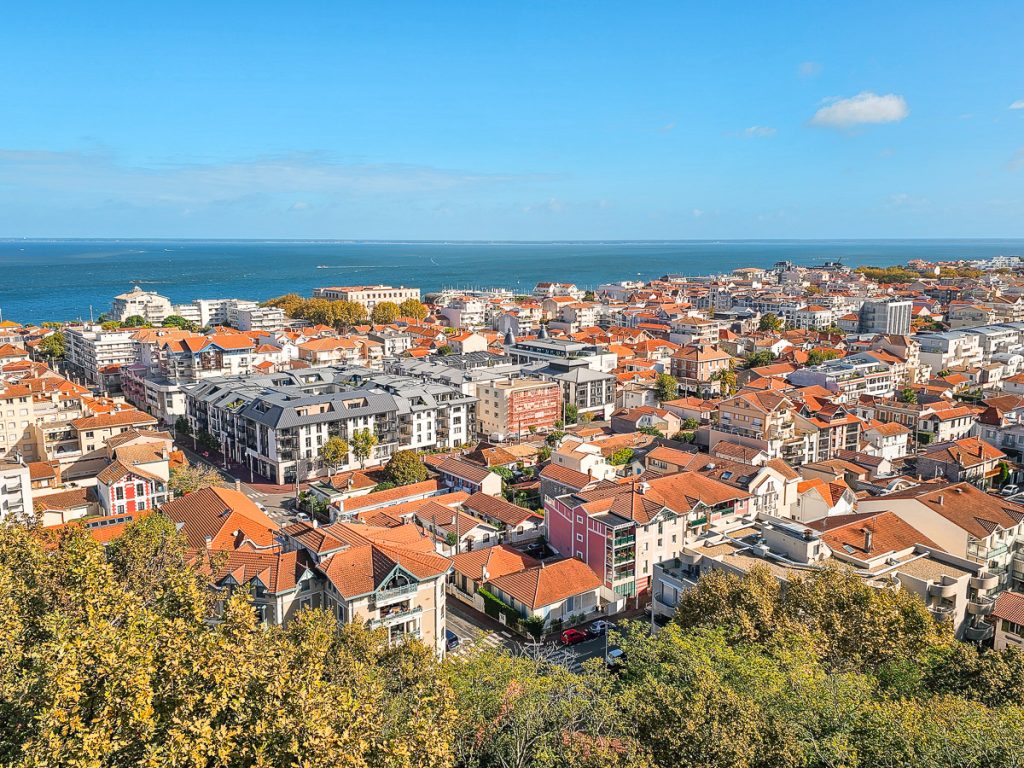
Park Mauresque: One of our favorite spots in Arcachon was Park Mauresque. This hillside park is beautifully designed, with numerous grand staircases, wonderful landscaping, water features, and great views looking over the city and out to the bay.
The Beaches: Arcachon has lovely beaches – sandy, wide, clean, and stretching far down the coast.
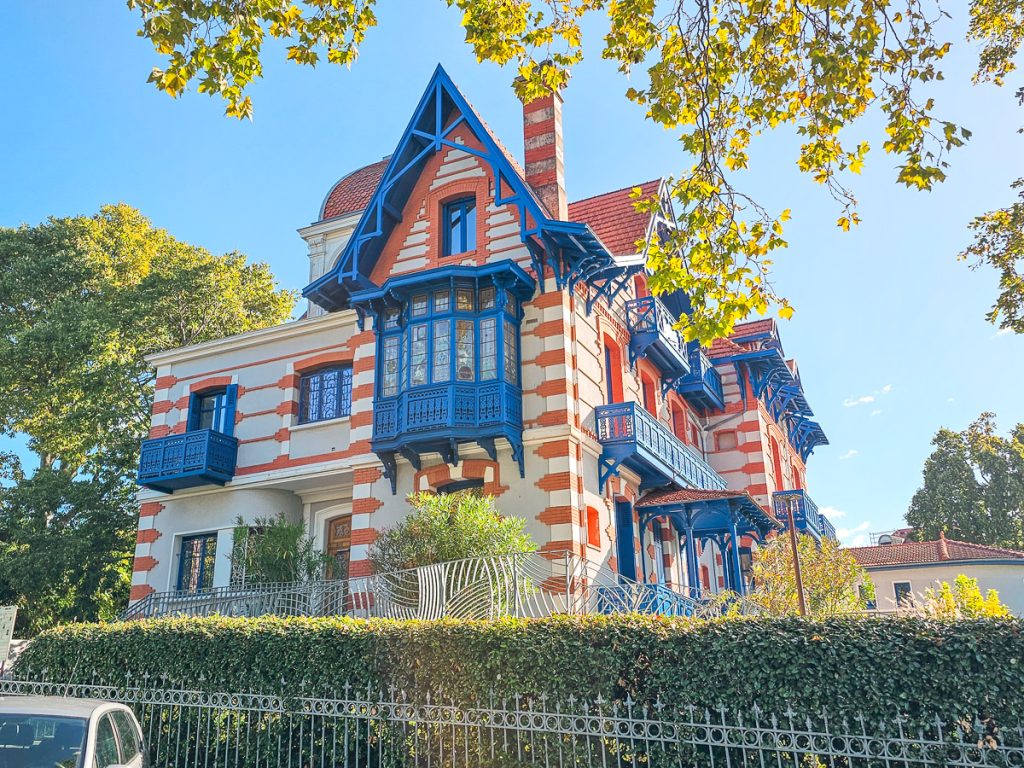
The Villas: One of Arcachon’s main draws is its collection of eccentric 19th-century villas, built when the town became a favorite summer retreat for the wealthy. Their style is hard to pin down – part Victorian, part Art Nouveau, with a bit of seaside vibe.
You’ll see colorful accent bricks and tiled roofs, carved wooden balconies, large windows, and steep gables, often topped with decorative trim. Each one blends styles and accents into something uniquely Arcachonnais.
The Negatives:
The Town: While we enjoyed spotting Arcachon’s unique villas, they’re spread out enough that you have to cover a decent bit of ground to see the best of them. And many of the buildings in town that aren’t historic villas are quite a bit more modern.
Arcachon almost felt suburban — still fairly dense, but more spread out, less walkable, and missing the tight, atmospheric center that makes so many French towns feel charming.

The main pedestrian street, Avenue Gambetta, lined with shops and restaurants, leaned more toward a generic beach-town vibe than a distinctly French one.
Overall, Arcachon is pretty, with a nice beach and plenty of standard tourist amenities. But for us, the atmosphere matters just as much as the sights, and outside of the couple dozen villas we loved, the town as a whole just didn’t wow us.
4. Rennes

Rennes is the capital of the Bretagne region and one of the largest cities in France (usually listed around 10-12). It highlights much of Brittany’s culture well, including food, language, and history.
It’s a good base to explore nearby towns like Dinan or St. Malo. However, when compared with the charm and grandeur of other regional capitals, it was a bit lacking.
The Positives:
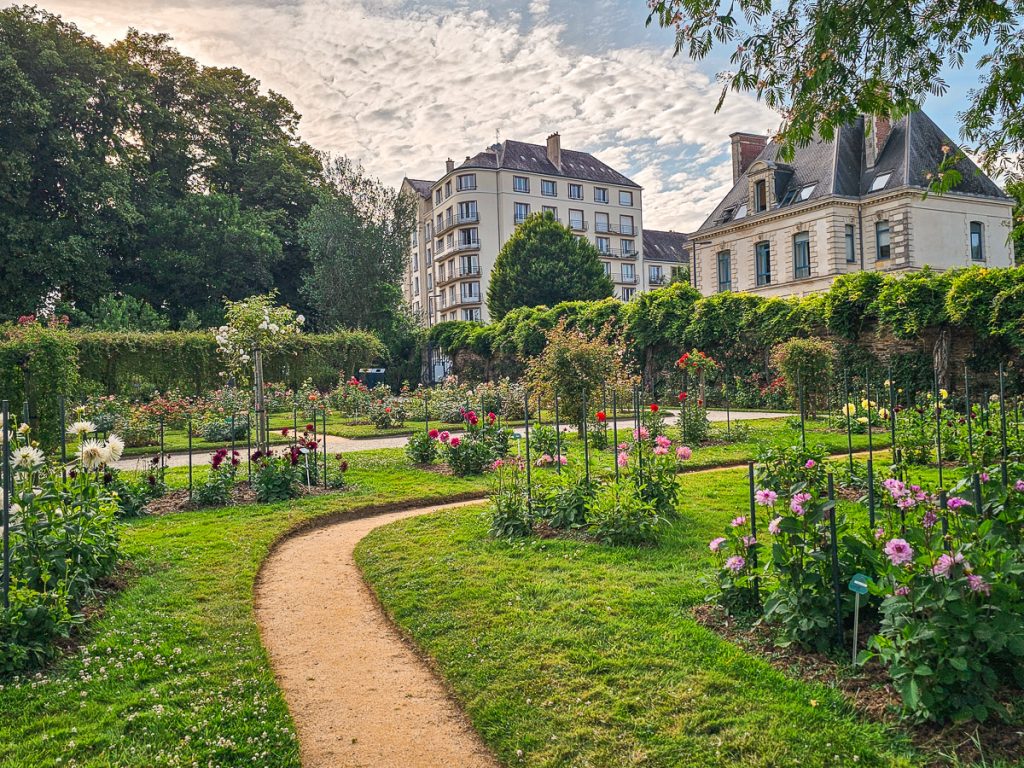
Saint Martin Canal: The canal offers great opportunities to bike, run, or just stroll along. Beyond the water and often pretty buildings near it, the path goes for several miles and connects to several green spaces.
Parc du Thabor: Speaking of green spaces, this large park near the heart of Rennes features pretty squares, charming ponds, and lush gardens, including a large rose garden.
Light Show: Quite a few cities in France do nighttime light shows on cathedrals or major buildings during the summer and Christmas season. Rennes’ show at the Parlement de Bretagne was probably the best light show we’ve seen in France.
The Negatives:

Half-Timbered Buildings: One thing I had heard about before visiting Rennes was that there were a ton of half-timbered buildings – and I love cute half-timbered buildings.
Unfortunately, there were really just a few half-timbered streets in the city. Overall, the city as a whole was nice, but a lot less adorable than I was expecting.
Weak Compared to Other Capitals: We felt like Rennes was missing the incredible streets and grand landmarks that other regional capitals have (such as Nice, Toulouse, Bordeaux, Lyon, or Strasbourg).
I’m sure it’s a great place to live, but it wasn’t the most interesting to visit.
5. Saint Suliac
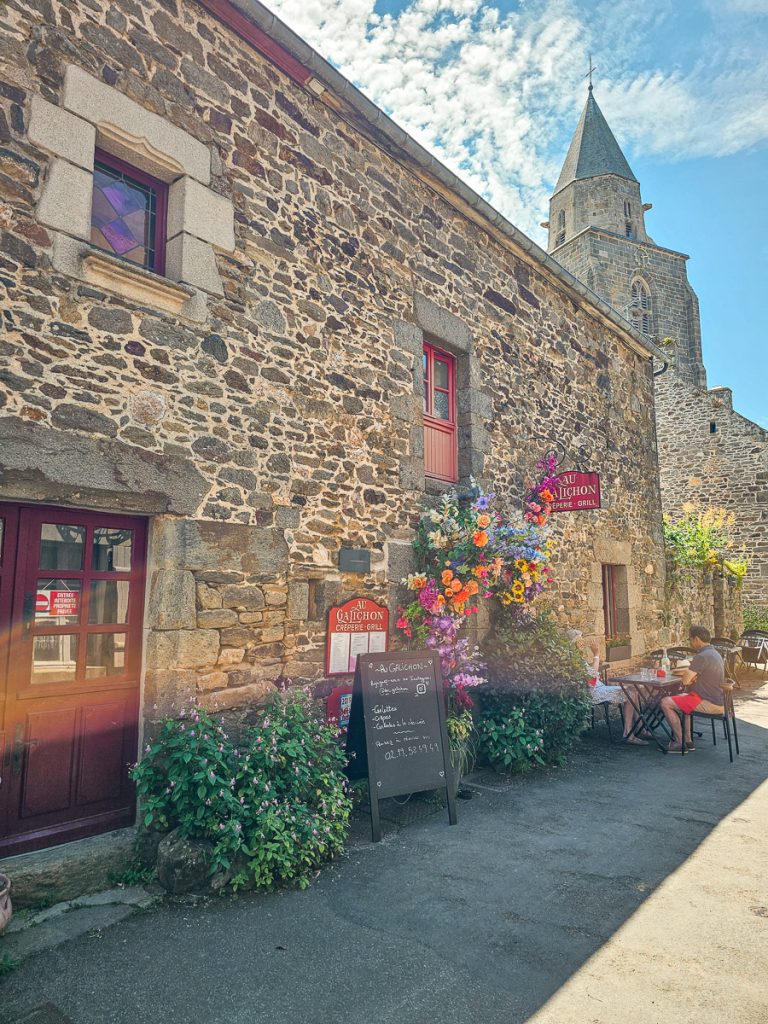
Saint Suliac has the designation as one of les plus beaux villages de France (the most beautiful villages of France). This is an actual “award” given out to over 150 villages all over France.
But… having visited nearly two dozen of these plus beaux villages now, Saint Suliac would unfortunately take the bottom spot.
The Positives:
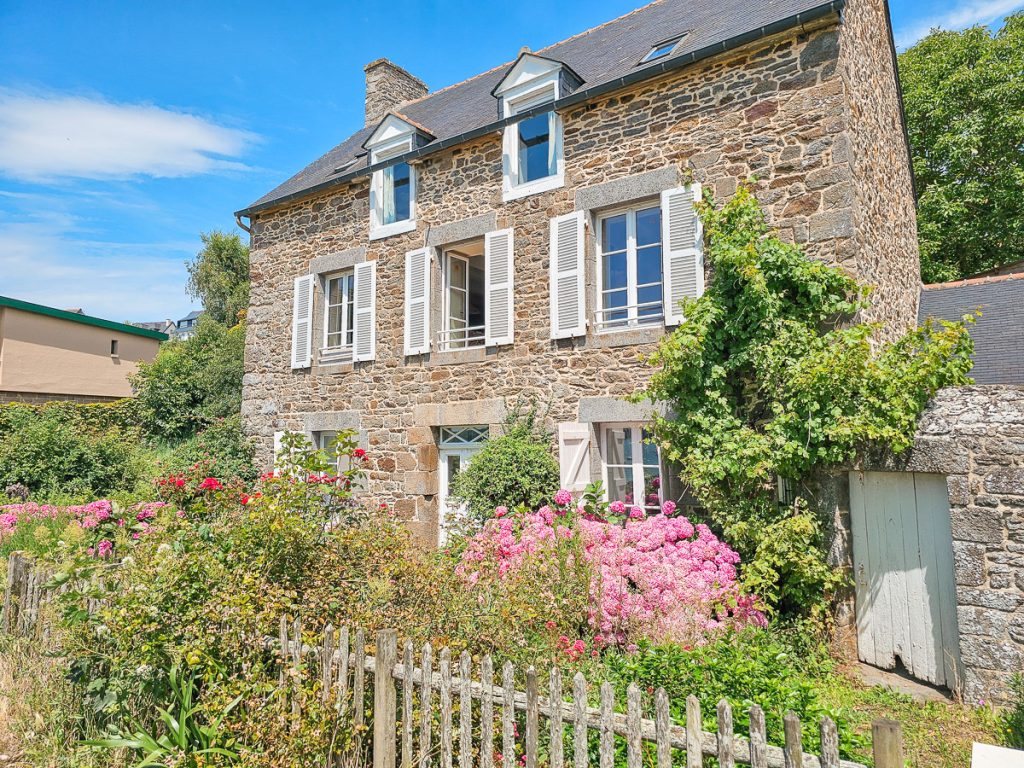
The Flowers: Saint Suliac’s homes and businesses often have flowers hanging from the roof or planted along the sides. The abundance of flowers brightens the village and creates a colorful palette to complement the cobblestone homes.
Oratoire de Grainfollet: This shrine to Mary is a beautifully built monument with lovely views over the sea. It was dedicated to seeking Mary’s protection for sailors, fitting not only because of the region’s strong fishing tradition, but also its historic role in supplying sailors for trans-Atlantic exploration.

The Negatives:
The Water: The village sits right on the Rance River, which is wide and almost feels like an extension of the bay. But the water itself wasn’t especially scenic, and the beach up close felt pretty uninspiring.
The Town: The stone buildings and flowers were nice, but the town definitely lacked the wow factor that I expect of villages with the “most beautiful” designation.
It felt just a little bit basic, especially when compared to other stunningly beautiful villages on the list, like Eguisheim, Gordes, Gerberoy, Cordes-sur-Ciel, or Roussillon.
