
20 Regional Dishes in France That Show Off Local Flavor

After spending 15 trips exploring France, I’ve learned that one of the best ways to understand a region is through its food. Each corner of the country has something it’s known for, whether it’s a hearty mountain dish in the Alps or a flaky pastry from a quaint town in Brittany.
Many of these dishes come from long-standing traditions or ingredients that are specific to the area around them. Others are simple, everyday foods that seem to show up on menus all over town. Tasting these dishes helps you understand the region in a way you just can’t get from sightseeing alone.
This isn’t an exhaustive list of every French regional food out there. Instead, it highlights the dishes that are especially well-known and easy to find wherever you travel.
Brittany

Brittany (or Bretagne in French) has one of the strongest regional identities in the country, influenced by its coastal location and long rural past. Bretons are especially proud of their heritage, language, and traditions, and the food is a big part of that.
1. Galettes
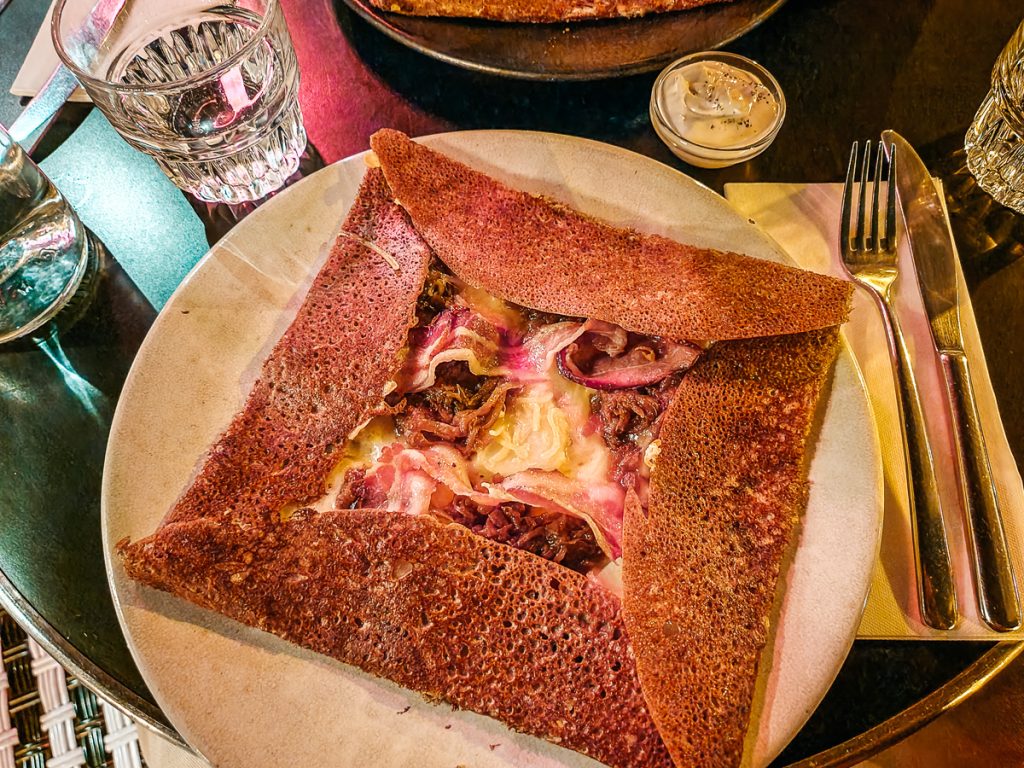
Galettes are one of the most well-known foods from Brittany. They’re similar to crêpes but made with buckwheat flour, which gives them a darker color and a slightly nutty taste. They were originally an affordable alternative to bread and cooked on a large, flat griddle called a galetière.
Galettes are usually filled with savory ingredients like cheese, eggs, ham, chicken, potatoes, or crème fraîche. One especially popular version in Brittany is the galette-saucisse, a buckwheat galette wrapped around a grilled sausage.
They’re delicious, fun to eat, and easy to find throughout France, particularly in Paris.
2. Kouign Amann

You absolutely cannot visit Brittany without trying a kouign-amann (pronounced queen ah-mon). The name translates to “butter cake,” but that doesn’t really capture what makes it so good.
The high percentage of butter and sugar creates crisp, caramelized edges, a flaky layered center, and rich, chewy sweetness. The New York Times once called it “the fattiest pastry in all of Europe,” which feels pretty accurate when you bite into one.
French Alps/Savoie

This alpine region is famous for its rustic, cheese-based specialties. With cold winters and strong dairy traditions, Savoie’s food is all about warmth, simplicity, and big flavors.
3. Raclette
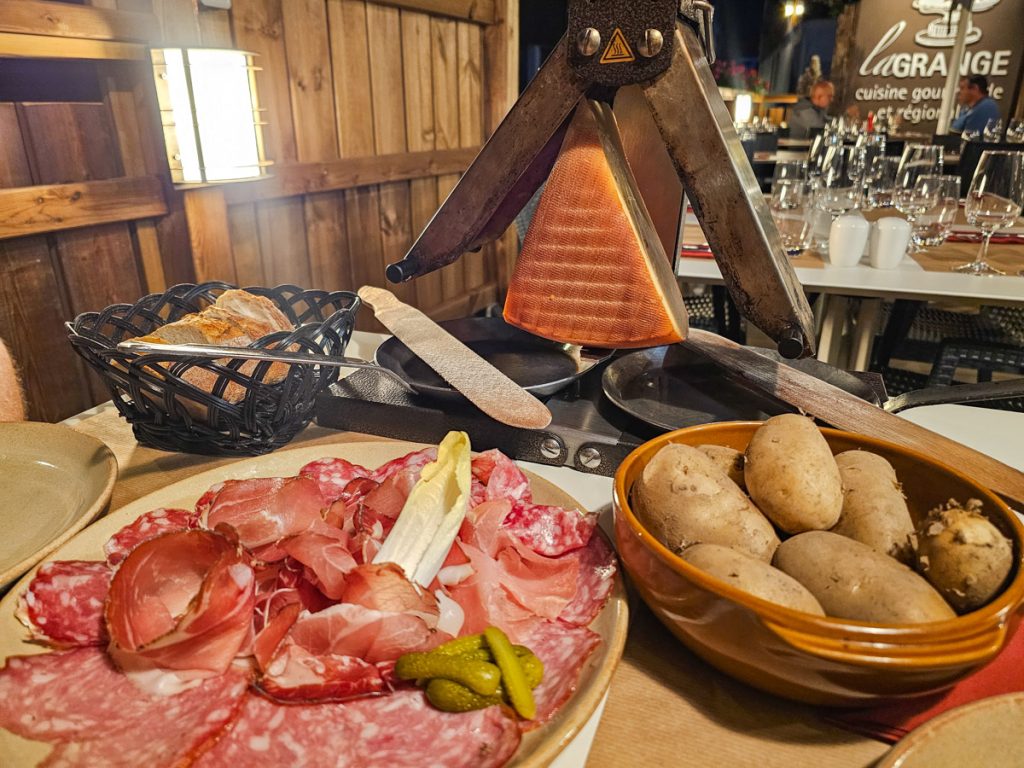
Raclette is one of the most well-known cheese dishes in the French Alps. Raclette cheese is warmed under a heating apparatus until the top layer softens and bubbles, then scraped onto potatoes, bread, cured meats, or pickles. (Its name comes from racler, “to scrape.”)
The whole experience centers on melting the cheese and serving it in small portions, which is why many restaurants bring out your own table-top setup designed just for raclette.
It’s a unique, hands-on meal and just as delicious as it is fun.
4. Fondue
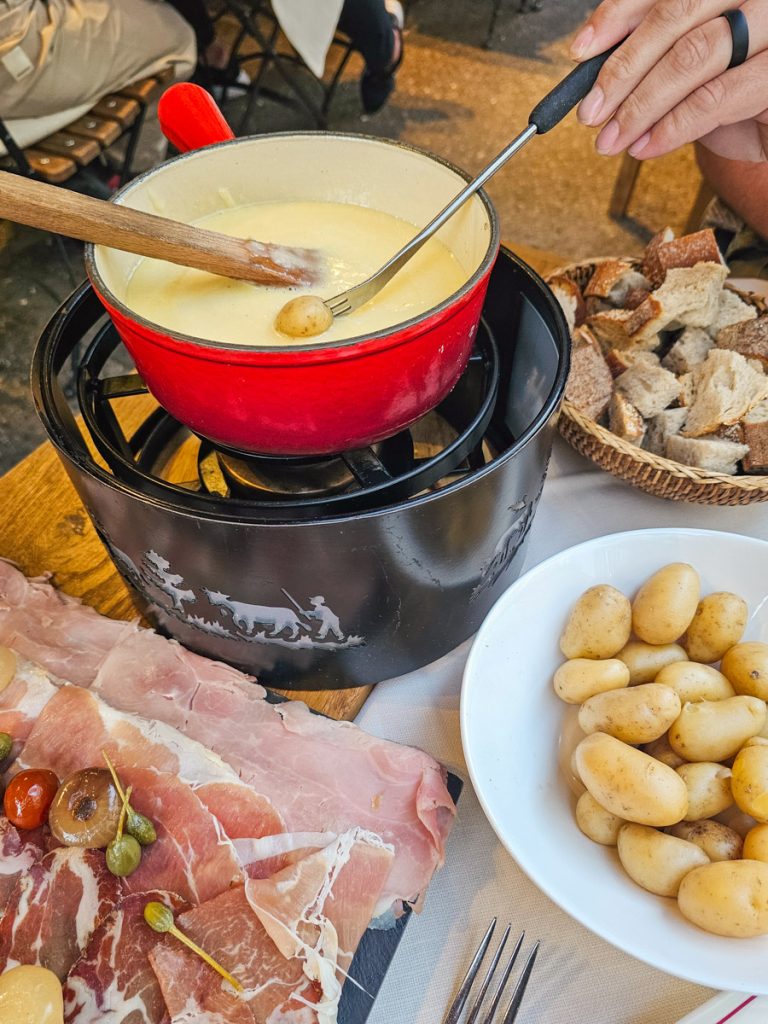
Fondue Savoyarde, the beloved melted cheese pot, is made by melting a mix of regional cheeses (usually Comté, Beaufort, and Emmental) with white wine and a bit of garlic.
It’s a social dish meant to be shared, with the pot kept warm at the table, and everyone dipping chunks of bread or potatoes into the melted cheese using long forks.
The blend of cheeses gives the fondue a smooth texture and a rich, nutty flavor, and it’s the most delicious, comforting meal after a day of skiing or hiking in the mountains.
5. Tartiflette

Tartiflette is another favorite in Haute-Savoie and is made with thinly sliced potatoes, onions, lardons, and plenty of melted Reblochon cheese. Its name comes from tartifla, the local word for potato.
Think of it as a French Alpine take on scalloped potatoes or potatoes au gratin, but richer because of the Reblochon.
Even though it feels traditional, tartiflette is modern – it was created in the 1980s to promote the regional cheese and quickly became a staple in the Alps.
Burgundy

Burgundy, or Bourgogne in French, sits in central France and is best known for its world-class red wines and the historic city of Dijon.
6. Boeuf Bourguignon
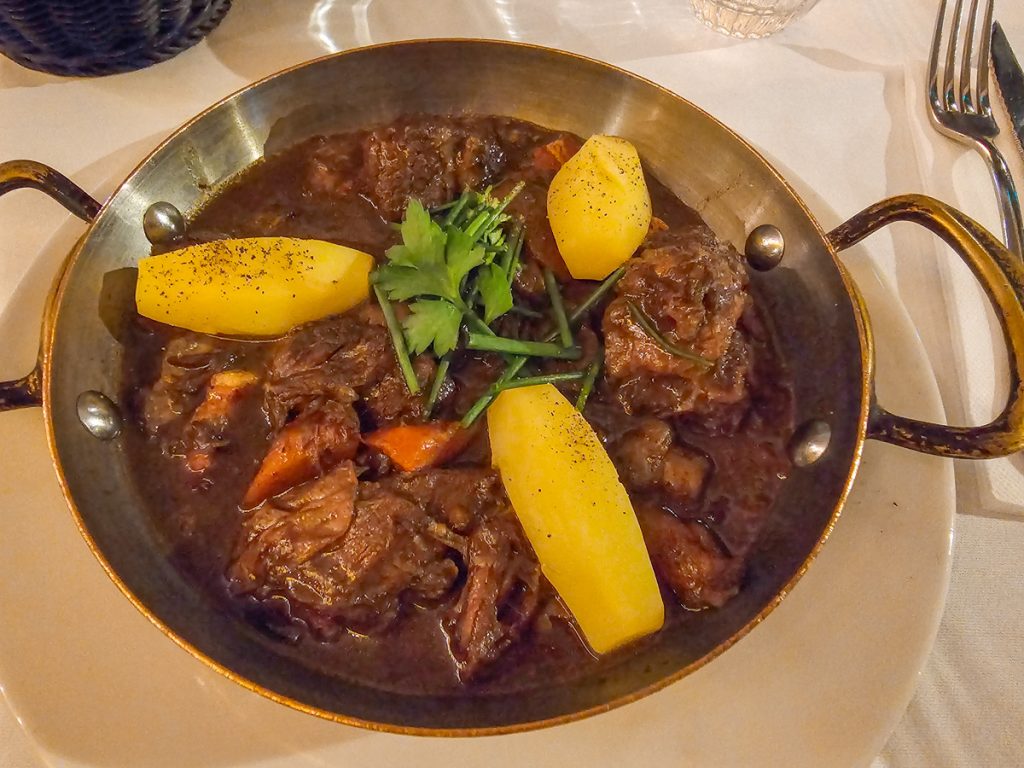
Boeuf bourguignon is one of Burgundy’s most famous dishes and one of the most satisfying French meals I’ve ever tried. It’s made by slow-braising beef in red wine and beef stock with carrots, onions, garlic, and herbs, then often finishing the stew with mushrooms and pearl onions.
Although it’s now considered a classic, the dish in its current form only dates back to the mid-1800s. It became internationally famous much later, thanks in large part to Julia Child, who introduced it to American home cooks.
7. Escargots
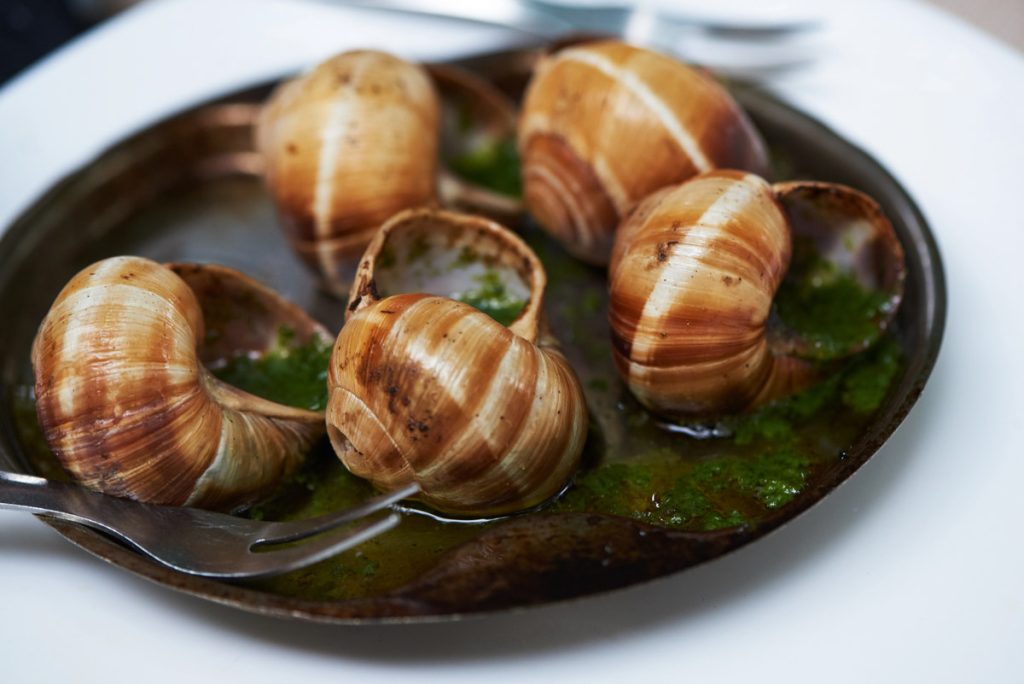
Escargots à la bourguignonne are one of the most recognizable dishes from Burgundy. The snails are baked in their shells with butter, garlic, and parsley, and served in platters of six or twelve.
Eating snails dates back to Roman times, but the version we know today took off in the 1800s. One popular origin story points to 1814, when Emperor Alexander I of Russia visited France after Napoleon’s defeat.
The French Minister of Foreign Affairs, hoping to smooth diplomatic tensions, asked his chef to create something new and impressive. The chef served snails baked with butter, garlic, and parsley.
Alexander loved it, and the dish quickly gained fame. Today, escargots à la bourguignonne are a signature specialty of Burgundy.
Southwest France
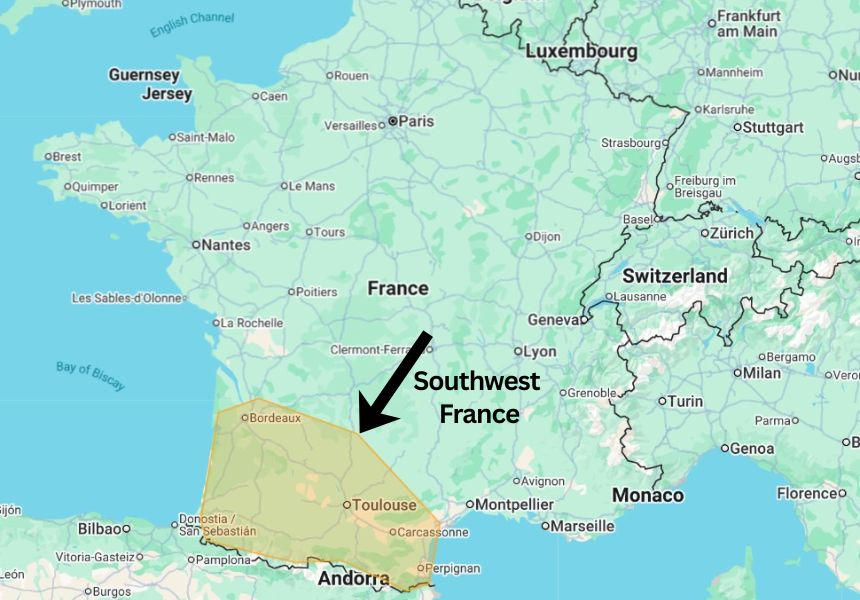
Southwest France is known for its rich, comforting dishes, shaped by rural traditions and a long history of farming. The region includes Bordeaux and Gascony, where hearty recipes and strong culinary identities run deep.
8. Duck

Duck (canard in French) is a staple of southwest France, especially in Gascony, where it has been part of daily cooking for centuries.
The most famous dishes include magret de canard, duck breast cooked much like a steak with a crisp layer of fat, and confit de canard, where the legs are slow-cooked in duck fat until tender and then crisped before serving.
Foie gras, made from the fattened liver of duck, is another well-known specialty of the region and appears often during holiday meals.
Duck’s deep, rich flavor has made it a favorite well beyond the southwest and a common sight on menus throughout France.
9. Cassoulet

Cassoulet is one of the most satisfying regional dishes of southwest France, particularly popular in cities like Castelnaudary, Toulouse, or Carcassonne. It started as a simple peasant dish, but it’s now one of the area’s most famous specialties.
Cassoulet is a slow-baked stew of white beans, sausage, and duck confit cooked in a thick, savory broth. The beans turn soft and creamy, and the meats add richness and flavor.
10. Gâteau Basque
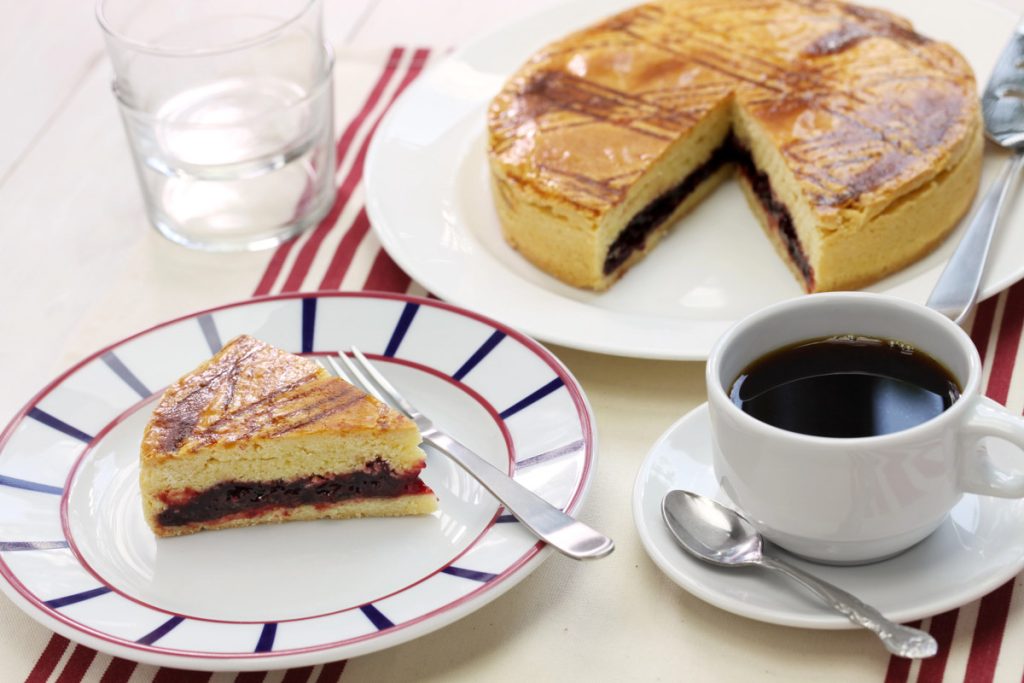
Gâteau basque is a classic dessert from the Basque Country, in the very southwest corner of France, along the Spanish border. This cake is made with a buttery shortcrust and filled with either pastry cream or black cherry jam.
The cake became popular in the early 1800s thanks to Marianne Hirigoyen, a pastry chef from Cambo-les-Bains who sold her family’s recipe in markets around Bayonne.
One of the hallmark features of the cake is the crosshatched pattern on top, marked with a fork before baking.
11. Canelés
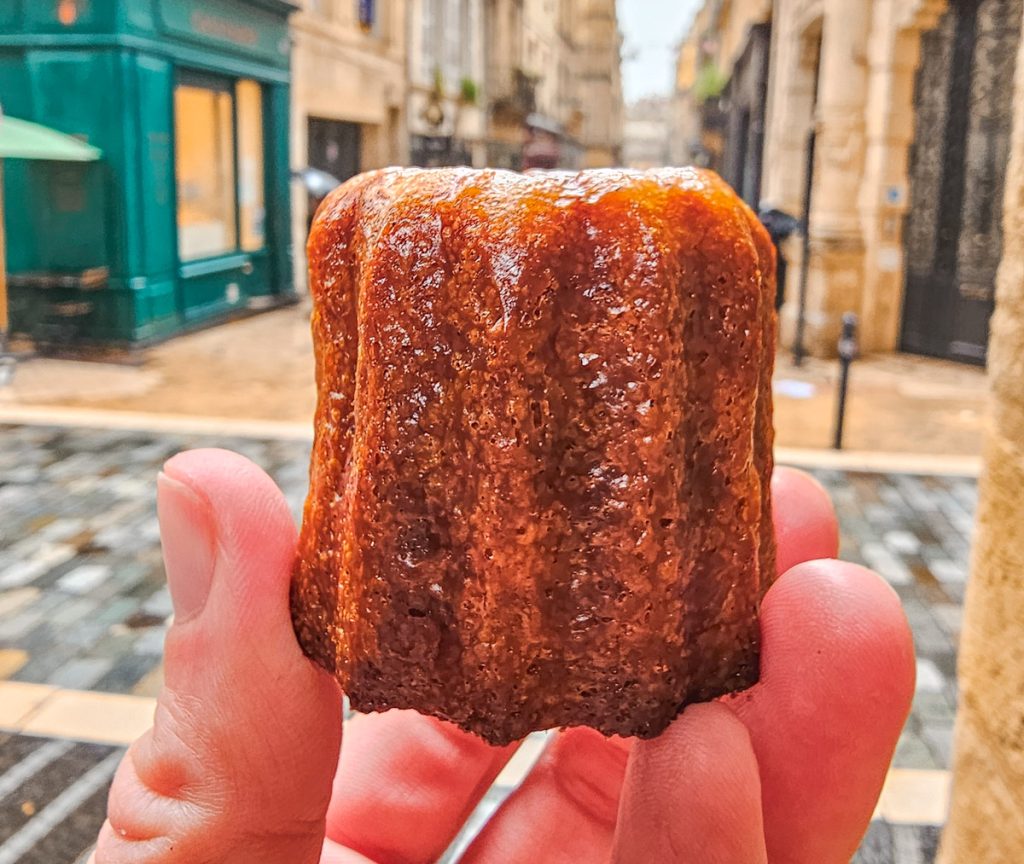
In Bordeaux, the canelé is the pastry you’ll see everywhere. It’s small and caramelized on the outside, soft and almost custardy inside, and flavored with rum and vanilla. The fluted copper molds used to bake them help create that contrast in texture.
The pastry has roots in the city’s wine culture. Winemakers often had extra egg yolks left over after using egg whites to clarify wine, and nuns in nearby convents put them to use in their baking. That tradition evolved into the canelé enjoyed today.
Alsace

Alsace sits right along the German border, and the region has shifted between French and German control several times. The cuisine here feels more German than French in many ways, and is one of the most distinctive food subcultures in France.
12. Tarte Flambée

Tarte flambée, also known by its German name, Flàmmeküeche, translates loosely to “flamed pie.” It started as a simple farmhouse dish and only became popular in restaurants in the mid-1900’s.
It’s a lot like a very thin, crispy pizza, cooked in a blazing-hot wood-fired oven and traditionally topped with crème fraîche, lardons, and thinly sliced onions. Some versions include a light layer of Emmenthal cheese (called la gratinée) or mushrooms (la forestière).
You’ll find tarte flambée everywhere in Alsace, from Christmas market stalls to casual restaurants to street stands, and it’s one of the easiest (and tastiest!) regional dishes to try.
13. Choucroute Garnie
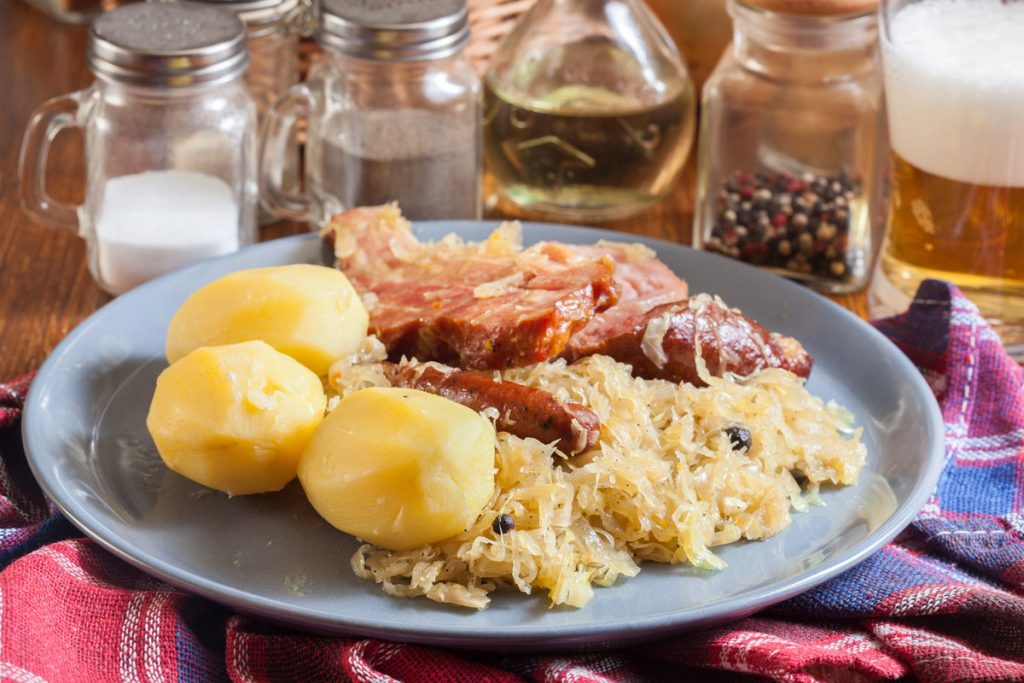
Choucroute garnie is one of the most common dishes you’ll see on menus in Alsace. It starts with a generous serving of warm sauerkraut (the choucroute) and is topped with a mix of sausages, cured meats, and sometimes potatoes. There are plenty of variations, and almost every restaurant has its own version.
The dish has German roots, but it spread through France after Alsace became part of the country in the mid-1600s. Today it’s a staple in the region and is often paired with a glass of Riesling from the nearby vineyards.
Normandy
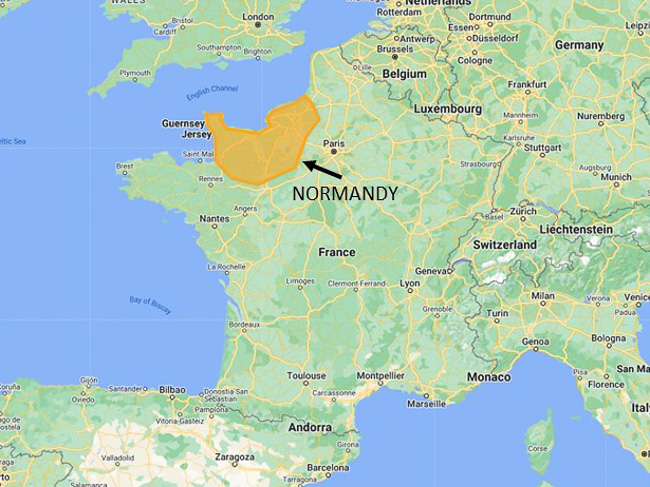
Normandy is known for its beautiful coastal landscapes, dairy farms, and apple orchards, and those three things shape a lot of the region’s traditional dishes.
14. Moules Marinière
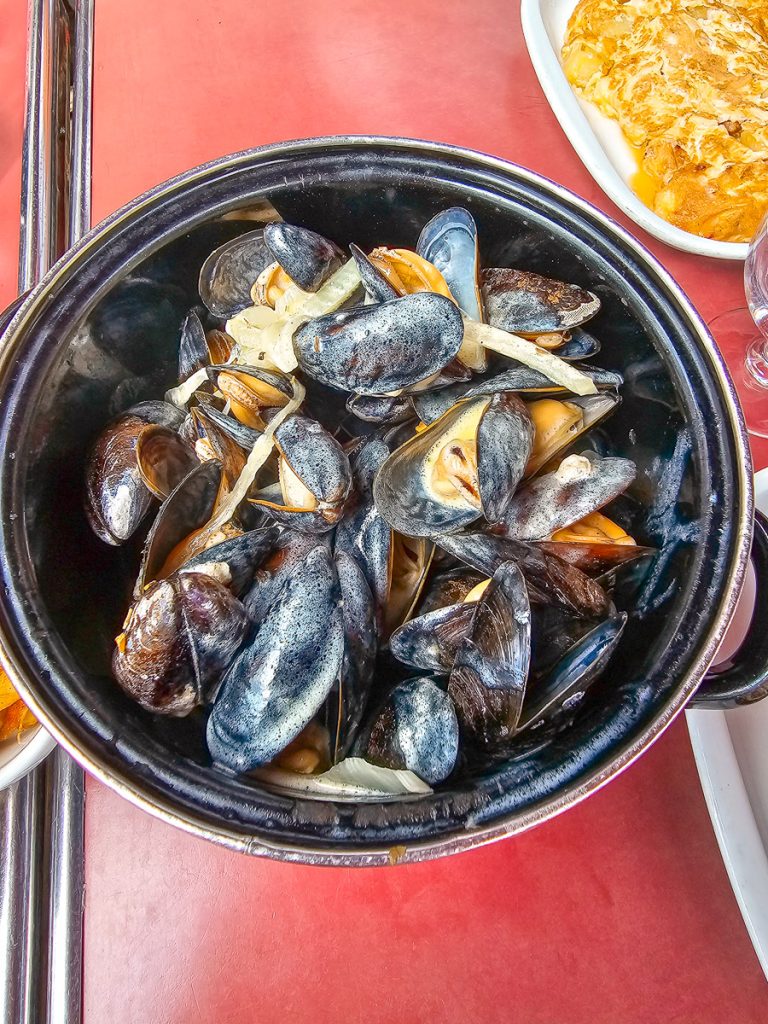
Moules marinière is one of the most popular dishes in Normandy and shows up on menus all over France. It’s made by steaming fresh mussels in a simple broth of white wine, shallots, butter, and herbs, a method that goes back to the fishermen who first cooked them this way along the coast.
Mussels are often served as moules-frites, with the mussels brought out in a pot and a side of fries on the plate. There are plenty of variations, such as creamy sauces or recipes with garlic and herbs, but the basic preparation stays the same and lets the mussels shine.
15. Camembert
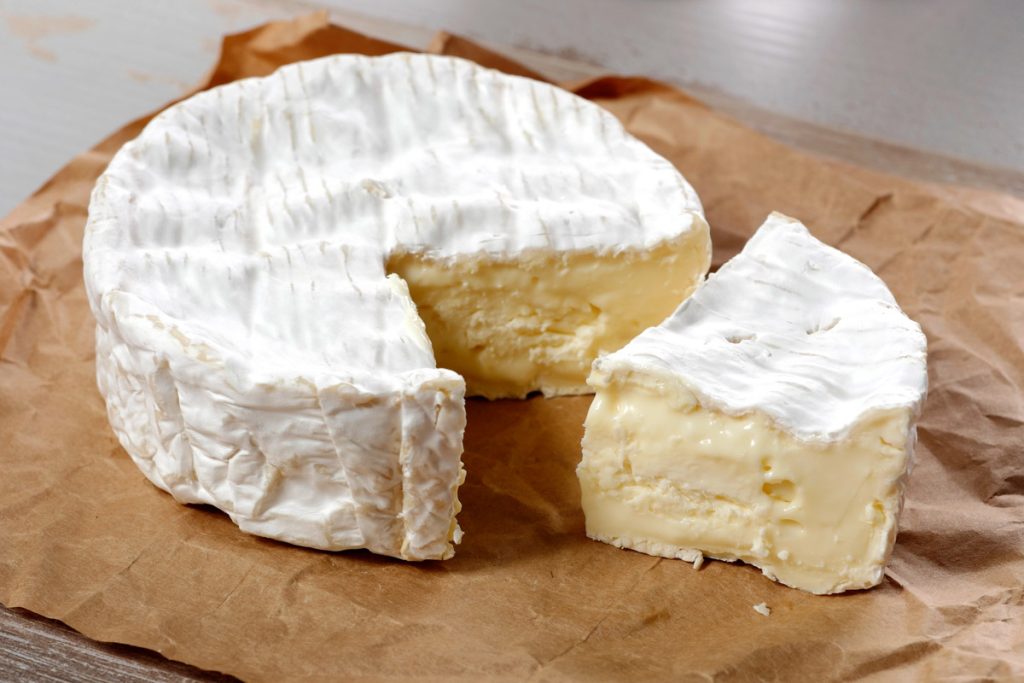
Camembert is Normandy’s signature cheese, made from raw cow’s milk and protected by strict AOP rules. It has a soft rind, a creamy interior, and an earthy flavor that’s mild but distinctive.
You’ll often see it served simply with bread, but many restaurants also offer a whole round of baked camembert, where the cheese turns molten and perfect for dipping. It’s one of the simplest and most delicious regional foods to try in Normandy.
Provence
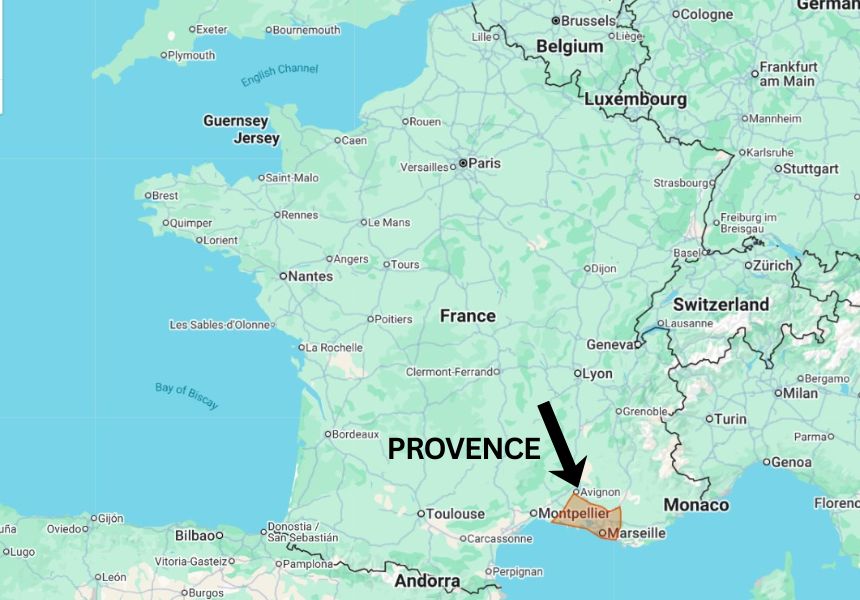
Provence is quite a large region, but for this section, we’re focusing on the “Bouches-du-Rhone” area, where food leans bright and Mediterranean, shaped by the region’s warm climate and access to the sea.
16. Calissons

Calissons are a classic treat from Aix-en-Provence and are considered part of the city’s living heritage. Their story goes back to the 15th century, when King René’s confectioner is said to have created the almond-shaped candy for Queen Jeanne.
The ingredients are simple but distinctive: finely ground almonds, candied melon, and orange peel, topped with royal icing, and the traditional technique has been carried on in Aix for centuries.
17. Bouillabaisse

Bouillabaisse is a classic fish stew from Marseille. It’s made with several types of fish, sometimes shellfish, and vegetables like potatoes, onions, leeks, and tomatoes, and Provencal herbs.
The cooking method is part of what makes it special, since the fish is added in a specific order to build flavor. The dish is often served in two parts: one bowl with the broth and one with the fish.
French Riviera
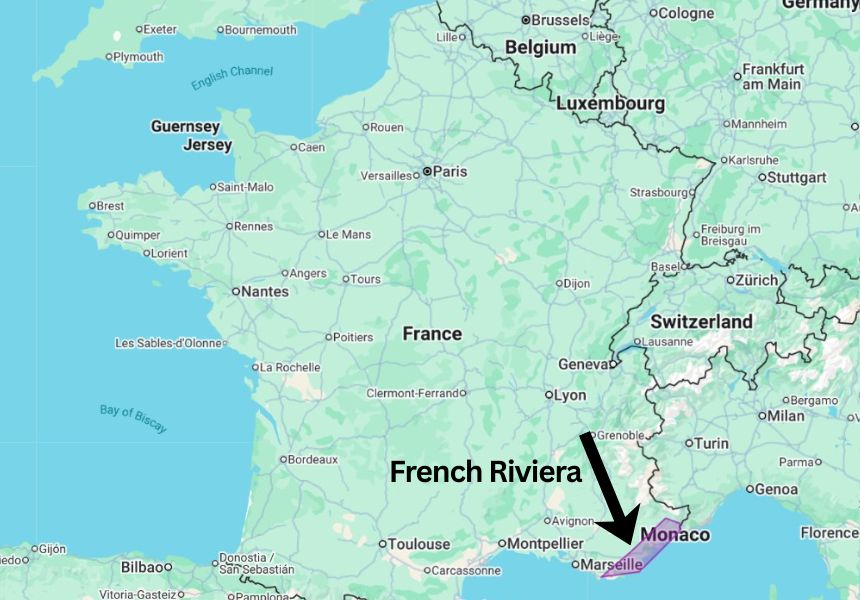
Along the French Riviera, Nice has developed a food culture that’s distinct from the rest of Provence. Its dishes lean Mediterranean, shaped by local olives, vegetables, and a bit of Italian influence from just across the border.
18. Socca

If there’s one local specialty you shouldn’t miss in Nice, it’s socca. This thin, lightly crispy chickpea pancake is cooked in huge round pans and baked in a wood-fired oven until the edges blister and char.

The socca is then scraped up in large pieces and served fresh and hot. It started as an easy street food for workers and still feels that way today –you’ll find it at markets, cafés, and storefront windows all over the city.
19. Salade Nicoise

Salade Niçoise is one of the most well-known foods in Nice, and is a popular dish, often served as a starter salad. The most traditional versions include leafy greens, hard-boiled eggs, tuna and/or anchovies, tomatoes, and olives. Generally, it is served with an olive oil + balsamic vinegar dressing.
Sometimes raw green beans, red peppers, shallots, artichokes, or boiled potatoes are added as well. (Although it’s more common to see boiled potatoes added to this salad outside of France).
20. Pissaladière

Pissaladière is a classic Niçois flatbread with a thick, pizza-like crust topped with a mix of caramelized onions, olives, and either anchovy paste or whole anchovies.
The anchovies add a salty, savory flavor that balances the sweetness of the onions, so don’t be put off if you’re not usually an anchovy fan. It’s one of the most traditional foods you’ll find in Nice and is sold cut into large squares.
The Wrap Up
These regional dishes are just a small sample of what you’ll find across France, but they give you a real sense of what each area does best. No matter where you go, you’ll certainly eat well!
