

12 Most Iconic French Landmarks That Tell the Story of France

France is packed with landmarks that have shaped history and culture for centuries. These are 12 sites that define the country’s beauty and belong on every traveler’s list.
Mont Saint Michel

Located off the coast of Normandy, Mont Saint Michel is a rocky tidal island topped by a fortified abbey and village. The narrow streets wind uphill past stone houses, shops, and restaurants toward the abbey at the summit. Surrounded by vast mudflats that fill with water during high tide, it’s one of the most distinctive and recognizable landmarks in France.
Louvre
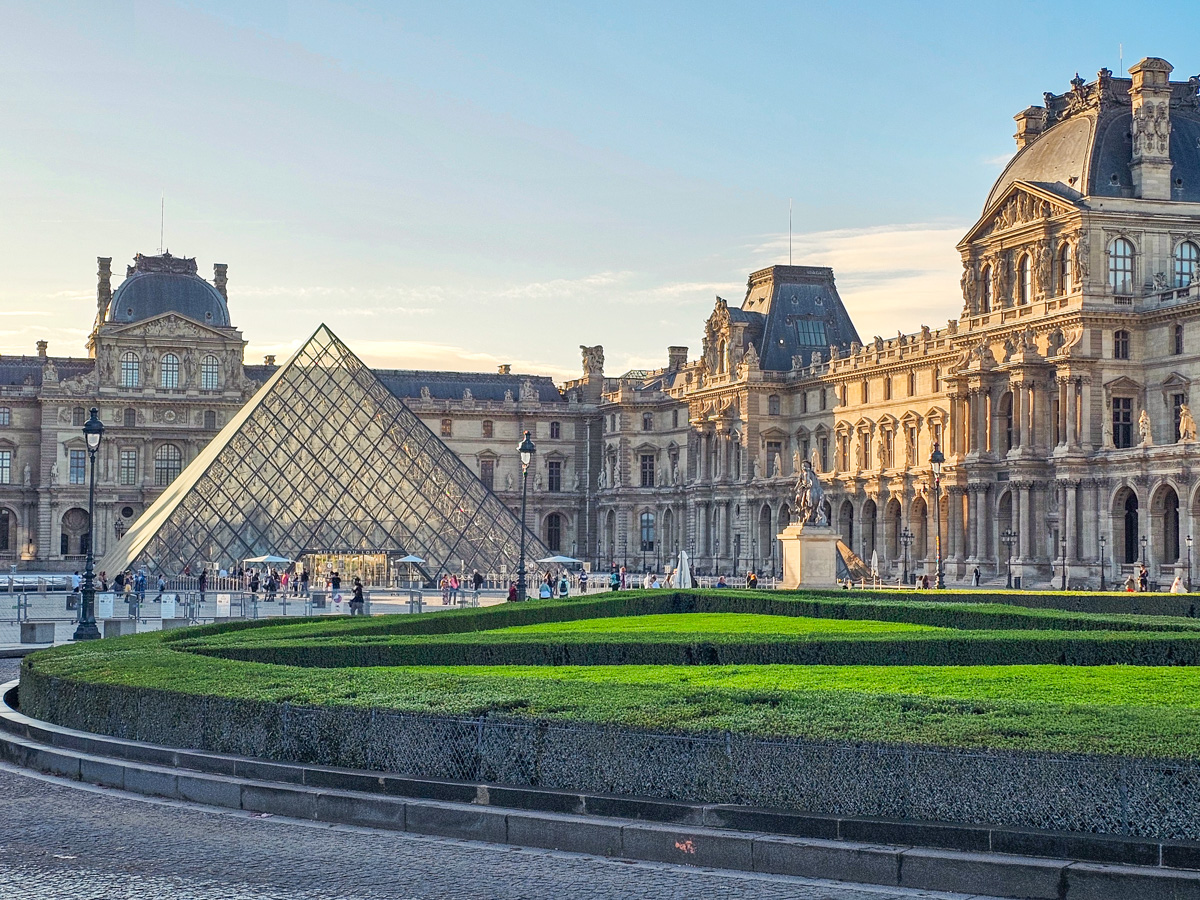
Once a royal palace, the Louvre is now the world’s largest art museum, with 35,000 works on display throughout hundreds of galleries. You can see everything from ancient Egyptian and Babylonian artifacts to Greek masterpieces like Winged Victory and the Venus de Milo, and iconic paintings like the Mona Lisa and Liberty Leading the People.
Chateau de Chambord
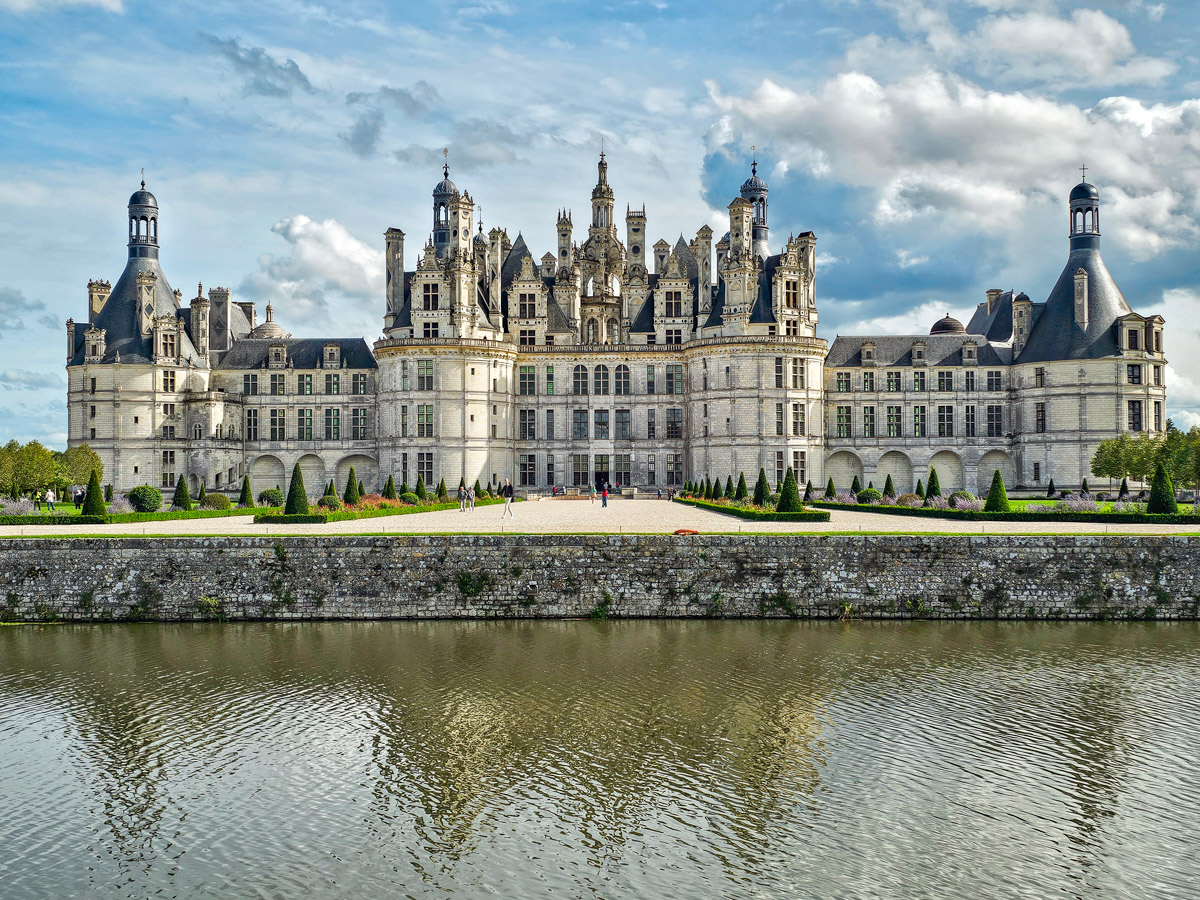
Built in the early 1500s for King François I, the Château de Chambord is the largest castle in the Loire Valley and a defining example of French Renaissance architecture. It has 440 rooms, 84 staircases, and a distinctive double-helix staircase often attributed to Leonardo da Vinci. The château’s rooftop, covered with dozens of ornate chimneys and towers, creates one of the most recognizable silhouettes in France.
Carcassonne

In southern France, Carcassonne is a fortified city famous for its massive double wall system, reinforced by 52 towers. Originally built during the Gallo-Roman period and later expanded in the Middle Ages, it’s one of the best-preserved examples of a medieval walled city in Europe. Inside the walls are narrow lanes, stone houses, and ramparts that offer sweeping views over the surrounding countryside. To learn more: Visit Carcassonne
Mont Blanc
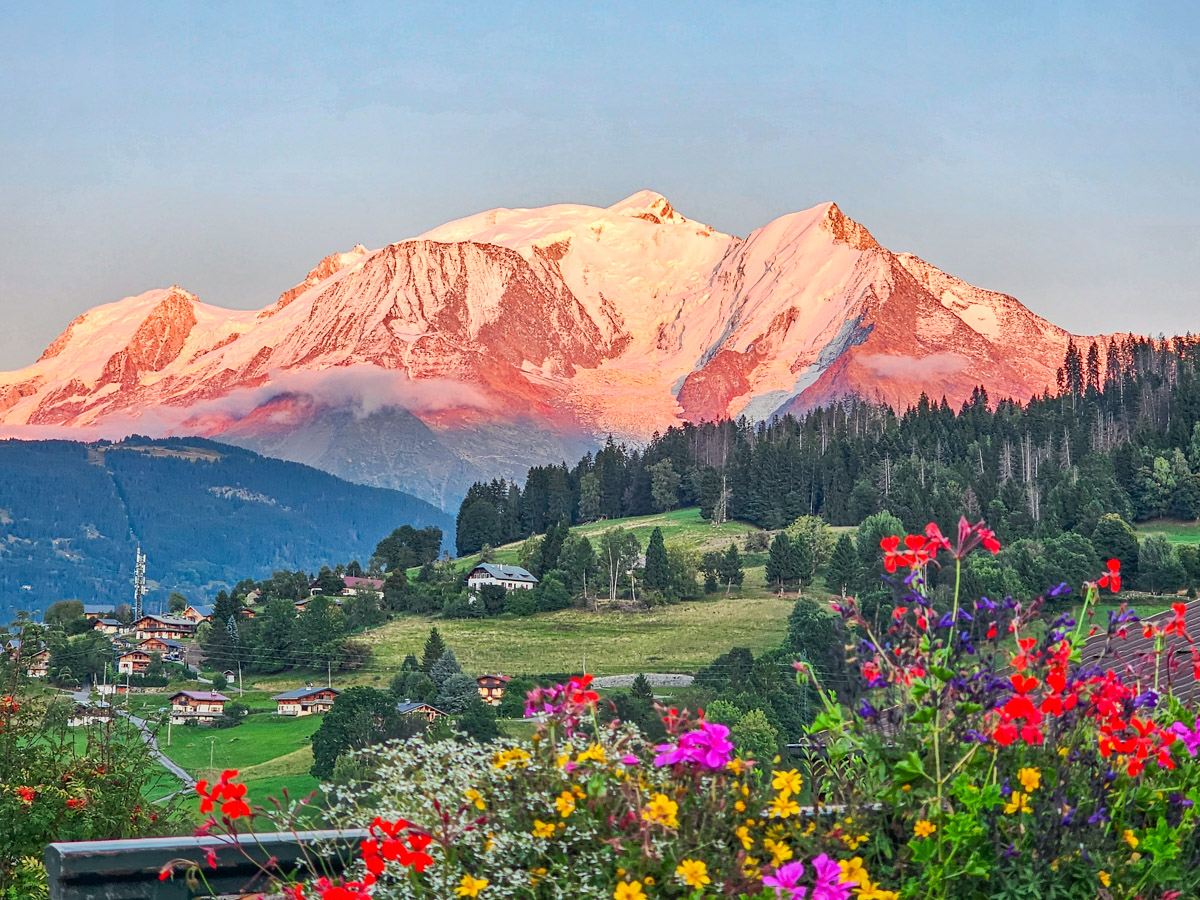
Mont Blanc, rising to 4,808 meters (15,774 ft), is the highest peak in Western Europe and a defining landmark of the French Alps. Straddling the border between France and Italy, it’s famous for its dramatic snow-covered slopes and glaciers visible year-round. It’s a popular place for skiing in winter, and hiking, mountain biking, and paragliding in summer.
Eiffel Tower
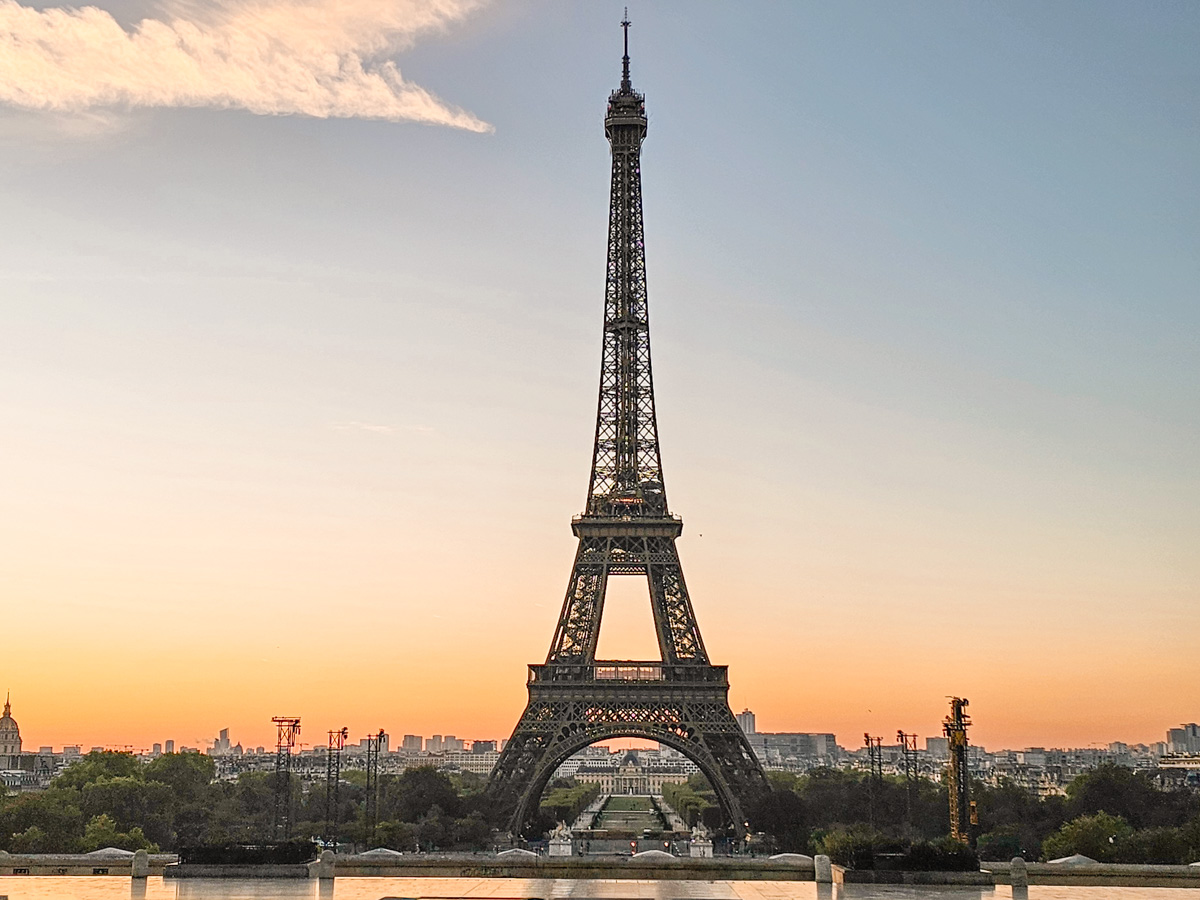
Built for the 1889 World’s Fair, the Eiffel Tower is the most recognizable symbol of Paris and one of the most famous landmarks in the world. Made of over 18,000 pieces of wrought iron, it was once the tallest structure in the world. Visitors can climb or take the elevator to its viewing platforms for panoramic views of the city and the Seine below. To learn more: Visit the Eiffel Tower
Versailles

Located just outside Paris, the Palace of Versailles was transformed by Louis XIV in the 17th century from a hunting lodge into one of the grandest and most opulent royal residences in Europe. The palace is known for its Hall of Mirrors, ornate apartments, and meticulously designed gardens that span nearly 2,000 acres. It served as the center of political power in France until the Revolution in 1789.
Arena of Nîmes
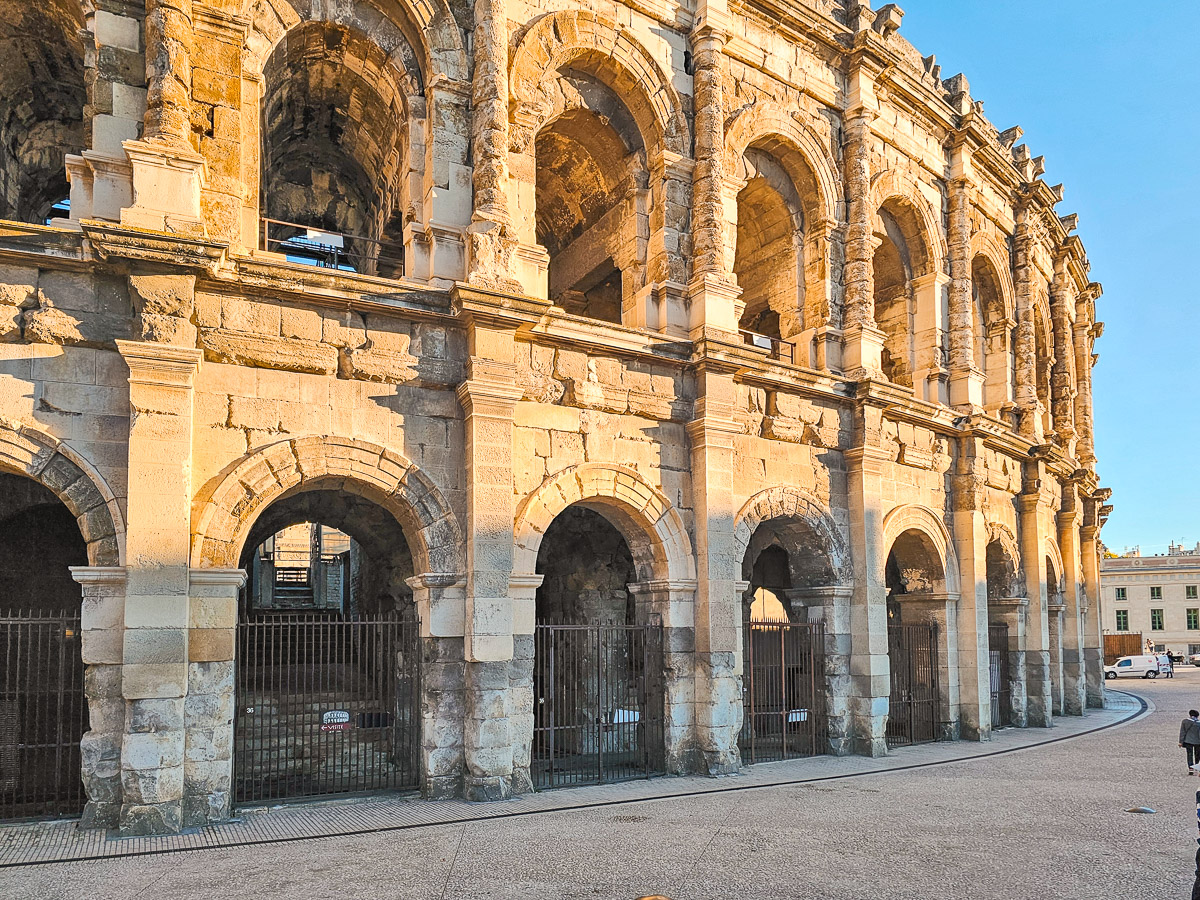
Built in the 1st century AD, the Arena of Nîmes is one of the best-preserved Roman amphitheaters in the world. Originally used for gladiator games and public spectacles, it could seat up to 24,000 spectators. Today, the arena still hosts concerts and events, an impressive reminder of the region’s Roman past. To learn more: Visit Nîmes
Promenade des Anglais

The Promenade des Anglais is the defining feature of Nice, and one of the most recognizable symbols of the French Riviera. Stretching for seven kilometers along the Baie des Anges, this palm-lined waterfront boulevard runs past the city’s old town and famous beaches. Built in the 1820s by English aristocrats, it remains the heart of local life, where residents and visitors alike stroll, bike, or relax in the signature blue chairs facing the Mediterranean.
Pont du Gard
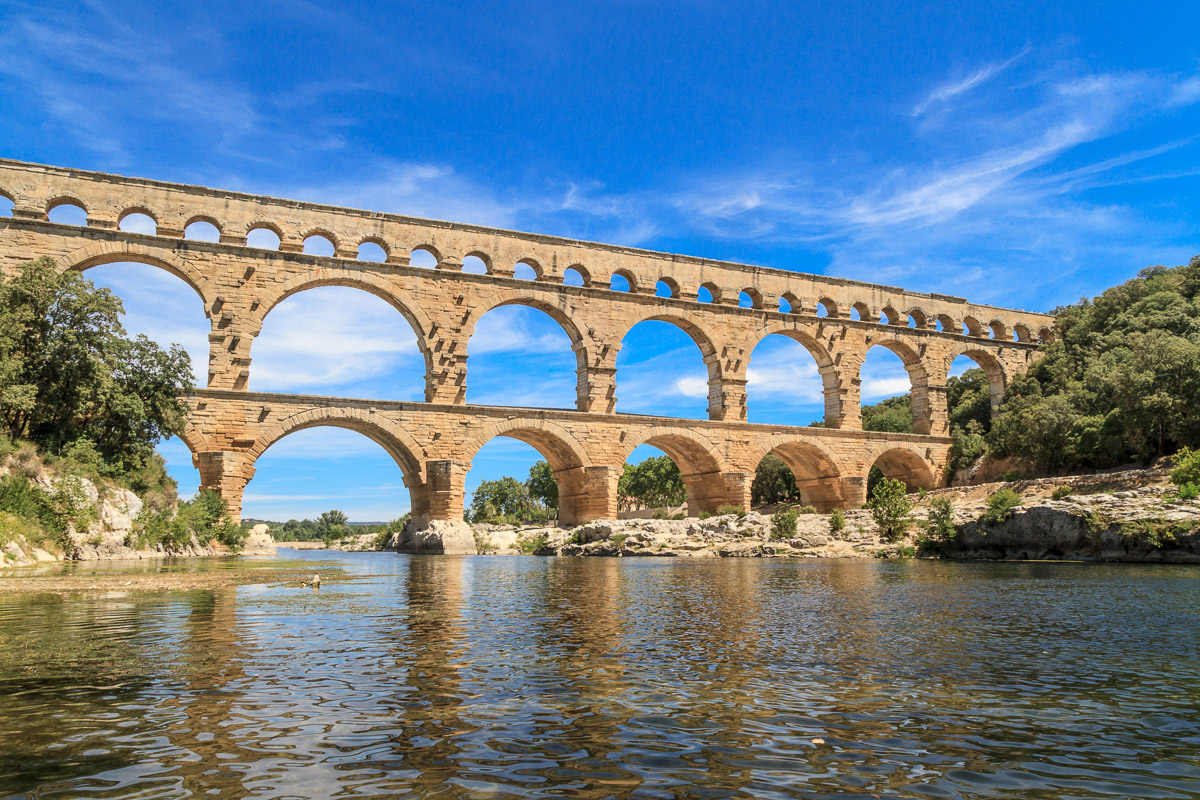
The Pont du Gard is an ancient Roman aqueduct bridge and one of France’s most remarkable historical landmarks. Built in the 1st century AD to carry water across the Gardon River, it stands nearly 50 meters tall with three tiers of perfectly aligned arches. Visitors can walk along the lower level and admire how this 2,000-year-old structure still dominates the surrounding Provençal landscape.
Notre Dame de Paris
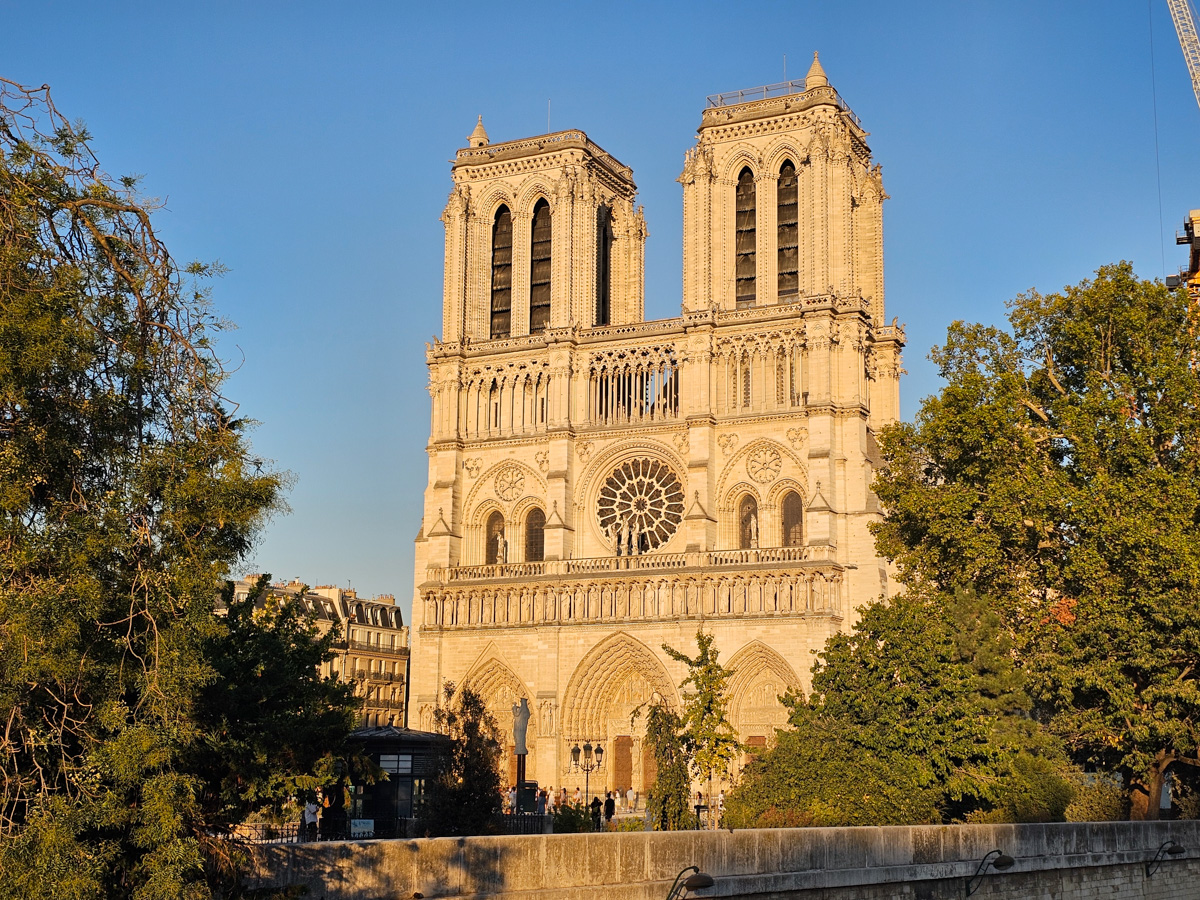
Standing on the Île de la Cité in the heart of Paris, Notre Dame is one of the world’s most famous Gothic cathedrals. Construction began in the 12th century, and its twin towers and stained glass rose windows have symbolized Paris for centuries. After years of restoration following the 2019 fire, the cathedral has reopened, and its bright, freshly cleaned interior looks more stunning than ever. To learn more: Famous French churches
Chateau de Chenonceau

Spanning the River Cher in the Loire Valley, Château de Chenonceau is one of France’s most distinctive castles, known for its graceful arches stretching across the water. Built in the 1500s, it’s often called the “Ladies’ Castle” for the influential women who shaped its history, including Diane de Poitiers and Catherine de Medici. Inside, you’ll find lavish halls and windows that frame beautiful views of the river and surrounding gardens.
