
10 Hidden Fees Travelers to Europe Forget to Budget For

The headline price of a trip rarely tells the whole story, as small add-ons can easily throw off your budget. Here are ten hidden travel fees worth checking for before your next vacation.
International Driving Permits

Some countries require an International Driving Permit (IDP) in addition to your U.S. license, even if you’re just renting a car for a few days. The permit itself is inexpensive and simple to get, but easy to forget about when budgeting for and planning a trip. Skipping it can lead to fines or being denied a rental car altogether.
Parking at Hotels
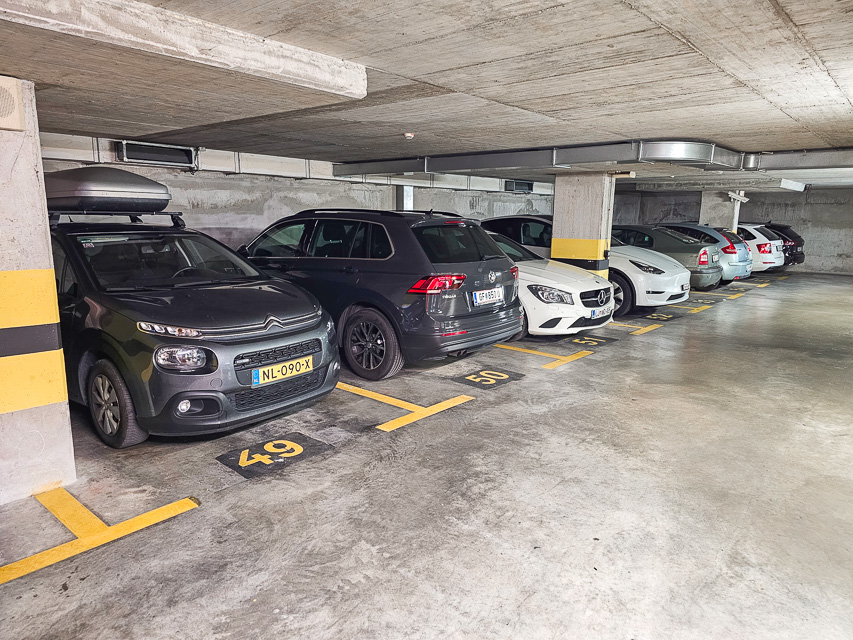
Hotel parking is rarely free, especially in city centers or resort areas. Many properties charge nightly rates anywhere from €15-40, and you usually have to pay when you arrive. In big cities, hotels might not even have parking and you’ll have to find a nearby garage. Always check whether parking is on-site, valet-only, or off-site before arriving to avoid surprises at checkout.
Checked and Carry-on Bags
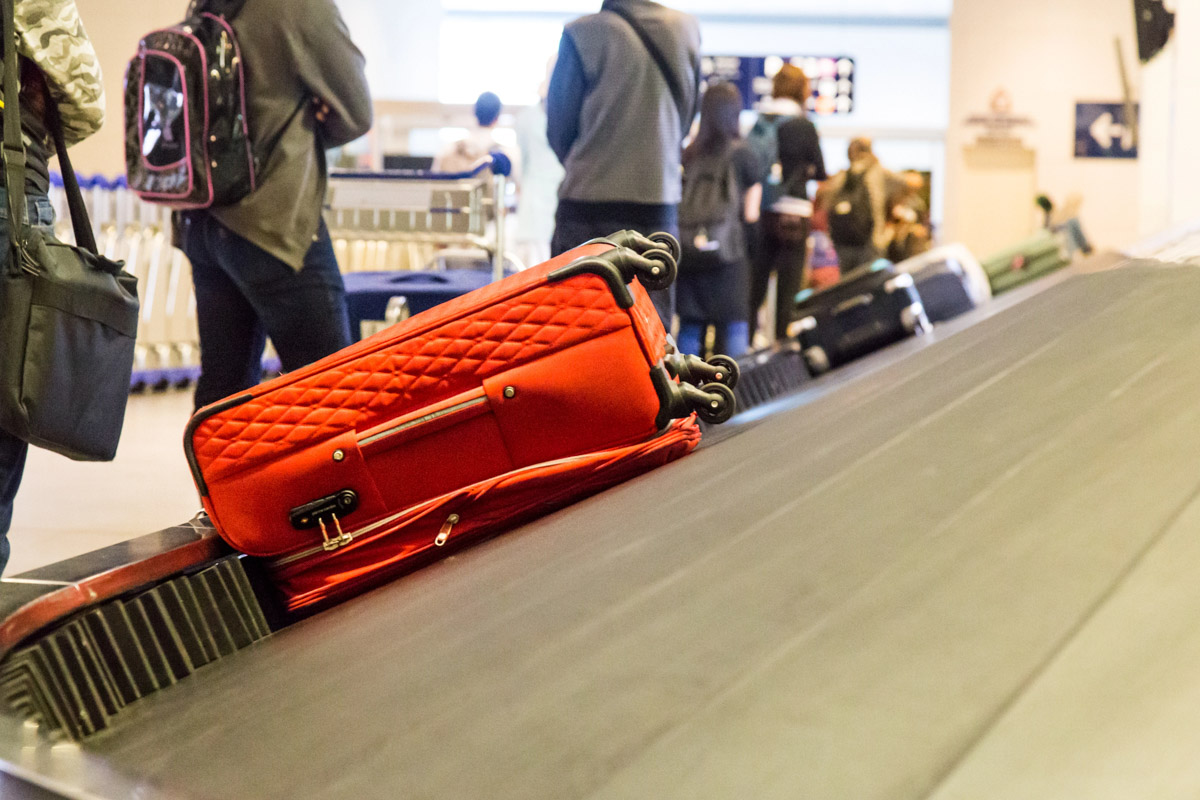
Airlines have turned baggage into one of their biggest revenue streams. Many budget carriers charge for both checked and carry-on bags, and even major airlines now add fees for basic economy fares. Always confirm what’s included in your ticket before you book—those “cheap” flights can add up quickly once luggage fees are factored in.
Rental Car Insurance
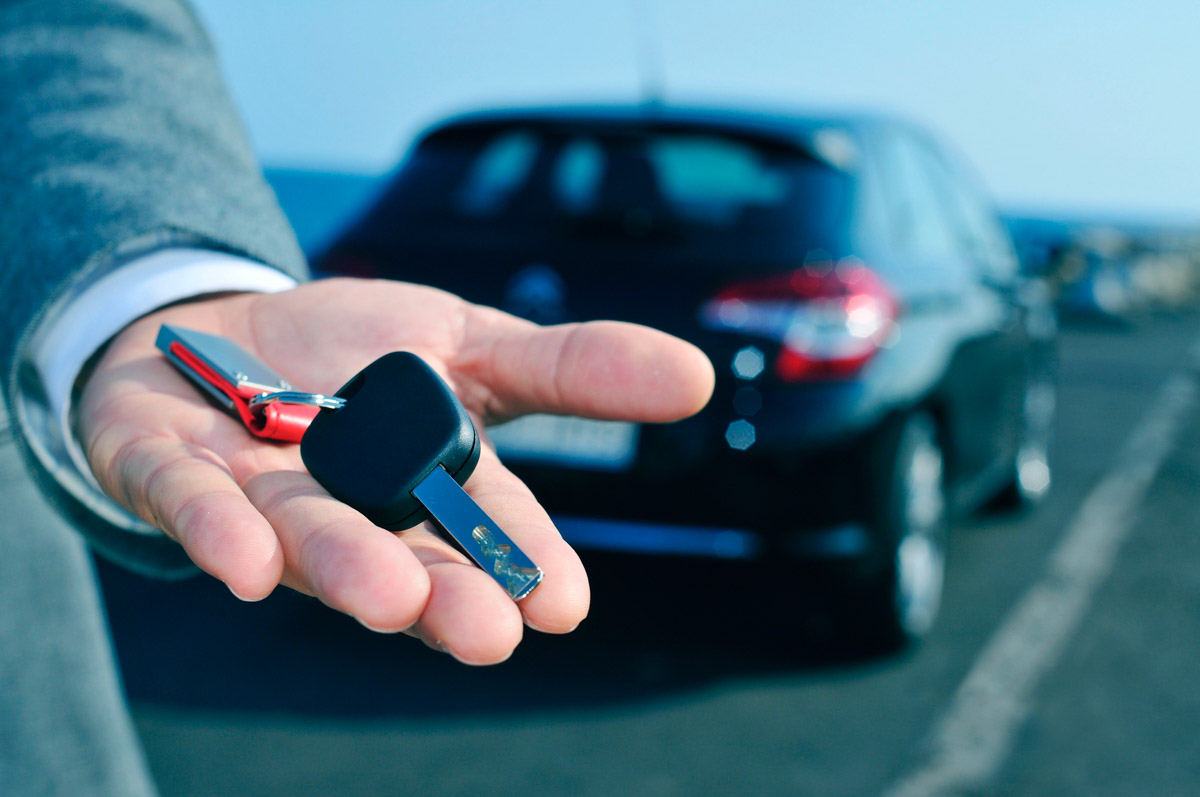
Rental companies often push extra insurance at the counter, but many travelers are already covered through their credit card or personal auto policy. It’s easy to agree under pressure, especially after a long flight, but those add-ons can double the total cost. Check your existing coverage before you go so you can confidently decline unnecessary fees.
Foreign Transaction Fees on Credit Cards
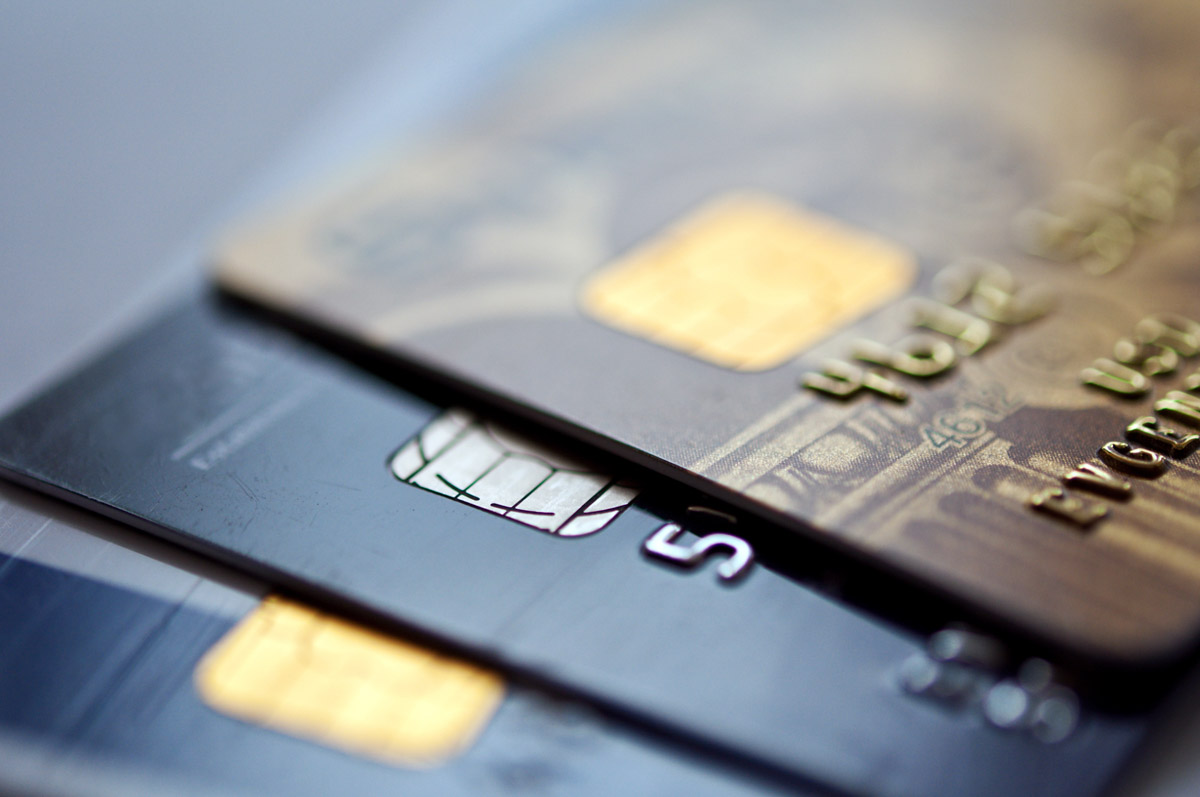
Many credit cards charge around 3% for purchases made in another currency, which can add up fast on a long trip. Using a card with no foreign transaction fees (usually a travel-focused card) saves money every time you swipe abroad.
Seat Selection Fees
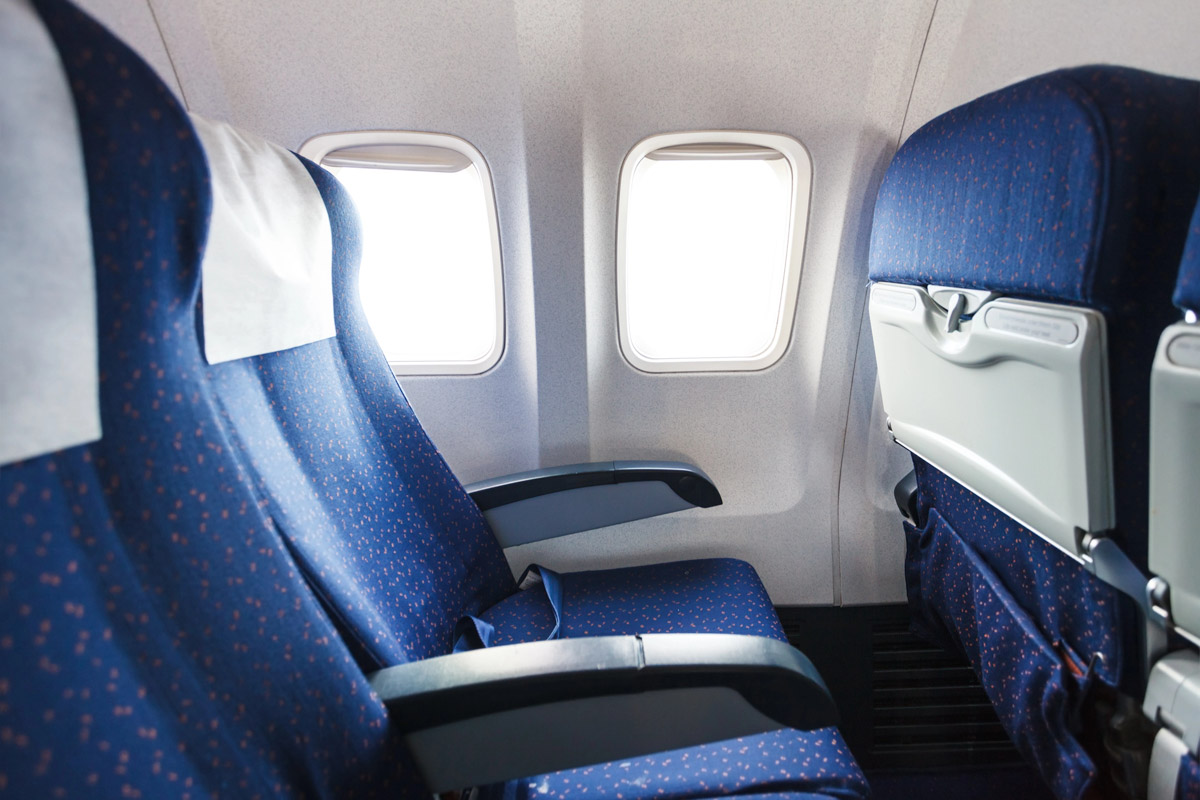
Airlines have turned seat selection into a major source of extra revenue. Many now charge even for standard seats, especially on basic economy fares, and the costs add up quickly for families or long-haul flights. If you don’t care where you sit, you can skip the fee, but it might mean being assigned a middle seat at check-in.
ATM Withdrawal Fees Abroad
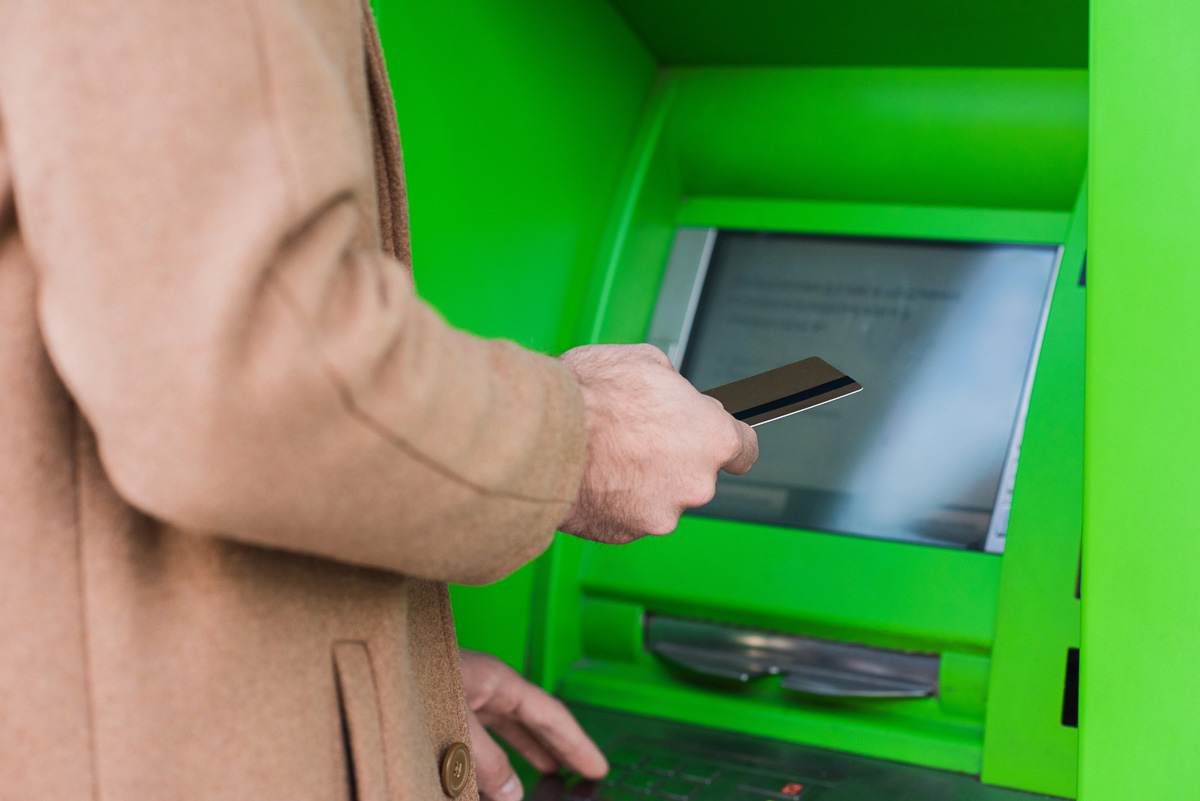
Using ATMs overseas can trigger multiple charges—one from your home bank and another from the local bank operating the machine. Even small fees add up if you’re withdrawing cash often. Look for partner banks, use larger withdrawals less frequently, or choose a travel-friendly card that reimburses ATM fees internationally.
Currency Exchange Markup
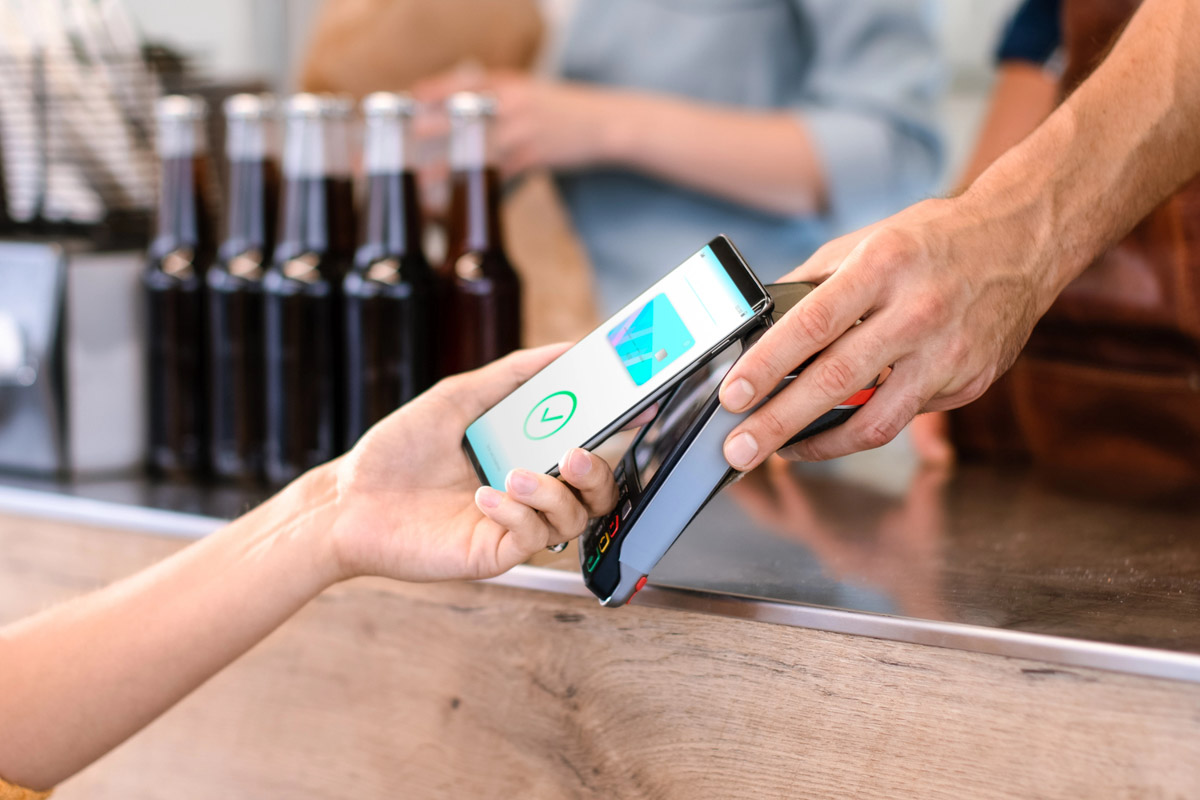
Airport currency exchange booths are one of the worst places to convert cash — they offer convenience but charge steep rates far above the real exchange value. It’s usually better to withdraw local currency from an ATM once you arrive. When paying by card abroad, you’ll sometimes be asked whether to charge in your home currency or the local one — always choose the local currency to avoid hidden conversion fees and get the best possible rate.
Driving a Rental Car Cross-Border

In Europe, crossing borders by car is usually simple — most countries within the Schengen Area don’t have passport checks or customs stops. However, rental car companies often have their own restrictions about where you can drive. Traveling to neighboring countries is usually allowed, but it can come with extra fees or insurance requirements. Always read the fine print before booking so you’re not caught off guard by surprise, steep cross-border charges.
City Taxes on Hotel Stays
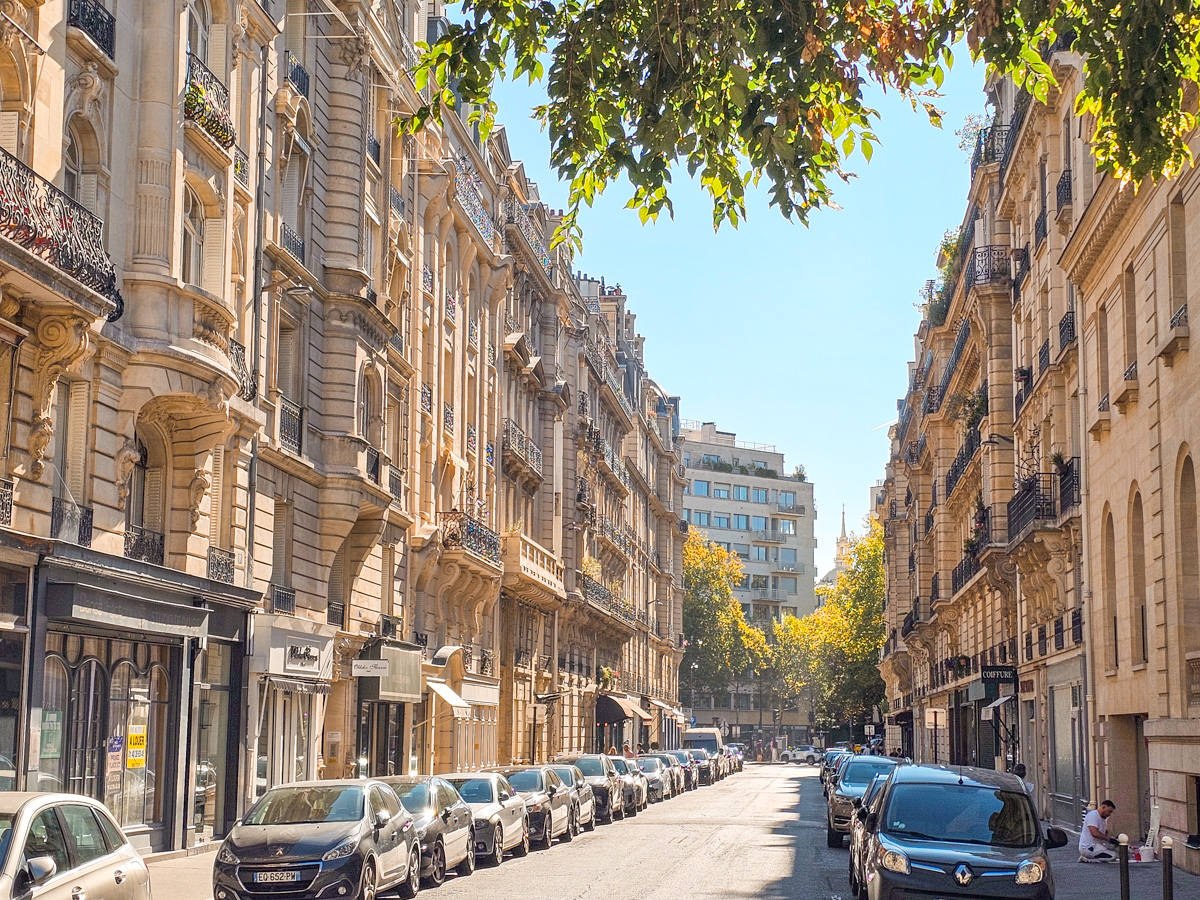
Many European cities charge a nightly “city tax” or “tourist tax” that’s paid directly at the hotel rather than included in your booking total. The amount varies by city and hotel category, usually just a few euros per night, but it can still add up over a longer stay. Just be prepared to pay the fee upon arrival, even if you’ve prepaid for your room.
