

10 Popular Travel Myths That Just Aren’t True

Travel advice gets passed around so often that it’s hard to tell what’s true anymore. Some old tips still work, but many popular “hacks” and rules of thumb are completely outdated. Here are ten travel myths that deserve to be retired for good.
Tuesday is the Cheapest Day to Book Flights

This once-popular advice hasn’t held up. Airline pricing now changes constantly based on demand, not the day of the week. Deals can appear anytime, so it’s better to track fares with price alerts and flexible dates than wait for a specific day.
The Best Fares Are Found in Incognito Mode

Browsing in incognito doesn’t actually lower flight prices. Airlines and booking sites use complex algorithms based on demand and availability, not your browser history. You might see price changes while searching, but they’re caused by dynamic pricing, not cookie tracking.
Budget Airlines Are Cheaper
Low-cost carriers often look cheaper at first glance, but add-on fees quickly change that. Once you include costs for bags (even carry-ons), seat selection, and other extras, the total price can rival or exceed a standard airline ticket. Always compare the final cost before booking.
It’s Dangerous to Travel as a Solo Female

While caution is always smart, solo female travel is safer than many assume, especially in destinations with a solid tourism infrastructure. The key is research and awareness: learn local customs, stay in well-reviewed accommodations, and trust your instincts. Millions of women travel alone every year without issue, and there are a lot of perks to solo traveling.
Hostels Are Only for College Kids

That stereotype is long outdated. Many modern hostels feel more like boutique hotels, with private rooms, coworking spaces, and organized tours. And even older people often stay in shared rooms with no issue. Hostels are popular with solo travelers of all ages who want affordable lodging in good locations.
Locals Don’t Like Tourists

Most locals don’t mind visitors at all, they just dislike inconsiderate behavior. Simple gestures like following local customs and showing respect for public spaces make a huge difference. When you travel thoughtfully, you’re far more likely to be welcomed than resented.
You Need to Speak the Language

Fluency isn’t required to travel successfully. In most destinations, basic greetings and polite phrases are enough to show respect and get by. Translation apps and gestures fill in the gaps, and locals usually appreciate the effort more than perfect grammar.
A Money Belt Keeps You Safe From Pickpockets
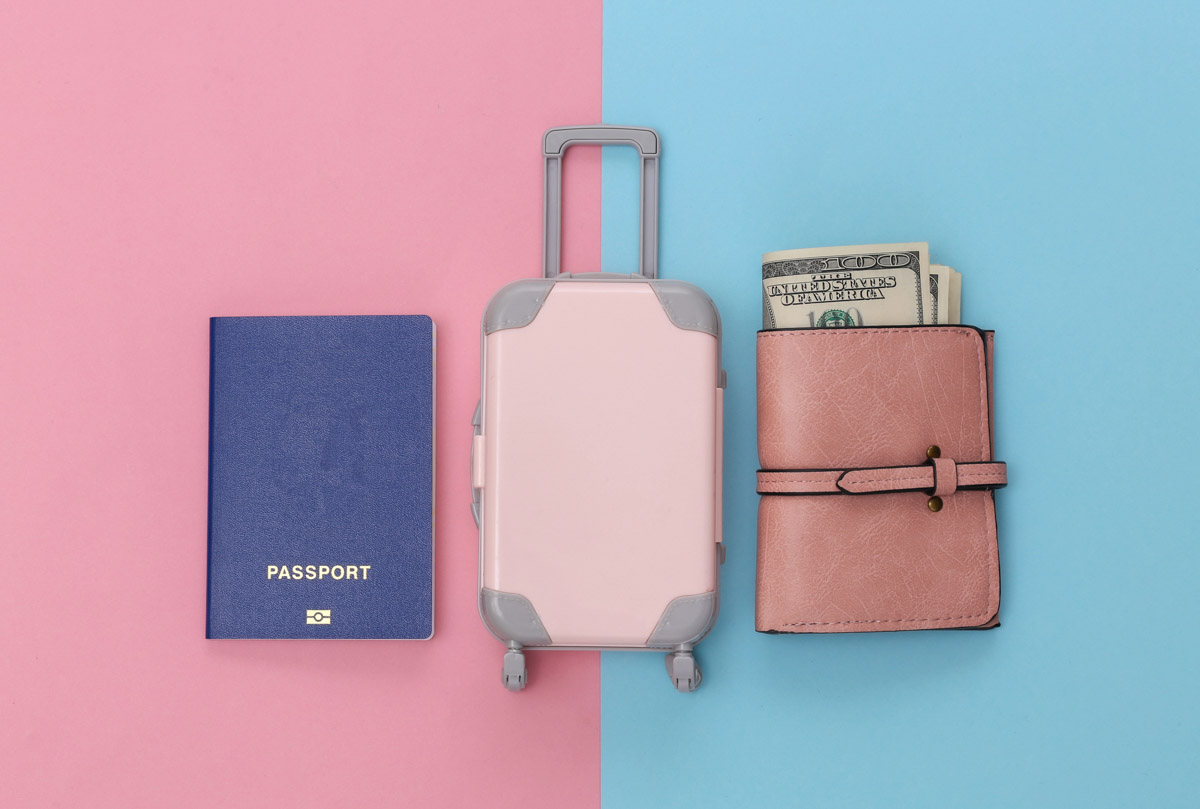
Money belts might feel secure, but they actually mark you as a tourist and are awkward to access in public. Experienced travelers use crossbody bags with hidden zippers or keep cards in a front pocket instead. Blending in and staying alert is a far better deterrent than a visible security gadget.
It’s Safe to Rely on Gate Agents to Rebook You

When flights are delayed or canceled, waiting in line for a gate agent can leave you with limited options. Airlines usually reassign seats or open new routes through their apps long before you reach the counter. Call the airline while you wait in line, or rebook yourself online for the fastest results.
You Don’t Need Travel Insurance if You’re Healthy

Good health doesn’t protect you from canceled flights, lost luggage, unexpected emergencies, or surprise illnesses or injuries. Travel insurance isn’t just for medical coverage, it can also reimburse you for trip disruptions and delays. A basic policy often costs less than a nice dinner but can save thousands if something goes wrong.
