
10 Ancient Roman Ruins in Southern France That Rival Anything You’ll See in Italy

France was once a vital part of the Roman Empire, and traces of that ancient civilization are still visible across the southern half of the country. Many towns that began as Roman settlements have impressive remains that endure today, offering a glimpse into what daily life and engineering looked like more than 2,000 years ago.
Pont du Gard

The Pont du Gard, just outside Nîmes, is one of the most remarkable Roman structures in France, and the only remaining three-tiered aqueduct bridge in the world. Built in the first century CE, it once carried water from Uzès to Nîmes over a distance of 30 miles. Today, visitors can walk across the lower level and admire the size and precision of this 160-foot-tall stone bridge spanning the Gardon River.
Orange
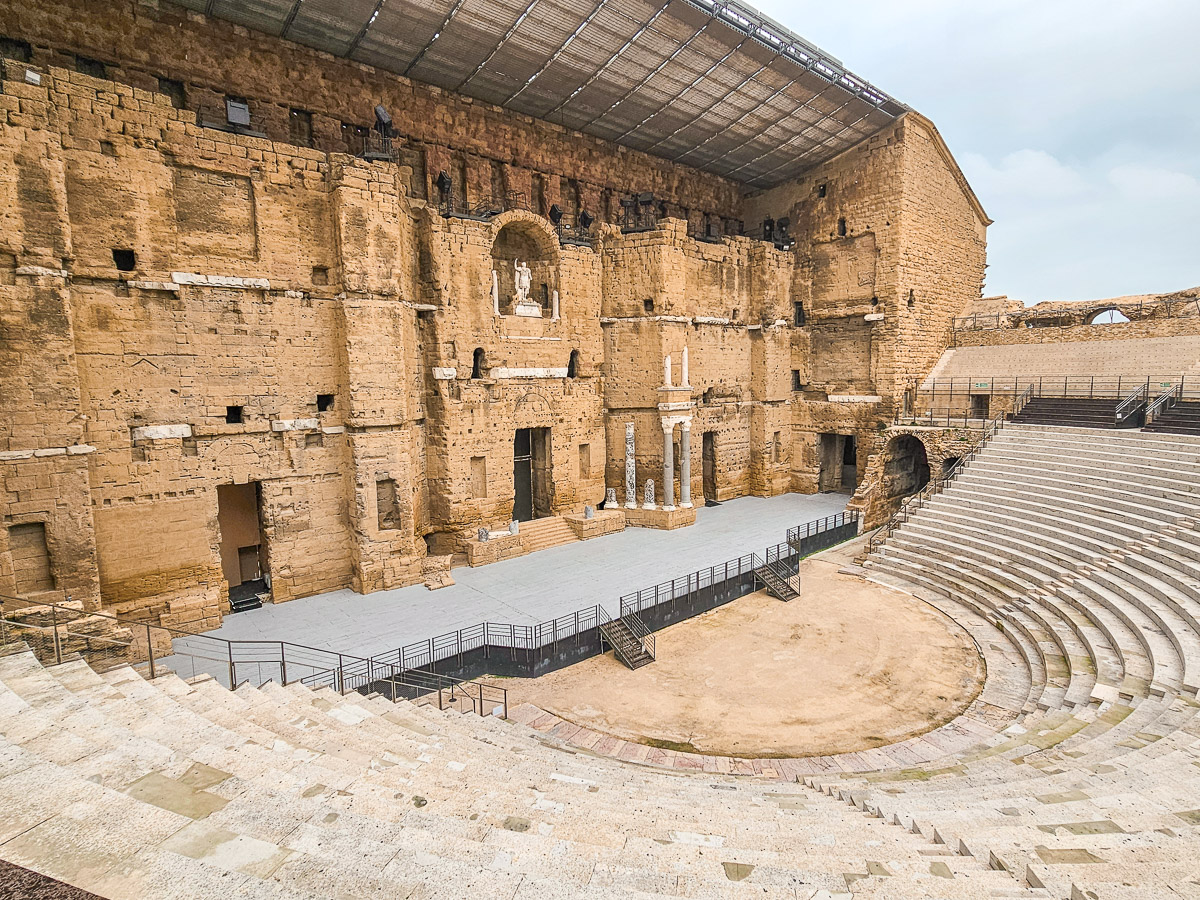
Orange, in Provence, was founded by the Romans in 35 BC and became a settlement for retired soldiers. The Ancient Theater of Orange, built in the first century CE, could hold around 10,000 spectators and has one of the best-preserved stage walls in the Western world. The nearby Triumphal Arch, dating to around 20 CE, once marked the main entrance to the Roman city and celebrates the military victories of the empire.
Nîmes
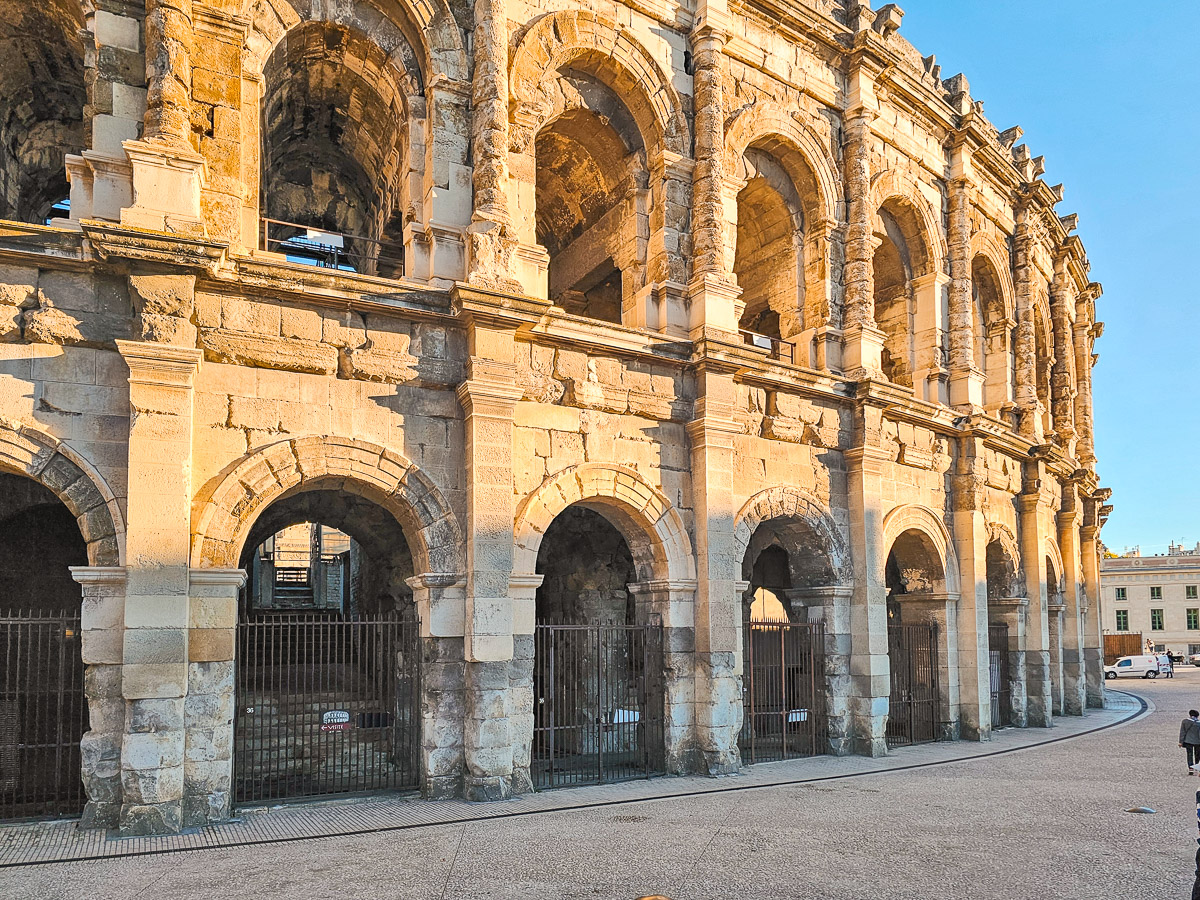
Nîmes, often called the “French Rome,” is home to some of the best-preserved Roman monuments in France. The Arena of Nîmes, a massive first-century amphitheater, once hosted gladiator fights and can still seat over 20,000 spectators today. Nearby, the Maison Carrée – a beautifully preserved Roman temple inspired by the Pantheon – stands as another reminder of the city’s ancient past. Read More: The City of Nîmes
La Turbie
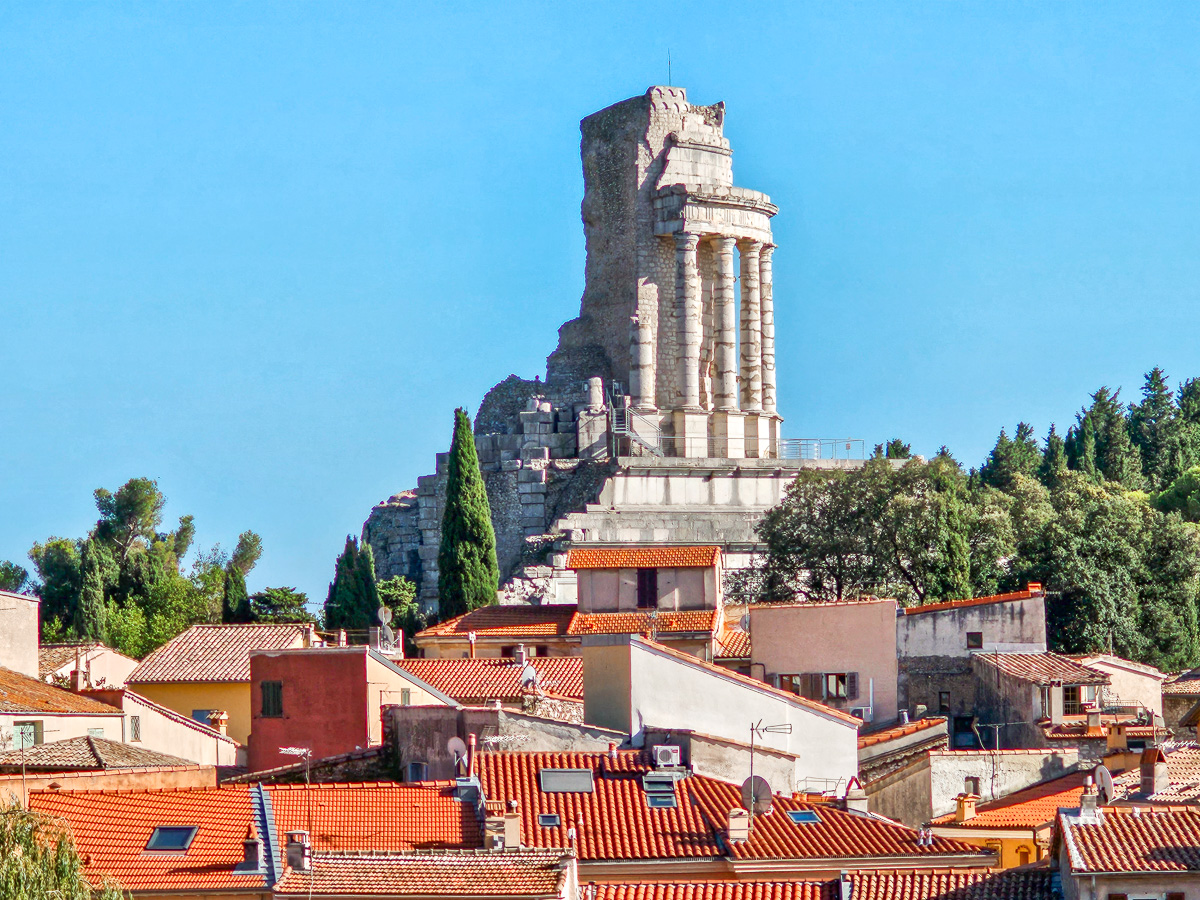
La Turbie, perched high above Monaco on the French Riviera, is best known for the Trophy of Augustus, a massive monument built around 6 BC to celebrate Emperor Augustus’s victories over the Ligurian tribes. Though partly ruined, its towering columns still dominate the town’s skyline.
Arles
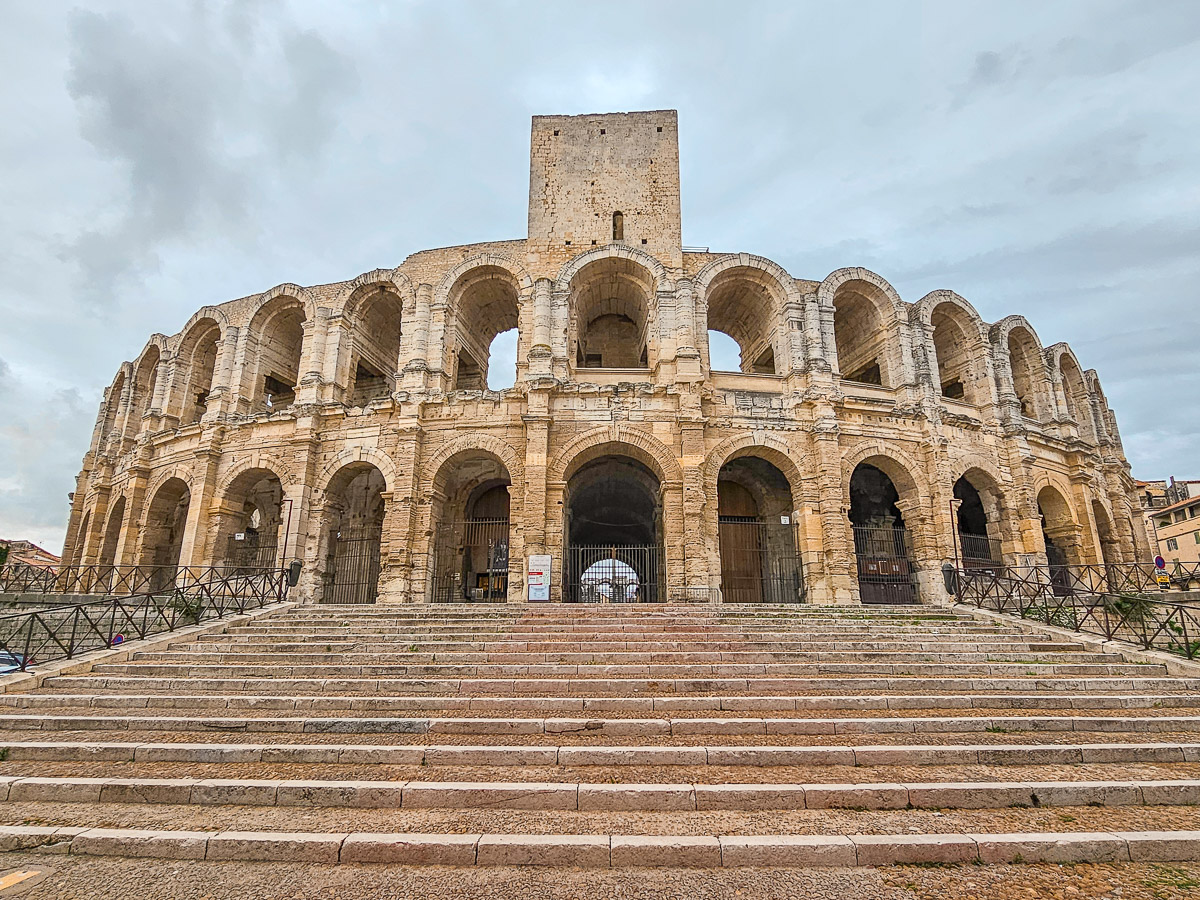
Arles is home to five major Roman sites, making it one of the best cities in France to explore ancient history. The Arles Arena, once used for gladiator battles and chariot races, still hosts events today, while the nearby partially ruined Roman Theatre preserves its original stage and two towering columns. Other sites include the underground Cryptoporticus, the Baths of Constantine, and the Alyscamps necropolis.
Lyon
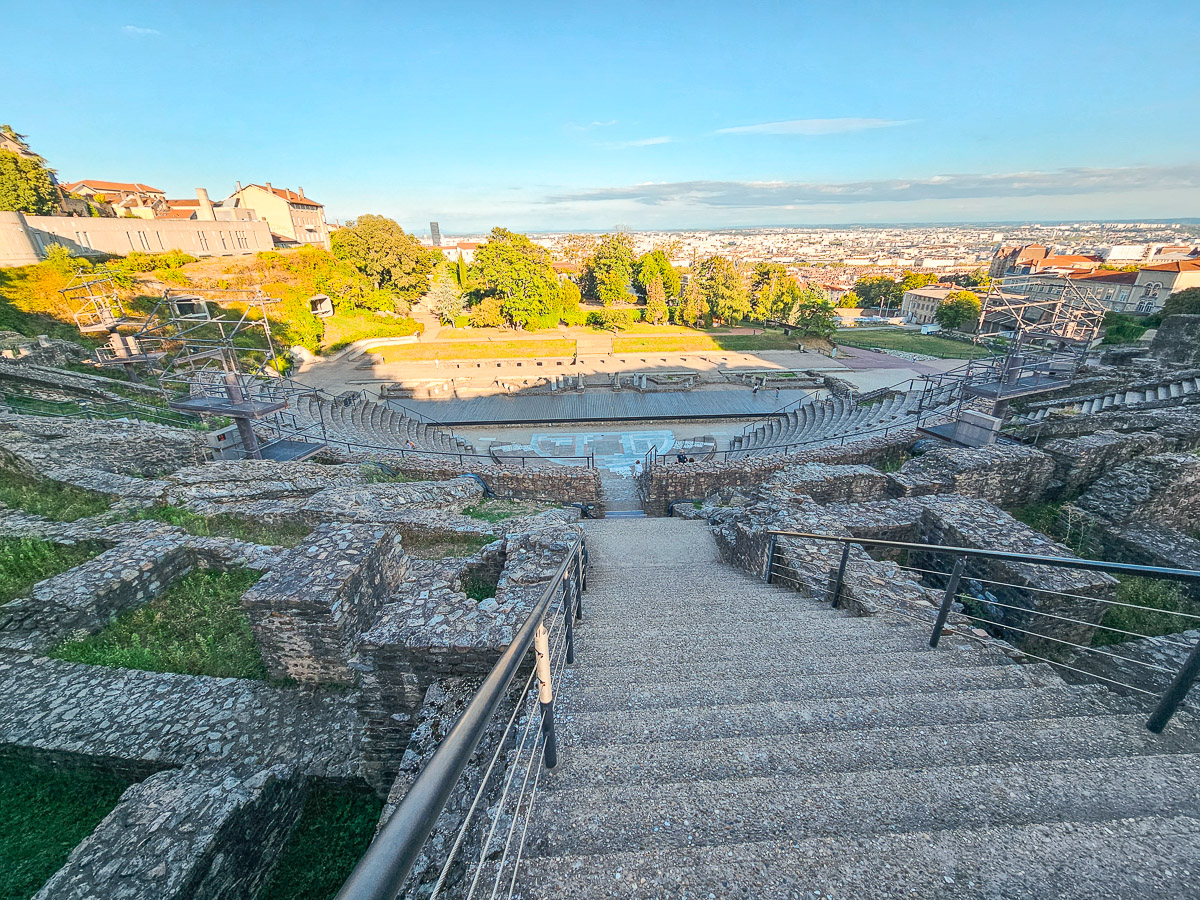
Lyon, founded as the Roman city of Lugdunum in 43 BC, was one of the most important settlements in Gaul. On Fourvière Hill, the Roman Theater and smaller Odeon still stand – once used for performances and public gatherings and now open for visitors. Nearby, the Lugdunum Museum showcases mosaics, sculptures, and artifacts from Lyon’s ancient past.
Aix-en-Provence
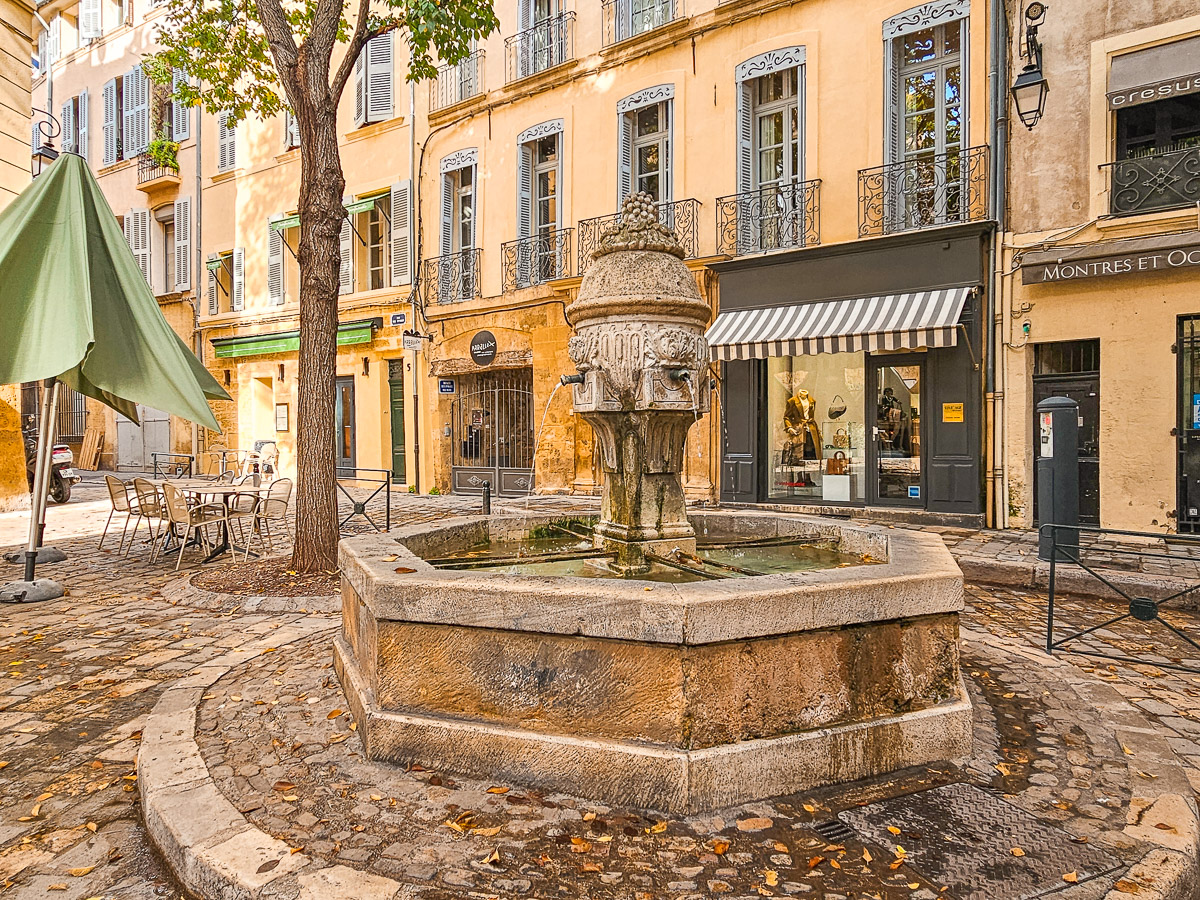
Aix-en-Provence, founded by the Romans as Aquae Sextiae (“Waters of Sextius”), owes its name and character to the thermal springs discovered here over 2,000 years ago. The city became famous for its fountains built over the years, from tiny stone basins tucked along narrow streets to the grand La Rotonde at the town’s center. Many still flow with fresh water today, a lasting reminder of Aix’s Roman origins. Read More: Aix-en-Provence is Provence’s best city
Saint-Rémy-de-Provence
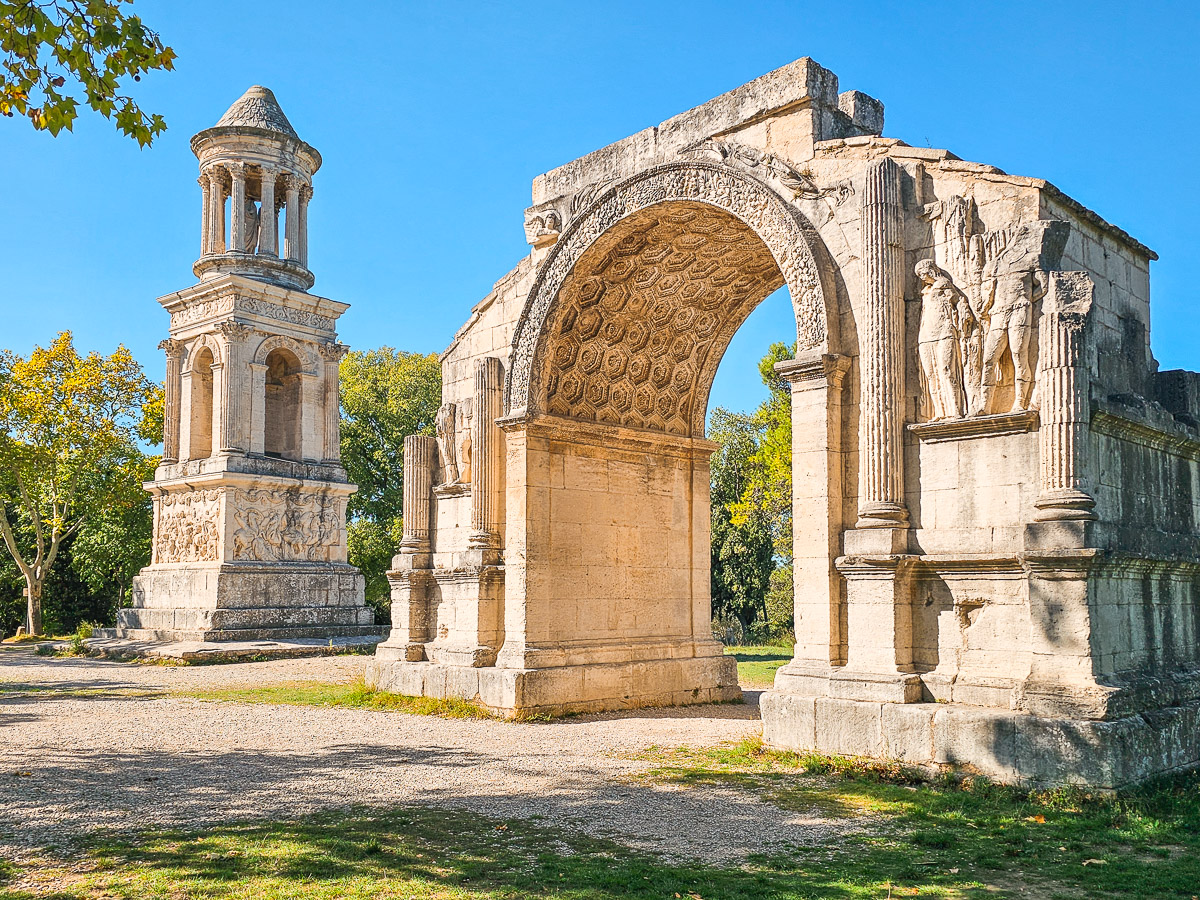
Just outside Saint-Rémy-de-Provence, Les Antiques includes the Mausoleum of the Julii, built around 30 BC, as well as the Triumphal Arch, from 20 AD. The arch once marked the entrance to Glanum, an ancient Roman colony. Surrounded by olive and cypress trees, this ruined town features remnants of temples, baths, and a forum that are fascinating to explore. Read More: Van Gogh’s ties to Saint-Rémy
Nice
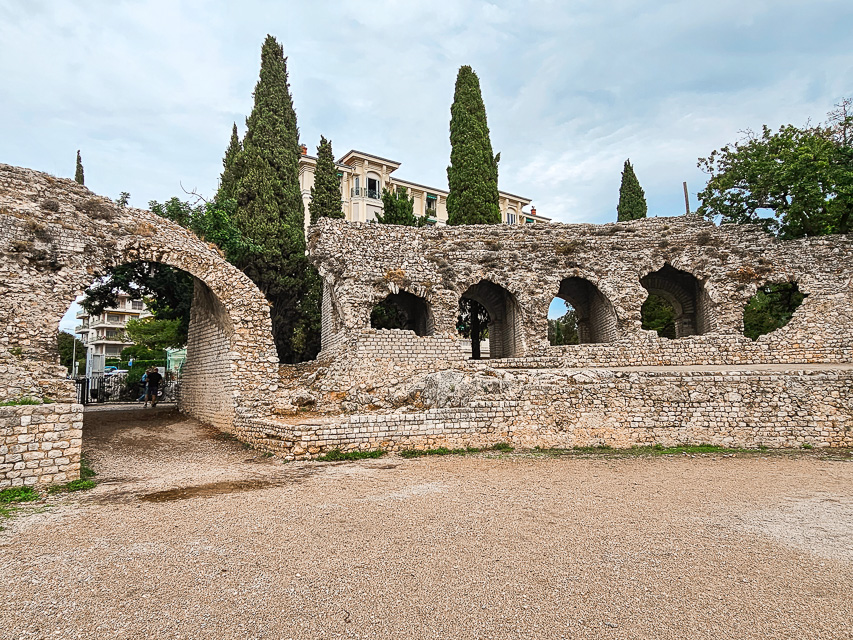
Long before Nice became a seaside resort, it was the Roman city of Cemenelum. The ruins of an amphitheater and public baths in the Cimiez neighborhood offer a glimpse into that history, along with artifacts housed in the Musée d’Archéologie de Nice.
Bordeaux
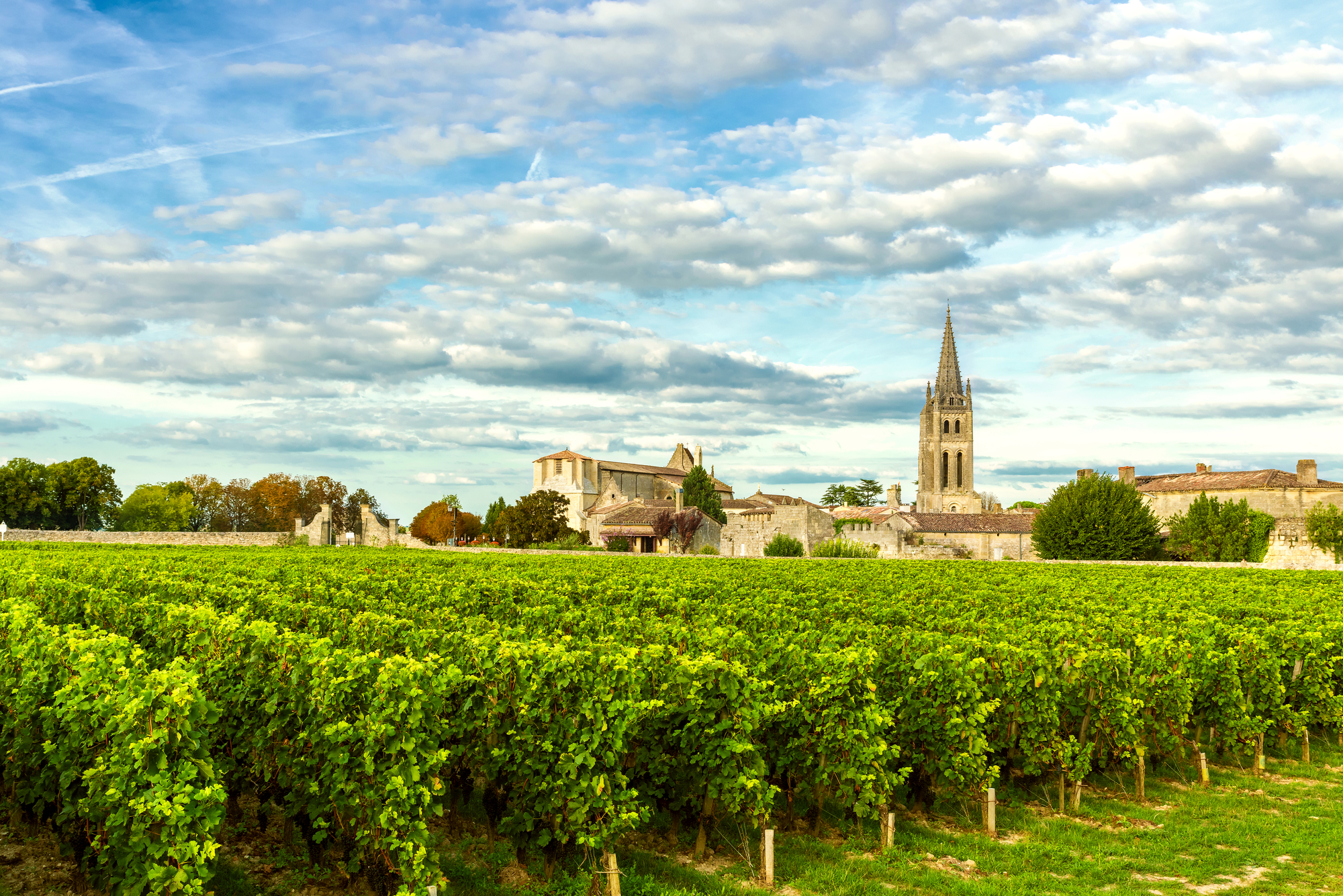
Bordeaux’s winemaking roots stretch back to Roman times, when settlers planted the region’s first vineyards nearly 2,000 years ago. Besides the flourishing vineyards that fill the region, traces of the ancient past still remain in the city, from the ruins of the Palais Gallien amphitheater to the Saint-Seurin archaeological site with Roman-era tombs.
